Introduction to the Corsa VXR
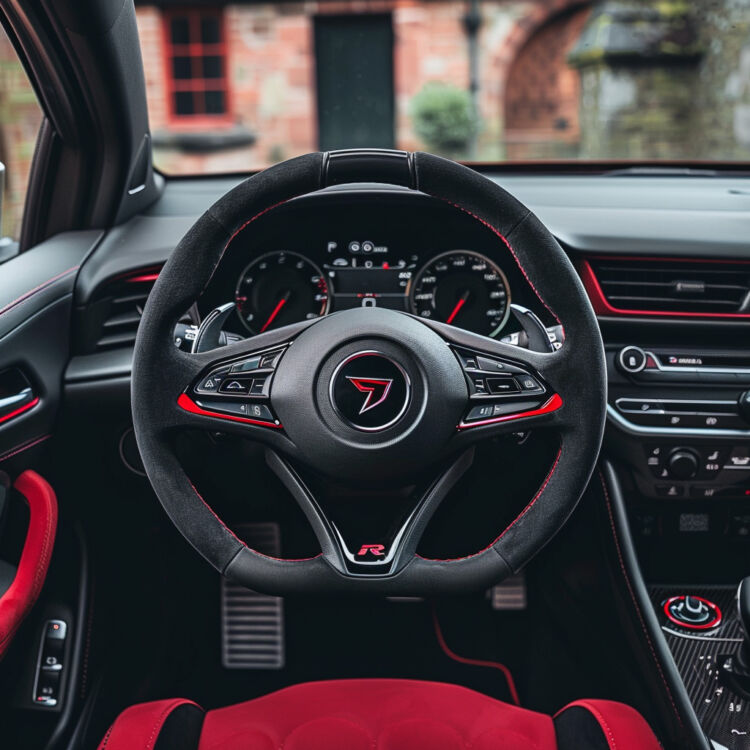
The Vauxhall Corsa VXR is a hot hatch that’s earned a reputation for delivering thrills on a budget. With its punchy turbocharged engine and sporty styling, it’s a favourite among driving enthusiasts. But like any performance car, it’s not without its quirks. Over the years, owners have reported a range of issues that can turn the driving experience from exhilarating to frustrating.
From engine gremlins to electrical hiccups, the Corsa VXR has its fair share of common problems. In this article, we’ll dive deep into what makes this car tick—and what can go wrong. Whether you’re a proud owner or considering buying one, understanding these issues can save you time, money, and headaches down the road. Let’s get started.
Key Takeaways
- The Corsa VXR is a fun but flawed hot hatch with several recurring issues.
- Engine problems, including overheating and turbo failures, are common.
- Electrical faults and suspension noise can detract from the driving experience.
- Regular maintenance is key to keeping the car running smoothly.
- Knowing the common faults can help you make an informed buying decision.
[vxr_quiz]
Engine Performance and Reliability
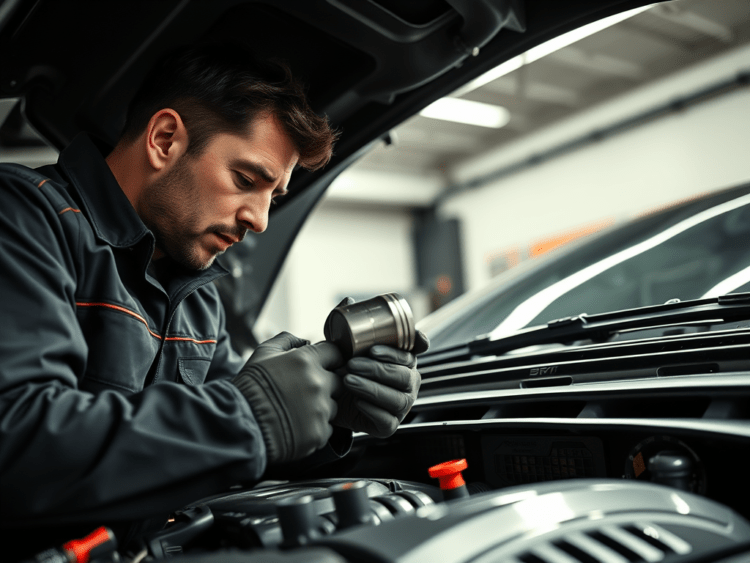
The heart of the Corsa VXR is its turbocharged 1.6-litre engine, which packs a punch but isn’t without its weaknesses. Many owners report overheating issues, especially during spirited driving. The cooling system struggles to keep up, leading to potential engine damage if not addressed promptly. If you’re pushing the car hard, keep an eye on the temperature gauge.
Turbocharger failures are another headache. The turbo is a critical component, and when it fails, it’s often expensive to replace. Symptoms include loss of power, excessive smoke, and unusual noises. Oil consumption is also a known issue, with some engines burning through oil faster than expected. Regular checks and timely servicing can mitigate these problems.
Overheating issues
Overheating is a frequent complaint among Corsa VXR owners. The car’s compact design and high-performance nature strain the cooling system. Common culprits include faulty thermostats, radiator leaks, or a failing water pump. If you notice the temperature creeping into the red, pull over immediately to avoid serious damage.
Preventative measures include upgrading the cooling system and ensuring the coolant is topped up. Some owners opt for aftermarket radiators or improved fans to keep temperatures in check. Regular maintenance is crucial—don’t ignore warning signs.
Turbocharger failures
The turbocharger is a highlight of the Corsa VXR’s performance, but it’s also a weak point. Failures often stem from oil starvation or excessive heat. Symptoms include a whining noise, reduced power, or smoke from the exhaust. Replacing a turbo isn’t cheap, so catching issues early can save you a hefty bill.
To prolong turbo life, use high-quality oil and change it regularly. Let the engine warm up before pushing it hard, and allow it to cool down after a spirited drive. These small habits can make a big difference.
Oil consumption problems
Excessive oil consumption is another common gripe. Some engines burn oil at an alarming rate, leading to low levels and potential damage. Regularly check the dipstick and top up as needed. If consumption is excessive, it might indicate worn piston rings or valve seals—issues that require professional attention.
Using the right grade of oil and sticking to service intervals can help manage this problem. If you’re unsure, consult a specialist who knows the Corsa VXR’s engine inside out. Prevention is always better than cure.
Engine Performance and Reliability
The Corsa VXR is a pocket rocket, but like any high-performance car, it comes with its share of engine-related headaches. Overheating is a common gripe, especially when pushing the car hard. The turbocharger, while a beast when working, can fail prematurely, leaving you with a hefty repair bill. And let’s not forget the oil consumption—some owners report topping up more often than they’d like.
We’ve seen cases where the turbocharger gives up the ghost after just 50,000 miles, and overheating can warp the cylinder head if not addressed promptly. Regular maintenance is key, but even then, these issues can creep up. If you’re considering a Corsa VXR, factor in potential engine costs.
Overheating issues
Overheating in the Corsa VXR often stems from a faulty cooling system or a clogged radiator. The car’s compact design doesn’t help, as airflow can be restricted. Owners should keep an eye on coolant levels and consider upgrading the radiator if they plan to track the car.
Ignoring overheating can lead to catastrophic engine damage. We recommend installing an aftermarket temperature gauge to monitor things closely. If you’re unsure about your car’s cooling system, a professional inspection is a must.
Turbocharger failures
The turbocharger is the heart of the VXR’s performance, but it’s also a weak point. Premature failure is often due to oil starvation or excessive heat. Symptoms include loss of power, strange noises, or smoke from the exhaust.
Replacing a turbo isn’t cheap, so regular oil changes and using high-quality lubricants are non-negotiable. If you’re buying used, check the turbo’s condition thoroughly—better safe than sorry.
Oil consumption problems
Some VXRs drink oil like it’s going out of fashion. This can be due to worn piston rings or valve stem seals. While a bit of oil consumption is normal for a performance car, excessive use is a red flag.
Keep an eye on your oil levels and look for leaks. If your car is guzzling oil, it might be time for a compression test to diagnose the issue.
Transmission and Clutch Concerns
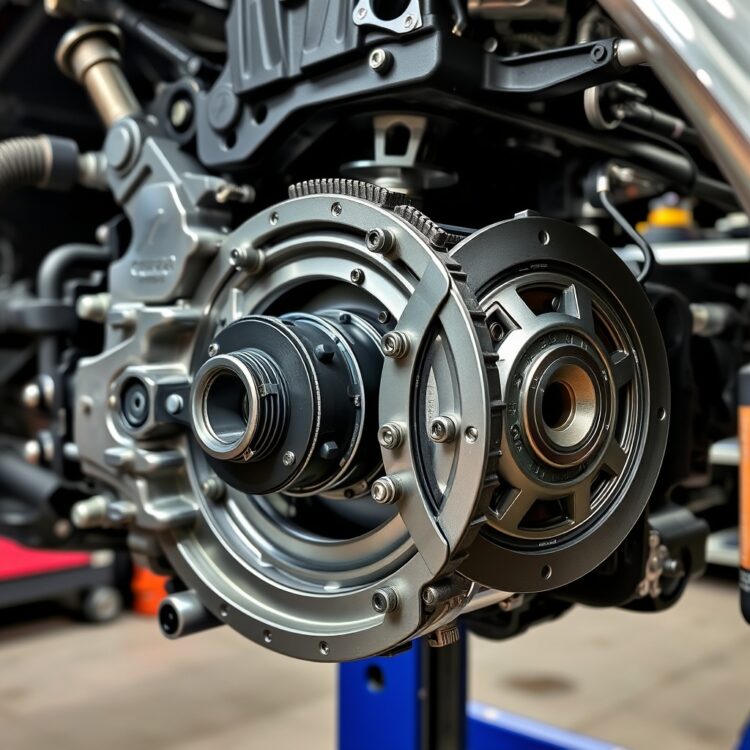
The Corsa VXR’s transmission is robust, but it’s not immune to problems. Gearbox faults, such as crunching gears or difficulty shifting, are common, especially in older models. The clutch, meanwhile, can wear out faster than expected, particularly if the car has been driven hard.
We’ve heard of gearboxes needing rebuilds as early as 60,000 miles. If you’re experiencing shifting issues, don’t ignore them—early intervention can save you a fortune. For those who love to drive aggressively, a performance clutch upgrade might be worth considering.
Gearbox faults
Gearbox issues often manifest as difficulty engaging gears or a grinding noise. This can be due to worn synchros or low transmission fluid. Regular fluid checks and changes can help prolong the gearbox’s life.
If you’re buying a used VXR, test the gearbox thoroughly. Any hesitation or noise is a sign of trouble. A rebuild or replacement isn’t cheap, so factor this into your budget.
Clutch wear and tear
The clutch in the VXR is a known weak spot, especially if the car has been driven hard. Symptoms include slipping, a spongy pedal, or difficulty shifting. A clutch replacement is a common expense for VXR owners.
Upgrading to a performance clutch can improve durability, but it’s not a cheap fix. If you’re planning to mod your VXR, this is one area where you shouldn’t cut corners.
Suspension and Handling Issues
The Corsa VXR’s suspension is tuned for performance, but it’s not without its flaws. Suspension noise, such as clunks or rattles, is a frequent complaint. Premature bushing wear is another issue, particularly in cars that see regular hard driving.
Replacing worn bushings can transform the car’s handling, but it’s a job best left to professionals. If you’re noticing unusual noises or a loose feel, it’s time for a suspension check. For those who want to push their VXR further, upgrading the suspension can be a game-changer.
Suspension noise
Clunks or rattles from the suspension are often due to worn bushings or damaged shock absorbers. These issues can worsen over time, affecting the car’s handling and comfort.
Regular inspections can catch problems early. If you’re hearing noises, don’t delay—get it checked out before it leads to bigger (and costlier) issues.
Premature bushing wear
The VXR’s bushings don’t last as long as they should, especially in high-mileage cars. Worn bushings can cause vague steering and uneven tire wear.
Upgrading to polyurethane bushings can improve durability and handling. It’s a relatively inexpensive mod that can make a big difference.
Electrical System Faults
One of the most frustrating issues with the Corsa VXR is its electrical system. Owners often report a mysterious battery drain, leaving them stranded with a dead battery. This isn’t just an inconvenience—it’s a recurring problem that can stem from faulty wiring or a parasitic draw. We’ve seen cases where even after replacing the battery, the issue persists, pointing to deeper electrical gremlins.
Another common gripe is the infotainment system glitches. Whether it’s the screen freezing, Bluetooth connectivity dropping, or the system rebooting randomly, these issues can turn a smooth drive into a tech nightmare. While some fixes involve software updates, others may require a complete unit replacement. If you’re considering a Corsa VXR, be prepared to tackle these electrical quirks head-on.
Battery Drain
The battery drain problem is more than just a minor annoyance. Many owners wake up to a car that won’t start, despite the battery being relatively new. The culprit? Often, it’s a faulty alternator or a parasitic draw from aftermarket accessories. We recommend regular checks and investing in a quality battery monitor to stay ahead of the issue.
Infotainment System Glitches
The infotainment system in the Corsa VXR is packed with features, but it’s also prone to glitches. From unresponsive touchscreens to sudden reboots, these issues can disrupt your driving experience. Some owners have found success with firmware updates, but others have had to replace the entire unit. For more insights on the Corsa VXR’s specs, check out our detailed guide.
Interior Quality and Comfort
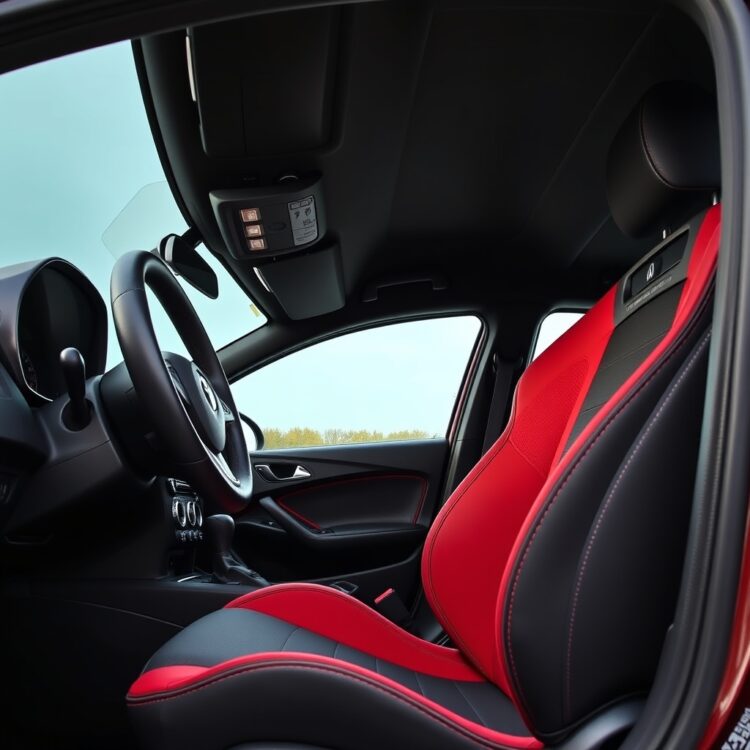
The Corsa VXR’s interior is sporty but not without its flaws. The seats, especially the bolstered ones, show signs of wear far too quickly. The fabric or leather can fray, and the stitching may come undone, which is disappointing for a car in this price range. We’ve also noticed that the dashboard materials, while stylish, can develop rattles over time, detracting from the premium feel.
Comfort is another area where the Corsa VXR falls short. The ride is firm, which is expected in a hot hatch, but the lack of lumbar support in the seats can make long drives uncomfortable. If you’re planning to use this car daily, these interior quirks might wear on you. For more on design ideas to enhance your Corsa VXR’s interior, explore our tips.
Seat Wear
The seats in the Corsa VXR are designed for sporty driving, but they don’t hold up well under daily use. The fabric or leather can wear out quickly, especially on the driver’s side. Some owners have resorted to seat covers or reupholstering to combat this issue. It’s a shame for a car that otherwise feels premium.
Dashboard Rattles
Dashboard rattles are a common complaint among Corsa VXR owners. These noises can start small but become increasingly annoying over time. The culprit is often loose trim pieces or poor insulation. While some fixes are DIY-friendly, others may require professional attention. For a deeper dive into the common faults of the Vauxhall Corsa, including the VXR, check out our article.
Exterior and Bodywork Problems
The Corsa VXR’s exterior is eye-catching, but it’s not immune to issues. Paint chipping is a frequent complaint, particularly on the front bumper and bonnet. This is likely due to the thin paint quality, which doesn’t hold up well against road debris. Rust spots can also appear prematurely, especially around the wheel arches and door edges.
Another concern is the build quality of the body panels. Some owners report uneven panel gaps or misaligned doors, which can affect the car’s aerodynamics and aesthetics. While these issues might seem minor, they can impact resale value. If you’re curious about how the Corsa VXR compares to other models, read our take on whether the Corsa VXR is faster than a Fiesta ST.
Paint Chipping
The paint on the Corsa VXR is prone to chipping, especially on high-impact areas like the front bumper. This is frustrating for owners who take pride in their car’s appearance. Investing in a paint protection film or regular touch-ups can help mitigate the issue, but it’s an ongoing battle.
Rust Spots
Rust spots are another headache for Corsa VXR owners. These tend to appear around the wheel arches and door edges, often due to poor rustproofing. Regular inspections and timely treatments can slow the progression, but it’s a problem that shouldn’t exist in a modern car. For more on maintaining your Corsa VXR, explore our automotive blog.
Fuel Efficiency and Economy
The Corsa VXR’s fuel efficiency is a mixed bag. While it’s not expected to be a fuel-sipper, many owners report below-expected MPG figures. This is partly due to the car’s performance-oriented tuning, but it’s still disappointing for those who hoped for better economy. The fuel system can also develop issues, such as clogged injectors or a faulty fuel pump.
Another common problem is the car’s thirst for premium fuel. Running the Corsa VXR on lower-octane fuel can lead to performance drops and even engine damage. This adds to the running costs, making it less economical than some rivals. If you’re considering a Corsa VXR, factor in these fuel-related expenses. For a detailed comparison, check out this Autocar review.
Below Expected MPG
The Corsa VXR’s fuel economy often falls short of advertised figures. Owners report averaging around 30 MPG in mixed driving, which is underwhelming for a small hatchback. Aggressive driving habits can drop this even further, so it’s worth considering if you’re budget-conscious.
Fuel System Issues
Fuel system problems, such as clogged injectors or a failing fuel pump, can plague the Corsa VXR. These issues can lead to poor performance, rough idling, or even stalling. Regular maintenance and using high-quality fuel can help, but it’s a recurring concern for many owners.
Braking System Issues
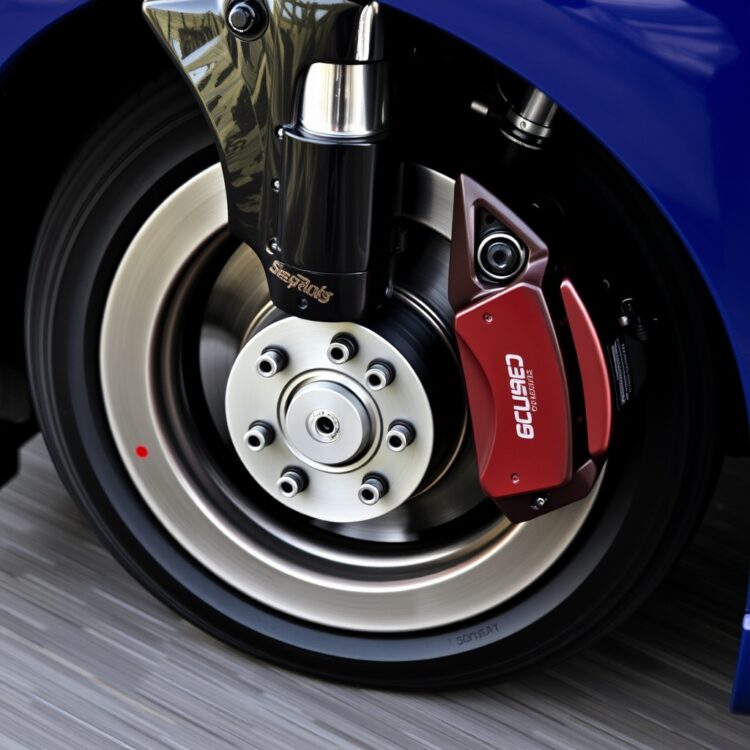
One of the most critical systems in any performance car like the Corsa VXR is the braking system. Unfortunately, owners often report premature brake wear, especially if the car is driven hard. The high-performance nature of the VXR means the brakes are under constant stress, leading to faster degradation of pads and discs. Regular inspections are a must to avoid safety issues.
Another common problem is faults with the ABS sensors. These sensors are vital for maintaining control during sudden stops, but they can fail due to dirt or wear. When the ABS system malfunctions, it can trigger warning lights and reduce braking efficiency. Replacing these sensors isn’t overly expensive, but it’s a hassle that many VXR owners could do without.
Premature Brake Wear
The Corsa VXR is designed for spirited driving, but this comes at a cost to the braking system. Many owners notice their brake pads and discs wearing out much sooner than expected, sometimes within 20,000 miles. Aggressive driving styles exacerbate this issue, so it’s worth considering upgrading to higher-quality aftermarket parts if you plan to push the car hard.
Another factor is the weight of the VXR, which is heavier than standard Corsa models. This extra weight puts additional strain on the brakes, accelerating wear. If you’re noticing squealing or reduced braking performance, it’s time to check the condition of your pads and discs—don’t wait until it’s too late.
ABS Sensor Faults
ABS sensor issues are a recurring headache for VXR owners. These sensors are prone to failure, often due to exposure to road debris or moisture. When they fail, the ABS warning light will illuminate, and the system may not function correctly. This can be dangerous in emergency braking situations, so it’s best to address the problem immediately.
Replacing the sensors isn’t a complex job, but it can be time-consuming. Some owners opt to clean the sensors first, as dirt buildup can sometimes mimic a fault. However, if cleaning doesn’t resolve the issue, replacement is the only option. It’s a small price to pay for maintaining the safety of your Corsa VXR.
Cooling System Problems
The cooling system in the Corsa VXR is another area where problems frequently arise. Radiator leaks are a common complaint, often caused by the high temperatures generated by the turbocharged engine. If you notice coolant levels dropping without an obvious explanation, it’s worth checking the radiator for signs of wear or damage.
Thermostat failures are also prevalent. A faulty thermostat can cause the engine to overheat or run too cold, both of which can lead to long-term damage. Symptoms include erratic temperature gauge readings or the engine taking too long to warm up. Replacing the thermostat is a relatively straightforward fix, but ignoring it can lead to costly repairs.
Radiator Leaks
Radiator leaks are a frequent issue in the Corsa VXR, particularly in older models. The combination of high engine temperatures and the radiator’s plastic components can lead to cracks or leaks over time. If you spot coolant pooling under the car or notice a sweet smell from the engine bay, it’s time to inspect the radiator.
Replacing a radiator isn’t cheap, but it’s essential to prevent engine overheating. Some owners opt for aftermarket aluminium radiators, which are more durable than the stock parts. Whichever route you choose, addressing leaks promptly will save you from more severe engine problems down the line.
Thermostat Failures
A failing thermostat can wreak havoc on your VXR’s engine. If it sticks open, the engine will run too cold, reducing efficiency and increasing wear. If it sticks closed, the engine can overheat, potentially causing catastrophic damage. Symptoms include fluctuating temperature readings or the heater not working correctly.
Replacing the thermostat is a relatively simple job, but it’s one that shouldn’t be delayed. A new thermostat is inexpensive, and the labour costs are minimal. Keeping your cooling system in top condition is crucial for the longevity of your Corsa VXR, so don’t ignore the warning signs.
Warranty and Recall Issues
When it comes to the Corsa VXR, warranty and recall issues can be a headache for owners. I’ve seen firsthand how some models have been affected by recalls, particularly around the turbocharger and electrical systems. It’s crucial to check if your vehicle falls under any known recalls to avoid unexpected repair costs down the line.
Warranty coverage is another area where owners often find themselves frustrated. While the Corsa VXR comes with a standard warranty, it’s not uncommon for certain wear-and-tear items to be excluded. We always recommend reading the fine print and considering extended warranty options if you plan to keep the car long-term.
Known recalls
Recalls for the Corsa VXR typically revolve around performance and safety. For instance, some models have been recalled for faulty turbochargers that can lead to engine failure. Electrical issues, like battery drain, have also prompted recalls. Staying updated on these recalls ensures your car remains safe and reliable.
If you’re unsure whether your Corsa VXR is affected, a quick check with your local dealership or the manufacturer’s website can provide clarity. Ignoring recalls can lead to bigger problems, so it’s best to address them promptly.
Warranty coverage tips
Maximising your warranty coverage starts with understanding what’s included. Regular servicing at authorised centres is often a requirement to keep the warranty valid. We’ve found that keeping detailed service records can save you from disputes later.
Additionally, some aftermarket modifications can void your warranty. If you’re planning upgrades, check the terms first. A little caution now can prevent costly surprises in the future.
Maintenance Tips for Longevity
Keeping your Corsa VXR in top shape requires a proactive approach. Regular maintenance isn’t just about avoiding breakdowns—it’s about preserving performance and value. I’ve learned that sticking to a strict service schedule is the best way to ensure longevity.
Simple habits, like checking fluid levels and tyre pressure, can make a big difference. The Corsa VXR is a performance car, and treating it like one will pay off in the long run. Don’t skip those minor checks; they add up.
Regular servicing
Scheduled servicing is non-negotiable for the Corsa VXR. Oil changes, filter replacements, and brake inspections should be done on time. We’ve seen too many owners neglect these basics, only to face expensive repairs later.
Using high-quality parts and fluids is equally important. Cutting corners here might save money short-term, but it’ll cost you in the long run. Trust us—your car will thank you.
DIY checks
Not all maintenance requires a mechanic. Simple DIY checks, like inspecting the coolant level or listening for unusual noises, can catch problems early. I always keep an eye on the turbocharger and exhaust system, as these are common trouble spots.
Investing in a basic toolkit and learning a few skills can go a long way. Even if you’re not a car expert, knowing the basics can help you spot issues before they escalate.
Conclusion and Final Thoughts
The Corsa VXR is a thrilling car, but it’s not without its quirks. From turbocharger failures to warranty woes, being aware of these issues can save you time and money. We’ve covered the most common problems and shared tips to keep your VXR running smoothly.
At the end of the day, the Corsa VXR is a joy to drive—if you’re willing to put in the effort to maintain it. Stay on top of recalls, stick to your service schedule, and enjoy the ride.
Frequently Asked Questions
What are the most common recalls for the Corsa VXR?
The Corsa VXR has seen recalls for turbocharger failures and electrical issues like battery drain. Always check with your dealership or the manufacturer’s website to see if your car is affected. Addressing recalls promptly ensures safety and reliability.
Does modifying my Corsa VXR void the warranty?
Some aftermarket modifications can void your warranty, especially if they affect performance or safety. Always review your warranty terms before making changes. Sticking to manufacturer-approved upgrades is the safest bet.
How often should I service my Corsa VXR?
Regular servicing every 10,000 miles or annually is recommended for the Corsa VXR. This includes oil changes, filter replacements, and brake inspections. Skipping services can lead to costly repairs down the line.
What DIY checks can I perform on my Corsa VXR?
Simple checks like monitoring fluid levels, tyre pressure, and listening for unusual noises can help catch issues early. Focus on the turbocharger and exhaust system, as these are common problem areas. A little vigilance goes a long way.