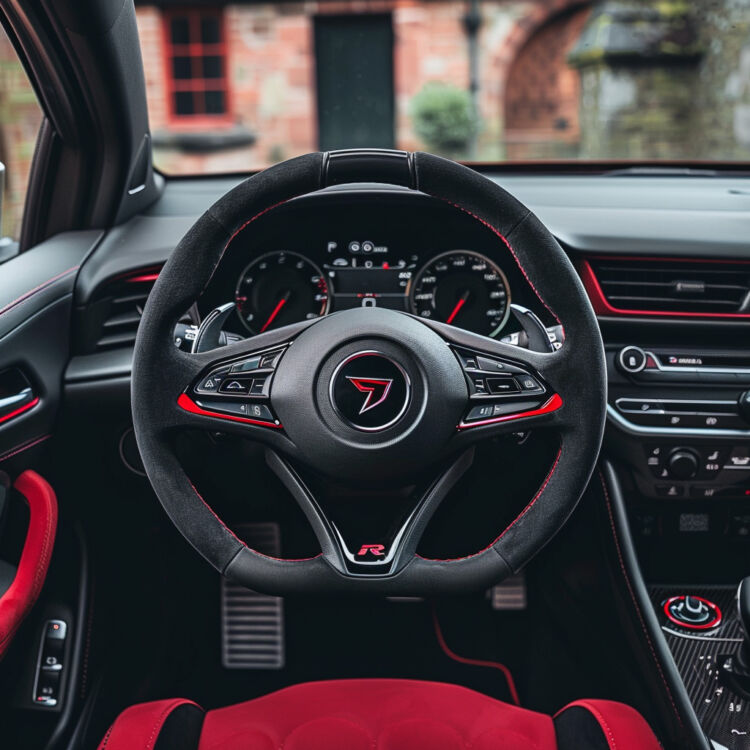
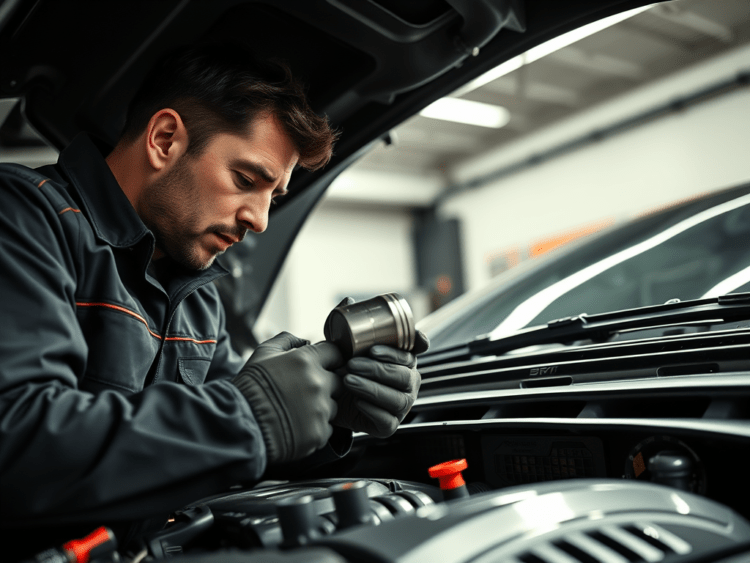
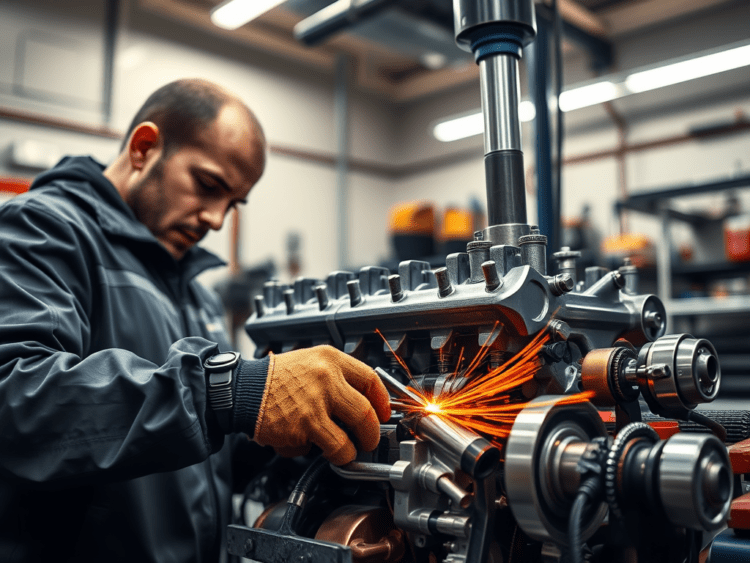
The Vauxhall Corsa is a popular car known for its compact design and affordability, making it a favourite among many drivers. Still, like any vehicle, it’s not without its quirks. Some of the most notable issues include engine performance problems and handbrake faults, particularly in certain models that have even been recalled for safety reasons. These challenges, while concerning, are not uncommon in cars that aim to balance cost and functionality.
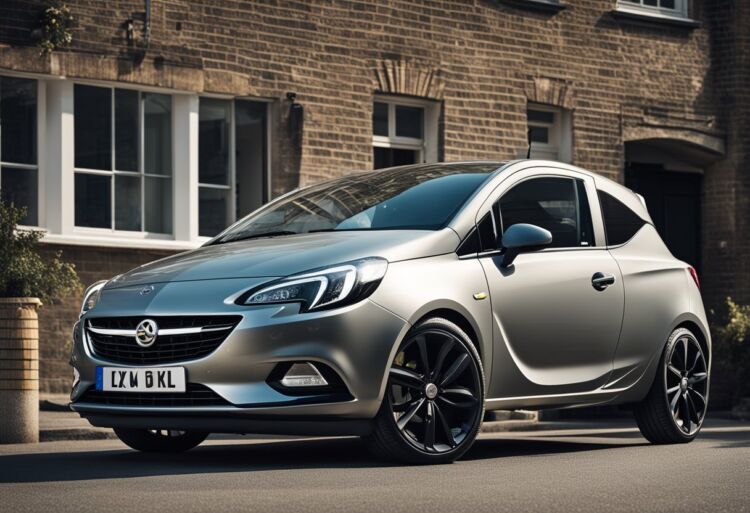
Over the years, the Corsa has shown varied reliability, with some models having minor bodywork issues. Older generations of the Corsa, particularly those manufactured between 2009 and 2010, have seen a share of faults. Interestingly, despite its problems, the vehicle remains one of the best-selling cars in its class, thanks in part to regular updates and a strong owner satisfaction base.
When looking at the Corsa’s performance over time, it’s essential to recognise both mechanical and electrical issues. Electrical and infotainment faults can be frustrating for drivers who rely on smooth technology integration. Meanwhile, addressing these issues with regular maintenance can significantly enhance the ownership experience.
Key Takeaways
- The Corsa is popular but has common faults like engine and handbrake issues.
- Regular maintenance can improve reliability and owner satisfaction.
- Despite issues, the Corsa remains a top-selling choice.
Historical Context of the Vauxhall Corsa
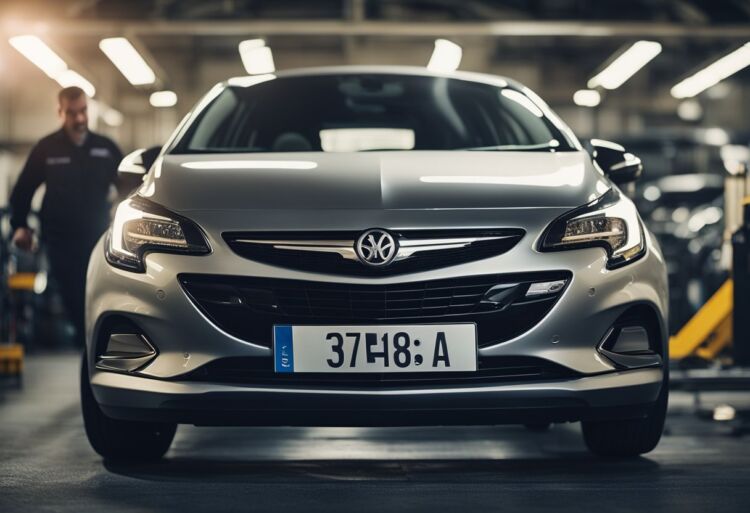
The Vauxhall Corsa has a rich history beginning as the Vauxhall Nova. Over time, it evolved through different generations including the Corsa D and the latest Corsa F. Each iteration brought advancements and changes that improved and redefined its place in the market.
[vxr_quiz]
The Evolution from Vauxhall Nova to Corsa F
The history of the Vauxhall Corsa traces back to its roots with the Vauxhall Nova in the early ’80s. The Nova was known for its compact design and reliability, setting the stage for its successor, the Corsa.
When the Nova transformed into the Corsa, the name change aligned it with the European market. This shift marked the beginning of a series of updates and improvements over several generations.
The introduction of the Corsa D brought a more modern design along with technological advancements. It came equipped with features that appealed to drivers seeking practicality combined with modest style.
The latest in the lineup, the Corsa F, offers both traditional fuel options and an all-electric model known as the Corsa-e. This reflects our move towards sustainable driving solutions, combining sleek design with environmentally friendly choices.
Mechanical Issues
In this section, we explore the typical mechanical problems that Vauxhall Corsa owners may encounter, with a focus on common faults like timing chain and tensioner issues, steering concerns, and braking system defects. Each issue is addressed with potential solutions and repair considerations.
Timing Chain and Tensioner Faults
Timing chain issues in the Vauxhall Corsa can lead to engine performance problems. The timing chain’s role is to ensure the engine’s valves open and close at the correct times. A faulty chain or tensioner can cause the engine to make rattling noises. If left unchecked, it may result in severe engine damage.
It’s crucial to address these issues promptly. A common sign of a failing timing chain is a rattling noise coming from the engine. Regular maintenance checks can help prevent problems. When needed, replacing the timing chain and tensioner parts can resolve the issue. It’s worth considering a professional mechanic for this job due to its complexity.
Steering Rack and Wheel Concerns
The steering rack in a Vauxhall Corsa is vital for handling. Common problems include stiffness or a loose feel when turning the wheel. Issues with the steering rack can make driving unsafe. Sometimes, a worn-out or damaged steering rack is to blame.
Regular inspections can catch these problems early on. Addressing them may involve replacing the steering rack or related components, depending on the severity. We recommend consulting with an auto repair expert for accurate diagnosis and repair to ensure proper handling and safety.
Common Clutch Problems
Clutch problems are another frequent concern for Vauxhall Corsa owners. Symptoms may include difficulty in changing gears or a clutch pedal that feels too loose or soft. These problems can be frustrating and affect overall driving experience.
To resolve clutch issues, it may be necessary to replace the clutch plate or adjust the cable tension. Regular checks of the clutch system can help catch problems early. A faulty clutch not only affects performance but can also lead to further mechanical issues if ignored. Proper maintenance and timely repairs by a skilled mechanic can prevent these concerns from escalating.
Handbrake and Braking System Defects
Our Vauxhall Corsa owners may experience handbrake issues, particularly in models built between 2009 and 2010. A loose or disengaged handbrake cable can compromise safety. This handbrake defect is significant enough to have prompted recalls.
Regular checks ensure the handbrake functions properly, and repairs involve adjusting or replacing cables. The braking system also deserves attention. Problems like squeaking brakes can indicate worn pads or rotors. Ensuring all components are in good condition reinforces safety and performance. Professional mechanics can provide the best solutions for these issues.
Gearbox Problems and Repairs
Gearbox issues in a Vauxhall Corsa can manifest as difficulty in shifting gears or unusual noises when driving. Sometimes, gearbox problems originate from low transmission fluid or worn synchronisers. Addressing these issues involves regular gearbox maintenance to ensure fluid levels are adequate.
When problems arise, repairs might include replacing worn components or even rebuilding the gearbox. Seeking a professional evaluation can prevent further damage. Depending on the issue, costs can vary, but prompt attention can save on more costly repairs. Regular servicing can help maintain a smooth and efficient transmission system.
Electrical and Infotainment Faults
In our experience, electrical faults in the Vauxhall Corsa often involve issues with lights and fuses, while the infotainment systems are prone to software glitches. Understanding these problems helps in maintaining the car’s reliability.
Issues with Electrics and Bulbs
Vauxhall Corsas occasionally face problems with their electrical systems, particularly with bulbs and connections. Drivers often notice headlights or indicator lights failing without warning. These issues usually stem from loose connections or faulty wiring.
To resolve such problems, it’s crucial to regularly check the bulb housings and ensure connections are secure. If a light stops working, replacing the bulb or visiting an auto electrician may be necessary. Keeping spare bulbs in the car can also save time and hassle.
Air Conditioning Malfunctions
The air conditioning in a Vauxhall Corsa can sometimes become unreliable, especially in older models. Issues such as weak airflow or the system not cooling effectively are common complaints. These problems often arise from a failing compressor or low refrigerant levels.
Regular maintenance is essential to keep the system in top condition. We recommend checking the refrigerant levels at least once a year. Additionally, ensuring that the air filters are clean can improve the airflow and efficiency. By staying on top of these checks, we can make our driving experience more comfortable.
Infotainment System Reliability
When it comes to the infotainment system in the Corsa, owners often report issues with the touchscreen and audio output. Problems may include the display not responding or the sound cutting out unexpectedly. These faults can be frustrating, especially during long journeys.
Some infotainment systems require software updates to fix these glitches. Regularly checking for updates can enhance system performance. Additionally, it’s wise to reset the system when problems arise, by either unplugging the battery temporarily or using specific reset options available in the system’s menu. Keeping our infotainment systems updated ensures a smoother driving experience.
Bodywork and Interior
In our examination of the Vauxhall Corsa, we notice specific areas in the bodywork and interior that require attention. Rust issues often affect exterior components, while interior problems may involve seat adjusters and water ingress. Additionally, the radiator and cooling system can sometimes pose challenges.
Rust and Corrosion
Rust and corrosion are common issues we often find in the Vauxhall Corsa. These are especially prevalent in the wheel arches and along the door sills. Regular checks are crucial to catch rust in its early stages and avoid further damage.
We recommend applying anti-rust treatments as a preventative measure. This helps maintain the Corsa’s structural integrity and appearance. Keeping the vehicle clean and dry can also reduce the risk of corrosion, thus protecting its resale value.
Seat Adjuster and Water Ingress
Inside the Corsa, the seat adjuster mechanism can sometimes fail. This makes it difficult to position the seat comfortably, affecting driver ergonomics. Regular maintenance of the adjuster can prevent these problems.
Moreover, water ingress is a nuisance that may lead to damp carpets or even electrical issues. Inspecting rubber seals around doors and windows regularly can help us spot any leaks early. Addressing these issues promptly helps maintain a comfortable and dry interior environment.
Radiator and Cooling System
The Vauxhall Corsa’s radiator and cooling system are vital for engine performance. Issues here can include radiator leaks or a faulty thermostat. Regularly checking coolant levels and inspecting for leaks can help us avoid overheating.
We should service the cooling system at recommended intervals to ensure it functions correctly. If neglected, cooling system problems can lead to more severe engine issues. Proper maintenance can help ensure the Corsa runs smoothly and efficiently.
Safety Recalls and Issues
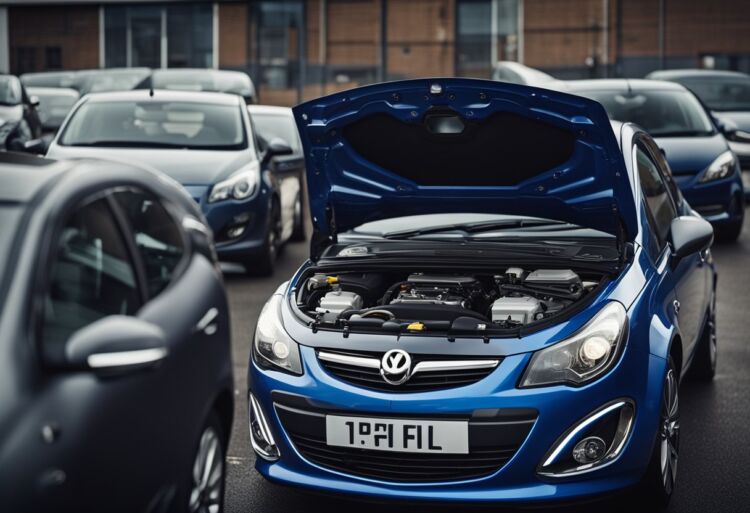
Vauxhall Corsa owners need to be aware of specific safety recalls associated with their vehicles. Engine issues, airbag deployment faults, and steering rack concerns have led to significant recalls. These issues underscore the importance of regular vehicle checks and servicing. Knowing the details of these recalls can help ensure safety and reliability.
Corsa Recalls Overview
There have been a number of significant recalls associated with the Vauxhall Corsa. One prominent issue involves potential emissions problems that triggered the recall of over 53,000 units. Safety recalls affect various model years, requiring owners to stay informed about potential risks.
Emissions faults can impact both performance and compliance with environmental regulations. Recalls address these by providing free repairs or updates to affected vehicles. Safety concerns such as malfunctioning airbags and faulty steering racks are also part of past recall campaigns. All vehicles under recall should be checked by a Vauxhall dealer to ensure the necessary repairs are completed.
Roof Side Rail Airbag Problems
One specific recall pertains to the roof side rail airbags, which may deploy incorrectly. A malfunction like this can cause significant safety risks during an accident. The defect was identified in past models, leading to a safety recall to correct the issue.
The airbags may not deploy as intended, reducing protection for passengers. It is critical that affected vehicles receive repairs to avoid potential injury during a collision. Checking the vehicle recall database for specific VIN numbers can determine if a Corsa is affected. By addressing these airbag issues promptly, we can enhance our vehicle’s safety and performance.
Maintenance and Service
Regular maintenance is crucial to keeping a Vauxhall Corsa running efficiently and safely. Two important areas we focus on are consistent oil changes and the careful upkeep of tyres and alloy wheels.
Oil Change and Service History
Routine oil changes are vital for the health of our Corsa’s engine. The engine oil not only lubricates the moving parts but also helps with cooling and cleaning. It’s recommended to change the oil every 10,000 miles or once a year, whichever comes first. Using high-quality oil that meets Vauxhall’s specifications ensures our engine remains in good condition.
Keeping an accurate service history is equally important. This documentation provides insight into what has been done on the vehicle in the past. It helps identify any recurring issues and ensures maintenance tasks aren’t missed. Moreover, a complete service history can enhance the vehicle’s resale value.
Tyres and Alloy Wheels Upkeep
Tyres play a significant role in our vehicle’s safety and performance. Regularly checking tyre pressure and tread depth helps improve fuel efficiency, handling, and overall safety. Under-inflated tyres can lead to uneven wear and increased fuel consumption. In contrast, over-inflated tyres can reduce traction.
For the alloy wheels, regular cleaning prevents dirt and brake dust from causing corrosion. Inspecting the wheels for damage, such as cracks or dents, is important after driving on rough roads. Prompt repairs or replacements ensure our wheels remain sturdy and safe. Prioritising these aspects of maintenance helps us maximise the life of our tyres and wheels.
Ownership and Practicality
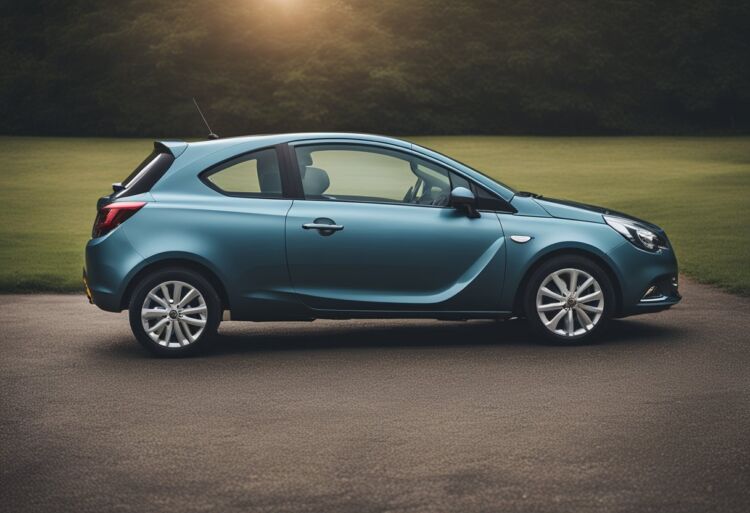
Owning a Vauxhall Corsa often highlights its balance between affordability and everyday convenience. We’ll explore the maintenance costs and how the Corsa fits into daily routines for owners.
Cost of Ownership and Repairs
Vauxhall Corsas are known for their reasonable running costs, making them attractive for budget-conscious drivers. The fuel economy is notable, with newer models being especially efficient. Insurance premiums can be modest, benefiting younger drivers and those seeking a cost-effective vehicle.
Repair costs can vary. Common issues like dashboard light malfunctions or engine performance concerns might require professional attention. However, many problems are manageable, especially with regular maintenance. Using authorised service centres can ensure parts and repairs maintain the car’s longevity, contributing to owner satisfaction. Even with occasional repairs, the Corsa remains an affordable option in its class.
Vehicle Practicality and Daily Use
The Vauxhall Corsa consistently appeals to drivers looking for practicality and ease of use. It is a compact car, making it perfect for urban environments and tight parking spaces. Despite its size, the interior space is optimised for comfort, providing sufficient room for passengers.
The boot space is adequate for daily shopping or short trips. It’s also easy to handle, offering a smooth ride even in heavy traffic. Features like modern infotainment systems and improved fuel efficiency in newer models enhance the driving experience. This combination of features makes the Corsa practical for both city driving and longer journeys, meeting the needs of diverse drivers.
Competitive Analysis
When comparing the Vauxhall Corsa and its competitors, one notable rival is the Ford Fiesta. Both models have been longstanding favourites in the UK. Each car offers unique features that cater to different needs, making them popular choices among the best-selling cars.
Vauxhall Corsa Vs. Ford Fiesta
In our comparison between the Vauxhall Corsa and the Ford Fiesta, we find both cars excel in unique areas. The Corsa has gained attention for its straightforward electric drivetrain, offering a competitive range of up to 222 miles per charge. It charges relatively quickly too, with a rapid 100kW charger reaching 80% in just 30 minutes.
On the other hand, the Ford Fiesta is renowned for its engaging driving experience and agile handling. It stands out for its comfortable interior and extensive customisation options. The Fiesta often appeals to those prioritising a dynamic drive over other features.
While both cars are popular choices, their differences reflect diverse needs. The decision may often come down to what aspects—such as efficiency or driving pleasure—a potential buyer prioritises.
Frequently Asked Questions
We often receive questions about the typical faults of the Vauxhall Corsa. Below, we address specific issues related to certain year models, mechanical problems, and key components to inspect when buying used Corsa vehicles. The costs involved in part replacement and known gearbox troubles are also covered.
Which year models of the Vauxhall Corsa should be avoided due to known issues?
Vauxhall Corsas from 2009 to 2010 and those built between August 2016 and January 2017 are known for handbrake issues. This problem led to some recalls and should be a consideration before purchasing.
What are some of the frequent problems encountered with Vauxhall Corsas from 2010 to 2017?
Models from these years are noted for engine performance issues. Drivers have also reported loose or disengaging handbrakes, which can be dangerous if left unchecked.
Are there any recurring mechanical issues with Vauxhall Corsas that owners should be aware of?
Dashboard light problems are common, often caused by loose connections. A quick visit to an auto electrician can resolve this issue quite easily. Early models may also show signs of mechanical wear.
What components should be inspected when purchasing a secondhand Vauxhall Corsa?
When buying a used Corsa, check the service history for issues with the airbag system, particularly in models from 2000 to 2006. It’s important to ensure that recalls and other repairs have been addressed.
How costly is it to replace parts on a Vauxhall Corsa?
Costs depend on the parts needed, but generally, Vauxhall parts are reasonably priced. Routine maintenance and addressing known faults quickly can prevent expensive repairs.
Can you describe the gearbox issues commonly reported in the Vauxhall Corsa?
Corsa owners sometimes report problems with the gearbox, including grinding noises and difficulty shifting gears. These issues can lead to larger transmission failures if not repaired. Regular checks can help maintain the gearbox’s condition.