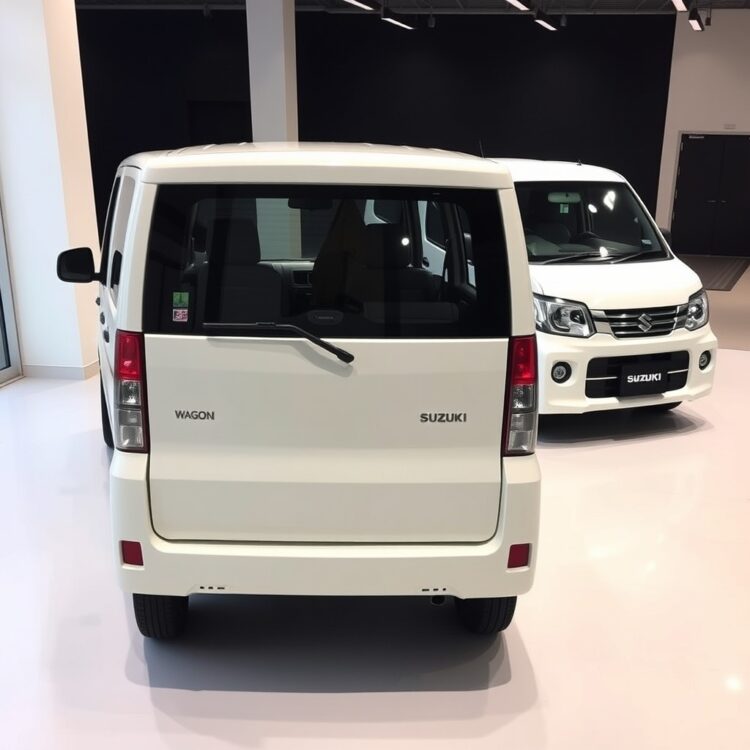
Introduction to Suzuki Alto
When it comes to compact cars that pack a punch, the Suzuki Alto stands out as a true icon. I’ve always been fascinated by how this little car has evolved over the years, offering reliability, affordability, and a surprising amount of fun. Whether you’re a city driver or someone who appreciates engineering marvels, the Alto’s journey from its humble beginnings to its modern iterations is worth exploring.
We’ll dive deep into the different generations of the Suzuki Alto, uncovering what makes each one unique. From its debut in 1979 to the latest models, the Alto has consistently delivered value and performance. If you’re curious about how this car has shaped the automotive landscape, you’re in the right place. Let’s get started on this exciting ride through Alto’s history.
Key Takeaways
- The Suzuki Alto has evolved through nine generations, each offering distinct features and improvements.
- From its 1979 debut to the latest models, the Alto has prioritised affordability and efficiency.
- Key innovations include the introduction of the 660cc engine and collaborations like the Nissan Pixo.
- The Alto has a strong presence in global markets, including Pakistan and Japan.
Suzuki Alto Generations Overview
The Suzuki Alto’s journey is a testament to innovation and adaptability. Over nine generations, this car has transformed from a basic commuter vehicle to a stylish, feature-packed compact car. I’ve always admired how Suzuki has managed to keep the Alto relevant, whether through design updates or technological advancements. Each generation tells a story of how the brand responded to market demands and technological trends.
One of the most exciting aspects of the Alto’s evolution is its global reach. From Japan to Pakistan, the Alto has found a home in diverse markets, adapting to local preferences while maintaining its core identity. Whether you’re looking at the early models or the latest Suzuki Alto variants, there’s something for everyone. The Alto isn’t just a car—it’s a legacy.
First Generation Suzuki Alto (1979 – 1984)
The first-generation Suzuki Alto marked the beginning of a revolution in compact cars. Launched in 1979, this model was designed to be affordable and efficient, perfect for urban commuting. I love how Suzuki focused on simplicity without compromising on reliability. The Alto’s lightweight design and frugal engine made it an instant hit, especially in markets where fuel efficiency was a priority.
What’s fascinating about this generation is how it laid the foundation for future Altons. The car’s compact dimensions and practical features set the tone for what would become a global success. Whether you’re a collector or a history buff, the first-generation Alto is a reminder of how far this iconic model has come.
Suzuki Alto Generations Overview
The Suzuki Alto has been a staple in the automotive world since its debut in 1979. Over the years, it has evolved through multiple generations, each bringing unique innovations and improvements. From its humble beginnings as a compact city car to its modern iterations packed with advanced features, the Alto has consistently delivered reliability and affordability. We’ll explore these generations in detail, highlighting what makes each one special.
Whether you’re a car enthusiast or a potential buyer, understanding the Alto’s evolution helps appreciate its enduring appeal. Each generation reflects the technological and design trends of its time, making the Alto a fascinating case study in automotive history. Let’s dive into the first generation and see how it all began.
First Generation Suzuki Alto (1979 – 1984)
The first-generation Suzuki Alto made its mark as a compact, fuel-efficient car perfect for urban commuting. Its lightweight design and small engine made it a hit in Japan and beyond. The Alto was designed to be affordable, yet it didn’t compromise on practicality. With its boxy shape and minimalistic interior, it embodied the simplicity of late 1970s automotive design.
One of the standout features was its 550cc engine, which delivered impressive fuel economy. The Alto also offered a range of body styles, including a three-door hatchback and a small van. This versatility helped it gain traction in various markets. The first generation set the foundation for the Alto’s reputation as a reliable and economical car.
Key Features
The first-generation Alto was all about efficiency and practicality. Its compact dimensions made it ideal for navigating narrow city streets, while its lightweight construction ensured excellent fuel economy. The car’s simple mechanical design also meant lower maintenance costs, a key selling point for budget-conscious buyers.
Inside, the Alto featured a no-frills interior with basic amenities. Despite its simplicity, it offered enough space for small families or solo commuters. The Alto’s affordability and reliability quickly made it a favourite among first-time car buyers and urban dwellers.
Market Variants
The first-generation Alto was available in several variants to cater to different needs. The standard three-door hatchback was the most popular, but Suzuki also offered a commercial van version for small businesses. In some markets, the Alto was rebadged under different names, further expanding its reach.
One notable variant was the Alto Works, a sportier version with a tuned engine. Though rare, it showcased the Alto’s potential beyond just being an economical runabout. The first generation’s success laid the groundwork for future iterations, proving that small cars could be both practical and fun.
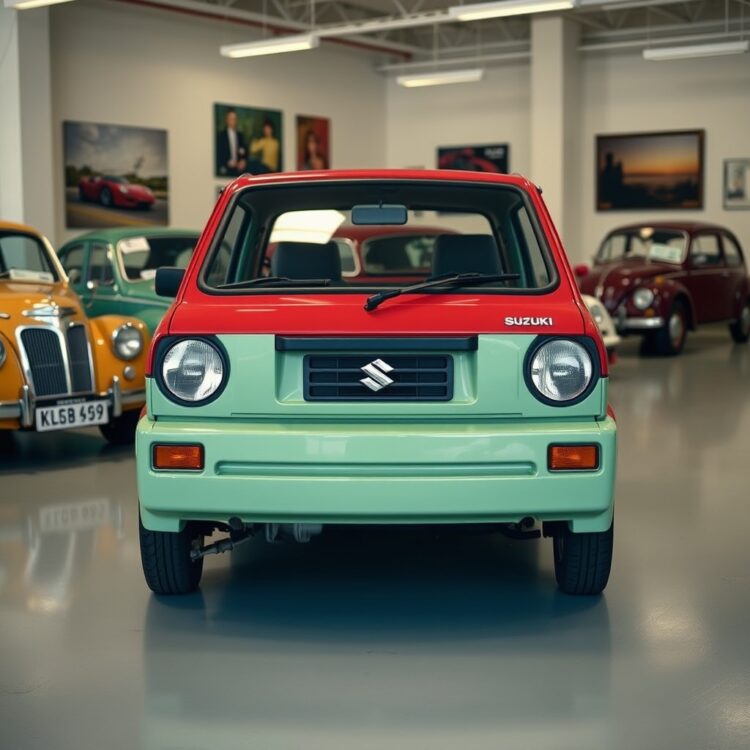
Second Generation Suzuki Alto (1984 – 1988)
The second-generation Alto brought significant design and mechanical upgrades. Suzuki focused on improving aerodynamics and interior comfort, making the car more appealing to a broader audience. The exterior featured smoother lines, a departure from the boxy look of its predecessor.
Under the hood, the Alto now offered a more powerful 660cc engine, enhancing performance without sacrificing fuel efficiency. The second generation also saw the introduction of new technologies, such as front-wheel drive, which improved handling and stability. These changes made the Alto a more competitive option in the growing compact car segment.
Design Evolution
The second-generation Alto’s design was a clear step forward. The car’s rounded edges and sleeker profile not only improved aesthetics but also reduced drag. Inside, the cabin was more spacious, with better materials and ergonomics. These improvements made the Alto a more comfortable and enjoyable car to drive.
Suzuki also introduced new colour options and trim levels, allowing buyers to personalise their Alto. The design evolution reflected the brand’s commitment to staying relevant in a rapidly changing market. The second-generation Alto was proof that small cars could offer big value.
Global Presence
By the mid-1980s, the Alto had established a strong presence in international markets. Suzuki expanded its production and distribution networks, making the car available in Europe, Asia, and beyond. The Alto’s affordability and reliability resonated with buyers worldwide.
In some regions, the Alto was marketed under different names, such as the Suzuki Fronte or the Maruti 800 in India. These localised versions helped Suzuki tap into emerging markets, further solidifying the Alto’s global appeal. The second generation marked the beginning of the Alto’s journey as a truly international car.
Third Generation Suzuki Alto (1988 – 1994)
The third generation Suzuki Alto marked a significant leap forward with the introduction of the 660cc engine, a game-changer for compact cars. This engine not only improved fuel efficiency but also delivered a punchy performance, making the Alto a favourite among urban drivers. We saw Suzuki’s commitment to innovation, blending power and practicality seamlessly.
One standout model from this era was the Alto Hustle Edition, a limited-run variant that added sporty flair to the lineup. With bold decals and enhanced suspension, it catered to enthusiasts who wanted a bit more excitement. The Hustle Edition became a cult classic, proving that even small cars could pack a big personality. It’s no wonder this generation remains a fan favourite.
Introduction of 660cc Engine
The 660cc engine was a revelation, offering a perfect balance of power and efficiency. It was designed to meet Japan’s kei car regulations, yet it didn’t compromise on performance. Drivers loved its responsiveness, especially in city traffic, where its lightweight design and nimble handling shone. This engine set the tone for future Alto models, showcasing Suzuki’s engineering prowess.
What made this engine special was its versatility. Whether you were navigating tight streets or cruising on highways, it delivered a smooth and reliable ride. The 660cc engine became synonymous with the Alto’s reputation for being economical yet fun to drive. It’s a testament to how Suzuki mastered the art of small-car engineering.
Alto Hustle Edition
The Alto Hustle Edition was a bold statement from Suzuki, targeting drivers who wanted more than just practicality. With its eye-catching graphics and sport-tuned suspension, it stood out from the crowd. The Hustle Edition wasn’t just about looks—it offered a more engaging driving experience, making every journey feel special.
Limited in production, the Hustle Edition quickly became a collector’s item. Its unique blend of style and performance resonated with car enthusiasts, proving that the Alto could be more than just a budget-friendly runabout. Today, it’s a reminder of how Suzuki infused personality into its compact cars, creating models that left a lasting impression.
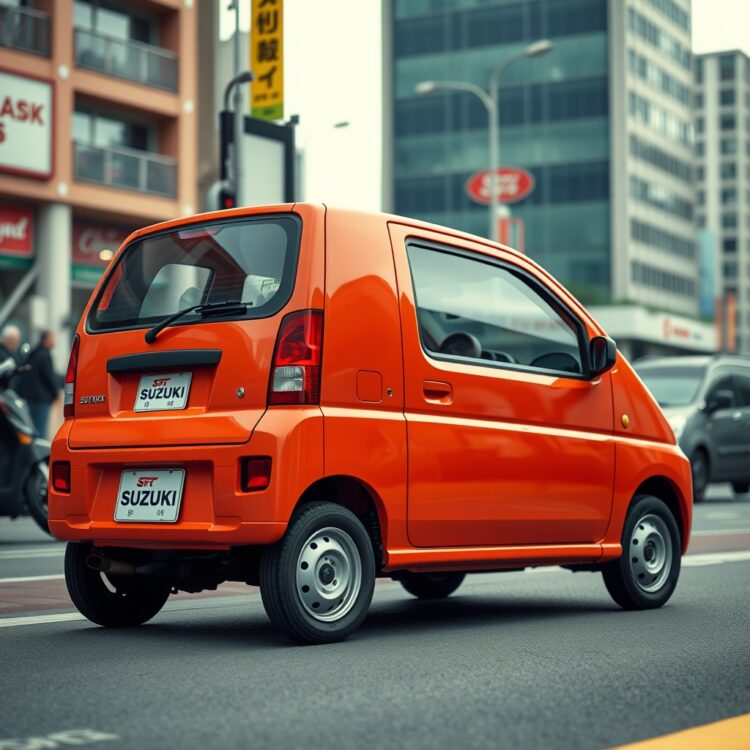
Fourth Generation Suzuki Alto (1994 – 1998)
The fourth generation Suzuki Alto embraced a more modern design, with smoother lines and a refined aesthetic. It was a departure from the boxy look of its predecessors, reflecting the evolving tastes of the 1990s. This generation also introduced advanced features for its time, such as power steering and improved safety systems, making it a more comfortable and secure choice.
In Japan, the Alto’s JDM models gained a loyal following, thanks to their unique specifications and customisation options. These models catered to local preferences, offering everything from high-end audio systems to bespoke interior trims. The fourth generation Alto wasn’t just a car—it was a lifestyle statement, appealing to a diverse range of drivers.
Design and Specifications
The fourth-gen Alto’s design was a breath of fresh air, with aerodynamic curves and a more cohesive look. Inside, the cabin was thoughtfully designed, offering ample space for its class. Features like adjustable seats and a user-friendly dashboard made it a joy to drive, whether for short commutes or longer trips.
Under the hood, the Alto continued to impress with its efficient engines and reliable performance. Suzuki focused on reducing noise and vibration, enhancing the overall driving experience. This attention to detail set the Alto apart from its competitors, solidifying its reputation as a well-rounded compact car.
JDM Models
Japan’s domestic market (JDM) models of the Alto were a highlight of this generation. These versions often included exclusive features, such as turbocharged engines or bespoke colour options, tailored to local tastes. The JDM Alto became a symbol of Suzuki’s ability to cater to niche markets while maintaining mass appeal.
For enthusiasts, the JDM models offered a glimpse into Suzuki’s innovative spirit. From performance tweaks to luxury additions, these Altons were more than just cars—they were expressions of individuality. Today, they remain highly sought after, a testament to their enduring appeal.
Fifth Generation Suzuki Alto (1998 – 2004)
The fifth generation Suzuki Alto saw a series of facelifts that kept it fresh and competitive. These updates included sleeker headlights, a redesigned grille, and improved interior materials. Suzuki also introduced new trim levels, offering something for everyone, from budget-conscious buyers to those seeking premium features.
One of the most exciting variants was the Works JDM model, a high-performance version that delighted driving enthusiasts. With its tuned engine and sporty aesthetics, the Works JDM Alto was a pocket rocket, proving that small cars could deliver big thrills. This generation reinforced the Alto’s reputation as a versatile and dynamic choice.
Facelift Models
The facelift models of the fifth-gen Alto brought a more contemporary look, aligning with the design trends of the late 1990s and early 2000s. The updates weren’t just cosmetic—Suzuki also improved the car’s aerodynamics and fuel efficiency. These changes made the Alto even more appealing to urban drivers who valued style and economy.
Inside, the cabin received upgrades like better upholstery and enhanced ergonomics. The facelift models struck a perfect balance between affordability and refinement, ensuring the Alto remained a top choice in its segment. It was a clear example of Suzuki’s commitment to continuous improvement.
Works JDM Variant
The Works JDM variant was a dream come true for performance enthusiasts. With its turbocharged engine and sport-tuned suspension, it offered an exhilarating driving experience. The Works JDM also featured unique styling cues, such as alloy wheels and bold badges, setting it apart from standard models.
This variant wasn’t just about speed—it was about delivering a complete package. From its responsive handling to its aggressive exhaust note, the Works JDM Alto was a joy to drive. It’s a reminder of how Suzuki could inject excitement into even its smallest cars, creating models that left a lasting legacy.
Sixth Generation Suzuki Alto (2004 – 2009)
The sixth generation Suzuki Alto continued to evolve, with a focus on practicality and efficiency. The Van JDM model, in particular, stood out for its versatility, offering ample cargo space without compromising on drivability. This generation also saw the Alto gaining traction in international markets, thanks to its reliability and affordability.
Globally, the sixth-gen Alto was praised for its no-nonsense approach. It delivered exactly what buyers needed—a dependable, fuel-efficient car that was easy to maintain. Whether in bustling cities or rural areas, the Alto proved its worth as a trusted companion for everyday life.
Van JDM Model
The Van JDM model was a practical masterpiece, designed for those who needed extra space without sacrificing manoeuvrability. Its compact dimensions made it ideal for urban deliveries, while its efficient engine kept running costs low. The Van JDM was a hit among small business owners and families alike.
What set this model apart was its clever use of space. Despite its small footprint, it offered surprising cargo capacity, thanks to its boxy design. The Van JDM was proof that Suzuki understood the needs of its customers, delivering a car that was as functional as it was reliable.
International Reception
The sixth-gen Alto’s international success was no accident. Suzuki tailored the car to meet the demands of diverse markets, offering everything from basic models to feature-packed variants. Its affordability and low running costs made it a hit in emerging economies, where practicality and value were paramount.
In Europe and other developed markets, the Alto earned praise for its eco-friendly credentials. With rising fuel prices and environmental concerns, its efficient engines and compact size resonated with buyers. The sixth-gen Alto was a global citizen, proving that great design and engineering transcend borders.
Seventh Generation Suzuki Alto (2009 – 2013)
The seventh-generation Suzuki Alto marked a significant collaboration with Nissan, resulting in the Nissan Pixo. This partnership brought fresh design elements and shared engineering, making the Alto more versatile. The 2009 model stood out with its compact yet efficient build, perfect for urban driving. We saw a blend of practicality and style, appealing to a broader audience.
One of the standout features was the Suzuki Alto 800, designed specifically for markets like India. Its lightweight frame and fuel-efficient engine made it a favourite among budget-conscious buyers. The Alto 800’s affordability and reliability cemented its place in the automotive blog world as a go-to city car.
Nissan Pixo Collaboration
The collaboration with Nissan introduced the Pixo, a rebadged version of the Alto. Both cars shared the same platform, engines, and many components, but the Pixo had subtle design tweaks. This partnership allowed Suzuki to expand its reach while maintaining the Alto’s core identity. The Pixo’s success in Europe showcased the Alto’s adaptability.
Drivers appreciated the Pixo’s affordability and low running costs, mirroring the Alto’s strengths. The shared design elements, like the compact dimensions and efficient engines, made both cars ideal for city life. This era proved that collaboration could enhance a model’s appeal without diluting its essence.
Suzuki Alto 800
The Suzuki Alto 800 was a game-changer in emerging markets. Its 800cc engine balanced power and fuel efficiency, making it a practical choice for daily commutes. The car’s compact size and nimble handling were perfect for crowded streets, while its low maintenance costs added to its charm.
In markets like India, the Alto 800 became synonymous with reliability. Its no-frills approach and affordability resonated with first-time car buyers. The model’s success highlighted Suzuki’s ability to tailor the Alto to diverse global needs, ensuring its continued relevance.

Eighth Generation Suzuki Alto (2014 – 2021)
The eighth-generation Suzuki Alto continued to evolve, with a focus on design innovations and market-specific adaptations. In Pakistan, the Alto became a best-seller, thanks to its affordability and reliability. The car’s updated exterior and interior features made it more appealing to modern buyers.
Suzuki’s commitment to innovation was evident in the Alto’s improved fuel efficiency and safety features. The model’s lightweight design and responsive handling made it a joy to drive. Whether in urban or rural settings, the Alto proved its versatility, solidifying its reputation as a dependable choice.
Pakistan Market
In Pakistan, the Alto dominated the market, becoming one of the most popular cars. Its affordability and low running costs made it accessible to a wide range of buyers. The car’s compact size and easy manoeuvrability were perfect for the country’s bustling cities.
The Alto’s success in Pakistan underscored its adaptability to different markets. Suzuki’s understanding of local needs ensured the car’s continued popularity. The model’s reliability and affordability made it a staple on Pakistani roads.
Design Innovations
The eighth-generation Alto introduced several design innovations, including a more aerodynamic profile and modern interior touches. These updates enhanced the car’s appeal without compromising its practicality. The Alto’s refreshed look attracted younger buyers, while its reliability retained loyal customers.
Suzuki’s focus on fuel efficiency and eco-friendliness was evident in this generation. The Alto’s lightweight construction and efficient engines reduced emissions, aligning with global trends. These innovations ensured the Alto remained competitive in a rapidly evolving market.
Ninth Generation Suzuki Alto (2021 – Present)
The ninth-generation Suzuki Alto represents the latest in the model’s evolution, with cutting-edge features and a global market strategy. This generation focuses on technology, safety, and sustainability, catering to modern drivers. The Alto’s compact design and efficient engines make it ideal for urban environments.
Suzuki’s global strategy ensures the Alto meets diverse market demands. From advanced infotainment systems to hybrid options, the latest Alto is designed for the future. Its blend of innovation and practicality keeps it at the forefront of the compact car segment.
Latest Features
The current Alto boasts features like touchscreen infotainment, advanced driver-assistance systems, and hybrid powertrains. These upgrades enhance both convenience and safety, appealing to tech-savvy buyers. The car’s modern interior and sleek exterior reflect Suzuki’s commitment to staying ahead of trends.
Hybrid options highlight Suzuki’s focus on sustainability. The Alto’s efficient engines and eco-friendly technologies reduce its environmental impact. These features make the latest Alto a smart choice for environmentally conscious drivers.
Global Market Strategy
Suzuki’s strategy for the ninth-generation Alto involves tailoring the car to regional preferences. In Europe, the focus is on hybrid and electric options, while in Asia, affordability remains key. This approach ensures the Alto’s relevance across diverse markets.
The Alto’s adaptability and innovation continue to drive its success. By addressing local needs and global trends, Suzuki ensures the Alto remains a leader in the compact car segment. Its enduring popularity is a testament to its timeless appeal.
Comparing Suzuki Alto Generations
Comparing the Suzuki Alto generations reveals a steady evolution in design, technology, and market focus. From the first generation’s simplicity to the latest’s advanced features, the Alto has consistently adapted to changing demands. Each iteration builds on the last, ensuring the car’s continued success.
The Alto’s journey reflects Suzuki’s ability to innovate while staying true to its core values. Whether it’s fuel efficiency, affordability, or modern tech, the Alto delivers. This legacy of excellence ensures its place as a beloved compact car worldwide.
Suzuki Alto in Motorsports
The Suzuki Alto has made a name for itself not just on the streets but also on the racetrack. Its lightweight design and nimble handling make it a favourite in motorsports, particularly in rallying and endurance races. Over the years, the Alto has competed in various events, showcasing its reliability and performance under extreme conditions.
One of the most notable achievements of the Alto in motorsports is its success in the Japanese rally championships. The car’s compact size and efficient engine allowed it to navigate tight corners and challenging terrains with ease. Whether you’re a racing enthusiast or just appreciate a car with a competitive edge, the Alto’s motorsport legacy is undeniable.
Future of Suzuki Alto
The future of the Suzuki Alto looks promising, with the brand focusing on innovation and sustainability. As the automotive industry shifts towards electric vehicles, Suzuki has hinted at an electric or hybrid version of the Alto. This move aligns with global trends and ensures the Alto remains relevant in a rapidly evolving market.
Beyond electrification, Suzuki is also exploring advanced safety features and connectivity options for future Alto models. The goal is to retain the car’s affordability while offering modern conveniences. If you’re considering a budget-friendly car with future-proof technology, the Alto is one to watch.
Why Choose Suzuki Alto?
Choosing a Suzuki Alto comes down to its unbeatable combination of affordability, efficiency, and reliability. Whether you’re a first-time car buyer or need a dependable city car, the Alto delivers. Its compact size makes it perfect for urban driving, while its fuel efficiency keeps running costs low.
Another reason to choose the Alto is its strong resale value, thanks to Suzuki’s reputation for durability. Plus, with a wide range of models and trims, there’s an Alto for every need. If you’re looking for a car that offers great value for money, the Suzuki Alto is a smart choice.
Frequently Asked Questions
What makes the Suzuki Alto suitable for city driving?
The Suzuki Alto’s compact size, lightweight design, and excellent fuel efficiency make it ideal for city driving. Its small turning radius allows for easy manoeuvring in tight spaces, while its low running costs are perfect for daily commutes.
Is the Suzuki Alto available in electric or hybrid versions?
As of now, the Suzuki Alto is primarily available with petrol engines. However, Suzuki has hinted at future electric or hybrid versions to align with global sustainability trends. Keep an eye on official announcements for updates.
How does the Suzuki Alto perform in motorsports?
The Alto has a strong presence in motorsports, particularly in rallying. Its lightweight build and agile handling make it a competitive choice for racing events, especially in the Japanese rally championships.
What are the maintenance costs like for a Suzuki Alto?
Maintenance costs for the Suzuki Alto are relatively low compared to other cars in its segment. Its simple mechanical design and widespread availability of parts contribute to affordable servicing and repairs.