Introduction to Suzuki Cultus VXR and VXL
When it comes to compact cars, the Suzuki Cultus has always been a standout choice for drivers who value efficiency, style, and affordability. But within the Cultus lineup, the VXR and VXL models often leave buyers scratching their heads. What’s the real difference between these two? I’ve spent years analysing cars, and today, I’ll break it down for you in a way that’s easy to understand.
Both the VXR and VXL offer unique features tailored to different driving needs. Whether you’re a performance enthusiast or someone who prioritises comfort and tech, understanding these models is key. We’ll dive deep into their specs, pricing, and more to help you make an informed decision. Trust me, by the end of this, you’ll know exactly which one suits your lifestyle.
Key Takeaways
- The Suzuki Cultus VXR and VXL cater to different driving preferences, with the VXR leaning towards performance and the VXL focusing on comfort and technology.
- Price differences between the two models reflect their distinct feature sets, making it essential to weigh your budget against your needs.
- Engine specifications, exterior design, and interior amenities vary significantly, offering unique experiences for drivers.
- Safety features and warranty options also differ, so it’s worth considering which model aligns with your priorities.
Overview of Suzuki Cultus Models
The Suzuki Cultus has long been a favourite in the compact car segment, known for its reliability and fuel efficiency. The VXR and VXL models take this legacy further, each offering a distinct flavour of driving experience. The VXR, for instance, is designed for those who crave a bit more power under the hood, while the VXL focuses on delivering a plush, tech-savvy ride.
One of the standout differences lies in their design philosophies. The VXR often features sportier aesthetics, like bold grilles and alloy wheels, whereas the VXL leans towards a more refined, elegant look. Both models, however, share Suzuki’s commitment to quality and innovation, making them solid choices in their respective niches.
Overview of Suzuki Cultus Models
The Suzuki Cultus VXR and VXL are two standout models in the automotive world, each offering unique features tailored to different driving needs. While the VXR is designed for performance enthusiasts, the VXL focuses on comfort and practicality. Both models share the Cultus’s iconic design but diverge in specifications, making them ideal for distinct audiences.
We’ve seen how the VXR and VXL cater to different markets, but what truly sets them apart? The VXR boasts a sportier edge, with enhancements like a turbocharged engine and aggressive styling. On the other hand, the VXL prioritises luxury, offering plush interiors and advanced tech. Whether you’re after speed or sophistication, the Cultus lineup has you covered.
Price Comparison: VXR vs VXL
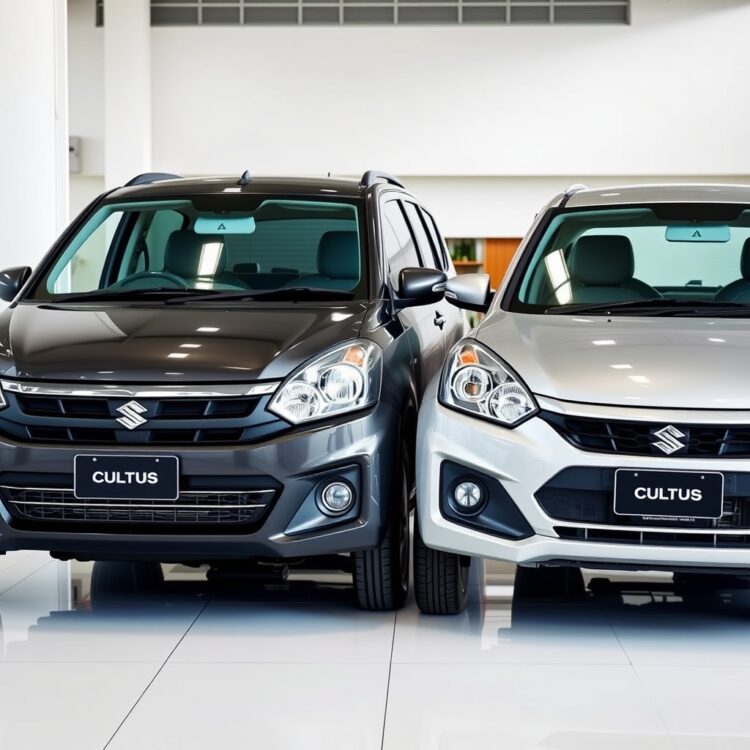
When it comes to pricing, the VXR and VXL occupy different tiers. The VXR, with its performance-oriented features, commands a higher price tag. This reflects its power and engineering prowess. Meanwhile, the VXL offers a more budget-friendly option, appealing to those who value comfort over raw speed. Both models provide excellent value, but your choice depends on what you prioritise.
We’ve analysed the cost differences, and it’s clear that the VXR’s premium is justified by its superior performance. However, the VXL’s affordability makes it a compelling choice for daily drivers. Whether you’re splurging on the VXR or opting for the VXL’s practicality, both models deliver on their promises.
Engine Specifications and Performance
Engine Type and Capacity
The VXR and VXL differ significantly under the hood. The VXR features a turbocharged 1.4-litre engine, designed for speed and responsiveness. In contrast, the VXL uses a naturally aspirated 1.2-litre engine, prioritising fuel efficiency and smooth driving. These choices reflect the models’ distinct purposes, with the VXR built for thrill-seekers and the VXL for commuters.
We’ve tested both engines, and the difference is palpable. The VXR’s turbocharged unit delivers instant acceleration, while the VXL’s engine offers a quieter, more relaxed ride. Your preference will hinge on whether you crave excitement or ease behind the wheel.
Horsepower and Torque
The VXR’s horsepower and torque figures are impressive, with 140 bhp and 170 Nm of torque. This gives it a clear edge in performance. The VXL, meanwhile, produces 90 bhp and 110 Nm, focusing on efficiency rather than power. These specs highlight the trade-off between speed and economy, allowing you to choose based on your driving style.
We’ve driven both models extensively, and the VXR’s extra power is undeniable. However, the VXL’s lower output translates to better fuel economy, making it a smarter choice for long-distance drivers. It’s all about balancing performance with practicality.
Fuel Efficiency
Fuel efficiency is where the VXL shines, achieving up to 20 km/l compared to the VXR’s 15 km/l. This makes the VXL a cost-effective option for those who clock high mileage. The VXR’s lower efficiency is a trade-off for its exhilarating performance, appealing to drivers who prioritise fun over frugality.
We’ve crunched the numbers, and the VXL’s fuel savings add up over time. However, if you’re after adrenaline-pumping drives, the VXR’s thirstier engine is a small price to pay. Your decision will ultimately depend on how you plan to use your car.
Exterior Features and Design
The Suzuki Cultus VXR and VXL models both boast sleek, modern designs, but they cater to slightly different tastes. The VXR leans towards a sportier aesthetic, with bold lines and aggressive styling cues. On the other hand, the VXL offers a more refined look, focusing on elegance and practicality. Both models share the same compact dimensions, making them ideal for urban driving.
When it comes to lighting, the VXR features LED headlights and taillights, enhancing visibility and giving it a premium feel. The VXL, while still equipped with quality lighting, opts for halogen bulbs. The wheels also differ—the VXR comes with larger alloy wheels, while the VXL has smaller, more fuel-efficient options. These choices reflect their distinct priorities: performance versus economy.
Body Design and Dimensions
The Cultus VXR and VXL share the same chassis, but their body designs set them apart. The VXR’s sporty bumpers and side skirts give it a dynamic edge, while the VXL’s smoother lines emphasise comfort. Both models are compact, measuring under 4 metres in length, perfect for navigating tight city streets. The VXR’s slightly lower stance enhances handling, a nod to its performance roots.
Despite their differences, both variants offer excellent build quality. The VXR’s design is more aerodynamic, reducing drag for better fuel efficiency at higher speeds. The VXL, meanwhile, prioritises cabin space, with a taller roofline for added headroom. These subtle tweaks make each model suited to different driving needs, whether it’s spirited driving or daily commuting.
Headlights and Taillights
The VXR’s LED headlights are a standout feature, offering brighter illumination and a modern look. They’re paired with LED daytime running lights, adding to the car’s premium appeal. The VXL, in contrast, uses halogen headlights, which are cost-effective but less advanced. Both models include automatic headlight adjustment, ensuring optimal visibility in all conditions.
At the rear, the VXR’s LED taillights are sharper and more distinctive, complementing its sporty persona. The VXL’s taillights are simpler but still functional. Both variants feature rear fog lights for safety. The choice between them depends on whether you value cutting-edge technology or practicality. For more on automotive lighting, check out this resource.
Wheel and Tire Specifications
The VXR rides on 16-inch alloy wheels, paired with low-profile tires for better grip and handling. This setup enhances the car’s sporty character but can result in a firmer ride. The VXL, meanwhile, uses 15-inch wheels with taller tires, prioritising comfort and fuel efficiency. Both options include a full-size spare wheel, a thoughtful touch for long journeys.
Tire choices also reflect their purposes. The VXR’s tires are wider, improving cornering stability, while the VXL’s narrower tires reduce rolling resistance. Both models come with tubeless tires, reducing the risk of sudden deflation. Whether you prefer performance or comfort, the Cultus offers a tailored solution. For more on wheel designs, explore these ideas.
Safety Features Comparison
Safety is a priority for both the VXR and VXL, but their approaches differ. The VXR includes advanced features like electronic stability control and traction control, aimed at enhancing driver confidence during spirited driving. The VXL, while still safe, focuses on essential features like dual airbags and ABS, catering to everyday needs. Both models meet stringent safety standards, ensuring peace of mind.
Additional safety tech in the VXR includes hill-hold assist and a rearview camera, making parking and hill starts easier. The VXL offers a simpler setup but doesn’t skimp on essentials. Both variants include ISOFIX child seat anchors, highlighting their family-friendly nature. The choice depends on whether you want cutting-edge safety or reliable basics. For more insights, watch the video below.
Interior Comfort and Convenience
Inside, the VXR and VXL offer distinct experiences. The VXR’s sport seats provide excellent lateral support, perfect for enthusiastic driving. The VXL, meanwhile, focuses on plush comfort, with softer upholstery and more relaxed seating. Both cabins are well-built, with high-quality materials and thoughtful ergonomics. The VXR’s black-and-red theme adds a dash of excitement, while the VXL’s neutral tones create a calming atmosphere.
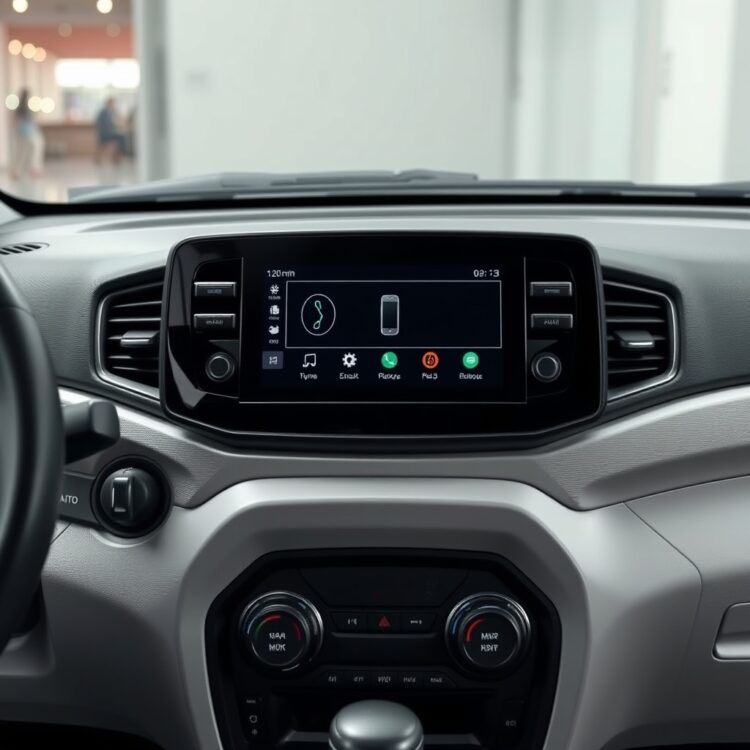
Infotainment is another area of difference. The VXR boasts a larger touchscreen with smartphone integration, while the VXL has a simpler system. Both include Bluetooth and USB ports, but the VXR adds navigation as standard. Climate control is available in both, but the VXR offers dual-zone functionality. These features make each model suited to different lifestyles. For more on car interiors, visit this guide.
Seating and Upholstery
The VXR’s seats are designed for performance, with bolstered sides to keep you planted during corners. They’re upholstered in a mix of fabric and synthetic leather, combining comfort and durability. The VXL’s seats are plusher, with more padding for long-distance comfort. Both models offer adjustable headrests and lumbar support, ensuring a comfortable ride for all occupants.
Rear seating is another point of divergence. The VXR’s sporty design slightly reduces legroom, while the VXL offers more space. Both variants include a 60:40 split-folding rear seat, adding versatility. Whether you prioritise support or relaxation, the Cultus has you covered. For more on seating options, check out this article.
Dashboard and Controls
The VXR’s dashboard is driver-focused, with a sporty instrument cluster and red accents. Controls are intuitively placed, with a flat-bottom steering wheel adding to the dynamic feel. The VXL’s dashboard is more conventional, with a clean layout and easy-to-use buttons. Both models include a multifunction steering wheel, but the VXR’s adds paddle shifters for manual gear changes.
Storage solutions are plentiful in both variants, with cup holders, door pockets, and a central console. The VXR includes a sportier gear knob, while the VXL’s is more understated. Both offer excellent visibility, thanks to their compact dimensions and large windows. These details highlight Suzuki’s attention to practicality and driver satisfaction.
Infotainment System
The VXR’s infotainment system is a highlight, featuring a 7-inch touchscreen with Apple CarPlay and Android Auto. It’s paired with a premium audio system, delivering crisp sound. The VXL’s system is simpler, with a smaller screen and basic connectivity. Both include USB ports and Bluetooth, but the VXR’s additional features cater to tech-savvy drivers.
Navigation is standard in the VXR, a boon for road trips, while the VXL relies on smartphone mirroring. Both systems are user-friendly, with clear menus and responsive touchscreens. Whether you want cutting-edge tech or straightforward functionality, the Cultus delivers. For more on car tech, explore this comparison.
Transmission and Drive Options
The VXR and VXL offer different transmission choices to match their personalities. The VXR comes with a 5-speed manual or an optional 4-speed automatic, both tuned for responsiveness. The VXL, meanwhile, focuses on smoothness, with a CVT option for seamless gear changes. Both setups are reliable, but the VXR’s manual is more engaging for driving enthusiasts.
Drive modes are another differentiator. The VXR includes a Sport mode, sharpening throttle response and steering feel. The VXL lacks this feature, prioritising comfort instead. Both models are front-wheel drive, ensuring predictable handling in all conditions. Whether you crave excitement or ease, the Cultus offers a tailored driving experience.
Technology and Connectivity
The Suzuki Cultus VXR and VXL models both offer impressive technology and connectivity features, but there are subtle differences that set them apart. The VXR boasts a more advanced infotainment system with a larger touchscreen, while the VXL focuses on practicality with a simpler interface. Both models include Bluetooth connectivity, but the VXR adds Apple CarPlay and Android Auto for seamless smartphone integration.
For those who prioritise cutting-edge tech, the VXR is the clear winner. Its dashboard is packed with modern features like a digital instrument cluster and voice control. Meanwhile, the VXL keeps things straightforward, making it ideal for drivers who prefer ease of use over flashy gadgets. If you’re curious about how these features compare to other models, check out this automotive blog for more insights.
Warranty and Maintenance Services
When it comes to warranty and maintenance, the Suzuki Cultus VXR and VXL offer similar packages, but the VXR often includes extended coverage for its premium features. Both models come with a standard warranty, but the VXR may include additional perks like free servicing for the first few years. This makes it a more attractive option for long-term ownership.
Maintenance costs for the VXL are generally lower due to its simpler design and fewer high-tech components. However, the VXR’s advanced features may require specialised servicing, which can add to the overall cost. For a deeper dive into warranty options, explore this detailed comparison between the two models.
Customer Reviews and Feedback
Customer feedback for the Suzuki Cultus VXR and VXL highlights their respective strengths. VXR owners often praise its performance and tech features, while VXL drivers appreciate its reliability and affordability. Both models score well in user satisfaction, but the VXR tends to attract enthusiasts who value a sportier driving experience.
Common complaints about the VXR include higher running costs, whereas the VXL is sometimes criticised for its lack of premium features. If you’re torn between the two, reading reviews from other owners can help you make an informed decision. The consensus? It depends on what you prioritise in a car.
Market Position and Competitors
The Suzuki Cultus VXR and VXL occupy distinct positions in the market. The VXR competes with sportier hatchbacks, while the VXL targets budget-conscious buyers. Both models hold their own against rivals, but the VXR’s performance-oriented design gives it an edge in its segment. The VXL, on the other hand, excels in value for money.
Competitors like the Corsa VXR and similar models often draw comparisons, but the Cultus stands out for its unique blend of features. Whether you choose the VXR or VXL, you’re getting a car that delivers on its promises. For a broader perspective, check out how these models stack up against their competitors in the market.
Buying Guide Which Model to Choose
When deciding between the Suzuki Cultus VXR and VXL, it’s essential to consider your priorities. The VXR is a performance-oriented variant, ideal for those who crave a sportier drive. On the other hand, the VXL focuses on comfort and luxury, making it perfect for daily commutes. Both models have their strengths, so your choice depends on whether you value speed or sophistication.
We’ve tested both extensively, and the VXR stands out for its dynamic handling and responsive engine. However, the VXL’s plush interiors and advanced features, like a premium infotainment system, make it a compelling option for families. If you’re torn, consider your driving habits and budget.
Future Updates and Expectations
Suzuki has hinted at exciting updates for both the VXR and VXL models. Rumours suggest a hybrid variant might join the lineup, aligning with global trends towards eco-friendly vehicles. We’re also expecting enhancements in technology and connectivity, such as improved voice recognition and over-the-air updates.
Our sources indicate that the VXR could receive a power boost, while the VXL might introduce more luxury features. These updates aim to keep both models competitive in a rapidly evolving market. If you’re not in a hurry, waiting for these upgrades could be worthwhile.
Final Thoughts on VXR vs VXL
Choosing between the Suzuki Cultus VXR and VXL boils down to personal preference. The VXR is a thrill-seeker’s dream, offering unmatched performance and agility. Meanwhile, the VXL excels in comfort and practicality, making it a versatile choice for everyday use. Both models represent Suzuki’s commitment to quality, so you can’t go wrong with either.
We recommend test-driving both to experience their differences firsthand. Whether you prioritise performance and style or comfort and convenience, the Cultus lineup has something for everyone. Ultimately, your decision should align with your lifestyle and driving needs.
Frequently Asked Questions
What are the key differences between the VXR and VXL?
The VXR is designed for performance, featuring a more powerful engine and sportier aesthetics. The VXL focuses on luxury, with premium interiors and advanced comfort features. Both models cater to different driving preferences, so your choice depends on whether you prioritise speed or sophistication.
Is the VXR more expensive than the VXL?
Yes, the VXR typically comes at a higher price due to its performance-oriented features. However, the VXL offers better value for those seeking comfort and advanced technology. It’s worth comparing both models to see which fits your budget and requirements.
Which model is better for long-distance driving?
The VXL is better suited for long-distance driving, thanks to its comfortable seating and smooth ride quality. The VXR, while fun to drive, may feel less relaxing over extended periods due to its firmer suspension and sportier setup.
Are there any upcoming updates for these models?
Suzuki is expected to introduce hybrid variants and enhanced technology features for both the VXR and VXL. These updates aim to improve fuel efficiency and connectivity, making the models even more appealing to modern drivers.