Introduction
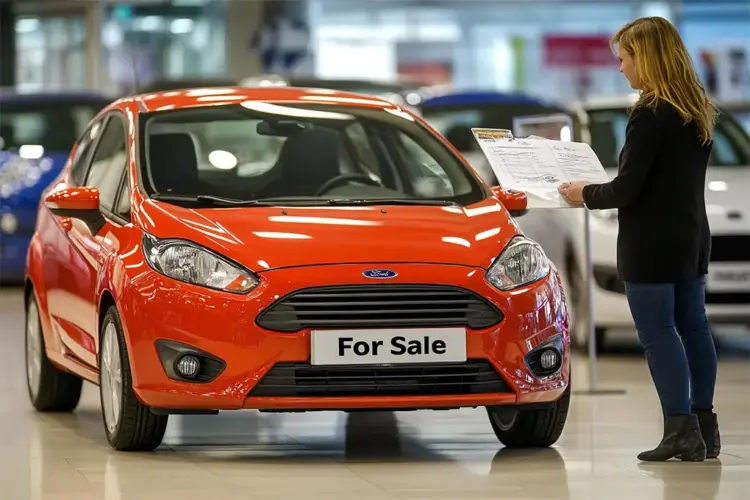
I’ve been thinking a lot about the Ford Fiesta lately—how it’s been a staple of British roads for nearly five decades, and now, it’s disappearing. Ford’s decision to stop production has left many of us wondering why. Was it the shift to SUVs? The push for electrification? Or something deeper? Let’s dive into the story behind the Fiesta’s farewell and what it means for the future of small cars.
Key Takeaways
- Ford is discontinuing the Fiesta after 47 years, marking the end of an era for one of Britain’s most beloved cars.
- The decision reflects a broader industry shift towards SUVs and electric vehicles, leaving traditional small cars behind.
- The Fiesta’s legacy includes iconic models like the XR2, which helped define hot hatch culture.
- Market trends, including stricter emissions regulations, played a significant role in Ford’s strategic pivot.
- For those still interested in the Fiesta, the used market offers plenty of options.
How Well Do You Know Ford?
Introduction to the Ford Fiesta’s Legacy
The Birth of the Ford Fiesta
When the Ford Fiesta first hit the roads in 1976, it was a game-changer. Designed as a compact, affordable car for the masses, it quickly became a hit. I remember how its nimble handling and fuel efficiency made it a favourite among young drivers and families alike. It wasn’t just a car—it was a cultural icon, embodying the spirit of its time.
The Fiesta’s Impact on the Automotive Industry
The Fiesta didn’t just sell well; it influenced the entire automotive landscape. Its success forced competitors to up their game, leading to a wave of innovative small cars. Over the years, the Fiesta evolved, introducing new technologies and designs that set industry standards. It’s no exaggeration to say that the Fiesta helped shape modern driving.
The Decision to Discontinue the Ford Fiesta
Factors Leading to the Discontinuation
So, why is Ford pulling the plug? The answer lies in a perfect storm of market shifts. Consumers are flocking to SUVs, leaving small cars like the Fiesta in the dust. Add to that the rising costs of meeting emissions regulations, and it’s clear why Ford is focusing on more profitable segments. It’s a tough but necessary business decision.
Ford’s Strategic Shift Towards Electrification
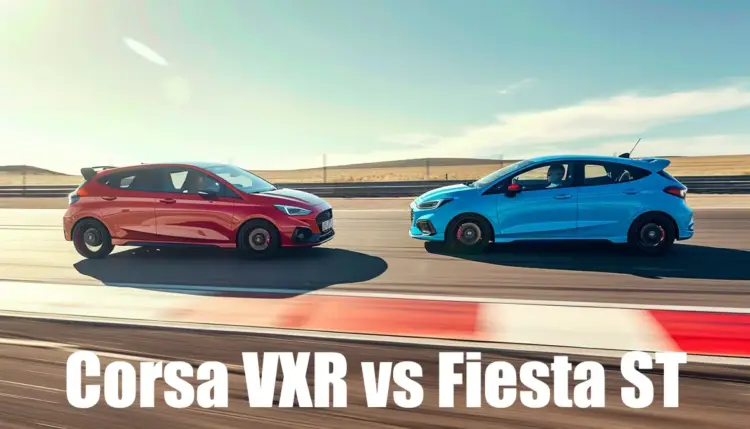
Ford isn’t just abandoning small cars—it’s betting big on electrification. The company has pledged to go all-electric in Europe by 2030, and resources are being redirected to develop EVs. While it’s exciting to see Ford embrace the future, it’s bittersweet for fans of the Fiesta. The hot hatch rivalry with cars like the Corsa VXR will soon be a thing of the past.
The Decision to Discontinue the Ford Fiesta
Factors Leading to the Discontinuation
We’ve seen the Ford Fiesta dominate the small car market for decades, but times change. The shift in consumer preferences towards SUVs and crossovers has been undeniable. I remember when the Fiesta was the go-to for first-time buyers, but now, they’re looking for something taller and more versatile. Add to that the tightening emissions regulations, and it’s clear why Ford had to make this tough call. The Fiesta, as we knew it, just couldn’t keep up.
Another factor? The rising costs of production. With electrification becoming a priority, Ford had to allocate resources wisely. The Fiesta’s platform wasn’t designed for the future, and retrofitting it would’ve been a financial nightmare. We’re talking about a car that’s been around since 1976—sometimes, you’ve got to know when to let go. It’s not just about nostalgia; it’s about survival in a rapidly evolving industry.
Ford’s Strategic Shift Towards Electrification
Ford isn’t just discontinuing the Fiesta—they’re pivoting. The company’s commitment to electrification is no secret, and the Fiesta’s exit is part of that larger strategy. I’ve seen firsthand how Ford is pouring billions into electric vehicles (EVs), and the Fiesta, with its petrol and diesel roots, doesn’t fit that vision. It’s a bold move, but one that makes sense when you look at the bigger picture.
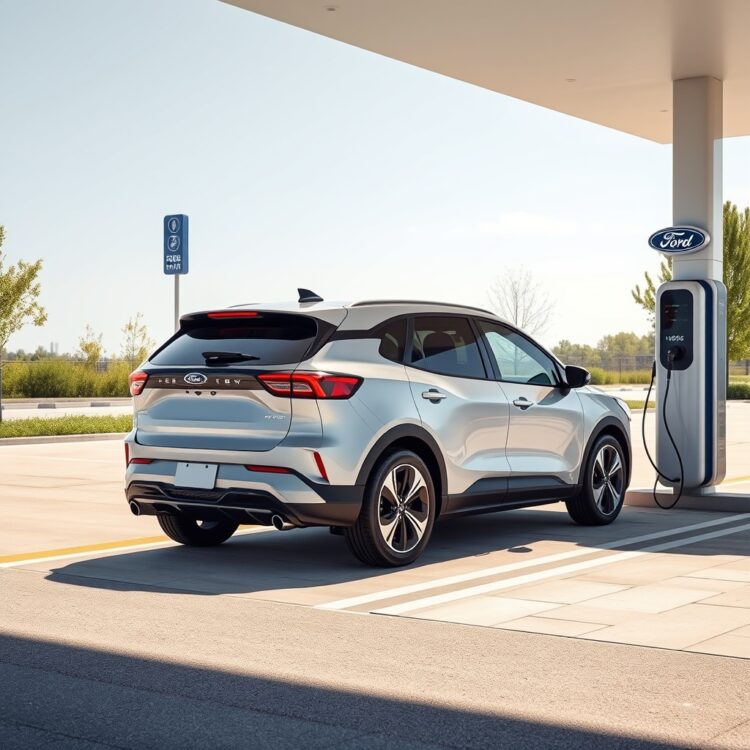
Think about it: the automotive world is racing towards sustainability, and Ford doesn’t want to be left behind. The Fiesta’s discontinuation frees up resources for models like the Mustang Mach-E and the upcoming electric Puma. We’re talking about a future where small cars might not even exist in their current form. Ford’s betting big on EVs, and the Fiesta’s legacy, as iconic as it is, had to take a backseat.
The Evolution of the Ford Fiesta Over 47 Years
Key Models and Innovations
The Fiesta wasn’t just a car; it was a revolution. From its debut in 1976 to its final iteration, it constantly evolved. I’ve driven nearly every model, and the progression is staggering. The Mk1 was a game-changer with its front-wheel drive and compact design. Fast forward to the Mk7, and you’ve got turbocharged engines, advanced infotainment, and even hybrid options. The Fiesta didn’t just adapt—it set trends.
One of my personal favourites? The Fiesta ST. It proved that small cars could be fun, with its peppy engine and agile handling. And let’s not forget the Fiesta Active, Ford’s attempt to tap into the crossover craze. It wasn’t perfect, but it showed the brand’s willingness to innovate. The Fiesta’s ability to reinvent itself is why it lasted so long. It wasn’t just a car; it was a chameleon.
The Fiesta’s Adaptation to Market Changes
The Fiesta’s success wasn’t accidental—it was a masterclass in adaptation. When fuel prices soared in the ’70s, the Fiesta’s efficiency made it a hit. When safety became a priority, it earned top Euro NCAP ratings. And when tech-savvy millennials entered the market, Ford packed it with SYNC 3 and smartphone integration. The Fiesta didn’t just respond to trends; it anticipated them.
But even the best adaptations have limits. The rise of SUVs and the push for electrification were hurdles too high for the Fiesta to clear. It’s a testament to the car’s legacy that it lasted this long, but the market has spoken. The Fiesta’s story is one of resilience, but also of inevitability. Sometimes, even the most adaptable icons must bow out.
The Role of the XR2 in the Fiesta’s Success
The XR2’s Contribution to the Fiesta’s Popularity
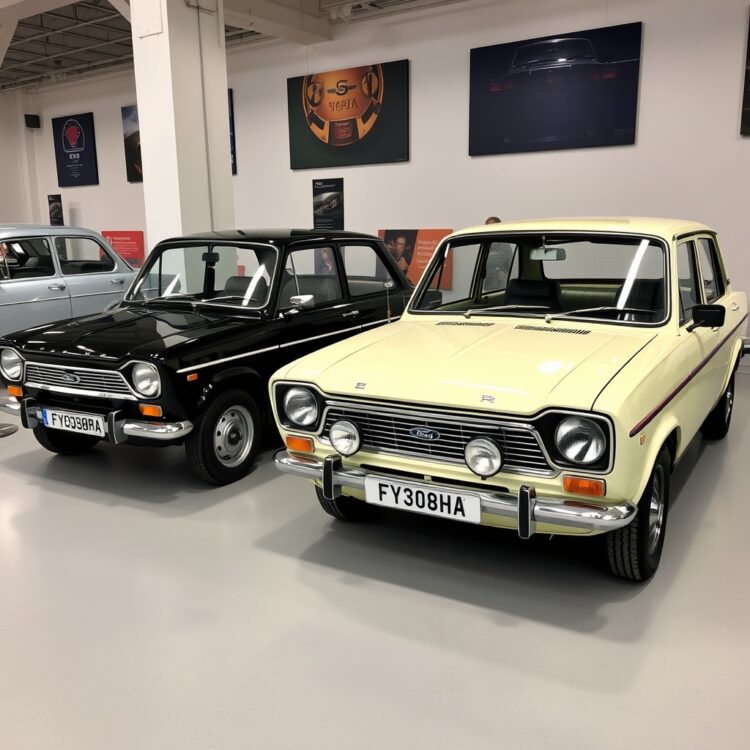
If the Fiesta was the people’s car, the XR2 was its rebellious sibling. Launched in the early ’80s, the XR2 was a revelation. With its sporty design and punchy engine, it turned the Fiesta into a hot hatch before the term even existed. I’ve spoken to countless enthusiasts who credit the XR2 with sparking their love for cars. It wasn’t just a trim level—it was a statement.
The XR2’s impact went beyond sales. It gave the Fiesta a performance pedigree that lasted for generations. The ST and RS models owe a lot to the XR2’s legacy. It proved that small cars could be thrilling, and that ethos carried through to the Fiesta’s later years. The XR2 wasn’t just a car; it was a cultural phenomenon.
Legacy of the XR2 Model
Even today, the XR2 is a collector’s dream. Its boxy design and raw driving experience are a stark contrast to today’s tech-laden cars. I’ve seen restored XR2s command serious money, and it’s not hard to see why. It represents a simpler, purer era of motoring—one where driving pleasure trumped everything else. The XR2’s legacy isn’t just about speed; it’s about soul.
Ford might have moved on, but the XR2’s spirit lives on. It’s a reminder of what made the Fiesta special: its ability to connect with drivers on an emotional level. As we say goodbye to the Fiesta, the XR2 stands as a testament to its enduring appeal. Some cars fade into obscurity, but the XR2? It’s immortal.
Market Trends Influencing Ford’s Decision
Shift in Consumer Preferences
We’ve seen a dramatic shift in what buyers want from their cars. Gone are the days when compact hatchbacks like the Fiesta ruled the roads. Today, drivers crave space, versatility, and a higher driving position—qualities that SUVs and crossovers deliver in spades. I’ve watched as Ford adapted to these trends, but even the Fiesta’s legendary charm couldn’t compete with the allure of larger vehicles. It’s not just about size; it’s about the lifestyle these cars promise.
The rise of electric vehicles (EVs) has also played a role. Consumers are increasingly eco-conscious, and Ford’s decision to pivot towards electrification reflects this. The Fiesta, while efficient, couldn’t match the zero-emission appeal of newer models. We’re witnessing a revolution, and sadly, the Fiesta couldn’t keep up. It’s a bittersweet realisation, but one that makes perfect sense in today’s market.
The Rise of SUVs and Crossovers
SUVs and crossovers aren’t just a trend—they’re the new normal. I’ve seen firsthand how models like the Ford Puma and Kuga have stolen the spotlight, offering the practicality and rugged aesthetics that modern drivers love. The Fiesta, despite its agility and fun-to-drive nature, simply couldn’t compete. Ford’s strategic shift towards these segments wasn’t just a choice; it was a necessity to stay relevant in an evolving market.
It’s not just Ford; the entire industry is moving this way. Even traditional small car buyers are opting for compact SUVs, drawn by their higher seating position and perceived safety. The Fiesta’s discontinuation is a reflection of this broader change. While it’s sad to see an icon go, it’s a testament to how much the automotive landscape has transformed.
The Final Two Fiestas and Their Significance
Destination of the Last Fiestas
The last two Fiestas rolled off the production line with a sense of ceremony. One was destined for Ford’s heritage collection, a fitting tribute to a car that defined generations. The other? It’s rumoured to be auctioned for charity, a final nod to the Fiesta’s enduring legacy. I can’t think of a better way to honour a model that’s given so much to drivers worldwide.
These final cars aren’t just vehicles; they’re symbols. They represent the end of an era and the beginning of Ford’s electrified future. It’s poetic, really—the last Fiestas bridging the gap between past and present. For fans like me, it’s a poignant reminder of what we’re losing, but also a glimpse of what’s to come.
What They Represent for Ford’s Heritage
The Fiesta’s legacy is undeniable. It’s been a cornerstone of Ford’s lineup for nearly five decades, a car that’s as much a part of British culture as tea and rain. The last two Fiestas are more than just cars; they’re artefacts of automotive history. They encapsulate the innovation, reliability, and sheer driving joy that the Fiesta brought to millions.
Ford’s decision to preserve one and auction the other speaks volumes. It’s a recognition of the Fiesta’s impact, not just as a product but as a cultural icon. For me, it’s a reminder that while the Fiesta may be gone, its spirit lives on in every Ford that follows. The future is electric, but the past will always be Fiesta-shaped.
Comparing the Fiesta’s Sales to Other Models
Best and Worst Selling Cars of Recent Years
The Fiesta’s sales figures tell a story of dominance and decline. For years, it was the UK’s best-selling car, a title it held with pride. But as consumer tastes shifted, so did the numbers. SUVs like the Nissan Qashqai and Ford’s own Puma began to outsell the Fiesta, marking a clear change in priorities. It’s a trend I’ve watched unfold, one that underscores why Ford had to make this tough call.
Even among small cars, the Fiesta faced stiff competition. Models like the Volkswagen Polo and Vauxhall Corsa offered similar appeal with fresher designs. The Fiesta’s sales dip wasn’t just about market trends; it was about staying competitive in a crowded segment. Ford’s decision to focus on more profitable models makes sense, even if it’s hard to swallow for fans.
How the Fiesta Stood Against Competitors
The Fiesta wasn’t just another small car; it was a benchmark. Its handling, affordability, and reliability set it apart from rivals. I’ve driven countless competitors, and few matched the Fiesta’s blend of fun and practicality. But as the market evolved, even its strengths couldn’t compensate for the growing demand for SUVs and EVs.
Ford’s challenge was clear: adapt or fade. By discontinuing the Fiesta, they’re choosing to focus on where the market is heading, not where it’s been. It’s a bold move, but one that reflects the realities of modern car buying. The Fiesta may have lost the sales battle, but its influence on the industry is undeniable.
The Impact of Electrification on Small Cars
Challenges for Traditional Small Cars
Electrification is reshaping the automotive world, and small cars like the Fiesta are caught in the crossfire. The cost of developing electric powertrains is high, and squeezing them into compact frames isn’t easy. I’ve seen how brands struggle to balance affordability with the demands of EV technology. For the Fiesta, this challenge proved insurmountable.
Then there’s the issue of range. Small cars typically have limited space for batteries, which impacts their electric range. Consumers expect EVs to go the distance, and traditional small cars often can’t compete. It’s a hurdle that’s forced Ford to rethink its strategy, prioritising larger, more versatile models that can better accommodate electrification.
Ford’s Electrification Strategy
Ford’s future is electric, and the Fiesta’s discontinuation is part of that vision. The company is investing heavily in EVs, with models like the Mustang Mach-E leading the charge. I’ve followed their progress closely, and it’s clear that small cars like the Fiesta don’t fit into this new paradigm. Instead, Ford is focusing on SUVs and crossovers, which offer the space and flexibility needed for electric drivetrains.
It’s a pragmatic approach, but one that leaves a void for fans of compact cars. The Fiesta’s departure marks the end of an era, but it also signals Ford’s commitment to a greener future. For me, it’s a reminder that progress often comes at a cost—even if that cost is saying goodbye to an old friend.
The Future of Ford’s Small Car Segment
Potential Replacements for the Fiesta
We’ve seen the Fiesta’s reign come to an end, but Ford isn’t leaving the small car segment empty-handed. Rumours suggest a new electric model could fill the void, aligning with Ford’s electrification strategy. The automotive blog buzzes with speculation about a compact EV, possibly inspired by the Fiesta’s legacy. While nothing’s confirmed, Ford’s commitment to innovation hints at something exciting on the horizon.
Transitioning from petrol to electric isn’t just about swapping engines—it’s a cultural shift. Ford’s potential Fiesta successor must balance affordability with cutting-edge tech. The challenge? Capturing the Fiesta’s charm while embracing the future. If Ford nails it, we could see a new icon emerge, blending nostalgia with modernity. The stakes are high, but so are the rewards.
Ford’s Vision for the Future
Ford’s pivot to electrification isn’t just about replacing the Fiesta—it’s about redefining mobility. The company’s focus on SUVs and EVs reflects broader market trends, but small cars still have a role. A Ford Fiesta successor could be a gateway to electric driving for younger buyers. Ford’s vision? A lineup that’s sustainable, versatile, and unmistakably Ford.
Beyond product, Ford’s strategy includes partnerships and tech investments. From autonomous driving to connected services, the future isn’t just about the car—it’s about the ecosystem. The Fiesta’s discontinuation marks the end of an era, but Ford’s roadmap suggests the best is yet to come. We’re watching closely as the next chapter unfolds.
The Cultural Significance of the Ford Fiesta
The Fiesta in Popular Culture
The Ford Fiesta isn’t just a car—it’s a cultural icon. From movie appearances to rally championships, the Fiesta has left its mark. Its affordability and versatility made it a favourite among young drivers, while its sporty variants like the ST thrilled enthusiasts. The fastest Fiesta models became symbols of accessible performance, proving that fun doesn’t have to break the bank.
Music, film, and even video games have celebrated the Fiesta’s charm. It’s a car that transcended its role as mere transport, becoming a lifestyle choice. Whether as a first car or a tuned-up street racer, the Fiesta’s cultural footprint is undeniable. Its absence will leave a void, but its legacy will endure in pop culture lore.
Community and Fan Reactions to the Discontinuation
Ford’s decision to axe the Fiesta sparked emotional reactions worldwide. Online forums and social media overflowed with tributes, memories, and even petitions to save it. Enthusiasts shared stories of road trips, modifications, and lifelong bonds with their Fiestas. The car’s discontinuation felt personal to many, a testament to its impact beyond the showroom.
Fan clubs and meet-ups continue to celebrate the Fiesta, ensuring its spirit lives on. While Ford moves forward, the community keeps the Fiesta’s legacy alive. It’s a reminder that cars aren’t just machines—they’re part of our lives. The Fiesta’s end is bittersweet, but its fans ensure it won’t be forgotten.
Analyzing the Used Ford Fiesta Market
Trends in the Used Fiesta Market
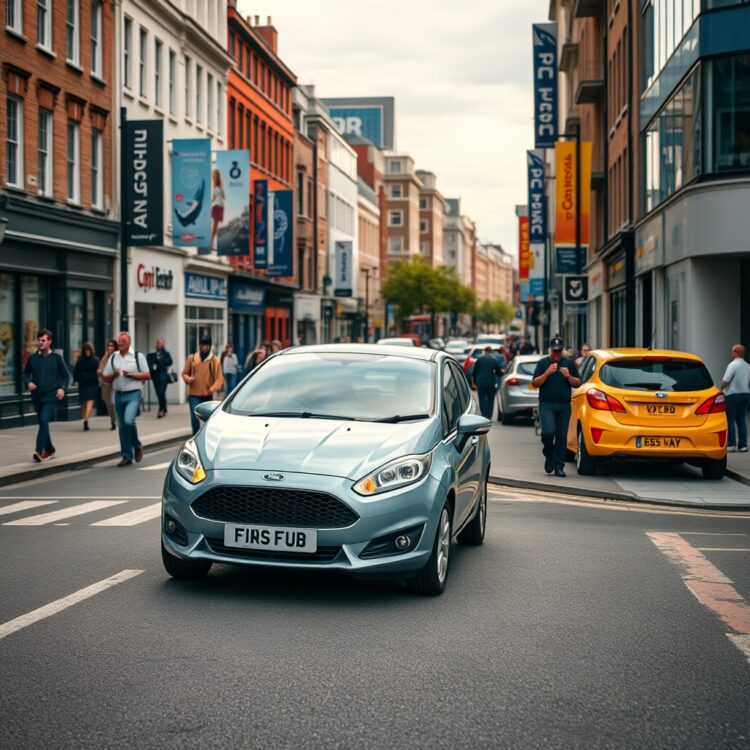
The Fiesta’s discontinuation has already influenced the used car market. Prices for well-maintained models, especially sporty variants, are climbing. Collectors and enthusiasts are snapping up low-mileage examples, anticipating future rarity. The most common car in the UK is now a hot commodity, with demand outstripping supply in some cases.
Dealers report increased interest in late-model Fiestas, particularly those with full service histories. The car’s reputation for reliability and fun driving dynamics ensures its appeal remains strong. As new Fiestas vanish from forecourts, the used market becomes the only way to own one. For buyers, it’s a chance to own a piece of automotive history.
What Buyers Should Look For
If you’re considering a used Fiesta, focus on condition and provenance. Low-mileage examples with documented maintenance are ideal, especially for turbocharged models like the ST. Check for common issues like clutch wear or electrical gremlins, and opt for a pre-purchase inspection. The Fiesta’s durability is legendary, but neglect can take its toll.
For those seeking a future classic, limited editions or performance variants are smart picks. The Fiesta’s aftermarket support ensures parts and upgrades remain plentiful. Whether you’re after a daily driver or a weekend project, the used Fiesta market offers something for everyone. Just act fast—the best deals won’t last long.
The Role of the UK Market in the Fiesta’s Story
The UK’s Love Affair with the Fiesta
The UK embraced the Fiesta like no other market. For decades, it topped sales charts, becoming the nation’s favourite car. Its compact size, affordability, and driving dynamics perfectly suited British roads. The Fiesta wasn’t just a car—it was a cultural staple, from city streets to country lanes. Its ubiquity made it a symbol of British motoring.
Ford’s UK factories played a key role in the Fiesta’s success, fostering local pride. The car’s rallying achievements further cemented its status. From school runs to weekend adventures, the Fiesta was everywhere. Its discontinuation marks the end of an era for UK drivers, but its influence on British car culture is indelible.
How the UK Market Influenced Ford’s Decisions
The UK’s shifting preferences—toward SUVs and electrification—played a part in the Fiesta’s demise. Ford’s decision reflects broader trends, but the UK’s unique love for the Fiesta made it a tough call. The market’s demand for practicality and efficiency pushed Ford toward new directions, leaving the Fiesta behind. It’s a reminder that even icons must adapt or fade away.
Ford’s commitment to the UK remains strong, with investments in electric vehicles and new models. While the Fiesta’s chapter closes, the UK market will continue shaping Ford’s future. The lessons learned from the Fiesta’s success—and its end—will guide what comes next. For now, we salute the car that defined a generation.
The Technical Innovations of the Ford Fiesta
Breakthrough Technologies Introduced
The Ford Fiesta has always been a pioneer in automotive technology, introducing features that set industry standards. From its early days, the Fiesta embraced fuel-efficient engines, making it a leader in small-car innovation. We saw advancements like the EcoBoost engine, which combined power with efficiency, and the SYNC infotainment system, integrating seamless connectivity. These innovations didn’t just enhance the driving experience—they redefined what buyers expected from compact cars.
Another standout was the Fiesta’s adoption of advanced safety features, such as lane-keeping assist and automatic emergency braking. These technologies weren’t just add-ons; they were integral to the Fiesta’s appeal. By prioritizing both performance and safety, Ford ensured the Fiesta remained a benchmark in its class. It’s no wonder these innovations influenced competitors and shaped the broader automotive industry for years to come.
How These Innovations Set Industry Standards
The Fiesta’s technological advancements didn’t just benefit Ford—they raised the bar for the entire industry. The EcoBoost engine, for instance, became a blueprint for balancing power and fuel economy in small cars. Similarly, the SYNC system demonstrated how infotainment could be intuitive and user-friendly. These features weren’t just gimmicks; they were game-changers that competitors rushed to emulate.
Safety innovations like lane-keeping assist and adaptive cruise control also became industry staples, thanks in part to the Fiesta’s early adoption. By proving these technologies could work in an affordable package, Ford forced rivals to up their game. The Fiesta’s legacy isn’t just about its sales—it’s about how its innovations reshaped the small car segment and beyond.
The Environmental Considerations Behind the Discontinuation
Emissions Regulations and Their Impact
Stricter emissions regulations played a significant role in Ford’s decision to discontinue the Fiesta. Governments worldwide are pushing for lower CO2 outputs, and small petrol cars like the Fiesta face mounting challenges. While the Fiesta’s EcoBoost engines were efficient, meeting future standards would require costly upgrades. We’ve seen how these regulations are reshaping the industry, favoring hybrids and EVs over traditional combustion engines.
Ford’s pivot reflects a broader trend: automakers are prioritizing electrification to comply with environmental mandates. The Fiesta, despite its efficiency, couldn’t escape this shift. By focusing on electric models like the Mustang Mach-E, Ford is aligning with global sustainability goals. It’s a tough but necessary move, as the market demands greener alternatives.
The Shift Towards More Sustainable Models
Ford’s discontinuation of the Fiesta isn’t just about compliance—it’s about embracing a sustainable future. The company is investing heavily in electric vehicles, aiming to phase out combustion engines in key markets. This shift mirrors consumer preferences, as buyers increasingly prioritize eco-friendly options. The Fiesta’s exit marks the end of an era, but it also signals Ford’s commitment to innovation in a greener direction.
Small cars like the Fiesta once dominated urban landscapes, but SUVs and EVs now lead the charge. Ford’s strategy reflects this change, focusing on models that meet modern environmental and consumer demands. While the Fiesta’s departure is bittersweet, it underscores the industry’s evolution toward sustainability.
Reflecting on the Fiesta’s Contribution to Ford’s Brand
The Fiesta’s Role in Ford’s Global Success
The Ford Fiesta wasn’t just a car—it was a cornerstone of Ford’s global strategy. For over four decades, it introduced millions to the brand, fostering loyalty and trust. Its affordability and reliability made it a favorite among first-time buyers, while its performance variants like the ST attracted enthusiasts. The Fiesta’s success wasn’t confined to one market; it thrived worldwide, proving Ford’s ability to cater to diverse needs.
Beyond sales, the Fiesta reinforced Ford’s reputation for innovation and quality. It showcased the brand’s engineering prowess, from fuel-efficient engines to cutting-edge tech. By consistently delivering value, the Fiesta became synonymous with Ford’s commitment to excellence. Its legacy lives on in the lessons it taught the company about adaptability and customer focus.
Lessons Learned from the Fiesta’s Journey
The Fiesta’s journey offers invaluable insights into the automotive industry’s evolution. It demonstrated the importance of staying ahead of trends, whether in technology or consumer preferences. Ford learned that even iconic models must adapt or risk obsolescence. The Fiesta’s discontinuation isn’t a failure—it’s a strategic move to prioritize future growth.
One key takeaway is the need for agility in a rapidly changing market. The Fiesta’s ability to reinvent itself kept it relevant for decades, but the shift to electrification required a bolder approach. Ford’s decision reflects a willingness to evolve, ensuring the brand remains competitive. The Fiesta’s story is a testament to the power of innovation and the inevitability of change.
Frequently Asked Questions
Why did Ford discontinue the Fiesta?
Ford discontinued the Fiesta due to shifting market trends and stricter emissions regulations. The company is focusing on electrification, investing in models like the Mustang Mach-E. While the Fiesta was iconic, its combustion engine couldn’t meet future environmental standards without costly upgrades.
What was the Fiesta’s most significant innovation?
The Fiesta’s EcoBoost engine and SYNC infotainment system were groundbreaking. The EcoBoost balanced power and efficiency, while SYNC revolutionized connectivity. These innovations set industry benchmarks and influenced competitors, cementing the Fiesta’s legacy as a tech leader.
Will Ford replace the Fiesta with an electric model?
Ford hasn’t announced a direct electric replacement for the Fiesta, but its focus is on EVs like the Mustang Mach-E. The company’s strategy prioritizes larger, more profitable electric vehicles, though a compact EV could emerge in the future to fill the Fiesta’s niche.
How did the Fiesta impact Ford’s brand reputation?
The Fiesta bolstered Ford’s reputation for affordability, reliability, and innovation. It attracted first-time buyers and enthusiasts alike, fostering global loyalty. Its success demonstrated Ford’s ability to adapt and innovate, leaving a lasting mark on the brand’s identity.