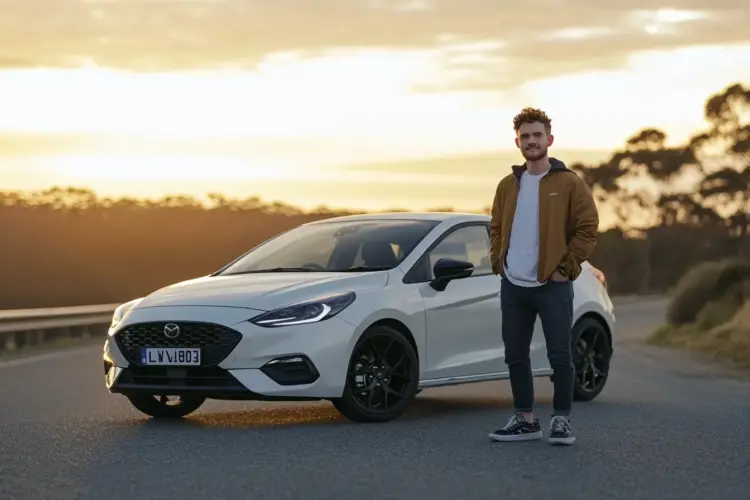
When it comes to the most common cars in the UK, we’re looking at familiar favourites. The Ford Fiesta leads as the most common car on UK roads, with over 1.5 million units being driven across the country. This compact and reliable choice has been a top pick for many drivers due to its balance of performance and affordability.

Understanding what makes certain cars so popular can give us insights into broader trends in the UK car market. As we explore further, we’ll look at how consumer preferences and changes in the automotive industry are influencing these choices. In addition to long-standing favourites, electric and hybrid vehicles are also gaining a foothold.
With major car manufacturers constantly innovating, the landscape is always evolving. We aim to delve into the aspects that make a car popular, considering factors like practicality, technology, and environmental impact.
Key Takeaways
- The Ford Fiesta is the most common car in the UK.
- Consumer preferences are shifting towards eco-friendly and technologically advanced vehicles.
- Leading manufacturers continue to influence the UK car market trends.
Overview of the UK Car Market

The UK car market comprises a diverse range of vehicles. Over the years, the types and brands of cars on the roads have seen significant shifts.
New car registrations provide a good indicator of market trends. According to the Society of Motor Manufacturers and Traders, these registrations offer insights into the popularity of models and the health of the industry.
In recent years, we have seen a move towards electric vehicles (EVs). Government incentives and environmental concerns have boosted their market share. The rise in EVs indicates a shift towards more sustainable options.
Popular models like the Ford Fiesta and Ford Focus remain strong contenders. With a broad appeal and affordability, they maintain a significant presence on the roads. The Ford Fiesta is a prime example, with over 1.5 million units.
The market is competitive, with manufacturers vying for consumer loyalty. Dealers offer a wide range of choices, and buyers opt for vehicles that balance cost with features. Every year, car enthusiasts pay close attention to the latest stats released.
By analysing these trends, we gain a better understanding of consumer preferences and the future direction of the UK automotive landscape.
How Well Do You Know Ford?
Most Common Cars in the UK
The UK’s roads are dominated by a variety of popular car models. Among the most common are mainstays like the Ford Fiesta, known for its widespread presence, and Vauxhall’s robust offerings. We also see strong performances from brands like BMW and Mercedes, while Nissan and Hyundai models are gaining increased visibility due to their innovative features and reliable performance.
Ford Fiesta Popularity
The Ford Fiesta remains ubiquitous across the UK, with over 1.5 million units on the road. Its enduring appeal lies in its compact size, affordable price, and fuel efficiency. Many drivers appreciate its reliability and easy handling, making it a favoured choice among city dwellers and commuters.
Ford’s continuous updates to the Fiesta have kept it relevant. Innovations in technology, along with eco-friendly engine options, cater to environmentally conscious consumers. Additionally, the Fiesta’s design has evolved, attracting younger drivers who seek style and practicality in a car. These factors contribute to its position as the country’s most common vehicle.
Vauxhall Favourites
Vauxhall’s Corsa is another prevalent model, with around 1.11 million units navigating UK roads. The Corsa’s compact but versatile design makes it a hit among city drivers. It’s also popular among new drivers due to its ease of control and budget-friendly nature.
Vauxhall has focused on delivering features that enhance driver comfort and safety. Their models often include modern infotainment systems and advanced safety mechanisms. The Astra and Insignia are also noteworthy, offering spacious interiors and reliable performance. These models contribute significantly to Vauxhall’s strong presence in the UK automotive market.
High-Performing BMW Models
BMW’s reputation for luxury and performance has earned it a solid customer base in the UK. The BMW 3 Series remains a standout, valued for its blend of sporty dynamics and upscale comfort. This model’s engineering excellence is evident in its smooth handling and efficient powertrains.
Many UK drivers are drawn to BMW’s technological innovations. Features such as advanced driver assistance systems and cutting-edge connectivity are significant attractions. Moreover, the brand’s focus on sustainability, evident in their hybrid and electric variants, aligns with modern consumer preferences, enhancing its appeal.
Frequent Sightings of Mercedes
Mercedes-Benz is synonymous with luxury, and this allure is evident on UK roads. Models like the Mercedes A-Class and C-Class are common sights, appreciated for their sophisticated design and high performance. These cars appeal to those who seek a balance of elegance and functionality.
Mercedes invests heavily in technology, providing drivers with the latest in automotive innovation. Their commitment to safety and comfort is unparalleled, with features such as adaptive cruise control and high-quality interiors. This dedication to quality contributes to Mercedes’ widespread popularity among UK motorists.
Rise of the Nissan
The Nissan Qashqai has become one of the UK’s favourites, making a significant impact with its practical SUV design. It offers a comfortable ride, ample interior space, and efficient fuel usage, catering to families and adventure-seekers alike.
Nissan’s emphasis on innovation is a major draw. The inclusion of driver assistance technologies and safety features makes models like the Qashqai appealing to a broad audience. Additionally, Nissan’s move towards electric vehicles, as seen with the Leaf, reflects changing consumer demands, strengthening its position in the UK market.
Hyundai Success Stories
Hyundai has seen a rise in popularity in the UK, particularly with models like the Tucson and i10. Their cars are known for reliability, modern design, and value for money. This makes Hyundai an attractive option for a wide range of buyers.
Hyundai’s advancements in fuel efficiency and hybrid technologies resonate well with eco-conscious drivers. The brand’s commitment to innovation and customer satisfaction is evident in their extensive warranty packages, which further boosts consumer confidence. These efforts help Hyundai secure a growing share of the UK’s automotive landscape.
Electric and Hybrid Vehicle Trends
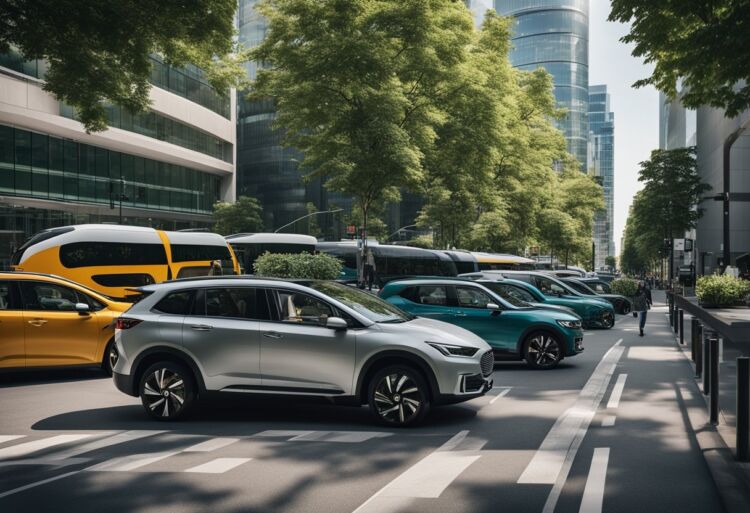
We have observed significant changes in the electric and hybrid vehicle markets in the UK. Electric vehicle adoption is increasing quickly, hybrids continue to be a popular choice, and Tesla remains a market leader.
Understanding Electric Vehicles
Electric vehicles (EVs) have become increasingly popular, with over 1.4 million fully electric cars on UK roads by early 2025. This shift is largely driven by the Zero Emission Vehicle (ZEV) mandate, which encourages zero-emission sales.
The growth in EV sales is also supported by expanding charging infrastructure and government incentives. Consumers are drawn to EVs not only for their environmental benefits but also for lower running costs compared to traditional petrol and diesel vehicles.
Popularity of Hybrids
Hybrid and plug-in hybrid cars offer a blend of electric and traditional powertrains, appealing to those not yet ready to fully transition to electric. Hybrids provide the flexibility of using petrol or electric power, which can ease the concerns associated with range limitations of fully electric cars.
These vehicles are especially popular in areas where charging stations are less accessible. We have seen sustained interest in these models, as they often offer a balance of fuel efficiency and performance.
Tesla’s Market Impact
Tesla has had a remarkable impact on the EV market in the UK. As a leader in electric vehicle technology, Tesla’s models such as the Model 3 and Model Y have consistently ranked among the top-selling electric cars. The company’s success is attributed to its innovative technology, cutting-edge batteries, and a strong brand image.
Tesla’s presence has pushed other manufacturers to increase their focus on electric and hybrid vehicles. The competitive pressure has resulted in a growing variety of models available to consumers, enhancing choice and accelerating industry advancement.
Consumer Preferences and Influences

In the UK, car preferences are shaped by a mix of geographical habits and economic factors. These aspects significantly affect which cars are most popular in different regions and among different demographics.
Geographical Trends in Car Ownership
Different areas of the UK have specific preferences when it comes to car ownership. London, for example, often sees a higher demand for compact and fuel-efficient vehicles due to heavy traffic and limited parking. Small cars like the Ford Fiesta are popular here, reflecting urban needs.
In Northern Ireland, on the other hand, larger family vehicles are more common. This trend is partly due to the region’s more rural character, where spacious cars are preferred for comfort during longer travels. In places like Kensington and Ilford in Essex, we notice a penchant for luxury brands, including Mercedes and BMW.
Our experiences show that industrial areas such as Ellesmere Port and Halewood see preferences shift towards practical and affordable models. These patterns underscore how geography impacts consumer choices across the nation.
Economic Factors
Economic conditions play a crucial role in car preferences. In regions with higher living costs like London, residents often opt for economical vehicles that are cost-efficient. The cost of living influences decisions, making smaller cars a popular choice in urban centres.
In contrast, areas with stronger economies might see a preference for premium brands. For instance, in affluent parts of London such as Kensington, there’s a higher demand for luxury vehicles like Mercedes-Benz and BMW.
Where job markets are robust, such as in Essex or Halewood, we find that mid-range cars maintain popularity due to their balance between cost and quality. The economy directly influences how people prioritise features like affordability and luxury in their car choice.
Leading Car Manufacturers in the UK
When it comes to car manufacturers in the UK, a few brands stand out for their popularity and significant market presence.
Ford has long been a favourite among UK drivers. Known for models like the Ford Fiesta and the Ford Focus, Ford remains a staple on British roads. Their cars are both reliable and affordable, making them a go-to choice for many.
Another major player is Volkswagen (VW). VW is recognised for its range of stylish and efficient vehicles. The Volkswagen Golf and Polo are particularly well loved. VW consistently ranks as one of the best-selling car brands in the UK.
Fiat also plays an important role in the UK automotive market. Famous for its compact and city-friendly designs, such as the Fiat 500, this Italian manufacturer offers economical options that appeal to urban drivers.
These manufacturers not only provide a variety of models but are also key in shaping the automotive landscape in the UK.
Infrastructure and Services
In the UK, the efficiency of our car journeys often depends on the quality of infrastructure. Motorways play a crucial role in connecting cities, facilitating trade, and ensuring smoother commutes. Let’s explore how well these motorways serve us.
Motorway Connectivity
The UK motorway network is designed to provide essential links between major cities and regions. Our extensive motorway system enables efficient travel across long distances, making it easier to move goods and commute for work.
The M1 is one of the most important routes, running from London to Leeds and connecting several key economic areas. Similarly, the M25 encircles Greater London, offering vital regional connections.
In addition to the M1 and M25, other significant motorways like the M6 contribute significantly to connectivity. These motorways not only facilitate long-distance travel but also help in distributing traffic, reducing congestion in urban areas. By maintaining and upgrading these roads, we can support both economic growth and everyday mobility.
Frequently Asked Questions
In this section, we address common queries about popular cars in the UK. We look at the top-selling models, leading brands, and favourite choices for first-time car buyers.
Which car is the best-seller in the UK?
The Ford Fiesta has consistently been the best-seller on UK roads, with over 1.54 million units driven throughout the country. Recently, the Ford Puma has also gained popularity as a top-seller.
What are the top ten most popular cars in the UK?
Some of the most common cars include the Ford Fiesta, Ford Focus, and Vauxhall Corsa. The list also features models such as the Kia Sportage and Nissan Qashqai, given their widespread appeal.
Which car brand leads the market in the UK?
Ford remains a dominant force with its Fiesta and Focus models leading the pack. The brand’s popularity spans decades, maintaining considerable market presence through reliable and versatile vehicles.
What is the most common vehicle spotted on the streets of London?
While statistics may vary, the Ford Fiesta tends to be a familiar sight across the streets of London. Its compact design and efficient performance make it a practical choice for city driving.
In the UK, which car is most often chosen as a first car?
The Vauxhall Corsa is a favoured option for first-time car buyers. Its affordability, combined with its user-friendly handling, makes it an ideal starter vehicle.
What models rank in the top 20 best-selling cars in the UK?
Besides the usual suspects like the Ford Fiesta and Focus, Nissan Juke and Volkswagen Golf are also notable models making it into the top-seller list. These cars are recognised for their quality and performance on British roads.