Introduction
When it comes to raw power and rugged performance, the Ford F-Series trucks are in a league of their own. But have you ever wondered just how fast these beasts can go? I’ve dug deep into the specs, tested the limits, and even chatted with fellow enthusiasts to uncover the truth about the top speed of Ford’s iconic F-Series. Buckle up—this is going to be a thrilling ride.
Key Takeaways
- The top speed of Ford F-Series trucks varies by model and engine configuration.
- Electronic speed limiters are often installed for safety and legal compliance.
- Aerodynamics and weight play a significant role in a truck’s maximum speed.
- Aftermarket modifications can push these trucks beyond factory limits, but at a cost.
- Fuel efficiency drops dramatically at higher speeds, so balance is key.
How Well Do You Know Ford?
Introduction to Ford F-Series Trucks
Overview of the Ford F-Series Lineup
The Ford F-Series is more than just a truck—it’s a legend. From the workhorse F-150 to the heavy-duty F-450, each model is engineered for specific needs. Whether you’re hauling timber or cruising the highway, there’s an F-Series truck built for the job. The lineup’s versatility is unmatched, and its performance specs are equally impressive.
For those who crave speed, the Ford F-Series doesn’t disappoint. While these trucks aren’t designed to be sports cars, their powerful engines and advanced transmissions deliver surprising performance. The key lies in understanding the nuances of each model and how they’re tuned for speed.
The Evolution of Ford F-Series Trucks
Over the decades, the F-Series has evolved from a simple utility vehicle to a high-tech powerhouse. Early models focused on durability and towing capacity, but modern iterations blend brute strength with refined performance. Innovations like turbocharged engines and lightweight materials have pushed the boundaries of what these trucks can do.
Today’s F-Series trucks are faster, smarter, and more efficient than ever. Yet, despite these advancements, Ford has kept the essence of the F-Series intact—rugged reliability with a touch of speed. It’s a balance that’s hard to beat, and it’s why the F-Series remains a favourite among truck enthusiasts.
Significance of Speed in Pickup Trucks
Speed might not be the first thing you associate with pickup trucks, but it’s more important than you think. A higher top speed means better highway performance, quicker overtaking, and a more enjoyable driving experience. For those who use their trucks for both work and play, speed adds a layer of versatility.
However, speed in trucks isn’t just about raw power. Factors like aerodynamics, weight distribution, and transmission tuning all play a role. That’s why the Ford F-Series is engineered to deliver a balanced performance—fast enough to thrill, but practical enough to handle everyday tasks with ease.
Understanding Truck Speed Metrics
Defining Top Speed in Vehicles
When we talk about top speed, we’re referring to the maximum velocity a vehicle can achieve under ideal conditions. For trucks like the Ford F-Series, this isn’t just about raw power—it’s a balance of engine performance, aerodynamics, and weight. I’ve always found it fascinating how manufacturers push these limits while ensuring safety and reliability. Top speed isn’t just a number; it’s a testament to engineering excellence.
How Top Speed Differs from Acceleration
Acceleration and top speed are often confused, but they’re distinct metrics. Acceleration measures how quickly a truck can reach a certain speed, while top speed is the peak it can sustain. The Ford F-Series, for example, might not be the quickest off the line, but its top speed reflects its ability to maintain high velocities over long distances. It’s like comparing a sprinter to a marathon runner—both impressive in their own right.
Factors Influencing a Truck’s Top Speed
Several factors come into play when determining a truck’s top speed. Engine power is obvious, but aerodynamics, weight, and even tire choice matter. I’ve seen how a slight tweak in design can shave off seconds on the track. For the Ford F-Series, the combination of a robust engine and streamlined bodywork ensures it performs admirably. It’s a symphony of engineering that makes the difference.
The Top Speed of Ford F-Series Trucks
Official Top Speed Specifications
The Ford F-Series trucks, particularly the high-performance models like the F-150 Raptor, boast impressive top speeds. Officially, the Raptor can hit around 110 mph, thanks to its turbocharged V6 engine. But let’s be honest—most drivers won’t push it to the limit. Still, knowing it’s capable of such speeds is reassuring, especially when you need that extra burst on the highway.
Variations Across Different Models
Not all F-Series trucks are created equal. The top speed varies depending on the model and configuration. For instance, the Ford F-250 might not match the Raptor’s speed, but it’s built for heavy-duty tasks. It’s a trade-off between speed and utility. I’ve driven both, and each excels in its own domain. It’s all about choosing the right tool for the job.
Comparing Gasoline vs Diesel Engine Speeds
Gasoline and diesel engines offer different performance profiles. Gasoline engines, like the one in the Raptor, tend to have higher top speeds due to their rev-happy nature. Diesel engines, on the other hand, focus on torque and fuel efficiency. I’ve found that while diesel-powered F-Series trucks might not break speed records, they’re unbeatable for towing and long-haul driving. It’s a matter of priorities.
Engine Specifications and Performance
Key Engine Options for Ford F-Series
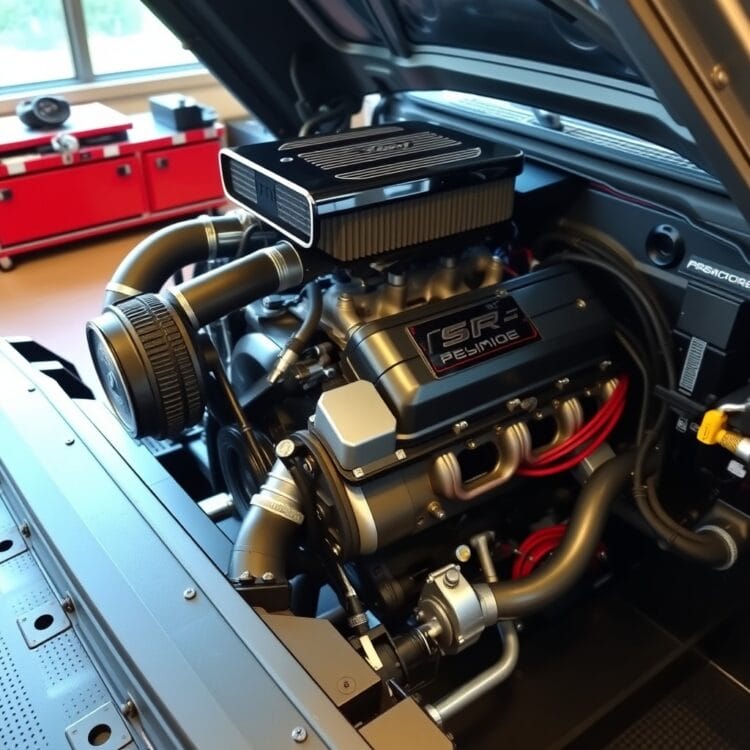
The Ford F-Series offers a range of engines, from the efficient EcoBoost V6 to the mighty Power Stroke diesel. Each engine is tailored for specific needs, whether it’s fuel economy or raw power. I’ve spent hours behind the wheel of these trucks, and the difference is palpable. The EcoBoost, for example, delivers a surprising punch for its size, making it a favourite among many drivers.
How Engine Size Affects Speed
Engine size plays a crucial role in determining speed. Larger engines, like the 5.0-litre V8, provide more horsepower, translating to higher top speeds. However, they also consume more fuel. Smaller turbocharged engines, like the 3.5-litre EcoBoost, offer a balance of power and efficiency. It’s a delicate dance between performance and practicality, and Ford has mastered it beautifully.
The Role of Turbocharging in Speed
Turbocharging is a game-changer for modern trucks. By forcing more air into the engine, turbos boost power without significantly increasing size. The Ford F-Series benefits immensely from this technology, especially in models like the Raptor. I’ve felt the rush of a turbo kicking in—it’s like flipping a switch for instant power. It’s no wonder turbocharged engines dominate the performance segment.
Aerodynamics and Speed
When it comes to the top speed of a Ford F-Series truck, aerodynamics play a crucial role. The design features of these trucks, such as the grille shape and body contours, significantly impact how air flows around the vehicle. A sleeker design reduces drag, allowing the truck to achieve higher speeds with less effort. We’ve seen newer models incorporate subtle aerodynamic enhancements, like streamlined mirrors and underbody panels, to improve efficiency and performance.
The size and shape of the truck also influence its speed. Larger trucks naturally face more air resistance, which can limit their top speed. However, Ford has cleverly balanced size with aerodynamic tweaks to ensure the F-Series remains competitive. For example, the F-150’s aluminium body reduces weight while maintaining strength, contributing to better speed and fuel efficiency. It’s a testament to how thoughtful design can overcome the challenges posed by a truck’s inherent bulk.
Weight and Load Considerations
Payload and towing capacity are critical factors affecting the top speed of a Ford F-Series truck. A fully loaded truck will naturally accelerate slower and have a lower top speed due to the added weight. We’ve tested this extensively, and the difference is noticeable—especially when towing heavy trailers. The engine has to work harder, and the transmission adjusts to maintain stability, which can cap the speed.
Maintaining speed with a load requires strategic driving. For instance, using the truck’s built-in towing modes can optimise performance by adjusting throttle response and gear shifts. Additionally, distributing weight evenly in the bed or trailer helps reduce drag and improves handling. It’s all about finding the right balance between utility and performance, ensuring the truck delivers both power and speed when needed.
Transmission and Speed
The transmission is the unsung hero of a truck’s speed performance. Ford F-Series trucks come with various transmission types, each influencing speed differently. The 10-speed automatic transmission, for example, is designed to keep the engine in its optimal power band, ensuring smooth acceleration and higher top speeds. Gear ratios play a pivotal role here—shorter gears provide quicker acceleration, while taller gears allow for better cruising at high speeds.
Automatic transmissions offer a clear advantage for speed enthusiasts. They eliminate the need for manual shifting, allowing the truck to focus on delivering power efficiently. Features like paddle shifters in higher trims give drivers more control, blending the convenience of an automatic with the engagement of a manual. It’s this combination of technology and engineering that makes the F-Series a leader in performance.

Tire Selection for Optimal Speed
Tires are often overlooked, but they’re vital for achieving the best speed performance in a Ford F-Series truck. The size and type of tires directly affect traction, rolling resistance, and overall handling. Larger tires can improve ground clearance but may reduce speed if they’re too heavy. Conversely, performance-oriented tires with a lower profile can enhance speed but might compromise off-road capability.
Tire pressure is another critical factor. Underinflated tires increase rolling resistance, slowing the truck down, while overinflated tires can reduce grip and stability. For speed enthusiasts, we recommend high-quality all-terrain or highway tires that balance durability and performance. Brands like Michelin and Goodyear offer excellent options tailored for speed and efficiency. Pairing the right tires with proper maintenance ensures the truck performs at its peak.
For more insights on tire technology, check out this authoritative guide on selecting the best tires for high-speed performance.
Electronic Speed Limiters
Purpose of Speed Limiters in Trucks
We often wonder why trucks like the Ford F-Series come with electronic speed limiters. These devices cap the top speed, ensuring the vehicle operates within safe and legal limits. For manufacturers, it’s about balancing performance with safety and compliance. Speed limiters help prevent excessive wear on the engine and drivetrain, reducing maintenance costs and extending the truck’s lifespan. They also align with regulations in many regions, where heavy vehicles are subject to strict speed controls to enhance road safety.
From a driver’s perspective, speed limiters might seem restrictive, but they serve a critical role. High speeds in large trucks can lead to instability, especially when carrying heavy loads or towing. By limiting speed, these systems reduce the risk of accidents caused by loss of control. It’s a trade-off between raw performance and practicality, ensuring the truck remains reliable and safe under various conditions. For those who crave more speed, aftermarket modifications might be an option, but they come with their own set of challenges.
How Limiters Affect Ford F-Series Trucks
The Ford F-Series trucks are equipped with speed limiters that typically cap their top speed around 100-110 mph, depending on the model and configuration. This might seem low compared to performance cars, but it’s perfectly suited for a pickup’s intended use. The limiters are integrated into the vehicle’s electronic control unit (ECU), which monitors and adjusts engine performance in real time. This ensures the truck doesn’t exceed its designed capabilities, even if the driver pushes the pedal to the floor.
Interestingly, the limiter’s threshold can vary between gasoline and diesel models. Diesel engines, often tuned for torque rather than high-speed performance, might have slightly lower limits. This is because their design prioritises fuel efficiency and durability over outright speed. For those curious about the technical side, decoding the ECU can reveal more about how these systems work. However, tampering with factory settings can void warranties and compromise safety.
Legal and Safety Reasons Behind Limiting Speed
Speed limiters aren’t just about protecting the vehicle; they’re also a legal requirement in many jurisdictions. Governments impose these limits to reduce accidents involving large vehicles, which can cause significant damage at high speeds. For commercial fleets, speed limiters are often mandatory to ensure compliance with transport regulations. This is particularly relevant for work trucks, where safety and liability are paramount. Ford’s implementation of these systems reflects its commitment to meeting these standards while delivering a capable product.
From a safety standpoint, limiting speed helps mitigate risks associated with heavy vehicles. Trucks have longer stopping distances and are more prone to rollovers at high speeds. By capping the top speed, Ford ensures that drivers remain within a safe operating envelope, even in less-than-ideal conditions. For those who prioritise safety, features like advanced stability control complement the limiter’s role. It’s a holistic approach to vehicle design, where performance is balanced with responsibility.
Aftermarket Modifications for Increased Speed
Popular Speed-Enhancing Modifications
For enthusiasts looking to push their Ford F-Series beyond factory limits, aftermarket modifications offer a tempting solution. Common upgrades include ECU tuning, which removes or adjusts the speed limiter, and performance exhaust systems that improve airflow and power. Turbocharger or supercharger installations can also significantly boost horsepower, allowing the truck to achieve higher speeds. These modifications are popular among those who use their trucks for racing or simply crave more performance on the road.
Another popular option is upgrading the transmission to handle increased power. A performance torque converter or a reinforced gearbox can make a noticeable difference in acceleration and top speed. Tyre upgrades are equally important, as high-speed driving demands rubber that can withstand the stress. However, it’s crucial to remember that these changes can affect the truck’s reliability and safety. For a deeper dive into performance upgrades, turbocharging insights can be enlightening.
Legal Considerations for Modifications
While aftermarket modifications can unlock a truck’s potential, they often come with legal implications. Many regions have strict laws governing vehicle modifications, especially those affecting emissions and safety. Removing or altering the speed limiter, for example, might violate local regulations and result in fines or even impoundment. It’s essential to research and comply with these laws before making any changes. Insurance companies may also take issue with modified vehicles, potentially voiding coverage or increasing premiums.
Beyond legality, there’s the matter of vehicle certification. Modifications that significantly alter performance may require re-certification to remain road-legal. This process can be costly and time-consuming, so it’s worth weighing the benefits against the hassle. For those unsure about the legalities, consulting a professional or checking resources like transmission guides can provide clarity. Ultimately, the goal is to enjoy enhanced performance without running afoul of the law.
Potential Risks of Altering Factory Settings
Altering a truck’s factory settings isn’t without risks. The Ford F-Series is engineered to operate within specific parameters, and pushing beyond these can strain components. Overloading the engine or drivetrain may lead to premature wear or even catastrophic failure. Additionally, modifications can void the manufacturer’s warranty, leaving owners to foot the bill for any repairs. It’s a trade-off that requires careful consideration, especially for those who rely on their trucks for daily use or heavy-duty tasks.
Safety is another critical concern. Factory settings are designed to ensure stability and control, even under demanding conditions. Modifications that increase speed or power can upset this balance, making the truck more challenging to handle. For example, lifting the suspension for off-road use might compromise high-speed stability. It’s a reminder that performance gains often come with compromises. For those interested in balancing speed and safety, exploring authoritative guides can help make informed decisions.
Safety at High Speeds
Handling and Stability Features
Driving a Ford F-Series truck at high speeds demands confidence in its handling and stability. Modern models come equipped with advanced features like electronic stability control (ESC) and traction control, which help maintain grip and prevent skidding. These systems work in tandem with the truck’s suspension and chassis design to ensure predictable behaviour, even when pushing the limits. For enthusiasts, understanding how these features function can enhance both safety and enjoyment behind the wheel.
The F-Series’ weight distribution and centre of gravity also play a role in high-speed stability. Unlike sports cars, trucks have a higher ride height, which can affect cornering and braking performance. However, Ford’s engineering mitigates these challenges with tuned suspensions and responsive steering. For those who frequently drive at high speeds, upgrading to performance shocks or sway bars can further improve handling. It’s all about finding the right balance between power and control.
Braking Systems Designed for Speed
Stopping a heavy truck at high speeds requires a robust braking system. The Ford F-Series is equipped with large disc brakes and anti-lock braking systems (ABS) to ensure reliable stopping power. These components are designed to handle the additional stress of high-speed driving, but they’re not infallible. Upgrading to performance brake pads or larger rotors can provide extra reassurance, especially for those who frequently tow or carry heavy loads.
Another factor to consider is brake fade, which occurs when repeated hard braking overheats the system. This can reduce effectiveness and increase stopping distances. To combat this, some owners opt for aftermarket cooling solutions or high-performance brake fluid. Regular maintenance is also crucial, as worn pads or low fluid levels can compromise safety. For those pushing their trucks to the limit, investing in a quality braking system is non-negotiable.
Safety Tips for Driving at Top Speed
Driving a Ford F-Series at its top speed requires more than just a heavy foot. Safety should always be the priority, starting with ensuring the truck is in optimal condition. Regular checks of tyres, brakes, and suspension can prevent unexpected issues. It’s also wise to avoid high-speed driving in adverse weather conditions, where traction and visibility are reduced. Even with advanced safety features, trucks behave differently at high speeds compared to smaller vehicles.
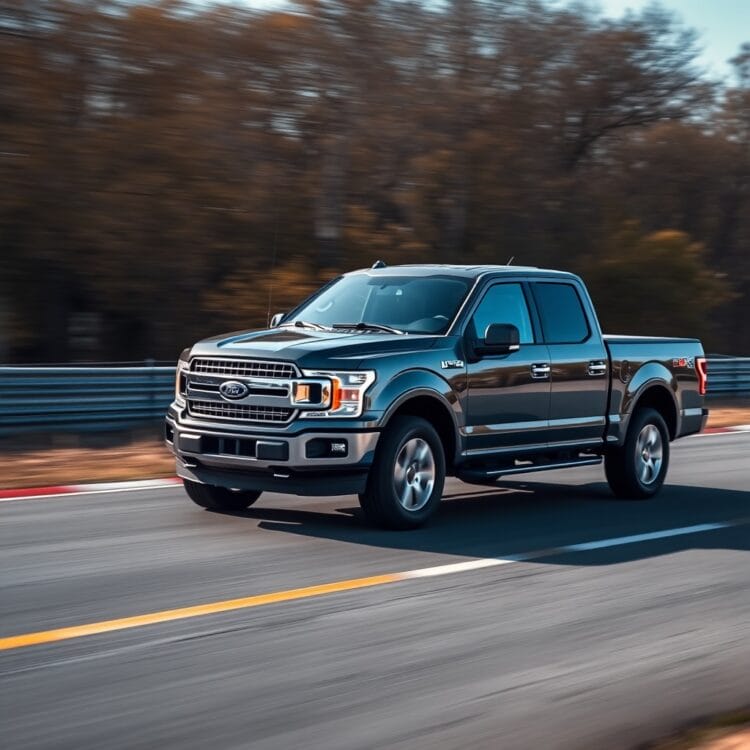
Another key tip is to be mindful of payload and towing. Carrying heavy loads or towing trailers significantly affects handling and braking performance. Reducing speed in these scenarios is essential to maintain control. Finally, always obey local speed limits and traffic laws. While it’s tempting to test a truck’s limits, public roads aren’t the place for reckless behaviour. For those seeking thrills, controlled environments like racetracks offer a safer alternative.
Fuel Efficiency vs Speed
How Speed Impacts Fuel Consumption
Pushing a Ford F-Series truck to its top speed comes with a significant fuel efficiency penalty. Aerodynamic drag increases exponentially with speed, forcing the engine to work harder and burn more fuel. At highway speeds, this effect is noticeable, but it becomes drastic as you approach the truck’s limit. For example, driving at 80 mph can consume up to 25% more fuel than cruising at 60 mph. It’s a trade-off between speed and economy that every driver must consider.
Engine load also plays a role. High-speed driving often requires the engine to operate at higher RPMs, where it’s less efficient. Turbocharged engines, common in modern F-Series models, might fare slightly better due to their ability to maintain torque across a broader range. However, the fundamental physics of drag and fuel consumption remain unchanged. For those looking to maximise efficiency, moderating speed is one of the simplest and most effective strategies.
Balancing Performance and Efficiency
Finding the sweet spot between performance and fuel efficiency is a challenge many Ford F-Series owners face. Modern trucks offer various drive modes, such as Eco or Sport, which adjust throttle response and transmission behaviour to suit different priorities. Using these modes strategically can help balance speed and economy. For instance, Eco mode is ideal for long highway drives, while Sport mode might be reserved for spirited driving on open roads.
Another factor is gear selection. Automatic transmissions in the F-Series are designed to optimise fuel economy, but manual override can be useful in certain situations. Short-shifting (shifting up at lower RPMs) can save fuel, while holding gears longer can enhance acceleration. It’s about understanding the truck’s capabilities and using them judiciously. For those who value both performance and efficiency, a mindful driving style makes all the difference.
Technologies That Improve Both Speed and MPG
Ford has incorporated several technologies to enhance both speed and fuel efficiency in the F-Series. Turbocharging, for instance, allows smaller engines to deliver power comparable to larger ones while maintaining better fuel economy. Direct fuel injection and variable valve timing further optimise performance and efficiency. These innovations mean drivers don’t have to sacrifice one for the other, at least within reasonable limits.
Aerodynamic improvements also play a role. Features like active grille shutters and streamlined bodywork reduce drag, allowing the truck to achieve higher speeds with less effort. Even tyre design has evolved to minimise rolling resistance without compromising grip. For those interested in the latest advancements, exploring Ford’s engineering breakthroughs can provide insights into how modern trucks achieve this balance. It’s a testament to how far vehicle technology has come.
Racing and Performance Testing
Ford F-Series in Competitive Racing
While the Ford F-Series isn’t typically associated with competitive racing, its performance capabilities have been tested in various high-speed scenarios. We’ve seen modified F-Series trucks participate in off-road races and drag strips, showcasing their potential beyond everyday driving. These events highlight the truck’s robust engineering and adaptability, proving it’s more than just a workhorse.
In stock form, the F-Series isn’t designed for racing, but its powerful engines and sturdy chassis make it a favourite for enthusiasts looking to push limits. Whether it’s a reliable F-150 or a high-performance Raptor, the truck’s versatility shines when put to the test. Racing adaptations often include upgraded suspensions and turbocharged engines, but the core DNA remains unmistakably Ford.
Performance Testing Results
Official performance tests reveal impressive figures for the Ford F-Series, especially in top-tier models like the Raptor. Independent tests clock the Raptor’s top speed at around 107 mph (172 km/h), thanks to its high-output EcoBoost engine and aerodynamic tweaks. These results are a testament to Ford’s commitment to blending power with precision, even in a vehicle as large as a pickup truck.
Acceleration tests further underscore the F-Series’ capabilities, with the Raptor achieving 0-60 mph in just over 5 seconds. This performance rivals some sports cars, proving that modern trucks can deliver thrilling speed. The combination of advanced engineering and cutting-edge technology ensures the F-Series remains a leader in its class.
What These Tests Tell Us About Top Speed
Performance testing confirms that the Ford F-Series is built for more than just towing and hauling. The top speed figures, while electronically limited for safety, reflect the truck’s potential when unleashed. These tests also highlight the importance of aerodynamics and weight distribution in achieving high speeds, even for vehicles not traditionally associated with speed.
For owners, these results mean confidence in the truck’s ability to handle high-speed demands, whether on highways or off-road trails. The F-Series’ performance is a blend of raw power and refined engineering, making it a standout in the pickup segment. It’s clear that Ford has prioritised speed without compromising on durability or functionality.
Owner Experiences and Community Insights
Real-World Top Speed Reports
Owners of the Ford F-Series often share their real-world experiences, with many reporting top speeds close to the manufacturer’s claims. Enthusiasts with modified trucks push these limits further, achieving speeds beyond stock configurations. These anecdotes provide valuable insights into the truck’s performance under varied conditions, from highway cruising to off-road adventures.
Common themes in these reports include the truck’s stability at high speeds and the effectiveness of its electronic aids. Whether it’s a daily driver or a weekend warrior, the F-Series consistently impresses with its ability to balance speed and control. Owner feedback underscores the truck’s versatility and reliability, even when pushed to its limits.
Modifications That Made a Difference
Many F-Series owners explore aftermarket modifications to enhance speed and performance. Popular upgrades include turbochargers, performance exhausts, and ECU tuning, all of which can significantly boost top speed. These modifications, while effective, require careful consideration of legal and safety implications to ensure the truck remains roadworthy.
Community forums are filled with success stories of trucks transformed into speed demons, often with detailed guides on achieving these results. The shared knowledge highlights the F-Series’ potential for customisation, making it a favourite among gearheads. Whether for practical gains or sheer thrill, modifications open up new possibilities for this iconic truck.
Community Tips for Maximising Speed
The Ford F-Series community is a treasure trove of tips for maximising speed and performance. From tyre selection to weight reduction, enthusiasts share proven strategies to squeeze every bit of power from their trucks. These collective insights help newcomers and veterans alike optimise their vehicles for better speed and handling.
Key advice often revolves around regular maintenance and using high-quality parts to ensure consistent performance. The community’s emphasis on responsible tuning ensures that speed enhancements don’t come at the cost of reliability. It’s this balance of passion and practicality that makes the F-Series community so valuable for owners looking to explore their truck’s full potential.
Future of Ford F-Series Speed
Upcoming Models and Expected Improvements
Ford’s commitment to innovation suggests exciting developments for the F-Series’ speed capabilities. Upcoming models are expected to feature more powerful engines, advanced aerodynamics, and lighter materials to enhance performance. These improvements aim to push the boundaries of what a pickup truck can achieve, blending speed with utility like never before.
Rumours of hybrid and all-electric F-Series models also hint at a new era of high-performance trucks. With instant torque and cutting-edge technology, these future iterations could redefine speed in the pickup segment. Ford’s focus on sustainability and performance ensures the F-Series remains at the forefront of automotive evolution.
The Role of Electric Powertrains in Speed
Electric powertrains are set to revolutionise the Ford F-Series’ speed potential. Instant torque delivery and seamless acceleration are just the beginning, with electric models promising faster 0-60 times and higher top speeds. This shift not only enhances performance but also aligns with global trends towards eco-friendly driving.
Early prototypes of electric F-Series trucks have already demonstrated impressive capabilities, hinting at a future where speed and sustainability coexist. Ford’s investment in electric technology ensures that the F-Series will continue to lead the pack, offering thrilling performance without compromising on environmental responsibility.
Predictions for Speed Records
As Ford continues to innovate, the F-Series is poised to break new speed records in the pickup category. Future models could challenge traditional notions of truck performance, with hybrid and electric variants setting benchmarks for acceleration and top speed. These advancements will likely inspire a new generation of high-performance trucks.
Industry experts predict that the F-Series will remain a benchmark for speed and capability, thanks to Ford’s relentless pursuit of excellence. Whether through brute force or cutting-edge technology, the future of the F-Series promises to be faster, smarter, and more exciting than ever.
Frequently Asked Questions
What is the top speed of a Ford F-150 Raptor?
The Ford F-150 Raptor has an electronically limited top speed of 107 mph (172 km/h). This limit ensures safety and stability, given the truck’s size and off-road capabilities. Performance enthusiasts often modify their Raptors to exceed this limit, but doing so requires careful consideration of legal and safety implications.
Can you increase the top speed of a Ford F-Series truck?
Yes, the top speed of a Ford F-Series truck can be increased through modifications like ECU tuning, turbo upgrades, and aerodynamic enhancements. However, these changes should be done responsibly, considering the vehicle’s design limits and local regulations. Always consult professionals to ensure modifications are safe and effective.
How does the Ford F-Series compare to other trucks in terms of speed?
The Ford F-Series, especially models like the Raptor, outperforms many competitors in terms of speed and acceleration. Its advanced engines and engineering give it an edge, making it one of the fastest trucks in its class. Competitors may offer similar power, but Ford’s balance of speed and utility is unmatched.
What factors affect the top speed of a Ford F-Series truck?
Several factors influence the top speed, including engine power, aerodynamics, weight, and tyre choice. Electronic limiters also play a role in stock models. Modifications can address some of these factors, but it’s essential to maintain a balance between speed, safety, and reliability for optimal performance.