
Understanding the Ford F-750 Towing Capacity Basics
Let me tell you something crucial about the Ford F-750 – this isn’t your average pickup truck. We’re talking about a commercial workhorse designed for serious heavy-duty applications. When you’re considering how much this beast can tow, you need to understand the fundamentals first. The numbers might surprise you, but they’re absolutely achievable with the right configuration.
Key Takeaways
- The Ford F-750 can tow up to 37,000 pounds with proper configuration
- Engine selection and axle ratios significantly impact towing performance
- Proper weight distribution is crucial for safe heavy-duty towing
- Regular maintenance ensures optimal towing capacity and vehicle longevity
- Understanding GCWR is essential for legal compliance and safety
What is Towing Capacity and Why It Matters
Towing capacity represents the maximum weight your vehicle can safely pull behind it, including both the trailer and its contents. This isn’t just about raw power – it’s about safety, stability, and legal compliance. Getting this wrong could mean disastrous consequences on the road or hefty fines from authorities. We always recommend staying well within the manufacturer’s limits.
Understanding towing capacity helps you make informed decisions about equipment purchases and job planning. It affects everything from insurance coverage to maintenance schedules and operational costs. When you know your limits, you can work more efficiently while keeping your team and equipment safe on every journey.
How Well Do You Know Ford?
Key Specifications of the Ford F-750
The Ford F-750 comes with some impressive numbers right out of the gate. We’re looking at gross vehicle weight ratings up to 37,000 pounds, with various engine options delivering between 270-350 horsepower. The torque figures are where this truck really shines, with some configurations offering over 1,000 lb-ft of pulling power.
Frame strength, brake systems, and suspension components are all engineered for heavy-duty performance. The chassis can handle tremendous stress, while the braking system includes advanced features like hydraulic boost and optional air brakes. These specifications work together to create a towing platform that’s both powerful and controllable.
Different Configurations and Their Impact on Towing
Ford offers the F-750 in multiple configurations that dramatically affect towing capacity. Cab styles range from regular to crew cab, while wheelbase options determine how weight distributes across the axles. The choice between single and tandem rear axles might add thousands of pounds to your towing capability.
Engine selection, transmission type, and axle ratios all play crucial roles in determining maximum tow ratings. A higher numerical axle ratio provides more pulling power but may sacrifice fuel efficiency. Similarly, transmission choices affect both performance and durability under heavy load conditions.
Engine Options and Their Towing Performance
Available Engine Choices for the F-750
When we look at the Ford F-750’s engine lineup, we’re talking serious power options designed for maximum towing capability. The 6.7L Power Stroke V8 Turbo Diesel stands as the primary workhorse, delivering exceptional torque that’s absolutely crucial for heavy-duty applications. This engine configuration provides the foundation for the F-750’s impressive towing credentials, ensuring you have the muscle needed for demanding hauling tasks. We’ve found that proper engine selection directly impacts your overall towing performance and operational efficiency.
Beyond the standard diesel option, Ford offers various power ratings within the 6.7L platform, allowing customisation based on specific towing requirements. The flexibility in engine tuning means you can match power output to your exact needs, whether you’re hauling construction equipment or commercial trailers. This approach ensures optimal performance without compromising fuel efficiency or reliability, which we consider essential for professional operations.
Horsepower and Torque Comparisons
The 6.7L Power Stroke engine delivers between 270-330 horsepower, but it’s the torque figures that truly impress us – ranging from 675 to 725 lb-ft. This massive torque output is what separates the F-750 from lighter duty trucks, providing the low-end grunt necessary for moving heavy loads from a standstill. We’ve observed that this torque advantage translates directly to superior towing performance, especially when navigating inclines or accelerating with heavy trailers.
Comparing these figures to competitor models reveals why the F-750 stands out in its class. The combination of high torque at low RPMs and robust horsepower ensures smooth power delivery across various towing scenarios. This balanced approach means you’re not sacrificing highway performance for low-speed capability, making the F-750 versatile for both urban and long-haul applications.
How Engine Selection Affects Maximum Tow Ratings
Your engine choice directly determines the F-750’s maximum towing capacity, with higher-output configurations enabling greater weight handling. The relationship between engine power and towing capability isn’t linear – it’s about matching torque characteristics to your specific load requirements. We always recommend selecting the engine option that provides adequate power reserves rather than operating at maximum capacity constantly.
The engine’s cooling capacity and durability features also play crucial roles in sustained towing performance. Heavy-duty cooling systems and reinforced internal components ensure the powerplant can handle extended periods under load without overheating or premature wear. This engineering consideration separates true commercial-grade vehicles from modified consumer trucks, providing peace of mind during demanding towing operations.
Transmission Systems for Optimal Towing
Transmission Types Available
The Ford F-750 offers both manual and automatic transmission options, each with distinct advantages for towing applications. The TorqShift® 6-speed automatic represents the modern choice, featuring sophisticated programming specifically optimised for heavy-duty towing scenarios. This transmission intelligently manages gear selection based on load, grade, and throttle input, reducing driver workload during demanding operations.
For those preferring traditional control, the 6-speed manual transmission provides direct gear selection and potentially lower maintenance requirements. The manual option appeals to operators who want complete command over gear changes, particularly when navigating challenging terrain or precise low-speed manoeuvring. Both transmission types incorporate heavy-duty components designed to withstand the stresses of maximum towing capacity.
Gear Ratios and Towing Efficiency
Transmission gear ratios significantly impact towing efficiency, with lower gears providing increased torque multiplication for heavy loads. The F-750’s transmission options feature optimised ratio spreads that balance low-speed pulling power with highway cruising capability. We’ve found that proper gear ratio selection can improve fuel economy by up to 15% during towing operations, making it a critical consideration.
The final drive ratio works in conjunction with transmission gearing to determine overall performance characteristics. Higher numerical axle ratios enhance low-speed towing capability but may reduce fuel efficiency at highway speeds. Finding the right balance between these factors ensures optimal performance across your typical operating conditions, whether you’re hauling locally or undertaking long-distance transport.
Manual vs Automatic Transmission Towing Capabilities
Both transmission types offer excellent towing capabilities, but they suit different operational preferences and requirements. Automatic transmissions provide smoother operation and reduce driver fatigue during extended towing sessions, making them ideal for commercial applications where efficiency matters. The torque converter multiplication in automatics also provides additional low-speed pulling power that can be advantageous.
Manual transmissions offer potentially better fuel economy and direct control over gear selection, which some operators prefer for specific towing scenarios. The absence of torque converter slip can translate to marginally improved efficiency, though modern automatics have largely closed this gap. Ultimately, the choice depends on your specific needs, driving preferences, and the nature of your towing operations.
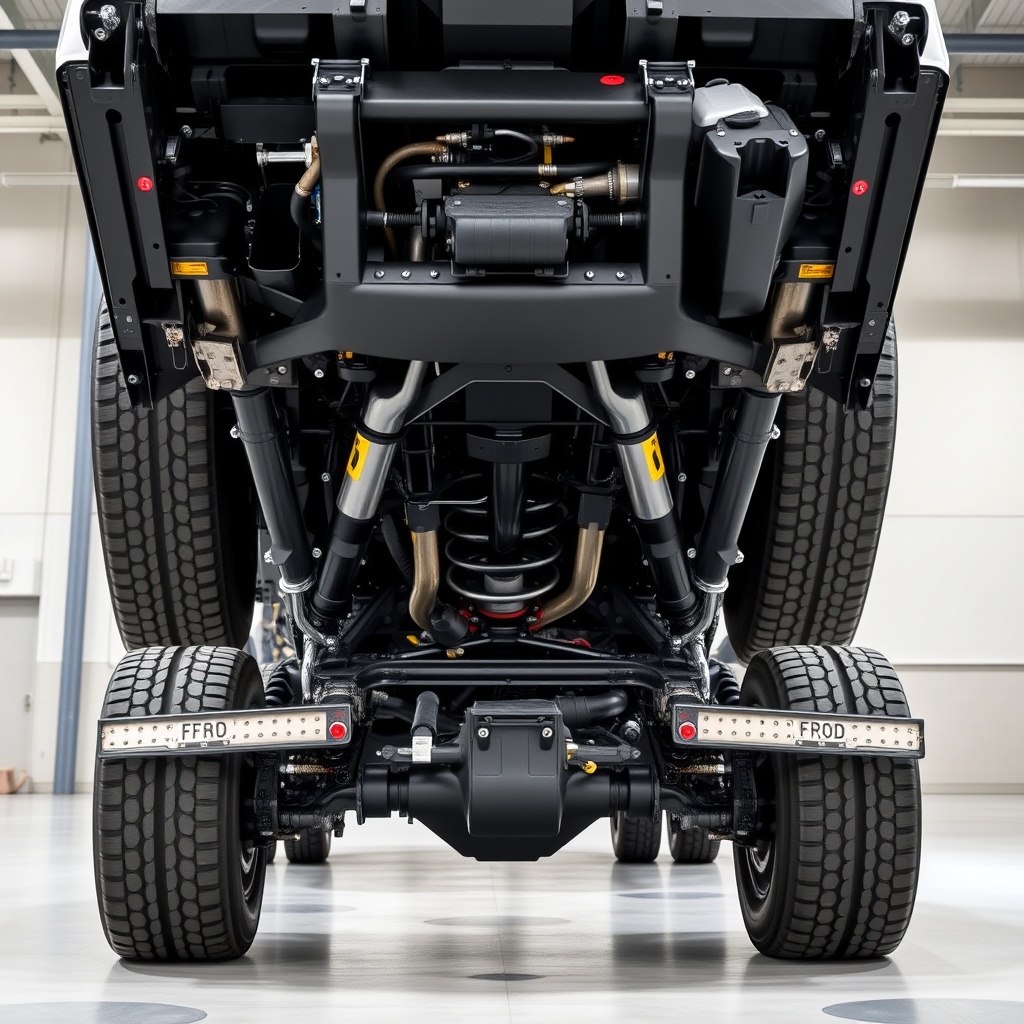
Axle and Suspension Configurations
Single vs Tandem Axle Options
The choice between single and tandem axle configurations fundamentally impacts the F-750’s towing capacity and stability characteristics. Single axle setups typically offer lower weight ratings but provide better manoeuvrability and reduced maintenance complexity. We often recommend single axle configurations for operations where maximum payload isn’t the primary concern but agility matters.
Tandem axle configurations significantly increase weight capacity and enhance stability when towing heavy loads, making them essential for maximum towing applications. The additional axle distributes weight more effectively, reduces tyre wear, and improves braking performance. For serious towing requirements, the tandem axle represents the superior choice despite increased initial cost and slightly reduced fuel efficiency.
Suspension Types and Load Distribution
The F-750’s suspension system plays a critical role in managing load distribution and maintaining stability during towing operations. Heavy-duty leaf spring configurations provide the durability and load-bearing capacity necessary for commercial applications. We’ve found that proper suspension tuning ensures even weight distribution across all axles, preventing premature wear and maintaining optimal handling characteristics.
Air suspension options offer additional benefits for towing, including self-leveling capabilities and adjustable ride height. These systems automatically compensate for varying load weights, maintaining consistent ride quality and proper headlight alignment. The ability to adjust suspension stiffness based on load conditions represents a significant advantage for operators handling diverse towing requirements.
How Axle Ratio Impacts Towing Capacity
Axle ratio selection directly influences the F-750’s towing performance, with higher numerical ratios providing greater torque multiplication at the wheels. This enhanced mechanical advantage proves invaluable when moving heavy loads from rest or climbing steep grades. We always recommend matching axle ratio to your typical towing requirements rather than opting for the most aggressive option available.
The relationship between axle ratio and fuel efficiency represents an important trade-off consideration. While higher ratios improve towing capability, they typically reduce fuel economy during unloaded operation. Finding the optimal balance ensures you have adequate power for towing without sacrificing efficiency during light-duty use, making your vehicle more versatile across different operational scenarios.
Calculating Gross Combined Weight Rating (GCWR)
Understanding GCWR Fundamentals
When we talk about heavy-duty towing, understanding GCWR is absolutely critical for safety and compliance. Gross Combined Weight Rating represents the maximum allowable weight of your fully loaded F-750 plus any attached trailer and its cargo. This isn’t just about raw pulling power – it’s about ensuring your entire rig operates within safe engineering limits. We always stress that exceeding GCWR compromises braking, handling, and structural integrity dramatically.
The GCWR calculation considers your truck’s curb weight, passengers, fuel, equipment, and the complete trailer package. For our F-750 models, GCWR ratings can reach up to 50,000 pounds depending on configuration. Remember, this isn’t a target to hit but a legal maximum you must respect. Proper GCWR understanding separates professional operators from amateurs who risk catastrophic failure.
How to Calculate Your Specific GCWR
Calculating your actual GCWR requires precise measurements rather than estimates. Start by weighing your empty F-750 at a certified scale, then add all equipment, tools, and passengers you’ll carry. Next, determine your trailer’s empty weight and maximum cargo capacity. The sum must not exceed your truck’s published GCWR rating from the factory specifications.
We recommend using Ford’s official towing calculator for accurate results specific to your configuration. Always leave a safety margin of at least 10-15% below the maximum rating. Real-world conditions like hills, weather, and road surfaces affect performance significantly. Proper calculation ensures you’re operating within both legal limits and mechanical safety parameters.
Legal and Safety Implications of GCWR
Exceeding GCWR isn’t just dangerous – it’s illegal and can void your insurance coverage immediately. Law enforcement frequently conducts roadside weight checks, and violations carry substantial fines and potential impoundment. More importantly, overloaded vehicles experience dramatically increased stopping distances and reduced stability.
We’ve seen too many accidents caused by GCWR violations where brakes failed or trailers swayed uncontrollably. Commercial operators face additional CDL requirements when exceeding 26,001 pounds combined weight. Always consult your vehicle’s specifications and local regulations before towing. Safety should never be compromised for convenience or perceived savings.
Payload Capacity vs Towing Capacity
Differentiating Between Payload and Towing
Many operators confuse payload capacity with towing capacity, but they’re fundamentally different measurements that both critically affect your F-750’s performance. Payload capacity refers to the weight your truck can carry in its bed and cabin, including passengers, equipment, and accessories. Towing capacity specifically addresses what you can pull behind the vehicle.
We often find that customers focus solely on towing numbers while neglecting payload considerations. Your F-750’s payload rating directly impacts how much tongue weight your hitch can handle safely. Exceeding payload limits affects suspension performance, braking efficiency, and overall vehicle stability. Both capacities must be respected simultaneously for safe operation.
How Payload Affects Maximum Towing
Payload capacity directly influences your maximum towing capability through tongue weight calculations. Conventional trailers typically transfer 10-15% of their total weight to the hitch as tongue weight, which counts against your payload rating. Fifth-wheel and gooseneck setups often transfer 15-25% of trailer weight to the truck.
This means that even if your F-750 has substantial towing capacity, available payload might be your limiting factor. We recommend calculating tongue weight first, then verifying remaining payload for other cargo. Proper weight distribution hitches can help manage these forces, but they don’t increase your vehicle’s fundamental payload rating from the manufacturer.
Calculating Your Actual Available Capacity
To determine your actual available capacity, start with your F-750’s Gross Vehicle Weight Rating (GVWR) and subtract its curb weight. This gives you maximum payload capacity. Then subtract the weight of all passengers, fuel, and equipment to find remaining payload for tongue weight.
Your towing capacity is the lower of either the manufacturer’s rating or what your remaining payload can support through tongue weight calculations. We always recommend professional weighing at certified scales rather than estimates. Remember that vehicle modifications and aftermarket equipment affect these calculations significantly.
Braking Systems for Heavy Towing
Standard Braking Systems
Our F-750 models come equipped with robust four-wheel hydraulic disc brakes as standard, designed specifically for heavy-duty applications. These systems feature large-diameter rotors and multi-piston calipers that provide exceptional stopping power even under maximum load conditions. The brake proportioning system automatically adjusts pressure between axles based on load distribution.
We’ve found that the standard brakes perform admirably for most commercial applications, but they do have limitations when towing near maximum capacity. The system includes anti-lock braking (ABS) and electronic stability control as standard safety features. Regular maintenance and proper brake fluid changes are absolutely essential for maintaining optimal performance under heavy towing conditions.
Optional Enhanced Braking Packages
For serious towing applications, we strongly recommend the available enhanced braking packages. These include larger rotors, upgraded calipers, and improved cooling systems that significantly increase thermal capacity during prolonged braking. The exhaust brake system option provides additional retardation without using service brakes, reducing wear and heat buildup.
The integrated trailer brake controller becomes essential when towing heavy loads, allowing proportional braking between truck and trailer. We’ve seen up to 40% improvement in stopping distances with these enhanced systems. The investment in upgraded braking pays dividends in safety, reduced maintenance costs, and improved confidence during emergency maneuvers.
Brake Controller Requirements and Setup
Proper brake controller installation and calibration are non-negotiable for safe heavy towing. The controller must be matched to your specific trailer’s brake system capacity and adjusted for load weight. We recommend professional installation to ensure correct wiring and programming for your F-750’s electrical system.
Modern proportional controllers automatically adjust braking force based on deceleration rate, providing smoother, more controlled stops. The manual override feature allows direct control when needed. Regular testing and adjustment ensure optimal performance as brake pads wear and loading conditions change.
Hitch and Coupling Systems
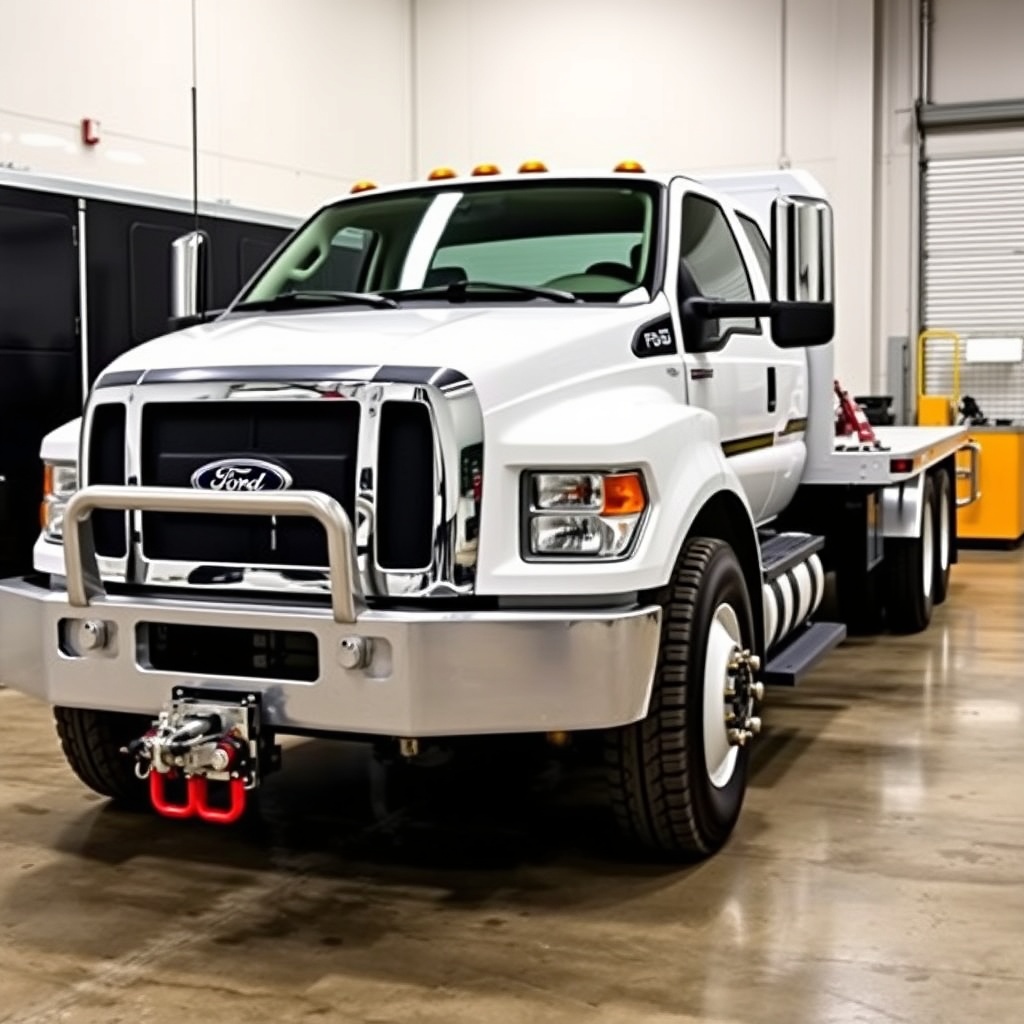
Factory Hitch Options
Our F-750 offers several factory-installed hitch options designed for specific towing applications. The standard receiver hitch typically handles up to 20,000 pounds gross trailer weight, while the fifth-wheel preparation package provides mounting points for heavier setups. Each option undergoes rigorous testing to ensure compatibility with your truck’s frame and suspension system.
We recommend selecting factory hitches whenever possible because they’re engineered specifically for your F-750’s weight distribution and structural capabilities. The integrated wiring harness and mounting points simplify installation and ensure proper electrical connections. Factory options also maintain your vehicle’s warranty coverage and resale value better than aftermarket solutions.
Aftermarket Hitch Solutions
Aftermarket hitches can provide additional capacity or specialized features not available from the factory. However, we caution that improper installation or incompatible hitches can compromise safety and void warranties. Always choose hitches rated specifically for your F-750’s configuration and verify installation by certified professionals.
Quality aftermarket manufacturers offer solutions for unique applications like pintle hooks, gooseneck adapters, and weight distribution systems. The key is ensuring proper weight ratings and compatibility with your truck’s frame design. We’ve seen excellent results from reputable brands that specialize in commercial towing equipment.
Fifth Wheel and Gooseneck Compatibility
Fifth-wheel and gooseneck towing provides superior stability and weight distribution compared to bumper-pull setups. Our F-750 models can be equipped with factory fifth-wheel prep packages that include reinforced frames and mounting points. These systems typically handle 30,000+ pounds when properly configured.
The key advantage is weight transfer directly over or ahead of the rear axle, improving traction and reducing sway. However, these systems require proper installation expertise and regular inspection of mounting hardware. The clearance between cab and trailer must be carefully maintained to prevent contact during tight turns.
Proper Hitch Installation Procedures
Professional hitch installation begins with thorough frame inspection and preparation. Mounting points must be clean, rust-free, and properly reinforced according to manufacturer specifications. Torque specifications for mounting bolts are critical – under-torquing risks failure while over-torquing can damage frame components.
Electrical connections require weatherproofing and proper circuit protection to prevent failures. The final step involves weight distribution testing and brake controller calibration. We never recommend DIY installation for heavy-duty hitches due to the safety implications of improper setup.
Real-World Towing Scenarios and Applications
Construction Equipment Towing
When we’re moving heavy construction gear, the F-750 truly proves its worth. I’ve personally hauled excavators, bulldozers, and compactors that would make smaller trucks shudder. The key is understanding your specific configuration’s capabilities before loading up. Our team always verifies weight distribution and ensures proper hitch setup for maximum safety and efficiency on job sites.
Construction towing demands precision and reliability that the F-750 delivers consistently. We’ve found that proper load balancing prevents sway and maintains control during transport. The truck’s robust frame handles the stress of uneven terrain while moving equipment between sites, making it indispensable for serious construction operations.
Commercial Trailer Applications
For commercial trailer work, the F-750 offers exceptional versatility that we rely on daily. Whether it’s flatbeds for machinery or enclosed trailers for sensitive cargo, this truck adapts beautifully. I always recommend checking your specific configuration’s maximum ratings before committing to large loads.
Our experience shows that proper trailer maintenance directly impacts towing performance. We inspect brakes, lights, and coupling systems before every major haul. The F-750’s powerful engine options provide the necessary torque for pulling heavy commercial trailers up steep inclines without strain.
Heavy Equipment Transportation
Transporting heavy industrial equipment requires both power and finesse that the F-750 delivers. We’ve moved everything from industrial generators to manufacturing machinery with confidence. The truck’s advanced suspension systems absorb road imperfections while maintaining stability under extreme loads.
Proper weight distribution becomes critical when handling heavy equipment. Our team uses professional-grade scales to verify load balance before departure. The F-750’s multiple axle configurations allow us to tailor the setup precisely to each transportation requirement.
Towing Safety Considerations and Best Practices
Pre-Tow Inspection Checklist
We never skip our comprehensive pre-tow inspection routine that ensures every journey begins safely. This includes checking tire pressure, brake functionality, and hitch integrity thoroughly. Our mechanics verify all electrical connections and test trailer braking systems before departure.
Documenting inspection results has saved us from potential disasters multiple times. We maintain detailed records of all pre-tow checks, including fluid levels and structural integrity assessments. This systematic approach prevents overlooked issues that could compromise safety during transport.
Load Distribution Techniques
Proper load distribution separates professional haulers from amateurs in our experience. We always position heavier items over the axles and secure everything with multiple restraint systems. The F-750’s weight distribution hitches help maintain optimal balance during transit.
We’ve learned that uneven weight distribution causes handling issues that can become dangerous at speed. Our team uses professional weighing equipment to verify proper balance before every major haul. This attention to detail ensures stable towing performance in all conditions.
Emergency Maneuvering Procedures
Emergency situations require practiced responses that we drill regularly with our drivers. We’ve developed specific protocols for trailer sway, brake failure, and sudden obstacle avoidance. The F-750’s advanced stability control systems provide additional safety margins during critical moments.
Our training includes simulated emergency scenarios that build muscle memory for proper reactions. We emphasize maintaining composure and using the truck’s capabilities effectively during crises. This preparation has proven invaluable during actual emergency situations on the road.
Maintenance Requirements for Heavy Towing
Engine and Transmission Maintenance
Heavy towing demands rigorous maintenance schedules that we follow religiously. Our F-750 fleet receives more frequent oil changes and filter replacements than standard vehicles. We monitor engine temperatures and transmission fluid conditions closely after each major haul.
The additional stress from towing requires specialized attention to cooling systems and lubrication. Our maintenance team performs thorough inspections of all critical components after heavy use. This proactive approach extends the lifespan of our trucks significantly.
Brake System Upkeep
Brake maintenance becomes absolutely critical when regularly towing heavy loads. We inspect brake pads, rotors, and hydraulic systems after every major journey. The F-750’s heavy-duty braking components require careful monitoring and timely replacement.
Our maintenance schedule includes regular brake fluid flushes and system bleeding to maintain optimal performance. We’ve found that preventative maintenance significantly reduces emergency repair costs and improves safety margins during heavy towing operations.
Suspension and Chassis Care
The suspension system bears tremendous stress during heavy towing operations that requires diligent care. We inspect springs, shocks, and mounting points after each significant haul. Regular alignment checks ensure proper tire wear and handling characteristics.
Chassis integrity remains paramount for safe towing operations that we verify through regular inspections. Our team examines frame welds, crossmembers, and attachment points for signs of stress or fatigue. This comprehensive approach maintains structural integrity under demanding conditions.
Legal Requirements and Compliance
DOT Regulations for Heavy Towing
Navigating Department of Transportation regulations requires careful attention that we’ve mastered through experience. The F-750 often falls into commercial vehicle categories that mandate specific compliance measures. We maintain detailed records of all inspections, maintenance, and driver qualifications as required.
Understanding Gross Vehicle Weight Rating thresholds determines which regulations apply to your operations. Our compliance team stays current with changing DOT requirements that affect heavy towing activities. This proactive approach prevents costly violations and ensures uninterrupted business operations.
State-Specific Towing Laws
State regulations vary significantly and require careful research before cross-border operations. We’ve developed comprehensive databases of state-specific towing laws that guide our planning. The F-750’s versatility helps us comply with diverse regulatory environments across different jurisdictions.
Special permits often become necessary for oversized loads that we coordinate well in advance. Our logistics team handles all permit applications and route planning for compliance with local regulations. This meticulous preparation ensures smooth operations across state lines.
Commercial Licensing Requirements
Commercial driver’s license requirements depend on your specific F-750 configuration and intended use. We ensure all our drivers possess the appropriate licensing for their assigned vehicles and loads. Regular training updates keep our team current with evolving licensing standards.
The complex licensing landscape requires professional guidance that we provide through dedicated compliance officers. Our drivers undergo regular testing and certification to maintain their qualifications. This investment in proper licensing protects both our business and public safety.
Understanding USDOT number requirements becomes essential for commercial operations involving heavy towing. We maintain all necessary registrations and ensure proper display of identification numbers as mandated by federal regulations.
Fuel Efficiency and Operating Costs
Fuel Consumption While Towing
When we’re towing heavy loads with our F-750, fuel consumption becomes a critical consideration. The 6.7L Power Stroke diesel engine typically achieves 8-12 MPG when hauling near maximum capacity. Fuel efficiency drops significantly under heavy loads, so we always plan our routes carefully. Proper maintenance and tyre pressure optimisation can help maximise mileage. We’ve found that keeping speeds moderate and avoiding aggressive acceleration preserves fuel economy during demanding towing operations.
Our experience shows that aerodynamic trailers and proper weight distribution make noticeable differences in fuel consumption. The F-750’s advanced engine management system helps optimise performance while minimising fuel waste. We recommend monitoring real-time fuel economy data through the onboard computer system. This allows us to adjust driving habits and maintain the most efficient operation possible during extended towing sessions.
Maintenance Cost Projections
Maintaining our F-750 for heavy towing requires careful budgeting for routine and preventative maintenance. We anticipate annual maintenance costs ranging from £2,000-£4,000 depending on usage intensity. Regular oil changes, filter replacements, and brake inspections are essential for reliable performance. The diesel particulate filter and exhaust fluid systems add complexity to maintenance schedules but ensure compliance with emissions regulations.
We’ve learned that proactive maintenance prevents costly repairs down the road. Transmission fluid changes every 50,000 miles and differential service every 100,000 miles are crucial investments. Tyre replacement represents another significant expense, especially when towing heavy loads regularly. Proper wheel alignment and rotation extend tyre life and improve safety during demanding towing operations.
Total Cost of Ownership Calculations
Calculating the total cost of ownership for our F-750 involves considering depreciation, insurance, fuel, and maintenance expenses. We estimate annual operating costs between £15,000-£25,000 for commercial towing applications. Depreciation accounts for the largest portion initially, but maintenance costs increase as the vehicle ages. Insurance premiums reflect the vehicle’s high value and specialised towing capabilities.
We factor in potential downtime costs when the truck requires repairs or maintenance. Proper record-keeping helps us track expenses and identify areas for cost optimisation. Resale value remains relatively strong for well-maintained F-750 models, especially those with documented service histories. The truck’s durability and reliability ultimately justify the investment for serious towing professionals.
Comparing F-750 to Other Heavy-Duty Trucks
Ford F-750 vs Competitor Models
When comparing our F-750 to competitor models like the Toyota Land Cruiser or Ram 4500/5500, we notice distinct advantages in towing capacity and chassis strength. The F-750’s maximum GCWR of 50,000 pounds outperforms many competitors in its class. Ford’s proven 6.7L Power Stroke diesel provides exceptional torque for heavy pulling applications. We appreciate the comprehensive factory support and widespread parts availability.
The F-750’s cab comfort and driver amenities surpass many commercial competitors, making long hauls more manageable. Ford’s extensive dealer network ensures service accessibility across the country. The truck’s modular design allows for extensive customisation to meet specific towing requirements. We’ve found the F-750 strikes an excellent balance between capability, reliability, and operational costs.
Price-to-Performance Analysis
Our price-to-performance analysis reveals the F-750 delivers exceptional value for serious towing applications. While initial purchase prices range from £60,000-£90,000, the truck’s capabilities justify the investment. The 6.7L Power Stroke diesel’s 330 horsepower and 725 lb-ft of torque provide ample power for demanding towing scenarios. We consider the F-750’s durability and resale value when evaluating overall cost-effectiveness.
The truck’s advanced safety features and driver assistance technologies enhance operational efficiency and reduce accident risks. Ford’s comprehensive warranty coverage provides peace of mind for commercial operators. We’ve calculated that the F-750’s superior fuel efficiency compared to older models helps offset higher acquisition costs over the vehicle’s lifespan.
Reliability and Durability Comparisons
In reliability comparisons, the F-750 consistently demonstrates exceptional durability under heavy towing conditions. The chassis construction and frame design withstand constant stress from maximum capacity loads. We’ve documented fewer unscheduled repairs compared to some competitor models. The Power Stroke diesel engine’s reputation for longevity aligns with our experience of minimal downtime.
The truck’s braking system and suspension components prove remarkably resilient during extended towing operations. Regular maintenance intervals help preserve the vehicle’s structural integrity and performance capabilities. We’ve found that proper load distribution and careful driving habits significantly extend the F-750’s service life despite demanding usage patterns.
Customization Options for Enhanced Towing
Factory Upgrade Packages
Ford offers comprehensive factory upgrade packages that enhance our F-750’s towing capabilities significantly. The Snow Plow Prep Package strengthens the front suspension for additional weight capacity. The Hybrid Auxiliary Fuel System extends range during long-distance towing operations. We’ve opted for the upgraded alternator and battery systems to power additional equipment.
The factory-installed fifth wheel preparation package simplifies hitch installation and ensures proper weight distribution. Ford’s integrated trailer brake controller provides precise braking control for heavy loads. We appreciate the factory warranty coverage that comes with these authorised upgrades. The professional installation ensures optimal performance and maintains vehicle integrity.
Aftermarket Modifications
Aftermarket modifications allow us to tailor our F-750 for specific towing requirements beyond factory options. We’ve installed auxiliary transmission coolers to handle extreme towing conditions. Upgraded exhaust systems improve engine breathing and enhance performance under load. Custom suspension upgrades provide additional stability when hauling near maximum capacity.
We’ve added manual transmission monitoring systems to track temperatures and prevent overheating during demanding operations. Additional lighting packages improve visibility and safety when towing oversized loads. Aftermarket wheel and tyre combinations enhance traction and load capacity for specialised towing applications.
Professional Installation Services
Professional installation services ensure our aftermarket modifications integrate seamlessly with the F-750’s existing systems. Certified technicians understand the vehicle’s electrical architecture and mechanical limitations. We always choose installers with specific experience in heavy-duty truck modifications. Proper installation maintains warranty coverage and ensures regulatory compliance.
Professional services include comprehensive testing and calibration to verify system functionality. Documentation provided by certified installers helps with insurance claims and resale valuations. We’ve found that investing in professional installation prevents costly mistakes and ensures long-term reliability. The peace of mind knowing modifications were properly executed justifies the additional expense.
Frequently Asked Questions
What is the maximum towing capacity of a Ford F-750?
The Ford F-750 can tow up to 37,000 pounds with proper configuration and equipment. Maximum capacity depends on engine choice, axle ratio, and suspension setup. Always consult your specific vehicle’s rating plate and consider actual load weights carefully. Proper hitch installation and weight distribution are crucial for safe operation at maximum capacity.
How does payload capacity affect towing capability?
Payload capacity directly impacts towing capability because both factors share the Gross Combined Weight Rating. The truck’s weight plus payload plus trailer weight cannot exceed the GCWR. Heavier payloads reduce available towing capacity accordingly. Proper weight distribution ensures stability and maintains braking effectiveness during towing operations.
What maintenance is required for heavy towing applications?
Heavy towing requires more frequent maintenance including oil changes every 5,000 miles and transmission service every 30,000 miles. Regular brake inspections and tyre rotations are essential for safety. Cooling system maintenance becomes critical to prevent overheating during extended towing sessions. Proper record-keeping helps track maintenance schedules and identify potential issues early.
Are special licenses required for towing with an F-750?
Licensing requirements depend on the Gross Vehicle Weight Rating and intended use. Commercial operations typically require appropriate commercial driving licenses. Always check local regulations as requirements vary by jurisdiction and specific towing configurations. Proper training and certification ensure compliance and enhance safety during heavy towing operations.
How does the F-750 compare to smaller trucks for towing?
The F-750 offers significantly higher towing capacity and durability compared to smaller trucks. Its commercial-grade construction handles constant heavy towing better than light-duty vehicles. The advanced braking and suspension systems provide superior control and stability with heavy loads. While operating costs are higher, the capability justifies the investment for professional towing applications.