Introduction to MT in Cars
When it comes to cars, the term “MT” often pops up, especially among enthusiasts and those who love the thrill of driving. But what does MT actually mean? Simply put, MT stands for Manual Transmission, a system that gives drivers full control over gear changes. Unlike automatic transmissions, which shift gears on their own, MT requires the driver to manually engage the clutch and shift gears using a gear stick.
For many, driving an MT car is more than just a preference—it’s a passion. There’s something undeniably satisfying about the tactile feedback and the sense of connection between car and driver. Whether you’re a seasoned driver or just curious about the mechanics, understanding MT can deepen your appreciation for the art of driving. Let’s dive into the world of manual transmissions and explore what makes them so special.
Key Takeaways
- MT stands for Manual Transmission, a system where the driver manually controls gear changes.
- Manual transmissions offer a more engaging and connected driving experience.
- They are often preferred by driving enthusiasts for their control and responsiveness.
- Understanding MT can enhance your appreciation for automotive mechanics and performance.
The Basics of Manual Transmission
At its core, a manual transmission is a mechanical system that allows the driver to select and change gears manually. This is done using a clutch pedal and a gear stick, which work together to transfer power from the engine to the wheels. The clutch disengages the engine from the transmission, allowing the driver to shift gears smoothly without grinding or damaging the components.
One of the key advantages of a manual transmission is the level of control it provides. Drivers can choose the perfect gear for any situation, whether it’s accelerating quickly or cruising at a steady speed. This control is why many performance cars, like the Vauxhall Corsa VXR, still offer manual options. It’s also why motorsports often favour manual transmissions—they allow for precise adjustments and faster response times.
The Basics of Manual Transmission
When we talk about MT in cars, we’re referring to manual transmission, a system that gives drivers full control over gear shifts. Unlike automatic transmissions, MT requires the driver to manually engage and disengage gears using a clutch pedal and gear stick. This hands-on approach is often favoured by driving enthusiasts for the sheer engagement it offers. It’s a skill that, once mastered, feels like second nature.
Manual transmissions have been around since the early days of automobiles, and their design has evolved significantly. The core principle remains the same: the driver selects the appropriate gear for the driving conditions. Whether you’re navigating city streets or tackling winding country roads, MT puts you in the driver’s seat—literally. For those who love the thrill of driving, there’s nothing quite like the feel of a well-executed gear change.
The Evolution of Manual Transmissions
Manual transmissions have come a long way since their inception. Early cars featured rudimentary gear systems that required precise timing and a fair bit of muscle to operate. These early developments laid the groundwork for the sophisticated systems we see today. Back then, driving a manual car was as much about strength as it was about skill.
Fast forward to the modern era, and manual transmissions are smoother, more efficient, and easier to use. Advances in engineering have introduced features like synchronized gears, which eliminate the need for double-clutching. Despite the rise of automatics, MT still holds a special place in the hearts of purists. It’s a testament to the enduring appeal of driver engagement.
Early Developments in Manual Transmissions
The first manual transmissions were crude by today’s standards, often requiring drivers to match engine speed manually to avoid grinding gears. These systems were unforgiving, but they set the stage for future innovations. The introduction of the sliding mesh gearbox in the early 20th century was a game-changer, making gear shifts smoother and more reliable.
By the mid-20th century, synchromesh technology revolutionized manual transmissions, allowing for seamless gear changes. This innovation made driving more accessible to the masses, as it reduced the learning curve significantly. Today, we take these advancements for granted, but they were groundbreaking in their time.
Manual Transmissions in the Modern Era
In today’s cars, manual transmissions are a blend of tradition and technology. Modern MT systems are lighter, more durable, and often paired with advanced electronics for better performance. For example, sports cars like the Vauxhall Corsa VXR use MT to deliver a raw, unfiltered driving experience. Even as automatics dominate the market, MT remains a favourite among those who crave control.
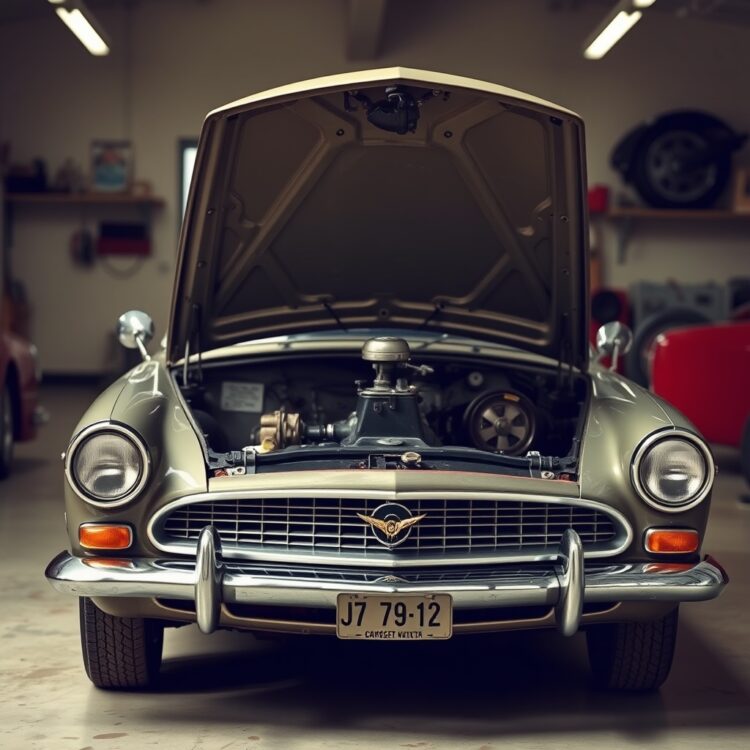
Manufacturers continue to refine manual transmissions, incorporating materials like carbon fibre and advanced alloys to reduce weight and improve efficiency. While electric vehicles may eventually phase out MT, for now, it’s alive and well—especially in performance-oriented models. The thrill of rowing through the gears is something that’s hard to replicate with an automatic.
How Manual Transmissions Work
At its core, a manual transmission is a mechanical symphony of gears, shafts, and clutches working in harmony. When you press the clutch pedal, you disengage the engine from the transmission, allowing you to shift gears smoothly. The gear stick then moves the selector forks, which engage the desired gear. It’s a dance of precision and timing that becomes intuitive with practice.
The beauty of MT lies in its simplicity and direct connection to the car’s performance. Unlike automatics, which rely on hydraulic systems, manual transmissions offer a tactile feedback that many drivers find rewarding. Whether you’re accelerating onto a motorway or downshifting for a tight corner, MT gives you the tools to make the most of your car’s potential.
Components of a Manual Transmission
When it comes to understanding manual transmissions, it’s essential to break down the key components that make them function. The clutch system is the heart of the operation, allowing the driver to engage and disengage the engine from the transmission smoothly. Without it, shifting gears would be a jarring experience. The clutch pedal, pressure plate, and flywheel work in harmony to ensure seamless transitions.
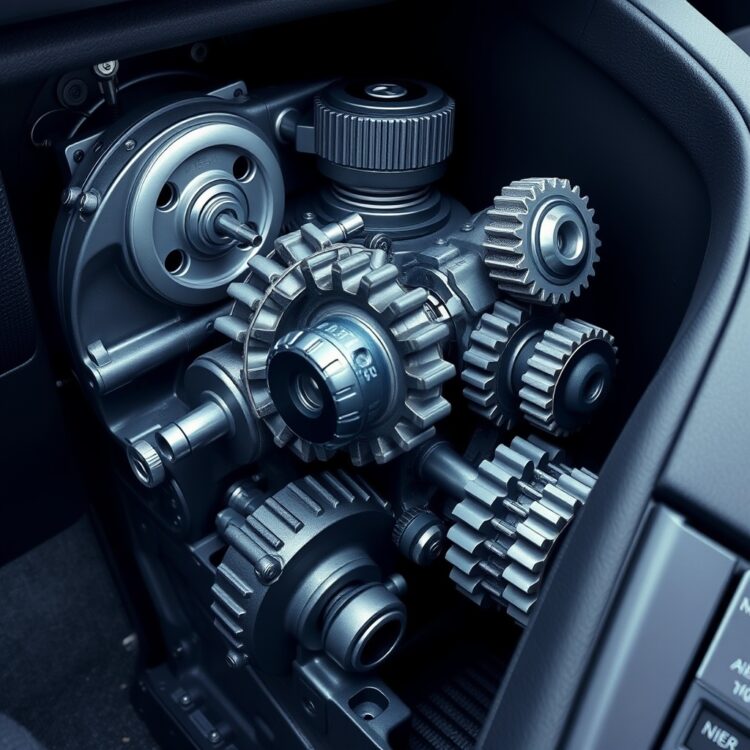
Next, we have the gears and shafts, which are the backbone of the transmission. These components determine the speed and torque delivered to the wheels. The synchronizer, another critical part, ensures the gears mesh smoothly without grinding. Each of these elements plays a vital role in the overall performance of a manual transmission, making it a marvel of engineering.
The Clutch System
The clutch system is what gives the driver control over the power flow from the engine to the wheels. When you press the clutch pedal, the pressure plate releases the clutch disc, disconnecting the engine from the transmission. This action allows you to shift gears without causing damage. The flywheel, attached to the engine, provides a smooth surface for the clutch disc to engage.
Mastering the clutch is often the trickiest part of learning to drive a manual car. It requires a delicate balance between the clutch pedal and the accelerator. Too much or too little pressure can lead to stalling or jerky movements. But once you get the hang of it, the clutch system becomes second nature, offering a level of control that automatic transmissions can’t match.
Gears and Shafts
The gears and shafts are what make a manual transmission so versatile. The input shaft connects to the engine, while the output shaft delivers power to the wheels. The gears on these shafts determine the car’s speed and torque. Lower gears provide more torque for acceleration, while higher gears offer better fuel efficiency at cruising speeds.
Each gear ratio is carefully designed to optimise performance. For example, first gear is perfect for starting from a standstill, while fifth or sixth gear is ideal for highway driving. The precision of these components ensures that the car operates efficiently under various conditions. It’s no wonder that enthusiasts swear by the gear stick for its direct connection to the driving experience.
The Synchronizer
The synchronizer is the unsung hero of the manual transmission. It ensures that the gears mesh smoothly by matching their speeds before engagement. Without it, shifting gears would require double-clutching, a technique used in older vehicles. Modern synchronizers make driving a manual car much more accessible and enjoyable.
This component is especially important during high-speed shifts. It reduces wear and tear on the gears, prolonging the life of the transmission. Whether you’re downshifting for a corner or upshifting for acceleration, the synchronizer ensures a seamless transition. It’s a small but crucial part of the manual transmission puzzle.
Types of Manual Transmissions
Manual transmissions come in various forms, each with its own set of characteristics. Non-synchronous transmissions, often found in older vehicles, require the driver to match the gear speeds manually. These are rare today but are still used in some heavy-duty applications. Synchronized transmissions, on the other hand, are the standard in modern cars, offering smoother and easier gear changes.
The choice between these types depends on the driving experience you’re after. Non-synchronous transmissions offer a raw, unfiltered connection to the car, while synchronized transmissions provide convenience and ease of use. Both have their merits, but most drivers prefer the latter for everyday driving. For a deeper dive into the differences, check out this video.
Non-Synchronous Transmissions
Non-synchronous transmissions, also known as “crash boxes,” require the driver to manually synchronise the gear speeds before shifting. This process, called double-clutching, involves pressing the clutch twice to match the engine and transmission speeds. While it’s a skill that takes practice, it offers a level of control that’s unmatched by synchronized transmissions.
These transmissions are often found in vintage cars and commercial vehicles. They’re built to withstand heavy use, making them ideal for demanding applications. However, their lack of synchronizers means they’re not as user-friendly as modern options. If you’re interested in classic cars, mastering a non-synchronous transmission can be a rewarding challenge.
Synchronized Transmissions
Synchronized transmissions are the norm in today’s manual cars. They use synchronizers to match the gear speeds automatically, eliminating the need for double-clutching. This innovation has made manual transmissions more accessible to the average driver, reducing the learning curve significantly.
The smoothness and ease of use offered by synchronized transmissions make them perfect for daily driving. Whether you’re navigating city traffic or cruising on the motorway, these transmissions provide a hassle-free experience. They’re a testament to how far manual transmissions have come in terms of refinement and usability.
Driving a Manual Transmission Car
Driving a manual transmission car is an art that combines skill and intuition. Starting and stopping requires coordination between the clutch, accelerator, and brake. It’s a dance that, once mastered, offers unparalleled control over the vehicle. Shifting gears is where the magic happens, allowing you to tailor the car’s performance to your needs.
Hill starts are often the most daunting part of driving a manual car. They require precise clutch control to prevent rolling backward. But with practice, even this becomes second nature. The key is to stay patient and keep practicing. The rewards of driving a manual—such as better fuel efficiency and a more engaging experience—are well worth the effort.
Starting and Stopping
Starting a manual car involves pressing the clutch pedal, shifting into first gear, and gradually releasing the clutch while applying the accelerator. It’s a delicate balance that can take some time to perfect. Stopping is simpler: just press the clutch and brake simultaneously. The trick is to avoid stalling, which happens when the engine isn’t getting enough power.
Stalling is a common issue for beginners, but it’s nothing to worry about. It’s all part of the learning process. With time, you’ll develop a feel for the clutch’s biting point, making starts and stops smoother. The manual transmission rewards patience and practice, turning every drive into a rewarding experience.
Shifting Gears
Shifting gears is where the manual transmission shines. It allows you to control the car’s power and efficiency directly. Upshifting involves moving to a higher gear to increase speed, while downshifting does the opposite, providing more torque for acceleration or engine braking. The key is to listen to the engine and shift at the right RPM.
Modern synchronized transmissions make shifting effortless, but the principles remain the same. Whether you’re racing or commuting, the ability to choose the right gear enhances the driving experience. It’s one of the reasons why enthusiasts prefer manual cars over automatics.
Hill Starts
Hill starts are the ultimate test of clutch control. They require you to balance the clutch and accelerator while preventing the car from rolling backward. The handbrake can be a helpful tool here, holding the car in place until you’re ready to move. With practice, you’ll be able to perform hill starts smoothly without relying on the handbrake.
Mastering hill starts boosts your confidence in a manual car. It’s a skill that proves invaluable in hilly or congested areas. The sense of accomplishment you get from nailing a perfect hill start is just one of the many joys of driving a manual transmission.
The Advantages of Manual Transmissions
Manual transmissions offer several advantages that make them a favourite among driving enthusiasts. They provide better control over the car’s performance, allowing you to tailor the driving experience to your preferences. Fuel efficiency is another significant benefit, as manual cars often consume less fuel than their automatic counterparts.
The engagement and connection to the car are unparalleled. Shifting gears manually keeps you more involved in the driving process, making every journey more enjoyable. Whether you’re a seasoned driver or a beginner, the advantages of a manual transmission are hard to ignore.
The Challenges of Manual Transmissions
Driving a manual transmission car isn’t without its hurdles. While many enthusiasts swear by the control and engagement it offers, there are undeniable challenges that come with it. From the steep learning curve to the frustrations of urban driving, mastering a manual requires patience and practice. Let’s dive into the two biggest hurdles: the learning curve and urban driving.
First, the learning curve. Unlike automatics, manuals demand coordination between your hands and feet. Stalling the car, grinding gears, or jerky starts are common for beginners. It’s a skill that takes time to perfect, and not everyone has the patience for it. However, once mastered, the satisfaction of smooth gear changes is unmatched. It’s a rite of passage for many drivers.
Learning Curve
The learning curve for manual transmissions can be intimidating. New drivers often struggle with clutch control, leading to stalling or uneven acceleration. It’s not just about shifting gears; it’s about timing and finesse. Even experienced drivers can find themselves fumbling in unfamiliar cars. But with practice, the process becomes second nature. The key is persistence—don’t let a few stalls discourage you.
Another aspect is hill starts. Rolling backward on an incline is a common fear, but mastering the handbrake or clutch-bite point can eliminate this worry. It’s all about building muscle memory. Over time, the movements become automatic, and the fear of stalling fades. The learning curve is steep, but the rewards are worth it for those who stick with it.
Urban Driving
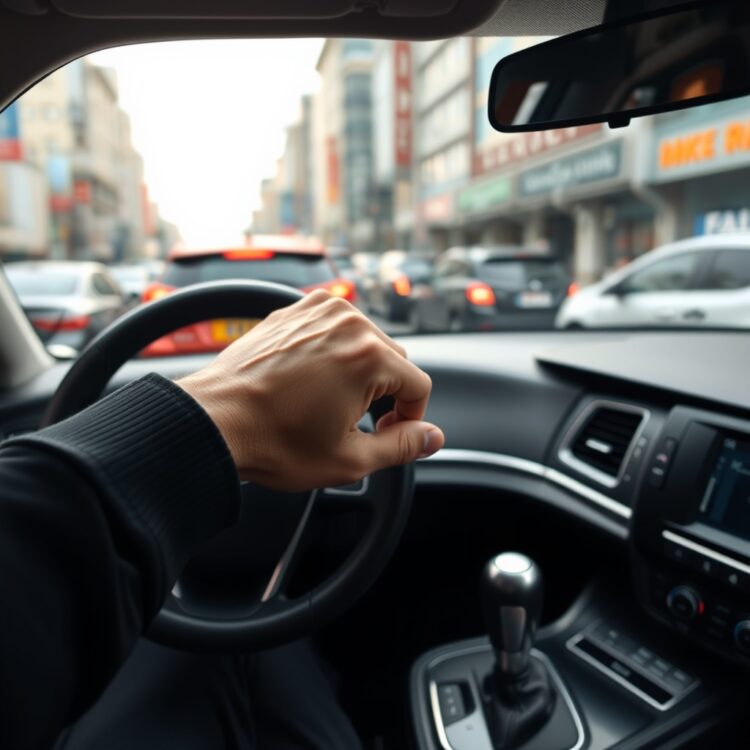
Urban driving in a manual can be exhausting. Stop-and-go traffic means constant gear changes and clutch work, which can tire out even the most seasoned drivers. The repetitive motion can lead to fatigue, making automatics a more appealing choice for city dwellers. However, some argue that the engagement of a manual makes the drive less monotonous, even in heavy traffic.
Another challenge is the risk of clutch wear in urban conditions. Frequent stops and starts accelerate wear and tear, potentially leading to costly repairs. Regular maintenance is crucial to prolong the life of your clutch. Despite these drawbacks, many drivers still prefer manuals for their responsiveness and connection to the car. It’s a trade-off between convenience and driving pleasure.
Manual vs. Automatic Transmissions
The debate between manual and automatic transmissions is as old as the cars themselves. Each has its pros and cons, and the best choice depends on your driving needs and preferences. Manuals offer control and engagement, while automatics provide convenience and ease of use. Let’s compare the two to help you decide which suits your lifestyle better.
Manuals are often praised for their fuel efficiency and lower maintenance costs. Without the complexity of an automatic transmission, repairs are generally cheaper. They also give drivers more control over the car’s performance, making them popular among enthusiasts. However, the learning curve and urban driving challenges can be deterrents for some.
Automatics, on the other hand, are effortless to drive. They’re ideal for heavy traffic or long commutes, reducing driver fatigue. Modern automatics are also becoming more fuel-efficient, closing the gap with manuals. However, they tend to be more expensive to buy and repair. Ultimately, the choice comes down to personal preference and driving conditions.
The Future of Manual Transmissions
With the rise of electric vehicles and advanced automatics, the future of manual transmissions is uncertain. Many manufacturers are phasing out manuals in favour of more efficient and user-friendly options. However, there’s still a loyal fanbase that values the tactile experience of driving a manual. Will they survive, or become a niche relic of the past?
Some brands are experimenting with hybrid solutions, like simulated manual modes in electric cars. These aim to replicate the feel of a manual without the mechanical complexity. While purists may scoff at the idea, it could be a way to keep the spirit of manuals alive. For now, manuals remain a staple in motorsports and enthusiast circles, but their mainstream days may be numbered.
Manual Transmissions in Motorsports
In the world of motorsports, manual transmissions still hold a special place. They offer unparalleled control, allowing drivers to fine-tune their performance on the track. From rally racing to drifting, manuals are the preferred choice for many professionals. The skill and precision required to master them are part of what makes motorsports so thrilling.
Even as automatics and paddle-shift systems gain popularity, manuals remain a benchmark for driver skill. The ability to heel-toe downshift or perfectly match revs is a badge of honour among racers. While technology may eventually replace them, the legacy of manuals in motorsports is undeniable. For now, they continue to be a symbol of pure driving passion.
Maintaining Your Manual Transmission
Keeping your manual transmission in top shape requires regular attention and care. I’ve found that a little effort goes a long way in ensuring smooth gear shifts and prolonging the life of the transmission. Whether you’re a seasoned driver or new to manual cars, understanding the basics of maintenance can save you from costly repairs down the line.
We’ll dive into the specifics of what you need to do to keep your manual transmission running like new. From routine checks to lubrication, these steps are simple yet effective. Trust me, your car will thank you for it.
Regular Checks
One of the easiest ways to maintain your manual transmission is by performing regular checks. I always start by inspecting the clutch fluid level, as low fluid can lead to poor performance. It’s also a good idea to listen for unusual noises when shifting gears—grinding or whining sounds could indicate a problem.
Another key check is the gear oil level. Over time, gear oil can degrade, leading to increased friction and wear. If you notice any leaks or the oil looks dirty, it’s time for a change. These small steps can prevent bigger issues and keep your transmission running smoothly.
Lubrication Needs
Lubrication is the lifeblood of a manual transmission. Without proper lubrication, the gears and synchronizers can wear out prematurely. I recommend checking the manufacturer’s guidelines for the right type of gear oil and the recommended change intervals.
For those who drive in harsh conditions, such as extreme heat or heavy traffic, more frequent oil changes might be necessary. A well-lubricated transmission not only performs better but also reduces the risk of overheating and damage. It’s a small investment for long-term reliability.
Common Manual Transmission Problems
Even with the best care, manual transmissions can develop issues over time. I’ve encountered my fair share of problems, and knowing what to look for can help you address them early. From clutch issues to gear slippage, these problems can be frustrating but are often manageable with the right approach.
Let’s explore some of the most common issues and how to tackle them. Being proactive can save you from being stranded on the side of the road.
Clutch Issues
The clutch is one of the most critical components of a manual transmission, and it’s also one of the most prone to wear. I’ve noticed that a slipping clutch—where the engine revs but the car doesn’t accelerate—is a common problem. This usually means the clutch disc is worn and needs replacing.
Another issue is a stiff or spongy clutch pedal, which could indicate air in the hydraulic system or a failing master cylinder. Addressing these problems early can prevent further damage and keep your driving experience smooth.
Gear Slippage
Gear slippage, where the transmission pops out of gear unexpectedly, can be dangerous and frustrating. I’ve found that this is often caused by worn synchronizers or a misaligned shift linkage. In some cases, low gear oil can also contribute to the problem.
If you experience gear slippage, it’s best to have it checked by a professional. Ignoring it can lead to more severe damage and costly repairs. Regular maintenance and timely inspections can help prevent this issue altogether.
Manual Transmission Myths Debunked
There are plenty of myths surrounding manual transmissions, and I’ve heard them all. Some people believe manuals are outdated, while others think they’re too difficult to drive. Let’s set the record straight and debunk some of these common misconceptions.
Manual transmissions offer unique advantages, and understanding the truth behind these myths can help you appreciate them even more.
FAQs
Is a manual transmission harder to drive than an automatic?
While manual transmissions require more coordination, they’re not inherently harder to drive. With practice, shifting gears becomes second nature. Many drivers enjoy the control and engagement manuals offer.
Do manual transmissions last longer than automatics?
Generally, yes. Manual transmissions have fewer complex components, making them more durable. With proper maintenance, they can outlast automatics by a significant margin.
Can I switch from an automatic to a manual car easily?
Switching requires learning new skills, but it’s entirely possible. Taking a few lessons or practicing in a safe area can help you transition smoothly.
Are manual cars more fuel-efficient?
In many cases, yes. Manual transmissions often provide better fuel economy because they allow the driver to optimise gear shifts for efficiency.