Introduction
When it comes to iconic American trucks, the Ford F-Series stands tall—literally and figuratively. I’ve always been fascinated by its enduring legacy, and today, we’re diving deep into its origins. From its post-war debut to its current dominance, the F-Series has shaped industries and cultures alike. Buckle up as we explore how this legendary truck came to be and why it’s still a powerhouse today.
Key Takeaways
- The Ford F-Series debuted in 1948, marking Ford’s first post-war truck.
- It was designed to fill a gap in the market for versatile, reliable work vehicles.
- Over the decades, the F-Series has evolved with technological and design advancements.
- Its success has cemented Ford’s reputation as a leader in the truck segment.
- Today, the F-Series remains the best-selling truck in America, a testament to its enduring appeal.
How Well Do You Know Ford?
The Origins of the Ford F-Series
The Birth of the F-Series in 1948
In 1948, Ford introduced the F-Series, a line of trucks that would redefine the automotive landscape. Post-World War II, America was rebuilding, and Ford saw an opportunity. The F-Series was their answer—a rugged, dependable vehicle for farmers, builders, and everyday workers. It wasn’t just a truck; it was a symbol of resilience and progress.
The Vision Behind Ford’s First Post-War Truck
Ford’s vision was clear: create a truck that could do it all. The F-Series was designed with versatility in mind, offering multiple configurations to suit various needs. From hauling heavy loads to navigating rough terrain, it was built to withstand the demands of a changing world. This forward-thinking approach set the stage for decades of innovation.
How the F-Series Filled a Market Gap
Before the F-Series, trucks were often seen as utilitarian tools with little refinement. Ford changed that by blending functionality with comfort. The F-Series appealed to both workers and families, bridging the gap between workhorse and daily driver. Its success wasn’t just about filling a gap—it was about creating a new standard for what a truck could be. For more insights into automotive history, check out our automotive blog.
As the F-Series evolved, so did its reputation. By the 1950s, it had already become a household name, thanks to its reliability and adaptability. Whether you were a farmer or a suburban dad, the F-Series had something to offer. And if you’re curious about other iconic vehicles, don’t miss our take on the Corsa VXR.
Evolution of the Ford F-Series Models
Key Generations of the F-Series
The Ford F-Series has seen remarkable transformations since its debut in 1948. From the rugged first-generation trucks to the modern, tech-laden models, each iteration has built on its predecessor’s strengths. The seventh generation (1980-1986) introduced aerodynamics and fuel efficiency, while the thirteenth generation (2015-2020) brought advanced safety features and hybrid options. It’s a testament to Ford’s commitment to innovation and meeting consumer needs. Whether you’re a fan of the classic automotive legends or the latest models, there’s an F-Series for every era.
The F-150, part of the F-Series, has consistently led the pack, blending power with practicality. The introduction of aluminum bodies in the thirteenth generation marked a significant leap, reducing weight without compromising durability. This evolution reflects Ford’s ability to adapt to changing demands while staying true to its roots. If you’re curious about how these changes stack up, check out our performance comparisons for more insights.
Technological Advancements Over the Years
From basic mechanical systems to today’s digital dashboards, the F-Series has embraced technology like no other. The 1990s saw the introduction of fuel injection, while the 2010s brought SYNC infotainment and Pro Trailer Backup Assist. These innovations aren’t just about convenience—they’re about making driving safer and more efficient. Ford’s dedication to progress ensures that each model year offers something new, whether it’s enhanced reliability or cutting-edge features.
The latest F-Series models now include hybrid and electric options, like the F-150 Lightning. This shift towards sustainability is a game-changer, proving that even America’s best-selling truck can lead the charge in eco-friendly innovation. It’s a bold step forward, and one that’s sure to shape the future of the automotive industry. For a deeper dive into what sets these trucks apart, explore our detailed specs.
Design Changes Through the Decades
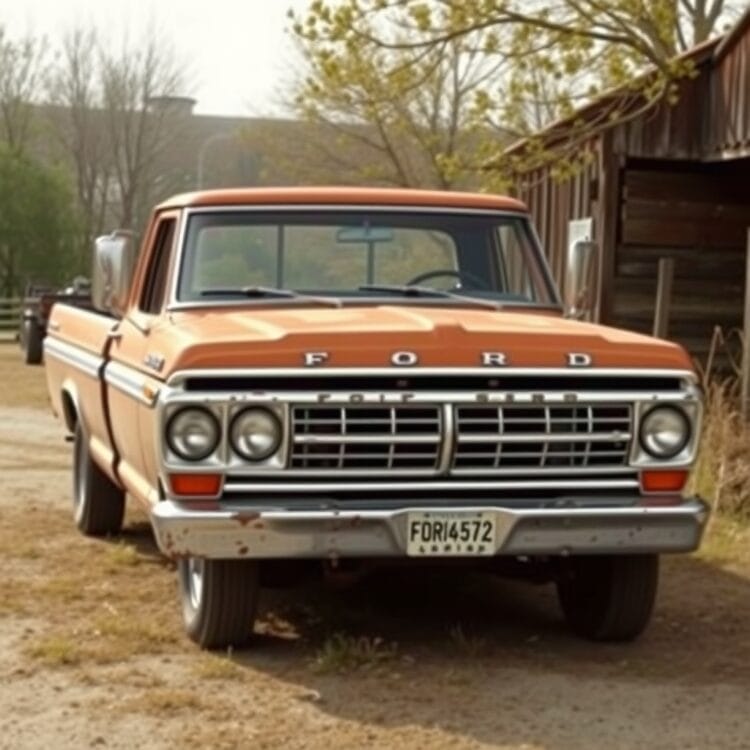
The F-Series’ design has evolved from utilitarian to stylish, reflecting broader trends in automotive aesthetics. The 1950s brought bold chrome grilles, while the 2000s introduced sleeker, more aerodynamic profiles. Today’s models strike a balance between ruggedness and refinement, with features like LED lighting and premium interiors. These changes aren’t just cosmetic—they’re about improving functionality and driver experience.
One standout is the F-Series’ adaptability to different markets and purposes. Whether it’s a workhorse for construction sites or a family-friendly SUV alternative, the design caters to diverse needs. The recent focus on luxury trims like the Platinum and Limited editions shows how far the F-Series has come. It’s a perfect blend of form and function, proving that even the toughest trucks can be stylish.
The Ford F-Series in American Culture
The F-Series as a Symbol of American Ingenuity
The Ford F-Series isn’t just a truck—it’s a cultural icon. For decades, it’s represented the American spirit of hard work and innovation. From farms to film sets, the F-Series has been a reliable partner, earning its place in the hearts of millions. Its durability and versatility make it a symbol of resilience, embodying the values that define the U.S. It’s no wonder the F-Series has topped sales charts for over 40 years.
Beyond practicality, the F-Series has become a status symbol. Owning one isn’t just about utility; it’s about making a statement. Whether it’s a classic model or the latest release, the F-Series commands respect. This cultural significance is why it’s often featured in media and celebrated in communities across the country. It’s more than a vehicle—it’s a piece of American history.
Appearances in Media and Popular Culture
From movies like “Ford v Ferrari” to country music lyrics, the F-Series has cemented its place in pop culture. Its rugged appeal and reliability make it a favorite for filmmakers and artists alike. Even in video games like “Forza Horizon the F-Series is a standout, showcasing its universal appeal. These appearances reinforce its status as more than just a truck—it’s a cultural touchstone.
The F-Series also stars in countless advertisements, often highlighting its toughness and dependability. These campaigns resonate because they tap into the truck’s real-world reputation. Whether it’s hauling heavy loads or navigating tough terrain, the F-Series delivers. Its presence in media isn’t just marketing—it’s a reflection of its enduring legacy.
The Role of the F-Series in Rural and Urban America
In rural areas, the F-Series is a lifeline, helping farmers and tradespeople get the job done. Its towing capacity and durability make it indispensable for heavy-duty tasks. But it’s equally at home in cities, where its comfort and tech features appeal to urban drivers. This versatility is why the F-Series dominates both markets, bridging the gap between work and lifestyle.
The F-Series also plays a role in community events, from parades to charity drives. Its widespread use in emergency services further underscores its reliability. Whether it’s a fire department or a construction crew, the F-Series is trusted to perform. It’s this blend of practicality and pride that makes it a cornerstone of American life.
Comparing the F-Series to Other Truck Lineups
F-Series vs Chevrolet Silverado
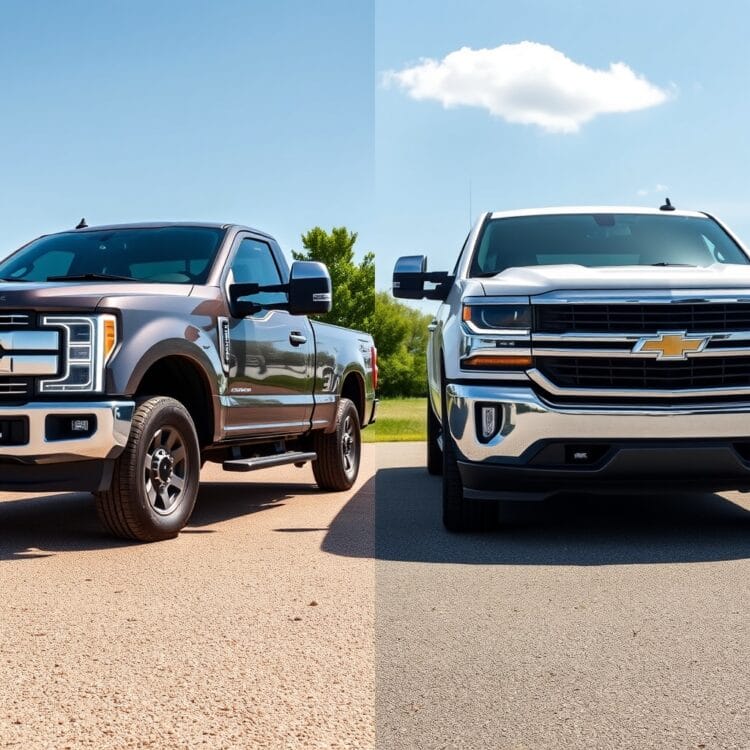
The Ford F-Series and Chevrolet Silverado are perennial rivals, each with loyal followings. The F-Series often edges out the Silverado in towing capacity and fuel efficiency, thanks to innovations like the EcoBoost engine. However, the Silverado counters with a smoother ride and more refined interior. It’s a close race, but the F-Series’ consistent updates give it a slight edge in performance and technology.
Where the F-Series truly shines is in its customization options. From work-ready XL trims to luxurious Limited editions, there’s a model for every need. The Silverado offers similar variety, but Ford’s attention to detail and driver-focused features set it apart. Whether you prioritize power or comfort, the F-Series delivers a more tailored experience.
F-Series vs RAM Trucks
RAM trucks are known for their plush interiors and smooth ride, but the F-Series excels in raw capability. With higher payload and towing ratings, the F-Series is the go-to for heavy-duty tasks. RAM’s focus on comfort appeals to daily drivers, but Ford’s blend of power and practicality makes it a more versatile choice. It’s a matter of priorities—luxury or performance.
Ford’s investment in hybrid and electric models also gives it a forward-looking advantage. While RAM has made strides in this area, the F-150 Lightning is a game-changer. For those looking to future-proof their purchase, the F-Series offers more cutting-edge options. It’s a testament to Ford’s commitment to leading the truck market.
What Sets the F-Series Apart
The F-Series’ longevity and adaptability are its greatest strengths. It’s not just about being the best-selling truck—it’s about evolving with the times. From introducing hybrid technology to pioneering aluminum construction, Ford isn’t afraid to take risks. This willingness to innovate ensures the F-Series remains at the forefront of the industry.
Another standout is the F-Series’ community. Enthusiast groups, forums, and events celebrate its legacy, creating a sense of belonging among owners. This loyalty is unmatched, making the F-Series more than just a vehicle—it’s a lifestyle. Whether you’re a first-time buyer or a lifelong fan, the F-Series offers something truly special.
The Impact of the F-Series on Ford’s Success
The Ford F-Series isn’t just a truck—it’s a financial powerhouse. Over the years, it has shattered sales records, consistently topping the charts as America’s best-selling vehicle. We’ve seen it contribute massively to Ford’s revenue, often accounting for a significant portion of the company’s annual profits. It’s no exaggeration to say the F-Series keeps the lights on at Ford.
Beyond sales, the F-Series has become synonymous with Ford’s brand identity. When people think of Ford, they think of the F-150. This loyalty has allowed Ford to weather economic downturns and shifting market trends. The truck’s reliability and versatility have cemented its place in the hearts of consumers, ensuring long-term financial stability for the company.
Sales Milestones and Records
The F-Series has been the best-selling truck in the U.S. for over four decades, a streak unmatched by any other vehicle. In 2020 alone, Ford sold nearly 800,000 units, a testament to its enduring appeal. These numbers aren’t just impressive—they’re a lifeline for Ford, providing a steady stream of revenue even during challenging times.
What’s more, the F-Series has consistently outperformed competitors like the Chevrolet Silverado and RAM trucks. Its dominance isn’t accidental; it’s the result of relentless innovation and a deep understanding of what truck buyers want. From contractors to families, the F-Series delivers.
Contribution to Ford’s Brand Identity
The F-Series is more than a product—it’s a symbol of American grit and ingenuity. Ford has leveraged this image to build a brand that resonates with hardworking individuals. The truck’s rugged design and unmatched durability have become hallmarks of Ford’s identity, setting it apart from competitors.
This brand strength translates into customer loyalty. Many F-Series owners stick with Ford for life, upgrading to newer models as their needs evolve. It’s a cycle of trust and satisfaction that keeps Ford at the top of the automotive food chain.
The F-Series’ Role in Ford’s Financial Health
Financially, the F-Series is Ford’s golden goose. Its high profit margins—thanks to premium trims and add-ons—make it a cash cow. Even during the 2008 financial crisis, the F-Series helped Ford avoid the bailouts that plagued its rivals. It’s a reminder of how vital this truck is to the company’s survival.
Looking ahead, the F-Series continues to drive Ford’s electric future. The introduction of the F-150 Lightning shows how the company is adapting to changing markets while staying true to its roots. The F-Series isn’t just a part of Ford’s success—it’s the engine behind it.
Understanding the F-Series’ Manufacturing Process
Ever wondered how the F-Series comes to life? It’s a marvel of modern manufacturing. Ford’s plants, like the iconic Rouge Complex in Michigan, are where the magic happens. Here, raw materials transform into the trucks we know and love, thanks to a blend of human skill and cutting-edge automation.
The process begins with stamping, where massive presses shape steel into body panels. From there, robots and workers collaborate to assemble the chassis, engine, and interior. It’s a ballet of precision, with every step meticulously planned to ensure quality and efficiency.
Where and How the F-Series is Built
The F-Series is primarily built in the U.S., with plants in Michigan, Missouri, and Kentucky. These facilities are equipped with state-of-the-art technology, allowing Ford to produce thousands of trucks each week. Local manufacturing not only supports jobs but also ensures quicker delivery to dealerships.
One standout feature is Ford’s use of aluminum for the body, introduced in 2015. This shift reduced weight without sacrificing strength, improving fuel efficiency. It’s innovations like these that keep the F-Series ahead of the competition.
The Role of Automation in Production
Automation plays a huge role in F-Series production. Robots handle tasks like welding and painting, ensuring consistency and speed. However, human oversight remains critical. Skilled workers monitor every stage, catching defects and making adjustments as needed. It’s the perfect marriage of man and machine.
This balance allows Ford to maintain high standards while meeting demand. Whether it’s a base model or a high-end Limited trim, each truck undergoes rigorous testing before hitting the road.
Quality Control Measures
Quality is non-negotiable for the F-Series. Every truck undergoes hundreds of checks, from engine performance to paint finish. Ford’s “Built Ford Tough” slogan isn’t just marketing—it’s a promise. These measures ensure that each F-Series truck lives up to the brand’s reputation for durability.
Customers can rest easy knowing their truck has been scrutinized at every turn. It’s this attention to detail that keeps the F-Series at the top of its game.
The F-Series’ Contribution to Truck Technology
The F-Series has always been a pioneer in truck technology. From introducing the first integrated trailer brake controller to pioneering hybrid and electric models, Ford has consistently pushed the envelope. These innovations aren’t just about staying ahead—they’re about meeting the evolving needs of drivers.
Take the F-150’s Pro Power Onboard system, for example. It turns the truck into a mobile generator, perfect for job sites or camping trips. Features like this showcase Ford’s commitment to practicality and innovation.
Innovations Introduced by the F-Series
The F-Series has a long history of firsts. In the 1950s, it introduced the first factory-installed four-wheel drive. More recently, the F-150’s high-strength aluminum body set a new standard for lightweight durability. These breakthroughs have redefined what a truck can do.
Another standout is the SYNC infotainment system, which keeps drivers connected without sacrificing safety. It’s these small but impactful touches that make the F-Series a leader in its class.
The Shift Towards Eco-Friendly Models
Ford isn’t ignoring the call for sustainability. The F-150 Lightning, the all-electric variant, is a game-changer. With zero emissions and impressive towing capacity, it proves that eco-friendly doesn’t mean compromising on power. It’s a bold step toward a greener future.
Hybrid models, like the PowerBoost, offer another option for fuel-conscious buyers. These trucks deliver the same performance with fewer trips to the pump. It’s a win-win for drivers and the environment.
The Future of Truck Technology in the F-Series
What’s next for the F-Series? Autonomous driving and advanced connectivity are on the horizon. Ford is already testing self-driving features, aiming to make towing and hauling even easier. The goal is to blend cutting-edge tech with the rugged reliability the F-Series is known for.
As the automotive landscape evolves, the F-Series will continue to lead the charge. Whether it’s electric, hybrid, or something entirely new, Ford is committed to keeping its flagship truck at the forefront of innovation.
The Global Reach of the Ford F-Series
While the F-Series is an American icon, its influence extends far beyond U.S. borders. From Canada to the Middle East, Ford’s trucks are in demand worldwide. Each market has unique needs, and Ford has adapted the F-Series to meet them without losing its core identity.
In some regions, the F-Series is a luxury item, prized for its power and prestige. In others, it’s a workhorse, relied upon for its durability. This versatility is a testament to the truck’s universal appeal.
The F-Series in International Markets
Canada is one of the F-Series’ biggest fans, with sales rivaling those in the U.S. In the Middle East, the truck’s ruggedness makes it a favorite for off-roading. Even in markets dominated by smaller vehicles, like Europe, the F-Series has a niche following among enthusiasts.
Ford’s global strategy ensures the F-Series remains relevant everywhere it’s sold. Whether it’s tweaking the suspension for rough terrain or adding luxury features for premium buyers, the company knows how to tailor its flagship truck.
Adaptations for Non-U.S. Consumers
Not all F-Series models are identical worldwide. In Australia, for example, the Ranger shares DNA with the F-150 but is scaled for local preferences. These adaptations show Ford’s willingness to listen to its customers, no matter where they are.
Even the F-150 Raptor, a performance-oriented variant, has found fans abroad. Its combination of power and precision appeals to drivers who crave adventure, no matter the continent.
Challenges and Successes Abroad
Expanding globally hasn’t been without hurdles. Emissions regulations and fuel prices vary, forcing Ford to innovate. Yet, the F-Series continues to thrive, proving its adaptability. In markets like China, where trucks are less common, Ford is slowly building a presence.
The F-Series’ global journey is far from over. As Ford explores new markets and technologies, its flagship truck will remain a symbol of strength and reliability worldwide.
The F-Series and the Work Truck Segment
The Importance of the F-Series to Industries
We’ve seen the Ford F-Series become the backbone of countless industries, from construction to agriculture. Its versatility and ruggedness make it the go-to choice for businesses that rely on dependable workhorses. Whether it’s hauling heavy loads or navigating tough terrains, the F-Series delivers. It’s not just a truck; it’s a partner in productivity, helping industries thrive day in and day out.
The F-Series’ reputation for durability isn’t just marketing fluff. It’s built on decades of real-world performance. Contractors, farmers, and fleet managers trust it because it gets the job done without fuss. When you’re running a business, downtime isn’t an option, and the F-Series ensures you’re always moving forward. That’s why it’s more than a vehicle—it’s a critical asset.
Customization Options for Businesses
One of the standout features of the F-Series is its ability to be tailored to specific business needs. Ford offers a range of configurations, from chassis cabs to specialized upfits, ensuring every industry gets exactly what it requires. Need a flatbed for construction? A utility body for electrical work? The F-Series has you covered. It’s this flexibility that keeps businesses coming back.
Beyond the hardware, Ford’s commercial solutions include telematics and fleet management tools. These innovations help businesses optimize operations, reduce costs, and improve efficiency. The F-Series isn’t just a truck; it’s a platform for smarter work. Whether you’re a small business or a large corporation, there’s an F-Series model designed to elevate your operations.
Durability and Reliability for Heavy Use
When your livelihood depends on your truck, reliability is non-negotiable. The F-Series is engineered to withstand the toughest conditions, from extreme weather to heavy payloads. Its high-strength steel frame and robust powertrains are built to last, ensuring minimal downtime and maximum productivity. It’s no wonder businesses swear by it.
Ford’s commitment to quality extends beyond the assembly line. Rigorous testing and real-world feedback ensure every F-Series truck meets the highest standards. From the factory to the job site, these trucks are designed to perform. When you’re putting in long hours, the last thing you need is a breakdown—thankfully, the F-Series is there to keep you moving.
The Role of the F-Series in Ford’s Electric Vehicle Strategy
The Introduction of the F-150 Lightning
Ford made waves with the F-150 Lightning, proving that electric vehicles can be just as capable as their gas-powered counterparts. This isn’t just a token EV; it’s a full-fledged work truck with impressive towing and payload capacities. The Lightning represents a bold step forward, blending the F-Series’ legacy with cutting-edge technology.
What’s truly exciting is how the Lightning caters to both commercial and personal users. With features like Pro Power Onboard, it doubles as a mobile power source—perfect for job sites or emergencies. Ford didn’t just electrify the F-150; they reimagined what a truck can do. It’s a glimpse into the future of work vehicles.
How Electric Trucks Fit into the F-Series Legacy
The F-Series has always been about innovation, and the shift to electric is no different. Ford understands that sustainability and performance aren’t mutually exclusive. The Lightning maintains the toughness and reliability that define the F-Series while offering zero-emission driving. It’s a win-win for businesses and the environment.
This transition isn’t just about meeting regulations; it’s about leading the charge. Ford’s investment in electric technology ensures the F-Series remains at the forefront of the truck market. The Lightning is proof that the future of work trucks is electric, and Ford is paving the way.
Consumer Response to Electric F-Series Models
The reception to the F-150 Lightning has been overwhelmingly positive, with demand far exceeding initial expectations. Businesses and individual buyers alike are drawn to its combination of power, efficiency, and innovation. It’s not just an EV; it’s a Ford truck through and through.
Early adopters praise its seamless integration into daily workflows, from towing to powering tools. The Lightning’s success signals a broader shift in consumer attitudes toward electric work vehicles. Ford’s gamble is paying off, proving that the F-Series can evolve without losing its core identity.
The F-Series’ Awards and Recognitions
Industry Awards Over the Years
The F-Series has racked up an impressive collection of awards, cementing its status as a leader in the truck segment. From Motor Trend’s Truck of the Year to J.D. Power accolades, these honors reflect its unmatched combination of performance, innovation, and reliability. It’s not just a bestseller; it’s a benchmark.
These awards aren’t just trophies on a shelf—they’re validation of Ford’s commitment to excellence. Every generation of the F-Series raises the bar, and the industry takes notice. Whether it’s for towing capability, technology, or overall value, the F-Series consistently stands out.
Consumer Satisfaction Ratings
Beyond critical acclaim, the F-Series enjoys stellar ratings from owners. High marks for durability, comfort, and resale value underscore its appeal. It’s one thing to win over critics, but earning the loyalty of everyday drivers is the ultimate testament to its quality.
Surveys and reviews highlight the F-Series’ ability to meet diverse needs, from heavy-duty work to family adventures. Owners appreciate its blend of toughness and refinement, making it a favorite across the board. When people keep coming back, you know you’re doing something right.
The F-Series’ Reputation Among Experts
Industry experts consistently rank the F-Series at the top of their lists, praising its engineering and versatility. Whether it’s automotive journalists or fleet managers, the consensus is clear: this is the truck to beat. Its reputation isn’t built on hype; it’s earned through decades of delivering.
From its innovative features to its relentless durability, the F-Series sets the standard. Experts recognize its ability to adapt to changing demands while staying true to its roots. In a competitive market, the F-Series remains the gold standard.
How to Choose the Right F-Series Model for You
Assessing Your Needs Work vs Personal Use
Choosing the right F-Series model starts with understanding your needs. If you’re using it for work, payload and towing capacities are critical. The F-250 or F-350 might be your best bet. For personal use, the F-150 offers a perfect balance of capability and comfort. It’s about matching the truck to your lifestyle.
Consider how you’ll use it daily. Do you need advanced towing features? Off-road capabilities? Luxury amenities? The F-Series lineup is diverse enough to cater to every preference. Take the time to evaluate your priorities, and you’ll find the perfect fit.
Comparing Gas, Diesel, and Electric Options
The F-Series offers a range of powertrains, each with its own advantages. Gas engines provide a proven, cost-effective solution. Diesel options excel in towing and fuel efficiency. The electric F-150 Lightning brings cutting-edge technology and sustainability. It’s about weighing performance against your specific needs.
Think about long-term costs, too. While diesel might have higher upfront costs, its fuel economy can pay off over time. Electric models offer lower operating costs but require charging infrastructure. There’s no one-size-fits-all answer—just the right choice for you.
Understanding Trim Levels and Features
The F-Series’ trim levels cater to a wide spectrum of buyers, from the no-frills XL to the luxurious Platinum. Each trim offers unique features, from advanced safety tech to premium interiors. It’s not just about looks; it’s about functionality and comfort.
Don’t overlook the importance of optional packages. Whether it’s off-road upgrades or towing aids, these extras can enhance your experience. The key is to balance your budget with the features that matter most to you. With so many options, there’s an F-Series for everyone.
Maintaining Your Ford F-Series
Routine Maintenance Tips
Keeping your Ford F-Series in top shape starts with regular maintenance. We recommend sticking to the manufacturer’s schedule for oil changes, tyre rotations, and brake inspections. Using high-quality fluids and filters can significantly extend your truck’s lifespan. Don’t forget to check the battery and cooling system, especially before long trips. A well-maintained F-Series not only performs better but also retains its value over time.
Another key aspect is keeping an eye on the transmission and differential fluids. These are often overlooked but crucial for smooth operation. Regularly inspecting the suspension and steering components can prevent costly repairs down the line. For those who use their F-Series for towing or heavy loads, more frequent checks are advisable. Trust us, a little effort now saves a lot of hassle later.
Common Issues and How to Address Them
One common issue with the F-Series is rust, especially in older models. We suggest treating the undercarriage with rust-proofing products and washing the truck regularly, especially in winter. Another frequent problem is transmission issues, which can often be mitigated with timely fluid changes. If you notice rough shifting or slipping, it’s best to consult a professional immediately.
Electrical gremlins can also pop up, particularly in models with advanced tech features. Checking fuses and wiring connections can often resolve minor issues. For more persistent problems, a diagnostic scan is your best bet. Remember, addressing small problems early prevents them from becoming big headaches. Your F-Series is built tough, but even the toughest trucks need a bit of TLC.
Extending the Life of Your F-Series
To get the most out of your F-Series, consider investing in protective accessories like mud flaps and bed liners. These small additions can prevent wear and tear from daily use. Regularly cleaning the interior and exterior not only keeps your truck looking great but also protects its materials from degradation. We also recommend storing it in a garage or under a cover if possible.
Another pro tip is to avoid overloading your truck beyond its rated capacity. While the F-Series is designed for heavy-duty work, pushing it too hard can strain the engine and suspension. Lastly, keeping detailed maintenance records can help you stay on top of servicing and identify recurring issues. A little care goes a long way in ensuring your F-Series runs smoothly for years to come.
The F-Series Community and Enthusiast Groups
Online Forums and Social Media Groups
The Ford F-Series has a massive following, and there’s no shortage of online communities where enthusiasts share tips and tricks. Websites like Lowes Auto offer valuable insights, while Facebook groups and Reddit threads are great for real-time advice. Whether you’re looking for mod ideas or troubleshooting help, these platforms are goldmines of information.
Many of these groups also organise virtual meetups and Q&A sessions with experts. It’s a fantastic way to connect with fellow F-Series owners and learn from their experiences. From DIY repairs to performance upgrades, the collective knowledge of these communities is unparalleled. If you’re passionate about your truck, joining these groups is a must.
F-Series Meetups and Events
Across the country, F-Series enthusiasts gather at meetups and car shows to showcase their trucks. These events range from casual gatherings to competitive shows with prizes for the best builds. Attending one is a great way to see unique modifications and pick up inspiration for your own truck. Plus, it’s a chance to bond with like-minded fans of the F-Series.
Many of these events also feature vendors selling aftermarket parts and accessories. Whether you’re looking for performance upgrades or aesthetic enhancements, you’ll find plenty of options. Some meets even include off-road trails or towing challenges to put your F-Series to the test. It’s all about celebrating the legacy and versatility of these iconic trucks.
Customization and Aftermarket Support
The aftermarket support for the F-Series is incredible, with countless options for customization. From lift kits to custom exhausts, you can tailor your truck to suit your style and needs. We recommend starting with functional upgrades like suspension or lighting before diving into cosmetic changes. Websites like Lowes Auto offer reviews and comparisons to help you make informed choices.
For those who love DIY projects, there are plenty of tutorials and kits available. However, for more complex modifications, it’s best to consult professionals. The key is to balance personalization with reliability. After all, the F-Series is known for its durability, and you’ll want to maintain that while making it your own.
The Future of the Ford F-Series
Upcoming Models and Features
Ford is constantly innovating, and the F-Series is no exception. The upcoming models promise even more advanced technology, including enhanced driver-assistance systems and hybrid options. We’re particularly excited about the potential for fully electric variants, building on the success of the F-150 Lightning. These advancements ensure the F-Series remains at the forefront of the truck market.
Rumours suggest new materials and manufacturing techniques could make future models lighter yet stronger. Improved fuel efficiency and reduced emissions are also on the horizon. Whether you’re a fan of traditional powertrains or eager for electric innovation, the F-Series has something to look forward to. The future is bright for this legendary lineup.
The F-Series in the Age of Autonomous Vehicles
As autonomous technology evolves, the F-Series is poised to adapt. Ford has already integrated semi-autonomous features like adaptive cruise control and lane-keeping assist. Full self-driving capabilities might still be a way off, but the groundwork is being laid. Imagine a future where your F-Series can handle long hauls on its own while you relax. It’s not as far-fetched as it sounds.
Of course, the core appeal of the F-Series—its rugged capability—will remain unchanged. Autonomous features will complement rather than replace the driving experience. For now, we’re excited to see how these technologies enhance safety and convenience. The F-Series has always been a pioneer, and that’s not going to change anytime soon.
Sustainability Goals and the F-Series
Ford is committed to sustainability, and the F-Series is a big part of that vision. The introduction of hybrid and electric models is just the beginning. Future plans include using more recycled materials and reducing the environmental impact of manufacturing. We’re also seeing a push towards renewable energy solutions for charging and powering these trucks.
For eco-conscious buyers, this means more options than ever. The F-Series is proving that performance and sustainability can go hand in hand. Whether it’s through cleaner engines or smarter production processes, Ford is ensuring the F-Series remains relevant in a greener world. It’s an exciting time to be a fan of these iconic trucks.
Frequently Asked Questions
What is the best way to maintain my Ford F-Series?
Stick to the manufacturer’s maintenance schedule, use high-quality fluids, and address issues promptly. Regular inspections of key components like the transmission and suspension can prevent major problems. For more tips, check out Lowes Auto.
How can I prevent rust on my F-Series?
Regular washing, especially in winter, and applying rust-proofing treatments to the undercarriage are effective. Storing your truck in a garage or under a cover also helps. Early detection and treatment of rust spots can save you from costly repairs later.
Are there electric options for the F-Series?
Yes, the F-150 Lightning is Ford’s all-electric offering, with more hybrid and electric models expected in the future. These options combine the F-Series’ legendary capability with modern, eco-friendly technology.
What are some common issues with the F-Series?
Rust, transmission problems, and electrical issues are among the most reported. Regular maintenance and timely repairs can mitigate these. Joining enthusiast forums can provide additional insights and solutions.
Where can I find aftermarket parts for my F-Series?
Online retailers, specialty shops, and enthusiast forums are great places to start. Websites like Lowes Auto offer reviews and recommendations to help you choose the best parts for your needs.