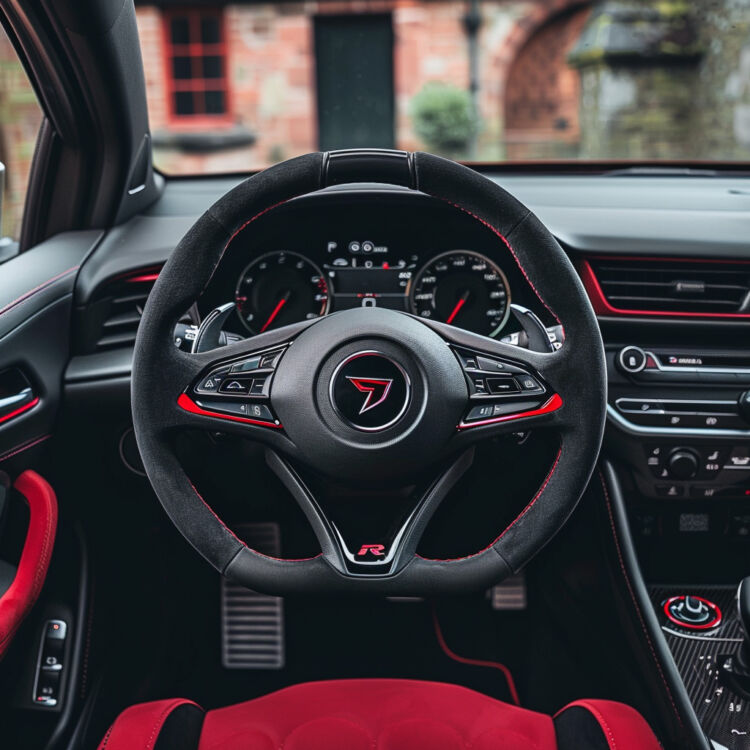
When it comes to selecting between the VXR and VXL variants of Suzuki models, car enthusiasts often wonder which option offers the best value for their needs. The VXR is generally considered the base model, while the VXL offers more advanced features such as automatic gear shift (AGS) and enhanced interior detailing for better comfort. This distinction makes the VXL a preferred choice for those seeking a blend of luxury and modern convenience in a compact vehicle.
Both models deliver distinct experiences in terms of performance and design. The VXL variant often comes with added safety features and improved exterior finishes that elevate its appeal. These differences make each model suitable for different types of drivers who prioritise specific features, from engine performance to interior amenities.
By understanding the key differences between the VXR and VXL, we can make more informed decisions and choose a car that aligns with our lifestyle and driving requirements. Whether you’re drawn to the allure of modern technology or prefer the simplicity of a more basic model, this guide will help you navigate your options effectively.
Key Takeaways
- VXR is the basic variant; VXL offers more features.
- VXL includes advanced safety and comfort technologies.
- Choosing the right model depends on personal preferences.
Overview of Suzuki Models
In this section, we explore two popular Suzuki models: the Alto and the Cultus. These vehicles offer various trims catering to different driving needs, with the Suzuki Alto known for its compact design and the Cultus offering a bit more space.
[vxr_quiz]
The Suzuki Alto Series
The Suzuki Alto is a well-known hatchback that comes in three main variants: VX, VXR, and VXL. Each variant provides a unique set of features suited for different preferences. The Alto VX is the entry-level model, offering basic features for everyday driving.
The Alto VXR offers added features, appealing to those looking for a bit more comfort. The Alto VXL takes it up a notch with an auto gear shift system, making it ideal for city commuting. This variant includes some extra comfort features, making it the top choice for a more premium experience. Each variant is designed with efficiency in mind, ideal for urban environments.
The Suzuki Cultus Range
The Suzuki Cultus range is a popular choice for those needing more space than the Alto. The Cultus comes in two significant variants, the VXR and VXL. The Cultus VXR is equipped with essential safety and comfort features, providing a reliable and practical ride for families.
The Cultus VXL adds additional features like alloy wheels and an enhanced interior design. This variant focuses on offering a balance of style and functionality, making it preferable for those who seek additional luxuries in a hatchback. Both Cultus variants are engineered to deliver a smooth driving experience, with emphasis on comfort and practicality.
Engine Specifications and Performance
Let’s examine the key differences between the VXR and VXL models in terms of engine specifications and performance. We’ll focus on power and torque, as well as fuel efficiency and tank capacity to give you a better understanding of their capabilities.
Power and Torque
Both the VXR and VXL models come equipped with a petrol engine, but there are notable differences in their power output. The VXR typically features a simpler setup with lower horsepower, making it a more budget-friendly option for everyday driving.
The VXL, on the other hand, tends to offer higher horsepower and enhanced torque. This model is designed for those who prioritise performance in their driving experience. The increased output makes the VXL feel more responsive, especially during acceleration and overtaking.
These specifications affect how these vehicles handle in various driving conditions. While the VXR might be sufficient for city commutes, the VXL would be better suited for those needing extra power, especially on highways or hilly terrain.
Fuel Efficiency and Tank Capacity
Fuel efficiency is another crucial aspect where the VXR and VXL differ. The VXR often shines with better fuel economy due to its less powerful engine. This makes it ideal for drivers looking to minimise fuel costs over time.
In comparison, the VXL might consume more fuel because of its higher performance capability. However, some might find this a worthwhile trade-off for the additional power and features it provides.
Both models typically come with a similar fuel tank capacity, ensuring that the range is relatively close. This allows us to focus on which model better fits our priorities—be it cost-efficiency or higher performance. The VXR might save us money on fuel, while the VXL offers a more robust driving experience.
Safety Features and Ratings
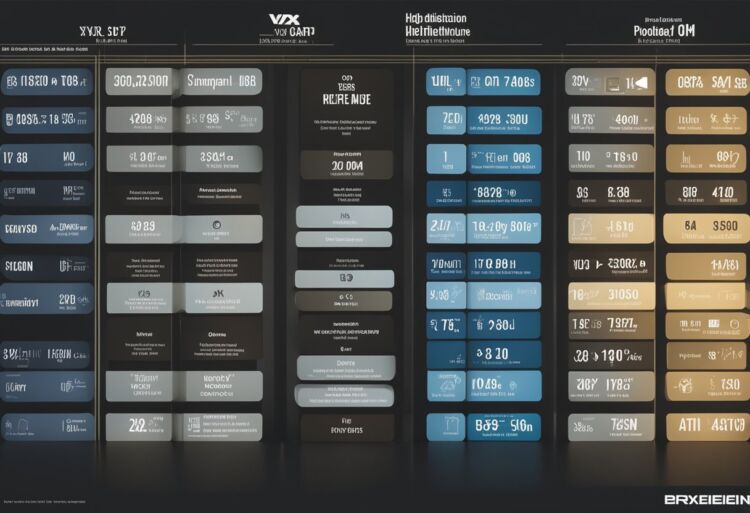
The VXR and VXL models differ in their safety features and ratings, with each offering distinct attributes to enhance security. Both models incorporate essential elements designed for safety, catering to different needs and preferences.
Airbag Systems
Airbags are crucial for passenger safety during collisions. The VXR model typically lacks advanced airbag systems, while the VXL includes dual airbags. These airbags provide added protection for both the driver and front passenger, reducing the risk of injury in frontal impacts.
The inclusion of dual airbags in the VXL enhances its safety rating compared to the VXR. The importance of airbags can’t be overstated, as they are a key feature when evaluating vehicle safety. The presence of these systems plays a significant role in protecting occupants during accidents.
Braking Systems
A car’s braking system is vital for maintaining control and ensuring safety. In both the VXR and VXL, the braking system includes an immobiliser. The VXL model offers an Anti-lock Braking System (ABS), providing greater stability during hard braking by preventing wheel lockup.
This feature is excellent for maintaining steering control, especially on slippery surfaces. The VXR, on the other hand, may not always include ABS, which can affect performance under intense braking situations. Both models, however, utilise disc brakes for effective stopping power. The added safety of ABS in the VXL makes it a preferable choice for those seeking enhanced braking performance.
Transmission and Drivetrain
When examining the Suzuki Alto VXR and VXL, the main differences lie in their transmission types and drivetrain mechanics. These differences significantly affect the driving experience and are crucial for buyers to consider.
Manual vs Automatic Transmission Options
The VXR variant of the Suzuki Alto comes equipped with a 5-speed manual transmission. This setup allows the driver more control over gear selection, which can be beneficial for those who enjoy a more hands-on driving experience. It also tends to be more fuel-efficient when driven skillfully, offering a connection with the vehicle.
In contrast, the VXL variant utilises an Auto Gear Shift (AGS) system, which is effectively a type of automatic transmission. This allows for smoother shifts without the need for a clutch pedal, making it more convenient for city driving. AGS combines the control of a manual with the ease of an automatic, providing a balance for those who seek comfort and simplicity.
Front-Wheel Drive Mechanics
Both the VXR and VXL variants feature front-wheel drive, which is typical for compact cars like the Suzuki Alto. Front-wheel drive layouts offer better traction since the engine’s weight is over the front wheels. This helps in maintaining stability, especially on slippery surfaces.
In our assessment, front-wheel drive is crucial for urban environments. It deals well with tight corners and allows for more space within the vehicle due to the absence of a rear-wheel drivetrain. This configuration is ideal for the typical journeys these cars are designed for, involving stop-and-go traffic and short commutes.
Exterior Features and Design
When comparing the VXR and VXL, the exterior features are particularly noteworthy. Each trim has its unique elements that enhance both its look and functionality.
Body Structure and Aerodynamics
Our focus on the VXL reveals a modern touch with body-coloured bumpers, providing a seamless look. It also includes alloy wheels that not only enhance its appearance but are also lighter, improving performance slightly. The VXR, contrastingly, comes with full wheel covers rather than alloys.
Body colour side mirrors are a feature of the VXL, adding a sleek finish compared to standard mirrors on the VXR. Both models maintain Suzuki’s distinct aerodynamic design, which ensures stability and efficiency on the road.
Lighting and Visibility Enhancements
In terms of lighting, the VXL is equipped with fog lamps, which are vital for improved visibility in adverse weather conditions. This feature enhances safety, giving us more confidence when driving in fog.
Conversely, the VXR lacks this addition, making it more suited for clear weather conditions. The front grille design differs slightly between the models, contributing to each variant’s unique style. Such details may seem small, but they make a significant impact on the car’s overall appearance and functionality.
Interior Comfort and Amenities
Our exploration of the VXR and VXL models highlights key differences in their interior comfort and amenities. The VXL boasts more advanced features, improving the overall experience in terms of seating quality and cabin accessories.
Seating and Fabric Quality
In the VXL, fabric seats offer enhanced comfort with improved cushioning. The materials used in these seats provide a more premium feel, ensuring a more enjoyable ride. The VXR, while comfortable, typically features more basic fabric quality, suitable for everyday use but lacking the refined touch found in the VXL.
Both models include adjustable seating, although the VXL has slightly more adjustments available. This flexibility allows occupants to tailor their seating position for maximum comfort, making long drives more relaxing.
Cabin Accessories and Features
The VXL is equipped with a more comprehensive array of cabin accessories. Notably, it features an advanced audio system with integrated controls and superior speaker grilles for better sound quality. Additionally, the VXL includes a glove box lid for added convenience and a neat appearance.
Climate control is more sophisticated in the VXL, providing automated settings for a consistent cabin environment. The VXR has manual climate adjustments, which may require more frequent changes based on conditions.
Convenience features like cup holders, a charging dock, and vanity mirrors are standard in the VXL, enhancing the user experience. The VXR may include basic versions of these features, but they are less extensive. Another noteworthy aspect is the door warning light feature in the VXL, adding a safety element that the VXR might not offer.
User-Friendly Technologies
In discussing the VXR and VXL, it’s important to highlight the convenience features each model offers. Central locking, power windows, and an audio system are key differentiators between these variants.
Infotainment Options
In the world of infotainment, the VXL offers more advanced features compared to the VXR. The VXL is equipped with a touch screen LCD, which enhances the driving experience by providing easy access to various controls and settings. This LCD is complemented by built-in audio speakers, offering a quality sound system that the VXR lacks. Additionally, the VXL includes an accessory socket, allowing us to charge devices on the go. These features make the VXL a better choice for those who enjoy modern technological conveniences in their vehicle.
Convenience and Security
The VXL includes several features designed to enhance both convenience and security. Central locking with keyless entry is available, providing ease of access to the vehicle. The VXL also features power windows and power steering, which simplify operations and improve driving comfort. An RPM meter and low fuel warning add further convenience and ensure that drivers remain informed about the vehicle’s status. Meanwhile, electronically adjustable side mirrors allow us to quickly and safely adjust our view, enhancing security while driving. These aspects contribute significantly to a more user-friendly driving experience in the VXL.
Comparative Pricing and Value
When comparing the VXR and VXL variants, pricing and value are key aspects to consider. These differences involve market positioning, overall costs, and benefits each car offers.
Market Positioning
In the automotive market, the VXR is typically positioned as a mid-range variant, offering essential features at a competitive price point. These features usually include manual transmission and basic interior amenities.
On the other hand, the VXL is often marketed as a more premium option. It includes advanced features such as auto gear shift (AGS), enhancing the driving experience substantially. This premium placement naturally influences its pricing.
Understanding where these cars fit in the market helps us see why they appeal to different buyer segments. Those seeking basic functionality might prefer the VXR, while those desiring more comfort and convenience might gravitate towards the VXL.
Cost-Benefit Considerations
When evaluating costs, the VXL typically commands a higher price due to added features, such as full wheel caps, front chrome grill, and body-coloured side mirrors. This cost can be significantly influenced by taxes like Federal Excise Duty, which may apply differently depending on the features and specifications.
The Price Difference becomes evident as these enhanced features in the VXL cater to buyers seeking luxury. For budget-conscious buyers, the VXR offers practicality without frills. Each variant comes with its unique set of benefits that align with its price tag, appealing to different consumer needs.
Suspension and Handling
In examining the difference between the Suzuki Alto VXR and VXL models, we find distinctions in their suspension and steering systems. These differences affect how each variant handles, offering varied driving experiences.
Front and Rear Suspension Systems
The front suspension in both the VXR and VXL models employs a MacPherson strut. This setup is popular for its compact design and effective shock absorption, contributing to a smooth ride over uneven road surfaces.
For the rear suspension, both variants use a torsion beam system. This design is efficient and cost-effective, providing stability and a comfortable ride. Its simple structure helps maintain the car’s balance, especially during turns and when carrying heavier loads.
While both models share similar suspension systems, their tuning may differ slightly for each variant. This tuning impacts ride quality and performance, which can be a deciding factor for potential buyers looking for specific handling characteristics in urban or rural settings.
Steering and Turning Capabilities
Both VXR and VXL models incorporate Electric Power Steering (EPS), simplifying manoeuvrability and ensuring precise steering control. This feature is especially beneficial in tight urban environments where frequent turns are necessary.
The compact design of the Alto models facilitates a tight turning radius, making them ideal for navigating narrow streets and performing quick directional changes. The efficiency of the steering system in both models enhances driver confidence, whether navigating city traffic or performing parking manoeuvres.
Despite these similarities, the VXL may offer additional features like a remote central locking system, contributing to ease of use. These enhancements in steering could provide a marginal advantage in daily driving situations, offering a slight edge in convenience and comfort.
Frequently Asked Questions
In exploring the differences between VXR and VXL models, we focus on various aspects like specifications, features, designations, fuel efficiency, interior comfort, and safety features. Each point offers insights into choosing between these variants.
What distinguishes Cultus VXR from VXL in terms of specifications?
The Cultus VXL offers additional features compared to the VXR, including power windows, a chrome front grille, and body-coloured side mirrors. These specifications enhance the overall aesthetic and convenience of the VXL model.
Which offers better features, VXL or VXR, when considering a new vehicle purchase?
The VXL typically comes with more advanced features, such as integrated music systems and remote central locking. These aspects may make the VXL a preferable choice for those seeking enhanced convenience and technology in their vehicle.
Could you elucidate the meaning behind the designations VXR and VXL in automotive models?
VXR and VXL designations primarily denote different trim levels within the same car model. VXL often indicates a higher-end trim with more features, whereas VXR represents a more basic version with fewer add-ons.
Is there a notable difference in fuel efficiency between VXR and VXL variants?
Both VXR and VXL models generally share the same engine, resulting in similar fuel efficiency. For example, the Suzuki Cultus variants, including the VXR and VXL, use the same 998cc engine, leading to comparable fuel economy levels.
How do the interiors of VXR and VXL models compare in terms of comfort and convenience?
VXL models often feature more refined interiors, including enhancements like chrome or silver trim, integrated music players, and added storage options. These elements contribute to a more comfortable and convenient driving experience in the VXL.
What are the primary differences in the safety features of VXR and VXL cars?
Safety features can vary between the two models, with VXL versions frequently offering more sophisticated options like remote central locking. Such features can enhance security, providing drivers and passengers with added peace of mind.