Introduction to VXL and VXR Models
When it comes to choosing between the VXL and VXR models, the decision isn’t as straightforward as it might seem. Both models come with their own set of strengths, and understanding these differences is key to making the right choice. Whether you’re a performance enthusiast or someone who values comfort and practicality, this comparison will help you weigh the pros and cons.
In this article, we’ll dive deep into the specifics of both the VXL and VXR, covering everything from engine performance to safety features. Our goal is to provide you with a comprehensive guide that leaves no stone unturned. By the end, you’ll have a clear picture of which model aligns best with your needs and preferences.
Key Takeaways
- The VXR is designed for performance enthusiasts, offering superior power and handling.
- The VXL focuses on comfort and practicality, making it ideal for everyday use.
- Both models come with advanced safety features, but the VXR often includes additional performance-oriented enhancements.
- Pricing varies significantly between the two, with the VXR typically commanding a premium.
- Your choice between the VXL and VXR should depend on whether you prioritise speed or comfort.
Overview of Suzuki Models
Suzuki has built a reputation for producing reliable and efficient vehicles, and the VXL and VXR are no exceptions. These models are part of Suzuki’s broader lineup, which includes everything from compact cars to SUVs. The VXL and VXR stand out for their unique blend of performance and practicality, catering to different segments of the market.
While the VXL is often seen as the more versatile option, the VXR is tailored for those who crave a more exhilarating driving experience. Both models share Suzuki’s commitment to quality, but their design philosophies cater to distinct audiences. Whether you’re looking for a family car or a weekend thrill-seeker, Suzuki has a model to suit your lifestyle.
Overview of Suzuki Models
Suzuki has long been a name synonymous with reliability and performance, and their VXL and VXR models are no exception. These vehicles cater to different driving preferences, with the VXL offering a balanced mix of comfort and efficiency, while the VXR leans towards sportier, high-performance driving. Whether you’re a daily commuter or a thrill-seeker, Suzuki has a model tailored to your needs.
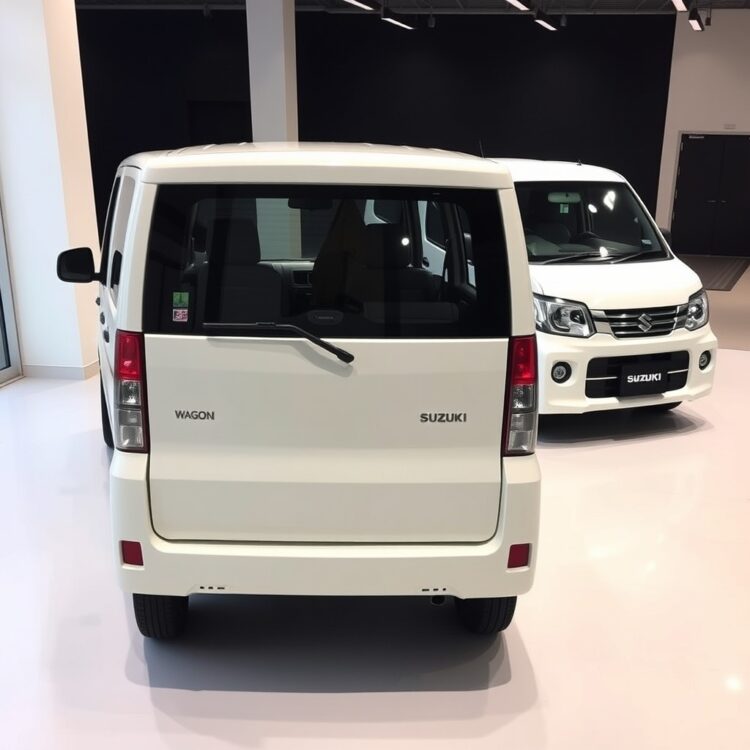
The VXL and VXR are part of Suzuki’s broader lineup, which includes iconic models like the Alto and Cultus. Each model is designed with precision, ensuring drivers get the best of both worlds—practicality and excitement. The Suzuki Cultus VXR and Wagon R VXL are prime examples of how Suzuki blends innovation with tradition.
Engine Specifications and Performance
Power and Torque
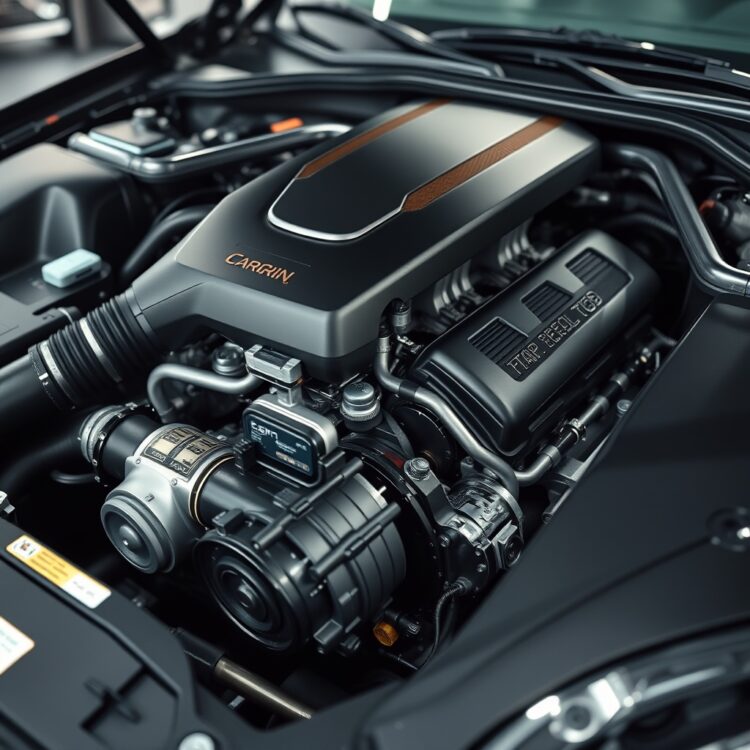
The VXR is the clear winner when it comes to raw power, boasting a turbocharged engine that delivers exhilarating acceleration. With higher horsepower and torque figures, the VXR is designed for those who crave speed. The VXL, on the other hand, focuses on fuel efficiency without compromising on performance, making it ideal for city driving.
Both models feature advanced engineering, but the VXR’s turbocharged engine sets it apart. This technology ensures a responsive drive, whether you’re overtaking on the motorway or navigating tight corners. The VXL’s naturally aspirated engine, meanwhile, offers smooth and consistent power delivery.
Fuel Efficiency and Tank Capacity
Fuel efficiency is where the VXL shines, with its lighter weight and optimised engine design. It’s perfect for drivers who prioritise economy over speed. The VXR, while less efficient, compensates with a larger fuel tank, ensuring fewer stops on long journeys.
For those curious about the specifics, the VXL vs VXR comparison provides a detailed breakdown. Both models offer unique advantages, and the choice ultimately depends on your driving habits and priorities.
Safety Features and Ratings
Airbag Systems
Safety is a cornerstone of Suzuki’s design philosophy, and both the VXL and VXR come equipped with advanced airbag systems. These include front, side, and curtain airbags, providing comprehensive protection in the event of a collision. The VXR, being the sportier model, also includes additional reinforcement for high-speed stability.
The VXR’s safety features are rigorously tested, ensuring peace of mind for drivers who push their vehicles to the limit. The VXL, while less aggressive, still offers top-tier safety, making it a reliable choice for families.
Braking Systems
Braking performance is critical, especially in high-performance vehicles like the VXR. It features larger disc brakes and advanced ABS technology, ensuring quick and controlled stops. The VXL’s braking system is equally reliable, though optimised for everyday use rather than track performance.
Whether you’re driving the VXL or VXR, Suzuki’s commitment to safety is evident. Both models are designed to protect you and your passengers, no matter the road conditions.
Transmission and Drivetrain
When it comes to choosing between the VXL and VXR models, the transmission and drivetrain options play a pivotal role. The VXL offers a smooth manual transmission, ideal for drivers who enjoy a hands-on experience. On the other hand, the VXR boasts an advanced automatic transmission, perfect for those who prioritise convenience and ease of driving. Both models feature front-wheel drive mechanics, ensuring stability and control on the road.
The VXR’s automatic transmission is particularly impressive, with seamless gear shifts and adaptive performance. Meanwhile, the VXL’s manual option provides a more engaging drive, appealing to enthusiasts. Whether you prefer the precision of a manual or the comfort of an automatic, both models deliver exceptional performance. For more insights, check out our design ideas for a Corsa VXR gear stick.
Exterior Features and Design
Body Structure and Aerodynamics
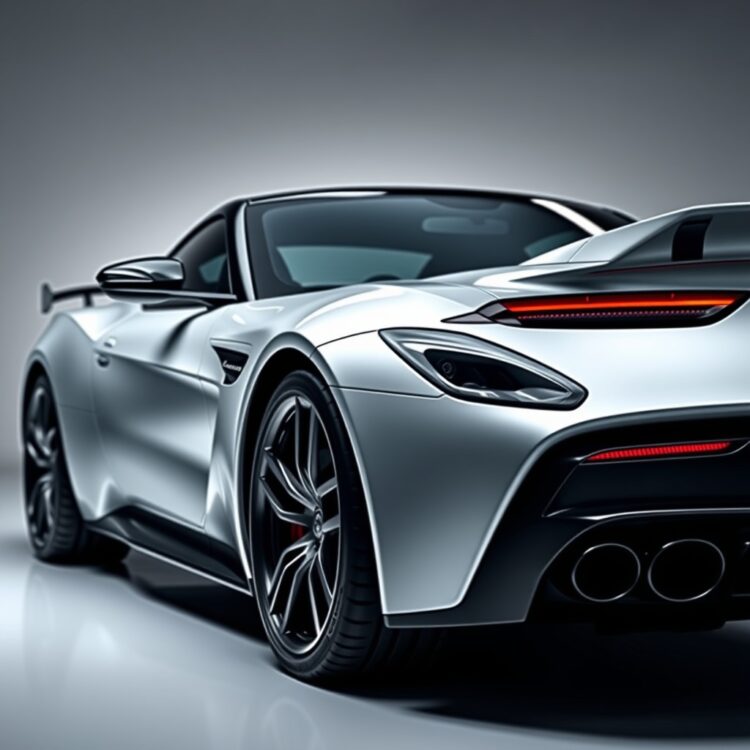
The VXL and VXR models both showcase sleek, aerodynamic designs, but the VXR takes it a step further with sportier accents. Its body structure is optimised for performance, reducing drag and enhancing speed. The VXL, while stylish, focuses more on practicality with a slightly bulkier frame. Both models feature high-quality materials, ensuring durability and a premium look.
Aerodynamics play a crucial role in the VXR’s performance, with features like a rear spoiler and side skirts. The VXL, though less aggressive, still offers a refined aesthetic. For a closer look at the design, here’s an image of a sleek car exterior highlighting design and aerodynamics, captured in a studio with professional lighting.
Lighting and Visibility Enhancements
Both the VXL and VXR come equipped with advanced lighting systems, but the VXR includes LED daytime running lights for better visibility. The VXL uses halogen lights, which are reliable but less modern. The VXR’s adaptive headlights adjust to driving conditions, offering superior illumination at night.
Visibility is further enhanced in the VXR with larger side mirrors and a rearview camera. These features make the VXR a safer choice for night driving and tight manoeuvres. For more on safety, explore our guide on Vauxhall Corsa VXR reliability and performance.
Interior Comfort and Amenities
Seating and Fabric Quality
The VXR’s interior is designed for comfort and sportiness, with bolstered seats and premium fabric. The VXL, while comfortable, uses more standard materials. Both models offer adjustable seating, but the VXR includes lumbar support for long drives. The difference in fabric quality is noticeable, with the VXR feeling more luxurious.
For those who spend hours behind the wheel, the VXR’s seats are a game-changer. The VXL is no slouch either, providing ample comfort for daily commutes. If you’re curious about upgrades, check out our Corsa VXR steering wheel enhancements.
Cabin Accessories and Features
The VXR’s cabin is packed with high-tech features, including a touchscreen infotainment system and climate control. The VXL offers a simpler setup, focusing on functionality. Both models include ample storage, but the VXR adds a few extra compartments for convenience.
From cup holders to USB ports, the VXR caters to modern drivers. The VXL keeps it straightforward, appealing to those who prefer a no-frills approach. For a deeper dive into the differences, visit our VXL vs VXR comparison.
User-Friendly Technologies
Infotainment Options
The VXR’s infotainment system is a standout, with Apple CarPlay and Android Auto integration. The VXL offers a basic radio and Bluetooth setup. Both models include steering wheel controls, but the VXR’s system is more intuitive and responsive.
For tech-savvy drivers, the VXR is the clear winner. The VXL is suitable for those who need only the essentials. Learn more about the power of VXR mode in our detailed guide.
Convenience and Security
The VXR includes advanced security features like keyless entry and a theft deterrent system. The VXL offers standard locking mechanisms. Both models have air conditioning, but the VXR adds dual-zone climate control for personalised comfort.
Security and convenience are top priorities in the VXR, making it a smarter choice for families. The VXL is reliable but lacks some of the high-end features. For more on what sets these models apart, explore our comprehensive guide.
Comparative Pricing and Value
When it comes to choosing between the VXL and VXR models, pricing plays a pivotal role. The VXL often positions itself as the more budget-friendly option, offering a balance of features without breaking the bank. On the other hand, the VXR leans into its performance pedigree, commanding a premium for its enhanced specs. Both models cater to distinct audiences, but which one delivers better value for your money?
Market positioning is another critical factor. The VXL appeals to those seeking practicality and affordability, while the VXR targets enthusiasts craving speed and style. Comparing performance features side by side reveals how each model justifies its price tag. Whether you prioritise cost or performance, understanding these nuances ensures you make an informed decision.
Market Positioning
The VXL and VXR occupy unique niches in the automotive market. The VXL is often marketed as a reliable daily driver, ideal for families or commuters. Its lower price point and fuel efficiency make it a practical choice. Conversely, the VXR is positioned as a performance-oriented vehicle, appealing to drivers who value power and agility. This distinction is evident in their branding and target demographics.
For those torn between the two, comparing Suzuki’s top models can provide clarity. The VXR’s higher cost is justified by its superior engine and handling, while the VXL’s affordability makes it accessible to a broader audience. Your choice ultimately depends on what you value most: economy or excitement.
Cost-Benefit Considerations
Evaluating the cost-benefit ratio of the VXL and VXR requires a closer look at their long-term value. The VXL’s lower upfront cost and fuel efficiency translate to savings over time, especially for high-mileage drivers. However, the VXR’s performance upgrades and resale value can offset its higher initial price for those who prioritise driving dynamics.
It’s also worth considering reliability and maintenance costs. While the VXR may offer more thrills, it could also come with higher upkeep expenses. Balancing these factors ensures you choose a model that aligns with your budget and lifestyle, whether you’re a frugal commuter or a speed enthusiast.
Suspension and Handling
The suspension systems of the VXL and VXR are tailored to their respective roles. The VXL features a softer setup, prioritising comfort and smooth rides over uneven terrain. This makes it ideal for city driving and long journeys where comfort is key. In contrast, the VXR’s firmer suspension enhances cornering stability and responsiveness, catering to spirited driving.
Handling differences are equally pronounced. The VXL’s lighter steering is perfect for manoeuvring through traffic, while the VXR’s weighted feedback provides a more engaging experience. Performance insights highlight how these variations impact driving dynamics, helping you decide which model suits your driving style.
Front and Rear Suspension Systems
Both models employ distinct suspension configurations to achieve their goals. The VXL uses a MacPherson strut setup at the front and a torsion beam at the rear, optimised for comfort and durability. The VXR, however, upgrades to a multi-link rear suspension, improving grip and reducing body roll during aggressive driving.
These differences underscore the VXR’s focus on performance, while the VXL remains committed to everyday usability. Whether you’re navigating potholes or carving corners, understanding these systems ensures you pick the right car for your needs.
Steering and Turning Capabilities
Steering precision is another area where the VXL and VXR diverge. The VXL’s electric power steering is light and effortless, ideal for urban environments. The VXR, with its sport-tuned steering, offers sharper feedback and quicker turn-in, enhancing driver engagement on winding roads.
These capabilities reflect the models’ intended uses. The VXL excels in practicality, while the VXR shines in dynamic driving scenarios. Experiencing the VXR’s speed firsthand can help you appreciate its engineering, but the VXL’s ease of use might win over those seeking simplicity.
The Suzuki Alto Series
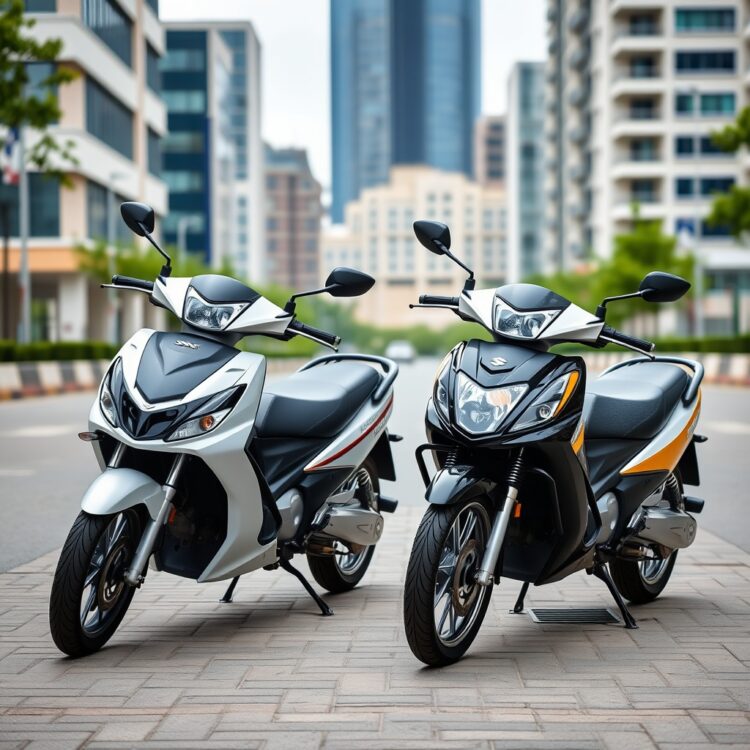
The Suzuki Alto series, including the VXL and VXR variants, represents the brand’s commitment to compact efficiency and performance. The VXL is a standout for its frugal fuel consumption and compact dimensions, making it a favourite among city dwellers. Its nimble handling and affordable running costs further cement its appeal.
Meanwhile, the Alto VXR injects sportiness into the lineup. With a peppier engine and sportier aesthetics, it caters to drivers who want a small car with big personality. Both models showcase Suzuki’s versatility, offering something for everyone in the compact segment.
The Suzuki Cultus Range
The Cultus range, featuring both VXL and VXR models, blends practicality with performance. The VXL variant is praised for its spacious interior and fuel efficiency, making it a solid choice for families. Its understated design and reliable mechanics ensure it meets everyday demands without fuss.
In contrast, the Cultus VXR amps up the excitement with a turbocharged engine and aggressive styling. It’s a testament to Suzuki’s ability to infuse fun into functional vehicles. Whether you opt for the sensible VXL or the spirited VXR, the Cultus range delivers on multiple fronts.
How Well Do You Know the Vauxhall Corsa VXR
The Vauxhall Corsa VXR is a hot hatch that’s built for thrill-seekers. With its aggressive styling and punchy performance, it’s a car that demands attention. But how well do you really know it? From its turbocharged engine to its sport-tuned suspension, the Corsa VXR is packed with features that set it apart from the standard models.
One of the standout aspects of the Corsa VXR is its BHP, which delivers exhilarating acceleration. Whether you’re navigating city streets or hitting the open road, this car’s performance is hard to match. It’s not just about speed, though—the Corsa VXR also offers a dynamic driving experience that’s both engaging and rewarding.
Key Takeaways
When comparing the VXL and VXR models, it’s clear that each has its own strengths. The VXR is all about performance, with a focus on speed and handling, while the VXL offers a more balanced approach, blending comfort with practicality. Depending on your priorities, one may suit you better than the other.
For those who crave adrenaline, the VXR is the obvious choice. Its sporty credentials are unmatched, making it a favourite among driving enthusiasts. On the other hand, the VXL is ideal for those who value versatility and everyday usability without sacrificing style.
What is Difference Between VXR and VXL A Comprehensive Guide
The differences between the VXR and VXL models go beyond just performance. The VXR typically features a more powerful engine, sportier suspension, and aggressive styling cues like larger wheels and aerodynamic enhancements. These elements combine to create a car that’s designed for driving pleasure.
In contrast, the VXL focuses on comfort and refinement. It often includes premium interior materials, advanced infotainment systems, and a smoother ride. While it may not have the same raw power as the VXR, it excels in providing a relaxed and luxurious driving experience.
Frequently Asked Questions
What makes the Corsa VXR special?
The Corsa VXR stands out for its turbocharged engine, sport-tuned suspension, and aggressive styling. It’s designed for drivers who prioritise performance and excitement behind the wheel. With its high BHP and dynamic handling, it’s a true hot hatch.
Is the VXR faster than the VXL?
Yes, the VXR is generally faster than the VXL due to its more powerful engine and performance-focused tuning. While the VXL offers a comfortable ride, the VXR is built for speed and agility, making it the quicker of the two.
Which model is better for daily driving?
The VXL is often the better choice for daily driving, thanks to its comfortable ride and practical features. The VXR, while exhilarating, may feel too firm for everyday use, especially on rough roads.
Are there any reliability concerns with the VXR?
While the VXR is a high-performance model, it’s generally reliable if maintained properly. However, its turbocharged engine and sporty components may require more frequent servicing compared to the VXL.