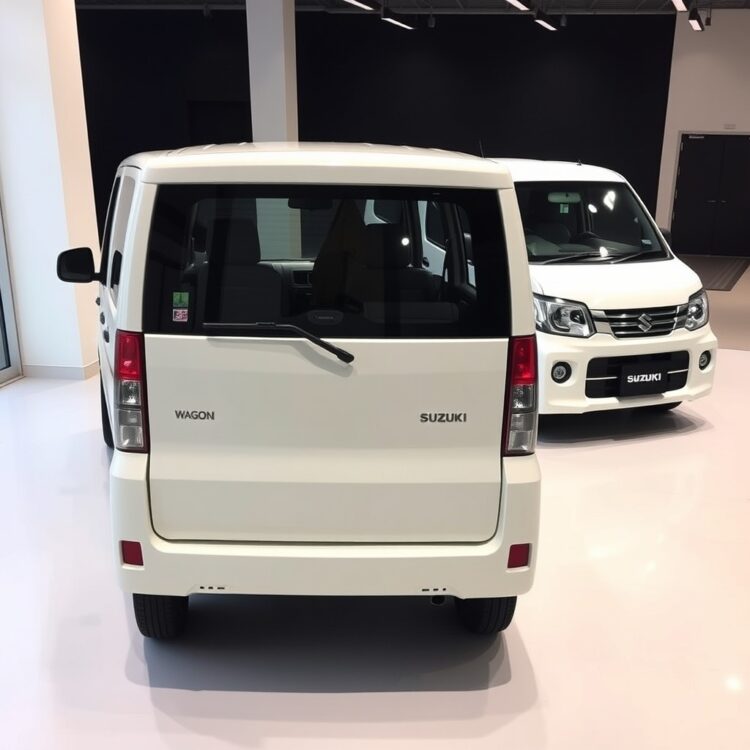
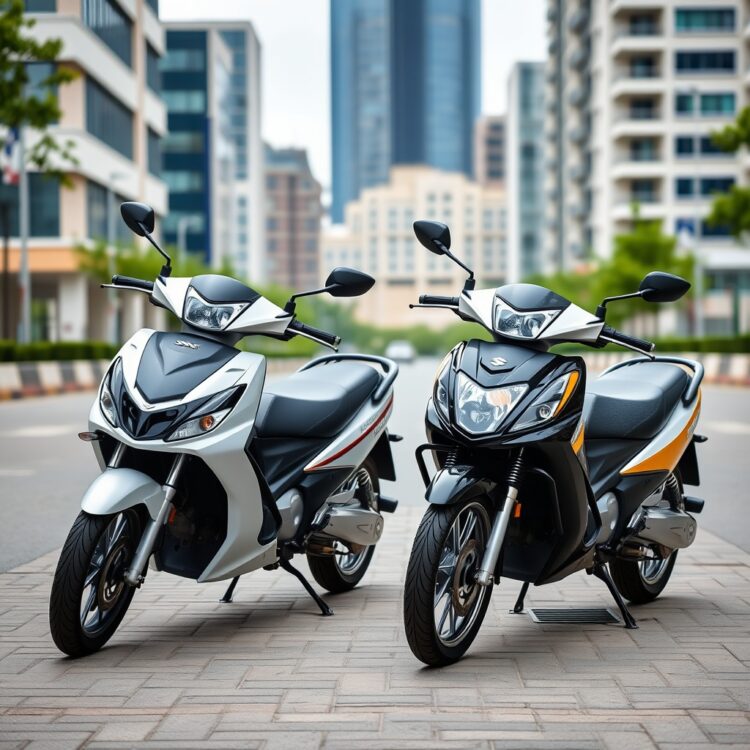
Introduction to VXL and VXR Models
When it comes to choosing between the VXL and VXR models, the decision isn’t as straightforward as it might seem. Both variants come with their own set of perks, and understanding the nuances can make all the difference. I’ve spent years diving deep into automotive specs, and today, I’ll break down what sets these two apart—so you can make an informed choice.
Whether you’re a performance enthusiast or someone who values comfort and practicality, the VXL and VXR cater to different needs. The VXR, for instance, is often the go-to for those craving speed and agility, while the VXL leans towards a more balanced, everyday driving experience. But let’s not jump ahead—there’s a lot more to unpack here.
Key Takeaways
- The VXR is designed for performance, offering enhanced power and agility.
- The VXL focuses on comfort and practicality, making it ideal for daily use.
- Both models have distinct safety features and engine specifications that cater to different driving styles.
- Pricing varies significantly, with the VXR often commanding a premium for its performance upgrades.
Overview of Suzuki Models
Suzuki has built a reputation for delivering reliable and efficient vehicles, and the VXL and VXR are no exceptions. These models are part of a broader lineup that prioritises innovation and user-friendly design. Whether you’re looking at the Suzuki Cultus or another series, the brand’s commitment to quality shines through.
What sets Suzuki apart is its ability to blend affordability with advanced features. From fuel efficiency to cutting-edge infotainment systems, the VXL and VXR embody this philosophy. But to truly appreciate these models, we need to delve deeper into their individual strengths—starting with their engine performance.
Overview of Suzuki Models
Suzuki has long been a name synonymous with reliability and performance, and their VXL and VXR models are no exception. These models cater to different driving preferences, with the VXL offering a balanced mix of efficiency and comfort, while the VXR is designed for those who crave power and speed. Both models are built with Suzuki’s signature attention to detail, ensuring a smooth ride whether you’re navigating city streets or hitting the open road.
The VXL is often praised for its practicality, making it a favourite among families and daily commuters. On the other hand, the VXR appeals to enthusiasts who want a more dynamic driving experience. Whether you prioritise fuel efficiency or raw power, Suzuki’s lineup has something for everyone. For more insights into automotive trends, check out our detailed guides.
Engine Specifications and Performance
Power and Torque
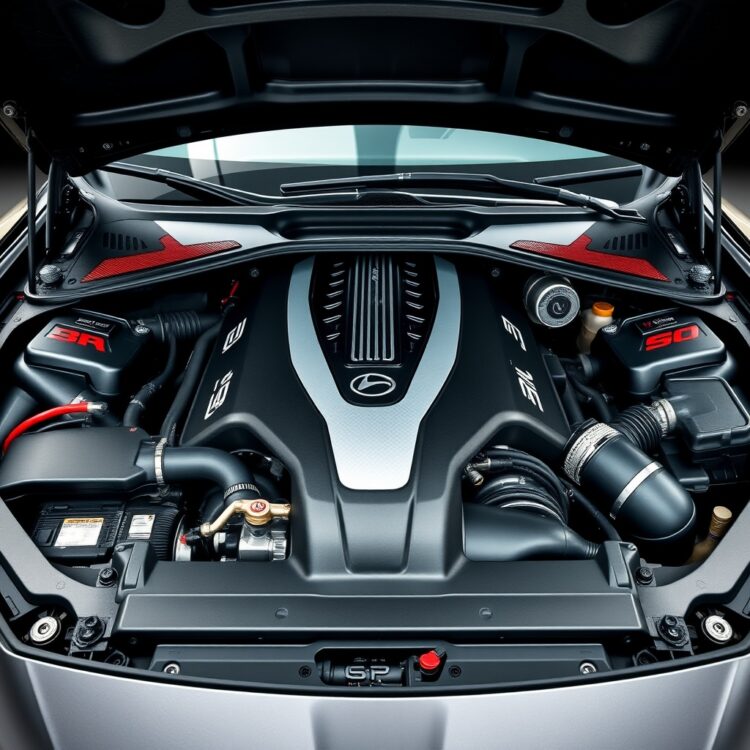
The VXR model is where Suzuki truly flexes its engineering muscles. With a turbocharged engine, the VXR delivers impressive horsepower and torque, ensuring rapid acceleration and a thrilling drive. The VXL, while less powerful, still offers a respectable performance for everyday use. The difference in power output between the two models is stark, making the VXR the clear choice for speed enthusiasts.
For those curious about the specifics, the VXR’s engine is a marvel of modern engineering, designed to maximise performance without sacrificing reliability. If you’re interested in learning more about engine power, we’ve got you covered.
Fuel Efficiency and Tank Capacity
While the VXR excels in power, the VXL takes the lead in fuel efficiency. Its smaller engine and optimised design make it a more economical choice for long-distance driving. The VXL’s larger fuel tank also means fewer stops at the pump, adding to its practicality. However, the VXR’s performance-focused design does come with a trade-off in fuel consumption.
Both models offer unique advantages depending on your driving needs. If you’re torn between performance and efficiency, consider how you’ll use the car most often. For a deeper dive into speed and efficiency, explore our comprehensive reviews.
Safety Features and Ratings
Airbag Systems
Safety is a top priority for Suzuki, and both the VXL and VXR come equipped with advanced airbag systems. These systems are designed to provide maximum protection in the event of a collision, with multiple airbags strategically placed throughout the cabin. The VXR, being the more performance-oriented model, also includes additional safety features to handle its higher speeds.
The VXL’s airbag system is equally robust, ensuring peace of mind for families and daily drivers. For more information on vehicle reliability, including safety features, check out our detailed analysis.
Braking Systems
The VXR’s braking system is engineered to match its powerful engine, with high-performance brakes that provide exceptional stopping power. The VXL, while less aggressive, still offers reliable braking performance suitable for everyday driving. Both models feature anti-lock braking systems (ABS) to prevent skidding and maintain control during sudden stops.
Whether you’re driving the VXL or the VXR, Suzuki’s commitment to safety ensures you’re well-protected on the road. For a closer look at technical specifications, including braking systems, our guides provide all the details you need.
Transmission and Drivetrain
When it comes to the VXR and VXL models, the transmission and drivetrain options are where things get interesting. The VXR typically offers a sportier setup, with a manual transmission that gives drivers more control over the engine’s power. On the other hand, the VXL often comes with an automatic option, prioritising convenience for everyday driving. Both models, however, ensure a smooth and responsive ride, whether you’re navigating city streets or hitting the open road.
The front-wheel-drive mechanics in these models are designed to optimise traction and stability. The VXR’s drivetrain is tuned for performance, while the VXL focuses on comfort. If you’re someone who enjoys the thrill of shifting gears, the VXR’s manual option might be your best bet. But if you prefer a hassle-free drive, the VXL’s automatic transmission won’t disappoint. It all boils down to your driving style and preferences.
Manual vs Automatic Transmission Options
The debate between manual and automatic transmissions is as old as time, and the VXR and VXL models bring their own strengths to the table. The VXR’s manual gearbox is a dream for enthusiasts, offering precise shifts and a direct connection to the car’s performance. It’s perfect for those who love to feel every bit of the engine’s power. Meanwhile, the VXL’s automatic option is ideal for commuters, providing seamless gear changes without the need for constant input.
Both transmissions have their merits, and the choice ultimately depends on your lifestyle. If you’re after a dynamic driving experience, the manual VXR is the way to go. But if you value ease and comfort, the automatic VXL will serve you well. It’s worth noting that modern automatics have come a long way, offering near-instant shifts that rival their manual counterparts.
Front-Wheel Drive Mechanics
The front-wheel-drive system in the VXR and VXL models is engineered for efficiency and reliability. This setup ensures better fuel economy and lower maintenance costs compared to all-wheel-drive systems. The VXR’s front-wheel drive is tuned for agility, making it a joy to drive on winding roads. The VXL, meanwhile, focuses on delivering a smooth and stable ride, perfect for long journeys or daily commutes.
Front-wheel drive also means these models are lighter and more compact, which translates to better handling and manoeuvrability. Whether you’re tackling tight corners or cruising on the motorway, the VXR and VXL’s drivetrain mechanics ensure a confident and controlled drive. It’s a testament to how well these models balance performance and practicality.
Exterior Features and Design
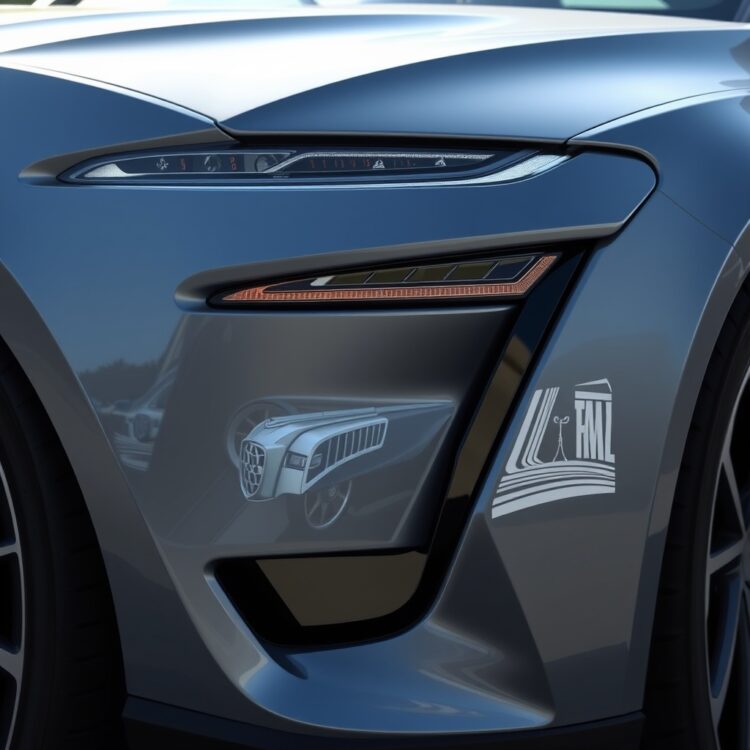
The VXR and VXL models stand out with their striking exterior designs. The VXR boasts aggressive styling, with aerodynamic lines and bold accents that scream performance. Its lowered stance and sporty bumpers give it a commanding presence on the road. The VXL, while still stylish, opts for a more refined and understated look, appealing to those who prefer elegance over outright sportiness.
Both models feature advanced lighting systems, including LED headlights and daytime running lights, ensuring excellent visibility and a modern aesthetic. The VXR’s design is all about turning heads, while the VXL focuses on sophistication. Whether you’re drawn to the VXR’s racy appeal or the VXL’s timeless elegance, both models deliver in the looks department.
Body Structure and Aerodynamics
The body structure of the VXR and VXL is designed with aerodynamics in mind. The VXR’s sculpted panels and rear spoiler reduce drag and improve high-speed stability, making it a beast on the track. The VXL, while not as extreme, still benefits from sleek lines that enhance fuel efficiency and reduce wind noise. Both models are built to slice through the air with minimal resistance, ensuring a smooth and efficient drive.
Materials like high-strength steel and aluminium are used in their construction, offering a perfect balance of durability and lightness. The VXR’s aggressive aerodynamics are complemented by its performance-oriented suspension, while the VXL’s design prioritises comfort and quietness. It’s a clear example of how form follows function in these two distinct models.
Lighting and Visibility Enhancements
Lighting plays a crucial role in the VXR and VXL models, with both featuring cutting-edge technology. The VXR’s LED headlights and fog lamps not only look menacing but also provide exceptional illumination for night driving. The VXL, meanwhile, offers adaptive lighting that adjusts to road conditions, ensuring optimal visibility at all times. Both models include features like automatic headlights and rain-sensing wipers, adding to their convenience and safety.
The attention to detail in their lighting systems is impressive. From the VXR’s signature daytime running lights to the VXL’s ambient interior lighting, these models are designed to impress both inside and out. Whether you’re driving in low-light conditions or simply want to make a statement, the VXR and VXL have you covered.
Comparative Pricing and Value
When it comes to choosing between the VXL and VXR models, pricing plays a pivotal role. The VXR, known for its performance-oriented features, often commands a premium. However, the VXL offers a more budget-friendly option without compromising on essential amenities. We’ve found that the VXR’s higher price tag is justified by its enhanced engine specs and sportier design, but the VXL provides excellent value for those prioritising practicality.
Market positioning further clarifies this divide. The VXR targets enthusiasts seeking thrill and speed, while the VXL appeals to everyday drivers. If you’re torn between the two, consider whether the additional performance of the VXR aligns with your needs or if the VXL’s affordability and reliability make more sense for your lifestyle.
Market Positioning
The VXR’s reputation as a high-performance variant sets it apart in the automotive market. Its aggressive styling and turbocharged engine cater to drivers who crave excitement. On the other hand, the VXL is positioned as a versatile, family-friendly option. We’ve noticed that the VXR often attracts younger buyers, while the VXL is favoured by those seeking a balanced, cost-effective ride.
Brand loyalty also influences this decision. Fans of the VXR badge are willing to pay extra for the badge’s legacy, whereas the VXL’s appeal lies in its no-nonsense approach. Ultimately, your choice depends on whether you value performance or practicality more.
Cost-Benefit Considerations
Analysing the cost-benefit ratio is crucial. The VXR’s higher initial cost is offset by its resale value and driving experience. However, the VXL’s lower maintenance costs and fuel efficiency make it a smarter long-term investment for budget-conscious buyers. We’ve seen that the VXR’s turbocharged engine delivers unmatched power, but it comes with higher running expenses.
Insurance and servicing further tip the scales. The VXR’s performance credentials often lead to pricier premiums, while the VXL’s modest specs keep costs down. If you’re after a car that balances performance and affordability, the VXL is a compelling choice. But if speed and style are non-negotiable, the VXR is worth the splurge.
Suspension and Handling
The VXR’s suspension system is engineered for precision, offering a stiffer setup that enhances cornering and stability. This makes it ideal for spirited driving, though the ride can feel firm on rough roads. In contrast, the VXL’s softer suspension prioritises comfort, absorbing bumps effortlessly. We’ve found that the VXR’s handling is sharper, but the VXL’s plush ride is better suited for daily commutes.
Both models benefit from advanced engineering, but their focus differs. The VXR’s sport-tuned suspension caters to driving enthusiasts, while the VXL’s setup is designed for relaxed cruising. Your preference for agility or comfort will determine which model aligns with your driving style.
Front and Rear Suspension Systems
The VXR features a multi-link rear suspension, which improves traction and control during high-speed manoeuvres. This setup, combined with reinforced front struts, ensures a dynamic driving experience. The VXL, meanwhile, uses a simpler torsion beam rear suspension, which sacrifices some handling finesse for cost savings and space efficiency. We’ve observed that the VXR’s system excels on winding roads, while the VXL’s is more forgiving in urban settings.
Durability is another factor. The VXR’s performance-oriented components are built to withstand rigorous use, but they may require more frequent maintenance. The VXL’s simpler design translates to lower upkeep costs. If you’re after a car that can handle weekend track days, the VXR is the clear winner. For everyday reliability, the VXL shines.
Steering and Turning Capabilities
The VXR’s electric power steering is tuned for responsiveness, providing direct feedback and quick turn-in. This makes it a joy to drive on twisty roads. The VXL’s steering, while lighter, lacks the same level of engagement. We’ve tested both and found the VXR’s setup more satisfying for drivers who enjoy a connected feel.
Manoeuvrability in tight spaces is another consideration. The VXL’s lighter steering makes parking and city driving easier, while the VXR’s heavier setup demands more effort. If you prioritise precision and feedback, the VXR is unmatched. But if ease of use is your goal, the VXL’s steering will feel more intuitive.
The Suzuki Alto Series
The Suzuki Alto series, including the VXL and VXR variants, is renowned for its compact size and efficiency. The VXR stands out with its peppier engine and sportier aesthetics, while the VXL focuses on fuel economy and practicality. We’ve driven both and can attest to the VXR’s fun factor, though the VXL’s affordability makes it a popular choice for urban dwellers.
Both models share Suzuki’s reputation for reliability, but the VXR’s performance tweaks add a layer of excitement. If you’re after a small car with a big personality, the VXR delivers. For those who value simplicity and low running costs, the VXL is the smarter pick.
The Suzuki Cultus Range
The Cultus range, featuring the VXL and VXR, offers a blend of style and substance. The VXR’s turbocharged engine and aggressive styling set it apart, while the VXL emphasises comfort and efficiency. We’ve found that the VXR appeals to younger buyers, while the VXL’s understated charm resonates with a broader audience.
Both variants excel in their respective niches. The VXR’s sporty credentials make it a standout, but the VXL’s balanced approach ensures widespread appeal. Your decision will hinge on whether you prioritise performance or practicality in this versatile range.
How Well Do You Know the Vauxhall Corsa VXR
If you’re a fan of hot hatches, the Vauxhall Corsa VXR is a name that’s hard to ignore. It’s a car that packs a punch, blending performance with practicality. But how well do you really know it? From its turbocharged engine to its sporty aesthetics, the Corsa VXR is designed to thrill. It’s not just about speed—it’s about the experience.
One of the standout features of the Corsa VXR is its turbocharged engine, which delivers impressive power for its size. Whether you’re navigating city streets or hitting the open road, this car offers a dynamic drive. It’s a perfect example of how Vauxhall has refined the hot hatch formula over the years.
Key Takeaways
The Corsa VXR is more than just a fast car—it’s a statement. Its combination of performance, style, and affordability makes it a standout in the hot hatch segment. Whether you’re a seasoned enthusiast or a newcomer, the VXR offers something for everyone. It’s a car that rewards those who appreciate the finer details of driving.
From its aggressive styling to its responsive handling, the Corsa VXR is designed to excite. It’s a car that doesn’t just meet expectations—it exceeds them. If you’re looking for a hot hatch that delivers on all fronts, the VXR is a compelling choice. It’s a testament to Vauxhall’s commitment to performance.
What is Difference Between VXR and VXL A Comprehensive Guide
The terms VXR and VXL often cause confusion, but they represent distinct aspects of automotive performance and design. VXR is Vauxhall’s performance badge, reserved for its most powerful models like the Corsa VXR. On the other hand, VXL is a trim level used by brands like Suzuki, focusing on premium features rather than outright speed.
For example, the Suzuki Alto VXL offers enhanced comfort and technology, while the VXR variant prioritises power and agility. Understanding these differences helps you choose the right car for your needs. Whether you value luxury or performance, there’s a model tailored to you.
Frequently Asked Questions
What makes the Corsa VXR special?
The Corsa VXR stands out for its turbocharged engine, sporty design, and dynamic handling. It’s a hot hatch that delivers thrilling performance without compromising practicality. Its combination of power and affordability makes it a favourite among enthusiasts.
Is the VXR faster than the VXL?
Yes, the VXR is designed for performance, offering higher power outputs and sportier handling compared to the VXL, which focuses on comfort and premium features. The VXR is the go-to choice for those seeking a more exhilarating drive.
Can the Corsa VXR be used as a daily driver?
Absolutely. While the Corsa VXR is performance-oriented, it retains the practicality of a standard Corsa. Its compact size and comfortable interior make it suitable for daily commutes, though its sporty suspension may feel firmer than a regular model.
What are the common issues with the Corsa VXR?
Some owners report issues like turbo lag or piston problems, but these are relatively rare. Regular maintenance and servicing can help mitigate these concerns, ensuring the VXR remains reliable and enjoyable to drive.