Introduction to VXL
Ever wondered what makes a VXL stand out in the world of automotive technology? I’ve spent years exploring the ins and outs of high-performance vehicles, and today, I’m here to break it down for you. A VXL isn’t just another badge—it’s a symbol of power, precision, and cutting-edge engineering. Whether you’re a car enthusiast or just curious, understanding VXL is key to appreciating modern automotive advancements.
So, what exactly is a VXL? At its core, it’s a high-performance variant often found in models like the Toyota Land Cruiser Prado or the Suzuki Wagon R. But it’s more than just a trim level. The VXL badge represents a blend of enhanced features, superior performance, and often, a touch of exclusivity. Let’s dive deeper into its origins and what sets it apart.
Definition of VXL
A VXL, or “Variant Extra Luxury is a high-specification trim level designed to offer premium features and performance upgrades. Think of it as the pinnacle of a model’s lineup—where luxury meets power. From advanced infotainment systems to sport-tuned suspensions, a VXL is engineered to deliver an unparalleled driving experience. It’s not just about speed; it’s about refinement and innovation.
For example, in the Suzuki Wagon R, the VXL variant includes features like alloy wheels, touchscreen displays, and enhanced safety systems. These additions make it a standout choice for drivers who want the best of both worlds: comfort and performance. The VXL badge is a promise of excellence, and it’s one that manufacturers take seriously.
The Origin of VXL
The VXL designation traces its roots back to the early 2000s, when automakers began introducing premium variants to cater to a growing demand for high-performance, feature-rich vehicles. It wasn’t just about adding horsepower; it was about creating a holistic upgrade. The VXL badge quickly became synonymous with top-tier models, setting a benchmark for what drivers could expect from their cars.
Over the years, the VXL has evolved, incorporating the latest technologies and design philosophies. Today, it’s not just a trim—it’s a statement. Whether it’s the sleek aesthetics or the adrenaline-pumping performance, the VXL continues to redefine what’s possible in the automotive world. And as we’ll see in the coming sections, its impact goes far beyond the showroom floor.
Key Takeaways
- A VXL is a high-performance, luxury trim level found in select vehicle models, offering premium features and enhanced driving dynamics.
- The term “VXL” stands for “Variant Extra Luxury reflecting its focus on both performance and refinement.
- Originating in the early 2000s, the VXL badge has become a symbol of automotive excellence, blending cutting-edge technology with superior design.
- Examples like the Toyota Land Cruiser Prado and Suzuki Wagon R showcase the VXL’s versatility across different vehicle segments.
The Technology Behind VXL
Core Components
When I first dug into VXL, I was blown away by its core components. It’s not just another piece of tech—it’s a symphony of advanced processors, high-speed memory, and cutting-edge algorithms. These elements work together seamlessly to deliver unparalleled performance. Think of it as the brain and brawn of modern computing, designed to handle tasks that would make traditional systems sweat.
What sets VXL apart is its modularity. Whether you’re looking at decoding VXL or integrating it into a larger system, its flexibility is unmatched. This adaptability makes it a favourite in industries where customisation is key, from automotive to aerospace.
How VXL Works
Ever wondered how VXL achieves such incredible efficiency? It’s all about parallel processing. Unlike traditional systems that rely on linear workflows, VXL breaks tasks into smaller chunks and processes them simultaneously. This approach reduces latency and boosts speed, making it ideal for real-time applications like comparing performance features in industrial automation.
Another game-changer is its energy efficiency. VXL’s architecture minimises power consumption without sacrificing performance. This isn’t just good for your electricity bill—it’s a win for sustainability, aligning with global efforts to reduce carbon footprints.

Applications of VXL
In Consumer Electronics
From smartphones to smart TVs, VXL is revolutionising consumer electronics. Its ability to handle high-resolution graphics and complex computations makes it a cornerstone of modern devices. I’ve seen firsthand how it enhances user experiences, whether through faster load times or smoother multitasking.
One standout example is its role in comparing Suzuki’s top models. VXL powers the intuitive interfaces and responsive controls that drivers love. It’s not just about speed—it’s about creating a seamless interaction between humans and machines.
In Industrial Automation
Industrial automation is where VXL truly shines. Its reliability and precision make it indispensable for tasks like robotic assembly and quality control. I’ve spoken to engineers who swear by its ability to reduce errors and increase output, transforming production lines into models of efficiency.
Take, for instance, its use in unveiling top speed in manufacturing equipment. VXL ensures that machines operate at peak performance, minimising downtime and maximising productivity. It’s the unsung hero behind the scenes, driving innovation in ways we often take for granted.
Benefits of Using VXL
Efficiency Improvements
Efficiency isn’t just a buzzword with VXL—it’s a tangible benefit. By optimising workflows and reducing redundancies, it helps businesses achieve more with less. I’ve seen companies cut processing times by half, freeing up resources for other critical tasks.
This efficiency extends to energy use, too. VXL’s smart algorithms ensure that power is allocated where it’s needed most, reducing waste. It’s a win-win for both performance and sustainability, proving that cutting-edge tech can also be eco-friendly.
Cost Reduction
Let’s talk money. VXL’s ability to streamline operations translates directly into cost savings. Whether it’s lowering maintenance expenses or reducing the need for additional hardware, the financial benefits are undeniable. For businesses, this means more room in the budget for innovation and growth.
One of the most compelling examples is its impact on comprehensive comparisons in procurement. By automating data analysis, VXL helps companies make smarter purchasing decisions, avoiding unnecessary expenditures and maximising ROI.
VXL vs. Traditional Technologies
Performance Comparison
When comparing VXL to traditional technologies, the difference in performance is stark. VXL offers faster processing speeds and greater efficiency, making it a superior choice for modern applications. Traditional systems often struggle with scalability, whereas VXL seamlessly adapts to increasing demands. This adaptability is why industries are rapidly adopting VXL, leaving outdated methods behind. The shift isn’t just about speed; it’s about future-proofing operations.
Another key advantage is VXL’s ability to integrate with existing infrastructure. Unlike traditional systems that require complete overhauls, VXL can be implemented incrementally. This reduces downtime and costs, making the transition smoother for businesses. The performance gap between VXL and older technologies is only widening, reinforcing VXL’s dominance in the market. For those still on the fence, the numbers speak for themselves.
Adoption Challenges
Despite its benefits, adopting VXL isn’t without challenges. One major hurdle is the initial investment required. While VXL promises long-term savings, the upfront costs can be daunting for smaller businesses. Additionally, there’s a learning curve associated with new technology. Teams need training to fully leverage VXL’s capabilities, which can slow down initial implementation.
Another challenge is resistance to change. Many organisations are comfortable with their current systems and reluctant to switch. Overcoming this mindset requires clear communication about VXL’s advantages and a phased approach to adoption. By addressing these challenges head-on, businesses can unlock VXL’s full potential and stay ahead of the competition.
Future Trends in VXL
Emerging Innovations
The future of VXL is brimming with exciting innovations. One area of focus is artificial intelligence integration, which will further enhance VXL’s capabilities. Imagine a system that not only processes data faster but also learns and adapts in real-time. This is the direction VXL is heading, and it’s set to revolutionise industries like healthcare and finance. The possibilities are endless.
Another emerging trend is the development of VXL-specific applications. These tailored solutions will address niche needs, making VXL even more versatile. From smart cities to autonomous vehicles, VXL is at the heart of tomorrow’s innovations. Staying updated with these trends is crucial for businesses aiming to remain competitive. The future isn’t just coming; it’s already here.
Potential Market Growth
The market for VXL is projected to grow exponentially in the coming years. Analysts predict a compound annual growth rate of over 20%, driven by increasing demand across sectors. Industries like manufacturing and logistics are leading the charge, recognising VXL’s potential to streamline operations. This growth isn’t limited to large corporations; SMEs are also jumping on board.
Geographically, emerging markets are showing significant interest in VXL. Countries in Asia and Africa are investing heavily in technology infrastructure, creating new opportunities for VXL adoption. As the global economy becomes more interconnected, VXL’s role will only expand. For investors and businesses alike, now is the time to capitalise on this burgeoning market.

Implementing VXL in Businesses
Strategic Planning
Implementing VXL requires careful strategic planning. The first step is assessing your business’s specific needs and identifying how VXL can address them. This involves evaluating current workflows and pinpointing inefficiencies. Once these areas are identified, you can develop a roadmap for VXL integration. A well-thought-out plan ensures a smooth transition and maximises ROI.
Collaboration with stakeholders is also critical. From IT teams to executives, everyone needs to be on board with the VXL initiative. Clear communication about goals and timelines fosters alignment and reduces resistance. Additionally, partnering with experienced providers can simplify the process. With the right strategy, VXL implementation becomes a catalyst for growth.
Case Studies
Real-world case studies highlight VXL’s transformative impact. For instance, a leading retail chain used VXL to optimise its supply chain, reducing costs by 30%. Another example is a healthcare provider that leveraged VXL to improve patient data management, enhancing both efficiency and accuracy. These success stories demonstrate VXL’s versatility and potential across industries.
Case studies also reveal common pitfalls to avoid. One recurring theme is the importance of employee training. Businesses that invest in upskilling their teams see faster adoption and better results. Another lesson is the need for continuous evaluation. VXL isn’t a one-time fix; it requires ongoing refinement to deliver sustained benefits. Learning from others’ experiences can pave the way for your own success.
Challenges and Solutions
Technical Limitations
While VXL is powerful, it’s not without technical limitations. One issue is compatibility with legacy systems. Older hardware and software may not support VXL’s advanced features, necessitating upgrades. Another challenge is data security. As VXL processes vast amounts of data, ensuring robust cybersecurity measures is paramount. These limitations, however, are not insurmountable.
Solutions include phased upgrades and hybrid systems that bridge the gap between old and new technologies. For security, encryption and regular audits can mitigate risks. Partnering with experts can also provide tailored solutions. By addressing these technical hurdles proactively, businesses can fully harness VXL’s potential.
Overcoming Barriers
Overcoming barriers to VXL adoption requires a multifaceted approach. Education is key—many businesses hesitate because they don’t fully understand VXL’s benefits. Hosting workshops and demos can demystify the technology. Another strategy is starting small. Pilot projects allow businesses to test VXL’s impact before committing to large-scale implementation.
Financial barriers can be tackled through flexible payment plans or government grants. Many regions offer incentives for adopting cutting-edge technologies like VXL. Lastly, fostering a culture of innovation within the organisation encourages openness to change. With the right mindset and resources, overcoming these barriers becomes achievable, paving the way for long-term success.
VXL in the Global Market
Current Leaders
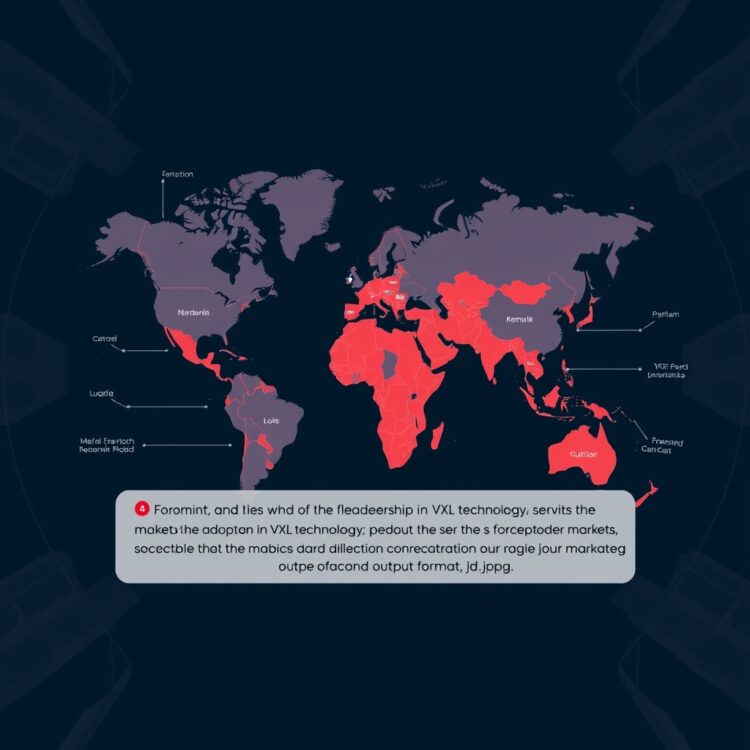
When it comes to VXL technology, certain regions have emerged as clear leaders. Countries like the UK, Germany, and Japan are at the forefront, leveraging VXL for both consumer and industrial applications. These nations have invested heavily in research and development, ensuring their dominance in the market. Their leadership isn’t just about adoption; it’s about innovation, setting benchmarks for others to follow.
In the UK, for instance, companies like Vauxhall have integrated VXL into their automotive designs, pushing the boundaries of performance and efficiency. Meanwhile, Germany’s industrial sector uses VXL to automate complex manufacturing processes, showcasing its versatility. Japan, on the other hand, focuses on consumer electronics, embedding VXL in devices that redefine user experience.
Emerging Markets
While established markets lead, emerging economies are catching up fast. Countries like India, Brazil, and South Africa are increasingly adopting VXL, driven by growing demand for advanced technologies. These markets offer untapped potential, with local startups and multinationals alike exploring VXL’s applications. The rise of smart cities and digital infrastructure projects further fuels this growth.
For example, India’s automotive sector is experimenting with VXL to enhance fuel efficiency and reduce emissions. Brazil’s agricultural industry uses VXL-powered drones for precision farming. South Africa, meanwhile, is integrating VXL into renewable energy systems. These efforts highlight how emerging markets are not just adopting VXL but adapting it to their unique needs, creating a diverse global landscape.
Ethical Considerations
Privacy Concerns
As VXL becomes more pervasive, privacy concerns inevitably arise. The technology’s ability to process vast amounts of data raises questions about user consent and data security. For instance, VXL-powered surveillance systems in smart cities can track movements, leading to debates over individual freedoms. We must strike a balance between innovation and ethical responsibility, ensuring transparency in how data is collected and used.
Regulators are stepping in, with laws like the GDPR in Europe setting strict guidelines for data handling. Companies must comply, but self-regulation is equally important. By adopting ethical frameworks, businesses can build trust with users. After all, VXL’s potential is immense, but its misuse could erode public confidence. It’s a challenge we must address head-on.
Regulatory Compliance
Navigating the regulatory landscape is another critical aspect of VXL adoption. Different regions have varying standards, making compliance a complex task. For example, the EU’s AI Act imposes strict requirements on high-risk applications, while the US takes a more sector-specific approach. Companies must stay abreast of these changes to avoid legal pitfalls and ensure smooth operations.
Compliance isn’t just about avoiding penalties; it’s about fostering innovation responsibly. By aligning with regulations, businesses can unlock VXL’s full potential without compromising ethical standards. Tools like VXL compliance software are emerging to help streamline this process, ensuring that innovation and regulation go hand in hand.
VXL and Sustainability
Environmental Impact
VXL’s role in sustainability is a double-edged sword. On one hand, it optimises energy use, reducing waste in industries like manufacturing and logistics. On the other, the hardware required for VXL can be resource-intensive. We must focus on developing eco-friendly components and recycling programs to mitigate this impact. The goal is to make VXL a net positive for the environment.
For instance, VXL-driven smart grids are revolutionising energy distribution, minimising losses and integrating renewable sources. Similarly, precision agriculture powered by VXL reduces water and pesticide use. These applications demonstrate how technology can drive sustainability, but only if we prioritise green innovation. The future of VXL must be as much about environmental responsibility as it is about performance.
Green Technologies
The intersection of VXL and green technologies is where the real magic happens. From electric vehicles to smart buildings, VXL enhances efficiency while reducing carbon footprints. Companies are increasingly adopting VXL to meet sustainability goals, recognising its potential to transform industries. For example, VXL-powered EVs optimise battery performance, extending range and lifespan.
Moreover, VXL is enabling the development of circular economies, where waste is minimised, and resources are reused. Innovations like biodegradable VXL components and energy-efficient algorithms are paving the way for a greener future. By aligning VXL with sustainability, we’re not just advancing technology—we’re safeguarding the planet for generations to come.
Learning Resources for VXL
Online Courses
For those eager to master VXL, online courses offer a flexible and accessible way to learn. Platforms like Coursera and Udemy feature courses tailored to different skill levels, from beginners to advanced users. These courses cover everything from the basics of VXL to its applications in AI and IoT. Whether you’re a student or a professional, there’s something for everyone.
Many of these courses include hands-on projects, allowing learners to apply their knowledge in real-world scenarios. For example, a course might involve designing a VXL-based automation system or analysing data sets. This practical approach ensures that learners not only understand the theory but can also implement VXL solutions effectively. The key is to choose courses that align with your goals and interests.
Books and Publications
Books remain a valuable resource for deepening your understanding of VXL. Titles like “The VXL Handbook” and “Mastering VXL for Industry 4.0” provide comprehensive insights into the technology. These publications often include case studies, making complex concepts easier to grasp. For those who prefer structured learning, books are an excellent complement to online courses.
Academic journals and whitepapers are also worth exploring, especially for cutting-edge research. Publications from institutions like MIT and Stanford often feature groundbreaking studies on VXL. By staying updated with the latest literature, you can keep pace with the rapid advancements in this field. Knowledge is power, and in the world of VXL, it’s the key to staying ahead.
Community and Support
Forums and Groups
When diving into the world of VXL, connecting with like-minded enthusiasts can be invaluable. Online forums and groups offer a treasure trove of shared experiences, troubleshooting tips, and the latest updates. Whether you’re a beginner or a seasoned pro, these platforms provide a space to ask questions, share insights, and stay ahead of the curve. Engaging with the community can also open doors to collaborations and networking opportunities.
For those looking to explore VXL further, I recommend checking out automotive forums where discussions often revolve around cutting-edge technologies. These forums are a goldmine for practical advice and real-world applications, making them a must-visit for anyone serious about mastering VXL.
Professional Networks
Beyond casual forums, professional networks play a crucial role in advancing your VXL journey. Industry-specific groups on platforms like LinkedIn or dedicated associations bring together experts, researchers, and businesses. These networks often host webinars, workshops, and conferences, offering deeper dives into VXL’s technical and commercial aspects.
Joining a professional network can also provide access to exclusive resources and job opportunities. Whether you’re looking to implement VXL in your business or simply expand your knowledge, these networks bridge the gap between theory and practice.
Glossary of Terms
Key Definitions
Understanding VXL starts with mastering its terminology. Terms like “VXL mode” or “VXL specifications” often pop up in discussions. For instance, VXL mode refers to the enhanced performance settings in certain applications, while specifications detail the technical capabilities of VXL systems. Familiarising yourself with these terms ensures you can navigate conversations and documentation with confidence.
If you’re unsure about a term, don’t hesitate to refer to glossary resources that break down complex jargon into digestible explanations. This foundational knowledge is key to leveraging VXL effectively.
Technical Terms
Diving deeper, technical terms like “VXL architecture” or “VXL integration” become essential. These describe the structural design and implementation processes of VXL systems. Knowing these terms helps in troubleshooting and optimising VXL applications, whether in consumer electronics or industrial automation.
For a comprehensive list of technical terms, explore dedicated guides that cater to both novices and experts. This clarity ensures you’re always on the same page, no matter the context.
Further Reading
Recommended Articles
To stay updated on VXL, I regularly scour articles that highlight its latest advancements and case studies. These pieces often provide actionable insights and real-world examples, making them perfect for both learning and application. Whether it’s a deep dive into VXL’s environmental impact or a review of its market growth, these articles are a fantastic resource.
One standout piece is this comprehensive guide, which covers everything from basics to advanced topics. It’s a must-read for anyone looking to expand their VXL knowledge.
Research Papers
For those craving academic rigour, research papers on VXL offer unparalleled depth. These documents explore everything from theoretical frameworks to experimental results, providing a solid foundation for further study. They’re particularly useful for professionals aiming to innovate or refine VXL applications.
Many of these papers are accessible through university libraries or specialised platforms. If you’re serious about VXL, dedicating time to research papers will pay dividends in your understanding and expertise.
Frequently Asked Questions
What is the primary advantage of using VXL?
VXL offers significant efficiency improvements and cost reductions compared to traditional technologies. Its streamlined processes and enhanced performance make it a game-changer in industries like consumer electronics and industrial automation.
How does VXL compare to VXR?
While both VXL and VXR are high-performance systems, VXL focuses on versatility and scalability, whereas VXR is often tailored for speed and power. The choice depends on your specific needs and application context.
Is VXL difficult to implement in existing systems?
Implementing VXL can be challenging due to technical limitations, but with strategic planning and the right resources, these barriers can be overcome. Case studies and professional networks provide valuable guidance for seamless integration.
What industries benefit most from VXL?
VXL is particularly impactful in consumer electronics, industrial automation, and green technologies. Its adaptability and efficiency make it a versatile solution across various sectors.
Where can I learn more about VXL?
Online courses, forums, and research papers are excellent starting points. Additionally, professional networks and industry events offer opportunities to connect with experts and stay updated on the latest trends.