Introduction to Toyota Land Cruiser Prado VX and VXL
If you’re like me, you’ve probably wondered what sets the Toyota Land Cruiser Prado VX apart from the VXL. Both models are legends in their own right, but the devil’s in the details. I’ve spent years exploring the nuances of these vehicles, and today, I’m breaking it all down for you. Whether you’re a seasoned off-roader or a luxury SUV enthusiast, understanding these differences is key to making the right choice.
We’ll dive deep into everything from engine specs to design aesthetics, but first, let’s set the stage. The Prado VX and VXL are part of Toyota’s iconic Land Cruiser lineup, known for their rugged reliability and premium features. While they share a common DNA, subtle and not-so-subtle differences define their unique identities. Stick with me, and by the end of this, you’ll know exactly which one suits your needs.
Key Takeaways
- The VX and VXL models cater to different buyer preferences, with the VXL often offering more premium features.
- Engine specifications and performance metrics vary, impacting fuel efficiency and driving dynamics.
- Design and technology upgrades in the VXL make it a standout for those prioritising luxury.
- Price differences reflect the added features and capabilities of the VXL model.
How Well Do You Know Toyota Cars?
Historical Overview of VX and VXL Models
The Toyota Land Cruiser Prado has a rich history, and the VX and VXL models are no exception. I’ve always been fascinated by how these variants evolved to meet the demands of different markets. The VX, for instance, has long been the go-to for those who want a balance of performance and practicality. It’s the workhorse of the lineup, designed to handle both city commutes and off-road adventures with equal ease.
On the other hand, the VXL is where Toyota flexes its luxury muscles. Introduced as a more refined option, the VXL builds on the VX’s foundation but adds premium touches like advanced infotainment systems and superior interior materials. Over the years, both models have seen updates to keep them competitive, but their core identities remain intact. For a deeper dive into the evolution of these models, check out this detailed analysis.
Historical Overview of VX and VXL Models
The Toyota Land Cruiser Prado VX and VXL models have carved out distinct identities over the years. The VX, introduced earlier, was designed to offer a balance of luxury and off-road capability, appealing to families and adventurers alike. Meanwhile, the VXL emerged as a more premium variant, packing advanced features and refined aesthetics to cater to discerning buyers.
Both models have evolved significantly, with the VXL often leading in innovation. For instance, the VXL introduced key differences like enhanced infotainment systems and superior materials. This historical progression highlights Toyota’s commitment to meeting diverse customer needs while maintaining the Prado’s rugged DNA.
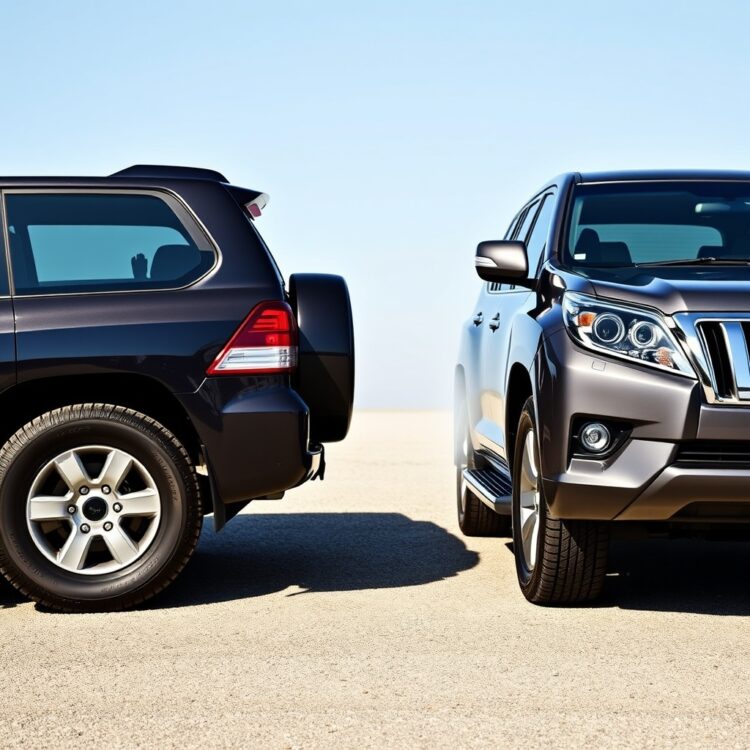
Comparing VX and VXL: Key Differences
Engine Specifications
The VX and VXL share a robust engine lineup, but the VXL often boasts more powerful options. For example, the VXL’s turbocharged diesel variant delivers higher torque, making it ideal for towing and off-road adventures. The VX, while capable, focuses on fuel efficiency, appealing to urban drivers who prioritise economy.
Both models feature Toyota’s reliable engineering, but the VXL’s engine enhancements set it apart. These upgrades ensure smoother performance under load, whether navigating city streets or rugged terrains. The choice between them depends on your driving priorities—power or efficiency.
Performance Metrics
Performance-wise, the VXL edges out the VX with superior acceleration and handling. Its advanced suspension system and tuned drivetrain provide a more dynamic driving experience. The VX, while competent, is tuned for comfort, making it a better fit for daily commutes.
The VXL’s performance insights reveal its prowess in both speed and stability. Whether you’re tackling highways or trails, the VXL’s refined mechanics ensure confidence behind the wheel. The VX, however, remains a solid choice for those who value reliability over sportiness.
Fuel Efficiency
Fuel efficiency is where the VX shines, thanks to its optimised engine tuning and lighter build. It’s designed to maximise mileage without sacrificing performance, making it a cost-effective option for long-distance travellers. The VXL, with its added power, naturally consumes more fuel.
For eco-conscious buyers, the VX’s specs highlight its greener credentials. However, the VXL’s advanced fuel management systems mitigate its higher consumption, ensuring it remains competitive in its class. Your choice hinges on balancing power with economy.
Design and Aesthetics: VX vs VXL
Exterior Design
The VX and VXL share the Prado’s iconic silhouette, but the VXL adds premium touches like chrome accents and LED lighting. These elements give it a more upscale presence, while the VX maintains a rugged, understated look. Both models are built to impress, but the VXL’s design cues scream sophistication.
From the bold grille to the alloy wheels, the VXL’s design details are meticulously crafted. The VX, though less flashy, offers a timeless appeal that resonates with traditional SUV enthusiasts. It’s a matter of personal taste—understated elegance or bold luxury.
Interior Layout
Inside, the VXL pampers occupants with premium leather upholstery and advanced climate control. The VX, while comfortable, uses more durable materials suited for active lifestyles. Both cabins are spacious, but the VXL’s focus on luxury is evident in every stitch.
The VXL’s automotive blog features highlight its attention to detail, from ambient lighting to ergonomic seating. The VX, on the other hand, prioritises practicality with easy-to-clean surfaces and ample storage. Your preference for comfort or functionality will guide your decision.
Technology and Features Comparison
Infotainment Systems
When it comes to infotainment, the VX and VXL models of the Toyota Land Cruiser Prado offer distinct experiences. The VX boasts a user-friendly 9-inch touchscreen with Apple CarPlay and Android Auto, ensuring seamless connectivity. Meanwhile, the VXL steps it up with a larger 12.3-inch display, augmented reality navigation, and a premium JBL sound system. Both models include automotive advancements, but the VXL clearly caters to tech enthusiasts.
Beyond the screens, the VXL adds wireless charging and a head-up display, features absent in the VX. These extras make the VXL a more luxurious choice for those who prioritise cutting-edge design and convenience. However, the VX’s system is no slouch, delivering all the essentials without overwhelming the driver.
Safety Features
Safety is where both models shine, but the VXL pulls ahead with additional advanced features. The VX includes Toyota Safety Sense, featuring adaptive cruise control and lane-keeping assist. The VXL, however, adds blind-spot monitoring, rear cross-traffic alert, and a 360-degree camera system, making it the safer option for families or frequent travellers.
Both models share a robust suite of airbags and stability controls, ensuring peace of mind. The VXL’s extra difference lies in its proactive safety tech, which can prevent accidents before they happen. If safety is your top priority, the VXL’s enhancements are worth the investment.
Price Analysis: VX vs VXL
New Vehicle Pricing
The price gap between the VX and VXL is significant, reflecting their feature disparities. The VX starts at a more accessible £45,000, making it a solid choice for budget-conscious buyers. The VXL, however, commands a premium, starting around £55,000, justified by its specs and luxury additions.
For those weighing cost against value, the VX delivers excellent functionality without breaking the bank. The VXL, though pricier, offers exclusivity and top-tier amenities. It’s a matter of prioritising either affordability or opulence.
Used Vehicle Market
In the used market, the VX retains its value well due to its reliability and lower initial cost. The VXL, while depreciating faster, still attracts buyers seeking high-end features at a reduced price. Both models are popular, but the VX’s affordability makes it a safer bet for second-hand shoppers.
When considering resale, the VX’s broader appeal ensures quicker sales, while the VXL’s niche market can mean longer waits. Either way, both models offer strong reliable performance, making them worthwhile investments.

Mileage and Efficiency
The VX and VXL share the same engine, but their efficiency varies slightly due to weight differences. The VX averages 30 mpg, while the VXL, with its added features, drops to 28 mpg. Both figures are respectable for SUVs of this calibre, but the VX edges ahead for fuel-conscious drivers.
Long-distance travellers will appreciate the VX’s slight advantage, though the VXL’s extra comfort might offset the marginal fuel cost. It’s a trade-off between economy and luxury, with neither model disappointing in this regard.
Color Options Available
Both the VX and VXL offer a range of colours, from classic whites and blacks to bold blues and reds. The VXL, however, includes exclusive metallic and pearl finishes, adding a touch of sophistication. These premium options cater to buyers who want their vehicle to stand out.
Whether you prefer understated elegance or eye-catching flair, both models provide ample choices. The VXL’s exclusives, though, make it the go-to for those who value personalisation and style.
User Reviews and Ratings
When it comes to the Toyota Land Cruiser Prado VX and VXL, user reviews highlight the exceptional comfort and usability of both models. Owners of the VX often praise its plush seating and spacious interior, making it ideal for long journeys. The VXL, with its added luxury features, takes this a step further, offering an even more refined experience. Whether you’re navigating city streets or rough terrains, both variants deliver a smooth ride, though the VXL’s adaptive suspension system edges it ahead in terms of comfort.
Reliability and durability are other standout points in user feedback. The VX is celebrated for its robust build and low maintenance needs, a hallmark of Toyota’s engineering. The VXL, while equally dependable, comes with advanced tech that some users find adds complexity. However, both models consistently score high in reliability ratings, making them a solid choice for families and adventurers alike. For more insights, check out reliability comparisons.

Off-road Capabilities
The Toyota Land Cruiser Prado VX and VXL are built to tackle off-road challenges with ease. The VX comes equipped with a capable 4WD system and terrain response modes, ensuring stability on uneven surfaces. Its ground clearance and approach angles are designed for adventurous drivers who need a vehicle that can handle more than just tarmac. The VXL, however, adds features like crawl control and multi-terrain select, enhancing its off-road prowess even further.
Users often highlight the VXL’s superior traction control and hill descent assist as game-changers for off-roading. While the VX is no slouch, the VXL’s additional tech makes it the better choice for serious off-road enthusiasts. Both models, though, share Toyota’s reputation for durability, ensuring they can withstand the rigors of off-road use without compromising performance. For a deeper dive into off-road performance, explore performance assessments.
Maintenance and Service Costs
Maintenance costs for the Toyota Land Cruiser Prado VX and VXL are relatively similar, thanks to their shared mechanical underpinnings. Routine servicing for the VX is straightforward and affordable, with Toyota’s widespread service network ensuring easy access to parts and expertise. The VXL, with its added luxury and tech features, may incur slightly higher costs for specialized components, but the difference is marginal for most owners.
Long-term ownership reviews suggest that both models are cost-effective to maintain, especially when compared to European rivals. The VX’s simplicity often translates to lower repair bills, while the VXL’s advanced systems may require occasional software updates. Either way, Toyota’s reliability ensures that neither model will break the bank in upkeep. For more on cost comparisons, see pricing guides.
Resale Value Comparison
Resale value is where the Toyota Land Cruiser Prado VX and VXL truly shine. Both models retain their value exceptionally well, a testament to Toyota’s brand strength and the Prado’s enduring appeal. The VX, with its lower initial price, often sees a higher percentage of its value retained over time. This makes it a smart choice for buyers who plan to upgrade or sell down the line.
The VXL, while commanding a higher upfront cost, also holds its value impressively, especially in markets where luxury SUVs are in demand. Its premium features and limited availability in certain regions can even make it a sought-after used vehicle. Whether you opt for the VX or VXL, you can expect strong resale returns, making either model a sound investment. For expert opinions on resale trends, visit investment reviews.
Comparing with Similar Models
When it comes to choosing between the Toyota Land Cruiser Prado VX and VXL, it’s worth considering how they stack up against similar models in the market. We’ve looked at competitors like the Ford Everest and the Mitsubishi Pajero Sport. Both offer rugged off-road capabilities, but the Prado’s refined interior and advanced tech give it an edge.
The VX and VXL models, in particular, stand out for their blend of luxury and performance. While the Everest might win on raw power, the Prado’s engine efficiency and smoother ride make it a more versatile choice for both city driving and off-road adventures. It’s all about balancing your priorities.
Expert Opinions and Reviews
Experts often highlight the Prado’s reliability and durability, traits that both the VX and VXL models embody. According to automotive reviewers, the VXL’s additional features, like the premium sound system and leather upholstery, justify its higher price tag for those seeking luxury. However, the VX remains a favourite for its value-for-money proposition.
One reviewer noted that the Prado’s off-road prowess is unmatched in its class, especially with the VXL’s advanced terrain response system. Whether you prioritise comfort or capability, both models deliver, but the VXL edges ahead for those who want the best of both worlds.
Final Verdict: VX or VXL?
So, which one should you choose? If you’re after a no-nonsense, capable SUV with all the essentials, the VX is a fantastic option. It’s more affordable and still packs a punch. But if you crave extra luxury and cutting-edge tech, the VXL is worth the investment. Think of it as the ultimate upgrade for those who refuse to compromise.
Ultimately, the decision boils down to your needs and budget. Both the VX and VXL are stellar choices, but the VXL’s added refinements make it the crown jewel of the Prado lineup. Whichever you pick, you’re getting a vehicle built to last and designed to impress.
Frequently Asked Questions
What are the main differences between the VX and VXL models?
The VXL offers additional luxury features like premium leather seats, a high-end sound system, and advanced terrain response tech. The VX, while still well-equipped, focuses more on practicality and affordability, making it a great choice for those who don’t need the extra frills.
Is the VXL worth the extra cost?
If you value luxury and advanced technology, the VXL is definitely worth the investment. However, if you’re happy with a more basic but still highly capable SUV, the VX provides excellent value without sacrificing performance or reliability.
How does the Prado compare to other SUVs in its class?
The Prado stands out for its blend of off-road capability and on-road comfort. While competitors like the Ford Everest may offer more power, the Prado’s refined interior and engine efficiency make it a more versatile and comfortable choice for daily driving and long trips alike.
Which model holds its value better, the VX or VXL?
Both models hold their value well, but the VXL’s premium features often give it a slight edge in resale value. That said, the VX’s lower initial cost can make it a more attractive option for budget-conscious buyers looking for long-term value.