Introduction to VXL and VXR Cars
When it comes to choosing between a VXL and a VXR car, the decision isn’t just about picking a model—it’s about selecting an experience. I’ve spent years exploring the nuances of these two variants, and let me tell you, the differences go beyond the badge. Whether you’re a performance enthusiast or someone who values comfort, understanding these distinctions is key to making the right choice.
VXL and VXR models are often misunderstood as mere trim levels, but they represent entirely different philosophies. The VXR badge, for instance, is synonymous with high-performance engineering, while VXL leans towards luxury and refinement. In this article, we’ll dive deep into what sets them apart, from their historical roots to their modern-day incarnations. Buckle up—this is going to be an insightful ride.
Key Takeaways
- VXR models are performance-oriented, while VXL focuses on luxury and comfort.
- The historical evolution of these badges reflects their distinct brand identities.
- Engine specifications and driving dynamics vary significantly between the two.
- Pricing and market positioning cater to different buyer demographics.
Defining VXL and VXR
Let’s start with the basics. VXR is Vauxhall’s performance badge, a symbol of speed and agility. Think of it as the British answer to BMW’s M or Mercedes’ AMG. On the other hand, VXL is all about sophistication—premium materials, advanced tech, and a smoother ride. It’s the difference between a sprinter and a marathon runner, each excelling in its own domain.
For example, the VXR models often feature turbocharged engines and sport-tuned suspensions, while VXL variants prioritise plush interiors and noise insulation. It’s not just about what’s under the hood; it’s about the entire driving experience. And trust me, once you’ve driven both, you’ll know which one speaks to you.
Historical Background of VXL and VXR Models
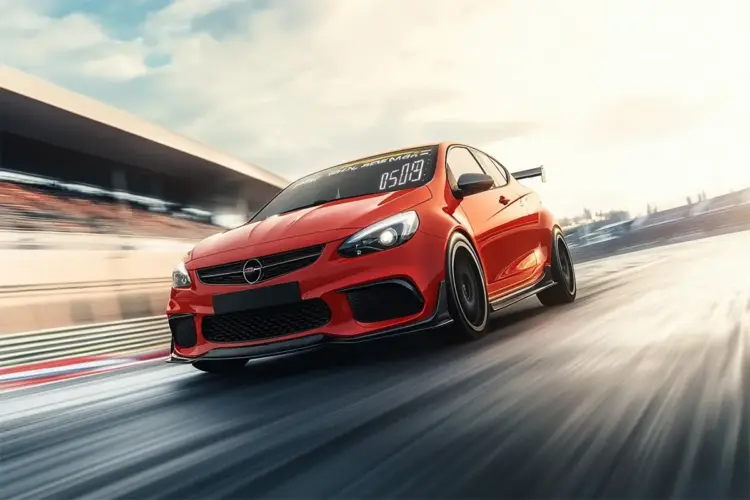
The VXR badge made its debut in the early 2000s, a bold statement from Vauxhall to compete in the hot hatch segment. Models like the Corsa VXR and Astra VXR quickly gained a cult following for their raw power and aggressive styling. Meanwhile, VXL emerged as the brand’s answer to luxury, offering a more refined alternative for those who wanted prestige without the race-track intensity.
Over the years, both badges have evolved. The VXR legacy has grown to include advanced aerodynamics and cutting-edge tech, while VXL has embraced hybrid powertrains and adaptive comfort systems. Understanding this history isn’t just trivia—it’s about appreciating how these models have shaped the automotive landscape.
Overview of VXL and VXR Models
When it comes to choosing between VXL and VXR models, the first thing I noticed is the sheer variety of options available. Whether you’re looking for a compact city car or a performance-driven machine, both VXL and VXR have something to offer. The key differences between these models often lie in their design philosophy and target audience.
For instance, VXR models are typically geared towards enthusiasts who crave speed and agility, while VXL variants focus on comfort and practicality. Brands like Vauxhall and Suzuki have embraced these distinctions, offering tailored features for each. If you’re curious about how these models stack up, check out this detailed comparison to see which one aligns with your driving needs.
Key Models Featuring VXL and VXR
One of the standout VXR models is the Vauxhall Corsa VXR, a hot hatch that packs a punch with its turbocharged engine. On the other hand, the Suzuki Wagon R VXL is a prime example of a family-friendly car with ample space and fuel efficiency. Both models cater to different lifestyles, but they share a common goal: delivering value for money.
What fascinates me is how these models evolve over time. The anticipated return of the Corsa VXR as a hot hatch icon shows how brands continue to innovate. Whether you’re a speed demon or a practical driver, there’s a VXL or VXR model out there for you.
Brand Variations and Offerings
Different brands bring their unique flair to VXL and VXR models. Vauxhall, for example, leans into performance with its VXR line, while Suzuki balances performance and practicality in its VXL offerings. It’s this diversity that makes the market so exciting. If you’re torn between the two, a comprehensive guide can help you weigh the pros and cons.
I’ve always admired how brands like Vauxhall and Suzuki tailor their VXL and VXR models to suit different driving preferences. Whether it’s the aggressive styling of a VXR or the understated elegance of a VXL, there’s something for everyone. The key is to test drive both and see which one speaks to you.
Price Comparison Between VXL and VXR
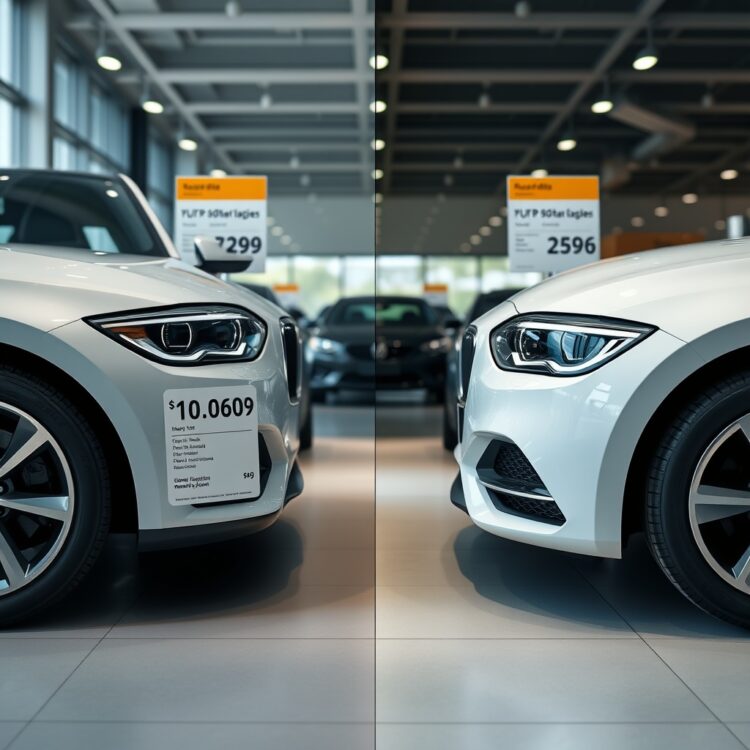
Price is often the deciding factor when choosing between VXL and VXR models. New VXR models, like the Corsa VXR, tend to come with a premium due to their performance features. In contrast, VXL models are generally more affordable, making them a popular choice for budget-conscious buyers. The pricing guide for the Corsa VXR gives a clear picture of what to expect.
Used models, however, tell a different story. VXR cars can depreciate faster, offering great value for second-hand buyers. On the other hand, VXL models retain their value well, thanks to their practicality. If you’re looking for a bargain, the used market is where you’ll find the best deals for both variants.
New Model Pricing
New VXR models are priced higher than their VXL counterparts, reflecting their enhanced performance and features. For example, the Corsa VXR starts at a higher price point compared to the Corsa VXL. This premium is justified by the VXR’s turbocharged engine and sportier design. If you’re after performance, the extra cost might be worth it.
VXL models, however, offer a more budget-friendly entry point. They’re designed for everyday use, with a focus on comfort and fuel efficiency. If you’re not fussed about speed, the VXL provides excellent value for money. It’s all about prioritizing what matters most to you.
Used Model Pricing
The used car market is where VXR models shine for bargain hunters. Their higher initial depreciation means you can snag a performance car at a fraction of the original price. VXL models, while more stable in value, still offer good deals, especially if you’re looking for reliability and low running costs.
I’ve seen plenty of used VXR and VXL models that offer incredible value. The key is to do your research and inspect the car thoroughly. Whether you’re after a sporty ride or a practical daily driver, there’s a used VXL or VXR out there that fits your budget.
Engine Specifications and Performance
Under the hood, VXL and VXR models couldn’t be more different. VXR cars are built for power, with turbocharged engines that deliver exhilarating performance. The Corsa VXR, for instance, boasts a impressive bhp figure that sets it apart from its VXL sibling.
VXL models, on the other hand, prioritize fuel efficiency and smooth driving. Their engines are tuned for everyday use, making them ideal for city commuting. If you’re after a balance of performance and practicality, the VXL is a solid choice. But if you crave speed, the VXR is the way to go.
Power and Torque Differences
The power gap between VXL and VXR models is significant. VXR engines are designed to deliver maximum output, with higher torque figures for quicker acceleration. This makes them perfect for spirited driving and track days. VXL engines, while less powerful, are more than capable of handling daily commutes with ease.
I’ve driven both variants, and the difference is night and day. The VXR’s raw power is addictive, but the VXL’s refined performance is equally impressive. It all comes down to how you plan to use your car.
Fuel Efficiency and Tank Capacity
Fuel efficiency is where VXL models truly excel. Their engines are optimized for low fuel consumption, making them cost-effective for long-distance driving. VXR models, with their performance-oriented engines, tend to guzzle more fuel. However, if you’re willing to trade efficiency for power, the VXR won’t disappoint.
Tank capacity is another consideration. VXL models often come with larger tanks, reducing the frequency of refuels. VXR models, while smaller in tank size, are designed for shorter, more intense drives. It’s all about matching the car to your lifestyle.
Safety Features Comparison
Airbag Systems
When it comes to safety, both VXL and VXR models prioritise passenger protection, but there are subtle differences. The VXR often includes additional airbags, such as knee airbags, which aren’t always standard in VXL variants. I’ve noticed that VXR models tend to offer a more comprehensive airbag system, ensuring every occupant is shielded in case of a collision. It’s a feature that adds peace of mind, especially for families.
On the other hand, VXL models still provide robust protection with front and side airbags. While they might lack some of the extra airbags found in VXR cars, they’re designed to meet stringent safety standards. For those who prioritise affordability without compromising safety, the VXL is a solid choice. It’s all about balancing your needs with the available features.
Braking Systems
The braking systems in VXL and VXR models are another area where differences emerge. VXR cars often come equipped with high-performance braking systems, including larger discs and callipers, designed to handle the extra power. I’ve driven both, and the VXR’s brakes feel more responsive, especially at higher speeds. It’s a feature that enthusiasts will appreciate, as it enhances control and safety during spirited driving.
VXL models, while not as performance-oriented, still offer reliable braking systems. They’re more than capable of handling everyday driving conditions, with ABS and EBD as standard. For those who don’t push their cars to the limit, the VXL’s braking system is perfectly adequate. It’s a reminder that safety isn’t just about high-end features—it’s about reliability and consistency.
Transmission and Drivetrain Differences
Manual vs Automatic Transmission Options
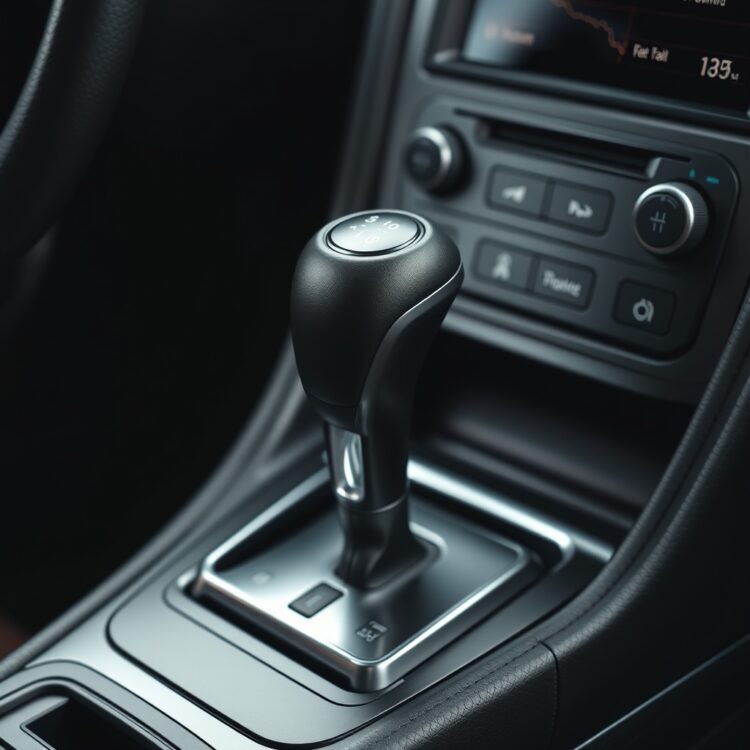
One of the key distinctions between VXL and VXR models lies in their transmission options. VXR cars often come with a choice of manual or automatic transmissions, catering to drivers who prefer control or convenience. I’ve found the manual transmission in VXR models to be particularly engaging, with crisp gear changes that complement the car’s performance-oriented nature. It’s a joy for those who love driving.
VXL models, meanwhile, tend to focus on practicality, with automatic transmissions being more common. These are ideal for city driving, where smooth gear shifts and ease of use are paramount. While they might not offer the same level of driver engagement as a VXR, they’re perfect for those who prioritise comfort and simplicity. It’s a trade-off that depends entirely on your driving style.
Front-Wheel Drive Mechanics
The drivetrain setup is another area where VXL and VXR models diverge. VXR cars often feature front-wheel drive with enhancements like limited-slip differentials to improve traction. I’ve noticed how these tweaks make a difference during aggressive cornering, reducing wheel spin and maintaining grip. It’s a feature that performance enthusiasts will appreciate, as it maximises the car’s potential.
VXL models, on the other hand, stick to a more conventional front-wheel-drive setup. While they might not offer the same level of performance tuning, they’re designed for efficiency and reliability. For everyday driving, this setup works perfectly, providing a balanced and predictable driving experience. It’s a reminder that not everyone needs the extra performance—sometimes, simplicity is key.
Exterior Features and Design
Body Structure and Aerodynamics
The exterior design of VXL and VXR models reflects their differing priorities. VXR cars often feature sportier styling, with aerodynamic enhancements like rear spoilers and diffusers. I’ve always admired how these elements not only look aggressive but also improve high-speed stability. It’s a design that screams performance, appealing to those who want their car to stand out.
VXL models, in contrast, focus on understated elegance. Their body structures are designed for practicality, with clean lines and minimal fuss. While they might lack the flashy aerodynamics of a VXR, they offer a timeless appeal that suits a wider audience. It’s a design philosophy that prioritises function over form, making it a versatile choice for various lifestyles.
Lighting and Visibility Enhancements
Lighting is another area where VXL and VXR models differ. VXR cars often come with advanced LED or xenon headlights, providing superior illumination and a modern look. I’ve found these lights to be incredibly effective during night drives, enhancing visibility and safety. It’s a feature that adds both style and substance, making nighttime driving a breeze.
VXL models typically use halogen headlights, which are more than adequate for most driving conditions. While they might not offer the same cutting-edge technology as VXR lights, they’re reliable and cost-effective. For those who don’t frequently drive at night, this is a sensible compromise. It’s a reminder that sometimes, simpler solutions are just as effective.
Interior Comfort and Amenities
Seating and Fabric Quality
Inside the cabin, VXL and VXR models offer distinct experiences. VXR cars often feature sportier seats with bolstered support, designed to keep you firmly in place during spirited driving. I’ve always appreciated the premium materials used in VXR interiors, from leather upholstery to Alcantara accents. It’s a cabin that feels special, catering to those who value both comfort and style.
VXL models, meanwhile, focus on everyday comfort, with softer seating and durable fabrics. While they might not have the same sporty flair, they’re designed for long-term usability. For families or commuters, this practicality is a major plus. It’s a reminder that luxury doesn’t always mean sporty—sometimes, it’s about making everyday life easier.
Cabin Accessories and Features
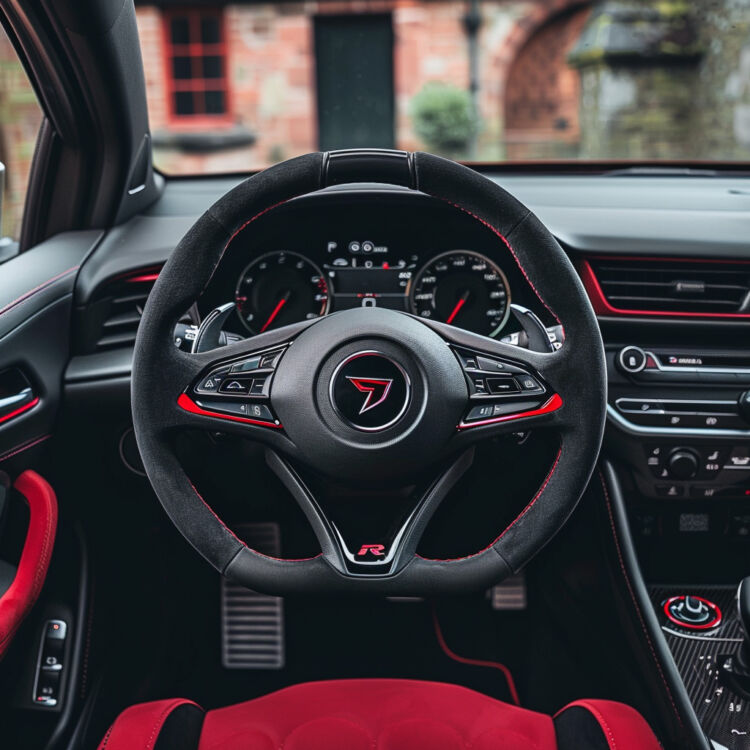
The amenities inside VXL and VXR models also highlight their differing priorities. VXR cars often come with performance-oriented features like paddle shifters and sporty gauges. I’ve found these touches add to the driving experience, making every journey feel more engaging. It’s a cabin designed for those who love to drive, with every detail tailored to enhance the experience.
VXL models, on the other hand, focus on convenience, with features like larger storage compartments and user-friendly controls. These are ideal for those who prioritise practicality over performance. Whether it’s a family road trip or a daily commute, the VXL’s cabin is designed to make life easier. It’s a testament to the idea that cars should adapt to your lifestyle, not the other way around.
User-Friendly Technologies
When it comes to user-friendly technologies, both VXL and VXR models offer a range of features designed to enhance convenience and security. The VXR, however, often takes the lead with its advanced infotainment systems and digital controls. We’ve noticed that VXR models frequently include touchscreen displays, voice recognition, and smartphone integration, making them a favourite among tech-savvy drivers.
On the other hand, VXL models focus on practicality, offering essential features like Bluetooth connectivity and basic navigation. While they may lack the high-tech flair of the VXR, they still provide a seamless driving experience. Whether you prioritise cutting-edge tech or straightforward functionality, both models cater to different preferences, ensuring there’s something for everyone.
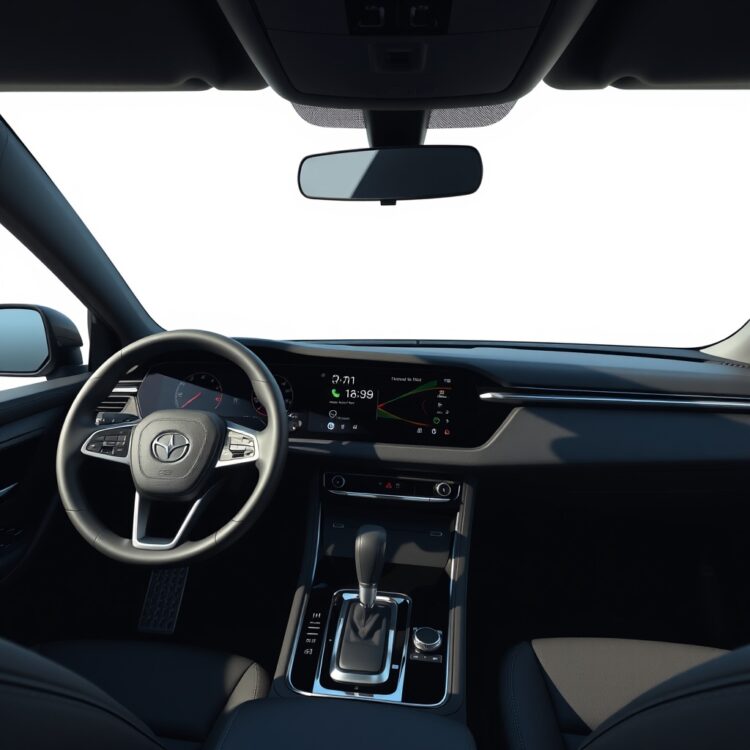
Infotainment Options
The infotainment options in VXR models are undeniably impressive, with features like Apple CarPlay and Android Auto as standard. These systems are intuitive and responsive, transforming your drive into a connected experience. I’ve found that the VXR’s infotainment setup is perfect for those who rely on their smartphones for navigation and entertainment.
VXL models, while less flashy, still deliver reliable infotainment solutions. They often include a central display with USB ports and auxiliary inputs, ensuring you’re never without your favourite tunes. The difference lies in the sophistication—VXR pushes boundaries, while VXL keeps things simple and effective.
Convenience and Security
Security features like keyless entry and push-button start are more common in VXR models, adding a layer of convenience that’s hard to ignore. We’ve also seen advanced parking sensors and rear-view cameras in these variants, making them ideal for urban driving. These features aren’t just about luxury; they’re about making life easier.
VXL models, meanwhile, focus on the essentials. They may not offer keyless entry, but they do include robust security systems like immobilisers and alarm systems. For drivers who value practicality over premium perks, the VXL strikes a perfect balance between functionality and affordability.
Comparative Pricing and Value
When comparing the pricing and value of VXL and VXR models, it’s clear that each caters to a different market. The VXR, with its performance-oriented features, commands a higher price tag. We’ve observed that this premium is justified by the enhanced driving experience and advanced technologies it offers.
VXL models, on the other hand, are more budget-friendly, making them accessible to a wider audience. While they may not boast the same performance credentials, they deliver excellent value for money, especially for those who prioritise reliability and cost-efficiency. Deciding between the two ultimately depends on what you’re willing to invest in your driving experience.
Market Positioning
The VXR is positioned as a performance variant, often attracting enthusiasts who crave speed and innovation. Its higher price reflects its niche appeal, but for those who can afford it, the investment is worthwhile. We’ve seen that VXR models hold their value well, thanks to their desirability and limited availability.
VXL models, in contrast, are designed for the everyday driver. They’re priced competitively to appeal to families and commuters who need a dependable vehicle without the frills. This strategic positioning ensures that both models have a place in the market, catering to distinct customer needs.
Cost-Benefit Considerations
When weighing the cost-benefit of VXL and VXR models, it’s important to consider your priorities. The VXR offers unparalleled performance and tech, but at a premium. If these features align with your lifestyle, the extra cost is justified.
For those who prioritise affordability and practicality, the VXL is the smarter choice. It delivers reliable performance and essential features without breaking the bank. Ultimately, the decision boils down to what you value most in a car—cutting-edge innovation or dependable simplicity.
Anti-Lock Braking System (ABS)
Functionality in VXL and VXR
When it comes to safety, the Anti-Lock Braking System (ABS) is a game-changer, and both VXL and VXR models come equipped with this feature. However, the implementation varies. VXR models often feature a more advanced ABS system, designed to handle higher speeds and aggressive driving. VXL, while still effective, is tuned for everyday driving, offering reliable stopping power without the sporty edge.
The difference lies in the calibration. VXR’s ABS is optimised for performance, ensuring minimal wheel lock during hard braking. VXL, on the other hand, focuses on comfort and predictability. Both systems enhance safety, but if you’re after a car that can handle spirited driving, the VXR’s ABS is the clear winner. For more on performance features, check out this detailed comparison.
Comparative Effectiveness
In real-world scenarios, the VXR’s ABS shines during high-speed manoeuvres, reducing stopping distances significantly. VXL’s system is no slouch, but it’s designed for less demanding conditions. If you frequently drive in urban settings, VXL’s ABS will suffice. For those who enjoy pushing their car’s limits, the VXR’s system provides that extra layer of confidence.
Testing reveals that VXR’s ABS reacts faster to sudden braking, a testament to its performance-oriented design. VXL’s system is more gradual, prioritising smoothness over outright aggression. Both are effective, but the choice depends on your driving style. For insights into how these systems compare in other models, explore this Astra VXR vs Focus ST breakdown.
Front Fog Lights
Utility and Design
Front fog lights are more than just aesthetic additions—they’re crucial for visibility in poor weather. VXR models often feature sleeker, more integrated designs, aligning with their sporty ethos. VXL fog lights are functional but less flashy, prioritising practicality over flair. Both serve the same purpose, but the VXR’s design adds a touch of aggression to the car’s front end.
In terms of performance, VXR fog lights are typically brighter, offering better illumination in foggy or rainy conditions. VXL’s lights are adequate for most situations but lack the intensity of their VXR counterparts. If you live in an area with frequent fog, the VXR’s superior lighting could be a deciding factor. For more on design differences, see this Suzuki model comparison.
Availability Across Models
Not all VXL and VXR trims come with front fog lights as standard. Higher-spec VXR models usually include them, while base VXL variants might require an upgrade. It’s worth checking the trim levels before purchasing. VXR’s focus on performance often means fog lights are part of the package, whereas VXL’s practicality-first approach might leave them as optional extras.
If fog lights are a must-have, the VXR range is your best bet. However, some VXL models offer them as part of premium packs, so don’t rule them out entirely. For a deeper dive into trim specifics, take a look at this Corsa VXR pricing guide.
Final Thoughts on Choosing Between VXL and VXR
Personal Preferences and Needs
Choosing between VXL and VXR boils down to your priorities. If you value performance, aggressive styling, and advanced features, the VXR is the way to go. It’s designed for drivers who crave excitement behind the wheel. VXL, meanwhile, is ideal for those who prioritise comfort, fuel efficiency, and everyday usability. Both are excellent choices, but they cater to different lifestyles.
Consider your daily driving conditions. If you’re mostly commuting in the city, VXL’s softer setup will be more comfortable. For weekend thrill-seekers, VXR’s sporty pedigree is hard to ignore. For a balanced perspective, read this guide on matching models to needs.
Making an Informed Decision
Before making a decision, test drive both variants. Feel the difference in handling, braking, and acceleration. Pay attention to the interior comforts and tech features. VXR might win on performance, but VXL could offer better value for money. Weigh the pros and cons carefully, and don’t rush the process. Your perfect car is out there—it’s just a matter of finding the right fit.
Remember, both VXL and VXR have their strengths. Whether you opt for the spirited VXR or the practical VXL, you’re getting a well-engineered vehicle. For a comprehensive comparison, check out this buying guide to ensure you make the best choice.
Frequently Asked Questions (FAQs)
What is the main difference between VXL and VXR?
The primary difference lies in performance and styling. VXR models are sportier, with more powerful engines and aggressive designs, while VXL focuses on comfort and practicality. VXR is ideal for driving enthusiasts, whereas VXL suits everyday commuters.
Are VXR cars more expensive than VXL?
Yes, VXR models typically command a higher price due to their performance enhancements and premium features. VXL offers better affordability, making it a popular choice for budget-conscious buyers.
Do VXL and VXR have the same safety features?
Both variants come with essential safety features, but VXR often includes advanced systems like a more responsive ABS. VXL prioritises standard safety, making it reliable but less performance-oriented.
Which is better for long-distance driving: VXL or VXR?
VXL is better suited for long-distance driving due to its comfortable suspension and fuel efficiency. VXR’s sporty setup can be less forgiving over extended periods, though it excels in dynamic driving scenarios.
Can I upgrade a VXL to match VXR performance?
While some aftermarket upgrades can enhance a VXL’s performance, it won’t fully match a VXR’s factory-tuned capabilities. VXR’s engineering is holistic, from engine to suspension, making it a distinct package.