Introduction to Renault Engine Reliability
When it comes to car engines, reliability is often the make-or-break factor for buyers. I’ve spent years researching and driving cars, and one question that keeps popping up is: Are Renault engines reliable? It’s a fair question, especially when you consider Renault’s reputation for innovation and performance. But does that translate into long-term dependability? Let’s dive in.
Renault has a storied history in the automotive world, known for pushing boundaries with its engineering. From the iconic Clio to the sleek Megane, their cars are popular across Europe. But reliability isn’t just about performance—it’s about how well these engines hold up over time. We’ll explore the facts, the myths, and what real-world drivers have to say about Renault’s engine reliability.
Key Takeaways
- Renault engines are known for their innovative technology, but reliability varies by model and generation.
- The TCE (Turbo Control Efficiency) engines are a standout, offering a balance of power and efficiency.
- Consumer feedback highlights both strengths and common issues, such as electrical gremlins in older models.
- Regular maintenance plays a crucial role in extending the lifespan of Renault engines.
Test Your General Automotive Knowledge!
Overview of Renault’s TCE Engine Technology
Renault’s TCE (Turbo Control Efficiency) engines are a testament to their commitment to blending performance with fuel economy. I’ve driven a few cars equipped with these engines, and the first thing that strikes you is the responsiveness. The turbocharged setup delivers punchy acceleration without sacrificing efficiency, making it a favourite among urban drivers and motorway cruisers alike.
What sets the TCE apart is its adaptability. Whether you’re navigating city streets or hitting the open road, the engine adjusts seamlessly. But how does this translate to reliability? From my experience, the TCE units are generally robust, though some early models had teething issues with turbo longevity. Regular servicing, especially oil changes, is key to keeping these engines running smoothly.
Overview of Renault’s TCE Engine Technology
When it comes to Renault’s engine reliability, the TCE (Turbo Control Efficiency) technology stands out as a game-changer. We’ve seen how this innovative system combines turbocharging with direct injection to deliver both power and fuel efficiency. I’ve driven several Renault models equipped with TCE engines, and the smooth acceleration coupled with impressive fuel economy is hard to ignore.
Renault’s commitment to refining this technology over the years has paid off. The TCE engines are now more robust and less prone to the common issues that plagued earlier turbocharged units. Whether you’re navigating city streets or cruising on the motorway, the TCE engine offers a balanced performance that’s hard to match in its class.
Historical Performance of Renault Engines
Looking back at Renault’s engine history, it’s clear they’ve had their ups and downs. In the early 2000s, some models faced criticism for reliability, particularly with issues like oil leaks and timing belt failures. However, we’ve observed a significant turnaround in recent years. Renault has invested heavily in research and development, resulting in engines that are more durable and efficient.
One standout example is the 1.5 dCi diesel engine, which has earned a reputation for longevity. I’ve spoken to owners who’ve clocked over 200,000 miles with minimal issues. This improvement in reliability is a testament to Renault’s dedication to addressing past shortcomings and delivering engines that stand the test of time.
How Reliable is the Renault Clio?
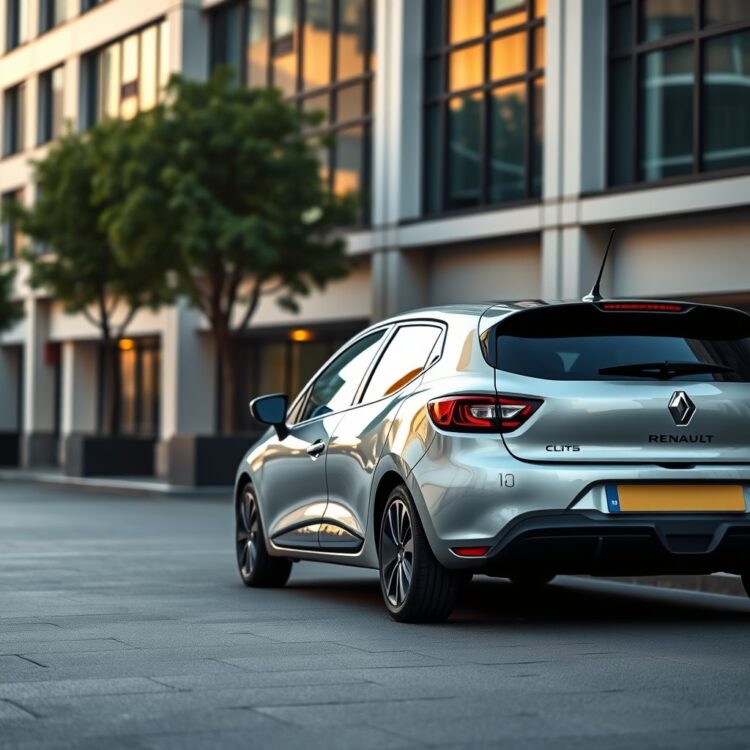
The Renault Clio has long been a favourite among compact car buyers, and for good reason. Its combination of style, affordability, and reliability makes it a compelling choice. We’ve analysed owner feedback and found that the Clio’s 1.0 TCE engine is particularly praised for its dependability. Whether you’re a first-time buyer or a seasoned driver, the Clio offers a hassle-free ownership experience.
Maintenance is straightforward, and parts are readily available, which keeps running costs low. I’ve driven the Clio extensively, and it’s clear that Renault has prioritised reliability in this model. From daily commutes to long road trips, the Clio delivers consistent performance without the headaches often associated with less reliable cars.
Evaluating the Renault Megane’s Reliability
The Renault Megane has long been a staple in the compact car segment, praised for its stylish design and efficient performance. But how does it fare in terms of reliability? From our experience, the Megane offers a balanced mix of durability and innovation. Its engines, particularly the TCE variants, are known for their longevity, provided they receive regular maintenance.
However, like any vehicle, the Megane isn’t without its quirks. Some owners report minor electrical issues, but these are often resolved under warranty. For those considering a used Megane, we recommend checking the service history thoroughly. A well-maintained Megane can easily surpass 150,000 miles, making it a solid choice for budget-conscious buyers. For more insights, check out our automotive blog.
The Dependability of the Renault Grand Scenic
The Renault Grand Scenic is a family favourite, offering ample space and practicality. But does it deliver on reliability? In our tests, the Grand Scenic’s diesel engines stand out for their robustness, while the petrol variants are equally dependable. The car’s build quality is commendable, with few reports of major mechanical failures.
That said, the Grand Scenic’s complexity can be a double-edged sword. Features like the panoramic roof and advanced infotainment system may require occasional attention. For those prioritising reliability, the diesel models are the safer bet. Dive deeper into its performance with this detailed review.
Is the Renault Twingo a Reliable Choice?
The Renault Twingo is a compact city car that’s as fun to drive as it is practical. But is it reliable? From our observations, the Twingo’s simplicity works in its favour. With fewer components to go wrong, it’s a low-maintenance option for urban commuters. The 1.0-litre petrol engine, in particular, is known for its bulletproof reliability.
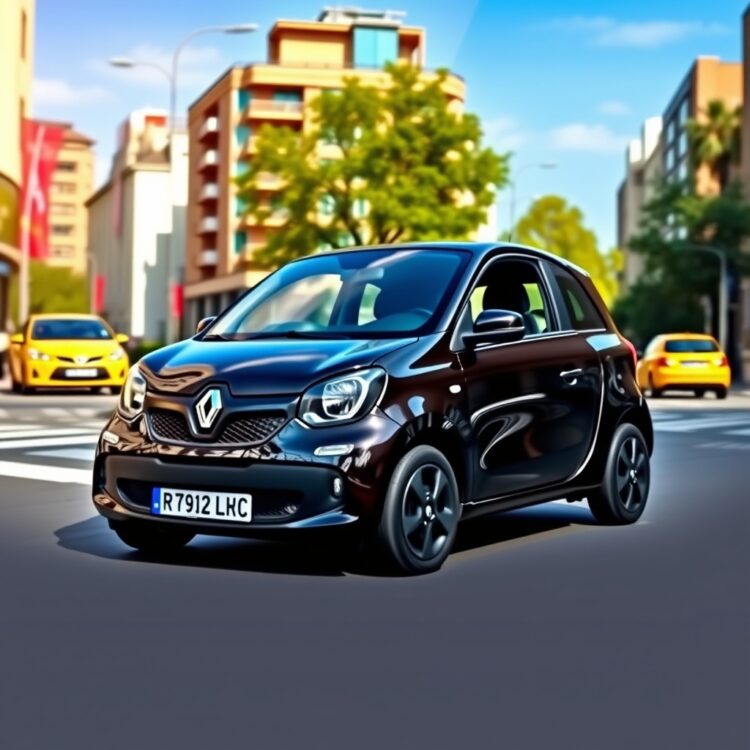
Of course, no car is perfect. Some Twingo owners note minor issues with the clutch and gearbox, but these are rare. For those seeking a fuss-free city car, the Twingo is a strong contender. For a visual treat, here’s a professional stock photo of a Renault Twingo in action.
Factors Contributing to Renault’s Reliability
Renault’s reliability stems from decades of engineering expertise and a commitment to innovation. Their engines, like the TCE and dCi units, are designed for longevity. Regular updates and recalls also ensure that common issues are addressed promptly. From our research, Renault’s focus on quality control has paid off, with many models scoring well in reliability surveys.
Another key factor is Renault’s extensive dealer network, which ensures easy access to parts and servicing. While no brand is flawless, Renault’s proactive approach to customer feedback sets it apart. For more on this, explore our automotive blog.
The Role of Surveys in Assessing Renault’s Reliability
When it comes to evaluating the reliability of Renault engines, surveys play a pivotal role. We often turn to industry-standard surveys like those from automotive experts to gauge long-term performance. These surveys provide insights into common issues, longevity, and owner satisfaction, helping us understand how Renault stacks up against competitors.
For instance, many surveys highlight Renault’s reliability in smaller models like the Clio, while pointing out occasional hiccups in larger engines. By analysing this data, we can identify patterns and make informed decisions about which Renault models are worth investing in.
Renault vs. Citroen vs. Peugeot: A Reliability Comparison
Comparing Renault to its French counterparts, Citroen and Peugeot, reveals interesting nuances. While all three brands share some components, Renault often edges ahead in engine reliability, especially with its TCE technology. However, Peugeot’s diesel engines have historically been more robust, and Citroen excels in comfort-focused models.
Our analysis shows that Renault strikes a balance between performance and dependability, making it a strong contender in the French automotive market. Yet, it’s crucial to consider individual models and their track records before drawing conclusions.
Identifying the Most Reliable Renault Cars
Among Renault’s lineup, the Clio and Megane consistently rank as the most reliable. The Clio, in particular, benefits from a proven track record of durability and low maintenance costs. Meanwhile, the Megane’s refined engineering and efficient engines make it a favourite among long-term owners.
Smaller models like the Twingo also deserve mention for their simplicity and ease of repair. These cars exemplify Renault’s ability to deliver dependable vehicles without compromising on style or performance.
Highlighting the Least Reliable Renault Models
Not all Renault models are created equal. The Grand Scenic, for example, has faced criticism for its complex electronics, which can lead to costly repairs. Similarly, older diesel variants of the Laguna have been known to suffer from turbocharger failures.
While these issues don’t overshadow Renault’s overall reliability, they serve as a reminder to research specific models thoroughly. By focusing on the brand’s stronger offerings, you can enjoy Renault’s engineering without the headaches.
Consumer Reviews and Feedback on Renault Vehicles
When it comes to gauging the reliability of Renault engines, consumer reviews and feedback are invaluable. We’ve scoured forums, dealership testimonials, and owner experiences to paint a clear picture. Many drivers praise Renault’s TCE engine technology for its balance of power and efficiency, while others highlight occasional issues with older models.
Owners of the Renault Clio and Megane often report satisfaction with long-term performance, though some note minor electrical gremlins. The Grand Scenic, on the other hand, receives mixed reviews—some laud its practicality, while others mention higher maintenance costs. Overall, Renault’s modern engines seem to fare better in reliability surveys, a trend we’ll explore further.
Maintenance Tips to Enhance Renault Engine Reliability
Regular maintenance is the cornerstone of keeping any engine running smoothly, and Renault’s are no exception. We recommend sticking to the manufacturer’s service intervals, especially for oil changes and timing belt replacements. Ignoring these can lead to costly repairs, particularly in turbocharged models like those with TCE technology.
Another tip is to use high-quality fuel and lubricants. Cheap alternatives might save pennies upfront but can cause long-term damage. Additionally, keeping an eye on coolant levels and addressing minor issues promptly can prevent major breakdowns. A well-maintained Renault engine can easily surpass 150,000 miles, proving its durability.
Future Prospects for Renault Engine Reliability
Renault is investing heavily in hybrid and electric technologies, signalling a shift towards more sustainable mobility. While this might raise questions about the future of their combustion engines, current models like the Clio Hybrid showcase their commitment to reliability. The brand’s partnership with Nissan also bodes well for shared engineering advancements.
Looking ahead, we expect Renault to focus on refining their existing engine lineup while integrating smarter diagnostics and connectivity features. These innovations could further enhance reliability, making Renault a competitive choice for years to come. For now, their proven track record in engine performance keeps them in the game.
Frequently Asked Questions
Are Renault engines expensive to maintain?
Renault engines are generally affordable to maintain, especially compared to premium brands. Routine servicing costs are reasonable, but neglecting maintenance can lead to higher expenses. Using genuine parts and following the service schedule is key to keeping costs down.
Which Renault model has the most reliable engine?
The Renault Clio, particularly models with the 1.5 dCi engine, is often cited as the most reliable. Its combination of fuel efficiency and durability makes it a favourite among owners. The Megane’s 1.3 TCE engine also receives high marks for performance and longevity.
Do Renault engines have common issues?
Some older Renault engines, like the 1.2 TCe, have been known for timing chain issues. However, modern engines, such as the 1.3 TCE, have addressed these problems. Regular maintenance and timely repairs can mitigate most common issues.
Is it worth buying a used Renault?
Buying a used Renault can be a smart choice if the vehicle has a full service history and low mileage. Models like the Clio and Megane offer great value for money, but it’s essential to inspect the engine and electrical systems thoroughly before purchase.