In the world of cars, speed has always captured our imagination. We find ourselves asking what is the fastest car out there. Among the contenders is the Devel Sixteen, a car like no other. With a staggering claimed top speed of 348 mph, it breaks records and challenges the boundaries of engineering. This V16-powered hypercar stands at the pinnacle of what modern technology can achieve.
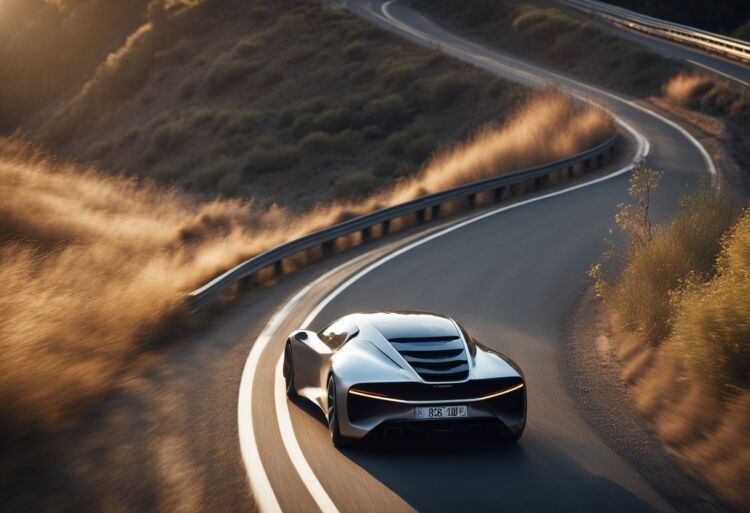
The Devel Sixteen’s specifications are mind-blowing. From its 5,000-horsepower engine to its sleek design, it’s a marvel of automotive technology. It’s a car that not only races past limits but also showcases the future of speed.
When we talk about the fastest car, we get a glimpse of the future and all its possibilities. The Devel Sixteen represents not just the present state but also the future of hypercars. Its creation is a testament to human ingenuity and our relentless drive to go faster and farther.
Key Takeaways
- Devel Sixteen claims a top speed of 348 mph.
- It features a powerful 5,000-horsepower V16 engine.
- Represents the cutting edge of hypercar engineering.
The Quest for Speed
In our pursuit of speed, we examine the incredible capabilities of the modern hypercar. These vehicles are engineered for extreme performance, pushing the limits of what a car can achieve. Their power and precision define them as some of the fastest cars in the world.
The hunt for speed has produced amazing models like the Devel 16, which claims an astounding top speed with its 5,007-horsepower engine. This concept car aims to set new benchmarks in automotive engineering, rivalling the performance of other supercars.
How Well Do You Know Ford?
Achievements in Speed:
- Bugatti Chiron Super Sport 300+: Holds a record top speed of 304.8 mph, marking it as one of the notable fastest cars in the world.
- Bugatti W16 Mistral: Set a top-speed record for open-top cars by reaching 453.91 km/h, showcasing outstanding engineering.
Our fascination with these machines stems from their ability to redefine what is possible. Each hypercar and supercar demonstrates innovation in design and power, keeping us captivated by their feats.
Ultimately, these cars are not just about reaching maximum speeds. They embody our relentless quest to break barriers and redefine the limits of automotive technology. Such continuous advancements ensure that the journey to create the next fastest car is never-ending.
Pinnacle of Engineering: Devel Sixteen
The Devel Sixteen stands as a testament to modern engineering. Built to push the boundaries of speed, it brings an exceptional blend of power and innovation.
At its heart is a striking 12.3-litre V16 engine crafted by Steve Morris Engines. This powerhouse delivers a jaw-dropping 5,007 horsepower. Such power is rare, even among hypercars.
Performance is key in the world of hypercars. The Devel Sixteen claims incredible top speeds that can reach up to 348 mph (560 km/h). This aim for such remarkable speeds pushes the limits of what is technically feasible.
We marvel at the design and engineering that enable these speeds. Advanced materials and cutting-edge aerodynamics play a crucial role in lessening drag and maximising performance. These features combine to showcase the Devel Sixteen’s extraordinary capabilities.
The creation of such a hypercar is an exciting venture for us. It combines passion and precision, raising questions and expectations about the future of automotive engineering.
Ultimately, these innovations signal a new era. They remind us of the endless possibilities that await in the automotive world, driven by cars like the Devel Sixteen.
Definition of Hypercars
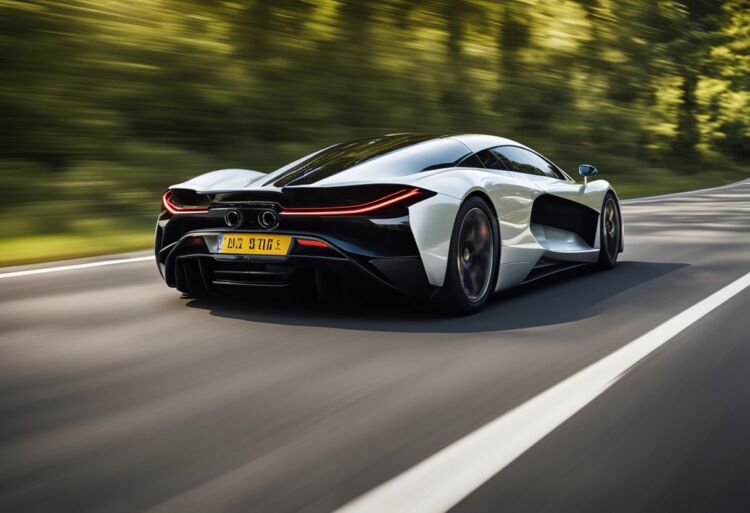
Hypercars represent the pinnacle of automotive engineering, delivering unmatched performance, speed, and innovation. They often utilise cutting-edge technology and design to push the limits of what is possible on wheels. These marvels are not just vehicles; they are feats of human ingenuity and craftsmanship.
Hybrid and Electric Innovations
In recent years, hybrid and electric hypercars have become game changers in the automotive world. Vehicles like the McLaren P1 and Porsche 918 serve as prime examples of how electric motors can be paired with traditional combustion engines to enhance performance. The marriage of a twin-turbocharged V8 or similar engine with electric motors boosts acceleration and reduces fuel consumption.
This combination doesn’t compromise speed or thrill. Usually, these models can achieve extreme speeds while delivering the eco-benefits of electric technology. Faster 0-60 mph times and improved efficiency are key outcomes. As technology evolves, hybrid and electric innovations will likely continue to shape the future of hypercars, offering ever-greater performance without sacrificing environmental concerns.
The Legacy of Bugatti
Bugatti is synonymous with the hypercar label, having set benchmarks with its Veyron and Chiron models. The Veyron, introduced in 2005, took the world by storm as the fastest production car, boasting a powerful quad-turbocharged W16 engine. This engineering marvel impressed with its ability to reach speeds previously unimagined for road-legal cars.
Following in its footsteps, the Chiron pushed boundaries even further. Offering a blend of luxury and power, it too became iconic. Both models epitomise the pursuit of speed and commitment to excellence. Bugatti’s continued influence ensures the hypercar market remains vibrant, continually pushing the envelope of what’s achievable in speed and design.
A New Era of Speed: Electric Motors
Electric motors have ushered in a new era for hypercars. Once reliant solely on horsepower from combustion engines, today’s hypercars gain significant advantages from electric propulsion. Electric motors provide instant torque, propelling drivers from 0 to 60 mph in astonishing times. Vehicles like the Rimac C_Two highlight this shift in technology.
Unlike traditional models, these electric hypercars offer quieter rides and fast acceleration without the usual emissions. This paradigm shift in how power is generated and delivered appeals to both speed enthusiasts and environmentally conscious drivers. As technology continues to advance, electric motors are poised to make hypercars faster than ever, redefining speed limits without gasoline’s environmental impact.
Technological Marvels in Details
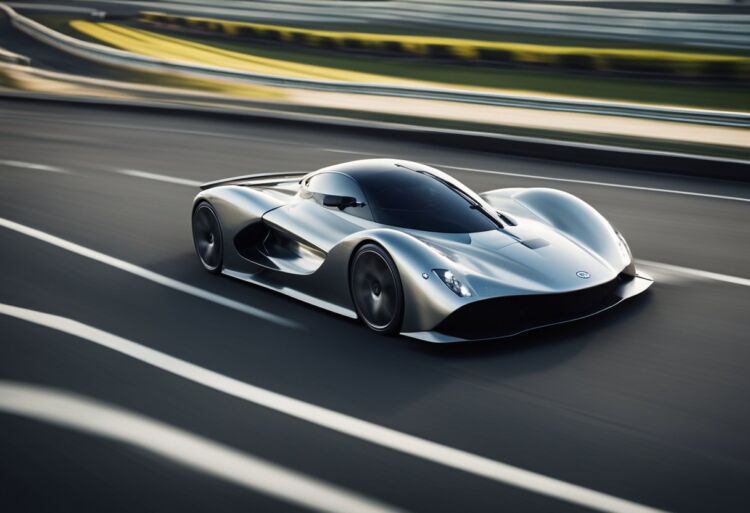
In this section, we explore key features that make the fastest cars, like the Devel Sixteen, technological marvels. These vehicles push boundaries with their power, efficiency, and design.
Horsepower and Torque Explained
Horsepower and torque are crucial for the speed and performance of supercars. Horsepower measures an engine’s power over time, allowing a car to reach high speeds quickly. For instance, the acclaimed Devel Sixteen boasts a staggering horsepower, sometimes claimed to reach 5000 hp.
Torque reflects the engine’s ability to produce rotational force. It’s vital for acceleration, helping cars achieve rapid 0-60 mph times. A powerful engine balances both horsepower and torque to deliver impressive acceleration and top speed.
Efficiency in converting fuel to power is crucial. High horsepower and torque ensure that cars not only achieve record-breaking speeds but do so consistently and reliably.
Turbochargers and Engine Efficiency
Turbochargers play a key role in boosting engine performance, allowing smaller engines to produce more power. They enhance engine efficiency by using exhaust gases to drive a turbine, which forces more air into the combustion chamber.
This increased air intake boosts combustion efficiency, resulting in higher power without needing a larger engine. For cars targeting record speeds, like those reviewed on Carwow, turbochargers are essential in maintaining high performance.
Turbochargers also contribute to better fuel economy. By improving efficiency, we can achieve remarkable speeds while keeping the engine lightweight, which is essential for achieving fast acceleration and maintaining agility.
The Role of Aerodynamics
Aerodynamics is a critical aspect that affects a car’s performance. A car’s design must minimise drag to reach higher speeds and maintain stability.
The car’s drag coefficient measures its resistance to air. Lowering it by refining the body shape reduces turbulence and friction, enabling cars to slice through air more efficiently. Using carbon fibre and lightweight materials further enhances aerodynamics by reducing weight.
Advanced designs often include features like active spoilers or diffusers. These adapt to changing speeds and help maintain optimal grip and stability, ensuring the car remains controllable even at extreme velocities.
Suspension and Handling
Suspension systems contribute significantly to a car’s handling, allowing it to corner quickly and maintain control. A well-designed suspension balances the need for comfort and performance.
Using sophisticated adaptive systems, the suspension adjusts to different road conditions, enhancing grip and comfort. This precision in handling ensures that the car remains stable even when pushed to its limits.
Many high-performance cars use lightweight materials, such as carbon fibre, in their suspension components. This reduces weight and enhances agility, making the car more responsive. With advanced suspension and handling, drivers can navigate sharp turns with confidence, keeping the car stable and secure.
Exemplary Models
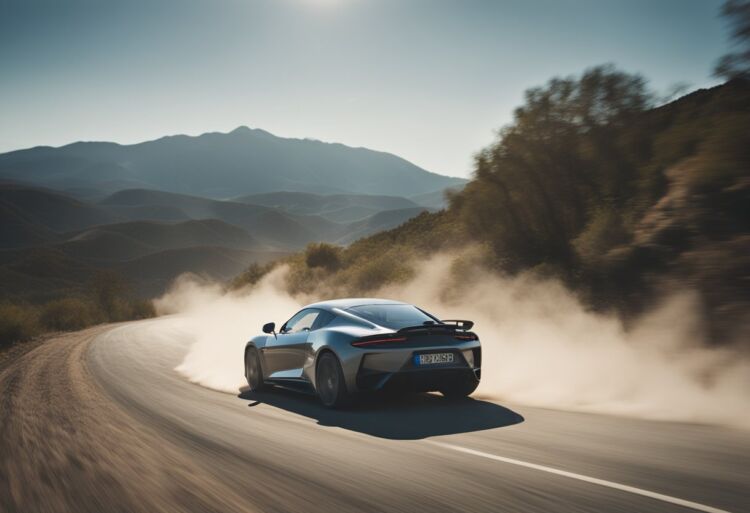
In the world of high-speed cars, several models stand out due to their groundbreaking engineering and innovation. These cars have not only pushed the limits of speed but have also captured the imagination of car enthusiasts around the world.
Bugatti Veyron: A Legacy
The Bugatti Veyron remains a symbol of speed and luxury. When it first launched, it was considered one of the fastest cars in the world. With its W16 engine and 1,001 horsepower, the Veyron could reach speeds over 250 mph. This groundbreaking achievement set a new standard for what a supercar could achieve, combining luxury with unmatched performance.
Our fascination with the Veyron stems not only from its speed but also its advanced technology. The Veyron’s design focuses on aerodynamics, allowing it to reach and maintain high speeds safely. This model paved the way for future innovations, inspiring successors like the Bugatti Chiron Super Sport 300+ which later broke new records.
Koenigsegg Agera RS: The Speed Demon
Koenigsegg Agera RS is famed for its incredible speed, holding the title of the fastest production car for a period. Powered by a twin-turbo V8 engine, it produces 1,160 bhp. The Agera RS reached a top speed of 277 mph, setting a record at the time. This remarkable achievement highlighted Koenigsegg’s commitment to innovation and excellence in automotive engineering.
The Agera RS was designed with lightweight materials, improving both speed and handling. The innovative aerodynamic design allows it to remain stable even at high speeds, making it a favourite among those who value both style and substance. Its influence on the market is undeniable, encouraging manufacturers to push the boundaries of speed.
Ferrari and Porsche: The Pursuit of Speed
Ferrari and Porsche have always been at the forefront of speed and performance. The Ferrari LaFerrari is a hybrid supercar that stunned the automotive world with its use of a V12 engine paired with an electric motor, achieving a combined output of over 950 hp. The LaFerrari demonstrates our ongoing commitment to merging traditional power with modern technology.
Similarly, the Porsche 918 Spyder also adopts hybrid technology, offering about 887 hp. It excels in both speed and handling, achieving notable track times while maintaining everyday usability. These models reflect Ferrari’s and Porsche’s dedication to speed and technological advancement, ensuring their place in the annals of automotive history.
The Significance of Carbon Fibre
When it comes to high-performance vehicles, carbon fibre is a game-changer. This material is incredibly strong yet lightweight, making it ideal for use in car bodies and other components. By reducing the overall weight of a vehicle, carbon fibre enhances speed, acceleration, and fuel efficiency.
Weight Reduction: Carbon fibre offers significant weight savings compared to traditional materials like steel. This reduction improves handling and responsiveness.
Strength and Durability: Despite being lightweight, carbon fibre is incredibly strong. It can withstand impacts and stresses, contributing to both performance and safety.
In the racing world, carbon fibre is a crucial component. For example, in Formula 1, it plays a key role in construction and helps teams achieve high performance and safety standards.
Additionally, car manufacturers are exploring sustainable options. Mercedes plans to use innovative sustainable carbon fibre composites, showing a shift towards environmentally friendly materials without sacrificing performance. This trend is likely to influence future car designs.
By using carbon fibre and other lightweight materials, we can push the boundaries of what’s possible. This means faster, safer, and more efficient cars. As technology advances, so will our ability to integrate these materials into vehicles, ensuring they remain at the forefront of automotive innovation.
Future of Automotive Speed
As we explore the future of automotive speed, we notice fascinating trends shaping the next generation of production cars. The blend of traditional engineering and advanced technology is opening new doors for hypercars that will revolutionise the way we think about speed.
Electric motors are becoming a key player in this arena. These power units, distinct from traditional internal combustion engines, provide quick acceleration and improve efficiency. This transition offers a peek into the future, where electric hypercars might dominate the landscape.
Manufacturers are also focusing on refining production models to achieve peak performance. With innovations in aerodynamics and lightweight materials, cars are pushing boundaries to become faster yet remain safe and functional for everyday use.
The automotive industry is at a turning point, with emphasis on sustainability while still craving speed. As enthusiasts, we witness the emergence of new technologies and designs that keep challenging the limits of what’s possible. The future looks promising with these technological advancements paving the way for an exciting era of automotive speed.
Frequently Asked Questions
The Devel Sixteen has attracted a lot of attention with its impressive claims regarding speed and power. Let’s dive into some common questions about this remarkable vehicle and what sets it apart from the rest.
How much does the Devel Sixteen cost?
The Devel Sixteen is designed for extreme performance, and its price reflects that. The cost can vary, but initial reports suggest a range between $1.6 million and $2 million.
Can the Devel Sixteen exceed a top speed of 300 mph?
The makers claim the Devel Sixteen can reach speeds up to 348 mph. This places it well beyond the 300 mph mark. The actual top speed might depend on various conditions, but such potential speed is a significant claim.
Which vehicle holds the title of the world’s fastest car?
Though the Devel Sixteen is a strong contender with its claimed top speeds, it’s crucial to recognise that official titles often depend on verified speed tests and regulatory acknowledgements. At the moment, no official records verify the Devel Sixteen as the fastest.
What are the specifications of the Devel Sixteen’s engine?
The Devel Sixteen is reported to have a quad-turbo V16 engine with a remarkable power output of 5,000 horsepower. The engine’s size is reportedly 12.3 litres.
How does the Devel Sixteen’s acceleration compare to that of the Bugatti?
The acceleration capabilities of the Devel Sixteen have been said to rival the best in the world. For instance, Bugatti vehicles like the Chiron have exceptional acceleration, achieving 0-60 mph in about 2.5 seconds. The Devel’s claims suggest a competitive edge with similar or even superior speeds.
Which production car has officially achieved the highest recorded speed?
Currently, the Bugatti Chiron Super Sport 300+ officially holds the record for the highest speed achieved by a production car. It reached an impressive 304.773 mph in 2019. While the Devel Sixteen has impressive features, no official speeds have surpassed Bugatti’s record to our knowledge.