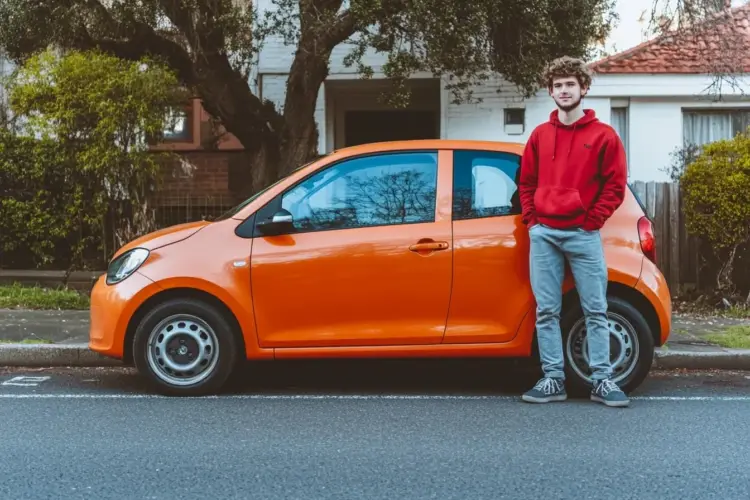
Choosing the right car for an 18-year-old can feel overwhelming, with so many factors to think about: cost, safety, reliability, and of course, the style that suits their personality. The best car for an 18-year-old often balances affordability, safety, and fuel efficiency, making models like the Ford Fiesta and Renault Clio popular choices. Both of these cars are known for being economical to run and easy to handle, which is ideal for new drivers.

When it comes to picking a car, we have to consider both upfront costs and long-term expenses. Insurance, fuel consumption, and maintenance are crucial points that impact the decision. Cars like the Hyundai i10 and Vauxhall Corsa are also strong contenders because they are financially accessible and have a trustworthy reputation.
Our journey to find the best car should not just start and end with the choice itself. We must look into finance options and ownership essentials to ensure everything aligns with our budget and needs. With these perspectives, we can help make the car buying process as smooth and stress-free as possible for young drivers and their families.
Key Takeaways
- Balance safety, cost, and efficiency when choosing a car.
- Consider long-term expenses like insurance and maintenance.
- Explore financing and ownership options carefully.
Understanding Car Ownership for Young Drivers
When we talk about car ownership for young drivers, important factors include safety features, legal obligations, and financial aspects. These elements help young drivers make informed decisions about buying a car.
How Well Do You Know Ford?
The Importance of Safety Features
Safety is crucial for young drivers. Features like airbags, anti-lock braking systems (ABS), and electronic stability control (ESC) play vital roles. Airbags protect us by inflating in a crash, while ABS prevents wheels from locking up during sudden stops, maintaining steering control. ESC helps us maintain control on slippery roads. When choosing a car, prioritising these features can significantly reduce the risk of accidents. Young drivers can often find these safety features in modern cars and some well-maintained used cars.
Legal Requirements and Insurance
Owning a car comes with legal obligations. Young drivers must ensure their vehicle is roadworthy and meets legal standards. Car insurance is mandatory in the UK, and insurance rates vary based on the car’s model, age, and safety features. Vehicle Excise Duty (VED) – a road tax – also depends on the car’s emissions. We should consider these costs when selecting a car to ensure compliance and budgetary balance.
Assessing Running Costs and Affordability
Running costs can significantly impact our finances. Factors such as fuel efficiency, road tax, and routine maintenance should be considered. More efficient cars save money on fuel, and those with lower emissions can reduce VED. Regular servicing and maintenance prevent larger expenses later. Affordability encompasses both the purchase price and ongoing expenses, ensuring that the car remains within our budget. We should aim to choose a vehicle that fits both our needs and our wallet.
Pros and Cons of New Versus Used Cars
When deciding between a new car and a used car, both have advantages and disadvantages. New cars often include the latest safety features and technology, plus a warranty. They can be more expensive initially. Used cars might offer affordability and lower insurance premiums, but they could require more maintenance and lack some modern safety features. Evaluating our priorities, such as safety, cost, and reliability, can guide us to the right choice.
Top Considerations When Choosing a Car
When selecting a car for an 18-year-old, we must look at factors like fuel efficiency, reliability, and size. Thinking about these will help us pick a vehicle that suits young drivers’ needs, focusing on both practicality and safety.
Fuel Economy and Environmental Considerations
Fuel economy is vital when choosing a car, helping us reduce running costs and environmental impact. Cars with good mileage save money at the pump and reduce pollution. Electric cars are particularly beneficial as they produce no emissions and often come with incentives.
In our search, we should consider hybrid models as well. They offer a compromise between traditional petrol vehicles and fully electric cars, providing excellent mileage and lower emissions. Keeping fuel efficiency in mind can ensure long-term savings and a greener choice for the planet.
Reliability and Maintenance Costs
A reliable car is key for an 18-year-old driver to ensure safety and avoid unexpected repair costs. We should focus on brands known for their dependability and low breakdown rates. Cars with fewer mechanical issues will save money and offer peace of mind.
Maintenance costs also play a big role. Choosing a vehicle with affordable parts and repair services can significantly lower upkeep expenses. It’s wise to look into model-specific concerns, read user reviews, and check warranties. This way, we can pick a car that offers the best in long-term reliability and cost-effectiveness.
Size and Type of Car
The size and type of car matter, especially for new drivers. While a compact car is often easier to handle, a small van or SUV might offer more space and versatility. We should consider what the car will primarily be used for, such as commuting, transporting friends, or carrying sports equipment.
Driving comfort and safety features also depend on the car type. It’s necessary to look at crash test ratings and evaluate the handling in both urban and rural settings. Selecting the right size and type helps in balancing day-to-day practicality with ease of use and safety.
Recommended Cars for 18-Year-Olds

When selecting a first car for an 18-year-old, considerations include budget-friendly options that are reliable, easy to handle, and have low insurance costs. Let’s explore different categories that meet these criteria.
Superminis and City Cars
Superminis and city cars are often ideal for new drivers. They’re compact, making them easy to park and manoeuvre in tight spaces. The Toyota Aygo X is a popular choice due to its simple design and affordability. The Aygo X is economical and has a good safety record, which is crucial for young drivers.
Another strong option is the Kia Picanto, known for its solid build and modern features. It’s a practical, budget-friendly choice with low running costs, perfect for an 18-year-old’s first car. Additionally, these models generally sit in low insurance groups, reducing the financial burden for young drivers.
Hatchbacks with Low Insurance Group Ratings
Hatchbacks like the Ford Fiesta are often recommended due to their balance of performance and affordability. The Fiesta, particularly with a 1.25-litre engine, offers a fun driving experience while remaining economical on fuel.
Similarly, the Vauxhall Corsa is a notable option. It has a reputation for reliability and low maintenance costs. These hatchbacks typically fall into lower insurance groups, making them financially viable for young adults.
The Volkswagen Polo offers a slightly more premium feel while still being a cost-effective choice. It’s sturdy, stylish, and comes with various safety features that make it appealing for new drivers.
Affordable Compact Cars with Advanced Features
For those looking for compact cars with a bit more tech, the Hyundai i10 stands out. It combines modern features like Bluetooth connectivity and a spacious interior with affordability and efficiency.
The Peugeot 208 provides a comfortable driving experience and is equipped with advanced features, offering value for money. Its stylish design and fuel efficiency make it an attractive option.
Lastly, the Skoda Fabia offers practicality with a spacious boot and user-friendly gadgets. It provides good fuel economy and a comfortable ride—perfect for young drivers venturing into the world of car ownership.
Car Financing and Purchase Strategies

Let’s explore strategies to buy a car as an 18-year-old, focusing on finance options, how to find the best deals, and the importance of test driving. Each part offers key insights to help us make informed decisions.
Understanding Finance Options
When it comes to financing a car, there are several paths we can explore. Personal loans are one option, often provided by banks with fixed interest rates over a set term. Another popular route is hire purchase, where we pay an initial deposit followed by monthly instalments until the car is fully paid off. Additionally, personal contract purchase allows us to use the car for a specified period and then either own it by paying a final sum or return it.
We should consider the impact of our credit score and history on these finance choices. Lenders often provide better terms to those with good credit scores, which may be limited for young borrowers. Exploring specialist lenders who cater to young drivers could also prove beneficial.
Taking Advantage of Deals and Offers
There are various deals we can take advantage of when buying a car. Many dealers provide promotional offers such as reduced interest rates or cashback incentives. It’s beneficial to shop around and compare these deals. Websites like Quotezone offer comparisons of finance options, which can help streamline our search for the best offers.
We should also look out for seasonal promotions or clearance sales at car dealerships, which might include discounts on older models. Being informed about these offers can significantly reduce our overall costs and make the process more affordable.
The Role of a Test Drive in Decision Making
A test drive is crucial in our car-buying journey. It provides an opportunity to assess the vehicle’s performance, comfort, and suitability for our daily needs. During the test drive, we can evaluate crucial aspects like handling, braking, and whether the car feels right for us.
It’s important to test different models if we’re undecided. This allows us to make informed comparisons between features and driving experiences. It’s not just about seeing a car online; a test drive gives us a real feel for what the car is like on the road.
Ownership Essentials

When it comes to owning a car, understanding basic features and car maintenance, smart servicing, and preparing for both the driving test and future road experiences are crucial. These elements help us make informed decisions and ensure smooth driving while maximising the vehicle’s value.
Learning Basic Features and Car Care
As new car owners, it’s vital that we familiarise ourselves with the vehicle’s basic features. This includes understanding controls like headlights, indicators, and wipers. Doing so ensures safety and confidence on the road.
Regular maintenance extends a car’s lifespan. We should learn to check the oil level, tyre pressure, and coolant. These basic tasks prevent unnecessary breakdowns. For those who opt for second-hand cars, understanding the vehicle’s history and previous maintenance is essential.
Maximising Value through Smart Servicing
To keep our cars running optimally, we should commit to a consistent servicing schedule. Regular services help catch potential issues early, preventing expensive repairs later. Following the manufacturer’s service schedule can also maintain the car’s warranty, preserving its long-term value.
Keeping detailed service records is another useful practice. This can increase a second-hand car’s resale value, showing potential buyers that the car has been well-maintained. Prioritising reliable mechanics ensures that the vehicle receives high-quality care.
Preparing for the Driving Test and Beyond
Before hitting the road, passing the driving test is essential. Practising fundamental driving skills and understanding road signs are critical steps in our preparation. The driving test evaluates our ability to handle diverse road situations.
Once we have our licence, continuous learning is important. We should engage in advanced driving courses to further polish our skills. This not only helps in personal safety but also reduces the likelihood of accidents, which is particularly important for young drivers.
Our experiences from a structured learning environment can affect our driving behaviour positively in the long run.
Alternative Options to Consider
When considering a car for an 18-year-old, it’s important to explore other viable options. These alternatives might not just save money but also offer valuable experiences and flexibility.
Exploring Public Transport and Car Sharing
Public transport is a cost-effective option for young drivers. Buses, trains, and trams can help avoid the initial purchase cost and ongoing expenses like insurance and petrol. Many cities offer student discounts, making it even more affordable. Using public transport also eases traffic congestion and reduces pollution, aligning with our environmental goals.
Car sharing services provide flexibility without the commitment of ownership. Schemes like Zipcar or local equivalents allow us to rent cars on an hourly or daily basis. This option can be attractive for infrequent drivers who want access to cars without the financial burden attached to owning one.
The Benefits of Waiting for the Right Vehicle
Waiting before purchasing a car can be beneficial for several reasons. Budget constraints are a common issue for young drivers. By waiting, we give ourselves time to save for a more reliable and affordable vehicle that won’t require expensive repairs. It also allows us to research and find a car that best fits personal needs.
Moreover, waiting provides an opportunity to improve driving skills with more practice through lessons or family cars. This increased experience can lead to better driving records, resulting in lower insurance premiums in the future. Waiting also helps in understanding long-term transportation needs, making it easier to choose a suitable vehicle.
Frequently Asked Questions
In this section, we look at some common concerns when choosing a car for an 18-year-old. We’ll cover affordable options, safety features, insurance factors, and popular vehicles among young drivers.
What are the most affordable cars for an 18-year-old to insure?
Cars like the Volkswagen T-Roc are popular because of their lower insurance rates. Finding a vehicle with a good insurance group rating can save young drivers a lot. It’s wise to choose a car that balances cost with safety features.
Which vehicles are recommended for an 18-year-old’s first car?
Common recommendations include the Vauxhall Corsa, Ford Fiesta, and Toyota Yaris. These cars are known for reliability and ease of use, which makes them suitable for new drivers. Many of them hold their value well, too.
What factors should be considered when buying a car for a teenager?
Key factors include safety, reliability, and fuel efficiency. It’s also important to think about insurance costs and how easy the car is to drive. Practicality and maintenance costs can affect long-term satisfaction with the vehicle.
Which cars are popular among 18-year-olds for their low insurance rates?
The Ford Fiesta and Renault Clio are often chosen for their affordability in insurance. These models usually come with features that insurers look favourably upon, lowering premiums.
What are the safest car models for new drivers, particularly 18-year-olds?
Models like the Skoda Fabia and Volkswagen T-Roc have good safety ratings. They come equipped with modern safety features, which not only protect drivers but also help reduce insurance premiums.
How does the vehicle type affect car insurance premiums for 18-year-old drivers?
Smaller cars typically come with lower premiums because they are considered less risky and have smaller engines. Selecting an SUV or larger vehicle could lead to higher insurance costs. It’s crucial to choose a car that fits both the budget and insurance needs of young drivers.