
Introduction
Ever wondered who gets behind the wheel of a Ferrari? It’s not just about speed or style—it’s a lifestyle. I’ve spent years diving into the world of luxury car ownership, and today, we’re cracking the code on the average age of a Ferrari owner. From prestige to demographics, let’s uncover what makes these drivers tick. Buckle up; this is going to be a thrilling ride.
Key Takeaways
- The average Ferrari owner is typically in their late 40s to early 50s.
- Male buyers dominate Ferrari ownership, but female ownership is rising.
- High-income professionals and entrepreneurs are the most common buyers.
- Urban areas see the highest concentration of Ferrari owners.
- Celebrity ownership and social media trends are reshaping the Ferrari landscape.
Test Your General Automotive Knowledge!
Introduction to Ferrari Ownership
The Prestige of Owning a Ferrari
Owning a Ferrari isn’t just about driving—it’s a statement. I’ve seen firsthand how these cars symbolise success, passion, and exclusivity. Whether it’s the roar of the engine or the sleek design, Ferrari ownership is a dream many chase but few achieve. It’s a club where membership comes with unparalleled bragging rights and a legacy of excellence.
Historical Overview of Ferrari Owners
Ferrari’s clientele has evolved over decades. From racing legends to business moguls, the brand has always attracted the elite. I’ve dug into archives and found that early owners were often motorsport enthusiasts. Today, the profile has shifted, but the allure remains. It’s fascinating how Ferrari has maintained its mystique while adapting to modern tastes.
Demographic Analysis of Ferrari Owners
Age Distribution Among Ferrari Owners
When we dive into the age distribution of Ferrari owners, it’s clear that this isn’t a young person’s game. Most owners fall into the 40-60 age bracket, with a significant portion even older. Why? Because owning a Ferrari isn’t just about the car—it’s about the lifestyle, the status, and the financial stability that comes with age. We’ve seen younger enthusiasts, but they’re the exception, not the rule.
Interestingly, the under-40 crowd is growing, thanks to social media and younger entrepreneurs making their mark. But even then, they’re outliers. The majority of Ferrari owners have spent decades building their wealth, and they’re not shy about flaunting it. If you’re dreaming of owning one, patience is key. It’s a long game, but oh, is it worth it.
Gender Breakdown of Ferrari Ownership
Let’s talk about the gender split. Historically, Ferrari ownership has been male-dominated, and that hasn’t changed much. Men still make up around 85% of Ferrari owners, but the tide is slowly turning. More women are stepping into the driver’s seat, both literally and figuratively, as they break barriers in high-earning professions and entrepreneurship.
We’re seeing a shift, though. Brands like Ferrari are actively courting female buyers with tailored experiences and marketing. It’s a slow burn, but the future looks more balanced. For now, though, if you’re at a Ferrari meet-up, expect to see mostly men. But don’t let that stop you—women belong in the driver’s seat just as much as anyone else.
The Average Age of a Ferrari Owner
Current Statistics on Average Age
So, what’s the magic number? The average age of a Ferrari owner hovers around 52. That’s right—most Ferrari owners are in their early 50s. This isn’t surprising when you consider the financial commitment. A Ferrari isn’t just a car; it’s a statement, and that statement comes with a hefty price tag. Most people need decades to build the kind of wealth required to buy one outright.
But here’s the kicker: the average age is dropping. Younger buyers, especially those in tech and finance, are entering the scene earlier. They’re leveraging their success to skip the waiting game. Still, the majority of owners are seasoned professionals who’ve earned their stripes—and their Ferraris—the hard way.
Trends in Age Over the Years
Looking back, the average age of Ferrari owners has shifted slightly downward. In the 1990s, it was closer to 60. Today, it’s in the early 50s. Why? Because wealth accumulation is happening faster for some. The rise of Silicon Valley and global entrepreneurship has created a new breed of young millionaires who don’t wait to enjoy the fruits of their labour.
But don’t expect this trend to continue indefinitely. Ferraris are timeless, and so is the appeal of owning one. Whether you’re 30 or 70, the dream remains the same. The only difference is how long you’re willing to wait to make it a reality.
Geographic Distribution of Ferrari Owners
Countries with the Highest Number of Ferrari Owners
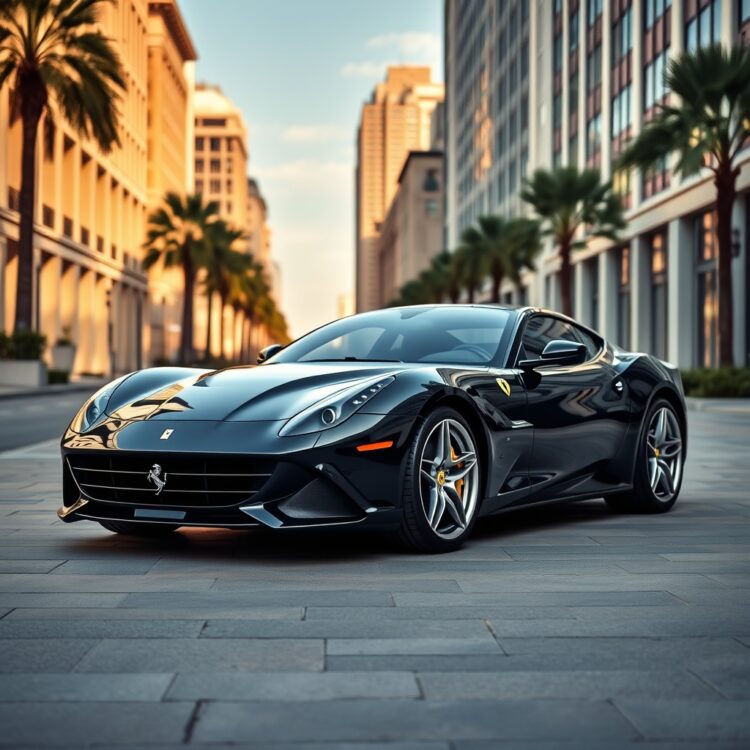
Ferrari ownership isn’t evenly distributed—it’s concentrated in wealthier nations. The US leads the pack, followed by Germany, the UK, and the UAE. These countries have the perfect mix of high-net-worth individuals and a culture that celebrates luxury. In places like Dubai, Ferraris are almost a status symbol, a way to announce your arrival—literally and figuratively.
But it’s not just about wealth. It’s about infrastructure. Countries with well-maintained roads and a car culture see higher Ferrari ownership. That’s why you’ll find more Ferraris in Monaco than in, say, rural India. It’s a combination of money, mindset, and the right environment.
Urban vs. Rural Ownership
Unsurprisingly, Ferraris are an urban phenomenon. Cities like London, New York, and Hong Kong are Ferrari hotspots. Why? Because that’s where the money is. Rural areas might have wealthy residents, but they lack the infrastructure and social scene that make Ferrari ownership appealing. Plus, let’s be honest—a Ferrari on a dirt road? Not exactly the dream.
But there’s a twist. Some rural billionaires do own Ferraris, but they’re often weekend toys, not daily drivers. They’ll trailer their cars to events or keep them in city garages. For most, though, Ferraris are city cars, meant to be seen and admired. And in the urban jungle, they fit right in.
Income Levels of Ferrari Owners
Average Income of Ferrari Owners
When we talk about Ferrari owners, we’re diving into a world where financial prowess is a given. The average income of a Ferrari owner typically exceeds £250,000 annually, placing them firmly in the top 1% of earners globally. This isn’t just about affording the car; it’s about maintaining a lifestyle that aligns with the brand’s exclusivity. From insurance to maintenance, the costs add up, and only those with substantial disposable income can keep up.
Interestingly, many Ferrari owners don’t just rely on a single income stream. Diversified investments, business ventures, and high-profile careers contribute to their wealth. Whether it’s through automotive investments or other lucrative opportunities, financial stability is key. The allure of Ferrari ownership isn’t just about the car—it’s a statement of success.
Source of Wealth Among Owners
Digging deeper, the sources of wealth among Ferrari owners are as varied as the models themselves. Entrepreneurs dominate the scene, with many having built empires from scratch. Corporate executives and tech moguls also feature prominently, leveraging their high salaries and stock options to fund their passion for luxury cars. It’s not uncommon to find owners who’ve turned hobbies like speed racing into profitable ventures.
Celebrities and athletes also make up a significant portion of Ferrari owners, thanks to their hefty paychecks and endorsement deals. The common thread? A relentless drive to achieve and sustain wealth. For many, owning a Ferrari is the ultimate reward for years of hard work and smart financial decisions.
The Role of Profession in Ferrari Ownership
Common Professions Among Ferrari Owners
Ferrari ownership often correlates with high-earning professions. Tech CEOs, hedge fund managers, and real estate tycoons are frequent faces in the Ferrari community. These roles not only provide the financial means but also the prestige that aligns with the brand’s image. It’s a symbiotic relationship—owning a Ferrari enhances their status, and their success justifies the purchase.
Surprisingly, doctors and lawyers, while well-paid, are less common among Ferrari owners. The demands of their professions often leave little time for the indulgence of supercar ownership. Instead, it’s the risk-takers and innovators who dominate, proving that Ferrari ownership is as much about mindset as it is about money.
Entrepreneurs vs Corporate Executives
Entrepreneurs and corporate executives approach Ferrari ownership differently. Entrepreneurs often view their Ferraris as trophies of their independence and risk-taking. For them, the car symbolizes the freedom to enjoy the fruits of their labour. Corporate executives, on the other hand, may see it as a perk of climbing the corporate ladder, a tangible reward for years of dedication.
Both groups, however, share a common trait: ambition. Whether they’ve built their own empires or risen to the top of corporate hierarchies, their journeys reflect the competitive spirit that Ferrari embodies. The car becomes an extension of their identity, a testament to their achievements.
Ferrari Ownership Among Celebrities

Famous Ferrari Owners
Celebrities and Ferraris are a match made in heaven. From actors like Cristiano Ronaldo to musicians like Jay-Z, the list of famous Ferrari owners is extensive. These high-profile individuals don’t just buy Ferraris—they become ambassadors for the brand, showcasing its allure to millions of fans. Their ownership often sparks trends, influencing aspirational buyers to follow suit.
What’s fascinating is how these celebrities customise their Ferraris to reflect their personalities. Unique paint jobs, bespoke interiors, and even performance tweaks are common. For them, a Ferrari isn’t just a car; it’s a canvas for self-expression. This level of personalisation further cements the bond between the brand and its elite clientele.
The Influence of Celebrity Ownership
Celebrity ownership has a ripple effect on Ferrari’s brand perception. When a superstar is seen behind the wheel of a Ferrari, it elevates the car’s desirability. Social media amplifies this effect, with posts and videos reaching global audiences instantly. The aspirational value skyrockets, making Ferrari ownership a dream for many.
This influence isn’t lost on Ferrari’s marketing team. They often collaborate with celebrities for campaigns, leveraging their star power to attract new buyers. It’s a win-win: celebrities get to flaunt their status, and Ferrari gains unparalleled exposure. The result? A brand that’s as much about culture as it is about cars.
The Impact of Social Media on Ferrari Ownership
Social Media Trends Among Owners
Social media has revolutionised Ferrari ownership. Platforms like Instagram and YouTube are flooded with content featuring Ferraris, from garage tours to track days. Owners use these platforms to showcase their cars, connect with fellow enthusiasts, and even monetise their passion. The hashtag #Ferrari alone has millions of posts, proving the brand’s digital dominance.
For many, social media is a way to validate their investment. The likes, comments, and shares serve as social proof, reinforcing their decision to own a Ferrari. It’s a modern twist on the age-old desire for recognition—only now, the audience is global, and the engagement is instant.
The Role of Instagram and YouTube
Instagram and YouTube are the go-to platforms for Ferrari content. Instagram’s visual appeal makes it perfect for showcasing the car’s design, while YouTube’s video format allows for in-depth reviews and driving experiences. Influencers and owners alike use these platforms to build communities around their shared passion.
This digital ecosystem also influences purchasing decisions. Prospective buyers often turn to authoritative sources for insights before making a purchase. The blend of user-generated content and expert reviews creates a comprehensive resource, making social media an indispensable tool in the Ferrari ownership journey.
The Buying Process for a Ferrari
Steps to Purchasing a Ferrari
Buying a Ferrari isn’t as simple as walking into a dealership and driving away. It’s a meticulous process that begins with research. We start by identifying the model that suits our lifestyle, whether it’s the sleek Portofino or the powerful SF90 Stradale. Next, we connect with an authorised Ferrari dealer, where exclusivity often means waiting lists. Customisation options are endless, from paint colours to interior finishes, making each Ferrari uniquely ours.
Once we’ve finalised the specifications, the dealer guides us through the order process. A deposit is typically required to secure the build slot. The waiting period can range from months to over a year, depending on the model’s demand. During this time, we receive updates on the car’s production, including factory visits if we’re lucky. The final step is delivery, a momentous occasion often celebrated with a personalised handover experience.
Customization Options for Owners
Ferrari’s Tailor Made programme allows us to create a car that reflects our personality. We can choose from a vast palette of colours, including historic hues like Rosso Corsa. Interior options extend beyond leather to include exotic materials like Alcantara or carbon fibre. Personalised stitching, embroidered logos, and even bespoke luggage sets are available. The goal is to make the Ferrari unmistakably ours, a true extension of our identity.
Beyond aesthetics, performance upgrades are also on the table. We can opt for lightweight components, enhanced aerodynamics, or even a racing exhaust for a more exhilarating sound. Ferrari’s Atelier service takes customisation further, offering one-of-a-kind designs. Whether it’s a tribute to a classic model or a completely original concept, the possibilities are limitless. This level of personalisation ensures our Ferrari stands out in a sea of supercars.
The Cost of Owning a Ferrari
Initial Purchase Price vs. Long-Term Costs
The sticker price of a Ferrari is just the beginning. Entry-level models like the Roma start around £170,000, while limited editions like the Monza SP1 can exceed £1 million. However, the financial commitment doesn’t end there. Insurance premiums are steep, reflecting the car’s value and performance. Annual maintenance costs can run into thousands, with services often required every 12 months or 10,000 miles, whichever comes first.
Depreciation is another factor, though Ferraris tend to hold their value better than most cars. Rare models often appreciate, making them sound investments. Fuel costs are significant, especially for high-performance models with thirsty engines. Tyres and brakes wear out faster due to the car’s aggressive driving dynamics. All these factors add up, making Ferrari ownership a long-term financial commitment beyond the initial purchase.
Maintenance and Insurance Expenses
Ferrari’s maintenance programme is comprehensive but costly. Routine services include oil changes, fluid checks, and software updates, often performed by certified technicians. Parts are expensive, and labour rates are high due to the specialised nature of the work. Extended warranties are available but come at a premium. For peace of mind, many owners opt for Ferrari’s official service plans, which bundle costs into manageable payments.
Insurance is another major expense. Premiums vary based on factors like driving history, location, and model. High-performance Ferraris attract higher rates due to their speed and repair costs. Some insurers offer tailored policies for supercars, including track-day coverage. It’s worth shopping around to find the best deal. Despite the costs, the thrill of driving a Ferrari makes it a worthwhile investment for enthusiasts.
Ferrari Ownership Clubs and Communities
Benefits of Joining a Ferrari Club
Joining a Ferrari club opens doors to a world of exclusive experiences. We gain access to private track days, where we can push our cars to the limit in a controlled environment. Club events include scenic drives, concours competitions, and social gatherings with like-minded enthusiasts. These clubs often partner with Ferrari for factory tours and previews of new models. It’s a chance to immerse ourselves in the brand’s rich heritage.
Beyond events, clubs offer practical benefits. Members share advice on maintenance, modifications, and insurance. Some clubs negotiate discounts with service centres or insurers. The camaraderie is priceless, whether it’s swapping stories over dinner or planning a cross-country rally. For many, the friendships forged in these clubs are as rewarding as the cars themselves. It’s a community that celebrates the passion for Ferrari.
Notable Ferrari Clubs Worldwide
The Ferrari Club of America is one of the largest, with chapters across the U.S. and Canada. In Europe, the Ferrari Owners’ Club GB is a hub for British enthusiasts. The Ferrari Club Deutschland caters to German owners, while the Ferrari Club Australia serves fans Down Under. Each club organises unique events, from historic rallies to charity fundraisers. Membership often includes a subscription to exclusive Ferrari magazines and newsletters.
Smaller, regional clubs offer a more intimate experience. The Ferrari Club of Switzerland, for example, hosts alpine drives with breathtaking scenery. The Ferrari Club Japan is known for its meticulous attention to detail, mirroring the brand’s ethos. No matter where we are, there’s likely a Ferrari club nearby. These organisations keep the spirit of Ferrari alive, fostering a global network of passionate owners.
The Psychological Aspect of Owning a Ferrari
The Status Symbol of a Ferrari
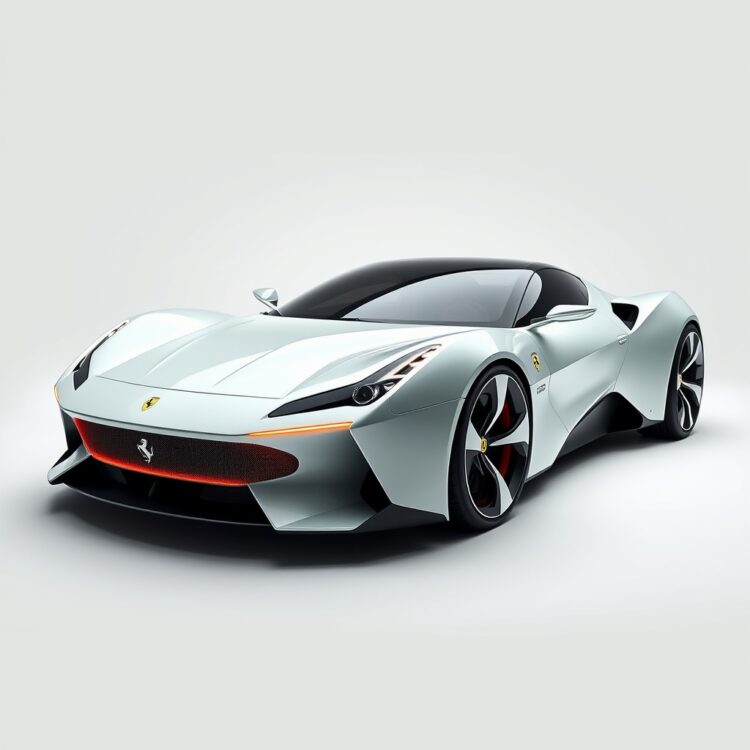
Owning a Ferrari is more than just driving a car—it’s a statement. The prancing horse emblem symbolises success, ambition, and a taste for the finer things. We’re instantly recognised as part of an elite group, whether at a red light or a high-profile event. The attention is undeniable, from admiring glances to spontaneous conversations. It’s a status symbol that transcends borders, universally associated with excellence.
Yet, the allure goes beyond vanity. Ferrari ownership reflects a commitment to craftsmanship and performance. It’s a nod to the brand’s racing pedigree and engineering prowess. For many, it’s the culmination of years of hard work. The car becomes a tangible reward for our achievements. While the status is gratifying, the deeper satisfaction comes from knowing we own a piece of automotive history.
Personal Satisfaction and Happiness
The joy of driving a Ferrari is unparalleled. The roar of the engine, the precision of the steering, and the adrenaline rush of acceleration create an emotional connection. It’s not just a car; it’s a source of pride and happiness. Every drive feels special, whether it’s a weekend blast or a daily commute. The car becomes an extension of our personality, a reflection of our passion for excellence.
Beyond the driving experience, Ferrari ownership fosters a sense of belonging. We become part of a global community of enthusiasts who share our passion. The car sparks conversations, builds friendships, and creates memories. It’s a lifestyle that enriches our lives in unexpected ways. For many, the happiness derived from owning a Ferrari is immeasurable, making it more than just a car—it’s a dream realised.
The Future of Ferrari Ownership
Predictions for Demographic Shifts
We’re seeing a fascinating shift in Ferrari ownership demographics. Younger enthusiasts are entering the market, driven by tech wealth and a growing appreciation for luxury. While the average age remains high, it’s gradually decreasing. We predict this trend will accelerate, especially as electric Ferraris attract a new generation. The brand’s legacy will adapt, blending tradition with innovation to captivate younger buyers.
Another factor is the rise of female Ferrari owners. Historically male-dominated, the landscape is evolving. Women now account for a growing percentage of buyers, reflecting broader societal changes. We expect this diversity to enrich the Ferrari community, fostering a more inclusive culture. The future of Ferrari ownership isn’t just about age—it’s about embracing a wider audience.
The Impact of Electric Vehicles
Electric Ferraris are set to revolutionise ownership. While purists may hesitate, the allure of cutting-edge performance is undeniable. We believe electric models will attract younger, eco-conscious buyers without alienating traditionalists. The shift to electrification also opens doors to urban owners, as charging infrastructure expands. Ferrari’s electric future isn’t just a trend—it’s a strategic evolution.
Maintenance costs may also change with electric models. Fewer moving parts could reduce long-term expenses, making ownership more accessible. However, the exclusivity of Ferrari will remain intact. Whether petrol or electric, the thrill of driving a Ferrari is timeless. We’re excited to see how this new chapter unfolds, blending innovation with the brand’s iconic heritage.
Comparing Ferrari Ownership to Other Luxury Cars
Ferrari vs Lamborghini Ownership
Owning a Ferrari versus a Lamborghini is a matter of personal preference. Ferraris are often seen as refined, with a focus on precision and heritage. Lamborghinis, on the other hand, are bold and futuristic. We find Ferrari owners value the brand’s racing pedigree, while Lamborghini enthusiasts crave attention-grabbing design. Both offer exclusivity, but the driving experience differs significantly.
Resale value is another key difference. Ferraris tend to hold their value better, thanks to their timeless appeal. Lamborghinis, while equally prestigious, may depreciate faster. We recommend test-driving both to understand which aligns with your lifestyle. Whether you choose Ferrari’s elegance or Lamborghini’s audacity, both deliver unparalleled excitement.
Ferrari vs Porsche Ownership
Porsche and Ferrari cater to distinct audiences. Ferraris are weekend toys, while Porsches often serve as daily drivers. We appreciate Porsche’s practicality, but nothing matches Ferrari’s emotional connection. The ownership experience is also different—Ferrari clubs are tightly knit, whereas Porsche communities are more widespread. It’s a choice between versatility and pure passion.
Cost-wise, Ferraris are pricier to maintain, but the investment is worth it for enthusiasts. Porsches offer reliability, but Ferraris deliver unmatched prestige. We’ve met owners who’ve switched from Porsche to Ferrari and never looked back. If you’re torn, consider your priorities: practicality or the ultimate driving thrill.
Personal Stories from Ferrari Owners
Inspirational Ownership Journeys
One owner we spoke to saved for decades to buy his dream Ferrari. His story is a testament to perseverance and passion. Another, a young entrepreneur, achieved his goal by 30, proving age is no barrier. These journeys remind us that Ferrari ownership isn’t just about wealth—it’s about dedication. Every Ferrari has a story, and each owner adds to the brand’s legacy.
We’ve also heard from owners who inherited their Ferraris, cherishing them as family heirlooms. These cars become part of personal histories, transcending their mechanical brilliance. Whether self-made or inherited, Ferrari ownership is a milestone. It’s not just a car; it’s a symbol of achievement and dreams realised.
Challenges Faced by Owners
Ownership isn’t without its hurdles. Maintenance can be costly, and finding skilled technicians is a challenge. We’ve heard stories of owners travelling hours for servicing. Storage is another concern—Ferraris demand secure, climate-controlled spaces. Despite these challenges, the joy of ownership outweighs the inconveniences. It’s a labour of love, and every Ferrari owner we’ve met agrees.
Insurance is another hurdle, with premiums reflecting the car’s value. However, specialised insurers like Lowes Auto offer tailored solutions. The key is preparation. Knowing the challenges upfront ensures a smoother ownership experience. For those willing to navigate them, the rewards are immeasurable.
Frequently Asked Questions
What is the average age of a Ferrari owner?
The average age hovers around 50, but younger buyers are increasingly common. Tech entrepreneurs and inheritors are shifting the demographic. While tradition remains strong, the future promises a more diverse ownership base. Age is just a number—passion for Ferrari transcends generations.
How does Ferrari ownership compare to Lamborghini?
Ferrari offers heritage and precision, while Lamborghini delivers bold design. Resale value and driving experience differ, catering to distinct tastes. Both are exclusive, but Ferrari’s racing pedigree sets it apart. Test-driving both is the best way to decide which suits you.
Are electric Ferraris the future?
Absolutely. Electric models will attract new buyers while retaining the brand’s essence. Performance and innovation will define Ferrari’s electric era. Traditionalists may hesitate, but the thrill of driving a Ferrari—electric or not—remains unmatched.
What are the biggest challenges of owning a Ferrari?
Maintenance costs, storage, and insurance are common hurdles. However, the emotional rewards far outweigh these challenges. With proper planning, ownership becomes a seamless joy. It’s about embracing the Ferrari lifestyle, quirks and all.
Can Ferrari ownership be a good investment?
Certain models appreciate, but most Ferraris are emotional investments. While resale value is strong, the real return is the driving experience. For those who cherish the brand, ownership is priceless. Financial gains are a bonus, not the primary motivation.