Introduction
Ever wondered if 16-year-olds can hit the road in Italy? I’ve been there, digging into the rules, the restrictions, and the realities. Italy’s driving laws are a mix of opportunity and caution, especially for young drivers. Whether you’re a parent or a teen eager for freedom, understanding the legal landscape is key. Let’s dive into what it takes for a 16-year-old to drive in this beautiful country.
Key Takeaways
- 16-year-olds can drive in Italy, but only with a learner’s permit and under strict supervision.
- Vehicle restrictions apply—think small engines and limited horsepower.
- The process includes a theoretical exam, practical training, and a final driving test.
- Insurance costs can be high for young drivers, so shop around for the best deals.
- Night driving and passenger limits are enforced to ensure safety.
Test Your General Automotive Knowledge!
Introduction to Driving Age Regulations in Italy
Italy’s driving laws are designed to balance freedom with responsibility. At 16, teens can start their journey behind the wheel, but it’s not as simple as hopping into any car. The system is structured to ensure safety while easing young drivers into the experience. From learner’s permits to supervised drives, every step is regulated. It’s a blend of independence and guidance.
For parents, this means peace of mind. For teens, it’s a chance to prove their readiness. The process is thorough, covering everything from theory to practical skills. And while it might seem daunting, it’s a rite of passage many Italian teens embrace. If you’re considering the best car for a 16-year-old, Italy’s restrictions will guide your choice.
Legal Driving Age in Italy
The legal driving age in Italy is 18 for a full license, but 16-year-olds can start with a learner’s permit. This permit allows them to drive under supervision, laying the groundwork for future independence. It’s a smart system—teens gain experience while adults ensure safety. The goal is to build confidence and competence before solo drives.
Italy’s approach mirrors much of Europe, where gradual progression is favoured. The learner’s permit phase is crucial, teaching young drivers the ropes in a controlled environment. And while 16 might seem young, the restrictions ensure it’s a safe start. For more on safe and affordable car choices, check out our guide.
Legal Driving Age in Italy
In Italy, the legal driving age is a topic that often sparks curiosity, especially among young enthusiasts eager to hit the road. The minimum age to drive a car here is 18, but there’s a twist—16-year-olds can legally drive under specific conditions. We’ll dive into those details shortly. For now, know that Italy balances youthful ambition with safety, ensuring young drivers are well-prepared before taking the wheel.
While 18 is the standard age for a full driving license, 16-year-olds can obtain a learner’s permit. This permit comes with restrictions, such as supervised driving and vehicle limitations. It’s a stepping stone designed to build confidence and skills. So, if you’re 16 and dreaming of Italian roads, there’s a path—just not the full-throttle one yet.
Requirements for 16-Year-Olds to Drive in Italy
For 16-year-olds in Italy, driving isn’t a free-for-all. There are strict rules to follow, ensuring safety for everyone on the road. First, you’ll need a learner’s permit, which requires passing a theoretical exam. This test covers road signs, rules, and basic driving knowledge. Once you’ve got the permit, you’re allowed to drive—but only under supervision and in specific vehicles.
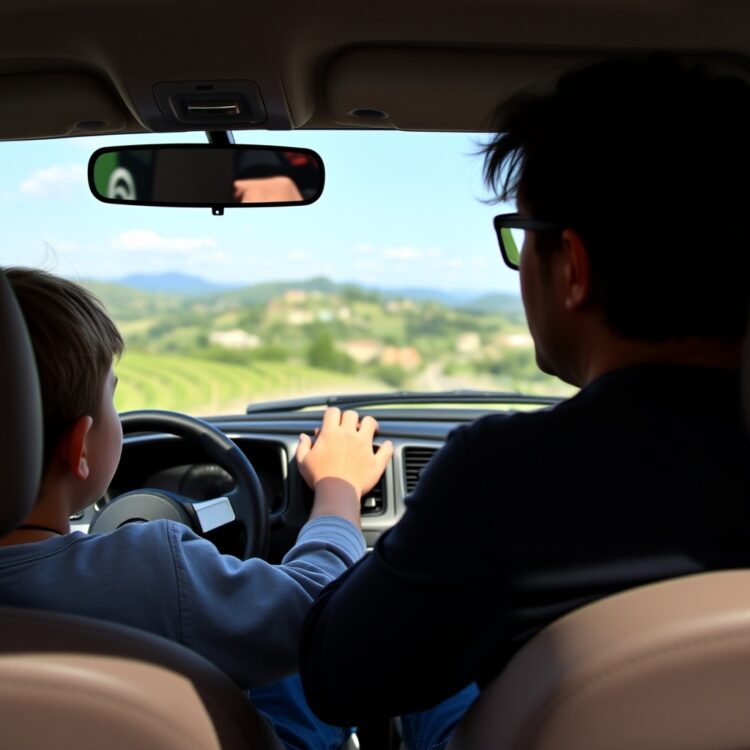
Supervised driving is non-negotiable. You must be accompanied by a licensed adult over 25 with at least five years of driving experience. This ensures you’re learning from someone seasoned. Additionally, the vehicle you drive must meet certain criteria, like being lightweight and low-powered. These measures are in place to minimise risks while you gain experience behind the wheel.
Learner’s Permit Conditions
Obtaining a learner’s permit at 16 is the first hurdle. You’ll need to pass a written test covering traffic laws, road signs, and safe driving practices. The permit is valid for six months, during which you must log at least 10 hours of supervised driving. It’s a structured approach to ensure you’re ready for the next steps.
The permit also comes with restrictions, like no night driving and a zero-tolerance policy for alcohol. These rules might feel limiting, but they’re designed to keep you safe. Think of it as a training phase—master the basics now, and you’ll be set for the freedom of a full license later.
Supervised Driving Requirements
Supervised driving isn’t just about having an adult in the car—it’s about learning from their expertise. Your supervisor must be over 25, with a clean driving record and at least five years of experience. They’re there to guide you, correct mistakes, and help you build confidence.
During this phase, you’ll practice in real-world conditions but with a safety net. The goal is to develop good habits early. Whether it’s navigating roundabouts or mastering parallel parking, supervised driving ensures you’re prepared for the challenges of solo driving.
Vehicle Restrictions
Not all cars are suitable for 16-year-old drivers in Italy. The law restricts learners to vehicles with specific power and weight limits. Typically, these are smaller, less powerful cars, like the Corsa VXR, which balances performance with manageability for beginners.
These restrictions aren’t just about safety—they’re about easing you into driving. A lighter, less powerful car is easier to control, reducing the risk of accidents. It’s a smart way to build skills without overwhelming you.
Types of Vehicles 16-Year-Olds Can Drive
In Italy, 16-year-olds are limited to specific vehicle types to ensure safety and ease of learning. Small, low-powered cars like the best cars for 16-year-olds are ideal. These vehicles are lightweight, making them easier to handle, and their modest power output reduces the risk of high-speed accidents.
Motorcycles and scooters are another option, but they come with their own set of restrictions. For example, 16-year-olds can ride bikes with an engine capacity of up to 125cc. Whether you choose four wheels or two, the focus is on safety and gradual skill development. For more insights, check out this external guide on driving categories.
The Process of Obtaining a Driving License at 16 in Italy
Getting a driving license at 16 in Italy is a structured process designed to ensure young drivers are well-prepared. The first step is applying for a learner’s permit, which requires parental consent and proof of identity. Once approved, you’ll need to complete a theoretical exam covering road rules and safety. Passing this exam unlocks the next phase: supervised driving practice with a licensed adult.
The practical driving test is the final hurdle. It assesses your ability to handle real-world driving scenarios, from parking to navigating traffic. We recommend enrolling in a driving school to build confidence and skills. Remember, patience and practice are key—Italy’s roads demand respect, and mastering them early sets you up for a lifetime of safe driving.
Application Process
The application process starts at your local motor vehicle office, where you’ll submit documents like your ID and a medical certificate. Parents or guardians must accompany you to sign consent forms. Fees vary, so check the latest rates. Once submitted, you’ll receive a provisional license, allowing you to start learning under supervision. It’s a straightforward process, but attention to detail ensures no delays.
Theoretical Exam
The theoretical exam tests your knowledge of traffic laws, signs, and safety protocols. Study materials are available online or through driving schools. We suggest dedicating at least 20 hours to preparation. The exam consists of multiple-choice questions, and passing requires a score of 80% or higher. Don’t underestimate it—understanding the rules now prevents mistakes later on the road.
Practical Driving Test
The practical test evaluates your ability to drive safely in various conditions. Expect tasks like parallel parking, lane changes, and emergency stops. Examiners look for smooth control and adherence to rules. Practice with a licensed adult or instructor to refine your skills. Confidence comes from repetition, so log as many supervised hours as possible before your test day.
Insurance Considerations for Young Drivers
Insurance is a critical factor for young drivers in Italy. Premiums are often higher due to perceived risk, but shopping around can save you money. Look for policies tailored to teen drivers, which may include discounts for good grades or completing advanced driving courses. Always compare quotes and read the fine print to avoid surprises.
Adding a young driver to a family policy can sometimes reduce costs, but it depends on the insurer. Telematics policies, which monitor driving habits, are another option. Safe driving can lower premiums over time. Remember, insurance isn’t just a legal requirement—it’s peace of mind for you and your parents.
Penalties for Underage Driving Without a License
Driving without a license in Italy carries severe consequences, especially for underage individuals. Fines can exceed €5,000, and vehicles may be impounded. Repeat offenders risk criminal charges and a delayed eligibility for a license. Parents or guardians may also face penalties for allowing unauthorized driving. It’s simply not worth the risk—stick to the rules and wait until you’re legally qualified.
Law enforcement takes this seriously, with random checks common in urban and rural areas. If caught, the legal process can be lengthy and stressful. Instead, focus on completing the proper steps to earn your license. The freedom of driving is rewarding, but only when done responsibly and legally.
Comparison with Other European Countries
Italy’s driving age of 16 aligns with some European nations but differs from others. In France, the minimum age is also 16, but Germany requires drivers to be 18. Spain allows 15-year-olds to drive mopeds but sets the car license age at 18. These variations reflect each country’s approach to balancing youth mobility with safety concerns.
Understanding these differences helps contextualize Italy’s regulations. For example, Germany’s stricter rules stem from its high-speed autobahns, while Italy’s urban-centric infrastructure may justify earlier licensing. If you’re planning to drive abroad, check local laws—what’s legal at home might not be elsewhere. For more insights, visit this external resource on European driving age laws.
Driving Age in France
France mirrors Italy’s 16-year minimum for cars, but learners must complete 20 hours of instruction. The process includes a theory test and a practical exam. France also offers a “supervised driving” option, similar to Italy’s system. This consistency makes it easier for young drivers to adapt if moving between the two countries.
Driving Age in Germany
Germany sets the bar higher, requiring drivers to be 18. However, 17-year-olds can drive with a licensed adult. The country’s rigorous testing ensures high standards, reflecting its complex road networks. If you’re eyeing Germany, plan accordingly—patience and preparation are non-negotiable.
Driving Age in Spain
Spain’s 18-year limit for cars contrasts with its 15-year allowance for mopeds. The country emphasizes gradual progression, with mandatory theory and practical exams. While stricter than Italy, Spain’s system prioritizes safety, especially in its bustling cities. If you’re traveling there, familiarize yourself with local rules to avoid fines.
Impact of Driving Age on Road Safety
We’ve all heard the debates about whether 16-year-olds should be allowed to drive, especially in a country like Italy where road safety is a top priority. I’ve dug into the data, and the truth is, younger drivers often lack the experience to handle unexpected situations. Studies show that drivers under 18 are more likely to be involved in accidents, which raises valid concerns. However, with proper training and supervision, these risks can be mitigated. It’s not just about age—it’s about preparation and responsibility.
Italy’s approach balances freedom with caution. By allowing 16-year-olds to drive under strict conditions, they’re fostering independence while prioritising safety. The key lies in structured learning, like choosing the right car and defensive driving courses. Road safety isn’t just a numbers game; it’s about creating a culture of awareness. And let’s be honest, we all remember our first drive—nervous but eager. The right framework can make all the difference.
Parental Consent and Responsibilities
When it comes to 16-year-olds driving in Italy, parents play a pivotal role. I’ve seen how parental involvement can shape a young driver’s habits, from obeying speed limits to avoiding distractions. Legally, parents must give consent for their teen to obtain a learner’s permit, but their responsibilities don’t end there. They’re often the ones footing the bill for insurance, which can be steep for young drivers. It’s a financial commitment, but one that comes with the territory of raising a responsible driver.
Beyond logistics, parents are the first line of defence against reckless behaviour. Setting clear rules—like no night driving or passenger restrictions—can significantly reduce risks. It’s not about control; it’s about guidance. And let’s not forget, parents are role models. If they prioritise safety, their teens are more likely to follow suit. It’s a team effort, and when done right, it pays off in safer roads for everyone.
Driving Schools and Courses for Teenagers
Driving schools in Italy aren’t just about passing a test—they’re about building confidence behind the wheel. I’ve spoken to instructors who emphasise the importance of tailored courses for teenagers. These programs focus on real-world scenarios, from navigating roundabouts to handling adverse weather. It’s not just about mechanics; it’s about developing a defensive mindset. And with options like safe car choices, teens can learn in vehicles suited to their skill level.
The best schools go beyond the basics, offering advanced courses like skid control and emergency braking. These skills aren’t just for passing a test—they’re for life. Parents often wonder if the investment is worth it, but the answer is clear: yes. A well-trained driver is a safer driver, and that’s something money can’t buy. Plus, many insurers offer discounts for certified training, making it a win-win for everyone involved.

Night Driving and Passenger Restrictions
Night driving is a rite of passage for many teens, but in Italy, it comes with strict rules. I’ve learned that 16-year-olds are often prohibited from driving after certain hours, and for good reason. Reduced visibility and fatigue increase the risk of accidents, especially for inexperienced drivers. These restrictions might seem frustrating, but they’re designed to protect young drivers during their most vulnerable moments. It’s a small sacrifice for long-term safety.
Passenger limits are another critical factor. Too many friends in the car can be a recipe for distraction, and Italy’s laws reflect that. Typically, only one passenger is allowed unless accompanied by an adult. It’s not about spoiling the fun—it’s about minimising risks. Research shows that peer passengers can double the chance of a crash, so these rules are backed by data. For parents, it’s a relief knowing their teen isn’t tempted by peer pressure behind the wheel. And for teens, it’s a chance to focus on the road without unnecessary distractions.
For more insights on safe driving practices, check out this authoritative guide on road safety for young drivers.
Renewal and Progression to Full License
Once you’ve held your provisional license for a year and completed the required supervised driving hours, you can apply for a full license. The process involves submitting an application and paying a fee. We recommend checking the latest requirements, as they can change. A full license grants more freedom, but remember, road safety is still paramount. Always drive responsibly, no matter your age or experience level.
Progression to a full license is a milestone, but it’s not the end of learning. We encourage continuous improvement through advanced driving courses. These can sharpen your skills and even lower insurance costs. The journey doesn’t stop here—it’s just the beginning. Stay updated with automotive trends to make informed decisions about your driving future.
Public Transportation as an Alternative
If driving isn’t an option, Italy’s public transport system is reliable and extensive. Trains, buses, and trams connect cities and towns efficiently. For 16-year-olds, this can be a cost-effective and eco-friendly alternative. We’ve found that many teens use public transport to gain independence before getting behind the wheel. It’s a great way to explore while staying safe.
Public transport also reduces the stress of navigating Italy’s busy roads. Fares are often discounted for students, making it budget-friendly. If you’re considering driving later, observing traffic patterns from a passenger seat can be educational. For more insights, check out the best cars for young drivers to plan ahead.
Future Changes to Driving Age Legislation
Italy’s driving age laws may evolve to reflect modern safety standards and societal needs. We’ve seen discussions about lowering the age for certain vehicle types or introducing stricter training requirements. Staying informed about potential changes ensures you’re prepared. Advocacy groups and government announcements are good sources for updates. Flexibility and adaptability are key in navigating these shifts.
Future legislation could also address environmental concerns, promoting electric or hybrid vehicles for young drivers. We’ll keep an eye on developments and share updates. For now, focus on mastering the current rules. If you’re curious about suitable first cars, explore options that align with Italy’s regulations.
Frequently Asked Questions
Can 16-year-olds drive alone in Italy?
No, 16-year-olds must drive under supervision with a provisional license. A licensed adult must accompany them at all times. This ensures safety while gaining experience. Full independence comes with a full license, typically after turning 18.
What vehicles can 16-year-olds drive?
16-year-olds are restricted to smaller vehicles with limited engine power. Mopeds and certain low-powered cars are common choices. Always verify the latest regulations, as restrictions vary. For more details, visit our guide on vehicle options.
Is insurance expensive for young drivers in Italy?
Yes, insurance tends to be higher due to perceived risk. However, completing certified driving courses can reduce premiums. Shop around for the best rates and consider adding a responsible adult to the policy to lower costs.
Are there penalties for underage driving without a license?
Absolutely. Penalties include fines, vehicle impoundment, and legal consequences for both the driver and supervising adult. It’s not worth the risk—always follow the law to avoid severe repercussions.