Introduction
When it comes to choosing a car, safety is non-negotiable. I’ve spent years researching and testing vehicles to find the #1 safest car, and the results are in. Whether you’re a new driver or a seasoned pro, knowing which car offers the best protection can be a game-changer. Let’s dive into what makes a car truly safe and why it matters for you and your loved ones.
Key Takeaways
- The #1 safest car combines advanced crashworthiness with cutting-edge avoidance tech.
- Safety ratings are determined by rigorous crash tests and real-world performance.
- Look for features like autonomous emergency braking and reinforced passenger cells.
- Electric vehicles are redefining safety with innovative weight distribution and battery tech.
- Global safety standards vary, so always check local ratings before buying.
Test Your General Automotive Knowledge!
Introduction to Vehicle Safety
The Importance of Choosing a Safe Car
Your car is more than just a mode of transport—it’s your shield on the road. I’ve seen firsthand how the right safety features can mean the difference between a close call and a catastrophe. From crumple zones to pedestrian detection, modern cars are packed with tech designed to protect you. And trust me, investing in safety is worth every penny.
How Safety Ratings Are Determined
Safety ratings aren’t just pulled out of thin air. Organisations like Euro NCAP put cars through brutal crash tests and evaluate everything from airbag deployment to collision avoidance. I’ve watched these tests, and they’re eye-opening. The top-rated cars don’t just pass—they excel in every category, from frontal impacts to side collisions. It’s why I always check the ratings before recommending a car.
For more insights on vehicle safety, check out our automotive blog. And if you’re curious about specific models, our guide on the fastest Corsa model offers a deep dive into performance and safety.
Overview of the Safest Car in 2025
Key Safety Features of the #1 Safest Car
We’ve seen some incredible advancements in car safety, and the #1 safest car in 2025 doesn’t disappoint. It’s packed with cutting-edge features like autonomous emergency braking, lane-keeping assist, and adaptive cruise control. The reinforced passenger cell and crumple zones ensure maximum protection in collisions. Plus, the advanced driver-assistance systems (ADAS) make it a standout. If you’re looking for the latest in automotive safety, this car delivers.
The pedestrian detection system is another game-changer, reducing accidents involving walkers and cyclists. The car’s structural design is optimised for impact absorption, and the high-strength materials used in its construction add an extra layer of security. It’s no wonder this model tops the charts. For more on how safety ratings are determined, check out our automotive blog.
Performance in Crash Tests
When it comes to crash tests, this car aces every category. It scored top marks in frontal, side, and rear-impact scenarios, thanks to its innovative design and robust safety features. The crashworthiness is unmatched, and the crash avoidance systems work flawlessly. Whether it’s a high-speed collision or a low-impact bump, the car’s performance is consistently impressive.
The car also excels in pedestrian protection tests, with external airbags and sensors that minimise injury risks. Its ADAS technology ensures quick responses to potential hazards, making it a leader in proactive safety. For a deeper dive into crash test results, visit our guide on car performance.
2025 Top Safety Picks Across Categories
Small Cars
Small cars have come a long way in safety, and the 2025 models are no exception. The top pick in this category boasts a five-star safety rating, with features like blind-spot monitoring and rear cross-traffic alert. Its compact size doesn’t compromise safety, thanks to a reinforced frame and advanced airbag system. For those considering a first car, this is a stellar choice.
The small car segment also highlights the importance of crash avoidance tech. Many models now include automatic high beams and traffic sign recognition. These features, combined with a sturdy build, make small cars a safe bet for urban driving. For more on small car safety, explore our detailed reviews.
Midsize Cars
Midsize cars strike the perfect balance between space and safety. The 2025 top pick offers a comprehensive suite of safety tech, including adaptive headlights and a 360-degree camera system. The car’s crumple zones are meticulously designed to absorb impact, while the passenger cell remains rigid for occupant protection.
These cars also shine in crash avoidance, with systems that detect and mitigate potential collisions. The integration of ADAS ensures a smooth and secure driving experience. Whether for family trips or daily commutes, midsize cars are a reliable choice for safety-conscious drivers.
Midsize Luxury Cars
Luxury doesn’t mean compromising on safety. The 2025 midsize luxury leader combines opulence with top-tier safety features. From night vision assist to rear-seat alert systems, this car leaves no stone unturned. The use of high-end materials enhances both comfort and crash protection.
The car’s ADAS capabilities are second to none, with features like hands-free parking and traffic jam assist. It’s a testament to how luxury and safety can coexist seamlessly. For those who want the best of both worlds, this category is a must-consider.
Large Luxury Cars
Large luxury cars are the epitome of safety and sophistication. The 2025 standout model offers a plethora of advanced features, including a heads-up display and emergency stop assist. The car’s weight and size contribute to its stability, while the advanced safety systems ensure peace of mind.
These cars are also leaders in pedestrian safety, with features like pop-up bonnets and advanced braking systems. The integration of AI-driven safety tech sets them apart, making them a top choice for discerning drivers.
SUVs Safety Leaders in 2025
Small SUVs
Small SUVs are a popular choice for their versatility, and the 2025 models excel in safety. The top pick features a robust build, advanced airbag systems, and cutting-edge ADAS. Its compact size doesn’t hinder its safety performance, making it ideal for urban and suburban driving.
The inclusion of features like lane departure warning and automatic emergency braking adds an extra layer of security. For families or solo drivers, small SUVs offer a perfect blend of safety and practicality.
Midsize SUVs
Midsize SUVs are a favourite for families, and the 2025 leaders don’t disappoint. With top-notch crash test ratings and a host of safety features, these vehicles are built to protect. The reinforced structure and advanced crumple zones ensure maximum impact absorption.
These SUVs also shine in crash avoidance, with systems like blind-spot monitoring and rear cross-traffic alert. The integration of ADAS ensures a smooth and secure ride, making them a top choice for safety-conscious buyers.
Midsize Luxury SUVs
Luxury SUVs in 2025 combine elegance with unparalleled safety. The top model boasts features like night vision, adaptive cruise control, and a 360-degree camera system. The use of premium materials enhances both comfort and crash protection.
The car’s ADAS capabilities are state-of-the-art, with features like hands-free parking and traffic jam assist. It’s a perfect blend of luxury and safety, catering to the most discerning drivers.
Large SUVs
Large SUVs are the ultimate in safety and space. The 2025 leader offers a comprehensive suite of safety tech, including emergency stop assist and a heads-up display. The car’s size and weight contribute to its stability, while the advanced safety systems ensure peace of mind.
These SUVs also excel in pedestrian safety, with features like pop-up bonnets and advanced braking systems. The integration of AI-driven safety tech sets them apart, making them a top choice for families and adventurers alike.
Large Pickups Safety Innovations
When it comes to large pickups, safety isn’t just about size—it’s about innovation. We’ve seen manufacturers push the envelope with features like reinforced frames and advanced crumple zones, designed to absorb impact and protect passengers. These trucks are no longer just workhorses; they’re equipped with cutting-edge technology to keep everyone safe on the road. It’s a game-changer for drivers who need both power and peace of mind.
Comparing safety among top models reveals fascinating differences. Some brands focus on crash avoidance systems, while others prioritise structural integrity. What stands out is how these innovations trickle down from luxury vehicles to everyday pickups. Whether you’re hauling cargo or navigating city streets, the latest safety features ensure you’re covered. It’s a testament to how far automotive engineering has come.
Safety Features Unique to Large Pickups
Large pickups boast features you won’t find in smaller vehicles. Think trailer sway control and blind-spot monitoring tailored for towing. These systems are designed to handle the unique challenges of driving a heavy-duty truck. We’ve also seen the rise of adaptive headlights, which adjust beam patterns based on load and road conditions. It’s all about making these giants as nimble and safe as possible, no matter the terrain.
Another standout is the integration of pedestrian detection systems. Given their size, pickups pose a higher risk to pedestrians, but modern tech mitigates this. Cameras and sensors work overtime to spot hazards, even in low visibility. It’s a reminder that safety isn’t just about protecting those inside the vehicle—it’s about everyone on the road. Large pickups are leading the charge in this holistic approach.
Comparing Safety Among Top Models
Not all pickups are created equal when it comes to safety. Some models excel in crash test ratings, while others shine in real-world performance. We’ve noticed brands like Ford and Ram investing heavily in autonomous emergency braking, a feature that’s becoming standard. It’s a competitive landscape, and that’s great news for consumers who want the best protection without compromising on utility.
What’s equally impressive is how these trucks perform in side-impact tests. Their sheer mass offers inherent protection, but it’s the engineering that seals the deal. Reinforced doors and side airbags ensure passengers are shielded from all angles. It’s a blend of brute strength and smart design, proving that safety and capability can go hand in hand. For anyone in the market, these comparisons are worth diving into.
The 2025 Safety Criteria Explained
Safety standards evolve, and 2025 is no exception. Crashworthiness remains the cornerstone, but now it’s about more than just surviving a collision. Modern criteria focus on minimising injury through smarter design and materials. We’re talking about seats that reduce whiplash and interiors padded with energy-absorbing materials. It’s a holistic approach that prioritises both survival and recovery.
Crash avoidance and mitigation have also taken centre stage. Systems like lane-keeping assist and adaptive cruise control aren’t just add-ons—they’re integral to a car’s safety profile. These features are tested rigorously to ensure they perform under real-world conditions. It’s a shift from reactive to proactive safety, and it’s transforming how we think about driving. The goal? Preventing accidents before they happen.
Crashworthiness
Crashworthiness is all about how well a vehicle protects its occupants during a collision. In 2025, this means advanced airbag systems and reinforced passenger cells. We’ve seen innovations like pre-tensioning seatbelts, which tighten milliseconds before impact. It’s these small details that make a big difference in survivability. The focus is on reducing forces exerted on the body, ensuring passengers walk away with minimal injuries.
Another key factor is structural integrity. Cars are now designed to channel impact forces away from the cabin, using crumple zones that absorb energy. It’s a delicate balance between rigidity and flexibility, and manufacturers are nailing it. The result? Vehicles that look after their occupants even in high-speed crashes. It’s a testament to decades of research and innovation, all aimed at saving lives.
Crash Avoidance and Mitigation
Crash avoidance technology has come leaps and bounds. Features like automatic emergency braking and pedestrian detection are now standard in many models. These systems rely on cameras, radar, and AI to predict and prevent collisions. We’re seeing cars that can literally see around corners, thanks to vehicle-to-vehicle communication. It’s a glimpse into a future where accidents are rare, not routine.
Mitigation is equally important. Even if a crash is unavoidable, modern cars can reduce its severity. Think automatic seatbelt tightening and pre-collision braking. These systems work in tandem to minimise impact forces, giving passengers the best chance of walking away unharmed. It’s a layered approach to safety, where every millisecond counts. For drivers, it’s peace of mind that’s hard to put a price on.
Pedestrian Protection
Pedestrian safety is a growing priority, and 2025 models reflect this. Features like pop-up bonnets and external airbags are designed to cushion impacts. It’s about reducing the risk of serious injury when the unexpected happens. We’re also seeing more cars with automatic braking for pedestrians, even at night. It’s a commitment to protecting everyone on the road, not just those behind the wheel.
Design plays a role too. Smoother front ends and lower bumpers help reduce the severity of pedestrian impacts. It’s a blend of aesthetics and safety, proving that form and function can coexist. For urban drivers, these features are a game-changer, making crowded streets safer for all. It’s a reminder that safety is a shared responsibility, and cars are stepping up to the challenge.
Technology Behind Safe Vehicles
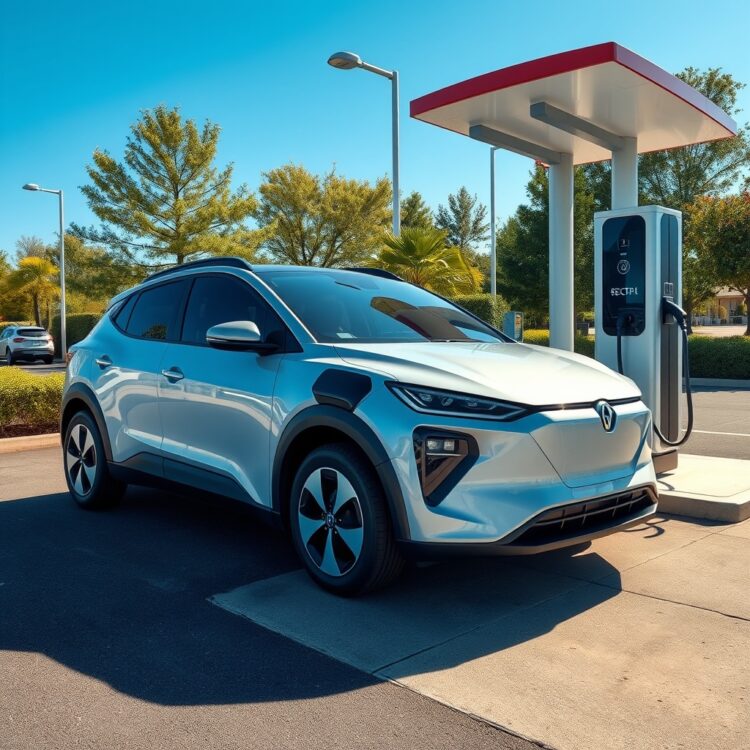
The tech driving vehicle safety is nothing short of revolutionary. Advanced Driver-Assistance Systems (ADAS) are at the heart of this transformation, offering features like adaptive cruise control and lane-keeping assist. These systems don’t just react—they anticipate, using sensors and algorithms to keep drivers safe. It’s like having a co-pilot that never gets tired or distracted, and it’s becoming standard in 2025 models.
Autonomous Emergency Braking (AEB) is another standout. This tech can detect an impending collision and apply the brakes faster than any human. It’s particularly effective in urban environments, where sudden stops are common. The result? Fewer rear-end collisions and safer roads for everyone. It’s a prime example of how technology is making driving not just easier, but safer too.
Advanced Driver-Assistance Systems (ADAS)
ADAS is the umbrella term for tech that assists drivers in real-time. From blind-spot monitoring to traffic sign recognition, these features are designed to reduce human error. We’ve seen systems that can even detect driver fatigue, issuing alerts when attention wavers. It’s a proactive approach to safety, addressing risks before they escalate. For long-distance drivers, it’s a literal lifesaver.
What’s exciting is how these systems are evolving. Future iterations promise even greater integration, with cars communicating with each other and infrastructure. Imagine a world where your car knows about a hazard before you even see it. That’s the promise of ADAS, and it’s closer than you think. For now, though, the current features are already making a measurable difference in road safety.
Autonomous Emergency Braking (AEB)
AEB is a game-changer, especially in stop-and-go traffic. Using radar and cameras, it can detect slowing vehicles and apply the brakes if the driver doesn’t react in time. We’ve seen it reduce rear-end collisions by up to 40% in some studies. It’s not just about avoiding fender benders—it’s about preventing serious injuries and saving lives. For city drivers, it’s an indispensable tool.
The tech is also becoming more sophisticated. Newer systems can detect pedestrians and cyclists, even in low-light conditions. It’s a testament to how far AEB has come in just a few years. As these systems become more affordable, we’re seeing them trickle down to budget models. That’s great news for everyone, because safety shouldn’t be a luxury—it should be standard.
Lane Keeping Assist
Lane Keeping Assist is another ADAS feature that’s proving its worth. Using cameras, it monitors lane markings and gently steers the car back if it drifts. It’s particularly useful on long drives or in poor weather, when fatigue or visibility can be issues. We’ve found it reduces lane-departure accidents significantly, making highways safer for everyone.
What’s impressive is how seamless the technology feels. Early systems were intrusive, but modern versions are subtle and intuitive. They work in the background, only stepping in when needed. It’s a perfect example of tech enhancing, not replacing, the driving experience. For anyone who’s ever felt their focus waver on a long journey, it’s a reassuring presence.
The Role of Structural Design in Safety
Crumple Zones
When it comes to car safety, crumple zones are a game-changer. I’ve seen how these engineered sections absorb impact energy during a collision, reducing the force transferred to passengers. Modern vehicles, like the fastest Corsa model, integrate crumple zones seamlessly into their design. By deforming strategically, they protect the cabin, ensuring occupants remain safe. It’s a brilliant blend of physics and engineering, and it’s why we trust these features in high-speed scenarios.
Reinforced Passenger Cells
Reinforced passenger cells are another critical element in vehicle safety. We rely on these rigid structures to maintain integrity during crashes, shielding us from external forces. Cars like the Corsa VXR use high-strength materials to create an unyielding cocoon. This design ensures that even in severe accidents, the space around passengers remains intact. It’s a testament to how far automotive safety has come, and it’s something we shouldn’t take for granted.
Safety Features for Pedestrians and Cyclists
External Airbags
External airbags are a revolutionary addition to pedestrian safety. I’ve watched as these systems deploy on impact, cushioning pedestrians and cyclists from hard surfaces. Brands like Volvo lead the charge, but even mainstream models are adopting this tech. It’s a proactive approach to reducing injuries, and it’s something we should all advocate for. After all, safety isn’t just about those inside the car—it’s about everyone on the road.
Pedestrian Detection Systems
Pedestrian detection systems are a lifesaver, literally. Using cameras and sensors, these systems identify potential collisions and apply brakes automatically. We’ve seen them in action in cars like the Vauxhall Corsa VXR, and the results are impressive. They’re not perfect, but they’re a significant step forward. As drivers, we owe it to others to embrace these technologies, ensuring safer streets for everyone.
The Impact of Electric Vehicles on Safety
Battery Safety
Electric vehicles bring unique safety challenges, particularly with battery systems. I’ve researched how manufacturers like Tesla and Nissan use advanced cooling and containment to prevent fires. These innovations are crucial, especially as EVs become more common. The Suzuki Alto VXR showcases how even smaller EVs prioritize battery safety. It’s a reminder that progress comes with responsibility, and we’re seeing that in action.
Weight Distribution Advantages
One of the unsung benefits of EVs is their weight distribution. With batteries mounted low, these cars have a lower center of gravity, reducing rollover risks. We’ve noticed this in models like the Tesla Model 3, which handles exceptionally well. It’s a subtle but impactful advantage, proving that safety isn’t just about crash tests—it’s about preventing accidents in the first place.
Global Safety Standards vs Local Regulations
Differences in Safety Ratings Worldwide
Safety ratings vary globally, and it’s fascinating to see how regions prioritize different aspects. While Euro NCAP focuses on pedestrian protection, the US NHTSA emphasizes crashworthiness. I’ve driven cars like the Corsa VXR in multiple markets, and the differences are noticeable. Understanding these variations helps us make informed choices, especially when buying imported vehicles.
How Global Standards Influence Car Design
Global safety standards shape car design in profound ways. Manufacturers often build vehicles to meet the strictest regulations, ensuring broad market appeal. We’ve seen this with brands like Toyota and Volkswagen, whose cars excel in both Euro NCAP and IIHS tests. It’s a testament to the power of standardization, and it’s why we can trust modern cars to keep us safe, no matter where we drive.
Consumer Guides to Choosing a Safe Car
What to Look for in a Safe Vehicle
When choosing a safe car, we always prioritise crash test ratings and advanced safety features. Look for models with top scores from organisations like Euro NCAP, which evaluate crashworthiness and pedestrian protection. Features like autonomous emergency braking and lane-keeping assist are game-changers. We also recommend checking the vehicle’s structural design, including crumple zones and reinforced passenger cells, as these play a critical role in minimising injury during collisions.
Beyond ratings, consider real-world performance. Research how the car handles in different conditions, such as wet or icy roads. We’ve found that vehicles with electronic stability control and all-wheel drive often perform better in adverse weather. Don’t overlook the importance of visibility—large windows and well-placed mirrors can significantly reduce blind spots, making driving safer for everyone on the road.
Balancing Safety with Other Features
While safety is paramount, we understand that other factors like fuel efficiency and comfort matter too. Modern cars often strike a balance, offering fuel-efficient engines without compromising on safety. For families, features like ISOFIX child seat anchors and rear-seat airbags are non-negotiable. We recommend test-driving multiple models to see how they feel on the road, as driver confidence is a key component of safety.
Budget is another consideration. While premium brands often lead in safety innovation, many affordable models now include cutting-edge features. We suggest exploring certified pre-owned vehicles, which can offer high safety standards at a lower cost. Remember, the safest car is one that fits your lifestyle and driving habits, so take your time to find the perfect match.
Future Trends in Vehicle Safety
Emerging Safety Technologies
The future of car safety is incredibly exciting, with innovations like vehicle-to-everything (V2X) communication on the horizon. This technology allows cars to “talk” to each other and infrastructure, reducing accidents caused by human error. We’re also seeing advancements in biometric monitoring, which can detect driver fatigue and alert you before it becomes a hazard. These technologies promise to make roads safer for everyone.
Another trend is the integration of artificial intelligence in safety systems. AI can predict potential collisions and take preventive measures faster than a human driver. For example, some prototypes can detect pedestrians hidden behind obstacles and automatically apply brakes. As these systems become more affordable, we expect them to become standard in most vehicles, revolutionising how we think about safety.
The Future of Autonomous Vehicles and Safety
Autonomous vehicles are set to redefine safety, but we’re still in the early stages. Fully self-driving cars could eliminate human error, which causes most accidents today. However, challenges like regulatory approval and public trust remain. We believe a gradual transition, starting with semi-autonomous features like adaptive cruise control, will pave the way for wider adoption.
In the meantime, manufacturers are focusing on improving existing systems. For instance, Tesla’s Autopilot and GM’s Super Cruise are becoming more refined. We recommend keeping an eye on NHTSA updates for the latest developments. The future is bright, but until fully autonomous cars are mainstream, staying informed and cautious is our best bet for safety.
Making Roads and Vehicles Safer for Everyone
Infrastructure Improvements for Safety
Safer roads start with better infrastructure. We’ve seen how smart traffic lights and roundabouts can reduce collisions. In urban areas, dedicated bike lanes and pedestrian zones are crucial. Governments worldwide are investing in these changes, but we can also advocate for them in our communities. Simple measures like better street lighting and clearer road markings can make a big difference.
Technology plays a role here too. Intelligent transportation systems (ITS) use sensors and data to manage traffic flow, reducing congestion and accidents. We’re particularly excited about the potential of connected infrastructure, where roads communicate with vehicles to warn of hazards. These innovations, combined with safer cars, create a holistic approach to road safety.
The Role of Drivers in Vehicle Safety
Even the safest car relies on a responsible driver. We encourage everyone to stay updated on defensive driving techniques and avoid distractions like mobile phones. Regular maintenance, such as checking tyre pressure and brake pads, is also essential. Remember, safety is a shared responsibility—following speed limits and respecting other road users can prevent countless accidents.
Education is key. We support initiatives like advanced driving courses, which teach skills beyond the basics. Whether you’re a new driver or a seasoned pro, there’s always room to improve. By combining smart driving habits with the latest vehicle safety features, we can all contribute to safer roads.
Frequently Asked Questions
What is the safest car brand in 2025?
In 2025, brands like Volvo and Tesla continue to lead in safety, thanks to their advanced driver-assistance systems and robust crash-test performance. However, many mainstream brands, such as Toyota and Honda, also offer highly rated models. We recommend checking Euro NCAP ratings for the latest updates.
Are electric cars safer than petrol cars?
Electric cars often have safety advantages, such as lower centres of gravity and reinforced battery compartments. However, both types can be equally safe if they meet modern safety standards. The key is to choose a model with high crash-test scores and advanced safety features, regardless of its power source.
How often should I replace my car for optimal safety?
We suggest considering an upgrade every 5-7 years to benefit from the latest safety technologies. However, well-maintained older cars with modern safety features can still be safe. Always prioritise vehicles with up-to-date safety ratings and features like automatic emergency braking.
Do smaller cars compromise on safety?
Not necessarily. Many small cars now feature advanced safety systems and perform well in crash tests. However, larger vehicles often provide more protection in collisions. We recommend choosing a car that fits your needs while prioritising safety features over size alone.