Introduction
So, you’re eyeing a used Ford Fiesta, but the big question is: how much should you pay? I’ve been there, and trust me, it’s a minefield. From depreciation to mileage, there’s a lot to consider. In this guide, I’ll break it all down so you can snag the best deal without overpaying. Let’s dive in.
Key Takeaways
- Depreciation hits the Ford Fiesta hard in the first few years, making used models a bargain.
- Mileage and service history are critical—don’t skip the paperwork.
- Trim levels and engine options can significantly affect the price.
- Location matters—prices vary across the UK.
- Always negotiate; sellers often expect it.
How Well Do You Know Ford?
Introduction to Buying a Used Ford Fiesta
Why Consider a Used Ford Fiesta
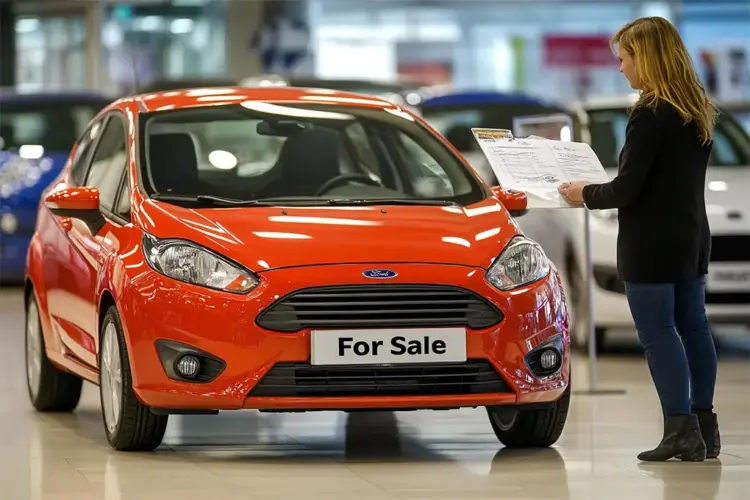
The Ford Fiesta is a legend for a reason. It’s reliable, fun to drive, and cheap to run. Buying used? Even better. You avoid the steepest depreciation while still getting a solid car. Plus, with so many on the road, parts and repairs are affordable. It’s a no-brainer for first-time buyers or anyone on a budget.
Overview of the Ford Fiesta Market
The Fiesta’s popularity means there’s no shortage of options. From early 2000s models to near-new ones, prices vary wildly. Younger cars with low mileage command higher prices, but older ones can be a steal. Check out this pricing guide to get a feel for the market. It’s a great starting point.
Understanding the Ford Fiesta’s Value
Factors Influencing the Price of a Used Ford Fiesta
Age, mileage, condition—these are the big three. But don’t overlook trim levels and optional extras. A top-spec Titanium will cost more than a basic Style. And if it’s got a full service history? That’s gold. Location plays a role too. Urban areas often have higher prices than rural ones.
How Depreciation Affects the Ford Fiesta’s Value
New cars lose value fast, and the Fiesta is no exception. After three years, it’s lost about 40% of its value. That’s bad news for new buyers but great for you. A nearly new Fiesta can be had for a fraction of the original price. Just make sure it’s been looked after. A well-maintained Fiesta is worth every penny.
Understanding the Ford Fiesta’s Value
Factors Influencing the Price of a Used Ford Fiesta
When I started researching used Ford Fiestas, I quickly realised that several factors influence their price. Age, mileage, and condition are the obvious ones, but trim levels and optional extras also play a big role. A well-maintained Fiesta with full service history will always command a premium. Location matters too—urban areas often have higher prices due to demand. It’s a balancing act between finding a bargain and ensuring you’re not compromising on quality.
Another key factor is the model year. Newer Fiestas with updated tech and safety features naturally cost more. But don’t overlook older models—they can offer incredible value if they’ve been looked after. I always recommend checking pricing guides to get a realistic idea of what you should pay. Remember, a lower price isn’t always a better deal if it means hidden issues down the line.
How Depreciation Affects the Ford Fiesta’s Value
Depreciation is the silent killer of car values, and the Ford Fiesta is no exception. In the first three years, a Fiesta can lose up to 40% of its value. That’s why buying used makes so much sense—you let someone else take the initial hit. After five years, depreciation slows, but mileage and condition become even more critical. A high-mileage Fiesta will depreciate faster, so aim for one with average mileage for its age.
I’ve found that certain trims, like the ST-Line, hold their value better than others. It’s also worth noting that well-maintained examples depreciate slower. If you’re planning to sell later, investing in a higher-spec model could pay off. Just don’t overpay upfront—depreciation is inevitable, but you can minimise its impact with smart buying.
Researching Prices for a Used Ford Fiesta
Where to Find Pricing Information
Finding accurate pricing information is crucial when buying a used Ford Fiesta. I always start with online platforms like Auto Trader and eBay Motors—they give a good snapshot of the market. Dealership websites are also useful, but remember, their prices often include warranties and extras. Private sellers might offer lower prices, but you’ll need to do more legwork to verify the car’s condition.
Don’t forget to check industry guides like CAP and Glass’s. These provide trade-in values, which are handy for negotiations. Local classifieds and Facebook Marketplace can uncover hidden gems, but be wary of scams. Always cross-reference prices to ensure you’re not overpaying. Knowledge is power, and the more data you have, the better your bargaining position.
Comparing Prices Across Different Years and Models
Comparing prices across different years and models can feel overwhelming, but it’s worth the effort. A 2018 Fiesta might cost significantly less than a 2020 model, but the differences in features could be minimal. Look for sweet spots where depreciation has stabilised—usually around three to five years old. The Fiesta’s popularity means there’s plenty of choice, so take your time.
Pay attention to trim levels too. A Titanium might cost more than a Zetec, but the extra features could justify the price. If you’re on a budget, consider older models with higher specs—they often offer better value. Always factor in potential repair costs; a cheaper car with unknown history could end up costing more in the long run.
Evaluating the Condition of a Used Ford Fiesta
Key Indicators of a Well-Maintained Vehicle
A well-maintained Ford Fiesta will have consistent service records, minimal wear and tear, and a clean MOT history. I always check the interior for signs of neglect—stained seats or a worn steering wheel can hint at poor upkeep. Under the bonnet, look for clean fluids and no unusual noises. Tyres should have even wear, and the bodywork should be free of major dents or rust.
Test driving is non-negotiable. Listen for rattles, check the brakes, and ensure all electronics work. A pre-purchase inspection by a mechanic is worth every penny if you’re unsure. Remember, a few minor scratches are normal, but anything major could indicate underlying issues. Trust your instincts—if something feels off, walk away.
Red Flags to Watch Out For
Red flags in a used Ford Fiesta include inconsistent service history, unexplained gaps in MOT records, and signs of accident damage. Be wary of sellers who can’t provide paperwork or seem evasive about the car’s past. A musty smell could mean water damage, while excessive smoke from the exhaust suggests engine problems. Always check for mismatched paint or panel gaps—these can indicate repairs.
If the price seems too good to be true, it probably is. Scammers often lure buyers with low prices for cars with hidden issues. Avoid vehicles with outstanding finance or unclear ownership. For peace of mind, use a service like HPI Check to verify the car’s history. A little caution now can save you from costly mistakes later. Auto Trader is a great resource for comparing listings and spotting anomalies.
Mileage and Its Impact on Price
How Mileage Affects the Ford Fiesta’s Value
When I’m looking at a used Ford Fiesta, mileage is one of the first things I check. It’s a direct indicator of how much wear and tear the car has endured. Lower mileage typically means less strain on the engine and other components, which translates to a higher resale value. But don’t just take my word for it—research shows that every 10,000 miles can knock hundreds off the price. That’s why I always weigh mileage against the asking price to ensure I’m getting a fair deal.
However, mileage isn’t the only factor. A well-maintained Fiesta with higher mileage can still be a great buy. I’ve seen cars with 80,000 miles run smoother than those with half that distance. The key is to look for consistent servicing and a clean history. If the previous owner has kept up with maintenance, the higher mileage might not be as big a red flag as you’d think. It’s all about balance.
What Is Considered High Mileage for a Ford Fiesta
So, what’s high mileage for a Ford Fiesta? Generally, anything over 100,000 miles starts to raise eyebrows. But let’s be real—modern cars are built to last. I’ve come across Fiestas with 120,000 miles still running like champs. The trick is to inspect the car thoroughly. Check for signs of excessive wear, like a noisy engine or sluggish transmission. If everything feels tight and responsive, the mileage might not be a deal-breaker.
That said, if you’re eyeing a Fiesta with 150,000 miles or more, tread carefully. At this point, even the most reliable cars start showing their age. You might face costly repairs down the line, so factor that into your budget. I always recommend getting a pre-purchase inspection for high-mileage cars. It’s a small price to pay for peace of mind.
The Importance of Service History
Why Service History Matters
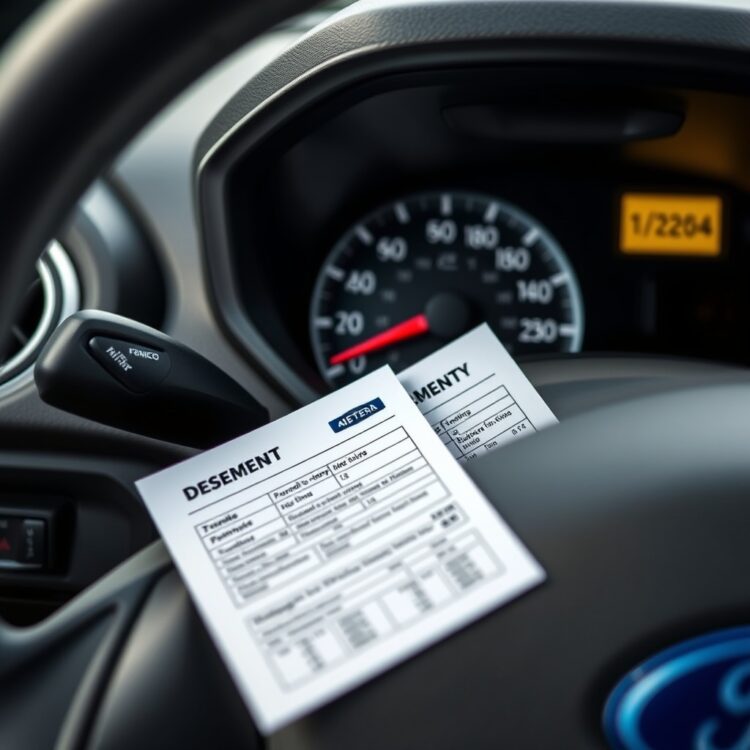
Service history is like a car’s CV—it tells you everything you need to know. When I’m buying a used Fiesta, I won’t even consider one without a full service record. It’s proof that the car has been cared for, and it gives me confidence in its condition. A missing service book? That’s a red flag. It could mean the owner skipped vital maintenance, which can lead to expensive problems later.
Regular servicing isn’t just about oil changes. It includes checks on brakes, tyres, and other critical components. A well-documented history shows the car has been looked after, and that’s worth paying extra for. I’ve seen Fiestas with spotless service records sell for a premium, and rightly so. It’s an investment in reliability.
How to Verify a Vehicle’s Service History
Verifying service history isn’t rocket science, but it does require diligence. First, I check the service book for stamps from reputable garages. If it’s a main dealer history, even better. Next, I cross-reference the mileage in the book with the car’s odometer. Discrepancies? Walk away. I also call the garages listed to confirm the work was done. It’s a bit of legwork, but it’s saved me from buying a lemon more than once.
If the seller can’t provide a service history, all isn’t lost. Some owners keep receipts for work done, which can be just as telling. I’ll also run a vehicle check to uncover any hidden issues. It’s not perfect, but it’s better than flying blind. Remember, a car without a history is a gamble—and I don’t like gambling with my money.
Model Year Differences in the Ford Fiesta
Notable Changes Over the Years
The Ford Fiesta has evolved significantly over the years, and knowing these changes can help you pick the right model. For example, the 2013 facelift introduced a sleeker design and improved tech, while the 2017 model brought a more refined interior. I always recommend researching the specific year you’re interested in, as even small updates can make a big difference in driving experience.
One thing I’ve noticed is that older models (pre-2013) tend to be more basic but also more affordable. If you’re on a tight budget, these can be a great option. Just be prepared for fewer bells and whistles. Newer models, on the other hand, offer better fuel efficiency and safety features. It’s a trade-off, so think about what matters most to you.
Choosing the Right Model Year for Your Needs
Picking the right model year depends on your priorities. If you want the latest tech, aim for a 2017 or newer Fiesta. These come with features like Apple CarPlay and advanced driver aids. But if you’re after value, an older model might suit you better. I’ve found that 2015-2016 Fiestas strike a nice balance between price and features.
Don’t forget to consider reliability. Some years have known issues—like the 2011 model’s transmission problems. A quick search online or a chat with a mechanic can save you headaches later. I always check forums and reviews to spot any recurring problems. It’s a small step that can save you big money in the long run.
Engine Options and Their Impact on Price
Overview of Available Engines
The Ford Fiesta comes with a range of engines, from frugal 1.0-litre EcoBoosts to the punchy 1.6-litre ST. Each has its pros and cons. The 1.0-litre, for example, is great on fuel but lacks power for motorway driving. The 1.6-litre, on the other hand, is more fun but thirstier. I always consider how I’ll use the car before deciding on an engine.
Diesel options are also available, though they’re becoming less popular due to environmental concerns. If you do high mileage, a diesel might still make sense. But for most people, the petrol engines are the better choice. They’re cheaper to buy and maintain, and they’re more than capable for everyday driving.
How Engine Choice Affects Resale Value
Engine choice can have a big impact on resale value. The 1.0-litre EcoBoost is a favourite among buyers, so it holds its value well. The ST models, while more expensive upfront, also tend to depreciate slower. On the flip side, less popular engines—like the 1.25-litre—can be harder to sell and lose value faster.
If you’re planning to keep the car long-term, resale value might not be a huge concern. But if you think you’ll upgrade in a few years, it’s worth considering. I always check market trends to see which engines are in demand. It’s a smart way to protect your investment.
Trim Levels and Features
Understanding Ford Fiesta Trim Levels
The Ford Fiesta offers a range of trim levels, each catering to different budgets and preferences. From the entry-level Style to the sporty ST-Line and the luxurious Vignale, there’s something for everyone. I’ve found that higher trims come with premium features like leather seats, advanced infotainment systems, and enhanced safety tech. However, these upgrades also impact the price, so it’s essential to weigh the benefits against your needs. For a deeper dive into trim specifics, check out our Ford Fiesta pricing guide.
When comparing trims, I always recommend focusing on must-have features. For example, if you’re after a sportier drive, the ST-Line’s suspension tweaks and styling might justify the extra cost. On the other hand, if comfort is your priority, the Titanium trim offers a great balance of affordability and luxury. Remember, the trim level you choose will significantly influence the resale value, so think long-term.
How Features Influence the Asking Price
Features like alloy wheels, climate control, and parking sensors can add hundreds to the asking price of a used Ford Fiesta. I’ve noticed that sellers often inflate prices for cars with rare or desirable extras, so it’s crucial to research market trends. For instance, a Fiesta with a panoramic sunroof might command a premium, but is it worth it for you? Our guide to buying a Fiesta today breaks down the value of common features.
It’s also worth considering how features affect running costs. A car with a larger touchscreen might be appealing, but replacement parts could be expensive. I always advise buyers to prioritise practicality over flashy extras. A well-maintained base model can be a smarter buy than a higher-spec car with neglected servicing. For more insights, explore our Fiesta buyer’s guide.
The Role of Location in Pricing
Regional Price Variations
Location plays a surprising role in the price of a used Ford Fiesta. I’ve seen identical models priced differently in urban vs. rural areas. In cities, demand is higher, and so are prices, while rural sellers might offer better deals to attract buyers. If you’re flexible, expanding your search radius could save you money. For example, a Fiesta in London might cost £1,000 more than the same car in Yorkshire.
Local market conditions also matter. Areas with higher disposable incomes often have pricier used cars, while regions with fewer buyers might offer bargains. I recommend using online tools to compare prices across locations. Don’t forget to factor in travel costs if you’re considering a distant purchase. A cheaper car might not be a bargain after adding fuel and time.
Buying Out of State Pros and Cons
Buying a used Ford Fiesta from another part of the UK can be a mixed bag. On the plus side, you might find a better deal or a rare spec. However, there are downsides, like the hassle of arranging viewings and transporting the car. I’ve found that sellers outside your area might be less willing to negotiate, as they know you’ve already invested time in travelling.
Another consideration is paperwork. Registering a car bought elsewhere can be tedious, and you might face higher insurance premiums due to unfamiliar postcodes. Always weigh the potential savings against the extra effort. For more tips on navigating regional pricing, check out this external guide.
Negotiating the Best Price
Tips for Effective Negotiation
Negotiating the price of a used Ford Fiesta requires preparation and confidence. I always start by researching the car’s market value and noting any flaws to use as leverage. Polite but firm communication is key—sellers respect buyers who know their stuff. For example, pointing out worn tyres or a lack of service history can justify a lower offer.
Timing can also work in your favour. Sellers are often more flexible at the end of the month or during quieter seasons. If you’re trading in, use your current car’s value as part of the negotiation. Remember, walking away is a powerful tactic. If the price isn’t right, don’t be afraid to explore other options. Our guide to Fiesta models to avoid can help you spot overpriced cars.
When to Walk Away from a Deal
Not every deal is worth pursuing. I’ve walked away from Fiestas with hidden issues or sellers who refuse to budge on price. Red flags include vague answers about the car’s history or pressure to close the deal quickly. Trust your instincts—if something feels off, it probably is. A genuine seller will understand your caution and provide the information you need.
Another deal-breaker is unrealistic pricing. If a seller won’t align with market values, it’s better to move on. There are plenty of used Fiestas out there, and patience often pays off. For more advice on spotting bad deals, revisit our common Fiesta problems guide.

Financing a Used Ford Fiesta
Understanding Your Financing Options
Financing a used Ford Fiesta can be straightforward if you know your options. I’ve found that personal loans often offer lower interest rates than dealer finance, but they require good credit. Hire purchase (HP) and personal contract purchase (PCP) are popular too, but each has pros and cons. HP spreads the cost over fixed payments, while PCP offers lower monthly costs but a balloon payment at the end.
It’s crucial to compare rates from multiple lenders. Banks, credit unions, and online lenders all have different terms. I always recommend getting pre-approved before shopping—it gives you bargaining power and keeps your budget clear. Don’t forget to factor in additional costs like insurance and maintenance when calculating affordability.
How to Get the Best Interest Rates
Securing a low interest rate on your used Ford Fiesta finance can save you hundreds. I’ve learned that improving your credit score is the first step—paying bills on time and reducing debt can make a big difference. Shopping around is equally important; don’t settle for the first offer you receive. Online comparison tools are a great way to find competitive rates.
Another tip is to consider a larger deposit. Putting down more upfront reduces the lender’s risk, which can lead to better rates. If you’re trading in, use the equity in your current car to lower the loan amount. Finally, shorter loan terms usually come with lower rates, though monthly payments will be higher. Always read the fine print to avoid hidden fees.
Insurance Costs for a Used Ford Fiesta
Factors Affecting Insurance Premiums
When insuring a used Ford Fiesta, several factors influence your premium. Age, driving history, and location play significant roles. Younger drivers often face higher costs due to perceived risk. The Fiesta’s trim level and engine size also matter—sportier models like the ST attract higher premiums. We recommend comparing quotes from multiple providers to find the best deal. Don’t forget to check for discounts, such as no-claims bonuses or multi-car policies. A little research can save you hundreds annually.
Another key factor is the car’s security features. Models with alarms, immobilisers, or tracking systems often qualify for lower rates. Parking your Fiesta in a garage overnight can also reduce costs. If you’re unsure where to start, our automotive blog offers tips on navigating insurance options. Remember, the cheapest policy isn’t always the best—ensure it covers your needs adequately.
How to Find Affordable Insurance
Finding affordable insurance for your used Ford Fiesta requires a strategic approach. Start by adjusting your excess—opting for a higher voluntary excess can lower your premium. Consider black box policies if you’re a young driver, as they reward safe driving with lower costs. Bundling your insurance with other products, like home insurance, can also unlock savings. We’ve found that insurers often offer better rates for drivers with advanced driving qualifications.
It’s worth exploring specialist insurers who cater to specific demographics, such as young drivers or low-mileage users. Websites like MoneySupermarket allow you to compare policies side by side. Don’t overlook smaller providers, as they sometimes offer competitive rates. Finally, review your policy annually—loyalty doesn’t always pay, and switching providers can lead to significant savings.
Tax and Registration Fees
Calculating Tax and Registration Costs
Tax and registration fees for a used Ford Fiesta depend on its age, engine size, and emissions. Cars registered after April 2017 fall under the newer tax bands, which are based on CO2 emissions. For older models, the annual tax is typically a flat rate. You can check the exact cost using the government’s vehicle tax calculator. Don’t forget to factor in the one-time registration fee if you’re importing the car.
The Fiesta’s efficient engines often result in lower tax bands, especially for diesel or EcoBoost variants. If you’re buying privately, ensure the seller provides the V5C logbook for a smooth transfer. Our pricing guide breaks down these costs in detail. Always budget for these expenses upfront to avoid surprises later.
How These Fees Vary by Location
Tax and registration fees can vary significantly depending on where you live. In London, for example, the Ultra Low Emission Zone (ULEZ) may add extra costs for older, higher-emission Fiestas. Scotland and Wales have their own fee structures, so it’s worth checking local regulations. If you’re moving, update your vehicle’s registration details promptly to avoid penalties.
Northern Ireland has a separate system, with fees based on engine size rather than emissions. Overseas buyers should research import taxes and registration processes. Our smart buy guide includes regional tips. Remember, these fees are recurring, so factor them into your long-term budget.
Finalizing Your Purchase
Steps to Take Before Signing the Deal
Before finalizing your used Ford Fiesta purchase, conduct a thorough inspection. Check the car’s service history, MOT certificates, and mileage for discrepancies. A HPI check can reveal hidden issues like outstanding finance or previous accidents. Test-drive the car to ensure it handles well and listen for unusual noises. We always recommend getting a professional inspection if you’re unsure—it’s a small cost for peace of mind.
Negotiate the price based on any faults or missing documentation. Ensure the seller provides a receipt and the V5C logbook. If buying from a dealer, confirm the warranty terms. Our common problems guide highlights what to watch for. Finally, arrange insurance and tax before driving away to stay legal.
Ensuring a Smooth Transaction Process
A smooth transaction starts with clear communication. Agree on payment methods—bank transfers are safest, avoiding cash for large amounts. If trading in your old car, get its valuation in writing. For private sales, meet in a public place and bring a friend. Dealers should provide a contract outlining the sale’s terms. We’ve seen too many deals go sour due to rushed paperwork.
Once the deal is done, notify the DVLA of the ownership change immediately. Keep copies of all documents for your records. If financing, ensure the lender’s terms are transparent. Our years to avoid guide can help you dodge problematic models. With these steps, you’ll drive away confident in your purchase.
Frequently Asked Questions
What is the best Ford Fiesta model year to buy?
The 2017-2019 models strike a great balance between affordability and modern features. They include the efficient EcoBoost engines and updated tech. Avoid 2011-2013 models with the Powershift automatic transmission, as they’re prone to issues. Always check service history and mileage, regardless of the year.
How much should I budget for insurance on a used Ford Fiesta?
Expect to pay £500-£1,200 annually, depending on your profile. Younger drivers or high-performance models like the ST will be at the upper end. Use comparison sites and consider black box policies to reduce costs. Your postcode and driving history also play big roles.
Is a used Ford Fiesta expensive to maintain?
No, the Fiesta is one of the most affordable cars to maintain. Routine services cost around £150-£250, and parts are widely available. Stick to the service schedule and address minor issues promptly to avoid bigger bills. Diesel models may cost slightly more to maintain.
What should I look for in a used Ford Fiesta’s service history?
A full service history with stamps from reputable garages is ideal. Look for regular oil changes, brake checks, and timing belt replacements if applicable. Missing records or irregular intervals are red flags. Verify any major repairs or recalls have been addressed.