Introduction
If you’ve ever owned or considered buying a Ford Fiesta, you’re not alone. It’s one of the most popular cars in the UK, loved for its affordability and zippy performance. But like any car, it’s not without its quirks. From engine troubles to electrical gremlins, the Fiesta has a few common issues that can catch you off guard. Let’s dive into what makes this car tick—and what might make it tick you off.
Key Takeaways
- Engine overheating and oil leaks are frequent complaints among Fiesta owners.
- Transmission problems, especially clutch failures, can be costly to repair.
- Electrical faults, like battery drain and faulty alternators, are notorious.
- Rust and corrosion on the bodywork can become a headache over time.
- Regular maintenance is key to avoiding many of these issues.
How Well Do You Know Ford?
Introduction to Ford Fiesta Common Problems
The Ford Fiesta is a reliable little car, but it’s not immune to problems. Over the years, certain issues have popped up more frequently than others. Whether it’s a rattling suspension or a temperamental gearbox, these quirks can turn into major headaches if ignored. Understanding them early can save you time, money, and a lot of frustration.
One of the most talked-about problems is the engine. From overheating to oil leaks, these issues can stem from poor maintenance or design flaws. For example, timing belt failures are notorious in older models. If you’re considering a used Fiesta, it’s worth checking the service history for these red flags. For more insights on common car issues, check out our automotive blog.
Engine Issues in Ford Fiesta
Engine troubles are a recurring theme with the Fiesta. Overheating is often caused by a failing thermostat or a clogged radiator. Oil leaks, on the other hand, can lead to more serious damage if left unchecked. Timing belt failures are another concern, especially in high-mileage cars. Replacing the belt at the recommended intervals can prevent catastrophic engine failure.
If you’re wondering whether the Fiesta is still a good buy despite these issues, our article on buying a Ford Fiesta might help you decide. Regular servicing and using quality parts can mitigate many of these problems, keeping your Fiesta running smoothly for years.
Engine Issues in Ford Fiesta
We’ve seen our fair share of Ford Fiesta engines acting up, and trust me, it’s not pretty. From overheating to oil leaks, these problems can turn your smooth ride into a nightmare. The Fiesta’s engine, while generally reliable, has its weak spots—especially if maintenance is neglected. Let’s dive into the most common issues and how to spot them before they leave you stranded.
Overheating Problems
Overheating is a classic Fiesta headache. Whether it’s a faulty thermostat or a clogged radiator, the symptoms are hard to miss: steam under the bonnet, a rising temperature gauge, or even a warning light. Ignoring this can lead to catastrophic engine damage. Regular coolant checks and radiator flushes are your best defence. If you’re noticing frequent overheating, it’s time to investigate further.
Oil Leaks
Oil leaks are another common gripe. You might spot dark puddles under your car or notice the oil level dropping faster than usual. Common culprits include worn gaskets or seals. Left unchecked, low oil levels can cause severe engine wear. A quick inspection of the engine bay can often pinpoint the leak. For more details on maintaining your Fiesta’s engine, check out our maintenance guide.
Timing Belt Failures
The timing belt is critical for engine synchronisation, and if it snaps, you’re looking at expensive repairs. Symptoms include engine misfires or a ticking noise from the engine. Replacement intervals vary, but sticking to the manufacturer’s schedule is crucial. Don’t wait for a breakdown—proactive replacement saves you from a world of pain.
Transmission Troubles
The Ford Fiesta’s transmission is another area where problems tend to crop up. Whether it’s clutch failures or gear-shifting woes, these issues can make driving a chore. Let’s break down the most frequent complaints and how to address them.
Clutch Failures
A slipping clutch is a telltale sign of trouble. You might notice the revs climbing without a corresponding speed increase. Worn clutch plates or a failing hydraulic system are often to blame. Regular checks and timely replacements can prevent sudden failures. For more on Fiesta reliability, read our analysis.
Gear Shifting Difficulties
Stiff or grinding gears are a common complaint. This could stem from low transmission fluid or a worn synchromesh. Ignoring it can lead to costly repairs. Regular fluid checks and smooth shifting habits go a long way in preserving your transmission.
Transmission Fluid Leaks
Leaks are another headache. You might spot reddish fluid under the car or notice gear slippage. Faulty seals or a damaged transmission pan are typical causes. Catching leaks early can save you from a complete transmission overhaul.
Electrical System Faults
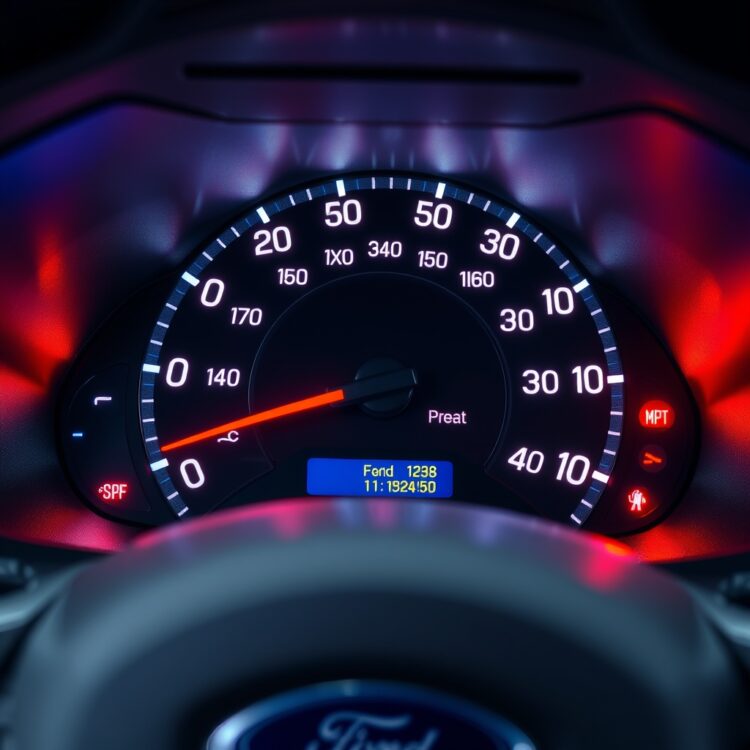
Electrical gremlins are no stranger to the Ford Fiesta. From battery drain to faulty alternators, these issues can be frustrating to diagnose. Let’s explore the most common electrical problems and how to tackle them.
Battery Drain Issues
If your Fiesta’s battery keeps dying, a parasitic drain could be the culprit. Common causes include faulty wiring or a malfunctioning component. A multimeter can help trace the issue. For more on Fiesta ownership, check out our guide.
Faulty Alternators
A failing alternator often shows up as dimming lights or a battery warning light. Without proper charging, your battery will drain quickly. Testing the alternator’s output can confirm the issue. Replacement is usually the only fix.
Wiring Problems
Corroded or damaged wiring can cause a host of electrical issues. Symptoms include flickering lights or non-functional accessories. A thorough inspection of the wiring harness is essential. For expert advice on car maintenance, visit Autocar.
Cooling System Complications
We’ve all been there—your Ford Fiesta starts overheating, and suddenly, you’re stuck on the side of the road. The cooling system is one of the most common culprits behind Fiesta headaches. Whether it’s a leaky radiator, a faulty thermostat, or a water pump on its last legs, these issues can escalate quickly if ignored. I’ve seen too many owners overlook minor symptoms, only to face costly repairs later. Regular checks and timely replacements are your best defence against these cooling system nightmares.
Radiator leaks, for instance, often start small but can lead to catastrophic engine damage if left unchecked. Thermostat failures, on the other hand, disrupt the engine’s temperature regulation, causing erratic performance. And let’s not forget the water pump—its failure can spell disaster for your engine. Trust me, investing in quality replacement parts and proactive maintenance will save you a world of trouble.
Radiator Leaks
Radiator leaks are a silent killer for the Ford Fiesta. Over time, corrosion or physical damage can cause tiny cracks, leading to coolant loss. I’ve noticed that many owners dismiss minor leaks until their engine overheats. The key is to inspect your radiator regularly for signs of wear or dampness. If you spot a leak, address it immediately—ignoring it could cost you an engine rebuild. A well-maintained radiator ensures your Fiesta runs smoothly, even in scorching weather.
Thermostat Failures
A failing thermostat is like a broken thermostat in your home—it wreaks havoc on temperature control. In the Fiesta, a stuck thermostat can cause the engine to overheat or run too cold, both of which are bad news. Symptoms include erratic temperature gauge readings or poor heater performance. Replacing a thermostat is relatively inexpensive, but neglecting it can lead to severe engine damage. I always recommend using OEM parts to ensure longevity and reliability.
Water Pump Issues
The water pump is the heart of your Fiesta’s cooling system, and when it fails, the consequences are dire. A worn-out pump can leak coolant or fail to circulate it properly, leading to overheating. Listen for unusual whining noises or check for coolant leaks near the pump. If you’re experiencing these symptoms, don’t delay—replace the pump before it leaves you stranded. For more insights, check out this external guide on maintaining small cars like the Fiesta.
Suspension and Steering Problems
If your Ford Fiesta feels like it’s auditioning for a horror movie with all its creaks and groans, you’re not alone. Suspension and steering issues are common, especially in older models. Noisy suspension, steering wheel vibrations, and uneven tire wear are telltale signs of trouble. These problems not only affect comfort but also compromise safety. I’ve found that addressing them early can prevent more expensive repairs down the line.
Noisy suspension often points to worn-out bushings or shock absorbers. Steering wheel vibrations, meanwhile, usually indicate unbalanced wheels or failing steering components. And uneven tire wear? That’s often a sign of misalignment or suspension issues. Regular inspections and timely replacements are crucial. For a deeper dive into Fiesta reliability, check out our guide on why it’s a great first car.
Noisy Suspension
That clunking noise every time you hit a bump? It’s likely your suspension crying for help. Worn-out bushings or shock absorbers are usually to blame. I’ve seen many Fiesta owners ignore these noises, only to face pricier repairs later. Replacing these components isn’t just about comfort—it’s about safety. A well-maintained suspension ensures better handling and a smoother ride, so don’t put it off.
Steering Wheel Vibrations
Steering wheel vibrations can turn your drive into a shaky mess. Often, the culprit is unbalanced wheels or worn steering components. If your Fiesta’s steering feels off, get it checked immediately. Ignoring it can lead to uneven tire wear or even loss of control. I always recommend a professional alignment and balance to keep your steering smooth and responsive.
Uneven Tire Wear
Uneven tire wear is a red flag for suspension or alignment issues. If your Fiesta’s tires are wearing out unevenly, it’s time for a check-up. Misalignment or worn suspension parts can cause this, and driving on uneven tires is both unsafe and costly. Regular tire rotations and alignments can prevent this problem, saving you money in the long run.
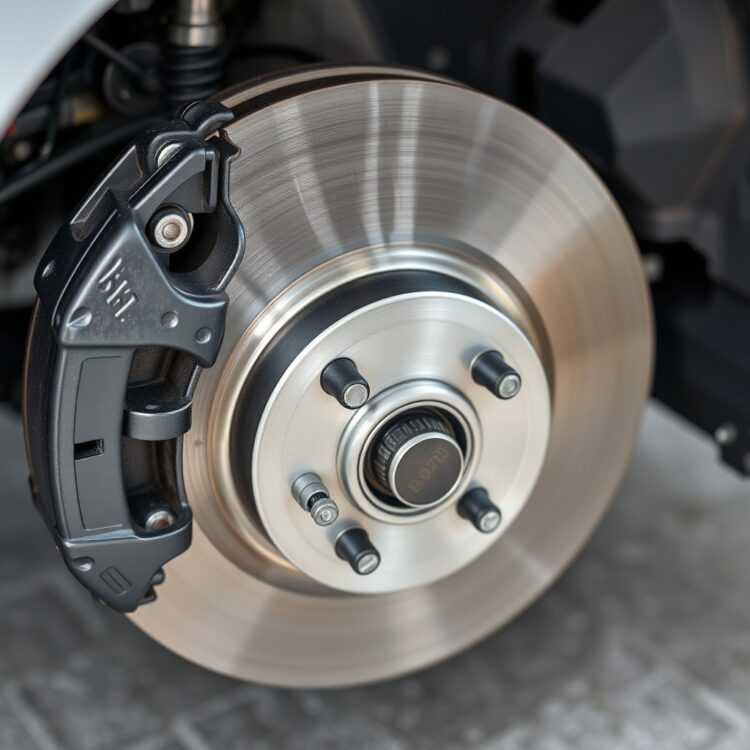
Brake System Deficiencies
Brake problems in the Ford Fiesta are nothing to scoff at. From worn brake pads to fluid leaks and ABS sensor failures, these issues can compromise your safety. I’ve seen too many owners delay brake repairs, only to regret it later. Your brakes are your first line of defence on the road, so keeping them in top shape is non-negotiable.
Brake pad wear is the most common issue, but it’s also the easiest to fix. Fluid leaks, however, can lead to a complete brake failure if ignored. And ABS sensor failures? They can trigger warning lights and affect braking performance. Regular inspections and timely replacements are key. For more tips on maintaining your Fiesta, explore our article on why it’s still a smart buy.
Brake Pad Wear
Worn brake pads are a given in any car, but ignoring them in your Fiesta is a recipe for disaster. Squealing or grinding noises are your first clues. Replacing pads is straightforward, but delaying it can damage your rotors, leading to costlier repairs. I always recommend high-quality pads for better performance and longevity.
Brake Fluid Leaks
Brake fluid leaks are a serious safety hazard. If your pedal feels spongy or you spot fluid under the car, act fast. Leaks can lead to a complete brake failure, putting you at risk. Regular fluid checks and timely repairs are essential. Don’t take chances with your brakes—your safety depends on them.
ABS Sensor Failures
ABS sensor failures can trigger warning lights and affect braking efficiency. If your Fiesta’s ABS light is on, don’t ignore it. A faulty sensor can compromise your anti-lock braking system, especially in emergencies. Replacing a sensor is relatively simple, but it’s crucial for maintaining your car’s safety features.
Fuel System Flaws
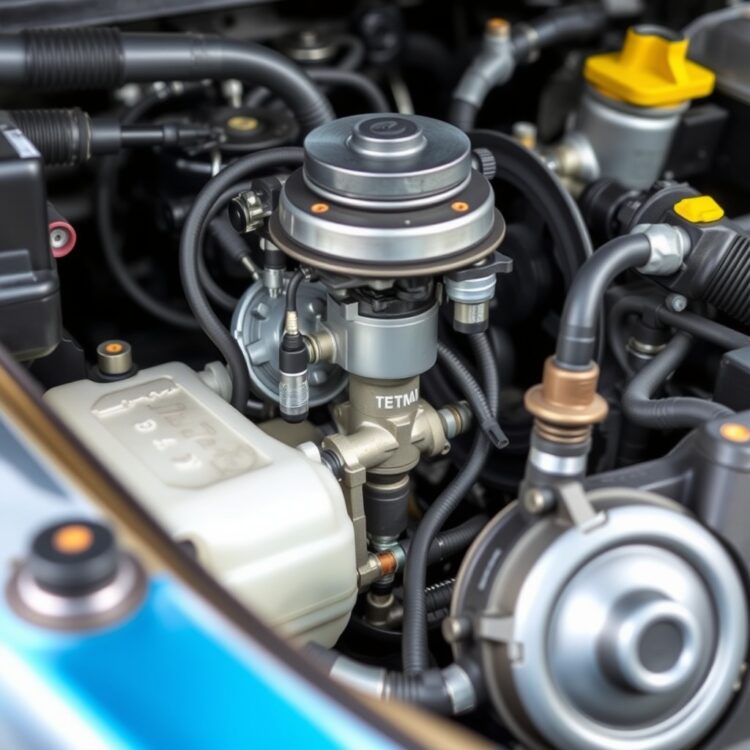
The fuel system is the lifeblood of your Ford Fiesta, and when it falters, performance suffers. Fuel pump failures, injector problems, and sudden drops in fuel efficiency are common issues. I’ve seen many owners struggle with these problems, often due to neglect or poor-quality fuel. Keeping your fuel system in top shape ensures smooth performance and better mileage.
Fuel pump failures can leave you stranded, while clogged injectors can cause rough idling or poor acceleration. And if your Fiesta’s fuel efficiency drops suddenly, it’s time for a check-up. Regular maintenance and using quality fuel can prevent most of these issues. For more on Fiesta reliability, check out our guide on its discontinuation.
Fuel Pump Failures
A failing fuel pump can leave your Fiesta dead in its tracks. Symptoms include sputtering at high speeds or difficulty starting. If you notice these signs, don’t wait—replace the pump before it fails completely. A reliable fuel pump ensures consistent performance and prevents unexpected breakdowns.
Injector Problems
Clogged or faulty injectors can wreak havoc on your Fiesta’s performance. Rough idling, poor acceleration, and increased emissions are common symptoms. Cleaning or replacing injectors can restore smooth operation and improve fuel efficiency. I always recommend using fuel additives periodically to keep injectors clean.
Fuel Efficiency Drops
If your Fiesta’s fuel efficiency suddenly plummets, it’s a sign something’s amiss. Dirty filters, faulty sensors, or injector issues could be to blame. Addressing these problems early can save you money at the pump and keep your car running smoothly. Regular maintenance is the key to optimal fuel efficiency.
Exhaust System Issues
One of the most common problems with the Ford Fiesta is its exhaust system. Owners often report issues like exhaust leaks, which can lead to louder-than-normal engine noise and reduced fuel efficiency. These leaks usually occur due to rust or corrosion, especially in older models. If left unchecked, they can cause more severe damage to the engine and even fail emissions tests. Regular inspections are crucial to catch these problems early.
Another frequent issue is catalytic converter failures. The catalytic converter is vital for reducing harmful emissions, but it can clog or wear out over time. Symptoms include a rotten egg smell, reduced engine performance, and the dreaded check engine light. Replacing a faulty catalytic converter can be costly, so it’s best to address any warning signs promptly. For more details on Ford Fiesta maintenance, check out our guide.
Exhaust Leaks
Exhaust leaks are often caused by rust or physical damage to the pipes. They can lead to carbon monoxide entering the cabin, posing a serious health risk. If you notice a hissing sound or a drop in fuel efficiency, it’s time to inspect the exhaust system. Small leaks can sometimes be repaired, but larger ones may require a full replacement. Always use high-quality parts to ensure longevity.
Ignoring exhaust leaks can also affect the engine’s performance. The system relies on backpressure to function correctly, and leaks disrupt this balance. This can result in poor acceleration and increased fuel consumption. For a deeper dive into Ford Fiesta performance, explore our resources.
Catalytic Converter Failures
The catalytic converter is prone to clogging, especially if the engine burns oil or runs rich. A clogged converter restricts exhaust flow, causing the engine to overheat and lose power. In some cases, the converter can even melt internally, requiring a full replacement. Regular engine maintenance can help prevent these issues.
If your Fiesta’s check engine light comes on, it’s worth scanning for trouble codes related to the catalytic converter. Early intervention can save you from costly repairs. For expert advice on Ford Fiesta repairs, visit our comprehensive guide.
Increased Emissions
A failing exhaust system can lead to increased emissions, which may cause your car to fail its MOT. Common culprits include a faulty oxygen sensor or a damaged catalytic converter. These components work together to regulate emissions, so any malfunction can have a domino effect. Regular servicing is key to keeping emissions in check.
If you’re concerned about your Fiesta’s emissions, consider using a fuel system cleaner or replacing the air filter. These small steps can make a big difference. For more tips on Ford Fiesta care, check out our detailed article.
Interior and Accessory Problems
The Ford Fiesta isn’t immune to interior and accessory issues. Faulty air conditioning is a frequent complaint, especially in older models. The system may blow warm air or stop working altogether due to refrigerant leaks or compressor failures. Repairing the AC can be expensive, but it’s essential for comfort during hot weather.
Electrical accessory failures are another common headache. From malfunctioning power windows to erratic infotainment systems, these issues often stem from wiring problems or faulty switches. Diagnosing electrical faults can be tricky, so it’s best to consult a professional. For more insights, read our guide on electrical repairs.
Faulty Air Conditioning
AC issues in the Fiesta are often caused by refrigerant leaks or a failing compressor. Symptoms include weak airflow or warm air blowing from the vents. Recharging the refrigerant can sometimes solve the problem, but persistent issues may require component replacements. Regular AC servicing can help prevent these problems.
Ignoring AC problems can lead to more severe damage, such as a seized compressor. This can be costly to repair and may even affect other engine components. For tips on maintaining your Fiesta’s AC, explore our maintenance guide.
Electrical Accessory Failures
Electrical issues in the Fiesta can range from minor annoyances to major malfunctions. Common problems include non-responsive power windows, flickering lights, or a dead infotainment system. These often stem from faulty wiring or blown fuses. Diagnosing the exact cause can be time-consuming, so professional help is recommended.
Preventive measures like keeping the electrical system dry and avoiding aftermarket modifications can reduce the risk of failures. For more on Ford Fiesta electrical systems, check out our detailed article.
Seat Belt Malfunctions
Seat belt issues, such as retraction problems or faulty buckles, are less common but still reported by Fiesta owners. These can compromise safety, so it’s crucial to address them immediately. Most seat belt problems are covered under warranty, so check with your dealer before paying for repairs.
Regularly inspecting the seat belts for wear and tear can help prevent malfunctions. For more safety tips, visit our Ford Fiesta safety guide.
Recalls and Manufacturer Defects
Ford has issued several recalls for the Fiesta over the years, addressing issues like faulty door latches and transmission problems. These recalls highlight the importance of staying updated on manufacturer notifications. Ignoring recalls can lead to safety hazards and costly repairs down the line. Always check if your Fiesta is affected by any open recalls.
Common manufacturer defects include premature clutch wear and faulty door handles. These issues are often covered under warranty, so it’s worth contacting your dealer if you experience them. For a full list of Ford Fiesta recalls, visit our dedicated page.
Historical Recall Overview
The Fiesta has faced recalls for various reasons, including fire risks due to overheating engines and faulty door latches that could open unexpectedly. These recalls underscore the importance of regular maintenance and prompt repairs. Staying informed about recalls can save you from potential dangers and expensive fixes.
If you’re unsure whether your Fiesta is affected, you can check the VIN on Ford’s official website or consult your local dealer. For more on Ford Fiesta recalls, explore our resources.
Common Manufacturer Defects
Some Fiesta models are prone to specific defects, such as premature clutch failure or faulty power steering. These issues are often design flaws and may be covered under warranty. If you notice unusual noises or performance issues, it’s best to get your car inspected immediately.
Regular servicing can help identify these defects early, preventing more severe problems. For expert advice on Ford Fiesta defects, check out our guide.
How to Check for Recalls
Checking for recalls is straightforward. You can use Ford’s official recall lookup tool by entering your VIN or contact your local dealer. Addressing recalls promptly ensures your Fiesta remains safe and reliable. Ignoring them can void your warranty and put you at risk.
For a step-by-step guide on how to check recalls, visit our comprehensive article. Staying proactive is the key to avoiding unnecessary headaches.
Maintenance Tips to Avoid Common Problems
Keeping your Ford Fiesta in top shape requires regular maintenance. We recommend sticking to the manufacturer’s service intervals to prevent issues like overheating or oil leaks. Simple DIY checks, such as monitoring fluid levels and inspecting belts, can save you from costly repairs. Investing in quality replacement parts ensures longevity and reliability, so always opt for trusted brands or OEM components.
Our experience shows that neglecting minor issues often leads to major problems. For example, ignoring a small oil leak can result in engine damage. Regularly inspecting your car’s cooling system and transmission can prevent breakdowns. If you’re unsure about any maintenance task, consult a professional or refer to the automotive blog for detailed guides.
Regular Service Intervals
Adhering to scheduled service intervals is crucial for your Ford Fiesta’s health. Regular oil changes, filter replacements, and brake inspections keep the engine running smoothly. Skipping services can lead to premature wear and tear, especially in high-stress components like the timing belt. We’ve seen many cases where timely servicing could have avoided expensive repairs.
Modern Fiestas come with service reminders, but it’s wise to keep a manual log too. This helps track maintenance history and identify recurring issues. If you’re looking for reliable service centres, check out the Ford Fiesta pricing guide for recommendations.
DIY Maintenance Checks
Simple DIY checks can go a long way in preventing common problems. Start by inspecting the battery terminals for corrosion and ensuring the alternator is charging properly. Regularly check tire pressure and tread depth to avoid uneven wear. These small steps can save you from unexpected breakdowns and costly repairs.
We also recommend keeping an eye on the exhaust system for leaks or unusual noises. A faulty exhaust can affect performance and fuel efficiency. For more tips, visit the common issues guide to learn how to spot early warning signs.
Recommended Replacement Parts
Using high-quality replacement parts is essential for your Fiesta’s longevity. OEM parts are designed specifically for your car, ensuring compatibility and performance. Aftermarket options can be cheaper, but they may not always meet the same standards. We’ve found that investing in quality parts pays off in the long run.
For example, opting for a premium timing belt reduces the risk of sudden failures. If you’re unsure where to buy, the Ford Fiesta guide lists trusted suppliers. Always verify part compatibility before purchasing to avoid installation issues.
Cost Estimates for Common Repairs
Understanding repair costs helps you budget for your Ford Fiesta’s upkeep. Engine repairs, such as fixing oil leaks or replacing a timing belt, can range from £200 to £800. Transmission issues, like clutch replacements, often cost between £300 and £1,000. Electrical system repairs, including alternator replacements, typically fall between £150 and £400.
We’ve noticed that labour costs vary by location and garage reputation. Always get multiple quotes before committing to a repair. For a detailed breakdown, refer to the external guide on car maintenance.
Engine Repair Costs
Engine repairs are among the most expensive for the Ford Fiesta. Overheating issues, often caused by a faulty thermostat or water pump, can cost £200 to £500. Oil leaks, if caught early, might only require a gasket replacement for around £150. However, severe leaks leading to engine damage can exceed £1,000.
Timing belt replacements are critical and usually cost between £300 and £600. Skipping this can result in catastrophic engine failure. We recommend replacing the belt every 60,000 miles or as per your manual’s guidelines.
Transmission Repair Costs
Transmission problems in the Fiesta can be costly. Clutch replacements range from £300 to £800, depending on the model. Gear shifting difficulties might require a full transmission rebuild, costing up to £1,500. Regular fluid checks and changes can prevent these issues.
If you notice unusual noises or difficulty shifting, address it immediately. Delaying repairs often leads to more extensive damage. For more insights, check the Ford Fiesta guide.
Electrical System Repair Costs
Electrical faults, such as battery drain or faulty alternators, are common in older Fiestas. A new battery costs around £100, while alternator replacements can be £200 to £400. Wiring issues, though less frequent, might require professional diagnostics and repairs.
We advise testing the battery and alternator annually to avoid unexpected failures. For more tips, visit the automotive blog.
Where to Find Quality Replacement Parts
Finding reliable replacement parts for your Ford Fiesta is easier than you think. OEM parts are available through authorised dealers, ensuring perfect fit and performance. Aftermarket options offer affordability but vary in quality. We recommend researching brands and reading reviews before purchasing.
Online marketplaces and specialised auto parts stores are great places to start. Always verify compatibility using your car’s VIN or model details. For trusted suppliers, refer to the Ford Fiesta guide.
OEM vs Aftermarket Parts
OEM parts are manufactured by Ford, guaranteeing compatibility and reliability. Aftermarket parts, while cheaper, may not meet the same standards. We’ve found that critical components like timing belts and alternators are best sourced as OEM to avoid premature failures.
For non-critical parts, aftermarket options can be a cost-effective choice. Always check warranties and return policies when buying. If you’re unsure, consult the automotive blog for recommendations.
Recommended Suppliers
Trusted suppliers ensure you get quality parts for your Fiesta. Authorised Ford dealers are the safest bet for OEM components. Online retailers like Euro Car Parts and GSF Car Parts offer a wide range of aftermarket options. We recommend comparing prices and reviews before making a purchase.
Local garages and auto shops can also source parts for you. For a list of reputable suppliers, check the Ford Fiesta pricing guide.
How to Ensure Part Compatibility
Ensuring part compatibility is crucial to avoid installation issues. Always cross-reference part numbers with your car’s manual or VIN. Online tools and forums can also help verify fitment. We’ve seen many cases where incorrect parts caused further damage.
If in doubt, consult a mechanic or parts specialist. For more guidance, visit the automotive blog.
Frequently Asked Questions
What is the most common issue with the Ford Fiesta?
The most common issue is transmission problems, particularly clutch failures and gear shifting difficulties. Regular maintenance and timely repairs can prevent these issues. We recommend checking the transmission fluid and clutch condition annually.
How often should I service my Ford Fiesta?
Service intervals vary by model, but generally, every 12,000 miles or 12 months is recommended. Refer to your manual for specific guidelines. Regular servicing helps avoid costly repairs and keeps your car running smoothly.
Are Ford Fiestas expensive to maintain?
While not the cheapest, Fiestas are relatively affordable to maintain compared to other cars. Routine servicing and DIY checks can reduce costs. We’ve found that investing in quality parts pays off in the long run.
Where can I find reliable replacement parts?
Authorised Ford dealers and reputable online retailers are the best sources. Always verify compatibility and read reviews before purchasing. For trusted suppliers, check the Ford Fiesta pricing guide.