Introduction
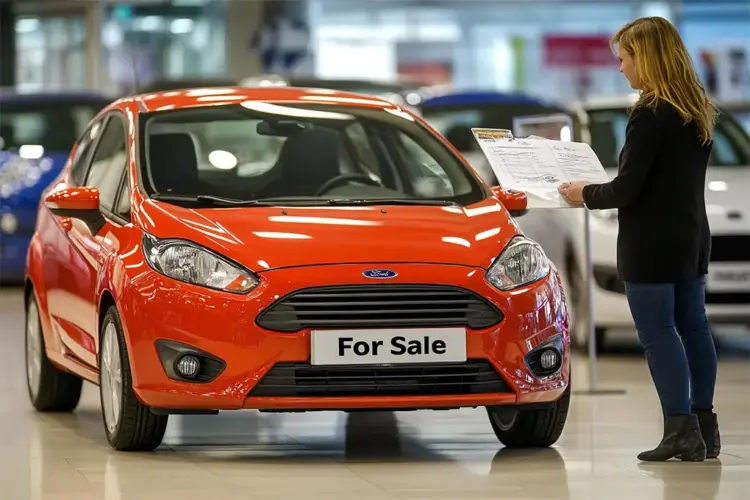
Is it still worth buying a Ford Fiesta? That’s the question I’ve been asking myself lately. With the automotive world shifting towards electric and hybrid vehicles, the humble Fiesta remains a staple for many drivers. But does it hold up in today’s market? Let’s dive into what makes this compact car a contender—or if it’s time to look elsewhere. Whether you’re a first-time buyer or a seasoned driver, the Fiesta’s legacy is worth exploring.
Key Takeaways
- The Ford Fiesta offers exceptional fuel efficiency, making it a cost-effective choice for daily commutes.
- Its compact size is perfect for urban driving and tight parking spaces.
- Affordable maintenance and running costs keep ownership hassle-free.
- Limited passenger space and performance may deter those seeking versatility or power.
- Comparing new vs. used models can reveal significant savings without sacrificing quality.
How Well Do You Know Ford?
Introduction to the Ford Fiesta
The Ford Fiesta has been a household name for decades, and for good reason. It’s a car that balances practicality with a touch of fun, making it a favourite among drivers of all ages. From its early days to the latest models, the Fiesta has evolved to meet modern demands while staying true to its roots. If you’re considering one, understanding its journey is key to appreciating its value today.
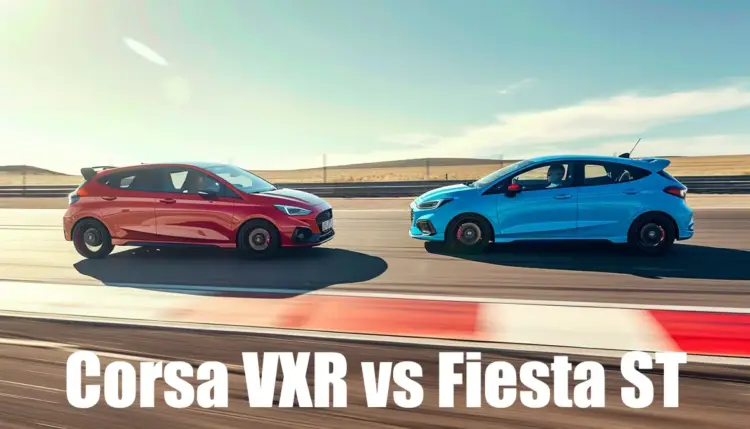
One of the standout features of the Fiesta is its adaptability. Whether you’re navigating city streets or cruising on the motorway, it delivers a smooth ride. For those curious about alternatives, checking out how it stacks up against the Corsa VXR can provide valuable insights. The Fiesta’s charm lies in its simplicity, but don’t underestimate its capabilities.
The Evolution of the Ford Fiesta
The Ford Fiesta has come a long way since its debut in 1976. I remember when it first hit the streets—compact, affordable, and perfect for city driving. Over the decades, it’s evolved into a stylish, tech-savvy hatchback. From its early days as a no-frills runabout to its current iteration, the Fiesta has consistently adapted to market demands. It’s a testament to Ford’s commitment to innovation and reliability.
Today’s Fiesta boasts advanced features like touchscreen infotainment, driver-assist tech, and efficient engines. It’s no longer just a budget car; it’s a smart choice for drivers who want style and substance. Whether you’re a first-time buyer or a seasoned driver, the Fiesta’s evolution makes it a compelling option. It’s proof that small cars can pack a big punch.
Current Market Position of the Ford Fiesta
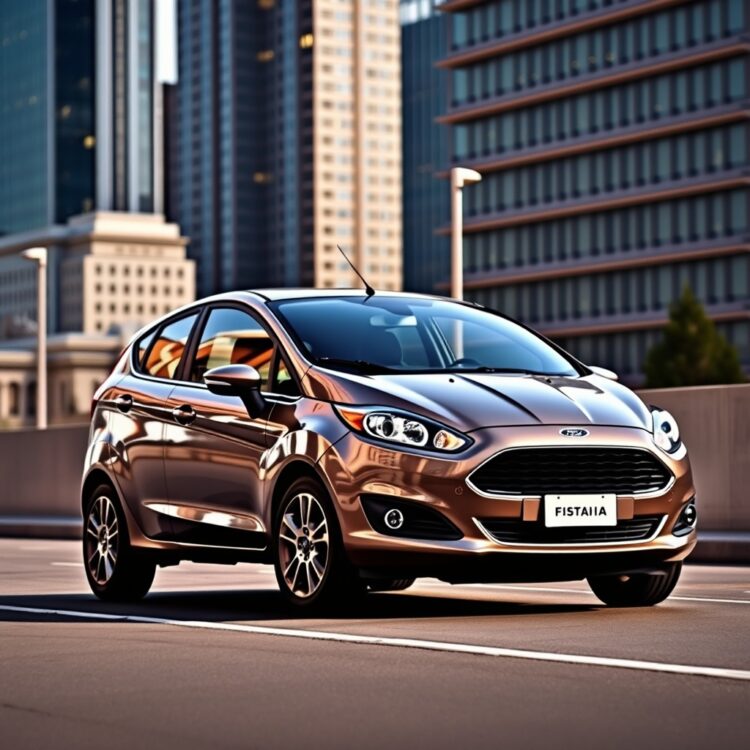
The Ford Fiesta remains a strong contender in the compact car segment. Despite the rise of SUVs and electric vehicles, the Fiesta holds its own with its blend of affordability and practicality. I’ve noticed how it appeals to urban drivers who value fuel efficiency and easy parking. Its reputation for reliability and low running costs keeps it in high demand, especially among younger buyers and small families.
However, competition is fierce. Rivals like the Vauxhall Corsa and Volkswagen Polo offer similar perks. Yet, the Fiesta’s driving dynamics and Ford’s extensive dealer network give it an edge. It’s a car that balances everyday usability with a touch of fun—something not all competitors can claim. If you’re in the market for a compact hatchback, the Fiesta deserves serious consideration.
Advantages of Owning a Ford Fiesta
Fuel Efficiency
One of the biggest perks of the Ford Fiesta is its fuel efficiency. I’ve driven the 1.0-litre EcoBoost engine, and it’s impressively economical without sacrificing performance. Whether you’re commuting or hitting the motorway, the Fiesta sips fuel like a pro. This makes it a great choice for budget-conscious drivers who still want a responsive ride.
Ford’s commitment to efficiency extends to hybrid options, too. The Fiesta’s mild-hybrid variants offer even better mileage, reducing both fuel costs and emissions. In a world where fuel prices are unpredictable, the Fiesta’s frugality is a major selling point. It’s a car that lets you go further for less—something we all appreciate.
Compact Size for Easy Parking
Parking in tight spaces? The Fiesta’s compact dimensions make it a breeze. I’ve navigated crowded city streets and cramped car parks with ease, thanks to its nimble handling and tight turning circle. It’s a car that feels at home in urban environments, where space is at a premium. If you’re tired of struggling with larger vehicles, the Fiesta’s size is a breath of fresh air.
Despite its small footprint, the Fiesta doesn’t skimp on interior space. Clever design ensures there’s enough room for passengers and cargo. It’s proof that good things come in small packages. Whether you’re a new driver or a city dweller, the Fiesta’s compact size is a huge advantage.
Affordable Maintenance
Owning a car shouldn’t break the bank, and the Fiesta delivers on affordability. I’ve found its maintenance costs to be reasonable, with readily available parts and a network of Ford garages across the UK. Routine services won’t drain your wallet, and the car’s reliability means fewer unexpected repairs. It’s a smart investment for long-term ownership.
Ford’s reputation for durability also means the Fiesta holds its value well. Whether you’re buying new or used, you can expect decent resale prices. For drivers who want a hassle-free ownership experience, the Fiesta’s affordability is a major plus. It’s a car that keeps costs low without cutting corners.
For more insights on compact cars, check out this external guide from Autocar.
Potential Drawbacks of the Ford Fiesta
While the Ford Fiesta has plenty to offer, it’s not without its flaws. One of the most noticeable drawbacks is its limited space for passengers. The rear seats can feel cramped, especially for taller adults, making long journeys less comfortable. If you frequently travel with a full car, you might find yourself wishing for a bit more legroom. The boot space is also modest, which could be a dealbreaker if you regularly carry large items.
Another downside is the performance limitations. The base models, while efficient, lack the punch you’d get from more powerful engines. If you’re after a thrilling drive, you’ll need to opt for the higher-spec trims, which come at a premium. Even then, the Fiesta isn’t a performance powerhouse compared to some rivals. For those who prioritise speed and agility, this might be a sticking point.
Limited Space for Passengers
The Fiesta’s compact design is great for city driving, but it does sacrifice interior space. Rear passengers, in particular, might find themselves feeling squeezed, especially on longer trips. The boot, at 292 litres, is decent for its class but falls short if you need to haul larger items. It’s a trade-off for the car’s nimble handling and easy parking, but it’s worth considering if space is a priority for you.
Performance Limitations
The standard engines in the Fiesta are tuned for efficiency rather than excitement. The 1.0-litre EcoBoost is peppy around town but struggles on motorways or uphill climbs. If you crave more power, the ST model is the way to go, but it comes with a higher price tag. Even then, rivals like the Vauxhall Corsa VXR offer more aggressive performance. For everyday driving, though, the Fiesta’s balance of efficiency and practicality is hard to beat.
Available Engines and Trims
The Ford Fiesta offers a range of engines to suit different needs. The 1.1-litre petrol is the most affordable but lacks power, while the 1.0-litre EcoBoost strikes a good balance between performance and efficiency. For those wanting more excitement, the ST trim packs a 1.5-litre turbocharged engine with 197bhp. There’s also a mild-hybrid option for eco-conscious buyers, though it’s not as refined as full hybrids.
Trim levels start with the basic Titanium, moving up to the sporty ST-Line and the performance-oriented ST. Each trim adds more features, from upgraded interiors to advanced tech. The ST-Line, for example, includes sporty styling cues and firmer suspension, while the ST goes all out with Recaro seats and a sport-tuned chassis. Choosing the right trim depends on your budget and priorities, but there’s something for everyone.
Safety Features and Ratings
The Ford Fiesta scores well in safety, earning a five-star Euro NCAP rating. Standard features include autonomous emergency braking, lane-keeping assist, and a speed limiter. Higher trims add adaptive cruise control and traffic sign recognition, making long drives less stressful. The car’s sturdy build and responsive handling also contribute to its safety credentials, giving you peace of mind on the road.
However, some advanced safety tech is reserved for the pricier trims, which might frustrate budget-conscious buyers. For example, blind-spot monitoring isn’t available on the base model. If safety is a top priority, it’s worth splurging on a higher trim or exploring alternatives like the Volkswagen Polo, which offers more standard safety kit. Still, the Fiesta’s solid crash-test results make it a reliable choice.
Fuel Economy and Running Costs
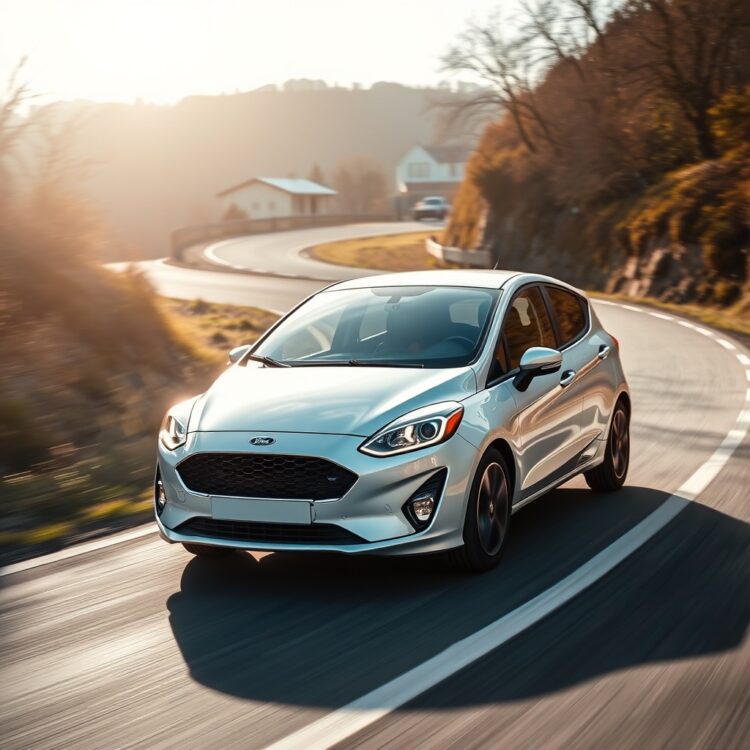
The Ford Fiesta is one of the most fuel-efficient cars in its class, with the 1.0-litre EcoBoost returning up to 57.6mpg. The mild-hybrid version improves this further, making it a great choice for cost-conscious drivers. Insurance groups are reasonable too, especially for the lower-powered models, keeping annual premiums manageable. Servicing costs are affordable, thanks to Ford’s widespread dealer network and competitive parts pricing.
Depreciation is another strong point, with the Fiesta holding its value better than many rivals. This makes it a smart buy if you plan to sell or trade in later. For those considering a used model, the Fiesta’s reliability and low running costs make it a standout option. Whether you’re buying new or used, the Fiesta’s economical nature is a major selling point.
For more details on fuel-efficient cars, check out this external guide.
Driving Experience and Handling
When it comes to the Ford Fiesta, the driving experience is where it truly shines. I’ve always been impressed by its nimble handling, making it a joy to navigate through tight city streets and winding country roads alike. The steering is precise, offering just the right amount of feedback to keep you connected to the road. Whether you’re tackling a roundabout or cruising on the motorway, the Fiesta feels planted and confident. It’s no wonder this car has been a favourite among driving enthusiasts for years.
The suspension strikes a perfect balance between comfort and sportiness. Even on rough surfaces, the ride remains composed, absorbing bumps without feeling overly soft. If you’re after a bit more excitement, the ST-Line and ST variants dial up the fun with firmer setups and sharper responses. For a compact car, the Fiesta delivers a driving experience that punches well above its weight.
Interior Design and Comfort
Step inside the Ford Fiesta, and you’ll find an interior that’s both stylish and practical. The cabin is well laid out, with intuitive controls and a modern infotainment system that’s easy to use on the go. Materials are of decent quality, especially in higher trims, where soft-touch surfaces and premium finishes elevate the feel. It’s a space that’s designed with the driver in mind, offering excellent visibility and a comfortable seating position.
While the Fiesta’s compact dimensions mean rear legroom is limited, it’s still manageable for shorter trips. The boot space is respectable for its class, and folding the rear seats adds versatility for larger items. If you’re considering a hot hatch, the Fiesta ST’s bolstered seats and sporty touches make it a standout. Overall, the interior strikes a great balance between everyday usability and driver-focused design.
Reliability and Common Issues
Ford has a solid reputation for reliability, and the Fiesta is no exception. Most owners report trouble-free ownership, especially with regular maintenance. However, like any car, it’s not without its quirks. Some early models faced issues with the PowerShift automatic transmission, but these have largely been addressed in newer versions. It’s always worth checking the service history and ensuring recalls have been addressed if you’re buying used.
Another area to watch is the infotainment system, which can occasionally suffer from glitches. Thankfully, software updates often resolve these niggles. For peace of mind, consider opting for a Ford-approved used model, which comes with a warranty. On the whole, the Fiesta is a dependable choice, offering years of hassle-free motoring if looked after properly.
Insurance and Tax Costs
One of the Fiesta’s biggest selling points is its affordability when it comes to running costs. Insurance groups are generally low, especially for the smaller engines, making it a great choice for new drivers or those on a budget. The 1.0-litre EcoBoost engine, in particular, strikes a great balance between performance and efficiency, keeping premiums manageable. It’s worth shopping around for quotes, as rates can vary depending on your location and driving history.
Tax costs are equally reasonable, with many models falling into the lower bands thanks to their efficient engines. If you’re eyeing the sportier ST variant, expect higher premiums and tax rates, but it’s still competitive compared to rivals. For a deeper dive into insurance options, check out our guide. All in all, the Fiesta remains one of the most cost-effective choices in its class.
Comparing New vs Used Ford Fiesta
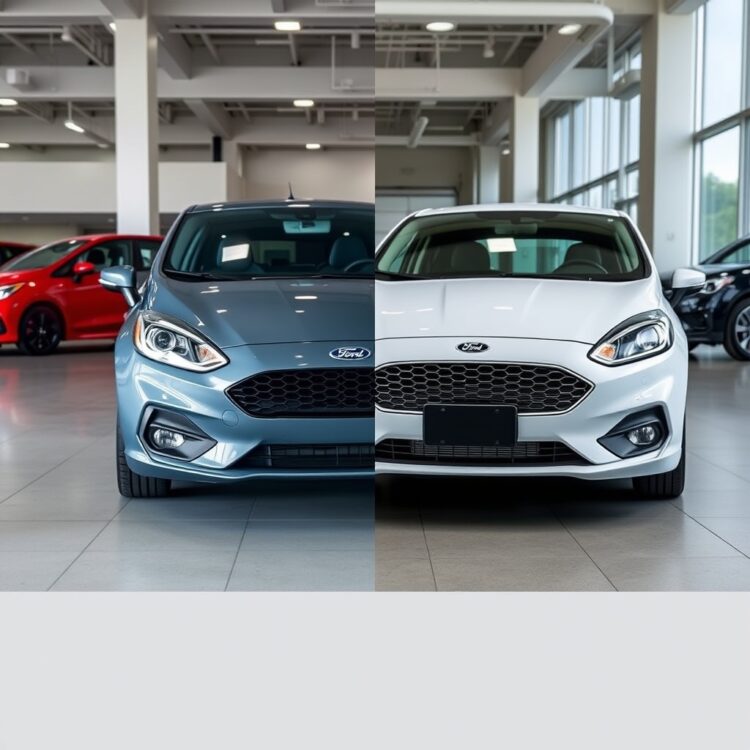
When deciding between a new or used Ford Fiesta, there are several factors to consider. A new Fiesta offers the latest features, warranties, and peace of mind, but it comes at a higher price. On the other hand, a used Fiesta can be a bargain, especially if you find a well-maintained model with low mileage. We’ve found that used Fiestas often retain their value well, making them a smart choice for budget-conscious buyers.
However, depreciation is a key factor. A new Fiesta loses value quickly in the first few years, while a used one has already taken that hit. If you’re looking for the best of both worlds, consider a nearly new or certified pre-owned model. These often come with extended warranties and have been thoroughly inspected. Whether new or used, the Fiesta’s reliability and fun driving experience remain consistent.
Alternative Vehicles to Consider
Electric Vehicles
If you’re open to alternatives, electric vehicles (EVs) like the Nissan Leaf or Renault Zoe offer lower running costs and zero emissions. While they lack the Fiesta’s playful handling, they make up for it with instant torque and quiet operation. Charging infrastructure is improving, but range anxiety can still be a concern for long trips. For urban driving, though, an EV could be a practical and eco-friendly choice.
That said, EVs come with a higher upfront cost, and battery degradation over time is something to consider. If you’re not ready to go fully electric, a hybrid like the Toyota Yaris Hybrid might be a better fit. It combines a petrol engine with electric power for improved fuel efficiency without the range limitations of a pure EV.
Hybrid Vehicles
Hybrids bridge the gap between traditional petrol cars and EVs. The Ford Fiesta itself doesn’t have a hybrid version, but models like the Hyundai Ioniq Hybrid or Kia Niro Hybrid offer similar compact dimensions with better fuel economy. These are ideal if you want to reduce fuel costs without compromising on range or convenience.
Hybrids also tend to have lower tax and insurance costs compared to pure petrol cars. However, they can be more expensive to buy upfront, and their performance might not match the Fiesta’s sporty feel. If you’re after a balance of efficiency and driving enjoyment, a mild-hybrid system like those found in some performance-oriented Fiestas could be worth exploring.
Other Compact Cars
The Fiesta isn’t the only compact car worth considering. The Volkswagen Polo and Vauxhall Corsa are strong competitors, each with their own strengths. The Polo offers a more refined ride, while the Corsa is known for its stylish design and affordable pricing. We’ve compared the Corsa VXR to the Fiesta ST in detail, highlighting their differences in performance and value.
Another option is the Honda Jazz, which excels in practicality and reliability. While it might not be as fun to drive as the Fiesta, its spacious interior and versatile seating make it a great choice for families. Ultimately, the best alternative depends on your priorities—whether it’s driving dynamics, fuel efficiency, or interior space.
Final Thoughts on Buying a Ford Fiesta Today
The Ford Fiesta remains a compelling choice in the compact car segment, offering a blend of affordability, fun driving dynamics, and practicality. While it faces stiff competition from newer hybrids and EVs, its proven reliability and low running costs keep it relevant. If you’re after a car that’s cheap to run and enjoyable to drive, the Fiesta is hard to beat.
However, if you’re looking for cutting-edge technology or eco-friendly options, you might want to explore alternatives. The decision ultimately comes down to your needs and budget. Whether you opt for a new or used model, the Fiesta’s charm and versatility make it a solid choice for many drivers. For more insights, check out this external guide on the best small cars available today.
Frequently Asked Questions
Is the Ford Fiesta still a good buy in 2023?
Absolutely. The Fiesta continues to offer excellent value, especially in the used market. Its combination of affordability, fuel efficiency, and driving fun makes it a standout choice. While newer alternatives exist, the Fiesta’s reliability and low maintenance costs keep it competitive.
What are the common issues with the Ford Fiesta?
Some common issues include clutch problems in manual models and occasional electrical gremlins. However, these are often minor and can be addressed with regular maintenance. Overall, the Fiesta is known for its durability, especially when properly cared for.
How does the Fiesta compare to its rivals?
The Fiesta shines in driving dynamics and affordability but lags behind in interior refinement and tech compared to rivals like the Volkswagen Polo. It’s a trade-off between fun and luxury, so your preference will dictate the best choice.
Is a used Fiesta a reliable car?
Yes, a well-maintained used Fiesta can be very reliable. Look for models with full service histories and avoid high-mileage examples with signs of neglect. The automotive blog has more tips on buying used cars.