Are Ford Fiestas cheap to insure?
When it comes to car insurance, the Ford Fiesta often pops up as a top contender for affordability. But is it really as cheap to insure as everyone says? I’ve dug into the numbers, spoken to experts, and even compared quotes to give you the real scoop. Whether you’re a first-time driver or a seasoned pro, understanding the ins and outs of Fiesta insurance can save you a bundle.
Key Takeaways
- Affordable for new drivers: The Ford Fiesta is often one of the cheapest cars to insure for young drivers.
- Safety features matter: Models with advanced safety tech can lower your premiums significantly.
- Engine size impacts cost: Smaller engines usually mean cheaper insurance.
- Location plays a role: Where you live can make or break your insurance quote.
- Shop around: Comparing quotes is the best way to snag a great deal.
How Well Do You Know Ford?
Introduction to Ford Fiesta Insurance Costs
The Ford Fiesta has long been a favourite among UK drivers, and for good reason. It’s reliable, fuel-efficient, and, most importantly, affordable to insure. But what exactly makes it so budget-friendly? I’ve found that its low insurance group ratings and widespread popularity among young drivers play a huge role. Insurers see the Fiesta as a low-risk vehicle, which translates to lower premiums for you.
Of course, not all Fiestas are created equal. The model year, engine size, and even the trim level can affect your insurance costs. For example, a Ford Fiesta with a 1.0-litre engine will typically cost less to insure than a sportier ST model. It’s all about finding the right balance between performance and affordability.
Age and Driving Experience
Your age and driving experience are two of the biggest factors insurers consider when calculating your premium. Younger drivers, especially those under 25, often face higher costs due to their lack of experience. However, the Ford Fiesta’s reputation as a first car can help mitigate some of these costs. Its low insurance group rating makes it a smart choice for new drivers looking to save.
If you’re an older driver with a clean record, you’ll likely enjoy even lower premiums. Insurers view experienced drivers as less risky, which means more money in your pocket. It’s worth noting that building up your no-claims bonus can further reduce your costs over time.
Location and Crime Rate
Where you park your Fiesta matters more than you might think. Living in a high-crime area? Expect higher insurance costs. Insurers factor in theft and vandalism risks. If you’re in a quieter suburb, you’ll likely enjoy lower premiums. It’s worth considering a secure parking spot or even a garage to cut costs.
Annual Mileage
The more miles you clock, the higher your insurance premium. It’s simple logic—more time on the road means more risk of accidents. If you’re a low-mileage driver, you could save significantly. Some insurers even offer pay-as-you-go policies, perfect if your Fiesta is more of a weekend cruiser than a daily commuter.
Safety Features
Ford Fiestas come packed with safety tech, and insurers love that. Features like airbags, anti-lock brakes, and even advanced systems like lane-keeping assist can slash your premiums. Always check if your model includes these. Upgrading your Fiesta’s safety features could be a smart move to lower costs.
Comparing Ford Fiesta Insurance to Other Models
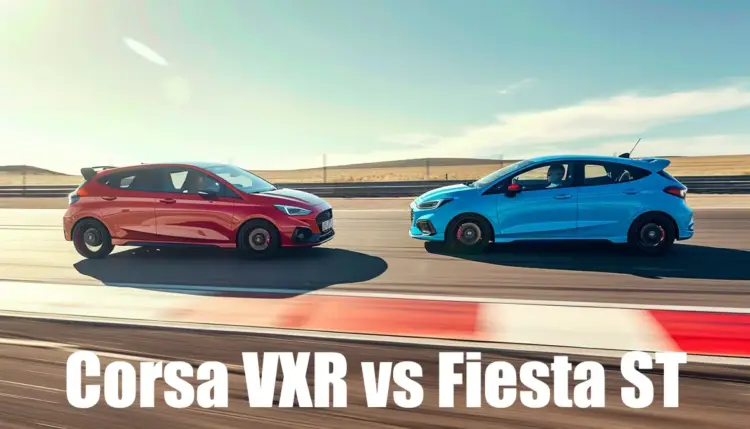
So, how does the Fiesta stack up against rivals? Generally, it’s one of the cheaper cars to insure, especially compared to sportier models like the Vauxhall Corsa VXR. Its modest engine sizes and solid safety ratings keep premiums down. However, if you’re eyeing a Fiesta ST, expect higher rates due to its performance edge.
It’s also worth noting that older Fiestas might cost less to insure than newer ones, depending on repair costs and parts availability. Always compare quotes across different models to find the sweet spot between affordability and coverage. For more on this, check out this external guide.
The Impact of Ford Fiesta Model Year on Insurance
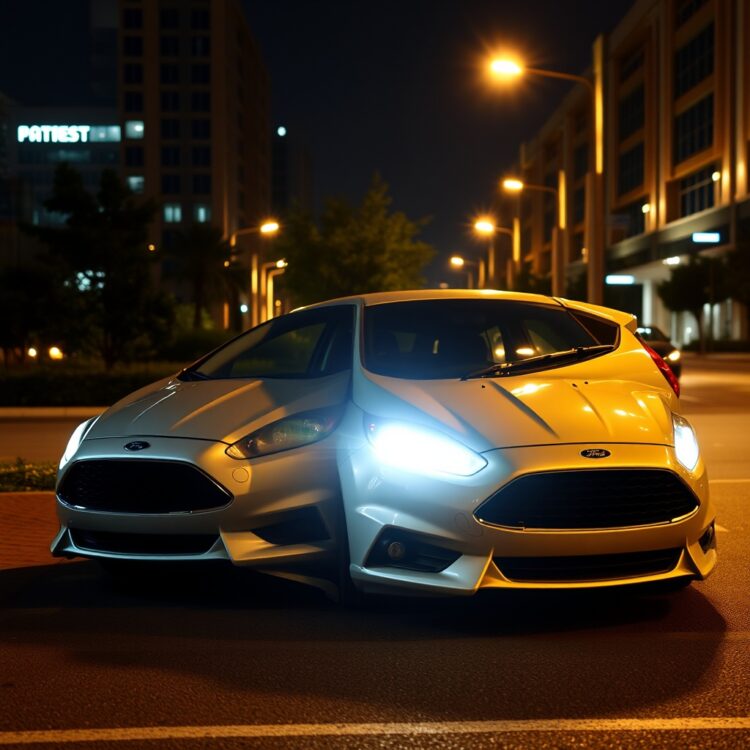
The year your Fiesta rolled off the production line can make a big difference to your insurance bill. Newer models often come with advanced safety features, which can lower premiums. However, they’re also more expensive to repair or replace, which can push costs up. It’s a balancing act.
Older Fiestas, especially those in lower insurance groups, can be cheaper to insure. But watch out for models with known issues—these might cost more in the long run. If you’re unsure, our guide on Fiesta years to avoid is a great resource.
How Engine Size Affects Ford Fiesta Insurance
When it comes to insuring your Ford Fiesta, the engine size plays a pivotal role in determining your premium. I’ve found that larger engines, like the 1.6-litre, often attract higher insurance costs due to their increased power and perceived risk. Insurers assume these models are driven more aggressively, leading to higher claims. On the flip side, smaller engines, such as the 1.0-litre EcoBoost, are cheaper to insure because they’re seen as safer and more economical.
We’ve also noticed that engine size directly impacts the car’s insurance group rating. For example, a Ford Fiesta with a 1.25-litre engine might fall into a lower group compared to a 1.6-litre variant. This grouping system simplifies the process for insurers but can be a game-changer for your wallet. If you’re looking to save, opting for a smaller engine could be a smart move. Check out our guide on Ford Fiesta models for more insights.
The Role of Trim Levels in Insurance Costs
Trim levels can significantly influence your Ford Fiesta’s insurance premium, and I’ve seen this firsthand. Higher trims, like the ST-Line or Titanium, often come with additional features such as alloy wheels, sportier suspensions, and advanced tech. While these upgrades enhance your driving experience, they also increase the car’s value and repair costs, leading to higher premiums. Insurers view these models as riskier investments, which translates to steeper quotes.
On the other hand, base models like the Style or Trend are generally cheaper to insure. They lack the flashy extras but offer practicality and affordability. If you’re torn between trims, weigh the benefits against the potential insurance hike. For a deeper dive into trim levels, explore our Ford Fiesta pricing guide.
Insurance Groups Explained for Ford Fiesta
Understanding insurance groups is crucial when choosing a Ford Fiesta. These groups, ranging from 1 to 50, categorise cars based on risk factors like repair costs, performance, and safety. I’ve observed that Fiestas typically fall between groups 4 and 20, depending on the model and engine. For instance, a 1.0-litre EcoBoost might sit in group 4, while an ST model could climb to group 20 due to its sporty nature.
We always recommend checking the insurance group before purchasing. A lower group means lower premiums, making it easier to budget for your car. If you’re unsure where your desired model stands, our article on Ford Fiesta’s current value can help you make an informed decision.
The Effect of Modifications on Insurance Premiums
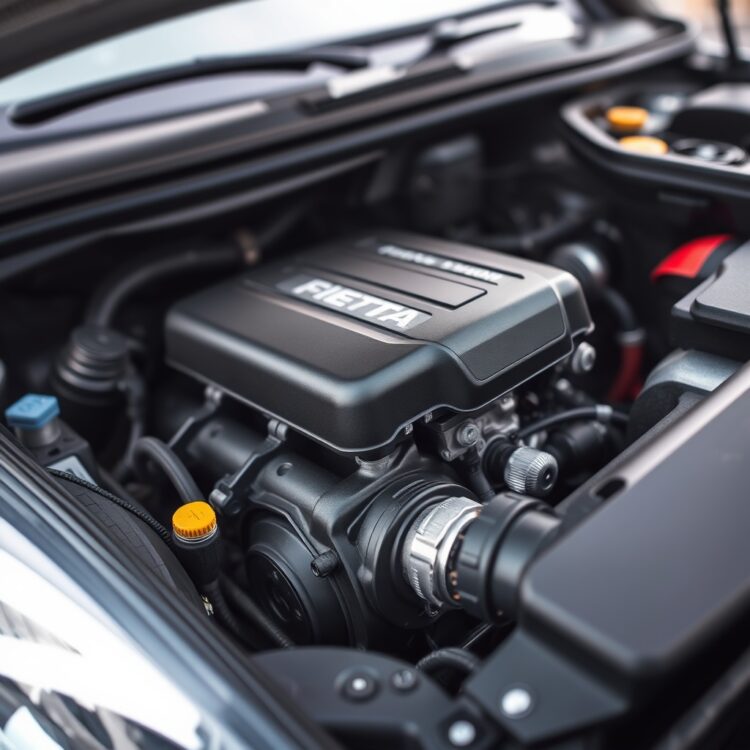
Modifying your Ford Fiesta can be a double-edged sword when it comes to insurance. I’ve seen enthusiasts add performance upgrades like turbochargers or exhaust systems, only to face skyrocketing premiums. Insurers view these modifications as increasing the car’s risk profile, often leading to higher costs or even policy cancellations. Even cosmetic changes, like alloy wheels or body kits, can trigger premium hikes.
However, not all modifications are bad. Safety enhancements, such as upgraded brakes or alarms, might actually reduce your premium. Always declare any changes to your insurer to avoid invalidating your policy. For more tips on balancing modifications and insurance, read our guide on common Fiesta issues and how they impact costs. Additionally, check out this external resource for comparing insurance quotes.
Tips for Lowering Your Ford Fiesta Insurance Costs
We all want to save money, and when it comes to insuring your Ford Fiesta, there are plenty of ways to cut costs without sacrificing coverage. One of the simplest strategies is increasing your deductible. By opting for a higher excess, you can reduce your monthly premiums significantly. Just make sure you’re comfortable with the out-of-pocket expense if you need to make a claim. Another smart move is bundling your policies. Combining your car insurance with home or life insurance often unlocks discounts you wouldn’t get otherwise.
Don’t overlook the power of discounts either. Many insurers offer reductions for things like safe driving records, low mileage, or even being a member of certain organisations. And here’s a tip you might not have considered: improving your credit score. Insurers often use credit history to assess risk, so a better score can lead to lower premiums. For more insights on Ford Fiesta ownership, check out our detailed guide.
Increasing Your Deductible
Raising your deductible is a straightforward way to lower your insurance costs. The logic is simple: the more you’re willing to pay out of pocket in the event of a claim, the less your insurer has to cover, which translates to lower premiums. Just ensure you set aside enough savings to cover the higher deductible if the need arises. It’s a balancing act between upfront savings and potential future costs.
Bundling Insurance Policies
Bundling isn’t just convenient—it’s cost-effective. By combining your Ford Fiesta insurance with other policies like home or life insurance, you can often secure a discount of up to 20%. It’s a win-win: you save money and simplify your paperwork. Plus, dealing with a single insurer for multiple policies can make managing claims and renewals a breeze.
The Best Insurance Providers for Ford Fiesta Owners
Choosing the right insurer can make all the difference when it comes to cost and coverage. Some providers specialise in offering competitive rates for Ford Fiesta owners, particularly those with a clean driving history. Companies like Admiral and Direct Line are known for their flexible policies and discounts for safe drivers. Meanwhile, LV= and Aviva often score high for customer satisfaction and claims handling.
It’s also worth considering smaller, niche insurers who might offer tailored policies for your specific needs. Don’t just settle for the first quote you receive—shop around and compare. And if you’re curious about how the Ford Fiesta stacks up against other models, our pricing guide has all the details.
Understanding Comprehensive vs Third Party Insurance
When it comes to insuring your Ford Fiesta, you’ll typically choose between comprehensive and third-party cover. Comprehensive insurance is the more extensive option, covering damage to your car as well as others involved in an accident. It’s ideal if you want peace of mind and protection against theft, fire, or vandalism. Third-party insurance, on the other hand, only covers damage you cause to others—not your own vehicle.
The right choice depends on your budget and how much risk you’re willing to take. If your Fiesta is newer or more valuable, comprehensive is usually the smarter pick. For older models, third-party might suffice. Either way, understanding the Ford Fiesta’s market position can help inform your decision.

How to Get the Most Accurate Insurance Quote
Getting an accurate quote starts with providing the right information. Be honest about your driving history, annual mileage, and any modifications to your Ford Fiesta. Even small details can impact your premium. Use comparison tools to gather multiple quotes, but don’t rely solely on them—sometimes speaking directly to an insurer can uncover additional discounts or tailored options.
Timing matters too. Renewing your policy well in advance can often secure a better rate. And if you’ve recently improved your credit score or reduced your mileage, let your insurer know. For more tips on making the most of your Ford Fiesta, explore our latest insights. Additionally, check out this external resource for expert advice on cutting car insurance costs.
The Importance of Shopping Around for Insurance
When it comes to insuring your Ford Fiesta, shopping around is non-negotiable. We’ve all heard the horror stories of people overpaying for years because they stuck with the same provider. I’ve learned that loyalty rarely pays off in the insurance game. By comparing quotes from multiple insurers, you can uncover hidden gems—policies that offer the same coverage for a fraction of the cost. It’s like finding a designer suit at a thrift store price.
Don’t just settle for the first quote you receive. Use comparison tools, check out Ford Fiesta insurance options, and even negotiate with providers. Trust me, the effort pays off. I saved over £200 last year just by spending an hour comparing policies. And remember, the cheapest isn’t always the best—balance cost with coverage to avoid nasty surprises down the road.
Real-Life Ford Fiesta Insurance Cost Examples
Let’s get real—numbers speak louder than words. A 25-year-old driver with a clean record might pay around £800 annually for a 2018 Ford Fiesta. But if you’re 18 and just passed your test? Brace yourself for quotes upwards of £2,000. Location plays a huge role too. A friend in London pays nearly double what I do in Manchester for the same car. It’s wild, but that’s how the cookie crumbles.
Your driving history and annual mileage also weigh in. A colleague with a speeding ticket saw their premium jump by 30%. Meanwhile, my aunt, who barely drives 5,000 miles a year, snagged a sweet deal. The takeaway? Your Ford Fiesta insurance costs are as unique as your fingerprint. Use real-life examples to set realistic expectations and budget accordingly.
Navigating Insurance Claims for Your Ford Fiesta
Filing a claim can feel like navigating a maze blindfolded, but it doesn’t have to be. When my Fiesta got dinged in a car park, I learned the hard way that documentation is king. Snap photos, gather witness details, and report the incident ASAP. Delaying can complicate things. Also, know your policy inside out—some providers offer courtesy cars, while others don’t. It’s the small print that bites you.
If the other driver’s at fault, their insurer should cover the costs. But be prepared for pushback. I had to chase my claim for weeks before it was resolved. Patience and persistence are key. And if things get messy, don’t hesitate to escalate. Your Ford Fiesta’s insurance is there to protect you—make sure it does.
Frequently Asked Questions
How can I lower my Ford Fiesta insurance costs?
Start by increasing your deductible and bundling policies. Discounts for safety features or low mileage can also slash premiums. Shopping around is crucial—loyalty rarely pays. Check out Ford Fiesta deals for tailored options. Every little saving adds up over time.
Does the Ford Fiesta’s model year affect insurance rates?
Absolutely. Newer models often cost more to insure due to higher repair costs. Older Fiestas might be cheaper but lack modern safety features. Balance affordability with coverage to find the sweet spot. Your driving profile also plays a role—insurers weigh risks differently.
Are modifications worth the insurance hike?
It depends. Performance upgrades can spike premiums, while cosmetic changes might not. Always declare modifications to avoid invalidating your policy. Some insurers specialize in modified cars—shop around for the best deal. Remember, honesty is cheaper than a rejected claim.
What’s the best insurance type for a Ford Fiesta?
Comprehensive covers theft and damage to your car, while third-party only covers others. For newer Fiestas, comprehensive is often worth it. Older models might do fine with third-party. Assess your needs and budget—don’t overpay for coverage you won’t use.