Introduction
When it comes to iconic small cars, the Ford Fiesta has always been a standout. But does Ford still make the Fiesta? That’s the question we’re diving into today. As someone who’s followed the automotive world closely, I can tell you the answer isn’t as straightforward as it seems. The Fiesta’s journey has been one of evolution, and its current status reflects broader shifts in the industry. Let’s explore what’s happening with this beloved model.
Key Takeaways
- The Ford Fiesta has been discontinued in most markets, including the UK, as of 2023.
- Ford’s focus has shifted towards SUVs and electric vehicles, leaving compact cars like the Fiesta behind.
- Used Fiestas remain a popular choice, offering great value for budget-conscious buyers.
- If you’re looking for a new small Ford, the Puma is now the closest alternative.
- For those still keen on the Fiesta, checking used options is your best bet.
Introduction to the Ford Fiesta
The Origin and Evolution of the Ford Fiesta
The Ford Fiesta first hit the roads in 1976, designed to compete with small European cars. Over the decades, it became a best-seller, known for its affordability and fun driving dynamics. Each generation brought improvements, from better fuel efficiency to advanced tech features. By the 2010s, the Fiesta was a global favourite, but changing consumer preferences began to shift its fate.
Key Features That Defined the Fiesta
What made the Fiesta special? Its nimble handling, compact size, and peppy engines were key. The ST variant, with its sporty performance, became a cult classic. Inside, the Fiesta offered surprising comfort and tech for its class. Features like Ford’s SYNC infotainment system kept it competitive, even as rivals emerged.
The Fiesta’s Place in Ford’s Lineup
The Fiesta was Ford’s entry-level model, appealing to first-time buyers and city drivers. It sat below the Focus in Ford’s hierarchy but often outsold its bigger sibling. However, as SUVs gained popularity, the Fiesta’s role diminished. Ford’s decision to discontinue the Fiesta marked the end of an era for compact cars in their lineup.
The Current Status of the Ford Fiesta
Is the Ford Fiesta Still in Production
We’ve all heard the rumours, but let’s set the record straight: the Ford Fiesta is no longer in production. After decades of dominating the compact car market, Ford made the tough call to discontinue this iconic model in 2023. It’s a bittersweet moment for fans, but the writing was on the wall. The automotive landscape is shifting, and Ford is pivoting towards electric and SUV models. If you’re hoping to snag a brand-new Fiesta, you’re out of luck—unless you’re browsing the used car market.
So, why did Ford pull the plug? It’s a mix of changing consumer tastes and stricter environmental regulations. The Fiesta, while beloved, couldn’t compete with the demand for larger, more versatile vehicles. Ford’s decision reflects a broader industry trend, but it doesn’t make the loss any easier for enthusiasts. The Fiesta’s departure marks the end of an era, but its legacy lives on in the hearts of drivers worldwide.
Markets Where the Fiesta is Still Available
While the Fiesta is officially discontinued, you might still find a few lingering in showrooms or dealerships in select markets. Ford phased out production gradually, so some regions may have leftover stock. For example, certain European markets might still have limited availability, but don’t expect this to last long. If you’re keen on owning one, now’s the time to act before they’re gone for good.
Interestingly, the Fiesta’s discontinuation has sparked a surge in demand for used models. Prices for well-maintained Fiestas are holding strong, especially for performance variants like the ST. If you’re in the market, check out our guide to navigating the used Fiesta landscape. It’s a smart way to own a piece of automotive history without breaking the bank.
Official Statements from Ford
Ford hasn’t shied away from explaining their decision. In official statements, they’ve cited a strategic shift towards electrification and SUVs as the primary reason for discontinuing the Fiesta. The company is investing heavily in electric vehicles, and sadly, the Fiesta didn’t fit into their long-term plans. It’s a business move, but one that’s left many fans disappointed.
Ford has also hinted that the Fiesta’s spirit will live on in future models, particularly their electric lineup. While it’s not the same as having the original, it’s a small consolation for loyalists. For a deeper dive into Ford’s reasoning, this article breaks it down in detail. The bottom line? The Fiesta’s time has passed, but its impact on the automotive world is undeniable.
Reasons Behind the Fiesta’s Discontinuation
Shifting Consumer Preferences
Let’s face it: the world has fallen in love with SUVs. Compact cars like the Fiesta just don’t have the same appeal they once did. Buyers want higher ride heights, more space, and the versatility that SUVs offer. The Fiesta, while nimble and fun to drive, couldn’t compete with the practicality of larger vehicles. It’s a trend that’s been building for years, and Ford had to adapt or risk falling behind.
Even within the compact segment, the Fiesta faced stiff competition from crossover SUVs like the Ford Puma. These models offer similar fuel efficiency but with added space and a more commanding driving position. The Fiesta’s charm wasn’t enough to sway buyers, and Ford had to make the tough call. It’s a reminder that even the most iconic cars aren’t immune to changing tastes.
Ford’s Strategic Focus Shift
Ford isn’t just reacting to consumer demand—they’re leading the charge towards electrification. The company has committed billions to developing electric vehicles, and the Fiesta didn’t align with this vision. Producing a small, petrol-powered car in an era of tightening emissions regulations simply didn’t make financial sense. Ford needed to prioritise models that could deliver higher margins and meet future regulatory standards.
This shift isn’t unique to Ford. The entire industry is moving towards electrification, and smaller, less profitable models are being phased out. The Fiesta’s discontinuation is part of a larger strategy to streamline Ford’s lineup and focus on high-growth segments. For more insights into Ford’s future plans, this piece offers a comprehensive look.
Impact of Environmental Regulations
Stricter emissions laws have made it increasingly difficult for small petrol cars to survive. The Fiesta, while efficient, couldn’t meet the evolving standards without costly upgrades. Ford weighed the investment required to keep the Fiesta compliant against the potential returns and decided it wasn’t worth it. It’s a harsh reality, but one that’s reshaping the automotive landscape.
Electric vehicles are the future, and Ford is betting big on this transition. The Fiesta’s discontinuation is a casualty of this shift, but it’s also a sign of progress. As much as we’ll miss the Fiesta, it’s clear that the industry is moving in a new direction. For those who still crave a compact Ford, the upcoming electric models might just fill the void.
Comparing the Fiesta to Its Successors
What Replaced the Ford Fiesta
So, what’s filling the Fiesta’s shoes? Ford’s answer is the Puma, a compact crossover that blends the Fiesta’s agility with SUV practicality. The Puma offers a higher ride height, more cargo space, and a modern design—all while retaining the fun-to-drive character that made the Fiesta so beloved. It’s a logical evolution, but it’s not quite the same as the original.
Ford is also banking on its electric lineup to attract former Fiesta buyers. The upcoming electric models promise to deliver the efficiency and affordability that made the Fiesta a hit, but with zero emissions. It’s a new chapter for Ford, and while the Fiesta may be gone, its spirit lives on in these successors. For a side-by-side comparison, this guide breaks it down.
Comparing Features and Performance
The Puma and Fiesta share a lot of DNA, but there are key differences. The Puma’s taller stance and SUV-inspired design give it a more commanding presence on the road. Inside, you’ll find more space and modern tech features that the Fiesta lacked. Performance-wise, the Puma offers similar handling but with added versatility—perfect for today’s drivers.
That said, the Fiesta’s lightweight chassis and razor-sharp handling are hard to replicate. The Puma is a great car, but it’s not a direct replacement. For those who prioritise driving dynamics, the Fiesta ST remains a standout choice in the used market. It’s a reminder that sometimes, the original is still the best.
Price Comparison and Value Proposition
One area where the Fiesta still shines is affordability. Used Fiestas offer incredible value, especially compared to the newer Puma. You can snag a well-maintained Fiesta for a fraction of the cost of a new Puma, making it a smart choice for budget-conscious buyers. Of course, you’ll miss out on the latest tech and safety features, but the trade-off might be worth it.
For those willing to spend more, the Puma delivers modern conveniences and peace of mind with a warranty. It’s a matter of priorities: do you want the latest and greatest, or are you happy with a proven classic? Either way, Ford has options to suit every driver. The Fiesta may be gone, but its legacy continues to influence the brand’s future.
The Legacy of the Ford Fiesta
Memorable Models and Editions
The Ford Fiesta has left an indelible mark on the automotive world with its iconic models and special editions. From the sporty Fiesta ST to the limited-edition Fiesta RS Turbo, each variant brought something unique to the table. I remember the thrill of driving the Fiesta XR2, a car that perfectly balanced performance and practicality. These models weren’t just cars; they were statements, embodying Ford’s commitment to innovation and driving pleasure. Whether it was the sleek design or the punchy engines, the Fiesta always delivered.
One of my personal favourites was the Fiesta Zetec S, a car that combined affordability with a spirited driving experience. It’s no wonder the Fiesta became a favourite among car enthusiasts and everyday drivers alike. Over the years, Ford introduced countless special editions, each adding a new layer to the Fiesta’s legacy. These models weren’t just about looks; they were about creating unforgettable driving memories. The Fiesta’s ability to adapt and evolve ensured it remained relevant across generations.
The Fiesta in Motorsports
The Ford Fiesta’s prowess wasn’t limited to the streets; it dominated motorsports too. From rallying to touring car championships, the Fiesta proved its mettle time and again. I recall watching the Fiesta RS WRC tearing through dirt tracks, its turbocharged engine roaring with authority. Ford’s commitment to motorsport translated into real-world performance, with technologies like the turbocharged EcoBoost engines trickling down to production models. The Fiesta’s success on the track was a testament to its engineering excellence.
For amateur racers, the Fiesta ST became a popular choice, offering a perfect blend of affordability and performance. Its lightweight chassis and responsive handling made it a favourite in grassroots motorsport. The Fiesta’s motorsport heritage isn’t just a footnote; it’s a core part of its identity. Whether it was the Fiesta R2 or the more recent Fiesta RX, Ford ensured the Fiesta remained a force to be reckoned with. The impact of these achievements still resonates today.
Cultural Impact and Fanbase
The Ford Fiesta wasn’t just a car; it became a cultural icon. From appearing in films to being a staple in car meets, the Fiesta carved out a unique space in popular culture. I’ve lost count of the times I’ve seen Fiesta clubs organising road trips and track days, united by their love for this compact hatchback. Its affordability and reliability made it a favourite among young drivers, while its performance variants attracted seasoned enthusiasts. The Fiesta’s fanbase is a testament to its universal appeal.
Social media groups and forums dedicated to the Fiesta are thriving, with owners sharing mods, maintenance tips, and road trip stories. The car’s discontinuation hasn’t dampened the enthusiasm; if anything, it’s strengthened the bond among fans. The Fiesta’s legacy lives on through its community, a vibrant mix of nostalgia and innovation. Whether it’s a classic Mk1 or a modern ST, the Fiesta continues to inspire passion. Its cultural footprint is undeniable.
How to Buy a Ford Fiesta Today
New vs Used What’s Available
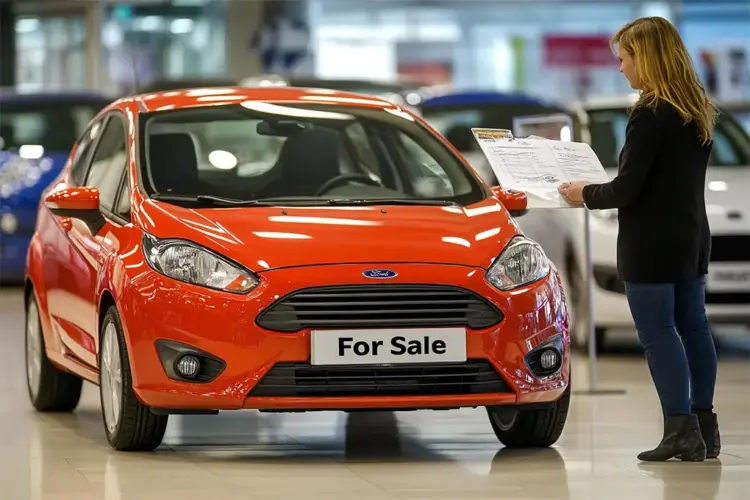
If you’re looking to buy a Ford Fiesta today, your options are limited but not nonexistent. While new models are no longer in production, some dealerships might still have unsold stock. I’d recommend checking with local Ford dealers or browsing online listings. Used Fiestas, on the other hand, are plentiful and offer great value. Whether you’re after a basic model or a high-performance ST, the used market has something for everyone. Just be sure to inspect the car thoroughly before making a purchase.
One advantage of buying used is the wide range of trims and specifications available. From the frugal EcoBoost engines to the sporty ST-Line, there’s a Fiesta to suit every need. Prices vary depending on age, mileage, and condition, but you can often find well-maintained examples at reasonable prices. If you’re unsure where to start, consider consulting a buying guide to understand the market better. Whether new or used, the Fiesta remains a fantastic choice for those seeking a reliable and fun-to-drive hatchback.
Where to Find a Ford Fiesta for Sale
Finding a Ford Fiesta for sale is easier than you might think. Online platforms like Auto Trader and eBay Motors are great places to start your search. I’ve also had success with local classifieds and car auctions, where you can sometimes snag a bargain. Dealerships specialising in used cars often have a selection of Fiestas, and they might even offer warranties for added peace of mind. Don’t forget to check out Ford enthusiast forums; they often have private sellers listing well-cared-for examples.
If you’re after a specific model or trim, it’s worth expanding your search radius. Some of the best deals can be found outside your immediate area. Just make sure to arrange a test drive or hire a mechanic to inspect the car if you’re buying from afar. The key is to be patient and thorough in your search. With a bit of effort, you’ll find the perfect Fiesta to call your own. The resale value of well-maintained models makes them a smart investment.
Tips for Buying a Used Fiesta
Buying a used Ford Fiesta requires a bit of homework to ensure you get a reliable car. Start by checking the service history; a well-documented maintenance record is a good sign. I always recommend taking the car for a test drive to assess its condition. Listen for unusual noises, check the clutch and gearbox for smooth operation, and inspect the bodywork for rust or damage. Pay attention to the mileage too; while Fiestas are known for their durability, high-mileage examples might need more attention.
It’s also worth researching common issues for the specific model year you’re interested in. For example, earlier EcoBoost engines had some reliability concerns, so it’s best to avoid those unless they’ve been properly serviced. Don’t hesitate to negotiate the price, especially if you spot any flaws. A pre-purchase inspection by a trusted mechanic can save you from costly surprises down the line. With these tips in mind, you’ll be well on your way to owning a fantastic used Fiesta.

Maintaining Your Ford Fiesta
Essential Maintenance Tips
Keeping your Ford Fiesta in top condition requires regular maintenance. I’ve found that sticking to the manufacturer’s service schedule is the best way to ensure longevity. Simple tasks like oil changes, filter replacements, and tyre rotations can make a world of difference. The Fiesta’s compact design makes it relatively easy to work on, even for DIY enthusiasts. Just remember to use quality parts and fluids to avoid unnecessary wear and tear. A well-maintained Fiesta will reward you with years of reliable service.
One area that often gets overlooked is the cooling system. Given the Fiesta’s performance variants, ensuring the engine stays cool is crucial. Regularly check the coolant levels and inspect hoses for leaks. The brakes are another critical component, especially if you own an ST or RS model. Upgrading to high-performance pads and discs can enhance stopping power and reduce fade. Don’t forget about the suspension; worn-out shocks or bushings can ruin the driving experience. A little proactive care goes a long way in preserving your Fiesta’s lifespan.
Common Issues and How to Address Them
Like any car, the Ford Fiesta has its share of common issues. One of the most reported problems is with the PowerShift automatic transmission in some models. If you experience jerky shifts or hesitation, it might be worth having the transmission fluid checked or even replaced. Another frequent complaint is related to the EcoBoost engines, particularly the 1.0-litre variant. Carbon buildup and turbocharger issues can arise, so regular cleaning and servicing are essential. I’ve also heard of electrical gremlins, such as faulty door locks or window regulators.
Rust can be a concern, especially in older models. Pay close attention to the wheel arches, sills, and undercarriage. Applying rust-proofing treatments can help prevent corrosion. If you own a performance model, keep an eye on the clutch and gearbox, as they can wear out faster under spirited driving. Addressing these issues early can save you time and money in the long run. The key is to stay vigilant and address problems as soon as they arise. A well-cared-for Fiesta will continue to deliver smiles for miles.
Finding Parts and Service
Sourcing parts for your Ford Fiesta is relatively straightforward, thanks to its popularity. Genuine Ford parts are available through dealerships, but aftermarket options can offer better value without compromising quality. I’ve had great experiences with online retailers like Euro Car Parts and Amazon Automotive. For performance upgrades, specialists like Mountune offer everything from exhaust systems to remaps. If you’re not comfortable doing the work yourself, finding a trusted mechanic is crucial. Look for garages with experience working on Fords or, better yet, Fiesta-specific specialists.
Service centres authorised by Ford are a safe bet for major repairs or warranty work. However, independent garages can often provide the same level of service at a lower cost. Don’t forget to join Fiesta owner forums; they’re a goldmine of information and recommendations. Whether you need a rare part or advice on a tricky repair, the community is always willing to help. Keeping your Fiesta running smoothly is easier than ever with the wealth of resources available today.
The Future of Small Cars at Ford
Ford’s Direction in the Compact Segment
With the discontinuation of the Fiesta, many wonder what Ford’s plans are for the compact segment. The company has signalled a shift towards SUVs and electric vehicles, but that doesn’t mean small cars are entirely off the table. I believe Ford will focus on hybrid and electric alternatives to fill the gap left by the Fiesta. The Puma, for example, offers a crossover alternative with similar dimensions and driving dynamics. While it’s not a direct replacement, it shows Ford’s commitment to catering to compact car buyers.
The automotive industry is evolving, and Ford is adapting to meet changing consumer demands. Smaller, more efficient vehicles will likely play a role in their future lineup, albeit with a modern twist. The focus on sustainability and technology means we can expect innovative solutions in the compact segment. Whether it’s through electrification or new design philosophies, Ford isn’t abandoning small car enthusiasts. The future might look different, but the spirit of the Fiesta lives on.
Electric and Hybrid Alternatives
Ford’s push towards electrification is evident, and the compact segment is no exception. The upcoming electric Puma and potential hybrid Fiesta successors are exciting prospects. I’ve driven Ford’s hybrid offerings, and they deliver a seamless blend of efficiency and performance. The instant torque from electric motors makes city driving a breeze, while the petrol engine ensures long-distance capability. For those concerned about range anxiety, plug-in hybrids offer a practical middle ground. Ford’s commitment to electrification ensures there’s something for everyone.
Charging infrastructure is improving, making electric vehicles more accessible than ever. Ford’s partnership with charging networks ensures convenience for owners. The transition to electric might take some getting used to, but the benefits are undeniable. Lower running costs, reduced emissions, and cutting-edge technology make these alternatives compelling. While it’s sad to see the Fiesta go, the future of Ford’s compact cars is bright. The shift to electric and hybrid models is a natural progression, and I’m excited to see what’s next.
What This Means for Fiesta Fans
For die-hard Fiesta fans, the discontinuation is bittersweet. On one hand, it marks the end of an era; on the other, it opens the door to new possibilities. The aftermarket scene is thriving, with countless upgrades and customisation options available. Enthusiasts can keep their Fiestas on the road for years to come, preserving their legacy. Ford’s focus on electrification also means future models will carry forward the Fiesta’s spirit in new and exciting ways. The community remains strong, with clubs and events celebrating the car’s heritage.
If you’re not ready to let go, consider holding onto your Fiesta or investing in a well-maintained used model. The car’s reliability and fun factor ensure it remains a joy to drive. For those looking to move on, Ford’s newer offerings provide a glimpse into the future. The Fiesta might be gone, but its impact on the automotive world is everlasting. Whether through nostalgia or innovation, the Fiesta’s legacy will continue to inspire. The road ahead is different, but it’s no less exciting.
The Global Perspective on the Fiesta
The Fiesta’s Popularity Around the World
The Ford Fiesta has been a global icon, beloved in markets from Europe to South America. Its compact size and affordability made it a favourite for urban drivers. In the UK, it was the best-selling car for years, while in Germany, its sporty variants like the ST gained a cult following. Even in emerging markets, the Fiesta’s reliability and low running costs kept it competitive.
Despite its discontinuation in some regions, the Fiesta’s legacy lives on. In countries like Mexico and Brazil, it remains a common sight on roads. The car’s adaptability to different driving conditions and fuel types cemented its global appeal. We’ve seen how a single model can resonate across cultures, proving that great design transcends borders.
Differences in Models by Region
Not all Fiestas were created equal. European markets enjoyed high-performance ST models, while Asia-Pacific versions often focused on fuel efficiency. In North America, the Fiesta was simplified to meet cost expectations, lacking some premium features. These regional tweaks highlight Ford’s strategy to tailor the Fiesta to local tastes and regulations.
For example, the Fiesta ST was a Europe-exclusive for years, while the US got a less powerful variant. Even the base models varied, with some regions offering diesel engines and others sticking to petrol. These differences made the Fiesta a versatile player in Ford’s lineup, adapting seamlessly to diverse markets.
Why Some Markets Still Have the Fiesta
While Ford phased out the Fiesta in Europe and North America, it’s still available in select markets. Countries with strong demand for compact cars, like India and Mexico, continue to see new Fiestas roll off production lines. Ford’s decision reflects shifting priorities—focusing on markets where the Fiesta’s value proposition still holds strong.
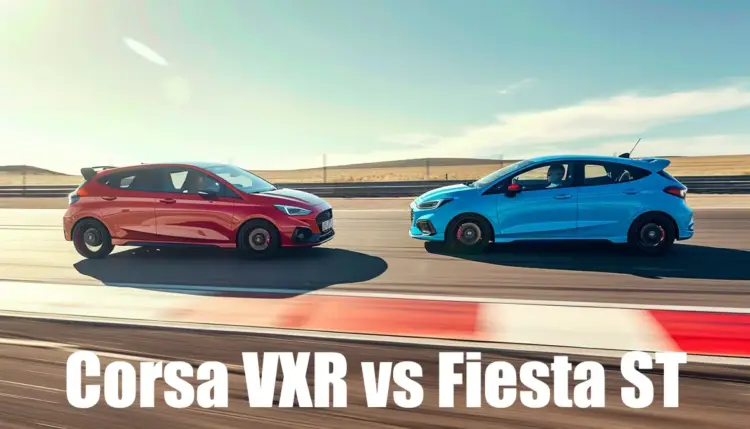
In these regions, the Fiesta competes with models like the Vauxhall Corsa, offering a balance of affordability and features. Ford’s ability to keep the Fiesta relevant in these markets shows its enduring appeal. For now, fans in these regions can still enjoy the Fiesta’s charm, even as it fades elsewhere.
Customizing Your Ford Fiesta
Performance Upgrades
For those who crave more power, the Fiesta is a tuner’s dream. Simple mods like remapping the ECU can unlock extra horsepower, while exhaust upgrades enhance the engine’s growl. The Fiesta ST is particularly receptive to aftermarket tweaks, with turbo kits pushing it beyond factory specs.
Handling improvements, such as coilovers and sway bars, transform the Fiesta into a corner-carving machine. We’ve seen enthusiasts turn their Fiestas into track-ready beasts, proving that even a small car can pack a punch. Whether you’re after speed or agility, the Fiesta’s aftermarket support makes it easy to personalise.
Aesthetic Modifications
From sleek body kits to bold wraps, the Fiesta’s design lends itself to customisation. Lowering springs give it a sportier stance, while alloy wheels add a touch of class. The Fiesta’s compact dimensions make it a canvas for creativity, with owners often opting for unique colour schemes or decals.
Interior upgrades, like sport seats or custom dash trims, elevate the cabin’s feel. The Fiesta’s modular design means parts from higher-end models can often be retrofitted. Whether you’re going for a subtle OEM+ look or a full show car build, the Fiesta offers endless possibilities.
Tech Enhancements
Modernising an older Fiesta is easier than ever. Upgrading the infotainment system with Apple CarPlay or Android Auto brings it into the 21st century. Adding a reversing camera or parking sensors improves practicality, while LED lighting upgrades enhance visibility and style.
For the tech-savvy, installing a performance monitor or heads-up display adds a futuristic touch. The Fiesta’s wiring harness is straightforward, making DIY installations a breeze. With the right upgrades, even an older Fiesta can feel like a cutting-edge machine.
The Economic Impact of the Fiesta’s Discontinuation
Effect on Ford’s Sales and Revenue
The Fiesta’s discontinuation left a gap in Ford’s sales figures, particularly in Europe. As one of its best-selling models, the Fiesta contributed significantly to revenue. Ford’s shift towards SUVs and EVs aims to offset this loss, but the transition hasn’t been seamless. The Fiesta’s absence is felt in showrooms, where its affordable pricing once drew in first-time buyers.
However, Ford’s focus on profitability over volume means sacrificing smaller, lower-margin cars like the Fiesta. The company’s strategic pivot reflects broader industry trends, but it’s a gamble. Only time will tell if Ford’s new lineup can fill the void left by the Fiesta.
Impact on the Used Car Market
The Fiesta’s discontinuation has boosted demand for used models, especially well-maintained examples. Prices for low-mileage Fiestas have risen, as buyers seek affordable alternatives to new cars. The ST variants, in particular, are becoming collector’s items, with values appreciating steadily.
This surge in demand highlights the Fiesta’s enduring popularity. For sellers, it’s a chance to recoup more of their investment. For buyers, it’s a reminder that the Fiesta’s blend of practicality and fun is hard to replace. The used market is now the only place to find a Fiesta, and competition is fierce.
Job and Manufacturing Implications
Ford’s decision to end Fiesta production had ripple effects on its workforce. Plants that once built the Fiesta, like Cologne in Germany, had to adapt or face job cuts. The shift to electric vehicles has created new opportunities, but not without growing pains. Skilled workers trained for Fiesta production now need retraining for new models.
Suppliers specialising in Fiesta parts also felt the impact. Many had to diversify or risk going under. The Fiesta’s discontinuation is a microcosm of the automotive industry’s broader transformation—one that’s reshaping jobs and manufacturing landscapes worldwide.
The Fiesta’s Competitors Then and Now
Historical Rivals of the Ford Fiesta
The Fiesta’s heyday saw it battle rivals like the Vauxhall Corsa and Volkswagen Polo. These cars offered similar practicality but often lacked the Fiesta’s driving dynamics. The Fiesta’s nimble handling and peppy engines set it apart, making it a favourite among driving enthusiasts.
Even in its early years, the Fiesta faced stiff competition from Japanese models like the Honda Jazz. Yet, its blend of affordability and fun kept it ahead. The Fiesta’s ability to evolve with the times ensured it remained relevant, even as competitors came and went.
Current Competitors in the Compact Segment
Today, the Fiesta’s successors—like the Ford Puma—face new rivals. The Renault Clio and Hyundai i20 offer advanced tech and hybrid options, raising the bar. The shift towards electrification has reshaped the segment, with cars like the VW ID.3 leading the charge.
Ford’s decision to exit the compact car market leaves a void, but competitors are eager to fill it. The Fiesta’s legacy lives on in these modern alternatives, each vying to capture its magic. For buyers, the choices are more diverse than ever, but the Fiesta’s spirit is hard to replicate.
How the Fiesta Stacks Up Today
Even discontinued, the Fiesta remains a benchmark. Its driving dynamics and affordability set standards that many rivals still struggle to match. Used Fiestas offer incredible value, especially for those willing to forgo the latest tech. In a world of bloated SUVs, the Fiesta’s simplicity is a breath of fresh air.
For those mourning the Fiesta’s demise, the aftermarket and enthusiast communities keep its spirit alive. Whether through custom builds or nostalgic drives, the Fiesta’s impact endures. It may no longer be in production, but its influence on the compact car segment is undeniable.
The Role of the Fiesta in Ford’s History
The Fiesta’s Contribution to Ford’s Brand
The Ford Fiesta wasn’t just a car; it was a cornerstone of Ford’s identity. We introduced it in 1976, and it quickly became a symbol of affordability, reliability, and fun. Over the years, the Fiesta helped us connect with younger drivers and families alike, proving that small cars could pack a punch. Its success cemented our reputation as a brand that delivers value without compromising on quality.
From its early days, the Fiesta was designed to be versatile. Whether it was the city commute or a weekend adventure, the Fiesta handled it all with ease. Its popularity wasn’t just about the price tag—it was about the driving experience. We built a loyal fanbase that trusted the Fiesta to deliver, and that trust became a defining part of Ford’s legacy.
Innovations Introduced by the Fiesta
The Fiesta was a pioneer in many ways. We introduced features like the EcoBoost engine, which combined performance with fuel efficiency, setting a new standard for small cars. The Fiesta also embraced technology early, with infotainment systems and safety features that were ahead of its time. These innovations didn’t just benefit the Fiesta—they influenced our entire lineup.
One of the Fiesta’s standout achievements was its success in motorsports. The Fiesta ST and RS models showcased what a small car could do, winning races and hearts alike. We pushed boundaries with the Fiesta, proving that innovation and excitement could go hand in hand. Its legacy lives on in the tech and performance features we continue to develop today.
Lessons Learned from the Fiesta’s Journey
The Fiesta taught us the importance of listening to our customers. Its evolution was driven by feedback, from design tweaks to performance upgrades. We learned that a car isn’t just a product—it’s a relationship. The Fiesta’s discontinuation wasn’t an end but a reflection of changing times, reminding us to adapt while staying true to our roots.
Another key lesson was the value of versatility. The Fiesta thrived because it could be anything to anyone—a first car, a city runabout, or a weekend warrior. As we move forward, we’re applying these lessons to our new models, ensuring they meet the diverse needs of today’s drivers. The Fiesta’s spirit lives on in every Ford we build.
Navigating the Transition from Fiesta to Other Models
Choosing the Right Ford Model for You
If you’re a Fiesta fan wondering what’s next, we’ve got options. The Ford Puma offers a similar compact size with added versatility, while the Focus delivers a sportier drive. For those leaning toward electric, the Mustang Mach-E combines performance with sustainability. Each model carries the Fiesta’s DNA in its own way.
Consider your priorities—whether it’s fuel efficiency, space, or tech features. We’ve designed our lineup to cater to every need, ensuring there’s a Ford for every Fiesta lover. Test drives are the best way to find your match, and our dealerships are ready to help you make the switch seamlessly.
Adjusting to a Different Driving Experience
Moving from a Fiesta to a larger or more advanced model can feel like a big step. The Puma, for example, offers a higher driving position and more storage, while the Focus provides a smoother ride. It might take a few drives to get used to the differences, but the core Ford experience—fun, reliable, and practical—remains the same.
We’ve also kept the Fiesta’s playful spirit alive in our newer models. The Puma’s agile handling and the Focus’s responsive steering echo the Fiesta’s charm. If you loved the Fiesta’s personality, you’ll find plenty to love in its successors.
Financial Considerations When Switching Models
Upgrading from a Fiesta doesn’t have to break the bank. Our certified pre-owned program offers like-new models at a fraction of the cost, and financing options make it easier to transition. The Fiesta’s resale value also works in your favor, giving you a solid starting point for your next purchase.
Think long-term, too. Newer models often come with better fuel efficiency and lower maintenance costs, offsetting the initial investment. Our team can help you crunch the numbers, ensuring your next Ford is as budget-friendly as your Fiesta was.
The Community and Culture Around the Ford Fiesta
Online Forums and Social Media Groups
The Fiesta’s community is thriving online, with forums like Fiesta Owners Club and Facebook groups dedicated to mods and memories. These spaces are perfect for sharing tips, troubleshooting, and connecting with fellow enthusiasts. Even as production ends, the conversations continue, keeping the Fiesta spirit alive.
We’ve seen incredible creativity in these groups, from custom paint jobs to performance upgrades. The Fiesta might be gone, but its fans are as passionate as ever. Whether you’re a longtime owner or a newcomer, there’s a place for you in this vibrant community.
Fiesta Meetups and Events
From local car meets to national rallies, Fiesta owners love to gather. Events like Ford Fair in the UK often feature dedicated Fiesta zones, showcasing everything from stock models to wild custom builds. These meetups are a testament to the car’s enduring appeal and the friendships it’s fostered.
Even as the Fiesta fades from production, these events are evolving to include its successors. The Puma and Focus are becoming stars in their own right, but the Fiesta’s legacy is always honored. It’s a chance to celebrate the past while embracing the future.
How to Stay Connected with the Fiesta Community
If you’re not ready to say goodbye, don’t worry—the Fiesta community isn’t going anywhere. Follow hashtags like #FordFiesta on Instagram or join niche forums to keep the conversation going. Many owners are documenting their Fiesta’s “retirement” journeys, sharing stories and photos that keep the nostalgia fresh.
You can also stay involved by attending virtual meetups or contributing to online archives. The Fiesta’s story is far from over, and its fans are the ones writing the next chapter. Whether you’re holding onto your Fiesta or moving on, the community will always welcome you back.
Frequently Asked Questions
Is the Ford Fiesta still available to buy new?
No, Ford discontinued the Fiesta in 2023, but you can still find new remaining stock or explore certified pre-owned options. Dealerships may have limited inventory, so act fast if you’re set on a brand-new Fiesta.
What replaced the Ford Fiesta?
The Ford Puma is the closest successor, offering a compact size with crossover versatility. The Focus also fills the gap for those wanting a sportier hatchback. Both models carry forward the Fiesta’s spirit in their own unique ways.
Are Ford Fiestas reliable as used cars?
Absolutely. The Fiesta has a strong reputation for reliability, especially well-maintained models. Common issues are well-documented, and parts are readily available, making it a smart choice for used car buyers.
Will Ford bring back the Fiesta in the future?
While there’s no official word, Ford’s focus is on electric and hybrid models. A revival seems unlikely, but never say never—fan demand could inspire a comeback. For now, explore alternatives like the Puma or Focus.