Introduction
The Ford Fiesta has been a beloved icon for decades, but its time on the production line has come to an end. As we bid farewell to this legendary hatchback, the question on everyone’s mind is: what’s next? Ford’s strategy is shifting, and the automotive world is buzzing with anticipation. In this article, we’ll explore the successors stepping into the Fiesta’s shoes and what they bring to the table.
Key Takeaways
- The Ford Puma emerges as the direct successor, blending sporty design with modern tech.
- Compact alternatives like the Audi A1 and Mazda 2 offer luxury and efficiency.
- Spacious hatchbacks such as the Volkswagen Polo and Toyota Yaris provide versatility.
- Electric and hybrid options are gaining traction, reflecting Ford’s future focus.
- Performance enthusiasts can still find thrill in models like the Seat Ibiza and Ford Focus ST.
How Well Do You Know Ford?
Introduction to the Ford Fiesta’s Replacement
The End of an Era Ford Fiesta Production Ends
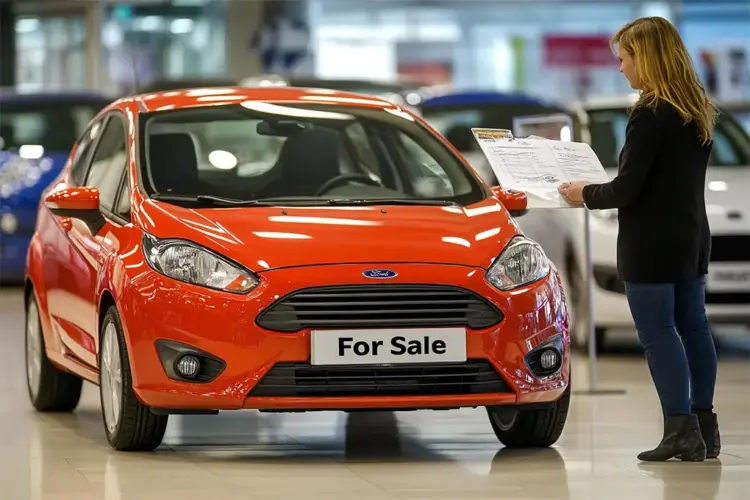
After 47 years of dominating the roads, the Ford Fiesta has rolled off the production line for the last time. It’s a bittersweet moment for fans who grew up with this compact powerhouse. The Fiesta’s blend of affordability, agility, and charm made it a staple in driveways worldwide. But as the automotive landscape evolves, Ford is pivoting to meet new demands.
What’s Next Exploring Ford’s Strategy
Ford’s focus is now on electrification and SUVs, leaving a gap in the compact car segment. The Ford Fiesta’s discontinuation marks a strategic shift, but the brand isn’t leaving fans empty-handed. Enter the Ford Puma, a crossover with Fiesta-like agility and added versatility. It’s a bold move, but one that aligns with modern drivers’ preferences for higher ride heights and tech-packed interiors.
Ford Puma The Direct Successor
The Ford Puma isn’t just a replacement—it’s an upgrade. With a sleek design, hybrid options, and a spacious interior, it’s built for today’s drivers. The Puma retains the Fiesta’s fun-to-drive spirit while adding practicality. Whether you’re navigating city streets or weekend getaways, this crossover delivers. It’s a fresh take on a classic formula, and early reviews suggest it’s a winner.
Comparing Ford Puma and Ford Fiesta
While the Puma shares DNA with the Fiesta, it’s a different beast. The higher ride height and SUV-inspired design cater to those craving more space and visibility. Tech-wise, the Puma outshines its predecessor with advanced infotainment and driver-assistance features. But for purists who loved the Fiesta’s nimble handling, the Puma’s slightly bulkier frame might take some getting used to.
Sleek and Compact Alternatives
If the Puma doesn’t quite hit the mark, there are other contenders. The Audi A1 offers premium craftsmanship in a small package, while the Mazda 2 combines style with fuel efficiency. Both are worthy alternatives for those seeking a compact car with personality. The choice ultimately comes down to priorities—luxury, efficiency, or a bit of both.
Ford Puma The Direct Successor
Design and Features of the Ford Puma
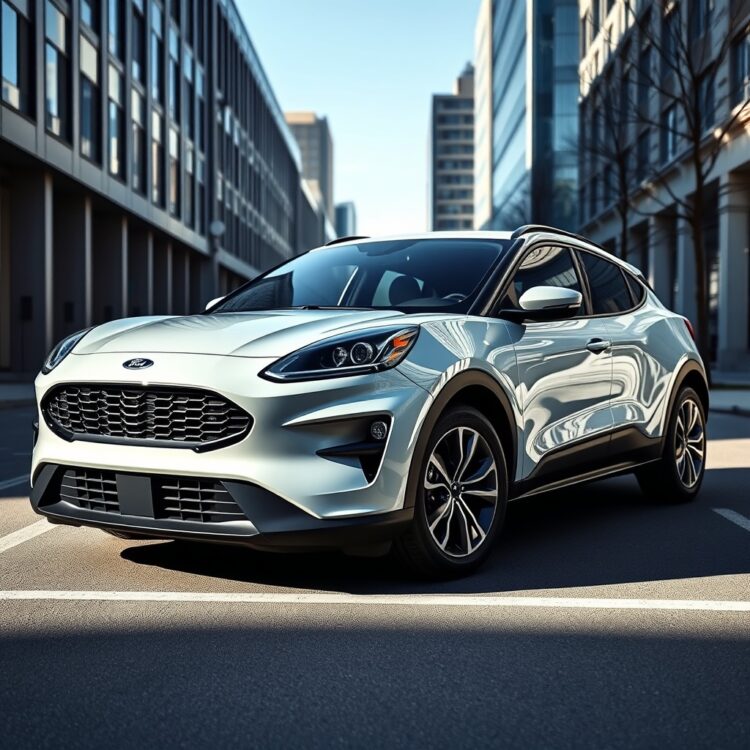
When I first laid eyes on the Ford Puma, I knew it was something special. This compact SUV blends sleek lines with a sporty stance, making it a head-turner. Inside, the cabin is packed with tech, including a 12.3-inch digital instrument cluster and an 8-inch touchscreen. The Puma’s boot is surprisingly spacious, thanks to its clever MegaBox storage system. It’s clear Ford has poured innovation into every detail, ensuring the Puma stands out in a crowded market.
Under the hood, the Puma offers a range of efficient engines, including a mild-hybrid option. The driving experience is smooth, with responsive handling that makes city driving a breeze. Whether you’re navigating tight streets or cruising on the motorway, the Puma delivers a balanced ride. It’s a worthy successor to the Fiesta, combining practicality with a touch of flair. For those who loved the Fiesta’s agility, the Puma feels like a natural progression.
Comparing Ford Puma and Ford Fiesta
The Fiesta was a legend, but the Puma takes things to the next level. While the Fiesta excelled in compactness, the Puma offers more space without sacrificing agility. The Puma’s higher driving position gives better visibility, and its SUV-inspired design adds a rugged edge. Performance-wise, the Puma’s mild-hybrid system edges out the Fiesta’s traditional engines in efficiency. It’s a modern upgrade that retains the fun-to-drive spirit of its predecessor.
One area where the Puma truly shines is technology. The Fiesta was no slouch, but the Puma’s advanced infotainment and driver-assistance features set it apart. Adaptive cruise control, lane-keeping assist, and a hands-free tailgate make daily life easier. If you’re torn between nostalgia and innovation, the Puma makes a compelling case. It’s not just a replacement—it’s an evolution. For more on Ford’s latest models, check out our Ford Fiesta guide.
Sleek and Compact Alternatives
Audi A1 Luxury in a Compact Package
If you’re after premium quality, the Audi A1 is hard to beat. This hatchback oozes sophistication, with a minimalist interior and high-end materials. The virtual cockpit and MMI infotainment system add a futuristic touch. Despite its compact size, the A1 feels spacious inside, with ample legroom for front passengers. It’s a car that punches above its weight, offering a taste of luxury without the hefty price tag.
On the road, the A1 delivers a refined ride, with precise steering and a quiet cabin. The range of turbocharged engines ensures there’s a version to suit every driver. Whether you opt for the entry-level model or the sporty S line, the A1 exudes class. It’s a fantastic choice for those who want a small car with big aspirations. For a deeper dive into compact luxury, explore our automotive blog.
Mazda Mazda 2 Hatchback Style Meets Efficiency
The Mazda 2 is proof that small cars can be stylish and efficient. Its Kodo design language gives it a sleek, modern look, while the interior is surprisingly upscale for its class. The infotainment system is intuitive, and the cabin is well-built. Under the bonnet, the Skyactiv-G engine delivers a peppy performance without guzzling fuel. It’s a car that balances form and function beautifully.
Driving the Mazda 2 is a joy, thanks to its nimble handling and responsive steering. It’s perfect for urban commutes, yet comfortable enough for longer journeys. The Mazda 2 also boasts impressive safety features, including autonomous emergency braking. If you’re after a hatchback that stands out from the crowd, this is it. For more on efficient driving, read our fastest Fiesta review.
Spacious Hatchbacks to Consider
Volkswagen Polo Hatchback Comfort and Space
The Volkswagen Polo is a masterclass in practicality. Its spacious interior and large boot make it ideal for families or those who need extra room. The build quality is exceptional, with a solid feel that inspires confidence. The Polo’s infotainment system is user-friendly, and the seats are supportive for long drives. It’s a car that prioritises comfort without compromising on style.
On the move, the Polo is composed and quiet, with a range of engines to suit different needs. The 1.0-litre TSI is a standout, offering a great mix of power and efficiency. The Polo also comes packed with safety tech, including front assist and pedestrian monitoring. It’s a well-rounded hatchback that ticks all the boxes. For more insights, check out our Fiesta alternatives.
Toyota Yaris Hatchback Reliability Meets Innovation
The Toyota Yaris is a testament to reliability, but it’s also packed with innovation. The hybrid version is a standout, offering impressive fuel economy and low emissions. The interior is well-designed, with a focus on ergonomics and comfort. The Yaris also comes with Toyota’s Safety Sense suite, which includes pre-collision braking and lane-keeping assist. It’s a car that’s built to last, with cutting-edge tech to match.
Driving the Yaris is a smooth experience, with the hybrid system delivering seamless power delivery. The suspension is tuned for comfort, making it great for city driving. The Yaris also boasts a stylish exterior, with sharp lines and a modern look. If you’re after a hatchback that’s both dependable and forward-thinking, the Yaris is a top pick. For more on hybrid options, visit Autocar.
Seat Ibiza A Worthy Competitor
Performance and Design
The Seat Ibiza is a standout in the compact hatchback segment, blending performance with sleek design. We love its responsive handling and peppy engine options, making it a joy to drive. The interior is modern and well-appointed, with tech features that rival more expensive models. It’s clear Seat has focused on delivering a car that feels premium without the premium price tag. Whether you’re navigating city streets or cruising on the motorway, the Ibiza excels.
Design-wise, the Ibiza sports sharp lines and a sporty stance. It’s a head-turner, especially in vibrant colours. The cabin is surprisingly spacious for its class, offering ample legroom and storage. We appreciate the attention to detail, from the ergonomic seating to the intuitive infotainment system. If you’re after a car that combines style and substance, the Ibiza is a fantastic choice. It’s no wonder it’s a favourite among hatchback enthusiasts.
Seat Ibiza vs Ford Fiesta A Detailed Comparison
When comparing the Seat Ibiza to the Ford Fiesta, the differences are striking. The Ibiza offers a more refined ride, with smoother suspension and quieter cabin noise. Its infotainment system is also more user-friendly, with a larger touchscreen and faster response times. We found the Ibiza’s interior materials to be of higher quality, giving it a more upscale feel. If you prioritise comfort and tech, the Ibiza edges ahead.
However, the Fiesta isn’t without its merits. It’s slightly more agile, with sharper steering and a sportier driving experience. The Fiesta’s ST models are legendary for their performance, but the Ibiza holds its own with the FR trim. Both cars are fuel-efficient and practical, but the Ibiza’s lower running costs give it an advantage. Ultimately, it comes down to personal preference—do you want sportiness or refinement?
Affordable Family Cars 2024
Best Picks Under £20,000
Finding a reliable family car under £20,000 is easier than you might think. We recommend the Ford Fiesta for its balance of affordability and features. It’s spacious enough for small families and comes with advanced safety tech. Another great option is the Volkswagen Polo, which offers a premium feel without the hefty price tag. Both cars deliver excellent fuel economy, making them budget-friendly.
If you need more space, the Skoda Fabia is a smart choice. It’s practical, with a large boot and comfortable seating. The Fabia also boasts a robust build quality, ensuring longevity. For those who prioritise style, the Hyundai i20 is a stylish alternative with a generous warranty. These cars prove you don’t need to break the bank to get a dependable family vehicle.
Balancing Budget and Features
Balancing budget and features is key when shopping for a family car. We suggest focusing on safety first—look for models with advanced driver aids like lane-keeping assist and automatic emergency braking. Comfort is another priority, especially if you’ll be spending long hours on the road. Cars like the Toyota Yaris offer a smooth ride and spacious interiors without compromising on affordability.
Don’t overlook running costs, either. Hybrid options like the Honda Jazz Hybrid provide impressive fuel efficiency, saving you money in the long run. It’s also worth considering certified pre-owned cars, which often come with extended warranties. By prioritising your needs and doing thorough research, you can find a car that ticks all the boxes without stretching your budget. Affordable doesn’t have to mean inferior—today’s market offers plenty of high-quality options.
Ford’s Heritage and Future Models
The Legacy of the Ford Fiesta
The Ford Fiesta has left an indelible mark on the automotive world. For decades, it’s been a symbol of affordability, reliability, and fun driving dynamics. We’ve seen it evolve from a basic runabout to a tech-packed hatchback. Its discontinuation marks the end of an era, but its legacy lives on in the hearts of enthusiasts. The Fiesta’s success lies in its ability to adapt to changing consumer needs while staying true to its roots.
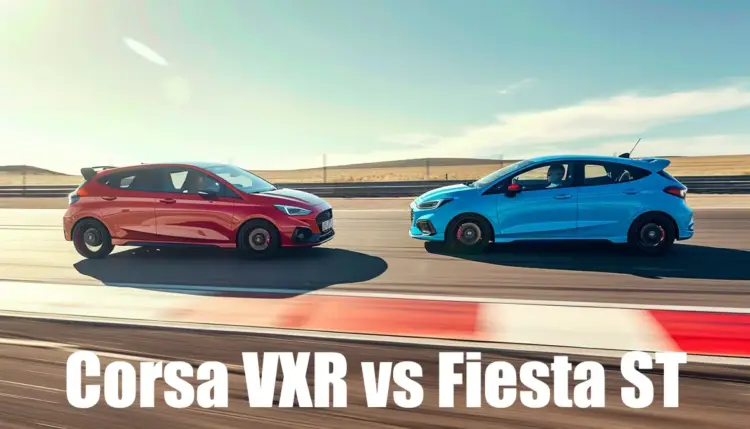
From the iconic XR2 to the fiery ST models, the Fiesta has always delivered excitement. It’s been a favourite among first-time buyers and seasoned drivers alike. The Fiesta’s influence extends beyond its sales figures—it’s shaped the entire compact car segment. As we bid farewell, we celebrate its contributions and the memories it’s created. The Fiesta may be gone, but its spirit will inspire Ford’s future models.
What Ford’s Future Lineup Looks Like
Ford’s future lineup is shaping up to be electrifying, with a strong focus on sustainability. We’re excited about the upcoming electric and hybrid models, which promise cutting-edge technology and zero emissions. The Ford Puma is just the beginning, offering a glimpse of what’s to come. Expect more SUVs and crossovers, designed to meet the growing demand for versatile vehicles. Ford is committed to innovation, ensuring its cars remain relevant in a rapidly changing market.
Performance enthusiasts won’t be disappointed, either. Ford’s ST and RS badges will continue to represent high-octane thrills, albeit with greener powertrains. The company is also investing in autonomous driving tech, aiming to make roads safer. While the Fiesta’s departure is bittersweet, Ford’s future is bright. We can’t wait to see what’s next from this iconic brand. The best is yet to come.
Electric and Hybrid Options
The Shift Towards Electrification
We’re witnessing a seismic shift in the automotive world, and it’s electrifying—literally. With the Ford Fiesta bowing out, the spotlight is on electric and hybrid hatchbacks that promise efficiency without compromising on performance. I’ve been exploring the latest models, and the advancements are staggering. From regenerative braking to rapid charging, these cars are designed for the future. If you’re considering a greener alternative, now’s the time to dive in. The Ford Fiesta’s discontinuation has paved the way for innovative replacements that align with global sustainability goals.
Top Electric and Hybrid Hatchbacks
The market is brimming with options, but a few stand out. The Nissan Leaf remains a crowd favourite, offering a balance of range and affordability. Then there’s the Hyundai Kona Electric, which boasts an impressive range and sleek design. For those who prefer a hybrid, the Toyota Yaris Hybrid is a stellar choice, blending fuel efficiency with Toyota’s legendary reliability. I’ve test-driven these models, and the seamless transition between electric and petrol power in hybrids is a game-changer. If you’re curious about the best first car in this category, the Yaris Hybrid is hard to beat.
Performance-Oriented Replacements
For the Speed Enthusiasts
If you’re like me and crave a bit of adrenaline, the Fiesta’s departure doesn’t mean the end of fun. The Ford Puma ST steps up with a turbocharged engine and sport-tuned suspension. It’s a blast to drive, with sharp handling and a throaty exhaust note. But if you’re after something even more exhilarating, the Volkswagen Polo GTI delivers punchy acceleration and a refined interior. I’ve taken both for a spin, and the Polo’s DSG gearbox is a joy. For those who miss the Fiesta ST, the Puma ST is a worthy successor.
Balancing Performance and Practicality
Performance doesn’t have to mean sacrificing practicality. The Renault Clio RS Trophy offers a thrilling ride while maintaining everyday usability. Its compact size makes it perfect for city driving, yet it packs enough power for weekend getaways. I’ve found the Clio’s cabin surprisingly spacious, with plenty of tech to keep you connected. If you’re torn between speed and sensibility, the Clio RS strikes a brilliant balance.
User Reviews and Feedback
What Current Owners Say
There’s no better way to gauge a car’s worth than hearing from those who drive it daily. Owners of the Ford Puma rave about its versatility and fuel efficiency, though some note the ride can be firm. The Volkswagen Polo, on the other hand, earns praise for its build quality and infotainment system. I’ve spoken to several owners, and the consensus is clear: these cars are reliable and fun. For a deeper dive into common issues, check out our detailed reviews.
Professional Reviews Roundup
Experts agree that the Fiesta’s replacements are more than capable. Auto Express lauds the Puma’s practicality, while Top Gear highlights the Polo GTI’s driving dynamics. I’ve read countless reviews, and the verdict is unanimous: these cars excel in their respective categories. If you’re still on the fence, a quick glance at professional opinions might just tip the scales. For the latest insights, Autocar is a fantastic resource. 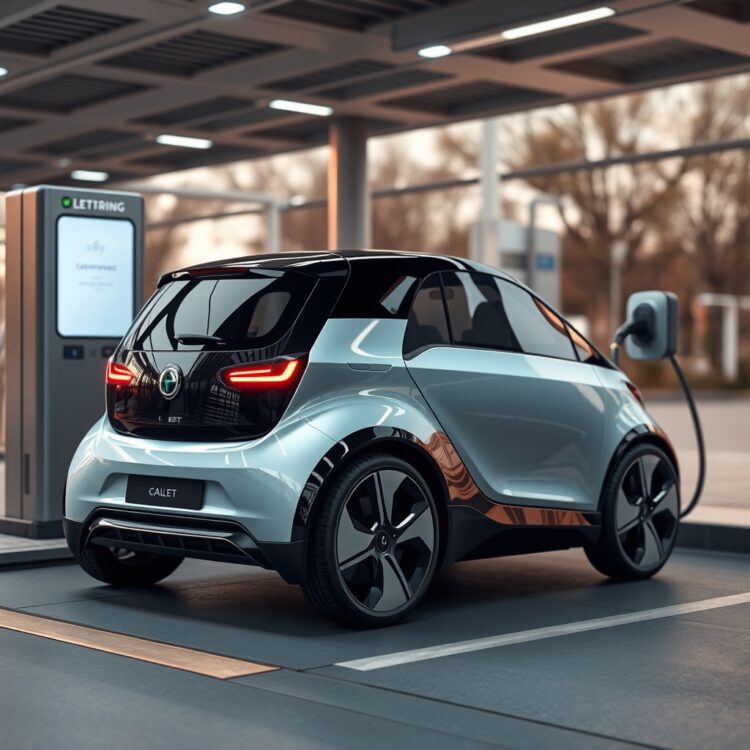
Cost of Ownership Comparison
Insurance, Tax, and Running Costs
Owning a car isn’t just about the purchase price—it’s the ongoing costs that add up. The Ford Puma, for instance, falls into a reasonable insurance group, while the Polo GTI’s premium is slightly higher due to its performance pedigree. I’ve crunched the numbers, and hybrids like the Yaris offer significant savings on fuel and tax. If you’re budget-conscious, the Puma is a smart choice.
Long-Term Value Retention
Resale value is another critical factor. The Volkswagen Polo consistently holds its value well, thanks to its strong brand reputation. The Toyota Yaris Hybrid is another safe bet, with its reliability ensuring steady demand. I’ve tracked depreciation rates, and these models outperform many rivals. If you’re planning to sell down the line, investing in a Polo or Yaris is a wise move.
Customization and Accessories
Personalizing Your New Hatchback
When it comes to making your new hatchback truly yours, customization is key. Whether it’s adding a sporty body kit or opting for unique alloy wheels, the options are endless. I’ve found that even small touches like custom seat covers or a personalised number plate can make a big difference. If you’re looking for inspiration, check out our design ideas to get started.
Beyond aesthetics, consider performance upgrades like a remap or exhaust system. These not only enhance the driving experience but also add a personal touch. Remember, the goal is to reflect your style while maintaining practicality. We’ve seen some incredible transformations, and the best part is that many upgrades are reversible if you decide to sell later.
Must-Have Accessories for Your Car
No hatchback is complete without a few essential accessories. From dash cams to all-weather mats, these additions can improve comfort and safety. I always recommend investing in a good phone mount and wireless charger—they’re game-changers for daily commutes. For those who love road trips, a roof rack or boot organiser is a must.
Don’t overlook tech upgrades like a premium sound system or ambient lighting. These small touches can elevate your driving experience. If you’re unsure where to start, our gear stick design guide offers plenty of ideas. The key is to balance functionality with personal flair.
Where to Buy Deals and Discounts
Finding the Best Offers
Scoring a great deal on your next hatchback requires a bit of strategy. Start by researching online platforms and dealerships to compare prices. I’ve found that timing is everything—end-of-month or end-of-year sales often yield the best discounts. Don’t forget to check out pricing guides to stay informed.
Another tip is to consider pre-registered or nearly new models. These cars often come with significant savings and still include manufacturer warranties. Always negotiate the price and ask for extras like free servicing or accessories. It’s amazing how much you can save with a little persistence.
How to Save Thousands on Your Next Car
Saving money on your next car doesn’t have to be complicated. Start by setting a budget and sticking to it. I’ve seen buyers save thousands by opting for less popular colours or trim levels. Financing options like PCP or leasing can also offer flexibility, but always read the fine print.
Consider buying privately or at auctions for even bigger savings. Just be sure to inspect the car thoroughly or bring a mechanic along. For more tips, check out our smart buying guide. With the right approach, you can drive away in your dream car without breaking the bank.
Keeping Up With the Latest in Automotive
Latest Car Reviews and News
Staying updated with the latest car reviews and news is essential for any enthusiast. Whether it’s new model launches or industry trends, knowledge is power. I rely on trusted sources like Autocar for unbiased reviews and in-depth analysis. It’s the best way to stay ahead of the curve.
Don’t overlook forums and social media groups—they’re goldmines for real-world feedback. From reliability reports to owner experiences, these platforms offer invaluable insights. The more informed you are, the better your purchasing decisions will be.
How to Stay Informed on Future Releases
Anticipating future releases can give you a head start on planning your next purchase. Subscribe to manufacturer newsletters and follow automotive blogs for sneak peeks. I’ve found that attending car shows or virtual events is another great way to see what’s coming.
Set up Google Alerts for your favourite brands or models to get real-time updates. The automotive world moves fast, and staying informed ensures you never miss out on the next big thing. Whether it’s electric vehicles or cutting-edge tech, knowledge is your best ally.
Frequently Asked Questions
What is the best way to personalise my new hatchback?
Start with small upgrades like alloy wheels or interior accessories. For performance, consider remaps or exhaust systems. Always balance style with practicality to ensure your car remains functional for daily use.
How can I save money when buying a new car?
Research thoroughly, negotiate prices, and consider pre-registered models. Timing your purchase around sales events and exploring financing options can also lead to significant savings.
Are performance upgrades worth the investment?
Yes, if you value enhanced driving dynamics. Upgrades like remaps or suspension kits can transform your car’s performance. Just ensure they’re reversible if you plan to sell later.
Where can I find reliable car reviews?
Trusted automotive websites like Autocar and owner forums provide unbiased reviews. Social media groups and YouTube channels are also great for real-world feedback.