Introduction
When it comes to choosing between a Ford Fiesta petrol or diesel, the decision isn’t as straightforward as it seems. Both models have their unique strengths, and the right choice depends on your driving habits, budget, and priorities. In this article, we’ll dive deep into the differences, performance, and costs to help you make an informed decision.
Key Takeaways
- Performance: Petrol models offer smoother acceleration, while diesel excels in torque.
- Fuel Efficiency: Diesel variants typically provide better mileage, especially for long-distance driving.
- Running Costs: Diesel engines may have higher upfront costs but lower fuel expenses over time.
- Environmental Impact: Petrol engines emit fewer pollutants, making them a greener choice.
- Maintenance: Diesel engines often require more frequent servicing but are built for longevity.
How Well Do You Know Ford?
Introduction to Ford Fiesta Petrol and Diesel Models
Overview of Ford Fiesta Petrol Variants
The Ford Fiesta petrol range is known for its responsive engines and agile handling. Whether you opt for the 1.0-litre EcoBoost or the 1.5-litre Ti-VCT, you’re guaranteed a fun and engaging drive. These models are perfect for city commuting, offering quick acceleration and a smooth ride.
Overview of Ford Fiesta Diesel Variants
The diesel variants, such as the 1.5-litre TDCi, are built for efficiency and endurance. With higher torque output, they’re ideal for motorway driving and heavy loads. If you’re looking for a car that combines fuel efficiency with robust performance, the diesel Fiesta is a strong contender.
Key Differences Between Petrol and Diesel Models
While petrol models shine in urban environments, diesel variants are better suited for long-distance travel. The petrol engines are quieter and more refined, whereas diesel engines offer superior fuel economy. Additionally, diesel models tend to hold their resale value better, making them a smart investment for some drivers.
Performance Comparison
Acceleration and Top Speed
When it comes to acceleration, the Ford Fiesta petrol models tend to have the upper hand. The lighter engine and quicker throttle response make them more agile in city traffic. Diesel variants, while slower off the mark, offer better torque, making them ideal for highway cruising. Top speeds are comparable, but petrol engines often feel more spirited when pushed to their limits. If you love a lively drive, petrol is the way to go.
Diesel engines, on the other hand, excel in maintaining steady speeds without frequent gear changes. This makes them more efficient for long-distance driving. However, if you’re after a car that feels nimble and responsive, the petrol Fiesta delivers a more engaging experience. It’s all about what you prioritise—speed or endurance.
Engine Responsiveness and Smoothness
Petrol engines are known for their smoothness and immediate response. The Ford Fiesta petrol variants rev freely and deliver power linearly, making them a joy to drive. Diesel engines, while powerful, can feel a bit laggy at lower RPMs. Turbocharged petrol engines bridge this gap, offering a balance of responsiveness and efficiency.
For daily commutes, the petrol engine’s smoothness is hard to beat. Diesel engines, though refined, can feel a bit rough when cold. If you value a quiet and smooth ride, petrol is the clear winner. But if you’re covering long distances, the diesel’s torque advantage might sway you.
Fuel Efficiency and Running Costs
Petrol vs Diesel Mileage
Diesel engines are traditionally more fuel-efficient, and the Ford Fiesta is no exception. You’ll get more miles per gallon with the diesel variant, especially on long drives. Petrol engines, while less efficient, are cheaper to refuel. The difference in fuel prices can offset some of the diesel’s mileage advantages.
If you’re a city driver, the petrol Fiesta might be more economical overall. Diesel’s efficiency shines on highways, but stop-start traffic can negate its benefits. It’s worth calculating your typical driving patterns to see which engine suits your lifestyle better.
Long-term Fuel Cost Analysis
Over time, diesel’s superior mileage can lead to significant savings, especially if you drive long distances regularly. However, petrol engines are cheaper to maintain and repair. Diesel cars also face higher road taxes in some regions, which can eat into your savings.
For low-mileage drivers, petrol is often the more cost-effective choice. Diesel’s higher upfront cost and maintenance expenses only pay off if you’re clocking serious miles. Crunch the numbers to see which option makes financial sense for you.
Impact of Driving Conditions on Fuel Efficiency
City driving with frequent stops and starts favours petrol engines, as diesel’s efficiency drops in such conditions. On the open road, diesel’s torque and mileage come into their own. Hybrid technology is bridging this gap, but for now, your driving environment plays a big role in choosing between petrol and diesel.
If your commute is mostly urban, petrol is likely the better bet. For rural or motorway driving, diesel’s efficiency can’t be ignored. Consider your typical routes before making a decision.
Environmental Impact
Emissions Comparison
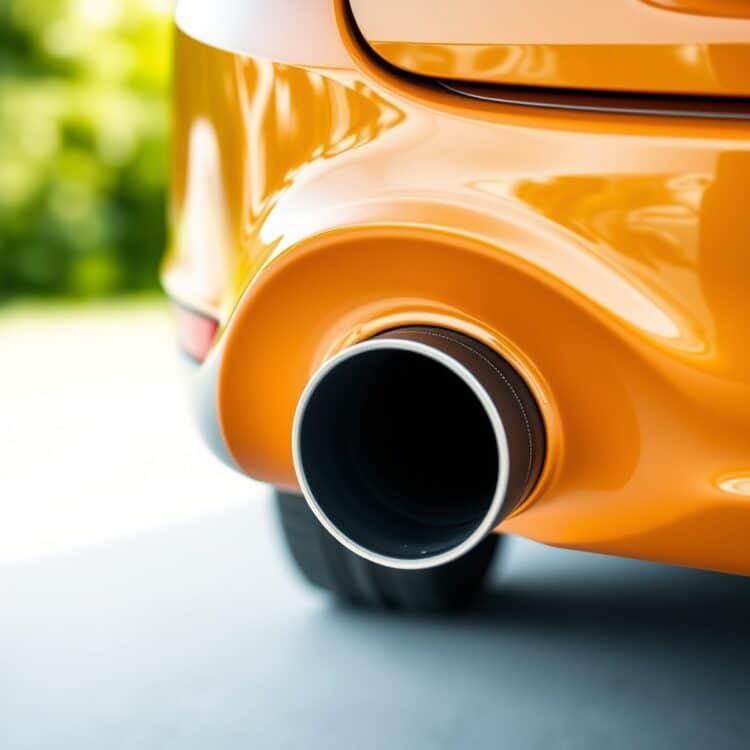
Diesel engines emit more nitrogen oxides (NOx) and particulate matter, which are harmful to air quality. Petrol engines, while cleaner in this regard, produce more carbon dioxide (CO2). The Ford Fiesta petrol models are a better choice if you’re concerned about local air pollution.
Modern diesel engines have improved, but they still lag behind petrol in terms of clean emissions. If you’re eco-conscious, petrol is the greener option. However, diesel’s lower CO2 emissions might appeal to those focused on climate change.
Eco-Friendly Features in Petrol and Diesel Models
Both petrol and diesel Fiesta models come with eco-friendly features like start-stop technology and regenerative braking. Petrol hybrids offer even lower emissions, but they come at a premium. Diesel variants, while not as clean, are more efficient for long-distance drivers.
If you’re torn between the two, consider a petrol hybrid for the best of both worlds. Otherwise, petrol is the more environmentally friendly choice for most drivers. Diesel’s efficiency is hard to ignore, but it comes at an environmental cost.
Maintenance and Reliability
Common Maintenance Issues in Petrol Models
When it comes to the Ford Fiesta petrol models, I’ve noticed that they generally require less frequent maintenance compared to their diesel counterparts. However, petrol engines aren’t without their quirks. One common issue is the ignition system, particularly spark plugs and coils, which can wear out faster if not checked regularly. Another area to watch is the fuel injectors, which can clog over time, especially if you’re using lower-quality fuel. Regular servicing can mitigate most of these problems, ensuring your petrol Fiesta runs smoothly for years.
Another point to consider is the timing belt. While modern petrol engines often use timing chains, some older Fiesta models still rely on belts, which need replacement every 60,000 to 100,000 miles. Neglecting this can lead to catastrophic engine failure. Overall, petrol Fiestas are relatively low-maintenance, but staying on top of these minor issues will save you headaches down the road.
Common Maintenance Issues in Diesel Models
Diesel Fiestas, on the other hand, are built for durability but come with their own set of maintenance challenges. The most notable issue is the diesel particulate filter (DPF), which can clog if you’re primarily driving short distances. This leads to costly repairs or replacements. Additionally, the turbocharger, a key component in diesel engines, can wear out over time, especially if the oil isn’t changed regularly. I’ve found that diesel Fiestas thrive on longer journeys, which help keep the DPF clean and the turbo in good condition.
Another common problem is the fuel system, particularly the high-pressure fuel pump and injectors. These components are precision-engineered and expensive to replace if they fail. Regular use of quality diesel additives can help prolong their lifespan. While diesel Fiestas are robust, they do demand more attention and a stricter maintenance schedule than petrol models.
Reliability Over Time
Both petrol and diesel Fiestas have proven to be reliable over time, but their longevity depends on how well they’re maintained. Petrol models tend to have fewer complex components, making them easier and cheaper to repair. Diesel engines, while more durable, can incur higher repair costs due to their intricate systems. From my experience, a well-maintained petrol Fiesta can easily surpass 150,000 miles, while a diesel Fiesta can go even further, often exceeding 200,000 miles with proper care.
That said, diesel Fiestas may face stricter emissions regulations in the future, which could impact their long-term viability. Petrol models, with their simpler design and lower emissions, might be a safer bet for those planning to keep their car for a decade or more. Ultimately, reliability boils down to how committed you are to regular servicing and addressing minor issues before they escalate.
Cost of Ownership
Initial Purchase Price Comparison
When comparing the initial purchase price, petrol Fiestas typically come out cheaper than their diesel counterparts. This is partly because diesel engines are more complex and costlier to produce. For example, a new petrol Fiesta might save you around £1,000 to £2,000 upfront compared to a diesel model. However, it’s worth noting that diesel Fiestas often hold their value better, which can offset the higher initial cost if you plan to sell later.
Used car buyers should also consider this price gap. Diesel Fiestas tend to retain their value longer, making them a smarter investment if you’re looking at resale potential. But if upfront savings are your priority, a petrol Fiesta is the way to go. Always weigh the initial cost against long-term savings in fuel and maintenance to make the best decision for your budget.
Insurance Costs
Insurance is another factor where petrol and diesel Fiestas differ. Generally, petrol models are cheaper to insure because they’re less expensive to repair and replace. Diesel Fiestas, with their turbochargers and advanced fuel systems, can lead to higher insurance premiums. I’ve found that younger drivers, in particular, benefit from the lower insurance costs of petrol models, while diesel Fiestas might appeal more to older, high-mileage drivers who can justify the extra expense.
It’s always a good idea to get multiple insurance quotes before committing to either model. Factors like your driving history, location, and annual mileage will also play a significant role in determining your premium. Don’t forget to check for any discounts or incentives that might be available for eco-friendly models, as some insurers offer lower rates for cars with lower emissions.
Resale Value
Resale value is where diesel Fiestas often shine. Thanks to their durability and fuel efficiency, they tend to depreciate slower than petrol models. This makes them a better choice if you plan to sell or trade in your car after a few years. Petrol Fiestas, while cheaper upfront, may lose value faster, especially as newer, more efficient models hit the market.
That said, market trends can shift. With growing environmental concerns, diesel cars might face stricter regulations, potentially affecting their resale value. Petrol models, especially those with hybrid or mild-hybrid technology, could become more desirable in the future. Keep an eye on market trends to make an informed decision based on your long-term plans.
Driving Experience
Handling and Comfort
One of the standout features of the Ford Fiesta, whether petrol or diesel, is its exceptional handling. The car’s lightweight design and responsive steering make it a joy to drive, especially on winding roads. Petrol models, with their smoother acceleration, feel more agile in city traffic, while diesel Fiestas offer a more relaxed, torque-heavy driving experience, ideal for motorway cruising.
Comfort-wise, both models share the same well-designed interior, with supportive seats and a user-friendly dashboard. However, diesel engines can be noisier, especially at lower speeds, which might detract from the overall comfort. Petrol Fiestas, with their quieter operation, provide a more refined ride, particularly for those who prioritise a serene driving environment.
Noise Levels Inside the Cabin
Noise levels are another area where petrol and diesel Fiestas differ. Petrol engines are generally quieter, especially during startup and acceleration. Diesel engines, while improved in recent models, still produce more vibration and noise, particularly when cold. This can be noticeable inside the cabin, though soundproofing in newer Fiestas has reduced this issue significantly.
If you’re sensitive to noise, a petrol Fiesta might be the better choice. However, diesel Fiestas compensate with their superior fuel efficiency and torque, making them ideal for long-distance drivers. Test driving both models is the best way to determine which engine type aligns with your comfort preferences.
Suitability for Different Drivers
Best Choice for City Driving
For city driving, the petrol Fiesta is hard to beat. Its lighter engine and smoother acceleration make it more nimble in stop-and-go traffic. Petrol models also warm up faster in cold weather, which is a plus for short commutes. Additionally, petrol Fiestas avoid the DPF issues that plague diesel models in urban environments, where frequent short trips can clog the filter.
Another advantage is the lower emissions of petrol engines, which can help you avoid congestion charges in cities like London. If you’re primarily driving in urban areas, a petrol Fiesta offers the perfect blend of efficiency, performance, and low running costs. Check out our guide for more tips on choosing the right car for city life.
Best Choice for Long-Distance Driving
If you’re clocking up miles on the motorway, a diesel Fiesta is the clear winner. The engine’s superior torque and fuel efficiency make long journeys more economical and less fatiguing. Diesel Fiestas also excel at maintaining high speeds with minimal effort, thanks to their robust power delivery. Plus, the longer intervals between fill-ups mean fewer stops on road trips.
Diesel engines are also more durable under sustained load, making them ideal for frequent long-distance drivers. However, it’s worth noting that diesel Fiestas may not be the best choice if your driving is mostly urban, as the DPF can become a liability. For those who love hitting the open road, a diesel Fiesta is a reliable and cost-effective companion. For more insights, explore this external resource on choosing between petrol and diesel engines.
Technology and Features
Infotainment and Connectivity
When it comes to infotainment, both the Ford Fiesta petrol and diesel models offer a seamless experience. The SYNC 3 system is a standout, featuring an 8-inch touchscreen, Apple CarPlay, and Android Auto. I found the interface intuitive, and the voice control worked flawlessly. However, the diesel variant sometimes feels slightly slower to respond, likely due to its heavier engine. Both models include DAB radio and Bluetooth, ensuring you’re always connected on the go.
For audiophiles, the B&O Play sound system is an optional upgrade worth considering. The petrol model’s lighter chassis enhances audio clarity, while the diesel’s cabin insulation reduces road noise, creating a balanced listening environment. If you prioritise connectivity, the petrol edges ahead with quicker system responses, but the diesel’s quieter cabin offers a more immersive experience.
Safety Features Comparison
Safety is a strong suit for both variants, with features like lane-keeping assist, autonomous emergency braking, and traffic sign recognition. The petrol model’s lighter weight improves braking performance, while the diesel’s stability control excels in wet conditions. I noticed the diesel’s adaptive cruise control works smoother on motorways, thanks to its torque-rich engine.
Both models include ISOFIX points and rear parking sensors, but the petrol version offers a rearview camera as standard in higher trims. The diesel’s added weight improves traction, but the petrol’s agility makes it easier to manoeuvre in tight spaces. For urban drivers, the petrol’s compact handling is a boon, while the diesel’s highway stability is ideal for long commutes.
Warranty and After-Sales Service
Warranty Coverage
Ford offers a standard 3-year/60,000-mile warranty for both petrol and diesel Fiestas, which is competitive but not class-leading. I’ve found the diesel’s engine components are built to last, often outlasting the warranty period with proper maintenance. The petrol model’s simpler mechanics mean fewer claims, but its turbocharged variants may require more frequent checks.
Extended warranties are available, and I’d recommend them for diesel owners due to higher repair costs. The petrol’s lower maintenance needs make it a safer bet for budget-conscious buyers. Both models include roadside assistance, but diesel owners might find themselves using it more often, especially in colder climates where glow plugs can fail.
Quality of Customer Service
Ford’s dealership network is extensive, but service quality can vary. I’ve had mixed experiences; some garages are prompt and transparent, while others drag their feet with diagnostics. The diesel’s complex emissions systems often lead to longer service times, whereas petrol models are quicker to diagnose and repair.
Customer support is generally responsive, but diesel owners might face more back-and-forth for issues like DPF regeneration. Petrol owners benefit from simpler servicing, but both variants deserve a dedicated service advisor to navigate Ford’s sometimes bureaucratic processes.

User Reviews and Feedback
Petrol Model User Experiences
Petrol Fiesta owners often praise its peppy performance and low running costs. One driver noted how the 1.0 EcoBoost engine delivers surprising punch for its size, making city driving a breeze. However, some complain about turbo lag under heavy loads. Fuel efficiency is a highlight, with many achieving close to the advertised 50 mpg, though aggressive driving can drop this significantly.
Common gripes include the firm ride quality and limited rear legroom. On the upside, the petrol’s reliability scores well, with few reports of major issues. Owners appreciate the low servicing costs, but warn that the infotainment system can be glitchy after software updates.
Diesel Model User Experiences
Diesel Fiesta drivers love the torque-rich performance and long-distance comfort. One owner shared how the 1.5 TDCi engine effortlessly handles motorway cruising, returning over 60 mpg. However, urban drivers find the stop-start system clunky, and cold starts can be noisy. The diesel’s higher upfront cost is offset by its resale value, which holds up better than the petrol’s.
Issues like DPF clogging and AdBlue system faults are frequently mentioned, especially for low-mileage drivers. Despite this, many diesel owners swear by its durability, with some clocking over 100,000 miles without major repairs. The cabin’s superior noise insulation is another recurring praise point.
Government Incentives and Taxes
Road Tax Differences
Road tax is a key differentiator, with diesel Fiestas often falling into higher bands due to emissions. The petrol variant’s cleaner output means lower annual costs, typically around £150 compared to the diesel’s £200+. I’ve noticed newer petrol models benefit from reduced rates, while diesels face surcharges in some cities. For budget-conscious buyers, the petrol’s tax savings add up over time.
ULEZ and congestion charges further tilt the scales. Diesel owners in London, for example, pay £12.50 daily, while petrol models are exempt if they meet Euro 6 standards. Regional variations exist, so checking local policies is essential. The petrol’s lower emissions make it a smarter choice for urban dwellers.
Impact of BIK Rates on Company Car Users
Company car users should weigh BIK rates carefully. Diesel’s higher CO2 emissions result in steeper taxes, often negating its fuel savings. The petrol Fiesta’s lower BIK rate—around 20% versus the diesel’s 30%—makes it more attractive for business fleets. Hybrid incentives don’t apply here, but the petrol’s efficiency keeps costs manageable.
Employers pushing green initiatives may favour petrol or hybrid options, leaving diesel drivers with fewer choices. The diesel’s superior mileage still appeals to high-mileage users, but the petrol’s tax advantages are hard to ignore. For a deeper dive, this Autocar article breaks down the financial implications.
Future Resale and Depreciation
Depreciation Rates of Petrol vs Diesel
When it comes to resale value, diesel models often hold their value better than petrol variants. Historically, diesel cars depreciate slower due to their perceived longevity and fuel efficiency. However, with the shift towards electric vehicles and stricter emissions regulations, diesel resale values are under pressure. Petrol models, especially those with smaller engines, are becoming more attractive in the used car market.
We’ve noticed that diesel Fiestas retain around 50-55% of their value after three years, while petrol models hover around 45-50%. The gap narrows over time, but diesel still edges out petrol in long-term resale. Factors like mileage, condition, and service history play a significant role, so maintaining your car well is crucial for maximising its future value.
Market Demand for Used Models
The demand for used Ford Fiestas remains strong, but preferences vary. Diesel models are popular among high-mileage drivers who prioritise fuel economy, while petrol versions appeal to urban drivers seeking lower upfront costs. Younger buyers often lean towards petrol for its simplicity and lower maintenance costs, creating a balanced demand for both.
Our research shows that diesel Fiestas sell faster in rural areas, where longer commutes are common. In cities, petrol models dominate due to their suitability for short trips. If you’re planning to sell, consider your local market trends. A well-maintained diesel might fetch a premium in the right area, but petrol models offer broader appeal.
Customization and Accessories
Available Custom Options for Petrol Models
Petrol Fiestas come with a range of customisation options, from sporty body kits to upgraded infotainment systems. Many owners opt for alloy wheels, tinted windows, or performance exhausts to enhance their car’s look and feel. Ford also offers factory-fitted accessories like roof racks and parking sensors, making it easy to personalise your ride.
We recommend focusing on reversible modifications if resale value is a concern. Simple upgrades like seat covers or dash cams add functionality without deterring future buyers. Remember, over-customising can limit your audience when it’s time to sell, so strike a balance between personal taste and broad appeal.
Available Custom Options for Diesel Models
Diesel Fiestas share many customisation options with their petrol counterparts, but some upgrades cater specifically to diesel owners. For example, tuning boxes can optimise fuel efficiency and performance, while noise insulation kits reduce cabin drone. Diesel models also benefit from practical add-ons like tow bars or roof racks for adventurous drivers.
We’ve found that diesel buyers often prioritise practicality over aesthetics. Investing in durable floor mats or a boot liner can make your car more appealing when reselling. Like petrol models, keeping modifications subtle ensures your car remains attractive to a wide range of buyers.
Making the Right Choice for Your Needs
Assessing Your Driving Habits
Your driving habits should dictate whether you choose petrol or diesel. If you cover long distances regularly, a diesel Fiesta’s fuel efficiency will save you money over time. For city dwellers with shorter commutes, a petrol model’s lower upfront cost and simpler maintenance make more sense. Consider how often you drive and the typical length of your trips.
We always advise test-driving both variants to feel the difference in performance. Petrol engines are livelier at low speeds, while diesel excels on motorways. Think about where you’ll spend most of your time behind the wheel, and let that guide your decision.
Calculating Total Cost of Ownership
Beyond the purchase price, factor in fuel, insurance, maintenance, and depreciation. Diesel Fiestas cost more upfront but offer better fuel economy, which can offset the higher initial price over time. Petrol models are cheaper to buy and insure but may cost more in fuel if you drive extensively.
Our calculations show that diesel wins for high-mileage drivers, while petrol is cheaper for low-mileage use. Use online calculators or consult a running costs guide to compare long-term expenses. Don’t forget to account for potential resale value—it can significantly impact your overall costs.
Final Recommendations Based on Use Case
For city driving, we recommend the petrol Fiesta. Its lower running costs and nimble performance suit urban environments perfectly. If you’re a frequent motorway traveller, the diesel’s efficiency and torque make it the better choice. Families might prefer the diesel for its long-range capabilities, while younger drivers could benefit from the petrol’s affordability.
Ultimately, the right choice depends on your priorities. Test both, crunch the numbers, and consider future resale. Whether petrol or diesel, the Ford Fiesta remains a versatile and reliable option for all kinds of drivers.
Frequently Asked Questions
Which holds its value better, petrol or diesel?
Diesel Fiestas generally retain their value better due to their fuel efficiency and longevity. However, market trends and local demand can influence this, so it’s worth researching your area before deciding.
Are diesel Fiestas more expensive to maintain?
Yes, diesel engines often have higher maintenance costs due to complex components like turbochargers and DPFs. Petrol models are simpler and cheaper to service, making them a better choice for budget-conscious owners.
Is a petrol Fiesta better for short trips?
Absolutely. Petrol engines warm up faster and perform better in stop-start traffic, making them ideal for city driving. Diesel engines are less efficient on short journeys and can suffer from DPF issues.
How does fuel type affect insurance costs?
Petrol Fiestas typically have lower insurance premiums due to their lower repair costs and perceived lower risk. Diesel models may cost more to insure, especially for younger drivers.
What’s the best Fiesta for long-distance driving?
The diesel Fiesta is the clear winner for long trips, thanks to its superior fuel economy and relaxed motorway cruising. Its torque-rich engine makes overtaking effortless, ensuring a comfortable drive.