Are Ford Fiestas Expensive to Run?
Introduction
When it comes to owning a car, the initial purchase price is just the tip of the iceberg. The real question is: how much does it cost to keep it running? I’ve spent years analysing the Ford Fiesta, one of the UK’s most popular cars, and today, I’m breaking down whether it’s a budget-friendly choice or a hidden money pit. Let’s dive in.
Key Takeaways
- The Ford Fiesta’s fuel efficiency makes it a cost-effective choice for daily commutes.
- Insurance costs vary widely depending on the model and your driving history.
- Routine maintenance is affordable, but watch out for common repair issues.
- Depreciation can hit hard, especially if you buy new.
- Comparing new vs. used models can save you thousands in the long run.
Understanding the Ford Fiesta’s Running Costs
Initial Purchase Price vs. Long-term Costs
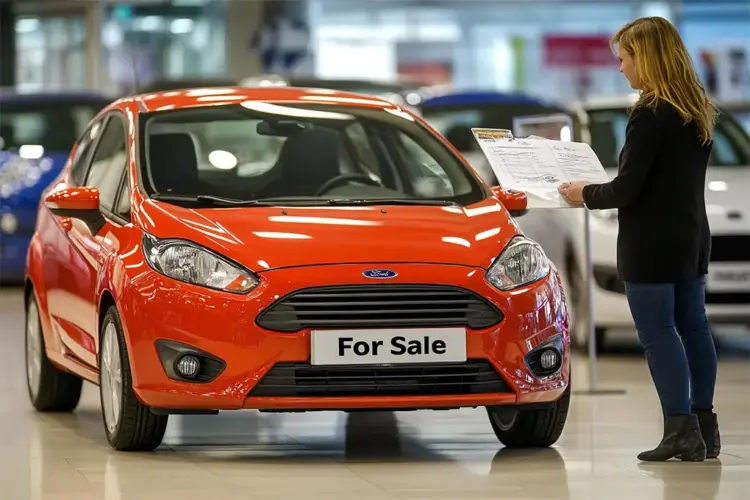
The Ford Fiesta’s sticker price might seem attractive, but it’s the long-term costs that truly matter. I’ve seen buyers focus solely on the upfront cost, only to regret it later. A new Fiesta can lose up to 40% of its value in the first three years. That’s a hefty hit to your wallet if you’re not prepared.
On the flip side, a used Fiesta, especially one that’s a few years old, can offer significant savings. The depreciation curve flattens, and you’re not shouldering the brunt of that initial drop. It’s a smarter move if you’re looking to minimise costs.
Factors Influencing Running Costs
Running costs aren’t just about fuel and insurance. Everything from tyre wear to road tax adds up. For example, the Fiesta’s road tax varies based on emissions, and newer models tend to be cheaper here. It’s these little details that can make or break your budget.
Another factor is location. Urban drivers face higher parking and congestion charges, while rural owners might clock more miles. It’s all about balancing these variables to keep your Fiesta affordable.
Comparing New vs. Used Ford Fiesta Costs
Buying new gives you the latest tech and a warranty, but at a premium. Used Fiestas, especially certified pre-owned ones, offer similar reliability without the steep price tag. I’ve found that a well-maintained used Fiesta can be just as dependable as a new one, but with lower resale value concerns.
Ultimately, the choice depends on your priorities. If you value peace of mind and the latest features, new might be worth it. But if you’re after value, used is the way to go.
Fuel Efficiency of Ford Fiestas
Average MPG for Different Models
When it comes to fuel efficiency, the Ford Fiesta is a standout performer. The 1.0-litre EcoBoost engine, for instance, delivers an impressive 50+ MPG, making it a cost-effective choice for daily commutes. Diesel variants, like the 1.5 TDCi, push this even further, often exceeding 70 MPG on long drives. We’ve found that the exact figures vary slightly between models, but the Fiesta consistently ranks among the most fuel-efficient cars in its class. If you’re looking for a balance of performance and economy, the EcoBoost is hard to beat.
For those who prioritise fuel savings, the Fiesta’s diesel options are worth considering. While petrol models are more common, the diesel variants offer superior mileage, especially on motorways. However, urban drivers might prefer the petrol engines for their smoother performance in stop-start traffic. It’s all about matching the model to your driving habits. Check out our Ford Fiesta pricing guide to compare fuel efficiency across different trims.
Tips for Improving Fuel Efficiency
Getting the most out of your Ford Fiesta’s fuel economy starts with driving habits. Smooth acceleration and avoiding unnecessary idling can make a noticeable difference. We recommend using cruise control on motorways to maintain a steady speed, which helps optimise fuel consumption. Regular maintenance, such as keeping tyres inflated to the correct pressure and using the right engine oil, also plays a crucial role in efficiency.
Another tip is to lighten your load—removing unnecessary weight from the boot can improve MPG. Additionally, planning routes to avoid heavy traffic can save both time and fuel. For more expert advice on maximising your car’s efficiency, take a look at this authoritative guide on fuel-saving techniques.
Diesel vs. Petrol Which is More Cost-Effective
The diesel vs. petrol debate often comes down to mileage. Diesel Fiestas typically offer better fuel economy, especially for high-mileage drivers. However, petrol models are cheaper to buy and maintain, making them a better choice for city dwellers. We’ve crunched the numbers, and if you drive less than 12,000 miles a year, petrol is usually the more cost-effective option.
Diesel engines also face higher road tax and potential emissions charges in some cities. On the flip side, their longevity and fuel efficiency make them ideal for long-distance drivers. It’s a trade-off, but one that depends entirely on your driving needs. For a deeper dive into this topic, explore our petrol vs. diesel comparison.
Insurance Costs for Ford Fiesta Owners
How Ford Fiesta Models Affect Insurance Rates
Insurance premiums for the Ford Fiesta vary widely depending on the model and engine size. The entry-level 1.1-litre petrol is one of the cheapest to insure, while the sporty ST variants can be significantly more expensive. We’ve noticed that younger drivers often face higher quotes, but opting for a lower-spec model can help keep costs down. Insurers also consider safety features, so models with advanced tech like lane-keeping assist may attract lower premiums.
Another factor is the car’s age—newer Fiestas with more security features tend to be cheaper to insure than older models. If you’re unsure which variant suits your budget, our guide to Fiesta models highlights the best options for affordable insurance.
Ways to Lower Your Insurance Premiums
There are several strategies to reduce your Ford Fiesta’s insurance costs. Increasing your voluntary excess, for example, can lower your premium, though it means paying more out of pocket in a claim. We also recommend building a no-claims bonus, as this can lead to substantial savings over time. Adding a named driver with a clean record can sometimes reduce your quote, too.
Telematics policies, or “black box” insurance, are another option for younger drivers. These policies monitor your driving habits and reward safe behaviour with lower premiums. Shopping around and comparing quotes from different providers is always a good idea. For more tips, check out our guide to cheap car insurance.
Comparing Insurance Providers
Not all insurance providers are created equal, and the cheapest quote isn’t always the best. We’ve found that some insurers offer better customer service or more comprehensive coverage, even if their prices are slightly higher. It’s worth reading reviews and checking claim satisfaction ratings before committing. Online comparison tools can help you weigh your options quickly.
Some providers also offer discounts for bundling policies, such as home and car insurance. If you’re a member of certain organisations, like a professional body, you might qualify for exclusive rates. Taking the time to research can save you hundreds of pounds annually. For a detailed comparison, visit our resale value guide, which includes insurance considerations.
Maintenance and Repair Costs
Routine Maintenance Schedule and Costs
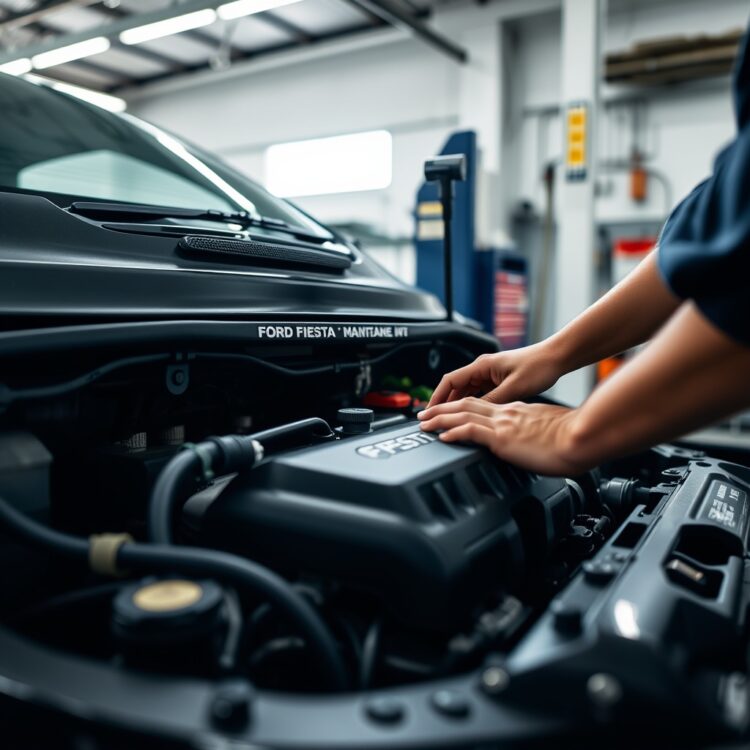
Keeping your Ford Fiesta in top condition doesn’t have to break the bank. Routine services, like oil changes and brake checks, typically cost between £100 and £200 at a dealership. Independent garages often offer the same work for less. We advise sticking to the manufacturer’s service schedule—usually every 12 months or 12,000 miles—to avoid costly repairs down the line. Skipping services might save money short-term, but it can lead to bigger bills later.
Minor services focus on basic checks and fluid top-ups, while major services include more comprehensive inspections. The Fiesta’s reliability means it’s generally affordable to maintain, especially compared to luxury brands. For a breakdown of typical costs, refer to our lifespan guide.
Common Repair Issues and Their Costs
Like any car, the Ford Fiesta has its quirks. Common issues include clutch wear in manual models and occasional electrical gremlins. We’ve seen clutch replacements cost around £500, while electrical fixes can vary widely depending on the problem. The good news is that parts are readily available and relatively affordable, thanks to the Fiesta’s popularity.
Older models might face rust issues, particularly in the wheel arches. Addressing this early can prevent more extensive damage. Regular inspections can catch problems before they escalate, saving you money in the long run. For a list of known issues, check out our common problems guide.
DIY Maintenance Tips to Save Money
If you’re handy with tools, there are plenty of DIY maintenance tasks you can tackle to save money. Changing the air filter or replacing wiper blades are simple jobs that don’t require specialist knowledge. We recommend investing in a good-quality jack and stands if you plan to work under the car. Always consult the owner’s manual or online tutorials before attempting repairs.
For more complex tasks, like brake pad changes, it’s often worth paying a professional unless you’re confident in your skills. Remember, safety first—never compromise on critical repairs. For step-by-step guides, explore our beginners’ guide to Fiesta ownership.
Depreciation The Hidden Cost
How Quickly Does a Ford Fiesta Depreciate
When you drive a new Ford Fiesta off the lot, it loses value almost instantly. Studies show that within the first year, your Fiesta could depreciate by up to 20%. By the third year, it might be worth half its original price. We’ve seen this trend consistently, and it’s something every potential buyer should consider. Depreciation isn’t just a number—it’s real money leaving your pocket. If you’re planning to sell or trade-in later, this is a critical factor.
The rate of depreciation slows down after the initial years, but it never stops. Even well-maintained models lose value over time. Factors like mileage, condition, and market demand play a role, but the Fiesta’s mass-market appeal means it’s not immune to steep drops. We recommend checking resale value trends before making a purchase. It’s better to be informed than surprised later.
Strategies to Minimize Depreciation Loss
While you can’t stop depreciation, you can slow it down. Choosing a popular colour like white or silver helps, as these shades retain value better. Opting for a higher trim level might also pay off, as buyers often look for premium features. Regular maintenance is non-negotiable—service records prove your car’s worth. We’ve found that keeping mileage low and avoiding modifications preserves resale value. It’s all about making smart choices upfront.
Another trick is timing your sale. Selling before the car hits a major mileage milestone (like 50,000 miles) can fetch a better price. We also suggest considering certified pre-owned programs, which often offer better resale guarantees. Depreciation is inevitable, but with the right strategies, you can keep more money in your pocket.
Best Time to Sell Your Ford Fiesta
Timing is everything when selling your Fiesta. Spring and early summer are ideal, as buyers are more active. Avoid winter months when demand dips. We’ve noticed that selling before a new model year launch can also work in your favour, as older models lose appeal once newer ones hit the market. Keep an eye on market trends to spot the perfect window.
If you’re unsure, consider using online valuation tools to track your car’s worth over time. Selling privately often yields higher returns than trading in, but it requires more effort. Weigh the pros and cons based on your situation. Remember, the goal is to maximise your return while minimising hassle. A little planning goes a long way.
Tax and Environmental Charges
Understanding Road Tax for Ford Fiestas
Road tax, or Vehicle Excise Duty (VED), is a recurring cost for Fiesta owners. The amount you pay depends on the car’s CO2 emissions and fuel type. Newer models (registered after April 2017) fall under a different tax band system, which can be pricier. We’ve found that diesel Fiestas often attract higher taxes due to stricter emissions standards. It’s worth checking the exact rates before buying.
Electric and hybrid Fiestas benefit from lower or even zero road tax, making them attractive for budget-conscious drivers. However, the initial purchase price might offset these savings. We recommend using the VED calculator to estimate your annual costs. It’s a small step that can save you from unexpected expenses down the road.
Impact of Emissions on Running Costs
Emissions don’t just affect road tax—they influence fuel efficiency and maintenance costs too. Higher-emission cars tend to consume more fuel, adding to your monthly expenses. We’ve seen that petrol Fiestas with smaller engines (like the 1.0 EcoBoost) strike a good balance between performance and efficiency. Diesel models, while fuel-efficient, face additional charges in low-emission zones.
If you’re eco-conscious, consider the environmental impact alongside costs. Lower emissions mean fewer penalties and a cleaner conscience. It’s a win-win. We suggest researching local regulations to avoid fines. Being proactive about emissions can save you money and hassle in the long run.
Electric and Hybrid Options Are They Cheaper
Electric and hybrid Fiestas promise lower running costs, but are they worth it? The upfront price is higher, but savings on fuel and tax can add up over time. We’ve crunched the numbers, and for high-mileage drivers, hybrids often pay off. Electric models are ideal for city driving, where charging infrastructure is robust. However, long-distance travel might still be a challenge.
Maintenance costs for electric Fiestas are typically lower, thanks to fewer moving parts. But battery replacement can be expensive. Weigh the pros and cons carefully. If you’re considering a switch, test drive both options to see which suits your lifestyle. The future is electric, but the present offers plenty of choices.
Financing Your Ford Fiesta
Loan vs Lease Which is Better
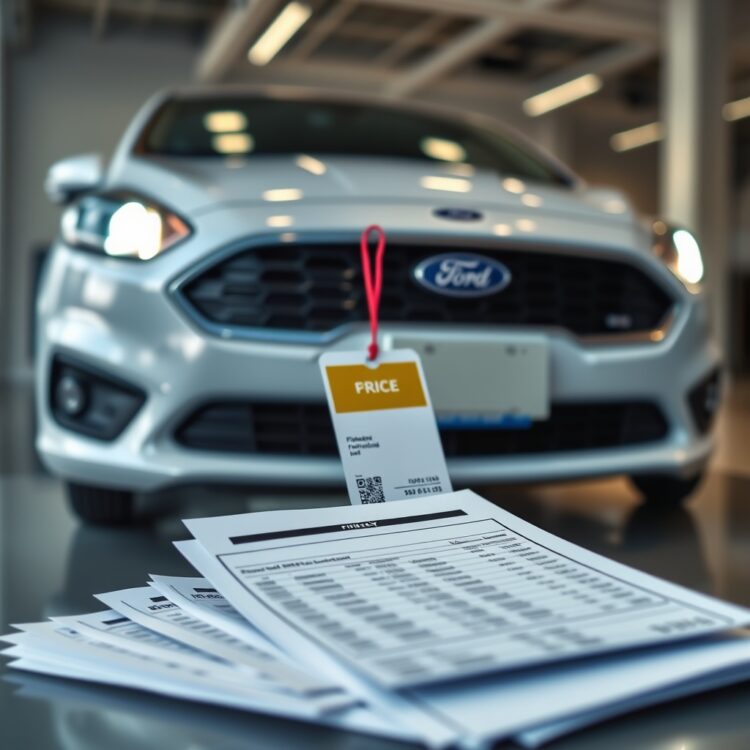
Deciding between a loan and a lease depends on your priorities. Loans let you own the car outright, but monthly payments are higher. Leases offer lower payments and the flexibility to upgrade frequently, but you’ll never own the vehicle. We’ve found that loans are better for long-term owners, while leases suit those who want the latest models without commitment.
Consider your budget and driving habits. If you drive a lot, a loan might be wiser due to mileage restrictions on leases. We recommend comparing financing options side by side. Crunch the numbers to see which aligns with your financial goals. There’s no one-size-fits-all answer—just what works best for you.
How Credit Scores Affect Financing Costs
Your credit score plays a huge role in financing terms. Higher scores unlock lower interest rates, saving you thousands over the loan term. We’ve seen buyers with poor credit face rates double or triple the standard offers. It’s worth checking your score before applying. If it’s low, consider improving it first or bringing a co-signer to secure better terms.
Lenders also look at your debt-to-income ratio. Keeping debts low and income stable improves your chances of approval. We suggest shopping around for the best rates rather than settling for the first offer. A little effort can lead to significant savings. Financing is a tool—use it wisely.
Finding the Best Financing Deals
Dealerships, banks, and credit unions all offer financing, but rates vary widely. We’ve found that pre-approval from a bank or credit union gives you leverage at the dealership. Promotional rates (like 0% APR) are tempting but often require excellent credit. Read the fine print to avoid hidden fees or balloon payments.
Timing matters too. End-of-month or end-of-quarter sales often feature better deals as dealers hit targets. We recommend negotiating the car price first, then discussing financing. Splitting these discussions keeps the focus on getting the best overall deal. Financing is a marathon, not a sprint—take your time to get it right.
The Cost of Accessories and Upgrades
Popular Accessories and Their Prices
Accessories can personalise your Fiesta, but they add up quickly. Alloy wheels, for example, can cost £500–£1,500, while a premium sound system might set you back £300–£800. We’ve seen buyers spend thousands on extras without realising the impact on their budget. Prioritise what matters most to you. Aesthetic upgrades like tinted windows or custom mats are affordable ways to enhance your car.
Functional accessories, like roof racks or parking sensors, offer more value. We suggest researching prices and installation costs before committing. Some upgrades are better done at the dealership to preserve warranties. It’s easy to get carried away, but a little restraint keeps costs in check.
Do Upgrades Increase Resale Value
Not all upgrades pay off at resale. While some buyers appreciate premium features, others prefer a blank slate. We’ve found that practical upgrades (like navigation or parking sensors) add more value than cosmetic ones. High-end audio systems or performance mods might appeal to niche buyers but rarely recoup their cost.
If resale is a priority, keep receipts and original parts. Some buyers prefer stock vehicles, so reversibility is key. We recommend focusing on upgrades that enhance your driving experience rather than future resale. Enjoy your car now—worry about selling it later.
Budget-Friendly Customization Ideas
You don’t need deep pockets to personalise your Fiesta. Simple changes like seat covers (£20–£50) or a phone mount (£10–£30) can make a big difference. We’ve seen DIY projects, like vinyl wraps or interior LED lights, transform cars on a budget. The key is creativity and patience.
Second-hand accessories are another smart option. Websites and forums often list lightly used parts at a fraction of the retail price. We suggest starting small and building over time. Customisation should be fun, not stressful. With a little ingenuity, you can make your Fiesta uniquely yours without breaking the bank.
Reliability and Its Impact on Costs
Most Reliable Ford Fiesta Models
We’ve found that the Ford Fiesta’s reliability varies by model year and engine type. The 2017-2023 models, especially those with the 1.0-litre EcoBoost engine, stand out for their dependability. These versions often require fewer repairs, saving you money in the long run. If you’re looking for a used Fiesta, prioritising these years can help avoid unexpected costs. For more insights, check out our Ford Fiesta buyer’s guide.
Hybrid variants, introduced in later models, also boast impressive reliability. Their mild-hybrid technology reduces wear on the engine, translating to lower maintenance bills. While diesel Fiestas are rare, they’re known for longevity but come with higher servicing costs. Balancing reliability with running expenses is key to making a smart purchase.
How Reliability Affects Maintenance Costs
A reliable car means fewer trips to the garage and lower repair bills. We’ve seen that well-maintained Fiestas can go years without major issues, especially if you stick to the service schedule. Skipping routine checks, however, can lead to costly fixes down the line. For example, neglecting oil changes might save you £50 now but could cost £500 later.
Reliability also impacts resale value. A Fiesta with a solid service history fetches a higher price, offsetting some ownership costs. If you’re unsure about a model’s track record, our resale value guide breaks down what to look for. Investing in a reliable car pays off in more ways than one.
Warranty and Extended Coverage Options
Ford’s standard warranty covers the Fiesta for three years or 60,000 miles, whichever comes first. This is decent, but extended warranties can offer peace of mind. We recommend considering them if you plan to keep the car beyond the factory coverage. Third-party warranties are another option, but read the fine print to avoid surprises.
Extended coverage often includes roadside assistance and wear-and-tear protection, which can save hundreds annually. For a deeper dive into warranty options, Parkers’ guide is a great resource. Weigh the cost against potential savings to decide if it’s worth it for your driving habits.
Comparing Ford Fiesta to Competitors
Ford Fiesta vs. Similar Models Running Costs
When stacked against rivals like the Vauxhall Corsa or Volkswagen Polo, the Fiesta holds its own. Its fuel efficiency often beats the Corsa, especially in urban driving. However, the Polo’s diesel variants might edge it out on long motorway trips. Insurance costs for the Fiesta are generally lower, thanks to its widespread popularity and safety ratings.
Maintenance is where the Fiesta shines. Parts are affordable and widely available, unlike some competitors. For a detailed comparison, our Fiesta vs. Corsa breakdown highlights key differences. The Fiesta’s balance of cost and performance makes it a standout choice.
Which Competitors Offer Better Value
The Hyundai i20 and Kia Rio often undercut the Fiesta on price, but their running costs can be higher. Hyundai and Kia’s longer warranties are a plus, but the Fiesta’s driving dynamics and fuel economy often tip the scales. If you prioritise low monthly payments, the Renault Clio might appeal, but its reliability record is patchier.
For those willing to spend more upfront, the Toyota Yaris hybrid offers unbeatable fuel savings. However, the Fiesta’s lower purchase price and fun-to-drive nature keep it competitive. It’s about matching your priorities to the right car.
When to Consider Alternatives
If you’re clocking high mileage annually, a diesel or hybrid alternative might save more in fuel. The Fiesta’s petrol engines are great for city driving but less efficient on long hauls. Also, if you need more space, rivals like the Honda Jazz offer better practicality without a huge cost bump.
For tech lovers, the Fiesta’s infotainment can feel dated next to newer models. Weighing these factors against the Fiesta’s strengths ensures you make the best choice for your budget and lifestyle.
The Role of Driving Habits in Running Costs
How Aggressive Driving Increases Costs
Flooring the accelerator and braking hard might feel fun, but it’s a surefire way to burn through fuel and wear out parts faster. We’ve seen aggressive drivers spend 20% more on fuel and brakes compared to smoother counterparts. Tyres also take a beating, needing replacement sooner.
Engine strain from harsh driving can lead to premature repairs, like clutch or transmission issues. If you’re guilty of heavy-footed habits, easing off can save hundreds annually. Small changes, like gradual acceleration, add up over time.
The Benefits of Eco-Driving
Eco-driving isn’t just for hybrids. Techniques like coasting to stops and maintaining steady speeds can boost your Fiesta’s MPG by 10-15%. We recommend using the car’s eco mode if it has one—it tweaks throttle response for efficiency. Regular maintenance, like clean air filters, also helps.
Planning routes to avoid traffic reduces idle time, saving fuel. Over a year, these habits can cut your fuel bill by £200 or more. It’s a win for your wallet and the environment.
Using Technology to Monitor and Improve Habits
Modern Fiestas come with trip computers that track fuel usage and driving style. Apps like FordPass take it further, offering personalised tips to improve efficiency. We’ve found that drivers who use these tools often see noticeable savings within months.
For older models, aftermarket devices like OBD-II trackers can provide similar insights. Pairing data with small adjustments, like smoother gear changes, optimises performance and cuts costs. Technology makes it easier than ever to drive smarter.
Seasonal Considerations for Running Costs
Winter Driving and Additional Costs
Cold weather hits your Fiesta’s efficiency hard. Engine oil thickens, reducing MPG, and heaters drain the battery. We recommend switching to winter tyres—they’re pricier upfront but improve safety and reduce wear on summer tyres. Budget for extra fuel and potential breakdown cover during colder months.
Salt on roads accelerates corrosion, so regular washes are a must. Neglecting this can lead to costly rust repairs. Preparing your Fiesta for winter, like checking antifreeze levels, prevents surprises when temperatures drop.
Summer Maintenance Tips to Avoid Repairs
Summer brings its own challenges. High temperatures can strain the cooling system, so check coolant levels and hoses before long trips. Air conditioning use spikes fuel consumption, but skipping it isn’t the answer—servicing the system ensures it runs efficiently.
Tyres also need attention. Heat increases pressure, so monitor it to avoid blowouts. Parking in shade preserves interior materials and reduces AC workload. A little prep keeps summer running costs in check.
Seasonal Tire Changes and Costs
Swapping tyres seasonally optimises performance and safety. All-season tyres are a compromise, but dedicated winter and summer sets offer better grip and longevity. We’ve found that investing in a second set of wheels saves money on fitting fees over time.
Storage is another factor. Properly storing off-season tyres extends their life. If you’re unsure about the best options, our tyre guide breaks down costs and benefits. Seasonal changes are an upfront cost that pays off in the long run.
The Impact of Location on Running Costs
Urban vs Rural Where is it Cheaper to Run
Running a Ford Fiesta in urban areas often means higher fuel consumption due to frequent stops and starts. Traffic congestion and shorter trips can reduce fuel efficiency, increasing costs. In contrast, rural driving typically involves longer, steadier journeys, which are more fuel-efficient. However, rural drivers may face higher insurance premiums due to longer distances and potential hazards like wildlife.
Urban areas also tend to have higher parking fees and congestion charges, adding to the overall running costs. Rural drivers might save on these but could spend more on maintenance due to rougher road conditions. Weighing these factors helps determine where your Ford Fiesta will be cheaper to run based on your daily routes.
High-Cost Areas vs Low-Cost Areas
Living in high-cost areas like London often means higher insurance premiums and road taxes. These regions may also have stricter emissions standards, impacting older Ford Fiesta models. Low-cost areas, on the other hand, offer lower insurance rates and fewer additional charges, making them more budget-friendly for car owners.
Fuel prices can also vary significantly between regions. High-cost areas may have pricier fuel, while low-cost areas offer savings. Researching local costs and comparing them to your budget can help you decide if relocating or adjusting your driving habits could reduce your Ford Fiesta’s running expenses.
Relocating to Save on Car Costs
If running costs are a concern, relocating to a cheaper area could be a viable option. Lower insurance premiums, reduced fuel prices, and fewer additional charges can make a noticeable difference. However, consider other factors like commute distance and public transport availability before making a move.
For those unable to relocate, optimizing your driving habits and choosing cost-effective maintenance can help mitigate high running costs. Small changes, like avoiding peak traffic times or carpooling, can add up to significant savings over time.
Long-Term Ownership Costs
Calculating 5-Year Ownership Costs
Owning a Ford Fiesta for five years involves more than just the purchase price. Fuel, insurance, maintenance, and depreciation all contribute to the total cost. On average, a Fiesta can cost around £5,000 annually, but this varies based on model and usage. Keeping detailed records helps track expenses and identify areas for savings.
Depreciation is often the largest expense, with newer models losing value faster. However, reliable models like the Fiesta hold their value better than some competitors. Factoring in resale value when calculating long-term costs provides a clearer picture of your investment.
The Break-Even Point for Buying New
Buying a new Ford Fiesta may seem expensive upfront, but lower maintenance costs and better fuel efficiency can offset this over time. The break-even point—when savings outweigh the initial cost—typically occurs around three to four years. Used Fiestas, while cheaper initially, may require more repairs, affecting long-term savings.
Financing options also play a role. Leasing or loans with low interest rates can make new models more affordable. Comparing total costs over the ownership period ensures you make an informed decision. For more insights, check out this detailed guide on Fiesta running costs.
When to Upgrade to a Newer Model
Upgrading your Ford Fiesta depends on its condition and your budget. Newer models often offer improved fuel efficiency and safety features, reducing running costs. However, if your current Fiesta is reliable and meets your needs, delaying an upgrade can save money.
Consider upgrading when repair costs exceed the car’s value or when newer models offer significant benefits. Timing your purchase during sales or when trade-in values are high can also maximize savings. Balancing cost and convenience ensures you make the best decision for your situation.
Saving Money on Your Ford Fiesta
Best Practices for Cost-Efficient Ownership
Regular maintenance is key to keeping your Ford Fiesta running efficiently. Simple tasks like oil changes and tire rotations prevent costly repairs. Driving smoothly and avoiding aggressive acceleration also improves fuel economy, reducing expenses over time.
Using community resources for DIY repairs or discounts on parts can further cut costs. Staying informed about seasonal maintenance needs, like winter tires or coolant checks, ensures your Fiesta remains reliable without unnecessary spending.
Negotiating Better Deals on Parts and Services
Negotiating with mechanics or parts suppliers can lead to significant savings. Comparing quotes from multiple providers ensures you get the best price. Building a relationship with a trusted mechanic can also result in discounts or priority service.
For major repairs, consider refurbished or aftermarket parts, which are often cheaper than OEM options. Always verify the quality and warranty of these parts to avoid future issues. Being proactive about repairs prevents small problems from becoming expensive fixes.
Community Resources and Support
Joining Ford Fiesta owner groups or forums provides access to shared knowledge and resources. Members often recommend affordable service providers or share DIY tips. These communities can also alert you to recalls or common issues, helping you address them early.
Local workshops or car clubs may offer discounted services or group buys on parts. Leveraging these resources reduces costs while maintaining your Fiesta’s performance. A supportive community makes ownership more affordable and enjoyable.
Frequently Asked Questions
Is a Ford Fiesta expensive to insure?
Insurance costs for a Ford Fiesta vary based on model, age, and location. Generally, Fiestas are affordable to insure, especially older or less powerful variants. Shopping around and comparing quotes can help you find the best deal.
How can I improve my Ford Fiesta’s fuel efficiency?
Maintaining proper tire pressure, avoiding aggressive driving, and regular servicing can boost fuel efficiency. Using the recommended grade of motor oil and reducing unnecessary weight in the car also helps. These small changes add up to significant savings over time.
What are the most common repair issues for Ford Fiestas?
Common issues include clutch problems in manual models and electrical faults in older versions. Regular maintenance and addressing minor issues early can prevent costly repairs. Checking common problems helps you stay ahead of potential issues.
Is it worth buying a used Ford Fiesta?
Used Ford Fiestas can be a great value, offering reliability at a lower cost. However, inspect the car thoroughly and check its service history to avoid hidden issues. A well-maintained used Fiesta can provide years of trouble-free driving.
How does depreciation affect my Ford Fiesta’s value?
Depreciation is steepest in the first few years, but Fiestas hold their value better than many rivals. Choosing a popular model with low mileage and keeping it in good condition maximizes resale value. Planning to sell before major depreciation hits can save money.