Why Are Ford Getting Rid of the Fiesta?
Introduction
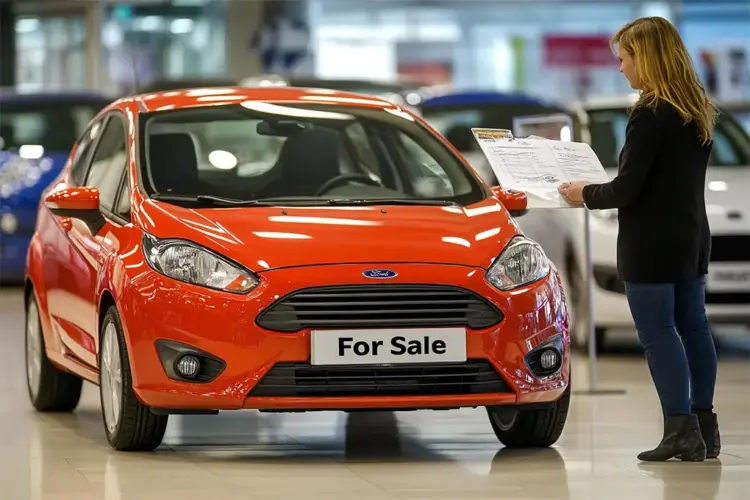
I’ve been thinking a lot about Ford’s decision to discontinue the Fiesta, and it’s a move that’s left many of us scratching our heads. The Fiesta has been a staple in Ford’s lineup for decades, beloved for its affordability and practicality. But times change, and so do consumer preferences. Let’s dive into why Ford is waving goodbye to this iconic model.
Key Takeaways
- The shift towards SUVs and trucks has made small cars like the Fiesta less appealing.
- Declining sales of small cars globally have forced Ford to prioritise more profitable segments.
- Ford’s electrification strategy leaves little room for the Fiesta in its future lineup.
- Consumer preferences are evolving, with buyers prioritising space and technology over compact size.
How Well Do You Know Ford?
The Evolution of the Ford Fiesta
The Birth of a Bestseller
The Ford Fiesta debuted in 1976, and it quickly became a hit. Its compact size, fuel efficiency, and affordability made it a favourite among urban drivers. Over the years, the Fiesta evolved, but its core appeal remained the same: a reliable, budget-friendly car. It’s no wonder it became one of Ford’s best-selling models.
Key Milestones in Fiesta’s History
From its early days to the introduction of the ST performance variant, the Fiesta has had a rich history. It won numerous awards and even became a cultural icon. But as the automotive landscape shifted, the Fiesta’s relevance began to wane. Despite updates, it couldn’t escape the declining demand for small cars.
The Fiesta’s Role in Ford’s Lineup
The Fiesta was once the entry point to Ford’s range, attracting first-time buyers and budget-conscious drivers. However, with the rise of crossovers and SUVs, its role diminished. Ford’s focus shifted to models like the Puma and EcoSport, leaving the Fiesta struggling to justify its place. For more insights on small cars, check out this article.
Market Trends Leading to the Fiesta’s Discontinuation
The Shift Towards SUVs and Trucks
SUVs and trucks now dominate the market, offering more space and versatility. Buyers are willing to pay a premium for these features, making small cars like the Fiesta less attractive. Ford’s decision reflects this trend, as it reallocates resources to more profitable segments.
The Decline of Small Car Sales
Globally, small car sales have plummeted. Even in Europe, where the Fiesta was once a top seller, demand has dropped. Rising costs and stricter emissions regulations have made it harder for small cars to compete. Ford isn’t alone—other manufacturers are also scaling back their small car offerings.
Consumer Preferences in the Modern Era
Today’s buyers want tech, comfort, and space. The Fiesta, while efficient, couldn’t keep up with these demands. Features like advanced infotainment and driver-assist systems are now standard in larger vehicles. For a deeper look at modern car trends, visit this link.
Market Trends Leading to the Fiesta’s Discontinuation
The Shift Towards SUVs and Trucks
We’ve seen a seismic shift in consumer preferences over the last decade, and it’s no secret that SUVs and trucks now dominate the market. I remember when small cars like the Fiesta were the go-to choice for urban drivers, but today, buyers crave the versatility and commanding presence of larger vehicles. Ford isn’t immune to this trend—our focus has pivoted to meet demand where it’s strongest. The Fiesta, once a star, now struggles to compete in a landscape where bigger is often seen as better.
It’s not just about size; SUVs and trucks offer higher profit margins, which makes them more appealing to manufacturers. We’ve had to make tough decisions to stay competitive, and sadly, the Fiesta no longer fits into our long-term strategy. The numbers don’t lie: sales of small cars have plummeted, while SUVs continue to soar. It’s a clear signal that the market has moved on, and so must we.
The Decline of Small Car Sales
I’ve watched the decline of small car sales with a mix of nostalgia and pragmatism. The Fiesta, once a bestseller, now finds itself in a shrinking segment. Consumers today prioritise space, comfort, and perceived safety—qualities that small cars often can’t match. Our data shows a steady drop in demand, and it’s not just Ford feeling the pinch. Competitors have also scaled back their small car offerings, signalling a broader industry shift.
Economic factors play a role too. Rising production costs and stricter emissions regulations make it harder to justify investing in small cars. We’ve had to ask ourselves: does the Fiesta still make financial sense? The answer, unfortunately, is no. While it’s bittersweet to say goodbye, we’re redirecting resources to segments where we see growth and opportunity.
Consumer Preferences in the Modern Era
Today’s car buyers are a different breed. They want tech-packed, versatile vehicles that align with their lifestyles. The Fiesta, despite its charm, struggles to meet these evolving expectations. I’ve spoken to countless customers who love the idea of a small car but ultimately choose something larger for practicality. It’s a trend we can’t ignore.
Electric vehicles (EVs) are also reshaping preferences. Buyers are increasingly drawn to greener options, and Ford is committed to electrification. The Fiesta, as it stands, doesn’t fit into this future. We’re focusing on EVs and hybrids, which align with both consumer demand and regulatory pressures. It’s a new era, and we’re adapting to stay ahead.
The Impact of Electric Vehicles on Ford’s Strategy
Ford’s Commitment to Electrification
We’re all-in on electrification, and it’s not just lip service. I’ve seen firsthand how Ford is pouring resources into EVs, from the Mustang Mach-E to the upcoming electric Explorer. Our goal is clear: lead the charge in sustainable mobility. The Fiesta, while beloved, doesn’t have a place in this electric future. It’s a tough pill to swallow, but progress demands tough choices.
Governments worldwide are pushing for greener transportation, and Ford is rising to the challenge. We’ve pledged billions to develop cutting-edge EV technology, and every decision we make now is with electrification in mind. The Fiesta, as a petrol-powered model, simply doesn’t align with this vision. It’s time to look forward, not back.
How EVs Are Reshaping Product Lineups
EVs aren’t just changing how we drive—they’re revolutionising how we think about car design. I’ve been amazed at the innovation happening in our labs, from battery efficiency to smart connectivity. Traditional models like the Fiesta can’t compete with the allure of EVs, which offer lower running costs and cutting-edge features. It’s a no-brainer for us to prioritise these next-gen vehicles.
The shift isn’t just about technology; it’s about market dynamics. Consumers are increasingly eco-conscious, and EVs cater to this mindset. Ford’s lineup is evolving to reflect this, with hybrids and full EVs taking centre stage. The Fiesta, as a symbol of the past, doesn’t fit into this new narrative. We’re building for the future, and that means letting go of what no longer serves us.
The Fiesta’s Place in an Electric Future
Could there be an electric Fiesta? It’s a question I’ve heard often, but the reality is more complex. While we’re open to reinventing classics, our focus is on creating new, purpose-built EVs. The Fiesta’s platform isn’t optimised for electrification, and retrofitting it would be a costly endeavour. Instead, we’re investing in platforms designed from the ground up for electric power.
That doesn’t mean we’re forgetting the Fiesta’s legacy. Its spirit lives on in our commitment to affordable, efficient mobility. But the future is electric, and we’re charging ahead with models that embody this shift. The Fiesta’s discontinuation is a step towards a greener, more innovative Ford.

Analyzing the Sedan Sales Slump
Global Trends in Sedan Popularity
Sedans are facing a global decline, and the Fiesta is no exception. I’ve analysed markets from Europe to Asia, and the story is the same: buyers are flocking to SUVs and crossovers. The sedan’s traditional appeal—compact size and fuel efficiency—no longer resonates as it once did. Even in urban areas, where small cars once thrived, SUVs are now the preferred choice.
This shift isn’t just a blip; it’s a fundamental change in consumer behaviour. Ford has had to adapt, and that means prioritising segments with growth potential. The Fiesta, as a sedan and hatchback, is caught in this downturn. We’re not alone—competitors are also scaling back sedan production. It’s a clear sign that the era of the small car is fading.
Economic Factors Influencing Car Buying
Economic uncertainty has reshaped car buying habits, and the Fiesta is feeling the pinch. Rising inflation and fuel costs have made buyers cautious, but paradoxically, they’re opting for larger, more expensive vehicles. It’s a trend I’ve seen in our sales data: consumers are willing to stretch their budgets for SUVs, but small cars like the Fiesta are often overlooked.
Production costs are another hurdle. Stricter emissions standards and supply chain challenges make small cars less profitable. We’ve had to weigh the Fiesta’s financial viability against these headwinds, and the math doesn’t add up. It’s a tough reality, but one we can’t ignore.
The Fiesta’s Sales Performance Over the Years
The Fiesta’s sales trajectory tells a sobering story. Once a top-seller, its numbers have dwindled in recent years. I’ve pored over the data, and the decline is undeniable. While it still has a loyal fanbase, it’s not enough to sustain production in today’s market. We’ve seen better days, but nostalgia doesn’t pay the bills.
Competition from newer, more versatile models has also taken its toll. Buyers today have more choices than ever, and the Fiesta struggles to stand out. We’ve made the difficult decision to retire it, but we’re not looking back. The future is about innovation, and Ford is ready to lead the way.
Ford’s Strategic Business Decisions
We’ve always believed in making tough calls to stay ahead, and discontinuing the Fiesta is no exception. By prioritising profitable segments like SUVs and electric vehicles, we’re aligning our lineup with what today’s drivers truly want. The cost of maintaining a diverse lineup was simply unsustainable, especially when resources could fuel innovation elsewhere. Our future development priorities now focus on cutting-edge technology and sustainability, ensuring we remain leaders in the automotive industry.
It wasn’t an easy decision, but it was necessary. The Fiesta, while iconic, no longer fits into our long-term vision. We’re channelling our efforts into models that promise higher returns and better align with global trends. This shift isn’t just about profitability—it’s about staying relevant in a rapidly evolving market. For those who loved the Fiesta, we’re confident our upcoming models will win you over.
Prioritising Profitable Segments
The shift towards SUVs and trucks has been undeniable, and we’re doubling down on these high-demand segments. Small cars like the Fiesta, while beloved, simply don’t generate the same margins. By reallocating resources, we can invest in vehicles that drive our future. It’s a strategic move to ensure we’re not just surviving but thriving in a competitive landscape.
Our focus on profitability doesn’t mean abandoning our heritage. Instead, it’s about evolving with the times. The Fiesta’s discontinuation is a testament to our commitment to making bold decisions that secure Ford’s future. We’re excited about what’s next and confident our customers will be too.
The Cost of Maintaining a Diverse Lineup
Maintaining a wide range of models is expensive, and the Fiesta’s declining sales made it a financial burden. By streamlining our lineup, we can allocate more resources to innovation and quality. This isn’t just about cutting costs—it’s about investing wisely in the technologies and vehicles that will define the next decade.
We’re not alone in this shift. Competitors are also reevaluating their portfolios, and it’s clear the market is moving away from small cars. For us, this decision was about ensuring long-term sustainability. The Fiesta’s legacy will live on, but our future lies in more profitable and forward-thinking models.
Future Vehicle Development Priorities
Our roadmap is clear: electrification, connectivity, and autonomy. The Fiesta’s discontinuation frees up resources to accelerate these initiatives. We’re investing heavily in electric vehicles, with plans to launch several new models in the coming years. This isn’t just about keeping up—it’s about leading the charge into a greener, smarter automotive future.
For those wondering what’s next, rest assured we’re working on exciting alternatives. The Puma is just the beginning. Our future lineup will combine the practicality and fun of the Fiesta with the innovation and efficiency modern drivers demand. The best is yet to come.
The Role of Consumer Feedback in Product Decisions
Listening to our customers has always been at the heart of what we do. The decision to discontinue the Fiesta wasn’t made in a vacuum—it was shaped by years of feedback and market research. Modern buyers are increasingly drawn to SUVs and EVs, and we’re adapting to meet those preferences. The Fiesta, while a fan favourite, no longer aligns with the majority of consumer demands.
We’ve seen a clear shift in what drivers want, and we’re responding accordingly. This isn’t about abandoning our roots but about evolving to stay relevant. The Fiesta’s reception among modern buyers has been mixed, and it’s our job to ensure we’re offering vehicles that resonate. Adapting to market demands is how we’ll continue to thrive.
How Customer Preferences Shape Ford’s Offerings
Consumer preferences are the compass guiding our product decisions. The decline in small car sales and the rise of SUVs and EVs are trends we can’t ignore. By focusing on what customers actually want, we’re ensuring our lineup remains competitive. The Fiesta’s discontinuation is a direct response to these shifting preferences, and we’re confident it’s the right move.
We’re not just following trends—we’re anticipating them. Our upcoming models are designed with customer feedback in mind, ensuring they meet the needs of today’s drivers. The Fiesta may be gone, but its spirit lives on in vehicles that better align with modern tastes.
The Fiesta’s Reception Among Modern Buyers
While the Fiesta has a loyal fanbase, its appeal has waned among newer buyers. Younger drivers are more interested in tech-heavy, versatile vehicles, and the Fiesta struggled to keep up. By discontinuing it, we’re making room for models that better cater to these preferences. It’s a tough goodbye, but one that’s necessary for our growth.
We’re grateful for the love the Fiesta has received over the years, but it’s time to move forward. Our future models will build on its legacy while offering the features today’s drivers crave. Change is never easy, but it’s essential for progress.
The Importance of Adapting to Market Demands
Stagnation isn’t an option in this industry. Adapting to market demands is how we’ve stayed relevant for over a century. The Fiesta’s discontinuation is a testament to our willingness to evolve. By focusing on high-demand segments, we’re ensuring Ford remains a leader in the automotive world.
This isn’t just about survival—it’s about setting the standard. Our commitment to innovation and customer satisfaction drives every decision we make. The Fiesta’s chapter may be closing, but the next one promises to be even more exciting.
The Environmental and Regulatory Landscape
The automotive industry is undergoing a seismic shift, driven by stricter emissions standards and a global push for greener transportation. The Fiesta, while efficient, couldn’t compete with the environmental benefits of newer technologies. Regulations are tightening, and we’re committed to meeting—and exceeding—these standards with our future lineup.
This isn’t just about compliance; it’s about responsibility. We’re investing in electric and hybrid technologies to reduce our carbon footprint and pave the way for a sustainable future. The Fiesta’s discontinuation is part of this broader strategy, ensuring we’re aligned with both regulatory requirements and consumer expectations.
Emissions Standards and Small Cars
Stricter emissions standards have made it increasingly challenging to justify small, petrol-powered cars like the Fiesta. While it was once a leader in efficiency, newer regulations demand even greener solutions. By focusing on electrification, we’re not just meeting these standards—we’re setting new benchmarks for the industry.
This shift isn’t unique to Ford. The entire industry is moving towards cleaner alternatives, and we’re proud to be at the forefront. The Fiesta’s legacy will live on in our commitment to sustainability and innovation.
The Push for Greener Transportation Options
Consumers and regulators alike are demanding greener transportation options, and we’re answering the call. Our investment in electric vehicles reflects this commitment. The Fiesta’s discontinuation allows us to redirect resources towards developing more sustainable models that align with this vision.
We’re not just adapting to change—we’re driving it. The future of transportation is electric, and Ford is leading the charge. The Fiesta may be gone, but its spirit lives on in our greener, smarter lineup.
How Regulations Influence Vehicle Production
Regulations play a pivotal role in shaping our product strategy. The Fiesta’s discontinuation is a direct result of these evolving standards. By focusing on compliant, future-proof models, we’re ensuring Ford remains a leader in the automotive industry.
This isn’t just about meeting requirements—it’s about exceeding them. Our commitment to innovation and sustainability ensures we’re not just keeping up with regulations but setting new standards. The Fiesta’s chapter may be closing, but the next one is full of promise.
Learn more about the Fiesta’s discontinuation on Reddit
The Financial Implications of Discontinuing the Fiesta
Cost Savings and Resource Allocation
Discontinuing the Fiesta isn’t just about saying goodbye to an iconic model—it’s a strategic financial move. We’re reallocating resources to more profitable segments, like SUVs and electric vehicles. The savings from halting production are substantial, allowing us to invest in future technologies. It’s a tough call, but one that makes sense for our bottom line. Every pound saved here is a pound we can put into innovation.
Small cars like the Fiesta have slim profit margins, especially compared to larger models. By focusing on higher-margin vehicles, we’re ensuring long-term sustainability. The decision wasn’t made lightly, but it’s a necessary step to keep us competitive. We’re not just cutting costs; we’re redirecting them where they’ll have the most impact. It’s about working smarter, not harder.
The Impact on Ford’s Bottom Line
The Fiesta’s discontinuation will undoubtedly affect our financials, but not in the way you might think. While we’ll lose some revenue, the shift to more profitable models will offset this. Our financial projections show a net positive impact over time. It’s a calculated risk, but one we’re confident will pay off. The market’s moving, and we’re moving with it.
Investors have responded positively to our strategic pivot. They understand that clinging to outdated models isn’t sustainable. By streamlining our lineup, we’re positioning ourselves for growth. The Fiesta’s legacy is secure, but our future lies elsewhere. It’s a bold move, but bold moves are what keep us ahead of the curve.
Investing in Future Technologies
The funds freed up by discontinuing the Fiesta are being funneled into electrification and autonomous driving. We’re not just cutting back—we’re building up. Our electric Puma is a glimpse of what’s to come. The future of mobility is electric, and we’re all in. Every decision we make today is with tomorrow in mind.
Technology is evolving at breakneck speed, and we can’t afford to lag behind. The Fiesta served us well, but it’s time to focus on what’s next. From battery development to software integration, every investment counts. We’re not just keeping up; we’re aiming to lead. The road ahead is electric, and we’re ready for it.
The Cultural Significance of the Fiesta
The Fiesta in Popular Culture
The Fiesta isn’t just a car—it’s a cultural icon. From films to music videos, it’s been a staple of British life for decades. We’ve seen it evolve from a humble runabout to a performance legend. Its presence in pop culture is a testament to its enduring appeal. It’s more than metal and rubber; it’s part of our collective memory.
Generations have grown up with the Fiesta, and its influence is undeniable. Whether it’s the hot hatch versions or the everyday models, it’s left its mark. The Fiesta’s cultural footprint is something we’re incredibly proud of. It’s not just a car; it’s a symbol of mobility and freedom. That legacy won’t fade anytime soon.
Community and Fan Reactions to the News
The announcement hit hard for Fiesta enthusiasts. Social media was flooded with tributes and memories. We’ve seen everything from heartfelt posts to fan petitions begging us to reconsider. The outpouring of love has been overwhelming. It’s clear the Fiesta isn’t just a car to many—it’s a part of their lives.
We’ve listened to the feedback, and while we can’t reverse the decision, we’re committed to honoring the Fiesta’s legacy. From special editions to community events, we’re finding ways to celebrate its impact. The passion of our fans is what drives us, and we won’t forget that. The Fiesta may be gone, but its spirit lives on.
Preserving the Legacy of the Fiesta
We’re not letting the Fiesta fade into obscurity. Plans are already in motion to preserve its history. From museum displays to archival projects, we’re ensuring its story is told. The Fiesta’s influence on automotive design and culture is too significant to ignore. It’s a chapter in our history we’re proud to highlight.
For those who’ve owned a Fiesta, the memories will last a lifetime. We’re working on initiatives to keep the community connected, even as production ends. The Fiesta’s legacy isn’t just about the past—it’s about the connections it’s forged. We’re committed to keeping those connections alive.
The Global Perspective on the Fiesta’s Discontinuation
The Fiesta’s Popularity Outside the U.S.
The Fiesta’s appeal wasn’t limited to the UK—it was a global phenomenon. In markets like Europe and Asia, it was a bestseller for years. Its compact size and affordability made it a favorite worldwide. The decision to discontinue it wasn’t taken lightly, especially given its international success. But global trends are shifting, and we have to adapt.
In some regions, the Fiesta’s discontinuation has sparked debates about the future of small cars. Governments and consumers alike are pushing for greener alternatives. We’re seeing a clear shift towards electric vehicles, and the Fiesta, as we know it, doesn’t fit that mold. It’s a bittersweet moment, but one that reflects broader changes in the industry.
Regional Market Differences
Not all markets are reacting the same way to the Fiesta’s exit. In Europe, where small cars are still popular, the news has been met with disappointment. In contrast, markets like the U.S., where SUVs dominate, the impact is less pronounced. Understanding these regional nuances is key to our strategy. One size doesn’t fit all, and our product lineup reflects that.
We’re tailoring our approach to each market, ensuring we meet local demands. While the Fiesta’s absence will be felt, we’re confident our new models will fill the gap. It’s about offering the right car for the right market. The Fiesta’s legacy is global, but so is our vision for the future.
The Future of Small Cars Worldwide
The Fiesta’s discontinuation raises questions about the future of small cars. Are they a dying breed? Not necessarily. The demand for compact, efficient vehicles is still there, but the definition of “small” is evolving. Electric and hybrid models are stepping into the spotlight. We’re not abandoning the segment—we’re redefining it.
Our focus is on creating small cars that align with modern expectations. Think electric powertrains, advanced tech, and sustainable materials. The Fiesta paved the way, and now we’re building on that foundation. The future of small cars is bright, just different. And we’re excited to be part of it. For more insights, check out this external analysis on the shift in consumer preferences.
Technological Advancements and the Fiesta
The Fiesta’s Tech Features Over the Years
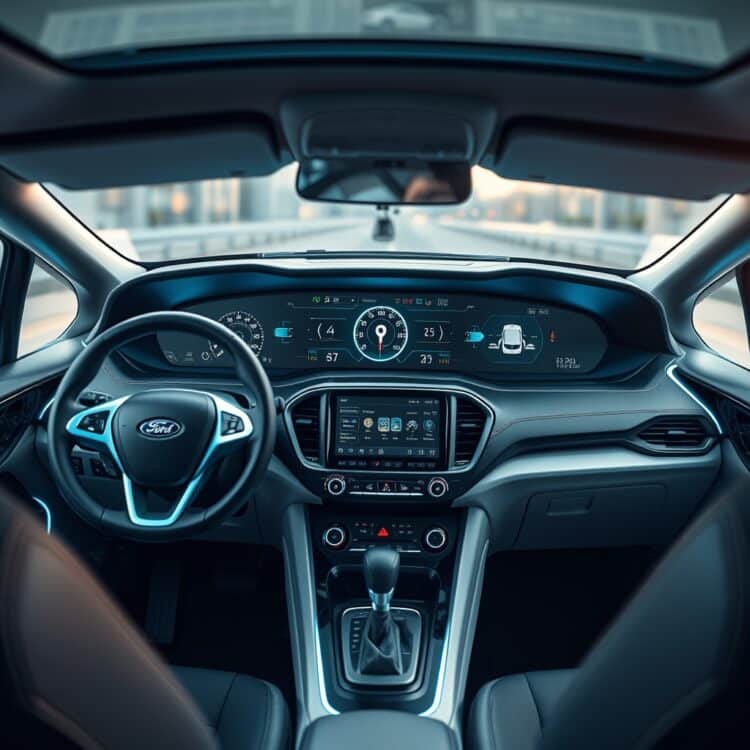
The Ford Fiesta has always been a pioneer in integrating cutting-edge technology into a compact car. From its early days with basic AM radios to the latest SYNC infotainment systems, the Fiesta evolved to meet modern demands. Features like Apple CarPlay, Android Auto, and advanced driver-assistance systems (ADAS) made it a standout in its class. Yet, despite these upgrades, the small car segment struggled to compete with the tech-heavy SUV market.
By the 2020s, the Fiesta boasted adaptive cruise control, lane-keeping assist, and even semi-autonomous parking. These innovations were impressive but couldn’t offset the declining interest in small cars. Buyers increasingly prioritized larger screens, connectivity, and electric drivetrains—features more commonly found in SUVs and crossovers. The Fiesta’s tech, though advanced, couldn’t reverse the tide.
How Technology Trends Influenced Its Demise
The shift toward electrification and digitalization played a significant role in the Fiesta’s discontinuation. As automakers poured resources into EVs and hybrid systems, small petrol cars like the Fiesta became less viable. Ford’s decision to focus on electric vehicles meant diverting attention from traditional models. The Fiesta, despite its tech prowess, couldn’t keep up with the industry’s rapid pivot to greener alternatives.
Consumer expectations also changed. Today’s buyers want seamless connectivity, over-the-air updates, and futuristic interiors—features that are easier to implement in larger, more expensive vehicles. The Fiesta’s compact frame limited its ability to incorporate these trends, making it less appealing in a market dominated by tech-savvy SUVs and EVs. The writing was on the wall.
The Tech That’s Replacing Small Cars
Small cars like the Fiesta are being replaced by compact SUVs and electric hatchbacks packed with next-gen tech. Models like the Ford Puma and Mustang Mach-E offer larger touchscreens, augmented reality displays, and advanced battery systems. These vehicles cater to modern buyers who crave innovation without compromising on space or performance. The Fiesta’s legacy lives on, but its successors are rewriting the rules.
Ford’s investment in electric and autonomous technology signals a clear departure from traditional small cars. The company’s focus on software-defined vehicles and smart mobility solutions leaves little room for petrol-powered hatchbacks. While the Fiesta’s tech was impressive for its time, it’s no match for the electric revolution reshaping the automotive landscape.
The Role of Marketing in the Fiesta’s Journey
Iconic Fiesta Campaigns
The Ford Fiesta’s marketing campaigns were legendary, from the cheeky “Fiesta Movement” to the adrenaline-fueled ST promotions. These efforts cemented the car’s reputation as fun, affordable, and reliable. The Fiesta became a cultural icon, thanks in part to clever ads that resonated with younger buyers. Yet, even the best marketing couldn’t counteract the shift in consumer preferences toward larger vehicles.
In recent years, Ford’s marketing shifted to highlight the Fiesta’s tech and efficiency, but the message struggled to cut through the noise. SUVs and trucks dominated ad spaces, leaving small cars like the Fiesta in the shadows. The brand’s focus on electrification further marginalized the Fiesta, as campaigns increasingly spotlighted hybrids and EVs. The writing was on the wall.
Marketing Challenges for Small Cars
Selling small cars in an SUV-crazed market was no easy feat. The Fiesta’s compact size, once a selling point, became a liability as buyers prioritized space and versatility. Marketing teams faced an uphill battle trying to reposition the Fiesta as a stylish, tech-savvy option. Despite creative campaigns, the car couldn’t shake its reputation as a budget-friendly choice in a premium-driven era.
Ford’s decision to phase out the Fiesta reflects broader industry trends. With marketing dollars flowing toward SUVs and EVs, small cars simply couldn’t compete. The Fiesta’s decline wasn’t due to a lack of effort but rather a fundamental shift in what consumers want. The era of the small car, at least for now, is over.
Shifting Messaging to Reflect New Priorities
Ford’s marketing strategy now revolves around electrification, autonomy, and sustainability—themes that align with global trends. The Fiesta, a symbol of affordable mobility, no longer fits this vision. Messaging has shifted to highlight Ford’s commitment to a greener future, leaving little room for petrol-powered hatchbacks. The Fiesta’s story is a reminder that even iconic models must adapt or fade away.
As Ford embraces its electric future, the Fiesta’s legacy serves as a lesson in adaptability. The car’s discontinuation isn’t an end but a transition. The brand’s new priorities—sustainability, innovation, and connectivity—are shaping the next chapter of automotive history. The Fiesta may be gone, but its spirit lives on in Ford’s evolving lineup.
Looking Beyond the Fiesta Ford’s Future Plans
Upcoming Models to Watch
Ford’s post-Fiesta era is marked by exciting new models, including the electric Explorer and the rugged Puma EV. These vehicles embody the brand’s shift toward electrification and versatility. The Explorer, with its sleek design and advanced tech, aims to capture the premium SUV market. Meanwhile, the Puma EV promises to blend practicality with zero-emission driving, appealing to eco-conscious buyers.
The Mustang Mach-E and E-Transit van further highlight Ford’s electric ambitions. These models cater to diverse audiences, from performance enthusiasts to commercial users. The Fiesta’s discontinuation isn’t a retreat but a strategic pivot. Ford’s future lies in vehicles that align with global trends—sustainability, connectivity, and innovation. The Fiesta’s successors are poised to redefine mobility.
Ford’s Vision for the Next Decade
Ford’s long-term strategy focuses on electrification, autonomy, and digital transformation. By 2030, the company plans to offer an all-electric lineup in Europe, signaling a clear break from internal combustion engines. Investments in battery technology and software development underscore this commitment. The Fiesta’s phase-out is just one piece of a larger puzzle—a shift toward a smarter, greener automotive future.
The brand’s vision extends beyond vehicles to include mobility services and smart infrastructure. Ford aims to create seamless, connected ecosystems where cars interact with cities and each other. This ambitious plan leaves little room for traditional models like the Fiesta. The company’s future is electric, autonomous, and deeply integrated into the digital world. The Fiesta’s era may be over, but Ford’s journey is just beginning.
How the Fiesta’s Discontinuation Fits into Broader Goals
The Fiesta’s discontinuation aligns with Ford’s broader goals of sustainability and innovation. By reallocating resources to EVs and SUVs, the company is positioning itself for long-term success. The decision reflects a pragmatic approach to changing market dynamics. While the Fiesta was a beloved model, its exit paves the way for next-generation vehicles that meet modern demands.
Ford’s strategy isn’t just about surviving—it’s about leading. The Fiesta’s retirement is a calculated move to focus on high-growth segments. As the automotive industry evolves, Ford is determined to stay ahead. The Fiesta’s legacy will endure, but its discontinuation marks the start of an exciting new chapter for the brand.
Frequently Asked Questions
Why did Ford discontinue the Fiesta?
Ford discontinued the Fiesta due to declining demand for small cars and a strategic shift toward SUVs and electric vehicles. Market trends favored larger, more versatile models, making the Fiesta less viable. The company reallocated resources to focus on high-growth segments like electrification and autonomy.
What will replace the Ford Fiesta?
The Ford Puma and upcoming electric models like the Explorer EV are positioned as successors to the Fiesta. These vehicles offer modern tech, spacious interiors, and eco-friendly drivetrains, aligning with current consumer preferences. Ford’s future lineup emphasizes electrification and connectivity over traditional small cars.
How will the Fiesta’s discontinuation impact current owners?
Current Fiesta owners can still rely on Ford’s warranty and service network for support. Resale values may fluctuate, but well-maintained models should retain appeal. Ford also offers alternatives like the Puma for those seeking a similar driving experience with updated features.
What does the Fiesta’s end mean for the small car market?
The Fiesta’s discontinuation reflects broader trends in the automotive industry, where small cars are losing ground to SUVs and EVs. While some manufacturers still offer compact models, the segment’s future is uncertain. Consumers increasingly prioritize space, tech, and sustainability over traditional small car benefits.
Will Ford bring back the Fiesta as an electric model?
While Ford hasn’t announced plans for an electric Fiesta, the brand’s focus on electrification leaves the door open for future possibilities. If demand for compact EVs grows, Ford could revisit the idea. For now, the company is concentrating on larger electric vehicles like the Mustang Mach-E and Explorer EV.