Understanding Hybrid Vehicles
Definition and Basic Principles
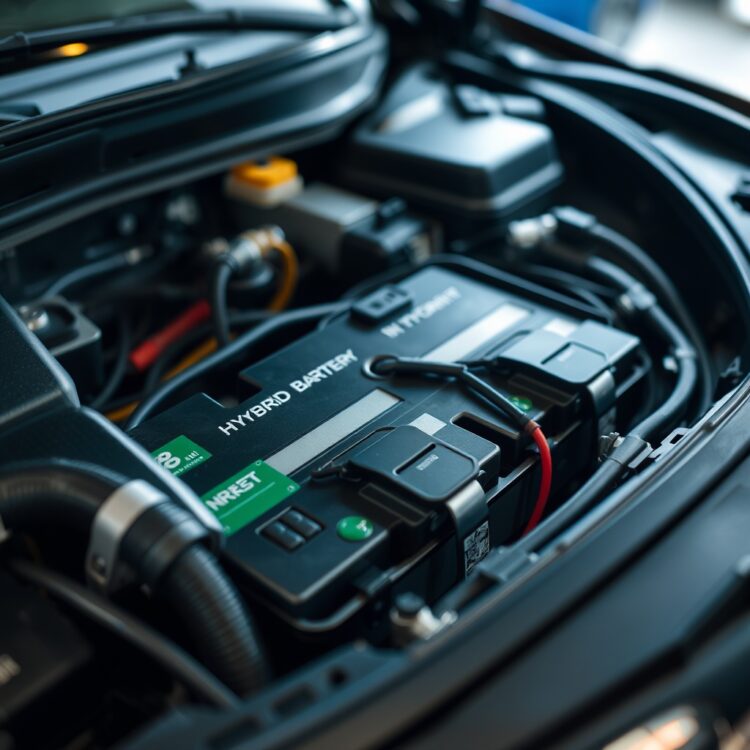
Hybrid vehicles combine an internal combustion engine with an electric motor, offering a blend of fuel efficiency and reduced emissions. The system intelligently switches between power sources, optimising performance based on driving conditions. This dual-powertrain setup is designed to minimise fuel consumption while maintaining the convenience of traditional refuelling. It’s a clever compromise, but not without its flaws.
At their core, hybrids rely on regenerative braking to recharge the battery, capturing energy typically lost during deceleration. This innovation is a game-changer, but it’s just one piece of the puzzle. The real challenge lies in balancing the benefits of electric power with the limitations of battery technology. For more insights, check out our automotive blog.
Test Your General Automotive Knowledge!
Types of Hybrid Vehicles
Hybrids come in various forms, from mild hybrids to plug-in hybrids (PHEVs). Mild hybrids use the electric motor to assist the engine, while PHEVs offer limited electric-only range. Each type caters to different driving needs, but none eliminate the dependency on fossil fuels entirely. The choice depends on your priorities—fuel savings, environmental impact, or driving range.
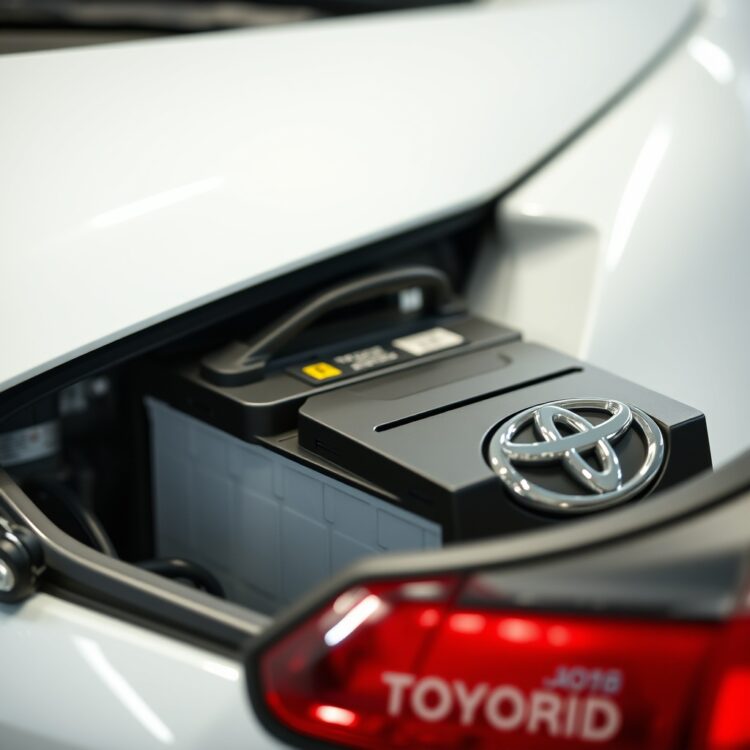
Full hybrids, like the Toyota Prius, can operate on electric power alone at low speeds. However, their electric range is minimal compared to fully electric vehicles. This limitation highlights the biggest problem with hybrids: they’re a transitional technology. For a deeper dive into hybrid performance, explore our guide on hybrid efficiency.
How Hybrids Differ from Traditional and Electric Vehicles
Hybrids bridge the gap between conventional cars and EVs, but they’re neither here nor there. Traditional vehicles rely solely on petrol or diesel, while EVs run exclusively on electricity. Hybrids, however, juggle both, which complicates their design and maintenance. This duality often results in higher upfront costs and more complex repairs.
Unlike EVs, hybrids don’t require extensive charging infrastructure, making them more accessible. Yet, their partial reliance on electricity means they can’t match the zero-emission potential of EVs. It’s a trade-off that leaves many drivers questioning whether hybrids are worth the investment.
The Environmental Impact of Hybrids
Emissions Comparison with Conventional Vehicles
When we talk about hybrids, the first thing that comes to mind is their reduced emissions. Compared to traditional petrol or diesel cars, hybrids emit significantly fewer pollutants. However, they’re not entirely clean. While they excel in stop-and-go traffic, their reliance on internal combustion engines means they still produce emissions. It’s a step in the right direction, but not the ultimate solution.
Hybrids shine in urban environments where electric mode can take over, but on highways, the petrol engine often kicks in. This dual nature means their environmental benefits vary depending on driving conditions. So, while they’re better than conventional cars, they’re not as green as fully electric vehicles. It’s a compromise we need to acknowledge.
The Role of Hybrids in Reducing Carbon Footprint
Hybrids play a crucial role in bridging the gap between traditional cars and EVs. By combining electric and petrol power, they offer a practical way to reduce carbon footprints without the range anxiety of pure EVs. For many drivers, this makes hybrids an attractive option, especially in areas where charging infrastructure is lacking.
But let’s be real—hybrids are a transitional technology. They help us cut emissions now, but they’re not the endgame. As charging networks expand and battery tech improves, fully electric cars will likely overshadow hybrids. Still, for now, they’re a valuable tool in our fight against climate change.
Limitations in Environmental Benefits
Despite their advantages, hybrids have limitations. Their batteries are smaller than those in EVs, limiting their electric-only range. Plus, manufacturing hybrid batteries still has an environmental cost. And let’s not forget that hybrids still rely on fossil fuels, even if it’s less than conventional cars.
Another issue is driver behaviour. If you’re not charging your hybrid regularly, you’re missing out on its full potential. Many owners treat hybrids like regular cars, negating much of their environmental benefit. To maximise their impact, we need to change how we use them.
The Cost Factor
Initial Purchase Price vs Long-term Savings
Hybrids often come with a higher upfront cost than their petrol counterparts. But don’t let that scare you—over time, the savings can add up. Lower fuel consumption and tax incentives can offset the initial premium. It’s a long-term investment that pays off if you drive enough miles.
However, the payback period varies. If you’re a low-mileage driver, the savings might not justify the extra cost. But for high-mileage drivers or those in urban areas, hybrids can be a smart financial choice. It’s all about crunching the numbers for your specific situation.
Maintenance and Repair Costs
Hybrids can be cheaper to maintain than traditional cars, thanks to fewer moving parts in the electric drivetrain. Brakes last longer due to regenerative braking, and oil changes are less frequent. But when something does go wrong, repairs can be costly, especially if it involves the hybrid system.
Specialised mechanics are often needed, and not all garages are equipped to handle hybrid repairs. This can lead to higher labour costs and longer wait times. So while maintenance might be cheaper overall, unexpected repairs can sting.
Battery Replacement Expenses
The elephant in the room is battery replacement. Hybrid batteries degrade over time, and replacing them isn’t cheap. While modern batteries are more durable, they’re still a significant expense if they fail outside warranty. This is a major concern for used hybrid buyers.
That said, battery tech is improving, and costs are coming down. Many hybrids now come with lengthy battery warranties, easing some of the anxiety. But it’s still something to factor into your decision, especially if you’re planning to keep the car long-term.
Performance Issues
Acceleration and Power Output
Hybrids aren’t known for their blistering acceleration. While some models offer decent performance, many prioritise efficiency over speed. The transition between electric and petrol power can sometimes feel sluggish, especially under heavy acceleration.
This isn’t a dealbreaker for most drivers, but if you’re used to the instant torque of a pure EV or the raw power of a sports car, hybrids might feel underwhelming. It’s a trade-off for better fuel economy and lower emissions.
Handling and Driving Experience
Hybrids often carry extra weight from their batteries, which can affect handling. Some models compensate with clever engineering, but others feel heavy and less agile. The driving experience is usually tuned for comfort rather than sportiness.
That said, many drivers appreciate the smooth, quiet ride hybrids offer, especially in electric mode. It’s a different kind of driving pleasure—one focused on relaxation rather than adrenaline. But if you’re after a thrilling drive, you might want to look elsewhere.
Towing Capacity and Utility
If you need a car for towing or heavy-duty use, hybrids might not be the best choice. Their towing capacity is often limited, and the added strain can reduce their efficiency. For occasional light towing, they’re fine, but don’t expect them to replace a diesel SUV or pickup.
Utility is another consideration. Hybrids are great for city driving and commuting, but they’re not always the most practical for long trips or heavy loads. It’s about matching the car to your lifestyle. If you need versatility, a hybrid might not tick all the boxes.
Battery Life and Durability
One of the biggest concerns with hybrids is the lifespan of their batteries. We often hear questions like How long will my hybrid battery last?” The truth is, most hybrid batteries are designed to last between 8 to 10 years, but this can vary based on driving habits and environmental conditions. Extreme temperatures, for example, can accelerate degradation, leaving you with a costly replacement sooner than expected.
Another factor is the cost of replacement. Hybrid batteries aren’t cheap, and while some manufacturers offer warranties, they don’t cover everything. If you’re out of warranty, you could be looking at a bill of thousands. It’s a hidden cost many don’t consider when buying a hybrid, but it’s one that can hit hard when the time comes.
Expected Lifespan of Hybrid Batteries
Most hybrid batteries are built to last, but their lifespan isn’t infinite. On average, you can expect around 100,000 to 150,000 miles before noticeable degradation sets in. However, this depends heavily on how you use the vehicle. Frequent short trips or aggressive driving can shorten the battery’s life, while gentle, consistent use can extend it.
Manufacturers often tout their batteries’ durability, but real-world conditions rarely match lab tests. If you live in a hot climate or frequently drive in stop-and-go traffic, your battery may wear out faster. It’s a trade-off that potential buyers need to weigh carefully before committing to a hybrid.
Factors Affecting Battery Degradation
Temperature plays a huge role in battery health. Cold weather reduces efficiency, while heat can cause permanent damage. Charging habits also matter—constantly draining the battery to zero or overcharging it can shorten its lifespan. It’s a delicate balance, and not all drivers are aware of the best practices to preserve their battery.
Maintenance is another overlooked factor. Unlike traditional cars, hybrids require specialised care. Ignoring warning lights or skipping routine checks can lead to premature battery failure. It’s not just about the battery itself; the entire system needs to be in good working order to ensure longevity.
Recycling and Disposal Challenges
When a hybrid battery reaches the end of its life, disposal becomes a problem. These batteries contain toxic materials that can harm the environment if not handled properly. While recycling programs exist, they’re not always accessible or affordable. Many end up in landfills, defeating the eco-friendly purpose of owning a hybrid in the first place.
The industry is working on solutions, but progress is slow. Until then, the environmental impact of discarded hybrid batteries remains a significant drawback. It’s a paradox—hybrids are marketed as green, but their batteries pose a serious waste management challenge.
Limited Electric-Only Range
Hybrids offer an electric-only mode, but it’s often more limited than buyers expect. Most hybrids can only travel a few miles on electric power alone before the petrol engine kicks in. For city driving, this might suffice, but for longer trips, it’s barely a drop in the ocean. The reality is, hybrids still rely heavily on fossil fuels.
This limitation also affects fuel efficiency. If you’re constantly switching between electric and petrol modes, you might not see the savings you anticipated. It’s a frustrating gap between expectation and reality, especially for those who bought a hybrid to reduce their carbon footprint.
Understanding the Electric Mode
The electric mode in hybrids is designed for low-speed, short-distance driving. It’s perfect for crawling through traffic or navigating crowded streets, but it’s not a substitute for a fully electric vehicle. Once you hit higher speeds or need more power, the petrol engine takes over, and your eco-friendly driving ends.
Some hybrids offer regenerative braking to recharge the battery, but it’s a slow process. You won’t get much extra range from it, and it’s nowhere near as efficient as plugging in a pure EV. It’s a compromise that leaves many hybrid owners wanting more.
Scenarios Where Electric-Only Mode Falls Short
Highway driving is where hybrids struggle the most. The electric mode is virtually useless at motorway speeds, forcing the petrol engine to do all the work. Even in urban areas, frequent stops and starts can drain the battery faster than it can recharge, leaving you reliant on petrol sooner than expected.
Cold weather exacerbates the problem. Batteries perform poorly in low temperatures, reducing the already limited electric range. If you live in a colder climate, you might find yourself using the petrol engine far more often than you’d like.
Impact on Fuel Efficiency
The promise of better fuel economy is a major selling point for hybrids, but the electric-only mode’s limitations can undermine it. If you’re not driving in ideal conditions, the savings might be minimal. Real-world fuel efficiency often falls short of advertised figures, leaving drivers disappointed.
It’s a reminder that hybrids are a transitional technology. They’re better than traditional cars, but they’re not the ultimate solution. For true efficiency, fully electric vehicles are the way forward.
Charging Infrastructure and Convenience
One of the biggest headaches with hybrids is the lack of charging infrastructure. Unlike pure EVs, most hybrids don’t support fast charging, and public charging stations are often incompatible. This leaves owners reliant on home charging, which can be slow and inconvenient.
Even at home, charging isn’t always straightforward. Not everyone has access to a garage or driveway, and installing a charging point can be expensive. For those living in flats or rented accommodation, it’s often impossible. Hybrids might offer flexibility, but they come with their own set of challenges.
Availability of Charging Stations
Public charging stations are becoming more common, but they’re still not widespread enough. Many are designed for pure EVs, leaving hybrid owners with limited options. Even when you find a compatible station, the charging speed is often painfully slow. It’s a far cry from the convenience of filling up at a petrol station.
The uneven distribution of charging points is another issue. Urban areas might have plenty, but rural drivers are often left in the lurch. If you’re planning a long trip, you’ll need to map out charging stops carefully—something petrol drivers never have to worry about.
Time Required for Charging
Charging a hybrid battery takes time, and it’s not always practical. A full charge can take several hours, depending on the model and power source. For busy drivers, this is a significant drawback. You can’t just top up in minutes like you would with petrol.
Some hybrids offer fast-charging options, but they’re still slower than refuelling a traditional car. It’s a trade-off between convenience and sustainability, and for many, the inconvenience outweighs the benefits.
Home Charging Solutions
Home charging is the most convenient option, but it’s not without its hurdles. Installing a dedicated charging point can cost hundreds, and not all homes are equipped for it. Renters or those without off-street parking are often out of luck, forcing them to rely on public infrastructure.
Even with a home charger, the process isn’t seamless. You’ll need to remember to plug in overnight, and power outages or technical issues can disrupt your routine. It’s a small but persistent annoyance that can make hybrid ownership less appealing.
The Dependency on Fossil Fuels
Hybrids are often marketed as a step toward energy independence, but the reality is far from it. Despite their electric components, hybrids still rely heavily on petrol. The electric mode is limited, and once the battery is drained, you’re back to burning fossil fuels like any other car.
This dependency undermines the environmental benefits of hybrids. While they’re more efficient than traditional cars, they’re not the green solution many hope for. Until hybrids can operate without petrol, their impact on reducing emissions will remain limited.
How Hybrids Still Rely on Gasoline
The petrol engine in a hybrid isn’t just a backup—it’s a necessity. Even in the most efficient models, the electric mode can’t handle all driving conditions. Long trips, high speeds, and heavy loads all require petrol power, leaving the electric system as little more than a supplement.
This dual reliance means hybrids still contribute to pollution and fuel consumption. They’re better than conventional cars, but they’re not the clean, green alternative they’re often made out to be.
The Myth of Complete Energy Independence
Many buyers are drawn to hybrids by the promise of reduced fuel costs and environmental impact. But the idea that hybrids can operate independently of petrol is a myth. The electric mode is a small part of the equation, and without it, hybrids are just slightly more efficient petrol cars.
It’s a sobering reality for those hoping to break free from fossil fuels. Hybrids are a step in the right direction, but they’re not the final destination.
The Transition to Fully Electric Vehicles
The future of green motoring lies in fully electric vehicles, not hybrids. EVs eliminate the need for petrol entirely, offering true energy independence. As charging infrastructure improves and battery technology advances, hybrids will likely become obsolete.
For now, hybrids serve as a bridge between traditional cars and EVs. But their limitations make it clear that they’re not a long-term solution. If you’re serious about reducing your carbon footprint, an EV is the way to go.
Resale Value Concerns
One of the biggest headaches with hybrids is their unpredictable resale value. While some models hold their worth surprisingly well, others depreciate faster than a lead balloon. Market trends show that hybrids with strong brand reputations and proven reliability tend to fare better. However, factors like battery age, technological advancements, and shifting consumer preferences can send values plummeting. It’s a gamble, and not everyone wins.
Comparing hybrids to traditional petrol or diesel cars reveals a mixed bag. Some hybrids outperform their counterparts, especially in eco-conscious markets, while others lag behind. The key is understanding the specific model’s track record and regional demand. For example, urban areas with incentives for green vehicles might offer better resale prospects. But if you’re in a region where hybrids are still niche, brace yourself for a steeper depreciation curve.
Market Trends for Used Hybrids
The used hybrid market is a rollercoaster. Early adopters often face steep depreciation as newer, more efficient models hit the scene. However, hybrids with proven reliability and low running costs can buck the trend. Demand fluctuates based on fuel prices, government policies, and even public perception of green tech. Right now, the trend leans toward plug-in hybrids, leaving traditional hybrids in the shadows.
Timing is everything. Selling during a fuel price spike or when new incentives are announced can boost your hybrid’s value. Conversely, a market flooded with lease returns can tank prices overnight. It’s a volatile space, and staying informed is your best defence. Keep an eye on market reports and local demand to gauge the right moment to sell.
Factors Influencing Depreciation
Battery health is the elephant in the room. A hybrid with a degraded battery is like a sports car with a blown engine—worthless. Buyers fear the cost of replacement, and rightly so. Regular maintenance and gentle driving can prolong battery life, but it’s still a ticking clock. Other factors include mileage, service history, and even colour. Yes, a neon green hybrid might be harder to sell than a sleek silver one.
Technological obsolescence is another killer. A hybrid from five years ago might lack the features of today’s models, making it less appealing. And let’s not forget the impact of new legislation. Stricter emissions laws or changes to tax incentives can suddenly make older hybrids less attractive. It’s a complex web, and navigating it requires research and a bit of luck.
Comparing Resale Values with Other Vehicle Types
Hybrids sit somewhere between petrol cars and full EVs in the resale hierarchy. Traditional petrol cars often have more predictable depreciation, while EVs can be wild cards due to rapid tech advancements. Hybrids, with their dual powertrains, add another layer of complexity. Some buyers see them as the best of both worlds, while others view them as transitional vehicles with limited long-term appeal.
The data shows that hybrids with strong brand loyalty, like certain Toyota models, hold value better than others. But even then, they rarely match the resale performance of diesel cars in markets where diesel is king. It’s a trade-off: lower running costs now versus potentially lower resale value later. For some, the math works. For others, it’s a deal-breaker.
Technological Complexity
Hybrids are engineering marvels, but that complexity comes at a cost. The dual powertrain—combining an internal combustion engine with an electric motor—creates a web of components that can go wrong. While modern hybrids are more reliable than early models, the potential for mechanical failures is higher than in traditional cars. And when things break, repairs can be eye-wateringly expensive.
Specialised knowledge is a must. Not every mechanic understands hybrid systems, and dealerships often charge a premium for their expertise. This complexity also means longer repair times, leaving you without a car for days or even weeks. It’s a stark contrast to the simplicity of a petrol or diesel engine, where most garages can handle repairs quickly and affordably.
Understanding the Dual Powertrain System
The heart of a hybrid is its dual powertrain, a symphony of petrol and electric power. While this setup delivers efficiency, it also introduces more points of failure. The interplay between the engine, motor, and battery requires precise calibration. Any misstep can lead to reduced performance or even complete breakdowns. It’s a delicate balance, and not all manufacturers get it right.
Regenerative braking, a hallmark of hybrids, adds another layer of complexity. While it boosts efficiency, the system relies on intricate electronics and sensors. Failures here can be costly to diagnose and fix. And let’s not forget the transmission, which must seamlessly switch between power sources. It’s a lot to manage, and when it works, it’s brilliant. When it doesn’t, it’s a nightmare.
Potential for Mechanical Failures
Hybrids aren’t immune to the usual car troubles—brakes wear out, suspension components fail, and engines need servicing. But add in the electric side, and the list grows. Battery degradation is a given, but issues with inverters, converters, and high-voltage cables can also crop up. These components aren’t just expensive; they’re often proprietary, limiting your repair options.
Cooling systems are another weak point. Hybrid batteries generate heat, and if the cooling system fails, the battery can overheat, leading to reduced performance or even fire risks. It’s a rare but serious concern. And because hybrids are still evolving, long-term reliability data is sparse. You’re essentially betting on the manufacturer’s engineering prowess—and their warranty.
The Need for Specialised Maintenance
Forget your local garage for hybrid repairs. These cars demand specialists with the right tools and training. That means fewer options and higher labour rates. Even routine maintenance, like oil changes, can be more involved due to the hybrid system’s layout. And if something goes wrong with the electronics, diagnostics alone can cost a small fortune.
Dealerships often have a monopoly on hybrid repairs, which can be a double-edged sword. On one hand, they have the expertise. On the other, they know you have few alternatives. Independent shops are catching up, but finding one you trust isn’t easy. It’s a trade-off: pay more for peace of mind or risk it with a cheaper, less experienced mechanic.
Government Incentives and Policies
Government support can make or break the hybrid market. Tax credits, rebates, and exemptions from congestion charges are powerful incentives for buyers. But policies change, and what’s lucrative today might vanish tomorrow. Keeping track of these shifts is crucial, especially if you’re counting on incentives to offset the higher upfront cost of a hybrid.
The future of government support is uncertain. As focus shifts to full EVs, hybrids risk being left behind. Some regions are already phasing out hybrid incentives, pushing buyers toward pure electric options. It’s a moving target, and what works today might not tomorrow. For hybrid owners, this uncertainty adds another layer of risk to an already complex decision.
Current Tax Credits and Rebates
Many governments offer financial sweeteners to encourage hybrid adoption. These can include upfront discounts, reduced road tax, or even grants for home charging installations. The specifics vary wildly by region, so it’s essential to research local programs. For example, the UK’s Plug-in Car Grant (PiCG) has historically supported certain hybrids, though eligibility criteria are tightening.
These incentives can significantly lower the total cost of ownership, making hybrids more appealing. But they’re often time-limited or subject to budget cuts. Missing out on a rebate because you bought a month too late is a bitter pill to swallow. And with governments increasingly favouring full EVs, hybrid incentives are becoming scarcer. It’s a shrinking window of opportunity.
How Policies Affect Hybrid Adoption
Policy changes can send shockwaves through the hybrid market. Stricter emissions standards might boost demand, while the removal of incentives can have the opposite effect. For example, when London expanded its Ultra Low Emission Zone (ULEZ), hybrids with lower emissions saw a surge in interest. But if similar zones start excluding hybrids in favour of EVs, the tables could turn.
Consumer behaviour follows policy. If governments signal that hybrids are a stopgap, buyers may hesitate, fearing obsolescence. Conversely, clear long-term support can stabilise the market. Right now, the message is mixed, leaving potential buyers in limbo. It’s a delicate dance between policy and perception, and hybrids are caught in the middle.
The Future of Government Support
The writing is on the wall: full EVs are the future, and hybrids are a transitional technology. As battery costs fall and charging infrastructure improves, governments are likely to redirect incentives toward pure electric vehicles. Some regions are already doing this, leaving hybrids to fend for themselves. For current owners, this could mean weaker resale values and fewer perks down the line.
That said, hybrids aren’t dead yet. In areas where charging infrastructure is lacking, they offer a practical compromise. Governments may continue to support them in these markets, at least in the short term. But the trend is clear, and betting on long-term hybrid incentives is risky. The smart money is on staying informed and adaptable.
Consumer Misconceptions
Hybrids are shrouded in myths, and these misconceptions can lead to buyer’s remorse. Some people expect hybrids to deliver Prius-level fuel savings in every scenario, while others assume they’re as maintenance-free as a toaster. The reality is more nuanced. Hybrids excel in certain conditions but fall short in others. Understanding these limitations is key to setting realistic expectations.
Another common myth is that hybrids are universally eco-friendly. While they’re cleaner than traditional cars, their environmental impact depends on how they’re driven and charged. Short trips in electric mode are great, but long highway drives might not offer much benefit. It’s a spectrum, not a binary, and buyers who grasp this are less likely to feel misled.
Common Myths About Hybrid Vehicles
One persistent myth is that hybrids are slow and boring. While early models prioritised efficiency over performance, modern hybrids can be surprisingly zippy. The instant torque from electric motors gives them a responsive feel, especially in urban driving. Another fallacy is that hybrids need to be plugged in. Most don’t, relying instead on regenerative braking and the engine to recharge the battery.
Then there’s the belief that hybrids are prohibitively expensive. While they do cost more upfront, lower running costs can offset this over time. However, the savings depend on driving habits and fuel prices. For high-mileage drivers, the math often works. For occasional drivers, it might not. It’s about context, and blanket statements rarely hold up.
The Reality of Fuel Savings
Hybrids save fuel, but not equally for everyone. City drivers benefit most, thanks to frequent stops and regenerative braking. Highway drivers, on the other hand, might see minimal gains. The gap between advertised and real-world fuel economy can also be stark. Aggressive driving, extreme weather, and heavy loads can all erode savings, leaving some owners disappointed.
It’s also worth noting that hybrids aren’t magic. They still burn petrol, and if you’re not careful, your savings can vanish. Driving style matters—hybrids reward smooth, anticipatory driving. Hammer the accelerator, and you’ll watch your fuel economy plummet. It’s a learning curve, and not everyone is willing to adapt.
Setting Realistic Expectations
The key to hybrid happiness is managing expectations. They’re not a silver bullet, but they’re not a scam either. For the right driver, they offer a compelling mix of efficiency and practicality. But they’re not for everyone, and pretending otherwise leads to frustration. Do your homework, test drive thoroughly, and crunch the numbers. If it makes sense for your lifestyle, great. If not, there’s no shame in walking away.
Ultimately, hybrids are a tool, not a religion. They solve specific problems for specific people. If you’re clear-eyed about their strengths and weaknesses, you’re far more likely to be satisfied. And if you’re not, well, the used market is always an option—just be prepared for those resale value surprises.
The Impact of Cold Weather
Battery Performance in Low Temperatures
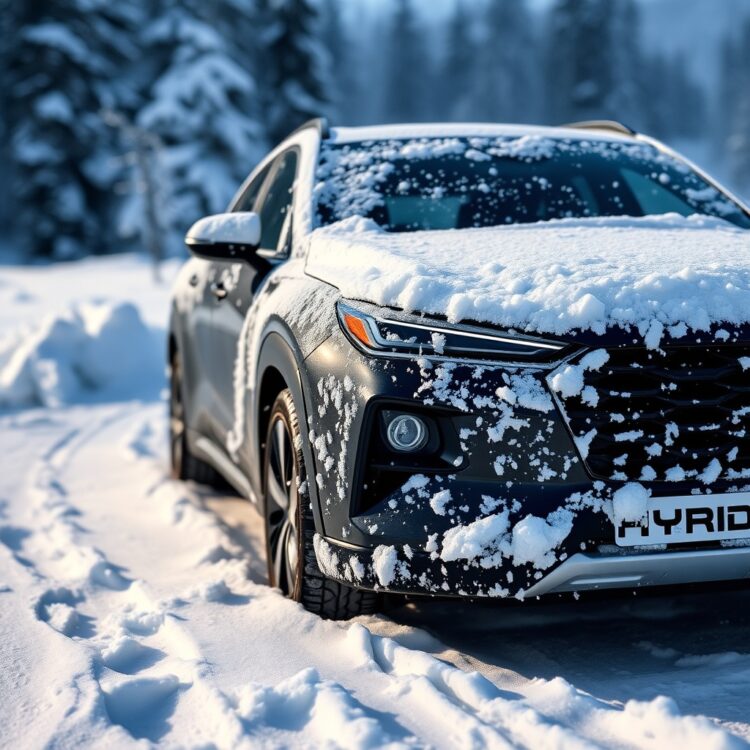
One of the biggest challenges with hybrids in cold weather is the impact on battery performance. I’ve noticed that when temperatures drop, the battery’s efficiency takes a hit. The chemical reactions inside slow down, reducing the available power and range. This means the electric mode becomes less effective, forcing the petrol engine to work harder. It’s a frustrating trade-off, especially when you’re trying to maximise fuel savings.
To combat this, some hybrids come with battery warming systems, but they’re not always enough. If you live in a colder climate, it’s worth checking if your chosen model includes this feature. Otherwise, you might find yourself relying more on the petrol engine than you’d like. It’s a reminder that hybrids, while versatile, aren’t immune to Mother Nature’s whims.
Fuel Efficiency During Winter Months
Winter driving can be a nightmare for hybrid owners, and I’ve experienced this firsthand. The combination of cold batteries, increased use of heaters, and shorter trips means fuel efficiency often takes a nosedive. It’s not uncommon to see your MPG drop significantly during the colder months. The petrol engine kicks in more frequently to compensate, which defeats the purpose of driving a hybrid in the first place.
Planning ahead can help mitigate some of these issues. Pre-heating the car while it’s still plugged in (if you have a plug-in hybrid) can reduce the load on the battery. Also, try to combine shorter trips into one longer journey to keep the engine warm. It’s not a perfect solution, but it’s better than watching your fuel gauge plummet.
Tips for Cold Weather Operation
If you’re determined to make the most of your hybrid in winter, there are a few tricks I’ve picked up. First, keep the battery charged as much as possible. A full battery has a better chance of maintaining performance in the cold. Second, use seat heaters instead of the cabin heater when you can—they’re more energy-efficient. Finally, park in a garage or sheltered area to protect the battery from extreme temperatures.
Another tip is to drive gently until the battery warms up. Aggressive acceleration drains the battery faster, so take it easy for the first few miles. And if your hybrid has an eco mode, use it—it’ll help optimise energy use. Cold weather might be a challenge, but with a bit of planning, you can still enjoy the benefits of hybrid driving.
The Future of Hybrid Technology
Innovations on the Horizon
The hybrid market is evolving rapidly, and I’m excited about the innovations coming our way. Solid-state batteries, for example, promise better performance in cold weather and faster charging times. These could address some of the biggest pain points for current hybrid owners. There’s also talk of more advanced regenerative braking systems, which could capture even more energy during deceleration.
Another area of development is the integration of AI to optimise power distribution. Imagine a system that learns your driving habits and adjusts the hybrid powertrain accordingly. It’s not just about efficiency—it’s about making the driving experience smoother and more intuitive. The future of hybrids looks bright, and I can’t wait to see what’s next.
The Role of Hybrids in the Transition to EVs
Hybrids are often seen as a stepping stone to fully electric vehicles, and I think that’s a fair assessment. They offer a familiar driving experience while introducing drivers to electric power. For many, hybrids are the perfect compromise—reducing emissions without the range anxiety of pure EVs. As charging infrastructure improves, hybrids will likely pave the way for broader EV adoption.
That said, hybrids aren’t going away anytime soon. In regions where charging stations are scarce, they remain the most practical green option. Plus, advancements in hybrid technology mean they’ll continue to play a vital role in reducing carbon emissions. It’s a win-win for drivers and the planet.
Predicting Market Trends
So, where does the hybrid market go from here? I believe we’ll see a surge in plug-in hybrids as battery technology improves. These models offer the best of both worlds—electric-only driving for short trips and petrol power for longer journeys. Governments are also likely to keep offering incentives, making hybrids an attractive choice for budget-conscious buyers.
At the same time, traditional hybrids will remain popular for their simplicity and reliability. They’re a proven technology, and not everyone is ready to make the leap to plug-ins or EVs. The key takeaway? Hybrids are here to stay, and their role in the automotive landscape will only grow more significant.
Making the Right Choice
Assessing Your Driving Needs
Choosing a hybrid isn’t a one-size-fits-all decision, and I’ve learned that the hard way. Start by evaluating your daily driving habits. If most of your trips are short and urban, a hybrid or plug-in hybrid could be ideal. But if you frequently tackle long distances, a traditional hybrid might be more practical. It’s all about matching the technology to your lifestyle.
Don’t forget to factor in your local climate, too. As I mentioned earlier, cold weather can affect performance, so if you live in a chilly area, look for models with robust battery management systems. And of course, budget plays a role—hybrids can be pricier upfront, but the long-term savings on fuel and taxes often balance it out.
Comparing Hybrids with Other Green Vehicles
Hybrids aren’t the only green option out there, and it’s worth weighing the alternatives. Pure EVs, for example, offer zero emissions but come with range limitations. Hydrogen fuel cell vehicles are another emerging option, though infrastructure is still limited. Hybrids strike a middle ground, offering flexibility without the need for constant charging.
When comparing, consider factors like maintenance costs, fuel savings, and environmental impact. Each technology has its pros and cons, so it’s about finding what aligns with your priorities. For many, hybrids provide the perfect blend of convenience and sustainability.
Final Considerations Before Purchase
Before you commit to a hybrid, do your homework. Test drive multiple models to get a feel for how they handle. Check reviews and reliability ratings—some hybrids are more dependable than others. And don’t forget to explore government incentives that could make your purchase more affordable.
It’s also worth thinking about resale value. Some hybrids hold their value better than others, so research market trends. And finally, consider the total cost of ownership, including insurance, maintenance, and fuel. A hybrid might cost more upfront, but the savings over time can make it a smart investment.
Frequently Asked Questions
How does cold weather affect hybrid battery life?
Cold weather slows down the chemical reactions in hybrid batteries, reducing their efficiency and range. This often forces the petrol engine to work harder, impacting fuel economy. Some hybrids include battery warming systems to mitigate this, but performance can still suffer in extreme conditions.
Are hybrids worth it if I mostly drive long distances?
Hybrids can still be beneficial for long-distance driving, especially if you opt for a traditional hybrid. These models use regenerative braking to recharge the battery, improving fuel efficiency. However, plug-in hybrids may not be as cost-effective unless you can charge frequently during your trips.
What’s the biggest drawback of owning a hybrid?
The biggest drawback is often the higher upfront cost compared to conventional cars. Additionally, battery replacement can be expensive, though most hybrids come with long warranties. Cold weather performance and limited electric-only range are also common concerns for some drivers.
How do hybrids compare to fully electric vehicles?
Hybrids offer more flexibility than EVs since they don’t rely solely on charging infrastructure. They’re ideal for drivers who aren’t ready to commit to an EV’s limitations. However, EVs produce zero emissions and can be cheaper to run if you have access to affordable charging.
What’s the future of hybrid technology?
The future looks promising, with advancements like solid-state batteries and AI-driven power management on the horizon. Hybrids will continue to play a key role in the transition to greener transportation, especially in areas where EV infrastructure is still developing.