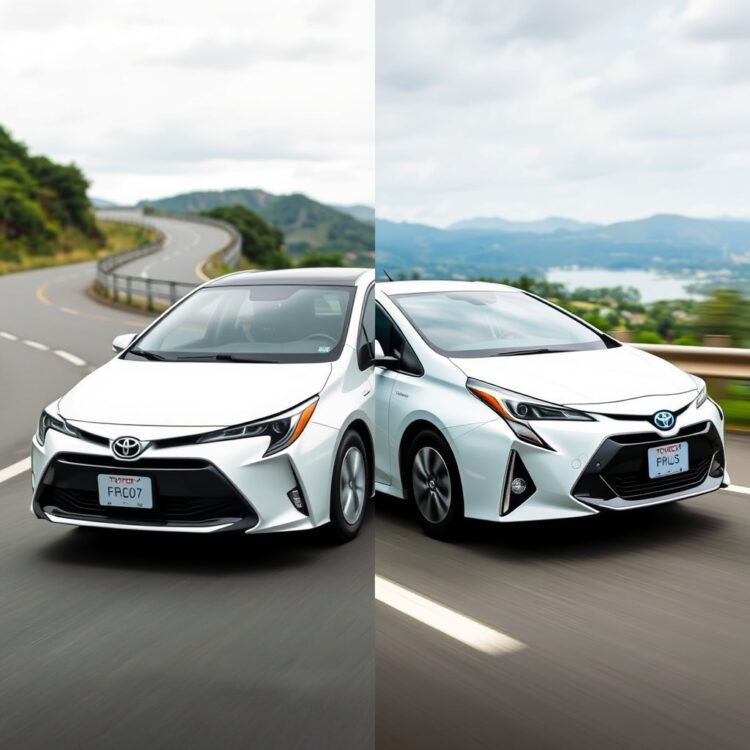
Can a Toyota Hybrid Battery Last 20 Years?
Introduction
I’ve been asked this question more times than I can count Can a Toyota hybrid battery really last 20 years?” It’s a fair question, especially when you’re investing in a hybrid vehicle. The short answer? It’s possible, but not guaranteed. Let’s dive into the details and uncover what it takes to get the most out of your Toyota hybrid battery.
Key Takeaways
- Hybrid batteries are built to last, but 20 years is an ambitious target without proper care.
- Toyota’s technology stands out with advanced battery management systems.
- Driving habits and maintenance play a huge role in battery longevity.
- Climate and usage patterns can either extend or shorten battery life.
- Warranty coverage often reflects the manufacturer’s confidence in their product.
How Well Do You Know Toyota Cars?
Understanding Toyota Hybrid Battery Technology
The Basics of Hybrid Battery Systems
Hybrid batteries are the heart of any hybrid vehicle, storing energy for electric motor use. Unlike traditional car batteries, they’re designed for frequent charging and discharging. Toyota’s nickel-metal hydride (NiMH) and lithium-ion (Li-ion) batteries are engineered for durability, but how they’re used makes all the difference.
For example, regenerative braking—a feature in all Toyota hybrids—helps recharge the battery while driving. This smart use of energy reduces wear and tear, but it’s just one piece of the puzzle. To learn more about hybrid technology, check out our automotive blog.
How Toyota Hybrid Batteries Differ from Others
Toyota’s hybrid batteries are known for their reliability, thanks to decades of refinement. While other brands might focus on raw power, Toyota prioritises longevity and efficiency. Their battery management systems are among the best, ensuring cells are balanced and temperatures are controlled.
This attention to detail means Toyota hybrids often outlast competitors. But even the best technology needs a little help from the driver. Simple habits, like avoiding extreme temperatures, can go a long way. For a deeper dive into battery comparisons, explore our guide on Toyota’s engineering.
The Role of the Battery in Hybrid Efficiency
The battery isn’t just a power source; it’s a key player in fuel efficiency. By seamlessly switching between electric and petrol power, Toyota hybrids maximise mileage. The battery’s health directly impacts this efficiency, so keeping it in top shape is crucial.
The Lifespan of a Toyota Hybrid Battery
What Determines Battery Longevity
When it comes to the lifespan of a Toyota hybrid battery, several factors come into play. The quality of the battery, driving habits, and environmental conditions all contribute to how long it lasts. Toyota’s hybrid batteries are designed with durability in mind, but how you use and maintain them can make a significant difference. For instance, frequent short trips or extreme temperatures can strain the battery, while regular maintenance and mindful driving can extend its life.
Another critical factor is the battery’s chemistry. Toyota uses nickel-metal hydride (NiMH) or lithium-ion (Li-ion) batteries, both known for their reliability. NiMH batteries, found in older models, tend to last longer but are heavier. Li-ion batteries, used in newer models, are lighter and more efficient but may require more careful handling. Understanding these nuances helps us appreciate why some batteries outlast others.
Average Lifespan Expectations vs. 20 Years
The average lifespan of a Toyota hybrid battery typically ranges between 8 to 15 years, depending on usage and care. However, the idea of a battery lasting 20 years isn’t entirely far-fetched. Some owners report their batteries functioning well beyond the 15-year mark, especially when they follow best practices. While 20 years is an ambitious goal, it’s achievable under ideal conditions, such as moderate climates and consistent maintenance.
It’s worth noting that Toyota’s warranty often covers hybrid batteries for 8 to 10 years, reflecting their confidence in the technology. Beyond this period, the battery’s performance may degrade, but it doesn’t mean it’s unusable. Many hybrids continue to run efficiently even after the warranty expires, albeit with slightly reduced performance. The key is to manage expectations and plan for eventual replacement.
Factors That Extend or Reduce Battery Life
Certain habits can significantly extend your hybrid battery’s life. Avoiding deep discharges, keeping the battery cool, and driving at moderate speeds are all beneficial. On the flip side, frequent rapid acceleration, exposure to extreme heat, and neglecting maintenance can shorten its lifespan. It’s a delicate balance, but with a little effort, you can maximise your battery’s longevity.
Regular check-ups are also crucial. Toyota’s hybrid systems include diagnostic tools that monitor battery health. Ignoring warning signs or skipping service appointments can lead to premature failure. By staying proactive, you can ensure your battery performs optimally for years to come. Remember, a little care goes a long way in preserving your hybrid’s heart.
Benefits of Toyota Hybrid Batteries
Environmental Advantages
One of the standout benefits of Toyota hybrid batteries is their positive impact on the environment. By combining electric power with a traditional engine, hybrids reduce fuel consumption and emissions. This dual approach means fewer greenhouse gases are released, contributing to cleaner air and a healthier planet. It’s a small but meaningful step toward sustainable mobility.
Hybrid batteries also promote energy efficiency. They capture and store energy during braking, which would otherwise be wasted. This regenerative braking system not only improves fuel economy but also reduces wear on the brakes. Over time, these savings add up, making hybrids a smart choice for eco-conscious drivers. It’s a win-win for both your wallet and the environment.
Cost Savings Over Time
While hybrid vehicles may have a higher upfront cost, the long-term savings are substantial. Reduced fuel consumption means fewer trips to the petrol station, and the battery’s durability minimises replacement costs. Additionally, many regions offer tax incentives or discounts for hybrid owners, further offsetting the initial investment. Over the lifespan of the vehicle, these savings can be significant.
Maintenance costs are also lower for hybrids. The electric motor reduces strain on the engine, leading to fewer breakdowns and repairs. With fewer moving parts than conventional cars, hybrids often require less frequent servicing. This reliability translates to peace of mind and more money in your pocket. It’s a financial advantage that’s hard to ignore.
Performance Benefits
Hybrid batteries don’t just save money—they enhance performance. The instant torque from the electric motor provides smooth acceleration, making driving more enjoyable. Whether you’re navigating city streets or cruising on the motorway, the seamless transition between power sources ensures a comfortable ride. It’s a blend of efficiency and excitement that’s hard to match.
Another perk is the quiet operation. Hybrids are noticeably quieter than traditional cars, especially at low speeds. This reduced noise pollution makes for a more pleasant driving experience, both for you and those around you. With a Toyota hybrid, you’re not just getting a car; you’re getting a refined, high-performance machine.
How to Maximise Your Toyota Hybrid Battery’s Life
Best Charging Practices
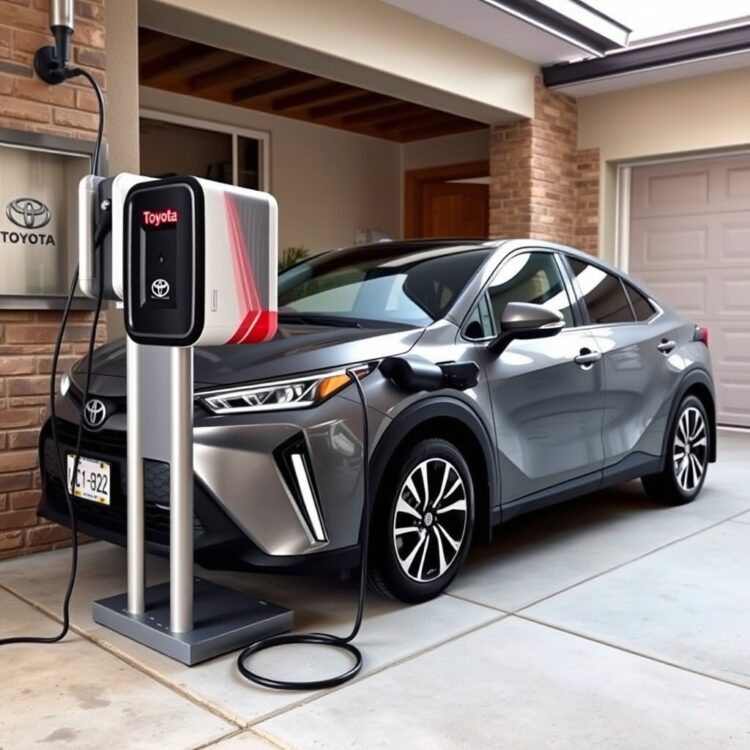
To get the most out of your hybrid battery, it’s essential to follow proper charging practices. Avoid letting the battery drain completely, as this can stress the cells. Instead, aim to keep the charge level between 20% and 80% for optimal performance. If you’re using a plug-in hybrid, charging overnight at a moderate rate is ideal. It’s all about balance and consistency.
Temperature also plays a role. Extreme heat or cold can affect charging efficiency and battery health. Whenever possible, park your hybrid in a shaded or climate-controlled area. This simple habit can prevent unnecessary wear and tear. By treating your battery with care, you’ll ensure it serves you well for years to come.
Driving Habits That Help
Your driving style has a direct impact on your hybrid battery’s lifespan. Smooth acceleration and braking reduce strain on the system, while aggressive driving can shorten its life. Utilising the regenerative braking feature whenever possible helps recharge the battery and improves efficiency. It’s a small adjustment that pays off in the long run.
Another tip is to avoid excessive idling. Hybrids are designed to switch off the engine when stationary, but prolonged idling can still drain the battery. If you’re stuck in traffic, consider switching to electric mode if available. These mindful habits not only extend battery life but also enhance your overall driving experience.
Regular Maintenance Tips
Routine maintenance is the cornerstone of a long-lasting hybrid battery. Follow Toyota’s recommended service schedule, which includes regular inspections of the battery and cooling system. Keeping the battery clean and free of debris ensures proper airflow, preventing overheating. It’s a simple yet effective way to safeguard your investment.
Don’t overlook software updates, either. Toyota periodically releases updates to optimise battery performance and efficiency. Staying up to date ensures your hybrid operates at its best. With a little attention and care, your Toyota hybrid battery can deliver reliable performance for many years. After all, prevention is always better than cure.
Common Myths About Hybrid Batteries
Debunking the 20-Year Myth
One of the most persistent myths about Toyota hybrid batteries is that they can last 20 years without any issues. While Toyota’s hybrid batteries are indeed durable, expecting two decades of flawless performance is unrealistic. Most batteries last between 10 to 15 years, depending on usage and maintenance. Factors like driving habits, climate, and regular servicing play a significant role in longevity. We’ve seen cases where batteries exceed expectations, but 20 years is more the exception than the rule.
It’s essential to understand that battery degradation is natural. Over time, the capacity to hold a charge diminishes, affecting performance. However, Toyota’s advanced battery management systems help mitigate this. Regular check-ups and adhering to best practices can extend your battery’s life, but don’t fall for the 20-year myth. Instead, focus on realistic expectations and proactive care to maximise your hybrid’s potential.
Misconceptions About Replacement Costs
Another common misconception is that replacing a Toyota hybrid battery will cost a fortune. While it’s true that hybrid batteries are expensive, prices have dropped significantly over the years. Advances in technology and increased competition have made replacements more affordable. Additionally, Toyota offers warranty coverage and refurbished options, which can reduce costs further.
Many drivers also overlook the long-term savings hybrids offer. Lower fuel consumption and reduced maintenance costs often offset the initial investment in a new battery. If you’re worried about replacement costs, explore affordable options and plan ahead. The key is to stay informed and avoid falling for exaggerated claims about replacement expenses.
The Truth About Battery Performance Over Time
Some believe that hybrid batteries lose all their efficiency after a few years, but this isn’t entirely accurate. While degradation is inevitable, Toyota’s batteries are designed to maintain performance over a long period. The decline is gradual, and most drivers won’t notice a significant drop in efficiency until the battery is near the end of its lifespan.
Regular use actually benefits the battery, as it keeps the cells active. Storing a hybrid for extended periods can harm the battery more than daily driving. If you’re concerned about performance, consider proactive measures to monitor and maintain your battery’s health. The truth is, with proper care, your Toyota hybrid battery can deliver reliable performance for years.
Toyota Hybrid Battery Warranty and Support
Understanding Your Warranty Coverage
Toyota’s hybrid battery warranty is one of the best in the industry, offering peace of mind to owners. Most new Toyota hybrids come with an 8 to 10-year warranty, depending on the region. This coverage often includes replacements for defects or significant capacity loss. It’s crucial to read the fine print, as terms can vary based on mileage and model year.
Warranty coverage is a testament to Toyota’s confidence in its hybrid technology. However, it’s not a free pass to neglect maintenance. Regular servicing ensures your battery remains in top condition and helps avoid issues that might void the warranty. If you’re unsure about your coverage, consult your dealer or review the warranty details to stay informed.
How Toyota Supports Long-Term Battery Health
Toyota doesn’t just sell hybrids; it supports them throughout their lifespan. The company offers diagnostic tools and software updates to optimise battery performance. Dealerships are trained to handle hybrid-specific issues, ensuring your vehicle gets the right care. Toyota also provides guidelines for maintaining battery health, such as avoiding extreme temperatures and keeping the battery charged.
For those who want to go the extra mile, Toyota’s hybrid care programs include periodic battery checks and maintenance tips. These initiatives are designed to extend battery life and keep your hybrid running smoothly. By leveraging Toyota’s support, you can maximise your battery’s longevity and enjoy the benefits of hybrid technology for years to come.
When to Seek Professional Help
While some hybrid battery issues are minor, others require professional attention. Warning signs like reduced fuel efficiency, dashboard alerts, or unusual noises shouldn’t be ignored. Toyota’s certified technicians have the expertise to diagnose and fix hybrid-specific problems, ensuring your vehicle stays in peak condition.
Attempting DIY repairs on a hybrid battery can be dangerous and may void your warranty. If you’re experiencing issues, it’s best to visit a Toyota service centre. Early intervention can prevent costly repairs down the line. Remember, professional help is there to keep your hybrid performing at its best.

The Cost of Replacing a Toyota Hybrid Battery
Initial vs Long-Term Costs
Replacing a Toyota hybrid battery is a significant investment, but it’s essential to consider the long-term picture. The initial cost can range from £1,000 to £3,000, depending on the model and whether you choose a new or refurbished unit. While this may seem steep, hybrids save money over time through lower fuel and maintenance costs.
When weighing the expense, think about the years of reliable service a new battery will provide. Many drivers find that the savings on fuel alone justify the replacement cost. Additionally, Toyota’s warranty and support programs can ease the financial burden. The key is to view the expense as part of your vehicle’s long-term value rather than a one-time hit.
Factors Influencing Replacement Costs
Several factors affect the cost of replacing a Toyota hybrid battery. The model and year of your vehicle play a significant role, as newer models may have more advanced—and expensive—batteries. Opting for a refurbished unit can reduce costs, but it’s crucial to choose a reputable provider to ensure quality.
Labour costs and dealership fees also vary. Shopping around and comparing quotes can help you find the best deal. Some drivers even explore third-party options, though this may impact warranty coverage. Understanding these factors allows you to make an informed decision and avoid overpaying for your replacement.
How to Budget for Future Replacements
Planning ahead can make battery replacement less stressful. Setting aside a small amount each month creates a financial cushion for when the time comes. Researching costs early and exploring financing options can also help. Toyota’s certified refurbished batteries and extended warranties are worth considering for budget-conscious owners.
Another smart move is to monitor your battery’s health regularly. Early signs of wear can give you time to save or explore alternatives. By budgeting wisely, you can ensure your hybrid remains affordable to maintain and drive for years to come.
Advanced Care for Your Hybrid Battery
Temperature and Storage Considerations
Extreme temperatures can harm your Toyota hybrid battery. Cold weather reduces efficiency, while excessive heat accelerates degradation. Parking in shaded areas or garages helps mitigate these effects. If you live in a harsh climate, consider investing in a battery warmer or cooler to maintain optimal performance.
Storing your hybrid for long periods requires special care. Ideally, keep the battery charged between 40% and 60% and start the vehicle occasionally to keep the cells active. Proper storage practices prevent irreversible damage and ensure your battery is ready to go when you are.
Software Updates and Battery Health
Toyota regularly releases software updates to optimise hybrid battery performance. These updates improve charging algorithms, efficiency, and overall longevity. Visiting a dealership for these updates ensures your battery operates at its best. Ignoring them can lead to suboptimal performance and reduced lifespan.
Many modern hybrids also feature built-in diagnostic tools that monitor battery health. Using these tools helps you stay ahead of potential issues. Proactive maintenance, combined with software updates, keeps your hybrid running smoothly and efficiently.
Advanced Diagnostic Tools
Advanced diagnostic tools are a game-changer for hybrid battery care. Toyota’s proprietary systems provide detailed insights into battery health, allowing technicians to identify and address issues early. Owners can also use third-party apps to monitor their battery’s condition between service visits.
These tools demystify battery maintenance and empower owners to take control of their hybrid’s health. Whether you rely on professional diagnostics or DIY monitoring, staying informed is the best way to extend your battery’s life and performance.
Real-World Toyota Hybrid Battery Longevity Cases
Case Studies of Long-Lasting Batteries
We’ve seen Toyota hybrid batteries defy expectations, with some lasting well beyond the 10-year mark. One notable case involved a Prius owner who clocked over 200,000 miles without needing a replacement. The secret? Regular maintenance and mindful driving habits. Another case featured a taxi fleet where hybrids consistently hit 15 years before showing significant degradation. These examples prove that with care, a 20-year lifespan isn’t just a pipe dream.
What stands out in these cases is the role of Toyota’s robust battery management system. It ensures even charge distribution, preventing premature wear. Owners who followed the manufacturer’s guidelines—like avoiding extreme temperatures—saw the best results. While not every battery will last two decades, these real-world successes highlight the potential when you treat your hybrid right.
User Reports on Battery Performance
Scouring forums and owner groups, we found a mix of experiences. Many users report their Toyota hybrid batteries lasting 12-15 years with minimal issues. One driver shared how their 2010 Prius still holds a charge like new, crediting annual check-ups and gentle acceleration. Others note minor capacity loss after a decade but stress that the car remains drivable without costly replacements.
However, not all stories are rosy. A handful of users faced early failures, often linked to neglect or extreme climates. The consensus? Proactive care pays off. Those who monitor their battery’s health and address small problems early—like a weak cell—tend to enjoy longer lifespans. It’s a reminder that longevity isn’t just about luck; it’s about commitment.
Lessons Learned from High-Mileage Hybrids
High-mileage hybrids teach us invaluable lessons. First, consistency matters. Owners who stick to scheduled maintenance—like coolant flushes and software updates—see fewer surprises. Second, driving style plays a huge role. Smooth acceleration and braking reduce strain on the battery, preserving its life. Finally, climate control is key. Parking in shaded areas or garages shields the battery from temperature extremes.
One standout lesson comes from a delivery driver whose Prius surpassed 300,000 miles. Their trick? Avoiding full discharges and keeping the battery between 20-80% charge. While Toyota’s system handles this automatically, mindful habits add an extra layer of protection. These high-mileage heroes prove that hybrid batteries can go the distance when treated with respect.
Comparing Toyota Hybrid Batteries to Other Brands
Durability Comparisons
When stacked against competitors, Toyota’s hybrid batteries often come out on top. Honda and Ford hybrids, while reliable, typically show faster degradation after 8-10 years. Toyota’s nickel-metal hydride (NiMH) batteries, though older tech, are praised for their resilience. Even their newer lithium-ion options outperform rivals in stress tests, thanks to rigorous engineering and thermal management systems.
Anecdotal evidence supports this, with Toyota hybrids consistently outlasting others in fleet tests. For instance, a study comparing taxis found Toyota batteries retained 70% capacity after a decade, while others dipped below 60%. This durability stems from Toyota’s decades of hybrid experience, refining designs to withstand daily wear and tear better than newcomers.
Cost-Effectiveness Over Time
While upfront costs for Toyota hybrids may be higher, their long-term value is undeniable. Replacement batteries for competitors like Nissan or Kia often cost more and fail sooner. Toyota’s reputation for reliability also means lower depreciation. A 10-year-old Prius, for example, holds its value better than most hybrids, thanks to proven battery longevity.
Maintenance costs further tip the scales. Toyota’s hybrid systems require fewer repairs, and their warranties often outlast rivals’. When you factor in fuel savings and fewer replacements, the total cost of ownership is hard to beat. It’s a classic case of paying more now to save later—a strategy that pays off for patient owners.
Performance in Various Conditions
Toyota hybrids shine in diverse environments. Cold climates? Their batteries warm up efficiently, unlike some rivals that struggle below freezing. Hot deserts? Advanced cooling systems prevent overheating, a common issue for cheaper hybrids. Even in stop-and-go city traffic, Toyota’s regenerative braking outperforms others, recapturing more energy and reducing battery strain.
Real-world tests in extreme conditions—like Alaska’s winters or Arizona’s summers—show Toyota batteries maintaining performance where others falter. This adaptability makes them a smart choice no matter where you live. Whether you’re navigating icy roads or scorching highways, Toyota’s engineering ensures your hybrid keeps up without skipping a beat.
The Future of Toyota Hybrid Battery Technology
Innovations on the Horizon
Toyota isn’t resting on its laurels. Solid-state batteries are the next big leap, promising faster charging and longer lifespans. Early prototypes suggest these could last 30 years or more, with minimal degradation. Toyota’s also exploring AI-driven battery management, optimizing performance in real-time based on driving habits and weather conditions.
Another exciting development is bi-directional charging, turning hybrids into mobile power sources. Imagine using your car to power your home during outages—a game-changer for energy resilience. These innovations aren’t just futuristic dreams; Toyota plans to roll them out by 2030, pushing hybrid tech into uncharted territory.
How Future Tech Could Extend Battery Life
Future batteries will likely self-heal, repairing minor damage automatically. Toyota’s research into graphene anodes could double energy density, reducing charge cycles and wear. Smart algorithms will predict failures before they happen, allowing preemptive fixes. These advancements could make 20-year batteries the norm, not the exception.
Even charging tech is evolving. Wireless charging pads might replace plugs, ensuring optimal charging without user error. Combined with renewable energy integration, hybrids could become zero-emission powerhouses. The future isn’t just about lasting longer—it’s about working smarter, and Toyota’s leading the charge.
Toyota’s Commitment to Sustainability
Sustainability is at the core of Toyota’s battery strategy. Their recycling programs aim to reuse 95% of materials from old batteries, cutting waste. New factories run on renewable energy, slashing the carbon footprint of production. Even packaging is eco-friendly, with biodegradable materials replacing plastics.
This commitment extends beyond tech. Toyota’s investing in community programs to educate owners on battery care, reducing premature replacements. By 2050, they plan to achieve carbon-neutral manufacturing, ensuring hybrids remain green from factory to road. It’s a holistic approach that proves sustainability and performance can go hand in hand.

DIY Tips for Toyota Hybrid Battery Maintenance
Safe DIY Maintenance Practices
Safety first—always disconnect the 12V battery before touching the hybrid system. Wear insulated gloves and avoid metal tools near high-voltage components. Start with simple tasks like cleaning the battery fan vents; dust buildup can cause overheating. Use a soft brush or compressed air, but never water. Check for corrosion on terminals, and if found, clean with a baking soda solution.
For deeper checks, invest in an OBD2 scanner to monitor battery health. Tools like Dr. Prius or Hybrid Assistant provide real-time data on cell voltages. If you spot imbalances, a professional recalibration might be needed. Remember, while DIY can save money, some tasks—like replacing cells—are best left to experts. Know your limits to avoid costly mistakes.
When to DIY vs. When to Call a Pro
DIY is great for routine checks, but know when to step back. If your dashboard shows a red hybrid warning light, it’s time for a pro. Same goes for strange noises or sudden drops in fuel efficiency. Complex issues, like inverter problems, require specialized tools and training. Attempting these yourself risks voiding warranties or causing harm.
That said, simple fixes—like replacing the cabin air filter or topping up fluids—are perfect for DIY. Even swapping out a weak 12V battery is manageable with basic tools. The key is balancing confidence with caution. When in doubt, consult a certified Toyota technician to keep your hybrid running smoothly.
Essential Tools for Battery Care
Every DIYer needs a few basics. A multimeter helps check voltages, while an infrared thermometer spots overheating cells. A torque wrench ensures bolts are tightened to spec, preventing loose connections. For software, the mentioned OBD2 scanners are invaluable. Don’t forget a service manual—Toyota’s guides detail every step for your specific model.
Storage matters too. Keep tools organized and dry, and label cables to avoid mix-ups. A fire extinguisher rated for electrical fires is a must, just in case. With these tools, you’ll tackle minor issues confidently, extending your battery’s life without unnecessary trips to the shop. It’s all about being prepared and proactive.
Environmental Impact of Hybrid Battery Disposal
The Importance of Proper Disposal
When it comes to hybrid batteries, proper disposal isn’t just a recommendation—it’s a necessity. These batteries contain hazardous materials that can harm the environment if not handled correctly. We’ve seen how improper disposal can lead to soil and water contamination, which affects ecosystems and human health. That’s why Toyota emphasises responsible disposal practices, ensuring that every battery is treated with care.
Beyond environmental concerns, proper disposal also supports sustainability. By recycling hybrid batteries, we reduce the need for raw materials, conserving natural resources. It’s a win-win for both the planet and future generations. Toyota’s commitment to this process ensures that their hybrid technology remains as eco-friendly as possible, from production to end-of-life.
Recycling Options for Hybrid Batteries
Recycling hybrid batteries isn’t as daunting as it sounds. Toyota has established a network of certified recycling centres that specialise in handling these components. These facilities use advanced techniques to extract valuable materials like nickel and lithium, which can be reused in new batteries or other products. It’s a circular economy approach that minimises waste and maximises efficiency.
For owners, the process is straightforward. Toyota dealerships and authorised service centres can guide you through battery recycling. Many even offer incentives for returning old batteries, making it easier to do the right thing. Whether you’re replacing a battery or retiring an old hybrid, recycling ensures that nothing goes to waste.
Toyota’s Recycling Programs
Toyota’s recycling programs are a testament to their dedication to sustainability. They’ve partnered with global recycling firms to create a seamless process for hybrid battery disposal. These programs ensure that every battery is processed safely, with minimal environmental impact. It’s part of Toyota’s broader goal to achieve carbon neutrality by 2050.
One standout initiative is their take-back program, which guarantees that every Toyota hybrid battery is recycled responsibly. They also invest in research to improve recycling technologies, making the process even more efficient. For us, this commitment is a reminder that Toyota doesn’t just build cars—they build a better future.
How Climate Affects Toyota Hybrid Battery Performance
Extreme Cold and Battery Efficiency
Cold weather can be tough on hybrid batteries, reducing their efficiency and range. In freezing temperatures, the chemical reactions inside the battery slow down, leading to decreased performance. We’ve noticed that hybrids in colder climates may require more frequent charging to maintain optimal power levels. However, Toyota’s battery management systems help mitigate these effects.
To combat cold-weather challenges, Toyota designs their batteries with thermal management systems. These systems regulate temperature, ensuring consistent performance even in sub-zero conditions. For owners, pre-conditioning the battery before driving can also help. It’s a small step that makes a big difference in maintaining efficiency during winter months.
High Heat and Battery Longevity
While cold weather affects efficiency, extreme heat can impact battery longevity. High temperatures accelerate chemical degradation, reducing the overall lifespan of the battery. We’ve seen how prolonged exposure to heat can lead to faster capacity loss, which is why Toyota prioritises cooling systems in their hybrid designs.
Toyota’s hybrid batteries are equipped with advanced cooling technologies to prevent overheating. These systems maintain optimal operating temperatures, even in scorching climates. For owners, parking in shaded areas and avoiding excessive high-speed driving in extreme heat can further protect the battery. It’s all about balancing performance with care.
Best Practices for Climate Challenges
Adapting to climate challenges starts with understanding your hybrid’s needs. In cold weather, keeping the battery charged and using pre-conditioning features can help. In hot climates, avoiding prolonged exposure to direct sunlight and monitoring battery health are key. Toyota’s hybrid systems are built to withstand these extremes, but a little extra care goes a long way.
Regular maintenance is also crucial. Toyota’s diagnostic tools can detect climate-related stress on the battery, allowing for timely interventions. By staying proactive, we can ensure that our hybrids perform reliably, no matter the weather. After all, a well-maintained battery is a long-lasting one.
Leveraging Technology to Monitor Battery Health
Apps and Tools for Battery Monitoring
Technology has revolutionised how we monitor hybrid battery health. Toyota offers apps and onboard tools that provide real-time data on battery performance. These tools track charge levels, efficiency, and even potential issues, giving us peace of mind. With a few taps, we can access detailed reports and recommendations for maintaining optimal battery health.
Third-party apps also complement Toyota’s offerings, providing additional insights. From tracking energy usage to predicting battery lifespan, these tools empower owners to take control of their hybrid’s performance. It’s a proactive approach that aligns with Toyota’s philosophy of innovation and sustainability.
Understanding Battery Health Indicators
Battery health indicators are like a window into your hybrid’s soul. Toyota’s systems display metrics such as state of charge, temperature, and degradation levels. Understanding these indicators helps us identify trends and address potential issues early. For example, a sudden drop in efficiency might signal the need for a diagnostic check.
These indicators also guide maintenance decisions. If the battery shows signs of stress, we can adjust driving habits or schedule a service visit. Toyota’s transparent approach ensures that owners are never left in the dark about their battery’s condition. Knowledge is power—literally.
Proactive Measures Based on Data
Data-driven decisions are the future of hybrid ownership. By analysing battery health trends, we can take proactive steps to extend its life. Simple actions, like avoiding deep discharges or optimising charging cycles, can make a significant difference. Toyota’s technology provides the insights needed to make these choices confidently.
For those who love diving into details, Toyota’s diagnostic tools offer even deeper analysis. From identifying minor inefficiencies to predicting long-term performance, these tools are invaluable. It’s all about using technology to stay one step ahead, ensuring that our hybrids remain reliable for years to come.
Frequently Asked Questions
How long does a Toyota hybrid battery typically last?
A Toyota hybrid battery typically lasts between 10 to 15 years, depending on usage and maintenance. Factors like driving habits, climate, and regular servicing play a role. Toyota’s advanced battery technology ensures longevity, but proactive care can further extend its lifespan. It’s a testament to the durability of their hybrid systems.
What are the signs of a failing hybrid battery?
Common signs include reduced fuel efficiency, frequent engine cycling, and warning lights on the dashboard. You might also notice slower acceleration or difficulty holding a charge. Toyota’s diagnostic tools can pinpoint issues early, so it’s best to address these symptoms promptly. Early intervention can save you from costly repairs down the line.
Can I replace my Toyota hybrid battery myself?
While it’s technically possible, we strongly recommend leaving battery replacement to professionals. Hybrid batteries are complex and require specialised handling. Toyota-certified technicians have the training and tools to ensure a safe and efficient replacement. Plus, DIY attempts could void your warranty or pose safety risks.
How does Toyota recycle old hybrid batteries?
Toyota partners with certified recycling centres to process old batteries. These facilities extract valuable materials like nickel and lithium for reuse. Toyota’s take-back program ensures that every battery is recycled responsibly, minimising environmental impact. It’s part of their commitment to sustainability and reducing waste.
Does extreme weather affect my hybrid battery’s performance?
Yes, extreme cold can reduce efficiency, while extreme heat may shorten the battery’s lifespan. Toyota’s thermal management systems help mitigate these effects, but proactive measures like pre-conditioning or parking in shade can also help. Regular maintenance ensures your battery performs optimally, regardless of the weather.