Introduction
Hybrid vehicles have revolutionised the automotive industry, offering a blend of fuel efficiency and reduced emissions. But like any technology, they come with their own set of drawbacks. In this article, we’ll dive deep into the main disadvantage of hybrid vehicles, uncovering the challenges that might make you think twice before making the switch. Let’s get started.
Key Takeaways
- Hybrid vehicles often come with a higher upfront cost compared to traditional petrol or diesel cars.
- The battery life and replacement costs can be a significant concern for long-term ownership.
- Limited electric-only range means frequent reliance on the combustion engine.
- Charging infrastructure and accessibility remain inconsistent, especially in rural areas.
- The complexity of hybrid systems can lead to higher maintenance and repair costs.
Test Your General Automotive Knowledge!
Understanding Hybrid Vehicles
Definition and How They Work
Hybrid vehicles combine an internal combustion engine with an electric motor, offering improved fuel efficiency and lower emissions. The electric motor assists the engine during acceleration and can power the car at low speeds. This dual-system setup is designed to optimise performance while reducing environmental impact.
However, the integration of these systems adds complexity to the vehicle’s design. For example, the automotive blog highlights how hybrid technology requires advanced engineering to ensure seamless operation between the two power sources. This complexity can sometimes lead to higher maintenance costs and more frequent repairs.
Types of Hybrid Vehicles
There are several types of hybrid vehicles, including full hybrids, mild hybrids, and plug-in hybrids. Full hybrids can run on electric power alone for short distances, while mild hybrids rely more on the combustion engine. Plug-in hybrids offer extended electric-only range but require regular charging.
Each type has its own advantages and disadvantages. For instance, plug-in hybrids may seem ideal, but their reliance on charging infrastructure can be a drawback. As discussed in the Corsa VXR review, the practicality of hybrids depends heavily on your driving habits and access to charging stations.
The Environmental Impact of Hybrid Vehicles
Emissions Compared to Traditional Vehicles
When I first considered a hybrid, I wondered how much cleaner it really is. Hybrid vehicles emit significantly fewer pollutants than traditional petrol or diesel cars. They combine an electric motor with a combustion engine, reducing CO2 emissions by up to 30%. However, they’re not entirely emission-free. The combustion engine still kicks in during high-speed driving, but overall, the environmental footprint is smaller. For city driving, where electric mode dominates, the benefits are even clearer.
Yet, hybrids aren’t perfect. The production of their batteries has an environmental cost, including mining for rare metals like lithium. While they’re greener on the road, the manufacturing process can offset some of these gains. Still, compared to conventional vehicles, hybrids are a step in the right direction. If you’re looking for a balance between performance and eco-friendliness, they’re a solid choice.
The Role of Hybrids in Reducing Carbon Footprint
We often hear about electric vehicles as the future, but hybrids play a crucial role in the transition. They bridge the gap between traditional cars and fully electric models, offering a practical solution for drivers wary of range anxiety. By reducing fuel consumption, hybrids help cut down on greenhouse gases. For example, a hybrid can save hundreds of kilograms of CO2 annually compared to a petrol car.
But let’s be real—hybrids aren’t a silver bullet. They still rely on fossil fuels, albeit less. For those who can’t commit to a full EV yet, hybrids are a fantastic compromise. They’re a stepping stone toward a greener future, and their widespread adoption can make a tangible difference in urban air quality. If you’re serious about reducing your carbon footprint, a hybrid is a smart move.
Cost Considerations for Hybrid Vehicles
Initial Purchase Price
Let’s talk money. Hybrids often come with a higher sticker price than their petrol counterparts. I’ve seen models priced £2,000 to £5,000 more, depending on the brand and features. This premium reflects the advanced technology, like the battery and electric motor. But don’t let the upfront cost scare you—there are long-term savings to consider. Government incentives and lower running costs can offset the initial investment.
However, not all hybrids are created equal. Luxury models can push the price even higher, while budget-friendly options are becoming more common. If you’re on the fence, weigh the upfront cost against potential fuel savings and tax benefits. For many, the math adds up in favour of hybrids over time.
Long-term Savings on Fuel
One of the biggest perks of owning a hybrid is the fuel savings. I’ve noticed my hybrid sips petrol compared to my old car, especially in stop-and-go traffic. The electric motor handles low-speed driving, cutting fuel use by up to 50% in city conditions. Over a year, that translates to hundreds of pounds saved at the pump.
But highway driving is a different story. At higher speeds, the combustion engine does most of the work, and fuel efficiency drops. Still, for urban commuters, hybrids are a wallet-friendly choice. If you’re tired of soaring fuel prices, a hybrid could be your ticket to long-term savings.
Maintenance and Repair Costs
Here’s where things get interesting. Hybrids often have lower maintenance costs than traditional cars. The electric motor reduces wear on the engine and brakes, thanks to regenerative braking. Fewer moving parts mean fewer things to break. I’ve saved on oil changes and brake pads, which is a nice bonus.
But there’s a catch: the battery. While modern hybrids have durable batteries, replacement costs can be steep—£1,000 or more. Thankfully, most batteries last 8-10 years, and warranties often cover them. If you’re planning to keep your hybrid long-term, factor in potential battery costs. Overall, though, the savings on fuel and maintenance usually outweigh these concerns.
Performance and Efficiency
Fuel Efficiency Explained
Hybrids excel in fuel efficiency, especially in urban settings. The seamless switch between electric and petrol power optimises consumption. I’ve averaged 50-60 MPG in my hybrid, far better than my old car’s 30 MPG. The key is the electric motor’s ability to handle low-speed driving, where traditional engines are least efficient.
However, efficiency drops on motorways. Without frequent braking to recharge the battery, the electric motor contributes less. Still, even at higher speeds, hybrids often outperform conventional cars. If you’re after a car that sips fuel rather than guzzles it, a hybrid is hard to beat.
Acceleration and Power Output
Performance-wise, hybrids offer a unique blend. The instant torque from the electric motor provides brisk acceleration from a standstill. It’s a smooth, quiet ride—perfect for city driving. But when you floor it, the combustion engine kicks in, and the combined power can be impressive.
That said, hybrids aren’t sports cars. The added weight of the battery can dull handling, and the transition between power sources isn’t always seamless. For everyday driving, though, the performance is more than adequate. If you prioritise efficiency over raw power, a hybrid delivers.
Battery Life and Replacement
Understanding Battery Degradation
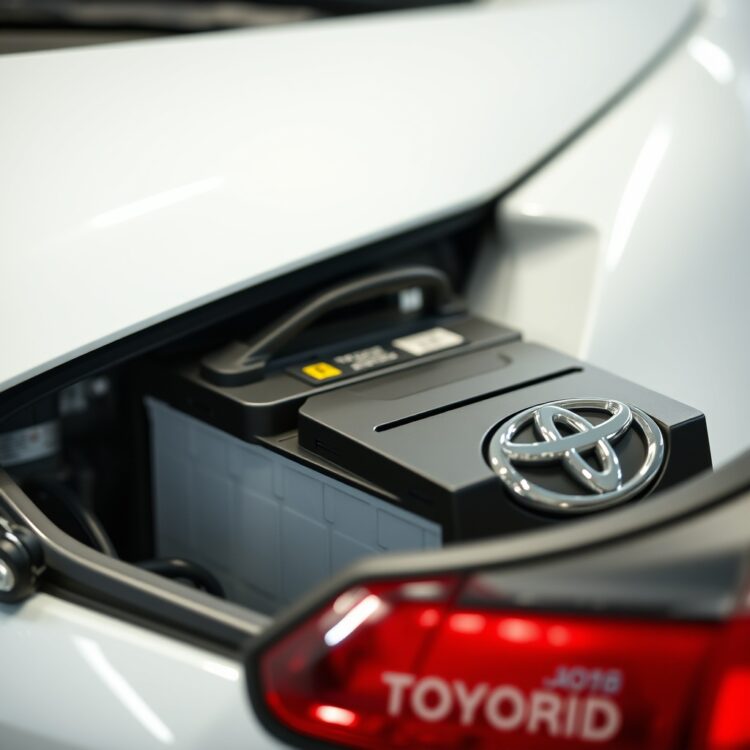
One of the biggest concerns with hybrid vehicles is battery degradation. Over time, the battery’s ability to hold a charge diminishes, impacting performance and efficiency. I’ve seen firsthand how this can affect daily driving, especially in older models. While modern hybrids are designed to last, factors like extreme temperatures and frequent charging cycles can accelerate wear. It’s a trade-off we must consider when investing in a hybrid.
The good news is that manufacturers have made strides in improving battery longevity. Many hybrids now come with warranties covering the battery for up to 8 years or 100,000 miles. This gives us peace of mind, but it’s still crucial to understand how our driving habits influence battery health. Regular maintenance and avoiding full discharges can go a long way in preserving its lifespan.
Cost and Process of Battery Replacement
When the time comes to replace a hybrid battery, the cost can be a shock. Prices typically range from £1,000 to £3,000, depending on the model and whether you opt for a new or refurbished unit. I’ve spoken to owners who’ve faced this expense, and it’s often the biggest drawback of owning a hybrid. However, it’s worth noting that battery technology is evolving, and costs are gradually decreasing.
The replacement process itself is straightforward but requires specialised knowledge. Most dealerships and certified mechanics can handle it, but DIY attempts are risky. If you’re considering a used hybrid, always check the battery’s health. A failing battery can turn an otherwise great deal into a money pit. For more insights, check out our automotive blog.
Limited Electric-Only Range
How Far Can You Go on Electric Power Alone
One of the limitations of hybrid vehicles is their electric-only range. Unlike full EVs, hybrids rely on a combination of petrol and electric power, with the latter often limited to short distances. Most hybrids offer between 20 to 50 miles on electric power alone, which is fine for city driving but falls short for longer commutes. I’ve found this to be a sticking point for many potential buyers.
The technology is improving, though. Newer models are pushing the boundaries, offering extended electric ranges that rival some plug-in hybrids. Still, if you’re looking for a vehicle that can handle long trips without burning fuel, a hybrid might not be the best fit. It’s all about balancing your needs with the vehicle’s capabilities.
The Impact on Daily Commuting
For daily commuters, the limited electric range can be both a blessing and a curse. On one hand, short trips can be completed without using petrol, saving money and reducing emissions. On the other hand, if your commute exceeds the electric range, you’ll be relying on the petrol engine more than you’d like. I’ve spoken to drivers who love the efficiency but wish for more electric-only miles.
Charging infrastructure plays a role here too. If you can charge at home or work, you’ll maximise the electric benefits. Otherwise, you might find yourself burning petrol more often than expected. It’s a factor worth weighing carefully before making a decision. For more on this, explore our fastest Corsa model guide.
Charging Infrastructure and Accessibility
Availability of Charging Stations
Charging a hybrid isn’t as straightforward as filling up a petrol car. While plug-in hybrids require charging stations, traditional hybrids recharge their batteries through regenerative braking and the petrol engine. I’ve noticed that the lack of widespread charging infrastructure can be a hurdle, especially in rural areas. Even in cities, finding a available charger isn’t always easy.
The situation is improving, but it’s still a consideration for potential buyers. If you’re planning to rely heavily on electric power, research the charging options in your area. Some workplaces and shopping centres now offer charging points, which can make a big difference. For a deeper dive, check out our Corsa VXR reliability article.
Home Charging Solutions
For many hybrid owners, home charging is the most convenient option. Installing a dedicated charging point can streamline the process, but it’s an added expense. I’ve seen costs range from £500 to £1,000, depending on the setup. While it’s an investment, the convenience of waking up to a fully charged vehicle is hard to beat.
Not all homes are suitable for charging points, though. If you don’t have off-street parking, you might struggle to find a viable solution. It’s a practical consideration that can influence your decision. For those in flats or shared spaces, public charging becomes the only option, which isn’t always ideal. Learn more about good first cars for urban living.
The Resale Value of Hybrid Vehicles
Factors Affecting Resale Value
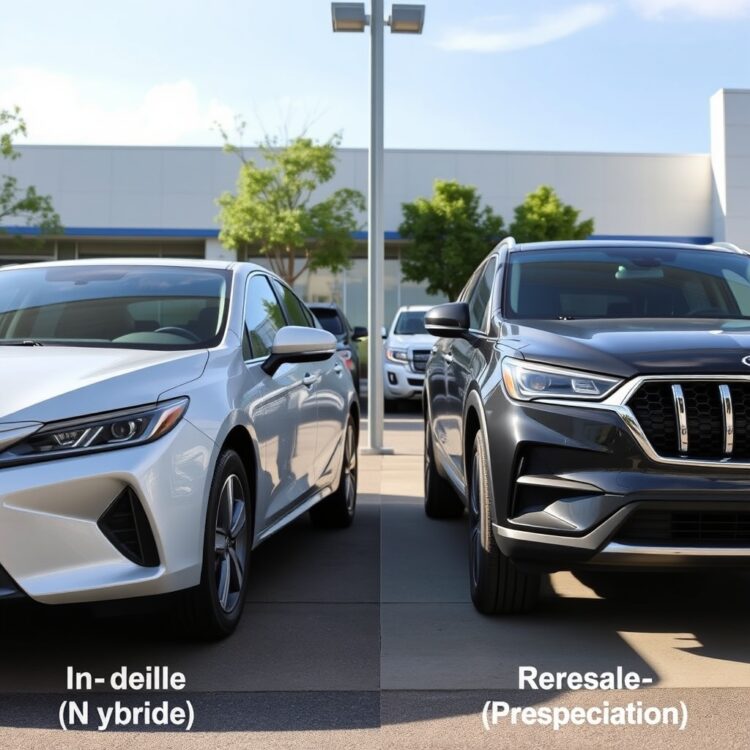
Resale value is a critical factor for any car buyer, and hybrids are no exception. I’ve observed that hybrids tend to hold their value better than traditional petrol cars, thanks to their fuel efficiency and lower running costs. However, battery degradation can be a concern for potential buyers, impacting the resale price. Models with newer battery technology often fare better in the used market.
Other factors, like brand reputation and maintenance history, also play a role. Well-maintained hybrids from reputable manufacturers can command higher prices. It’s a reminder that taking care of your vehicle pays off in the long run. For more tips, read our Corsa VXR specs guide.
Comparing Hybrids to Traditional Vehicles
When comparing hybrids to traditional vehicles, the resale value story is mixed. While hybrids often depreciate slower, the initial higher purchase price can offset some of the savings. I’ve seen cases where traditional cars with lower upfront costs end up being more economical over time. It’s a complex equation that depends on your driving habits and how long you plan to keep the vehicle.
The market is shifting, though. As demand for eco-friendly vehicles grows, hybrids are becoming more desirable. This trend could boost resale values in the coming years. For now, it’s essential to do your homework and consider all angles before making a decision. For authoritative insights, visit Edmunds.
Government Incentives and Tax Credits
Current Incentives for Hybrid Owners
We’ve all heard about the perks of hybrid vehicles, but did you know the government is practically paying you to drive one? In the UK, hybrid owners can tap into a range of incentives designed to make the switch easier. From reduced road tax to grants for home charging points, the benefits stack up quickly. For instance, the Plug-in Car Grant (PiCG) offers up to £1,500 off the purchase price of eligible hybrids. It’s like getting a discount just for making a greener choice. And let’s not forget the low-emission zones where hybrids often get free access—saving you daily congestion charges.
But it’s not just about upfront savings. Hybrids also enjoy lower Benefit-in-Kind (BiK) rates, making them a smart pick for company car drivers. Imagine paying less tax just because your car emits fewer pollutants. It’s a win-win. And if you’re thinking about installing a home charger, the Electric Vehicle Homecharge Scheme (EVHS) can cover 75% of the cost. These incentives aren’t just perks; they’re game-changers for anyone on the fence about hybrids. So, why not take advantage of them while they last?
How to Apply for Tax Credits
Applying for these incentives might sound daunting, but trust me, it’s simpler than you think. Start by checking the official government website to confirm your hybrid’s eligibility for the PiCG. Most dealerships handle the paperwork for you, so the discount is applied straight to the purchase price. For the EVHS, you’ll need to choose an approved installer and submit your application online—easy peasy. And when it comes to BiK rates, your employer’s payroll team usually sorts it out. No extra work for you.
But here’s a pro tip: keep all your receipts and documents handy. Some local councils offer additional grants, like free parking or reduced toll fees, but you’ll need proof of ownership. And if you’re leasing, don’t assume the incentives are automatically passed on—check your contract. The process might seem bureaucratic, but the savings are worth it. Plus, with resources like the Lowes Auto guide, you’re never alone in navigating the system. So, roll up your sleeves and claim what’s yours.
The Weight and Handling of Hybrid Vehicles
How Extra Weight Affects Performance
Let’s talk about the elephant in the room—hybrids are heavy. That battery pack adds significant weight, and it’s not just a numbers game. The extra heft impacts everything from acceleration to braking distances. I’ve driven hybrids that feel sluggish off the line, especially when the electric motor isn’t kicking in. And cornering? Let’s just say you’ll notice the body roll more than in a traditional car. It’s not a deal-breaker, but it’s something to consider if you love a spirited drive.
But here’s the twist: manufacturers are getting smarter. Newer hybrids distribute the weight better, often placing batteries low in the chassis to improve stability. And let’s not forget the regenerative braking, which helps offset the added mass. Sure, you might sacrifice some agility, but the trade-off is better fuel efficiency and lower emissions. If you’re after a performance-focused ride, though, you might want to test-drive thoroughly. The weight is there, but it’s not always a bad thing.
Handling in Different Driving Conditions
Rain, snow, or shine—how does a hybrid handle it all? Surprisingly well, actually. The added weight can improve traction in wet conditions, reducing wheel spin. And in snow, the instant torque from the electric motor provides smooth, controlled acceleration. But there’s a catch: the extra mass means stopping distances can be longer, especially on icy roads. I’ve found that hybrids require a gentler touch on the brakes to avoid skidding.
Then there’s the matter of regenerative braking, which can feel unnatural at first. It’s like the car is doing half the work for you, but it takes some getting used to. And if you’re navigating tight city streets, the weight might make parking a bit trickier. But for everyday commuting, hybrids are more than capable. Just remember to adjust your driving style slightly, and you’ll be fine. After all, the engineering behind these cars is designed to compensate for the extra pounds.
Availability of Models and Options
Comparing the Variety of Hybrid Models
Gone are the days when hybrids were limited to a handful of bland options. Today, the market is bursting with choices, from compact hatchbacks to luxury SUVs. Whether you’re after a Toyota Prius for its reliability or a BMW 330e for its performance, there’s something for everyone. Even brands like Kia and Hyundai are jumping on the hybrid bandwagon with stylish, affordable options. The variety is staggering, and it’s only getting better.
But with so many options, how do you choose? Start by identifying your needs. If you’re a city dweller, a smaller hybrid like the Honda Jazz might be perfect. For families, the Mitsubishi Outlander PHEV offers space and versatility. And if you’re after luxury, the Lexus NX 450h+ delivers. The key is to test-drive multiple models to see what suits your lifestyle. Because let’s face it—hybrids aren’t one-size-fits-all, and the right choice depends on how you plan to use it.
Customization and Upgrade Options
Think hybrids are boring? Think again. Many models now come with a range of customization options, from sporty trim packages to advanced tech upgrades. Want a panoramic sunroof or a premium sound system? No problem. Some brands even offer performance-oriented hybrids with tweaked suspensions and sharper handling. And let’s not forget the software updates—many hybrids receive over-the-air upgrades to improve efficiency or add features. It’s like your car gets better with age.
But here’s the catch: not all upgrades are worth the cost. Some hybrid-specific features, like regenerative braking settings, are must-haves. Others, like fancy ambient lighting, are nice but unnecessary. My advice? Prioritize upgrades that enhance efficiency or driving dynamics. And always check if the dealer offers package deals—bundling options can save you a bundle. Because when it comes to hybrids, the right upgrades can turn a good car into a great one.
The Future of Hybrid Technology
Innovations on the Horizon
We’re standing at the brink of a revolution in hybrid technology. Engineers are pushing boundaries with lighter batteries, faster charging, and smarter energy management. Imagine a hybrid that learns your driving habits and optimises fuel efficiency in real-time. The future isn’t just about combining petrol and electric—it’s about seamless integration. Companies are investing heavily in solid-state batteries, which promise longer life and quicker recharge times. The next decade will redefine what hybrids can do, making them more appealing than ever.
But innovation isn’t limited to hardware. Software advancements are equally transformative. AI-driven systems will predict traffic patterns and adjust power usage accordingly. Wireless charging lanes could eliminate the need for plug-in stations altogether. The goal? A hybrid that feels as effortless as a traditional car but with none of the drawbacks. We’re not just tweaking the formula; we’re rewriting it. The future of hybrids is bright, and it’s arriving faster than you think.
The Role of Hybrids in the Transition to Electric Vehicles
Hybrids aren’t just a stopgap—they’re a bridge to a fully electric future. For many drivers, jumping straight to an EV isn’t practical due to cost or infrastructure limitations. Hybrids offer a middle ground, easing the transition with familiar refuelling habits. They also help manufacturers refine battery and motor technologies before scaling up for mass EV production. Think of hybrids as the training wheels for the automotive industry’s electric ambitions.
Governments and automakers alike recognise this role. Incentives for hybrids are often designed to nudge consumers toward greener options. As charging networks expand and battery costs drop, hybrids will gradually phase out. But for now, they’re essential in building consumer confidence and infrastructure readiness. The road to electrification is long, and hybrids are the steady hand guiding us there. They’re not the destination, but they’re a crucial part of the journey.
Consumer Perceptions and Misconceptions
Common Myths About Hybrid Vehicles
Let’s bust some myths. Many believe hybrids are sluggish or lack power, but modern models defy this stereotype. The latest hybrids deliver punchy acceleration thanks to instant torque from electric motors. Another misconception? Hybrids are expensive to maintain. In reality, their regenerative braking systems reduce wear on brake pads, and their engines often last longer due to reduced strain. We’ve also heard hybrids are just for city driving—wrong again. Many excel on highways, balancing efficiency and performance effortlessly.
Then there’s the fear of battery replacement costs. While it’s true batteries degrade over time, warranties often cover them for years. Plus, advancements are extending battery lifespans significantly. Finally, some think hybrids are a niche product. The truth? They’re mainstream, with options ranging from compact cars to SUVs. The myths persist, but the facts tell a different story. Hybrids are more capable and accessible than ever.
Educating Potential Buyers
Education is key to overcoming hybrid hesitations. Many buyers don’t realise how far the technology has come. Test drives can shatter preconceptions—once you feel the smooth, quiet ride, it’s hard to go back. Dealerships and manufacturers must do more to highlight the long-term savings on fuel and maintenance. Transparency about battery life and replacement costs is also crucial. Knowledge dispels fear, and fear is the biggest barrier to adoption.
We also need to address environmental concerns. Some worry hybrids aren’t green enough, but they’re a significant step forward. Every hybrid on the road reduces emissions compared to a traditional car. For buyers not ready to go full electric, hybrids are a responsible choice. The more we educate, the more hybrids will be seen for what they are: a smart, practical solution for today’s drivers. The future is electric, but hybrids are the present—and they deserve a closer look.
Making the Decision Is a Hybrid Right for You
Assessing Your Driving Needs
Choosing a hybrid starts with understanding your driving habits. Do you mostly commute in stop-and-go traffic? Hybrids excel here, recapturing energy during braking. If you frequently drive long distances, a plug-in hybrid might offer enough electric range for daily errands while keeping petrol for trips. Consider your parking situation too—home charging is a plus for plug-ins. Weighing these factors helps narrow down the best hybrid for your lifestyle.
Budget is another critical factor. While hybrids often cost more upfront, fuel savings can offset this over time. Calculate your annual mileage and compare fuel costs to see the break-even point. Also, check for local incentives like tax credits or reduced congestion charges. Hybrids aren’t one-size-fits-all, but there’s likely a model that fits your needs. The key is matching the technology to your real-world usage.
Weighing the Pros and Cons
Let’s be honest—hybrids aren’t perfect. The main disadvantage? Limited electric-only range, which can be frustrating for eco-conscious drivers. Charging infrastructure is improving but still lags behind petrol stations. And while maintenance is generally lower, repairs can be costly if something goes wrong with the hybrid system. These are trade-offs to consider carefully.
On the flip side, hybrids offer unmatched fuel efficiency, lower emissions, and often a smoother driving experience. They’re a practical choice for those not ready to commit to an EV. The decision boils down to priorities. If reducing your carbon footprint and saving on fuel are top goals, a hybrid is a solid choice. But if you crave cutting-edge tech or maximum electric range, you might want to wait for the next generation of EVs. The choice is yours—make it an informed one.
Frequently Asked Questions
Are hybrids more expensive to maintain than traditional cars?
Not necessarily. Hybrids often have lower maintenance costs due to regenerative braking and less engine wear. However, specialised repairs can be pricier if the hybrid system needs attention. Regular servicing remains affordable, and many components are covered under warranty.
How long do hybrid batteries typically last?
Most hybrid batteries last between 8 to 15 years, depending on usage and climate. Manufacturers usually offer warranties of 8 years or 100,000 miles, so replacement costs are rarely an immediate concern. Advances in battery tech are also extending lifespans further.
Can hybrids handle long-distance driving?
Absolutely. While their electric-only range is limited, hybrids switch seamlessly to petrol for longer trips. Many models are designed for highway driving, offering a balance of efficiency and performance. They’re just as capable as traditional cars for road trips.
Do hybrids require special charging infrastructure?
Standard hybrids don’t need charging—they recharge the battery while driving. Plug-in hybrids benefit from home charging but can also rely on petrol. Public charging stations are a bonus but not a necessity for most hybrid owners.
Are hybrids really better for the environment?
Yes, hybrids produce fewer emissions than traditional cars, especially in urban settings. While they’re not as clean as full EVs, they’re a significant step toward reducing your carbon footprint. For many drivers, they’re the most practical green option available today.