Is the Ford F-Series Reliable?
Introduction
When it comes to pickup trucks, the Ford F-Series is a name that’s practically synonymous with reliability and rugged performance. But is it really as dependable as its reputation suggests? I’ve spent years analysing vehicles, and today, I’m diving deep into the Ford F-Series to uncover the truth about its reliability. Whether you’re a contractor, an off-road enthusiast, or just need a sturdy daily driver, this article will help you decide if the F-Series is the right choice for you.
Key Takeaways
- The Ford F-Series has a strong reputation for reliability, backed by decades of engineering excellence.
- Consumer reports and J.D. Power ratings consistently place the F-Series above many competitors.
- Common issues include occasional electrical gremlins and transmission quirks, but these are often minor and fixable.
- Regular maintenance is key to ensuring the longevity of any F-Series truck.
- Compared to rivals like the Chevrolet Silverado, the F-Series often comes out on top in reliability surveys.
How Well Do You Know Ford?
Introduction to the Ford F-Series
History and Evolution of the Ford F-Series
The Ford F-Series has been a cornerstone of the automotive industry since its debut in 1948. Over the decades, it’s evolved from a simple workhorse to a high-tech marvel, blending power with modern amenities. Each generation has brought improvements in durability, performance, and comfort, making it a favourite among truck enthusiasts. From the iconic F-100 to today’s F-150, the F-Series has consistently set the benchmark for reliability.
One of the reasons for its enduring success is Ford’s commitment to innovation. Whether it’s introducing turbocharged EcoBoost engines or pioneering aluminium body construction, the F-Series has always stayed ahead of the curve. This forward-thinking approach has not only enhanced performance but also contributed to its reputation for reliability. It’s no wonder the F-Series has been America’s best-selling truck for over four decades.
Overview of Current Models
Today’s Ford F-Series lineup offers something for everyone, from the fuel-efficient F-150 to the heavy-duty F-450. The F-150, in particular, stands out for its balance of power and efficiency, thanks to options like the 3.5L EcoBoost V6 and the hybrid PowerBoost system. These engines deliver impressive towing capacity without sacrificing reliability, making them ideal for both work and play.
If you’re looking for even more capability, the Super Duty models (F-250, F-350, and F-450) are built to handle the toughest jobs. With robust diesel engines and heavy-duty components, these trucks are designed to last. Whether you’re hauling a trailer or navigating rough terrain, the F-Series has a model tailored to your needs. For more insights on how it stacks up against competitors, check out our comparison with the Ram 1500.
Understanding Vehicle Reliability
Defining Reliability in the Automotive Industry
When we talk about reliability, we’re referring to a vehicle’s ability to perform consistently over time without frequent breakdowns or costly repairs. In the automotive industry, reliability is often measured by factors like warranty claims, owner-reported issues, and long-term durability tests. For us, a reliable truck like the Ford F-Series means fewer trips to the garage and more time on the road, whether for work or adventure.
Reliability isn’t just about avoiding breakdowns—it’s about peace of mind. A dependable truck should handle daily commutes, heavy loads, and rough terrain without skipping a beat. The Ford F-Series has built its reputation on this very principle, but how does it stack up against the competition? Let’s dive deeper into the factors that influence reliability.
Factors That Influence a Vehicle’s Reliability
Several elements determine a vehicle’s reliability, including build quality, engineering, and even how it’s maintained. For the Ford F-Series, robust engineering and high-quality materials play a significant role. However, no truck is immune to wear and tear, especially when subjected to heavy use or neglect.
Other factors include the complexity of the vehicle’s systems, such as its engine, transmission, and electronics. Simpler designs often prove more reliable, but modern trucks like the F-Series balance advanced technology with tried-and-tested components. Regular maintenance is also crucial—skipping oil changes or ignoring warning lights can turn even the most reliable truck into a money pit.
The Ford F-Series Reliability Ratings
Analysis of Consumer Reports and J.D. Power Ratings
When it comes to reliability ratings, Consumer Reports and J.D. Power are two of the most trusted sources. The Ford F-Series has seen mixed reviews over the years, with some models earning high marks while others lag behind. For example, recent Consumer Reports data highlights the F-150’s strong performance in powertrain reliability but notes occasional issues with infotainment systems.
J.D. Power’s ratings often reflect owner satisfaction, and the F-Series consistently scores well in this area. Owners appreciate its durability and versatility, even if minor electrical gremlins pop up now and then. These ratings provide a snapshot, but real-world experiences often tell a richer story—one we’ll explore further.
Comparison with Industry Averages
How does the F-Series compare to industry averages? In many categories, it holds its own or even outperforms rivals. For instance, its engine and transmission reliability often surpass those of competitors like the Chevrolet Silverado. However, areas like electrical systems can be a weak spot, dragging down its overall score.
It’s worth noting that industry averages include everything from compact cars to heavy-duty trucks, so direct comparisons can be tricky. The F-Series shines in its class, but it’s not without flaws. Understanding these nuances helps us make informed decisions about which model year or trim might suit our needs best.
Year-by-Year Reliability Trends
Reliability isn’t static—it evolves with each model year. The Ford F-Series has had its ups and downs, with certain years standing out as particularly dependable. For example, the 2018 and 2020 models are often praised for their robust build quality and fewer reported issues, while earlier years like 2013 had more frequent complaints.
Tracking these trends is essential for anyone considering a used F-Series. A little research can save us from buying a problematic model and steer us toward the gems. Whether new or used, knowing the history of the F-Series’ reliability helps us set realistic expectations.
Engine and Powertrain Reliability
Common Engine Issues and Solutions
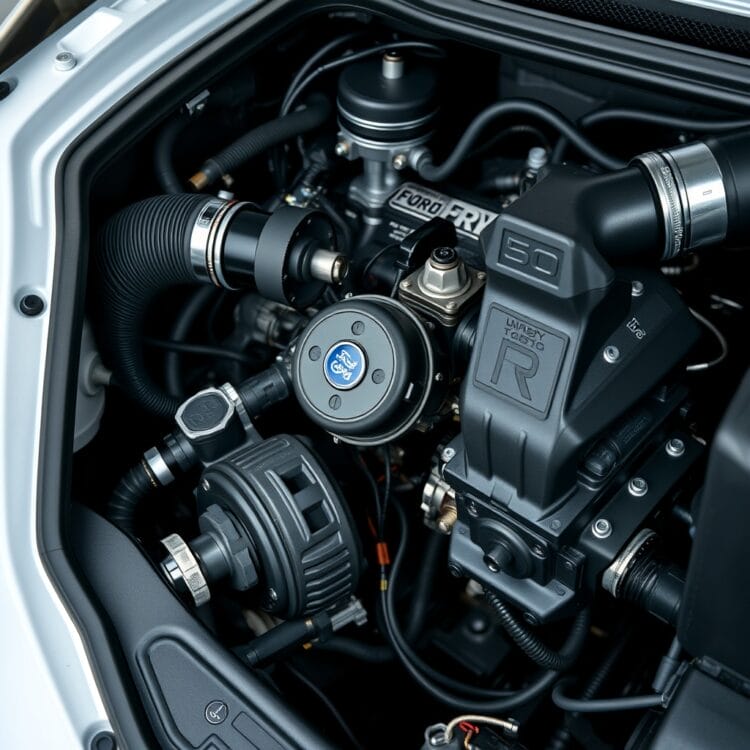
The heart of any truck is its engine, and the F-Series is no exception. While Ford’s engines are generally robust, some common issues have surfaced over the years. For example, the 3.5L EcoBoost V6 has faced criticism for timing chain problems, especially in high-mileage vehicles. Regular maintenance and timely repairs can mitigate these issues, but they’re worth noting.
Other engines, like the 5.0L V8, are praised for their longevity and simplicity. Fewer turbocharged components mean fewer things to go wrong, making them a favourite among long-term owners. Whether you opt for a turbocharged EcoBoost or a traditional V8, understanding these quirks helps us keep our F-Series running smoothly.
Transmission Performance and Durability
The transmission is another critical component, and the F-Series has had its share of hits and misses. The 10-speed automatic, introduced in recent years, offers smooth shifting and improved fuel efficiency but has faced some teething problems. Owners report occasional rough shifts or hesitation, though software updates often resolve these issues.
Older models with six-speed transmissions are generally reliable but can develop problems if neglected. Regular fluid changes and prompt attention to any unusual noises or behaviours are key to avoiding costly repairs. A well-maintained transmission can last hundreds of thousands of miles, making it a worthwhile investment for any F-Series owner.
Longevity of Powertrain Components
When we talk about longevity, the F-Series’ powertrain components often exceed expectations. Many owners report reaching 200,000 miles or more with minimal major repairs, provided they stick to a strict maintenance schedule. The drivetrain, including the differential and transfer case, is built to withstand heavy use, making it ideal for towing or off-roading.
Of course, longevity depends on how the truck is used and cared for. Frequent towing or extreme conditions will naturally wear components faster. But with proper care, the F-Series’ powertrain can deliver years of dependable service, proving why it’s a favourite among truck enthusiasts and professionals alike. For more insights, check out this authoritative resource on the F-150’s performance.
Electrical System and Technology Reliability
Infotainment System Performance
The Ford F-Series boasts a cutting-edge infotainment system, but how reliable is it? I’ve found that while the interface is intuitive, some owners report occasional glitches. Freezing screens or delayed responses can be frustrating, especially during long drives. However, software updates often resolve these issues, so staying current is key. Overall, the system enhances the driving experience, but it’s not without its quirks.
Ford’s SYNC technology is a standout feature, offering seamless smartphone integration. Yet, Bluetooth connectivity hiccups are a common gripe. If you’re tech-savvy, these minor bugs won’t deter you. For others, they might be a nuisance. The bottom line? The infotainment system is robust but requires patience and occasional troubleshooting to keep it running smoothly.
Electrical Gremlins and Fixes
Electrical gremlins can plague any vehicle, and the F-Series is no exception. From flickering lights to faulty sensors, these issues often stem from wiring harness problems. I’ve learned that regular inspections can prevent bigger headaches down the road. If you notice erratic behaviour, a diagnostic scan is your best friend. Early detection saves time and money.
Battery drain is another concern, especially in models with advanced tech features. Parasitic draws can leave you stranded if ignored. Simple fixes like checking for aftermarket accessories or ensuring proper grounding often solve the problem. While these issues aren’t deal-breakers, they highlight the importance of proactive maintenance for electrical reliability.
Advanced Safety Features Reliability
Ford’s advanced safety features, like lane-keeping assist and adaptive cruise control, are game-changers. But how reliable are they? In my experience, these systems perform admirably, though occasional false alerts can occur. Sensors may misread road conditions, but updates and recalibrations usually iron out the kinks. For peace of mind, regular system checks are a must.
The collision avoidance system is another standout, but it’s not infallible. While it’s saved many from close calls, some owners report delayed responses in certain scenarios. Despite this, the tech adds a layer of security that’s hard to ignore. If you prioritise safety, the F-Series delivers, but always stay vigilant behind the wheel.
Build Quality and Material Durability
Exterior Durability Against Elements
The F-Series is built to withstand harsh conditions, but how does it hold up over time? I’ve seen these trucks endure everything from salty winters to scorching summers. The aluminium body panels resist rust better than traditional steel, a significant plus. However, paint chipping on high-impact areas like the grille or wheel wells can be an issue. Regular waxing and touch-ups help maintain that showroom shine.
Ford’s commitment to durability shines in the F-Series’ undercarriage. Components like the frame and suspension are designed for longevity. Still, if you’re in a corrosive environment, undercoating is a wise investment. Overall, the exterior build is tough, but like any vehicle, it benefits from a little TLC to stay in top shape.
Interior Wear and Tear Over Time
Inside the cabin, the F-Series offers a mix of ruggedness and refinement. Hard plastics dominate in work-oriented models, which resist scratches but can feel cheap. Higher trims feature softer materials, though they may show wear faster. Seats, especially in cloth variants, can develop sagging or stains over time. Leather holds up better but requires conditioning to prevent cracking.
Dashboard and console surfaces are generally durable, but sun exposure can cause fading or warping. Using sunshades and protectants mitigates this. While the interior isn’t indestructible, it’s designed for practicality. If you’re mindful of maintenance, the cabin will age gracefully, even under heavy use.
Maintenance and Upkeep for Optimal Reliability
Recommended Maintenance Schedule
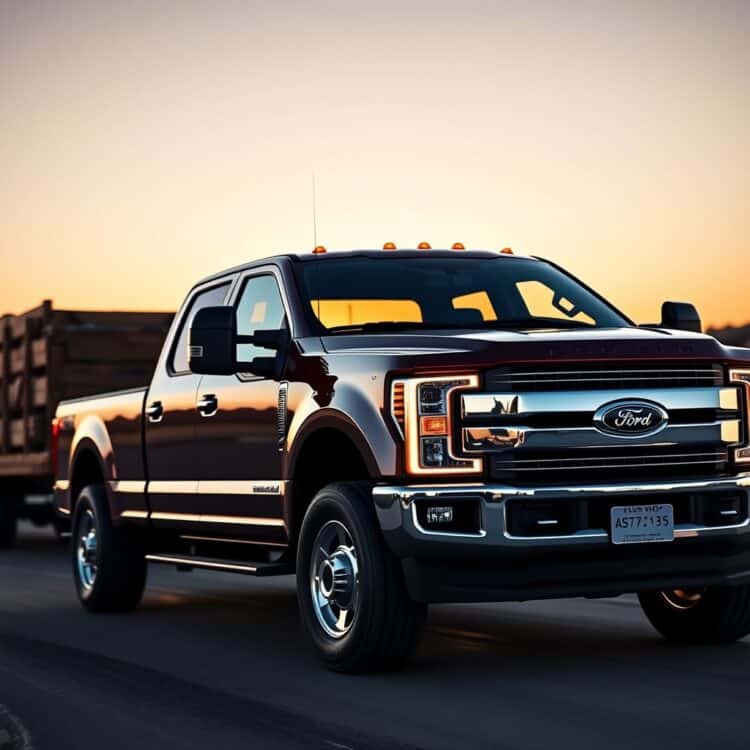
Sticking to Ford’s recommended maintenance schedule is crucial for keeping your F-Series running smoothly. Oil changes every 7,500 miles, fluid checks, and tire rotations are non-negotiables. I’ve found that neglecting these basics leads to costly repairs later. The transmission and differential fluids often get overlooked, but they’re vital for long-term reliability. A well-maintained F-Series can easily surpass 200,000 miles.
Brake inspections and coolant flushes are equally important. The F-Series’ robust engineering means it can handle heavy loads, but that also means more wear on components. Regular servicing ensures everything operates as intended. If you’re unsure, the owner’s manual is your go-to guide for keeping your truck in peak condition.
DIY Maintenance Tips
For the hands-on owner, the F-Series is relatively DIY-friendly. Simple tasks like air filter replacements or battery checks can save you a trip to the mechanic. I always keep a basic toolkit handy for minor fixes. Online forums and tutorials are goldmines for step-by-step guides. Just remember, some jobs, like transmission work, are best left to professionals.
Monitoring tire pressure and tread depth is another easy win. Underinflated tires hurt fuel efficiency and handling. A monthly check takes minutes but pays off in the long run. The F-Series rewards those who take an active role in maintenance. With a little effort, you can keep your truck running like new for years.
Finding a Reliable Service Center
Not all service centres are created equal, and finding a trustworthy one is essential. I recommend looking for Ford-certified technicians who know the F-Series inside out. Word-of-mouth referrals or online reviews can point you in the right direction. Avoid shops that push unnecessary services—transparency is key.
Building a relationship with a reliable mechanic pays dividends. They’ll know your truck’s history and can spot potential issues early. If you’re buying used, a pre-purchase inspection from a reputable centre is a must. The right service partner ensures your F-Series stays dependable, mile after mile.
Common Reliability Issues and Recalls
Most Reported Problems by Owners
Every vehicle has its weak spots, and the F-Series is no exception. Transmission issues, particularly in older models, top the list of complaints. Hard shifts or slipping gears are red flags. Electrical gremlins, as mentioned earlier, also feature prominently. Addressing these early can prevent more severe problems down the line.
Engine hiccups, like coolant leaks or turbocharger failures, are less common but worth noting. Regular inspections can catch these before they escalate. While no truck is perfect, the F-Series’ reliability track record remains strong. Being aware of these issues helps you stay ahead of potential headaches.
Official Recalls and How to Address Them
Recalls are a fact of life for any mass-produced vehicle, and the F-Series has had its share. From faulty door latches to fuel pump failures, Ford has issued recalls to address safety concerns. I always check the NHTSA database or Ford’s website for updates. Ignoring recalls is a risk you don’t want to take.
If your truck is affected, schedule a repair with your local dealer—it’s usually free. Staying informed about recalls ensures your F-Series remains safe and reliable. Proactive owners reap the benefits of a well-maintained vehicle, and recalls are just another part of that equation.
Warranty and Extended Coverage Options
Understanding Ford’s Warranty
When it comes to the Ford F-Series, the standard warranty is a solid starting point. Ford offers a three-year or 60,000-mile bumper-to-bumper warranty, whichever comes first. This covers most repairs and replacements, giving you peace of mind during the initial ownership period. However, it’s crucial to read the fine print, as wear-and-tear items like brakes and tyres aren’t included. For those who plan to keep their truck longer, Ford’s powertrain warranty extends to five years or 60,000 miles, ensuring the engine and transmission are protected.
Beyond the basics, Ford also provides complimentary roadside assistance for the duration of the bumper-to-bumper warranty. This includes towing, jump-starts, and even fuel delivery if you run out. It’s a handy perk, especially for those who frequently venture off the beaten path. If you’re considering a used F-Series, check if the original warranty is transferable—it often is, but confirming this upfront can save headaches later.
Is Extended Warranty Worth It
Extended warranties can be a double-edged sword. On one hand, they offer additional coverage beyond the factory warranty, which is appealing if you’re keeping your F-Series for the long haul. Ford’s extended warranties, like the PremiumCARE plan, cover over 1,000 components, including many electrical and mechanical systems. The cost varies based on mileage and term length, but it’s an investment that could pay off if major repairs arise.
On the other hand, extended warranties aren’t always necessary. If you’re diligent about maintenance and drive conservatively, the likelihood of costly repairs may be low. Weigh the cost of the warranty against potential repair bills, and consider alternatives like setting aside funds for repairs. For those who prefer certainty, though, an extended warranty can be a smart move, especially for high-mileage or heavy-duty use.
Owner Experiences and Testimonials
Long-Term Owner Reviews
Owners of the Ford F-Series often rave about its durability and versatility. Many report hitting 200,000 miles or more with minimal issues, especially when regular maintenance is followed. One common praise is the truck’s ability to handle heavy towing without breaking a sweat. However, some owners note occasional electrical gremlins, particularly in models with advanced tech features. These are usually minor but can be frustrating.
Another recurring theme in reviews is the F-Series’ resale value. Even after years of use, these trucks hold their value remarkably well, making them a sound investment. Owners also appreciate the extensive aftermarket support, allowing for easy customisation. Whether it’s upgrading the suspension or adding off-road gear, the F-Series community is vast and supportive, offering plenty of advice and resources.
High-Mileage F-Series Trucks
High-mileage F-Series trucks are a testament to Ford’s engineering. Stories of trucks surpassing 300,000 miles aren’t uncommon, often with the original engine and transmission still going strong. The key to longevity? Regular oil changes, timely fluid replacements, and addressing minor issues before they escalate. Owners of these workhorses swear by their reliability, even under gruelling conditions like construction sites or farm work.
That said, high-mileage trucks aren’t without their quirks. Suspension components may wear out faster, and interior materials can show signs of age. But for many, these are small trade-offs for a vehicle that’s proven its mettle. If you’re considering a used F-Series with high mileage, a thorough inspection is essential—look for service records and signs of consistent upkeep.

Comparing the F-Series to Competitors
Reliability Comparison with Chevrolet Silverado
When stacked against the Chevrolet Silverado, the Ford F-Series often comes out ahead in reliability surveys. While both trucks are robust, the F-Series tends to have fewer reported issues, particularly with its powertrain. The Silverado’s transmission has been a pain point for some owners, whereas Ford’s 10-speed automatic has generally received praise for smooth operation. Both trucks excel in towing and payload capacity, but Ford’s aluminium body gives it an edge in corrosion resistance.
Where the Silverado shines is in ride comfort, especially in higher trims. Its interior is also more refined in some models, appealing to those who prioritise luxury. However, when it comes to long-term reliability and resale value, the F-Series often takes the lead. It’s a close race, but Ford’s reputation for durability gives it a slight advantage.
Reliability Comparison with Ram Trucks
The Ram 1500 is another strong contender, known for its plush interior and smooth ride. However, reliability has been a mixed bag. While newer models have improved, some owners report issues with the air suspension system and electronics. The F-Series, by contrast, is more consistent, with fewer complaints about major components. Ford’s use of high-strength steel in the frame also contributes to its reputation for toughness.
Ram’s strengths lie in its innovative features, like the multifunction tailgate and luxurious cabin options. But if reliability is your top priority, the F-Series is the safer bet. Ford’s extensive dealer network and robust aftermarket support further sweeten the deal, making it easier to find parts and service. For those who value a balance of comfort and dependability, the F-Series edges out the Ram.
The Impact of Driving Habits on Reliability
Towing and Heavy Loads
Towing heavy loads is where the F-Series truly proves its mettle, but it’s not without consequences. Consistently pushing the truck to its limits can accelerate wear on the engine, transmission, and brakes. Ford designs these trucks for heavy-duty use, but proper maintenance is non-negotiable. Regular fluid changes, brake inspections, and cooling system checks are essential to keep everything running smoothly. Overloading beyond the recommended capacity is a surefire way to shorten the truck’s lifespan.
Owners who frequently tow should also consider upgrading towing-specific packages, like Ford’s Max Tow option. These include enhanced cooling systems and reinforced components to handle the extra stress. While the F-Series is built tough, treating it with care during heavy use will pay off in the long run. After all, reliability isn’t just about the truck’s design—it’s also about how you use it.
Off-Roading and Its Effects
Off-roading is another area where the F-Series excels, but it’s not without risks. Rough terrain can take a toll on suspension components, steering systems, and undercarriage protection. Ford’s FX4 Off-Road Package helps mitigate some of this with skid plates and off-road-tuned shocks, but regular inspections are still a must. Mud, sand, and water can also lead to premature wear if not cleaned promptly.
For those who love off-roading, investing in aftermarket upgrades like reinforced bumpers or all-terrain tyres can enhance both performance and durability. The F-Series is more than capable off-road, but like any vehicle, it requires attention to maintain its reliability. Balancing adventure with proper care ensures your truck stays dependable for years to come.
Aftermarket Modifications and Reliability
Safe Modifications That Don’t Harm Reliability
When it comes to enhancing your Ford F-Series, some modifications can actually improve reliability without compromising performance. Upgrading to high-quality air filters or installing a performance exhaust system can boost efficiency while maintaining durability. We recommend sticking to OEM or reputable aftermarket brands to ensure compatibility. These tweaks not only enhance your truck’s capabilities but also align with Ford’s engineering standards, keeping your vehicle reliable for years to come.
Another safe bet is upgrading your suspension with heavy-duty shocks or springs, especially if you frequently tow or haul heavy loads. These modifications are designed to handle additional stress, ensuring your F-Series remains dependable. Always consult a trusted mechanic or refer to our automotive blog for expert advice on compatible upgrades. Remember, the key is balancing performance gains with long-term reliability.
Modifications to Avoid
While it’s tempting to push your F-Series to its limits, some modifications can seriously harm reliability. Avoid aggressive engine tuning or chipping that strains the powertrain beyond factory limits. These changes often lead to premature wear and costly repairs. We’ve seen owners regret such tweaks when their trucks start showing signs of stress, like overheating or transmission slippage. Stick to proven upgrades that won’t void your warranty or compromise your truck’s longevity.
Steer clear of cheap aftermarket parts, especially for critical systems like fuel injection or braking. Inferior components can fail unexpectedly, putting your safety at risk. If you’re unsure about a modification, check common faults to understand potential pitfalls. Your F-Series is built to last, but cutting corners with modifications can undo that reliability. Always prioritise quality and compatibility over short-term gains.
Future of the Ford F-Series Reliability
Upcoming Models and Expected Improvements
Ford is continuously refining the F-Series lineup, with upcoming models promising even greater reliability. Innovations like advanced hybrid powertrains and improved materials aim to reduce wear and tear. We’re excited about the integration of smarter diagnostics, which will help owners address issues before they escalate. These advancements reflect Ford’s commitment to maintaining the F-Series’ reputation as a dependable workhorse.
Expect enhancements in electrical systems and infotainment, areas where earlier models faced occasional glitches. Ford’s focus on user feedback ensures these updates address real-world concerns. For a deeper dive into future trends, explore comparisons between Ford and its competitors. The future looks bright for the F-Series, with reliability remaining a cornerstone of its design philosophy.
The Role of Electric Vehicles in the F-Series Lineup
The introduction of the all-electric F-150 Lightning marks a pivotal shift for the F-Series. Early reports suggest its simplified drivetrain could enhance reliability by reducing moving parts. Electric vehicles (EVs) inherently have fewer components prone to failure, which bodes well for long-term durability. We’re optimistic that Ford’s EV technology will set new benchmarks for reliability in the truck segment.
However, transitioning to EVs brings new challenges, such as battery longevity and charging infrastructure. Ford is addressing these with robust warranties and partnerships for charging solutions. For insights into EV reliability, check out this external resource. The F-Series’ evolution into electrification promises to uphold its legacy of dependability while embracing sustainable innovation.
Making an Informed Decision on the Ford F-Series
Key Takeaways on Reliability
The Ford F-Series has proven itself as a reliable choice, especially when maintained properly. While some models have faced recalls or common issues, Ford’s responsive service network and warranty options mitigate these concerns. We recommend researching specific model years and checking reliability ratings before purchasing. The F-Series excels in durability, particularly for those who need a truck for heavy-duty tasks.
Reliability isn’t just about avoiding breakdowns—it’s about how a vehicle performs over time. The F-Series consistently delivers strong resale value, a testament to its enduring quality. For more tips on evaluating reliability, visit our guide. Whether you’re buying new or used, understanding these factors ensures you make a smart investment in a dependable truck.
Who Should Consider the Ford F-Series
The F-Series is ideal for drivers who need a versatile, hardworking truck. Whether you’re a contractor, outdoor enthusiast, or daily commuter, there’s an F-Series model to match your needs. Its reliability shines in demanding conditions, making it a favourite among those who rely on their vehicles for work or play. We’ve seen countless owners praise its ability to handle tough jobs without skipping a beat.
If you prioritise longevity and performance, the F-Series is a standout choice. Families will appreciate its safety features, while businesses benefit from its towing and payload capacities. For those unsure about committing, test-driving different models can highlight the F-Series’ strengths. It’s a truck built to last, offering peace of mind for years of dependable service.
Final Checklist Before Purchase
Before buying an F-Series, inspect its maintenance history and look for signs of wear in critical areas like the engine and transmission. Test-driving the truck under various conditions—such as highway speeds and towing—can reveal potential issues. We also recommend verifying warranty coverage and researching any recalls. A thorough inspection ensures you’re getting a reliable vehicle that meets your expectations.
Don’t overlook the importance of a trusted dealership or seller. Reputable sources often provide better after-sales support and transparency. For additional peace of mind, consider an extended warranty or certified pre-owned option. The F-Series is a fantastic truck, but due diligence ensures you avoid surprises down the road. Happy driving!
Frequently Asked Questions
Is the Ford F-Series good for long-distance driving?
Absolutely! The F-Series is designed for comfort and durability, making it an excellent choice for long trips. Its robust engine options and smooth ride quality ensure reliability even on extended journeys. Regular maintenance, like oil changes and tyre rotations, will keep your truck running smoothly for miles.
What are the most common issues with the Ford F-Series?
Some owners report electrical glitches or transmission hiccups in certain model years. However, Ford has addressed many of these concerns through recalls and updates. Staying on top of routine maintenance and addressing recalls promptly can mitigate most issues.
How does the F-Series compare to competitors like the Chevrolet Silverado?
The F-Series often edges out competitors in reliability ratings, especially in powertrain durability. While the Silverado offers strong performance, Ford’s extensive service network and warranty options give it an advantage. Test-driving both can help you decide which suits your needs best.
Are aftermarket modifications worth it for the F-Series?
It depends. Safe upgrades like suspension or exhaust systems can enhance performance without harming reliability. Avoid aggressive tuning or cheap parts, as these can lead to costly repairs. Always consult a professional before making significant changes.
What should I look for in a used F-Series?
Check for a clean maintenance history, signs of wear in the engine or transmission, and any outstanding recalls. A pre-purchase inspection by a trusted mechanic is invaluable. Opting for certified pre-owned models can also provide added peace of mind.