Introduction
Ever wondered if you can cruise the streets of the UK in a Ford F-150? I did too, and let me tell you, it’s not as straightforward as you might think. The F-150, a beast of a truck, is designed for wide-open American roads, but how does it fare in the UK’s tighter spaces and stricter regulations? Buckle up as we dive into the details.
Key Takeaways
- The Ford F-150 is legal to drive in the UK, but it must meet specific vehicle classification and licensing requirements.
- Importing an F-150 involves compliance with UK standards, including emissions and safety regulations.
- Driving an F-150 on UK roads requires adapting to narrower lanes and tighter parking spaces.
- Fuel efficiency and environmental considerations are crucial, given the UK’s stricter emissions laws.
- Maintenance and servicing can be more challenging due to the limited availability of parts and qualified mechanics.
How Well Do You Know Ford?
Understanding the Ford F-150
Overview of the Ford F-150 Model
The Ford F-150 is a full-size pickup truck known for its rugged durability and powerful performance. It’s a staple on American roads, but its sheer size and design raise questions about its suitability for the UK. With models ranging from workhorse trims to luxury editions, the F-150 offers versatility, but how does it translate to British driving conditions?
Key Features of the Ford F-150
The F-150 boasts impressive towing capacity, advanced tech features, and robust engine options. From the eco-friendly hybrid variant to the high-performance Raptor, there’s an F-150 for every need. However, features like its wide turning radius and height might pose challenges on UK roads. For more insights on automotive adaptations, check out our blog.
Ford F-150 Variants Available
Whether you’re eyeing the base XL or the luxurious Limited, the F-150 lineup is diverse. The hybrid model, with its improved fuel efficiency, might be more UK-friendly, but the Raptor’s off-road prowess could appeal to adventure seekers. Each variant has its pros and cons, so choosing the right one depends on your needs and local driving conditions.
Legal Requirements for Driving a Ford F-150 in the UK
UK Vehicle Classification for the Ford F-150
In the UK, the F-150 falls under the “light commercial vehicle” category due to its weight and design. This classification affects everything from licensing to road tax. Understanding these rules is crucial to avoid legal pitfalls. For example, some models might require a different driving licence category, especially if they exceed certain weight limits.
Licensing Requirements
Driving an F-150 typically requires a standard UK driving licence (Category B), but heavier variants might need additional endorsements. If your F-150 has a gross vehicle weight (GVW) over 3.5 tonnes, you’ll need a Category C1 licence. Always check your specific model’s specs to ensure compliance. For more on licensing and vehicle suitability, explore our guides.
Insurance Considerations
Insuring an F-150 in the UK can be tricky. Its size, power, and import status often lead to higher premiums. Shopping around for specialised insurers who understand imported vehicles is key. Factors like your driving history, storage arrangements, and usage will also impact your rates, so be prepared for a bit of legwork.
Legal Requirements for Driving a Ford F-150 in the UK
UK Vehicle Classification for the Ford F-150
The Ford F-150 is classified as a light commercial vehicle (LCV) in the UK due to its weight and dimensions. This classification impacts everything from road tax to speed limits. Unlike standard passenger cars, LCVs must adhere to stricter regulations, especially when used for commercial purposes. Understanding this classification is crucial for compliance and avoiding penalties. It also affects where you can drive, as some urban areas restrict LCVs during peak hours.
For private use, the F-150 may still fall under LCV rules unless modified. The DVLA assesses vehicles individually, so checking your specific model’s classification is essential. Misclassification can lead to fines or even invalidated insurance. Always consult the DVLA or a specialist to confirm your F-150’s status. This step ensures you meet all legal requirements before hitting the road.
Licensing Requirements
Driving a Ford F-150 in the UK typically requires a standard Category B licence, as it falls under the 3.5-tonne weight limit. However, if your F-150 exceeds this weight or is modified, you might need a Category C1 licence. This applies to heavier variants or those with additional cargo. Checking your vehicle’s Gross Vehicle Weight (GVW) is critical to determine the correct licence category.
New drivers should note that the F-150’s size and power demand extra caution. While a Category B licence suffices for most models, inexperienced drivers might find handling challenging. Consider taking an advanced driving course to build confidence. Additionally, towing trailers or caravans may require additional endorsements. Always verify your licence covers your intended use to avoid legal issues.
Insurance Considerations
Insuring a Ford F-150 in the UK can be more complex than standard cars due to its classification and size. Many insurers treat it as a commercial vehicle, even for private use, leading to higher premiums. Shopping around for specialist providers is advisable, as they often offer better rates for imported or non-standard vehicles. Factors like your driving history, location, and usage also impact costs.
Comprehensive coverage is recommended, given the F-150’s value and repair costs. Some insurers may require additional safety features or modifications to reduce risks. Be transparent about your vehicle’s specifications to avoid invalidated claims. Also, consider breakdown cover tailored for larger vehicles, as standard policies might not suffice. Proper insurance ensures peace of mind while navigating UK roads.
Importing a Ford F-150 to the UK
Steps to Import a Ford F-150
Importing a Ford F-150 to the UK involves several steps, starting with ensuring the vehicle meets UK standards. You’ll need to arrange shipping, pay import duties, and register the vehicle with the DVLA. The process can take weeks, so planning ahead is essential. Hiring a specialist importer can streamline the process, as they handle paperwork and logistics.
Once the F-150 arrives, it must pass an Individual Vehicle Approval (IVA) test to confirm compliance with UK regulations. This includes checks on emissions, safety, and lighting. Failing the IVA means costly modifications. After approval, you’ll pay VAT and registration fees before receiving a UK licence plate. Keep all documentation handy for smooth transactions. Proper planning ensures a hassle-free import experience.
Costs Involved in Importing
Importing a Ford F-150 isn’t cheap, with costs including shipping, taxes, and modifications. Shipping fees vary based on distance and method, while import duty is typically 10% of the vehicle’s value. VAT at 20% is also applied, adding to the expense. The IVA test and registration fees further increase the total cost, often reaching thousands of pounds.
Unexpected expenses, like compliance modifications, can arise. For example, adjusting headlights or adding speedometers in mph may be necessary. Budgeting for these extras prevents financial surprises. Comparing quotes from multiple importers helps find the best deal. While costly, importing an F-150 can be worthwhile for enthusiasts seeking a unique vehicle.
Compliance with UK Standards
Ensuring your Ford F-150 meets UK standards is non-negotiable. This includes emissions compliance, right-hand drive conversion (if applicable), and safety features like rear fog lights. The IVA test rigorously checks these aspects, and failure means delays and additional costs. Working with a certified garage familiar with US imports simplifies the process.
Some modifications, like installing UK-approved tyres or adjusting the exhaust system, are mandatory. Others, such as adding a rearview camera, enhance safety and usability. Researching UK regulations beforehand saves time and money. Non-compliance can result in fines or even seizure of the vehicle. Prioritising compliance ensures your F-150 is road-legal and safe.
Driving a Ford F-150 on UK Roads
Adapting to UK Driving Laws
Driving a Ford F-150 in the UK requires adjusting to local laws, such as speed limits and lane discipline. The F-150’s size means it’s subject to lower speed limits on single-carriageway roads (50 mph) and dual carriageways (60 mph). Familiarising yourself with these rules prevents fines and accidents. Additionally, UK roads prioritise smaller vehicles, so patience and awareness are key.
Roundabouts and narrow lanes can be challenging for F-150 drivers. Practising in less congested areas builds confidence. Remember, UK drivers expect larger vehicles to be cautious, especially in urban settings. Using mirrors and sensors effectively helps navigate tight spaces. Adapting to local driving etiquette ensures a smoother experience for you and other road users.
Navigating Narrow Roads
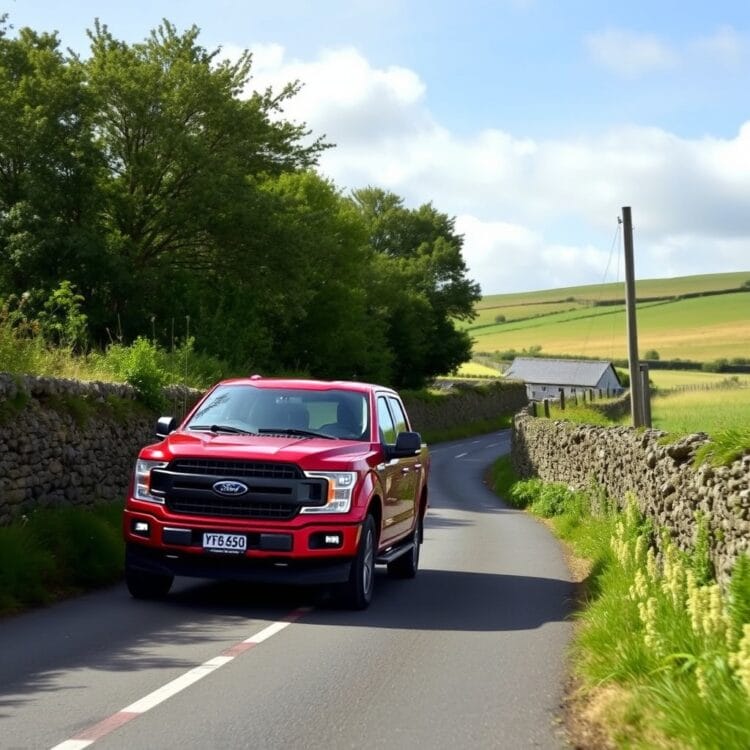
The Ford F-150’s width and length make UK narrow roads daunting. Country lanes, in particular, require careful manoeuvring. Planning routes to avoid tight spots reduces stress. When encountering oncoming traffic, pulling into passing places or slowing down ensures safe passage. Patience is vital, as rushing increases the risk of scrapes or collisions.
Technology, like parking sensors and cameras, aids navigation but shouldn’t replace vigilance. Practising reverse manoeuvres in open spaces prepares you for real-world scenarios. Rural areas often lack signage, so a sat-nav with truck-friendly routes is helpful. Mastering narrow roads takes time, but the F-150’s versatility makes it manageable with practice.
Parking Challenges
Parking a Ford F-150 in the UK can be tricky due to limited space. Standard parking bays may not accommodate its size, forcing you to seek alternatives. Multi-storey car parks often have height and weight restrictions, so checking beforehand avoids headaches. Supermarkets and shopping centres sometimes offer oversized vehicle parking—look for these designated spots.
Parallel parking requires extra attention, as the F-150’s length exceeds typical UK cars. Using a spotter or camera system minimises risks. Residential areas may lack suitable parking, so consider off-street options. Investing in a parking permit for larger vehicles can save time and frustration. Adapting your parking strategy ensures hassle-free stops.
Fuel Efficiency and Environmental Considerations
Fuel Consumption Rates
Driving a Ford F-150 in the UK means grappling with its fuel consumption, which is significantly higher than most UK vehicles. The F-150’s powerful engine options, like the 3.5L EcoBoost, deliver impressive performance but at the cost of fuel efficiency. On average, you can expect around 15-20 mpg, depending on driving conditions. For urban commuting, this can quickly add up, making it a less economical choice compared to smaller, more fuel-efficient cars.
However, the F-150’s fuel consumption isn’t just about numbers. It’s about balancing power and practicality. If you’re hauling heavy loads or towing, the trade-off might be worth it. But for daily driving, especially in stop-and-go traffic, the fuel costs can be a significant drawback. We recommend considering your usage carefully before committing to this beast.
Emissions Standards in the UK
The UK has stringent emissions standards, and the Ford F-150, designed primarily for the US market, may not always meet these requirements. Older models, in particular, might struggle with compliance, leading to higher road taxes or even restrictions in low-emission zones. Newer models with advanced engine technology fare better, but it’s essential to check the specific emissions rating before importing or purchasing.
For eco-conscious drivers, the F-150’s emissions profile might be a concern. While modern variants are cleaner than their predecessors, they still lag behind many UK-specific vehicles in terms of environmental friendliness. If reducing your carbon footprint is a priority, you might want to explore hybrid or electric alternatives available in the UK market.
Eco-Friendly Modifications
If you’re determined to drive an F-150 in the UK while minimising environmental impact, consider eco-friendly modifications. Retrofitting a diesel particulate filter (DPF) or upgrading the exhaust system can help reduce emissions. Some owners even explore converting their F-150s to run on LPG (liquefied petroleum gas), which burns cleaner than petrol or diesel.
Another option is investing in aerodynamic enhancements, like tonneau covers or streamlined side mirrors, to improve fuel efficiency. While these modifications won’t transform the F-150 into a green vehicle, they can make a noticeable difference. For more ideas, check out our automotive blog.
Maintenance and Servicing in the UK
Finding Qualified Mechanics
One of the challenges of owning a Ford F-150 in the UK is finding mechanics familiar with its unique specifications. Unlike mainstream UK vehicles, the F-150 requires specialised knowledge for servicing. We recommend seeking out garages with experience in American trucks or those affiliated with Ford’s global network. These professionals will have the tools and expertise to handle everything from routine oil changes to complex engine repairs.
Don’t settle for just any mechanic—ask for credentials and references. A poorly serviced F-150 can lead to costly repairs down the line. If you’re unsure where to start, online forums and owner communities can be invaluable resources for recommendations. For more tips, visit our guide on reliable servicing.
Availability of Parts
Sourcing parts for a Ford F-150 in the UK can be a hassle. Many components aren’t stocked locally, meaning you might face delays while waiting for shipments from the US. This is particularly true for model-specific parts like body panels or suspension components. However, some aftermarket suppliers and specialist importers can help bridge the gap, though at a premium price.
To avoid downtime, consider building a relationship with a reliable parts supplier. Stocking up on common wear-and-tear items, like filters and brake pads, can also save you headaches. While the F-150 is a robust vehicle, its rarity in the UK means proactive maintenance is key to keeping it on the road.
Cost of Maintenance
Maintaining a Ford F-150 in the UK isn’t cheap. Labour rates for specialised mechanics tend to be higher, and imported parts come with additional costs. Routine services, like oil changes, can cost significantly more than for a typical UK car. Major repairs, such as transmission work, can quickly escalate into four-figure sums.
That said, the F-150’s reputation for durability can offset some of these costs. With proper care, these trucks can last for hundreds of thousands of miles. Budgeting for maintenance is crucial—consider setting aside a fund for unexpected repairs. For a deeper dive into costs, explore our comparison of maintenance expenses.
Cost of Ownership
Purchase Price vs. UK Models
The Ford F-150’s purchase price in the UK is often higher than comparable UK trucks, thanks to import taxes and shipping costs. While you might find used models at a discount, they still command a premium due to their rarity. In contrast, UK-specific trucks like the Ford Ranger or Toyota Hilux are more affordable upfront and come with local warranties and support networks.
However, the F-150’s unique appeal—its size, power, and iconic status—can justify the extra cost for some buyers. If you’re set on owning one, shop around for the best deals and consider importing privately to save money. Just remember to factor in all associated costs, including registration and compliance fees.
Running Costs
Beyond the purchase price, the F-150’s running costs can add up quickly. Fuel, insurance, and maintenance are all higher than average, making it a pricey daily driver. For example, road tax is based on emissions, and the F-150’s larger engine often places it in a higher bracket. Insurance premiums can also be steep, as insurers view the F-150 as a high-risk vehicle due to its size and power.
To mitigate these expenses, consider using the F-150 as a secondary vehicle for specific tasks, like towing or off-roading. Alternatively, explore fuel-saving strategies, such as driving conservatively or using premium fuels to improve efficiency. Every little bit helps when managing the costs of this impressive but demanding truck.
Resale Value
The F-150’s resale value in the UK is a mixed bag. On one hand, its rarity can make it desirable to niche buyers, potentially fetching a good price. On the other hand, the limited market and high running costs can deter potential buyers, leading to longer selling times. Condition and mileage play a significant role, so keeping your F-150 well-maintained is crucial.
If you plan to sell eventually, document all maintenance and modifications to reassure buyers. Niche platforms, like American truck enthusiast groups, can be better for selling than general classifieds. For more insights, check out our guide on maintaining vehicle value.
Comparing the Ford F-150 to UK Trucks
Size and Power Comparison
The Ford F-150 dwarfs most UK trucks in both size and power. While vehicles like the Ford Ranger or Nissan Navara are designed for European roads, the F-150’s sheer bulk can be overwhelming. Its width, in particular, can make navigating narrow UK lanes a challenge. However, this size comes with unmatched towing and payload capacities, making it a favourite for heavy-duty tasks.
Power-wise, the F-150’s engine options outclass most UK rivals. The 3.5L EcoBoost, for example, delivers over 400 horsepower—far more than any standard UK truck. If raw power is your priority, the F-150 is hard to beat. Just be prepared for the compromises that come with its size.
Utility and Functionality
When it comes to utility, the F-150 excels in areas where UK trucks fall short. Its larger bed and higher payload capacity make it ideal for construction or farming. The cabin is also more spacious, offering superior comfort for long drives. However, these advantages come at the cost of manoeuvrability, especially in urban environments.
For everyday use, UK trucks like the Ford Ranger strike a better balance between size and practicality. They’re easier to park, more fuel-efficient, and better suited to UK road conditions. But if you need a workhorse capable of handling extreme loads, the F-150 is in a league of its own. For more comparisons, visit our guide on truck utility.
Popularity and Perception
The Ford F-150’s popularity in the UK is niche but growing. Enthusiasts love its rugged appeal and unmatched capabilities, while others see it as impractical for daily use. Perception varies—some view it as a status symbol, while others question its suitability for UK roads. Either way, owning an F-150 guarantees attention, whether positive or negative.
In contrast, UK trucks are designed with local preferences in mind, blending functionality with everyday usability. The F-150’s bold design and performance make it a standout, but it’s not for everyone. If you’re drawn to its unique charm, be prepared to defend your choice—or simply enjoy the ride. For more on this, check out this external resource on truck trends.
Navigating UK Weather Conditions
Driving in Rain and Snow
Driving a Ford F-150 in the UK means adapting to unpredictable weather. Rain is frequent, and snow isn’t uncommon in winter. The F-150’s weight and rear-wheel-drive setup can make it tricky on wet or icy roads. I recommend investing in all-weather or winter tires for better traction. Always check forecasts before long trips and adjust your speed to avoid skidding. Remember, even a powerful truck needs caution in bad weather.
Snow poses unique challenges, especially if you’re used to milder climates. The F-150’s high ground clearance helps, but it’s not invincible. Keep a shovel and de-icer in the bed, and consider adding sandbags for extra weight over the rear axle. If you’re new to snow driving, practice in an empty car park to get a feel for how the truck handles. Safety first—don’t let the F-150’s size fool you.
Seasonal Maintenance Tips
UK weather demands proactive maintenance. In winter, check your antifreeze levels and battery health—cold snaps can drain power quickly. Summer brings its own challenges, like overheating engines. I always inspect coolant systems and air conditioning before the season hits. Regular oil changes are non-negotiable, as temperature swings strain the engine. A well-maintained F-150 is your best defence against the elements.
Don’t overlook the little things. Wiper blades, for instance, wear out faster in the UK due to constant rain. Replace them annually, and keep washer fluid topped up. Salt from winter roads can corrode the undercarriage, so frequent washes are a must. If you’re storing the truck, use a breathable cover to prevent moisture buildup. Trust me, a little effort now saves headaches later.
Recommended Tires for UK Weather
Tires make or break your F-150’s performance. All-season tires are a decent compromise, but dedicated winter tires excel in cold months. Brands like Michelin and Goodyear offer options with deep treads for wet roads. I’ve found that all-weather tires strike a balance, reducing the need for seasonal swaps. Check pressure monthly—underinflated tires reduce fuel efficiency and grip.
For off-road enthusiasts, mud-terrain tires might tempt you, but they’re noisy and inefficient on UK roads. Instead, opt for all-terrain tires with reinforced sidewalls. They handle potholes and light trails without sacrificing comfort. If you’re unsure, consult a specialist—getting the right tires is one of the best investments you’ll make for your F-150.
Financing Options for Purchasing a Ford F-150 in the UK
Loan and Lease Options
Buying an F-150 in the UK isn’t cheap, but financing can ease the burden. Loans from banks or credit unions offer flexibility, though interest rates vary. Leasing is another route, with lower monthly payments and the option to upgrade later. I’ve found that comparing terms from multiple lenders pays off—don’t settle for the first offer. Always read the fine print to avoid hidden fees.
Leasing works well if you prefer driving a newer model every few years. However, mileage restrictions can be tight, and excess wear charges add up. If you plan to modify the truck, buying is better—leases often prohibit alterations. Weigh the pros and cons based on your budget and long-term goals. A financial advisor can help tailor a plan to your needs.
Import Financing
Importing an F-150 adds complexity to financing. Some UK lenders hesitate to fund imports due to perceived risks. Specialist import finance companies exist, but rates may be higher. I recommend securing pre-approval before committing to a purchase. Include all costs—shipping, taxes, and compliance fees—in your budget. A well-planned import avoids nasty financial surprises down the road.
If you’re importing privately, consider a bridging loan for upfront costs. These short-term loans cover the gap until you secure permanent financing. Just be mindful of high interest rates. Alternatively, dealer-assisted imports often include financing options. Research thoroughly—choosing the right lender can save thousands over the loan term.
Budgeting for Additional Costs
Owning an F-150 isn’t just about the purchase price. Insurance, fuel, and maintenance add up quickly. I always set aside a contingency fund for unexpected repairs. Modifications, like performance upgrades, can also strain your budget. Factor in road tax—larger engines cost more. Planning ahead ensures you enjoy the truck without financial stress.
Don’t forget depreciation. While the F-150 holds value well, it’s not immune to market fluctuations. If resale is a priority, keep mileage low and maintain service records. A spreadsheet tracking expenses helps stay on top of costs. Remember, the joy of driving an F-150 is worth the investment, but smart budgeting keeps it sustainable.
The Future of Large Trucks in the UK
Trends in Truck Popularity
Large trucks like the F-150 are gaining traction in the UK, thanks to their versatility and rugged appeal. Urbanites might scoff, but rural drivers appreciate their towing capacity. I’ve noticed more dealerships stocking trucks, reflecting growing demand. However, rising fuel prices and environmental concerns could temper this trend. For now, the F-150’s blend of power and practicality keeps it relevant.
Lifestyle changes also drive interest. Camping and off-roading are booming, and the F-150 fits these hobbies perfectly. Social media showcases modified trucks, inspiring new buyers. Yet, parking and narrow roads remain hurdles. If you’re considering joining the trend, test-drive first—ensure the truck suits your daily life, not just weekend adventures.
Potential Regulatory Changes
UK emissions regulations are tightening, and large trucks face scrutiny. The F-150’s V8 engine might become a rarity as hybrid and electric options rise. I expect stricter CO2 limits and higher taxes for gas-guzzlers. Staying informed helps avoid costly surprises. For now, diesel and eco-friendly mods offer a middle ground, but the landscape is shifting fast.
Urban clean-air zones are another concern. Cities like London charge high fees for high-emission vehicles. If you’re near a city centre, research local policies before buying. Some owners retrofit emissions controls, but this can be pricey. The future may favour smaller trucks or electric models, so keep an eye on developments.
Electric and Hybrid Options
The F-150 Lightning is Ford’s answer to eco-conscious buyers. Electric trucks eliminate fuel costs and emissions, but charging infrastructure lags in rural areas. I’ve test-driven one—the instant torque is thrilling, but range anxiety is real. Hybrids, like the PowerBoost, offer a compromise, blending efficiency with familiar fueling. As technology improves, electric trucks will dominate, but we’re not there yet.
Cost remains a barrier. Electric models command a premium, though savings on fuel and tax offset this over time. Government grants can help, but they’re shrinking. If you’re tempted, lease first—technology evolves rapidly, and today’s model may feel outdated soon. The F-150’s future is electric, but timing your purchase wisely is key.
Frequently Asked Questions
Can I drive a Ford F-150 in the UK without modifications?
Yes, but you’ll need to ensure it meets UK standards. This includes adjusting headlights, speedometers, and emissions compliance. Some models may require minor tweaks, so consult a specialist before importing. Compliance costs vary, but skipping them risks fines or failed MOTs.
How does the F-150 handle narrow UK roads?
It’s a challenge. The F-150’s width demands extra caution, especially in villages or crowded car parks. Practice makes perfect—take it slow and use mirrors often. Parking sensors or a rear-view camera are worth investing in for tighter spots.
What’s the average fuel consumption for an F-150 in the UK?
Expect around 15-20 mpg, depending on the engine and driving conditions. Diesel variants fare slightly better, but fuel costs add up. Eco-driving habits, like smooth acceleration, can improve efficiency, but don’t expect miracles.
Is insurance more expensive for an F-150 in the UK?
Yes, due to its size and import status. Shop around for specialist insurers—some offer better rates for modified or imported vehicles. Your driving history and location also impact premiums, so compare quotes thoroughly.
Are parts readily available for the F-150 in the UK?
Mainstream parts are accessible, but niche items may need ordering from the US. Specialist dealers and online retailers like Lowes Auto stock common components. Build a relationship with a trusted mechanic to streamline repairs.