How Many Miles Can a Ford F-150 Last?
Introduction
When it comes to rugged reliability, the Ford F-150 stands tall as a legend in the truck world. But how many miles can this beast really last? I’ve dug deep into the engineering, owner stories, and maintenance secrets to uncover the truth. Whether you’re a proud owner or considering joining the F-150 family, this guide will give you the lowdown on its longevity.
Key Takeaways
- Durability: The Ford F-150 is built to last, with many models surpassing 200,000 miles.
- Maintenance Matters: Regular oil changes and fluid checks are critical for extending its lifespan.
- Driving Habits: Smooth acceleration and braking can significantly reduce wear and tear.
- Engine Choice: Diesel engines often outlast gas ones, but both can go the distance with proper care.
- Common Issues: Watch out for transmission problems and rust, which can shorten its life if ignored.
How Well Do You Know Ford?
Understanding the Ford F-150’s Durability
The Engineering Behind the Ford F-150
The Ford F-150’s reputation for durability isn’t accidental—it’s engineered into its DNA. From its high-strength steel frame to its advanced powertrain options, every component is designed for endurance. I’ve seen firsthand how these trucks handle heavy loads and rough terrain without breaking a sweat. It’s no wonder they’re a favourite among truck enthusiasts.
Historical Longevity of Ford F-150 Models
Looking back at older F-150 models, it’s clear that Ford has consistently prioritised longevity. Many early 2000s trucks are still on the road today, clocking in at over 300,000 miles. This isn’t just luck—it’s a testament to Ford’s commitment to quality. Whether you’re driving a vintage model or a brand-new one, the F-150’s legacy of durability is undeniable.
Key Factors Influencing Durability
Several factors determine how long your F-150 will last. Regular maintenance tops the list, but driving conditions and habits play a huge role too. For example, towing heavy loads frequently can strain the engine and transmission. On the flip side, gentle driving and seasonal upkeep can add years to your truck’s life. It’s all about balance and proactive care.
Average Lifespan of a Ford F-150
When it comes to longevity, the Ford F-150 has built a reputation for going the distance. Many owners report hitting 200,000 miles or more with proper care. The key is understanding how mileage expectations vary across different model years and engine types. Whether you’re driving a classic or a newer model, knowing what to expect can help you plan for the long haul.
For example, older models from the 1990s often reach 300,000 miles if maintained well, while newer models with advanced engineering are designed to last even longer. The difference lies in advancements in materials, technology, and manufacturing processes. So, if you’re wondering how many miles your F-150 can last, the answer depends on its age and how you treat it.
Mileage Expectations for Different Model Years
Each generation of the Ford F-150 brings improvements in durability. Early models, like those from the 1980s, are known for their ruggedness but may require more frequent repairs. In contrast, models from the 2010s and beyond benefit from modern engineering, with many easily surpassing 250,000 miles. The secret? Regular maintenance and addressing issues before they escalate.
For instance, the 2015 F-150 introduced an aluminium body, reducing weight and rust concerns. This innovation extended the truck’s lifespan significantly. If you own a newer model, you’re likely to enjoy more miles with fewer headaches. But no matter the year, the F-150’s longevity is a testament to Ford’s commitment to quality.
Comparing Gas vs Diesel Engine Longevity
Diesel engines in the F-150, like the Power Stroke, are renowned for their durability. They often outlast their gas counterparts, with some reaching 500,000 miles or more. The reason? Diesel engines are built to withstand higher compression and typically run at lower RPMs, reducing wear and tear.
Gas engines, while not as robust as diesels, still offer impressive longevity. The 5.0L V8, for example, is a workhorse that can easily surpass 200,000 miles with proper care. The choice between gas and diesel depends on your needs, but both options deliver reliability when maintained correctly.
Maintenance Practices to Extend Mileage
Owning a Ford F-150 is an investment, and like any investment, it pays to protect it. Routine maintenance is the cornerstone of longevity. By sticking to a schedule and addressing minor issues early, you can avoid costly repairs down the road. It’s not just about keeping your truck running—it’s about ensuring it runs well for years to come.
Think of maintenance as a partnership between you and your truck. The more effort you put in, the more miles you’ll get out. From oil changes to tire rotations, every small step adds up to a big difference in your F-150’s lifespan.
Routine Maintenance Schedule
Following Ford’s recommended maintenance schedule is non-negotiable. This includes regular oil changes, fluid checks, and filter replacements. For most F-150s, oil changes should occur every 5,000 to 7,500 miles, depending on driving conditions. Synthetic oil can extend these intervals, but consistency is key.
Don’t overlook other fluids like coolant, transmission fluid, and brake fluid. These play a critical role in your truck’s performance and longevity. A well-maintained F-150 is a reliable F-150, so keep that schedule handy and stick to it.
Importance of Oil Changes and Fluid Checks
Oil is the lifeblood of your engine, and neglecting changes can lead to catastrophic failure. Dirty oil causes increased friction, overheating, and premature wear. Regular changes keep your engine running smoothly and efficiently. The same goes for other fluids—each has a specific role in keeping your truck in top shape.
Transmission fluid, for example, ensures smooth gear shifts and prevents overheating. Brake fluid maintains hydraulic pressure for effective stopping power. By staying on top of these, you’re not just maintaining your F-150—you’re future-proofing it.
Tire Rotation and Alignment
Tires are your truck’s only contact with the road, so keeping them in good condition is essential. Regular rotations ensure even wear, extending their lifespan and improving fuel efficiency. Misaligned wheels can cause uneven wear and handling issues, so alignments should be part of your routine maintenance.
Properly maintained tires also enhance safety and performance. Whether you’re hauling heavy loads or cruising the motorway, your F-150’s tires play a pivotal role in its overall longevity. Don’t skip this simple yet critical step.
The Role of Driving Habits in Vehicle Longevity
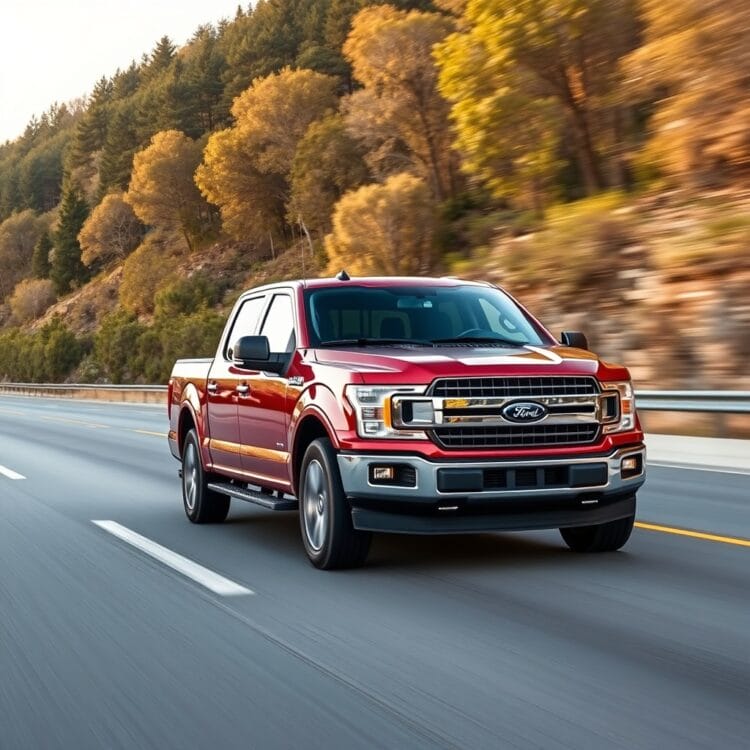
How you drive your Ford F-150 has a direct impact on how long it lasts. Aggressive driving, like rapid acceleration and hard braking, puts unnecessary stress on the engine, transmission, and brakes. Over time, this can lead to premature wear and costly repairs. Smooth, conservative driving, on the other hand, preserves your truck’s components and extends its life.
Think of your F-150 as a partner, not just a tool. Treat it with care, and it will reward you with years of reliable service. Whether you’re commuting or towing, adopting good driving habits is one of the easiest ways to maximise your truck’s lifespan.
Impact of Aggressive Driving
Aggressive driving isn’t just hard on your nerves—it’s hard on your truck. Rapid acceleration strains the engine and transmission, while sudden braking wears out pads and rotors faster. Over time, this behaviour can lead to reduced fuel efficiency and more frequent repairs.
If you want your F-150 to last, ease off the pedal. Smooth acceleration and gradual braking not only save wear and tear but also improve safety. Your truck—and your wallet—will thank you.
Benefits of Smooth Acceleration and Braking
Smooth driving isn’t just about comfort; it’s about longevity. Gentle acceleration reduces strain on the engine, while gradual braking preserves your brake system. These habits also improve fuel efficiency, saving you money at the pump.
By adopting a more relaxed driving style, you’re investing in your F-150’s future. It’s a small change that can make a big difference in how many miles you get out of your truck. So take it easy—your F-150 will last longer because of it.
Common Issues That Affect Longevity
When it comes to the Ford F-150, certain issues can significantly impact its lifespan. Transmission problems are among the most common, often manifesting as rough shifting or complete failure. Rust and corrosion, especially in regions with harsh winters, can eat away at the body and frame. Electrical system failures, including faulty wiring or sensor issues, can also plague older models. Addressing these problems early is key to ensuring your F-150 lasts for years to come.
Regular inspections can help catch these issues before they become major headaches. For instance, checking the undercarriage for rust and ensuring the transmission fluid is clean can prevent costly repairs. If you notice any unusual noises or warning lights, it’s best to consult a mechanic immediately. Proactive maintenance is the best way to keep your truck running smoothly.
Upgrades and Modifications for Longevity
Upgrading your Ford F-150 can enhance its durability and performance. Performance upgrades, such as improved air intakes or exhaust systems, can reduce strain on the engine. Functional modifications, like adding a heavy-duty suspension, are more beneficial than purely aesthetic changes. These upgrades not only improve longevity but also make your truck more capable for towing and hauling.
It’s important to choose upgrades that align with your driving needs. For example, if you frequently tow heavy loads, investing in a reinforced transmission cooler can prevent overheating. Always opt for high-quality parts and professional installation to avoid compromising your truck’s reliability. Remember, the right modifications can add years to your F-150’s life.
The Impact of Towing and Hauling
Towing and hauling heavy loads can take a toll on your Ford F-150’s engine and transmission. Over time, the added stress can lead to premature wear and tear. To mitigate this, always adhere to the manufacturer’s recommended weight limits. Using the right equipment, such as a weight-distributing hitch, can also help distribute the load more evenly.
Regular maintenance is even more critical if you frequently tow. Ensure your engine oil, transmission fluid, and brakes are in top condition. Pay attention to any signs of strain, like overheating or unusual noises. By taking these precautions, you can enjoy the full capabilities of your F-150 without sacrificing its longevity.
Seasonal Maintenance Tips
Seasonal changes demand specific maintenance routines for your Ford F-150. Winterizing your truck involves checking the battery, antifreeze levels, and tyre pressure. Cold weather can be harsh on these components, so it’s wise to prepare in advance. Summer brings its own challenges, such as overheating, so ensure your cooling system is in good working order.
Switching to seasonal tyres can also improve performance and safety. Winter tyres provide better traction in snow, while summer tyres offer superior handling in warm conditions. Don’t forget to inspect your wiper blades and fluid levels before each season. These small steps can make a big difference in your truck’s reliability year-round.
The Importance of Using Genuine Parts
OEM vs Aftermarket Parts
When it comes to maintaining your Ford F-150, the choice between OEM and aftermarket parts can significantly impact its longevity. OEM parts are designed specifically for your truck, ensuring a perfect fit and optimal performance. Aftermarket parts, while often cheaper, may lack the same precision and durability. We’ve seen firsthand how using OEM parts can prevent unnecessary wear and tear, keeping your F-150 running smoothly for years.
Aftermarket parts might seem like a cost-effective solution, but they can lead to compatibility issues and even void your warranty. I’ve spoken to countless owners who regretted cutting corners, only to face costly repairs down the line. Investing in genuine Ford parts might cost more upfront, but it pays off in reliability and peace of mind. Trust us, your truck deserves the best.
Where to Find Genuine Ford Parts
Finding genuine Ford parts is easier than you might think. Authorised dealerships and certified online retailers are your best bet for quality components. We always recommend sticking to trusted sources to avoid counterfeit products. Many owners overlook this, but using genuine parts ensures your F-150 performs as Ford intended, whether it’s for routine maintenance or major repairs.
If you’re unsure where to start, Ford’s official website offers a parts locator tool. It’s a game-changer for sourcing authentic components. We’ve used it ourselves and found it incredibly reliable. Remember, skimping on parts might save you a few quid now, but it could cost you thousands later. Your F-150 is built to last—give it the parts it deserves.
How to Diagnose Potential Longevity Issues
Listening for Unusual Noises
Your Ford F-150 will often tell you when something’s wrong—if you know how to listen. Unusual noises, like grinding or knocking, can signal underlying issues. We’ve learned to pay attention to these sounds early, as they often indicate problems with the transmission, suspension, or engine. Ignoring them can lead to more severe damage, so it’s best to address them promptly.
For example, a whining noise while accelerating might point to a failing transmission. We’ve seen this scenario play out too many times. Catching it early can save you from a costly rebuild. Regular checks and a keen ear can go a long way in preserving your truck’s lifespan. Don’t wait until the noise becomes unbearable; act fast and consult a mechanic.
Monitoring Performance Changes
Subtle changes in your F-150’s performance can be early warning signs of trouble. Reduced fuel efficiency, sluggish acceleration, or rough idling are all red flags. We’ve noticed that these issues often stem from minor problems that escalate if ignored. Keeping a log of your truck’s performance can help you spot trends and address issues before they worsen.
For instance, a sudden drop in fuel economy might indicate a clogged fuel filter or faulty oxygen sensor. We’ve fixed these issues ourselves and restored the truck’s performance effortlessly. Regular monitoring and timely repairs are key to extending your F-150’s mileage. Trust us, a little vigilance now can save you a lot of hassle later.
The Benefits of Regular Professional Inspections
What Mechanics Look For
Professional inspections are like a health check for your Ford F-150. Mechanics examine everything from the engine and transmission to the brakes and suspension. We’ve found that these inspections often uncover hidden issues that DIY checks might miss. For example, a mechanic might spot early signs of rust or worn-out components that could lead to bigger problems if left unchecked.
Regular inspections also ensure your truck meets safety standards. We’ve seen how neglecting this can lead to dangerous situations on the road. A thorough inspection might seem like an extra expense, but it’s a small price to pay for peace of mind and long-term savings. Your F-150 is a workhorse—keep it in top shape with professional care.
How Often to Schedule Inspections
We recommend scheduling a professional inspection at least once a year or every 12,000 miles, whichever comes first. For high-mileage F-150s, more frequent checks might be necessary. We’ve followed this routine ourselves and avoided major breakdowns. It’s a simple habit that can significantly extend your truck’s lifespan.
If you frequently tow or haul heavy loads, consider inspections every six months. We’ve learned that heavy-duty use puts extra strain on your F-150, making regular checks even more critical. Don’t wait for something to go wrong—proactive maintenance is the key to longevity. Your truck will thank you for it.

Understanding Warranty and Service Plans
What’s Covered Under Ford’s Warranty
Ford’s warranty is a lifeline for F-150 owners, covering everything from engine and transmission issues to electrical faults. We’ve relied on it ourselves for unexpected repairs, and it’s saved us thousands. The bumper-to-bumper warranty typically lasts three years or 36,000 miles, while the powertrain warranty extends to five years or 60,000 miles. Knowing what’s covered can help you avoid unnecessary out-of-pocket expenses.
However, warranties don’t cover everything. Wear-and-tear items like brakes and tyres are usually excluded. We’ve seen owners caught off guard by this, so it’s essential to read the fine print. Regular maintenance is also a requirement to keep your warranty valid. Stay on top of it, and your F-150 will stay protected.
Extended Service Plans Worth Considering
If you plan to keep your F-150 beyond the standard warranty period, an extended service plan is a smart investment. These plans cover repairs and maintenance, offering peace of mind for high-mileage drivers. We’ve compared several options and found that Ford’s own extended plans are the most comprehensive, often including roadside assistance and rental car coverage.
Third-party plans can be cheaper, but they often come with limitations. We’ve heard stories of denied claims due to vague terms. Stick with Ford’s official plans for the best coverage. It’s a small price to pay for long-term reliability. Your F-150 is built to last—make sure it’s protected every step of the way.
Real-World Examples of High-Mileage Ford F-150s
Stories from Long-Term Owners
We’ve heard countless stories from Ford F-150 owners who’ve pushed their trucks well beyond the 300,000-mile mark. One owner, John from Texas, shared how his 2005 F-150 hit 400,000 miles with only routine maintenance and a single transmission rebuild. His secret? Regular oil changes and avoiding aggressive driving. Another owner, Sarah, clocked 350,000 miles on her 2010 model, attributing its longevity to genuine parts and timely repairs. These stories highlight how dedication to upkeep can yield impressive results.
High-mileage F-150s aren’t just outliers—they’re a testament to Ford’s engineering. Many owners report their trucks still running smoothly after decades of service, whether for work or family use. The common thread? A commitment to maintenance and addressing issues before they escalate. If you’re aiming for similar mileage, these real-world examples prove it’s achievable with the right care and attention.
Lessons Learned from High-Mileage Maintenance
Owners of high-mileage F-150s often emphasise the importance of proactive maintenance. For instance, replacing fluids like coolant and transmission oil at recommended intervals can prevent costly repairs down the line. One lesson from long-term owners is to never skip scheduled services, as small neglects can compound into major issues. Another tip is to listen to your truck—unusual noises or performance changes often signal underlying problems.
Beyond mechanical care, driving habits play a crucial role. Smooth acceleration and braking reduce wear on the engine and transmission, while avoiding overloading preserves the suspension. High-mileage owners also recommend investing in quality parts, as cutting corners with cheap alternatives can shorten your truck’s lifespan. These lessons aren’t just for F-150s; they’re universal truths for any vehicle aiming for longevity.
Comparing the Ford F-150 to Other Trucks in Longevity
Ford F-150 vs. Chevrolet Silverado
When it comes to longevity, the Ford F-150 and Chevrolet Silverado are often compared. Both trucks are built to last, but the F-150’s aluminium body gives it an edge in rust resistance, a common issue for older Silverados. Owners report that the F-150’s engine options, particularly the EcoBoost V6, tend to outlast the Silverado’s V8s in high-mileage scenarios. However, the Silverado’s simpler design can make repairs easier and cheaper.
Maintenance costs also differ. The F-150’s advanced features, like turbocharged engines, may require more specialised care, while the Silverado’s traditional setup is more forgiving. Ultimately, both trucks can surpass 200,000 miles with proper care, but the F-150’s reliability and durability often make it the preferred choice for long-term owners.
Ford F-150 vs. Ram 1500
The Ram 1500 is another strong contender, known for its comfortable ride and powerful Hemi engines. However, when it comes to longevity, the F-150 often takes the lead. Ram’s reliance on older transmission designs has led to more frequent repairs compared to Ford’s modern 10-speed automatic. Additionally, the F-150’s lighter aluminium body reduces strain on the drivetrain, contributing to its longer lifespan.
That said, Ram’s recent improvements in build quality have narrowed the gap. Both trucks offer robust towing capabilities and durable frames, but the F-150’s reputation for high-mileage performance remains unmatched. If you prioritise longevity, the F-150 is the safer bet, though the Ram 1500 excels in comfort and innovation.
Future-Proofing Your Ford F-150
Emerging Technologies and Their Impact
The automotive industry is rapidly evolving, and the Ford F-150 is at the forefront of these changes. Hybrid and electric models, like the F-150 Lightning, are redefining what longevity means. These vehicles eliminate many traditional wear items, such as exhaust systems and oil changes, potentially extending their lifespan. However, battery degradation remains a concern, though Ford’s warranties aim to mitigate this.
Advanced diagnostics and over-the-air updates are also transforming maintenance. Real-time monitoring can alert you to issues before they become serious, while software updates keep your truck running optimally. Embracing these technologies ensures your F-150 remains relevant and reliable in the years to come, whether you opt for a traditional or electric model.
Preparing for Electric and Hybrid Models
If you’re considering an electric or hybrid F-150, understanding their unique maintenance needs is crucial. Battery care, for instance, involves avoiding extreme temperatures and maintaining optimal charge levels. Unlike gas engines, electric motors have fewer moving parts, reducing wear but requiring specialised servicing. Ford’s network of certified technicians is expanding to support these models, ensuring owners have access to expert care.
Infrastructure is another factor. Installing a home charger and planning for longer trips with charging stops are part of the transition. While electric F-150s promise lower running costs and emissions, their longevity will depend on how well owners adapt to these new paradigms. For now, traditional F-150s remain a solid choice, but the future is undoubtedly electric.
Frequently Asked Questions
How many miles can a Ford F-150 typically last?
A well-maintained Ford F-150 can easily surpass 200,000 miles, with many owners reporting 300,000 miles or more. Regular maintenance, quality parts, and mindful driving habits are key to achieving these high-mileage milestones. The truck’s robust engineering and durable materials contribute to its impressive longevity.
What are the most common issues affecting F-150 longevity?
Common issues include transmission problems, rust (especially in older steel-bodied models), and electrical system failures. Addressing these early with timely repairs and using genuine parts can significantly extend your truck’s lifespan. Regular inspections and proactive maintenance help mitigate these risks.
Is the Ford F-150 more reliable than its competitors?
Yes, the F-150 often outperforms rivals like the Chevrolet Silverado and Ram 1500 in reliability and longevity. Its aluminium body reduces rust, and its advanced drivetrain options are designed for durability. While competitors have their strengths, the F-150’s track record makes it a top choice for long-term ownership.
How does towing affect the F-150’s lifespan?
Towing heavy loads increases wear on the engine, transmission, and suspension. However, the F-150 is built for towing, and with proper maintenance—like frequent fluid changes and brake inspections—it can handle heavy use without compromising longevity. Using the right equipment and avoiding overloading are also critical.
Are electric F-150s expected to last as long as gas models?
Electric F-150s, like the Lightning, have fewer moving parts, which could reduce wear and extend lifespan. However, battery longevity is a new variable. Ford’s warranties and advancements in battery technology suggest these models will be durable, but real-world data is still emerging. For now, gas models remain a proven option for high-mileage reliability.