Introduction to Second-Hand Cars
When it comes to buying a car, the allure of a brand-new model is undeniable. But let’s be honest—new cars come with a hefty price tag and a rapid depreciation rate. That’s where second-hand cars come into play. I’ve spent years navigating the used car market, and I can tell you that with the right approach, you can snag a reliable vehicle without breaking the bank. It’s all about knowing what to look for and where to look.
The second-hand car market is vast, offering everything from budget-friendly runabouts to luxury vehicles at a fraction of their original cost. But it’s not without its pitfalls. Misconceptions about reliability, hidden faults, and dodgy sellers can make the process daunting. That’s why I’m here to guide you through it. Whether you’re a first-time buyer or a seasoned pro, understanding the market is the first step to making a smart purchase.
Key Takeaways
- Second-hand cars offer significant savings compared to new models, but require careful evaluation.
- Reliability varies widely; factors like mileage, maintenance history, and brand reputation are critical.
- Common misconceptions, such as “all used cars are unreliable can be debunked with proper research.
- Japanese and German brands often lead the pack in reliability, but individual models matter more than the badge.
- A thorough pre-purchase inspection and test drive are non-negotiable for ensuring a car’s condition.
Test Your General Automotive Knowledge!
Understanding the Second-Hand Car Market
The second-hand car market is a dynamic ecosystem, influenced by factors like economic conditions, fuel prices, and consumer trends. I’ve seen cars that were once considered “unreliable” become sought-after gems, and vice versa. The key is to stay informed. For instance, comparing models like the Corsa VXR and Astra VXR can reveal surprising insights about performance and longevity.
Another aspect to consider is the source of the car. Dealerships often offer certified pre-owned programs, while private sellers might provide lower prices but less assurance. Each has its pros and cons, and your choice should align with your priorities—whether it’s peace of mind or cost savings.
Benefits of Buying a Second-Hand Car
One of the biggest advantages of buying used is the reduced depreciation. A new car can lose up to 20% of its value in the first year, while a well-maintained used car holds its value better. Plus, you can often afford a higher-spec model for the same budget. For example, a Vauxhall Corsa VXR might be within reach if you opt for a used version.
Insurance costs are another perk. Older cars typically come with lower premiums, especially if they lack the latest tech features. And let’s not forget the environmental benefit—extending a car’s lifespan reduces the demand for new manufacturing, which is a win for sustainability.
Common Misconceptions About Second-Hand Cars
Many people assume that used cars are inherently unreliable, but that’s far from the truth. A well-maintained used car can be just as dependable as a new one, if not more so. The trick is to focus on the car’s history and condition, not just its age. Regular servicing and careful ownership can keep a car running smoothly for decades.
Another myth is that all used cars are “bargains.” While there are great deals to be had, some sellers overprice their vehicles, especially if they’re popular models. Always cross-check prices and don’t be afraid to negotiate. Remember, knowledge is power in the used car market.
Factors Determining Reliability in Second-Hand Cars
Mileage and Age
When it comes to second-hand cars, mileage and age are two of the most critical factors influencing reliability. A car with lower mileage generally means less wear and tear, but age can also play a role in component degradation. For example, a 5-year-old car with 50,000 miles might be more reliable than a 10-year-old car with the same mileage. It’s all about balance.
We often hear the phrase “low mileage, high reliability,” but it’s not always that simple. A car that’s been driven sparingly might have issues from sitting idle too long. Regular use keeps components lubricated and functioning. So, while mileage matters, it’s just one piece of the puzzle. Always check the service history to get the full picture.
Maintenance History
A well-maintained car is a reliable car, plain and simple. The maintenance history tells you how often the car has been serviced, what repairs have been done, and whether it’s been looked after properly. A car with a full service history from a reputable garage is worth its weight in gold.
If the seller can’t provide a maintenance record, proceed with caution. Lack of documentation often means corners were cut. For peace of mind, consider getting a pre-purchase inspection. It’s a small investment that could save you from a money pit.
Brand Reputation
Some brands are synonymous with reliability, while others… well, let’s just say they’re not. Japanese brands like Toyota and Honda are renowned for their longevity, while German brands like BMW and Mercedes offer performance but may come with higher maintenance costs. Research is key here.
Don’t just take our word for it—look at reliability surveys and owner reviews. A brand’s reputation isn’t just about the name; it’s about how their cars hold up over time. Choose wisely, and you’ll thank yourself later.
Top Reliable Second-Hand Car Brands
Japanese Brands
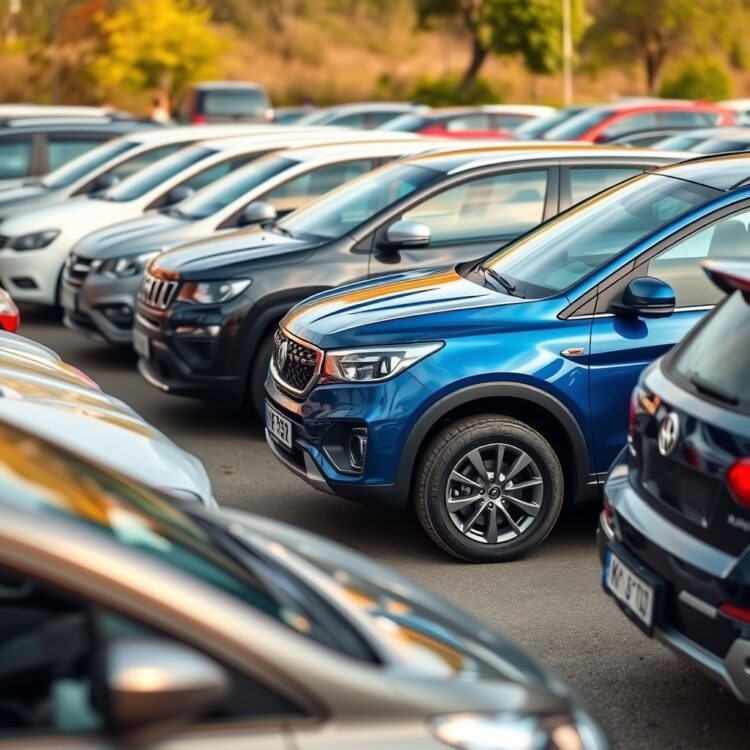
Japanese cars are the gold standard for reliability. Brands like Toyota, Honda, and Mazda consistently top reliability charts thanks to their robust engineering and high-quality materials. These cars are built to last, often clocking well over 100,000 miles with minimal issues.
Take the Toyota Corolla, for example. It’s a global bestseller for a reason. Whether you’re looking for a compact car or an SUV, Japanese brands offer something for everyone. And with their reputation for reliability, you’re almost guaranteed a stress-free ownership experience.
German Brands
German cars are known for their precision engineering and performance, but reliability can be a mixed bag. Brands like Volkswagen and Audi offer solid options, but maintenance costs can be higher than their Japanese counterparts. However, if you’re willing to invest in upkeep, they can be incredibly rewarding.
BMW and Mercedes-Benz, while luxurious, often come with more complex systems that can be costly to repair. If you’re considering a German car, make sure it has a comprehensive service history and be prepared for higher running costs.
Korean Brands
Korean brands like Hyundai and Kia have made huge strides in reliability over the past decade. They offer excellent value for money, with long warranties and modern features. These cars are perfect for buyers who want reliability without breaking the bank.
Models like the Hyundai Tucson and Kia Sportage are great examples of Korean reliability. They’re packed with tech, fuel-efficient, and built to last. Plus, their warranties often transfer to second-hand buyers, giving you extra peace of mind.
Best Second-Hand Cars for Reliability
Compact Cars
Compact cars are ideal for city driving and offer excellent fuel efficiency. The Vauxhall Corsa and Ford Fiesta are standout choices, known for their reliability and low running costs. These cars are easy to maintain and hold their value well, making them perfect for first-time buyers.
Japanese options like the Honda Jazz and Toyota Yaris are also worth considering. They’re incredibly dependable and come with a reputation for longevity. Whether you’re commuting or running errands, a reliable compact car is a smart choice.
SUVs
SUVs are popular for their versatility and space, and some models are incredibly reliable. The Toyota RAV4 and Honda CR-V are top picks, offering durability and comfort in equal measure. These cars are built to handle everything from school runs to weekend adventures.
If you’re after something more affordable, the Kia Sportage is another excellent option. It’s packed with features and comes with a generous warranty. SUVs might cost more to run than compact cars, but their reliability makes them a sound investment.
Sedans
Sedans offer a balance of comfort, space, and reliability. The Toyota Camry and Honda Accord are legendary for their dependability, often lasting well over 200,000 miles with proper care. These cars are perfect for families or anyone who values a smooth ride.
For those who prefer European brands, the Volkswagen Passat is a solid choice. It’s well-built, efficient, and offers a premium driving experience. Whatever your needs, there’s a reliable sedan out there for you.
How to Check a Second-Hand Car’s Reliability
Pre-Purchase Inspection
When buying a second-hand car, a pre-purchase inspection is non-negotiable. I always recommend hiring a qualified mechanic to scrutinise the vehicle’s condition. They’ll check for hidden issues like rust, engine wear, or faulty electronics. A thorough inspection can save you from costly repairs down the line. Trust me, it’s worth every penny. If you’re unsure where to start, our automotive blog has plenty of tips.
Don’t skip this step, even if the car looks pristine. A shiny exterior can hide a multitude of sins. The mechanic will test drive the car, inspect the undercarriage, and even run diagnostics. It’s like a health check-up for your potential new ride. We’ve all heard horror stories of buyers who skipped this and regretted it later.
Checking Service Records
Service records are the car’s medical history. I always ask for them before making a purchase. They reveal how well the previous owner maintained the vehicle. Look for regular oil changes, brake inspections, and other routine services. A well-documented history is a green flag. If the seller can’t provide records, proceed with caution.
Missing records aren’t always a deal-breaker, but they’re a red flag. You might need to dig deeper or negotiate the price. Some sellers keep digital records, so ask for those too. A car with a full service history is like a well-kept secret—it’s gold. For more insights, check out our guide on Corsa VXR reliability.
Test Driving Tips
A test drive is your chance to feel how the car performs. I always take my time, testing acceleration, braking, and steering responsiveness. Listen for unusual noises—rattles or knocks can indicate problems. Pay attention to how the car handles bumps and corners. If something feels off, trust your gut and walk away.
Don’t rush the test drive. Try different road conditions and speeds. Test the air conditioning, lights, and other features. It’s also a good idea to check the car’s alignment by driving hands-free for a short distance. A reliable car should feel solid and predictable. For more tips, Auto Trader offers a great checklist.
The Role of Vehicle History Reports
What is a Vehicle History Report?
A vehicle history report is like a background check for a car. It reveals accidents, mileage discrepancies, and even theft records. I always insist on one before buying. Services like HPI or AutoCheck provide detailed reports. They’re a small investment for peace of mind. Knowing the car’s past can help you avoid future headaches.
These reports also show if the car has outstanding finance or has been written off. It’s a legal safeguard. Imagine buying a car only to find out it’s still under a loan—nightmare! A clean report doesn’t guarantee perfection, but it’s a solid starting point. For more on this, our comparison guide dives deeper.
How to Obtain a Vehicle History Report
Getting a report is straightforward. You’ll need the car’s registration number and VIN. Many online services offer instant reports for a fee. I prefer using reputable providers to ensure accuracy. Some dealerships provide free reports, but always verify the details yourself. It’s a small step that can save you big trouble.
If the seller refuses to share the VIN, that’s a red flag. A genuine seller won’t hesitate. Cross-check the report details with the car’s physical condition. Discrepancies in mileage or accident history are warning signs. Always double-check—it’s better to be safe than sorry.
Interpreting the Report
Reading the report can be overwhelming, but focus on key sections. Look for accident history, mileage accuracy, and service records. I pay special attention to any “total loss” or “salvage” titles—these cars are risky. A car with multiple owners in a short time might also be a red flag. Take your time to understand every detail.
If the report shows minor issues, weigh them against the price. A small accident might not be a deal-breaker if the car was properly repaired. But major damage? Walk away. Remember, a report is a tool, not a verdict. Use it to make an informed decision.
Understanding Warranty and Guarantees
Manufacturer’s Warranty on Used Cars
Many second-hand cars still have a manufacturer’s warranty. I always check the remaining coverage. It can save you thousands on repairs. Warranties typically cover major components like the engine and transmission. Some even include roadside assistance. It’s a huge plus if the car is still under warranty.
Not all warranties are transferable, so verify this with the seller. Also, check for any exclusions or conditions. For example, some warranties require servicing at authorised centres. Missing a service can void the coverage. It’s worth reading the fine print to avoid surprises.
Extended Warranty Options
If the manufacturer’s warranty has expired, consider an extended warranty. I’ve found them useful for older cars. They cover repairs beyond the standard warranty period. Shop around for the best deals and read reviews. Not all extended warranties are created equal—some have hidden exclusions.
Look for policies that offer comprehensive coverage. Avoid cheap, bare-bones plans that exclude major components. A good warranty gives you peace of mind and protects your investment. It’s like an insurance policy for your car’s health.
What’s Typically Covered
Warranties usually cover mechanical and electrical failures. I always check the specifics—some include wear-and-tear items like brakes, while others don’t. Understand the claim process too. Some warranties require pre-approval for repairs. Knowing what’s covered helps you budget for unexpected costs.
Exclusions often include cosmetic damage, tyres, and routine maintenance. Don’t assume everything is covered. Ask for a copy of the warranty terms and keep it handy. It’s your safety net, so make sure you know how to use it.

The Importance of a Good Dealer
Certified Pre-Owned Programs
Certified pre-owned (CPO) programs are a gold standard for second-hand cars. I love them because they offer rigorously inspected vehicles with extended warranties. Dealers refurbish the cars to near-new condition. It’s a premium option, but the peace of mind is worth it. CPO cars often come with roadside assistance and other perks.
Not all CPO programs are equal, so compare offerings. Some include free servicing for a year, while others focus on warranty coverage. It’s a great way to buy a reliable car without the new-car price tag. For more on this, our article on Corsa VXR has insights.
Private Sellers vs. Dealerships
Choosing between a private seller and a dealership depends on your priorities. I’ve bought from both, and each has pros and cons. Private sellers often offer lower prices, but you get no guarantees. Dealerships might cost more, but they provide warranties and after-sales support. It’s a trade-off between cost and security.
If you’re not mechanically savvy, a dealership is safer. They’re also more likely to offer financing options. Private sellers can be great if you know what to look for. Either way, do your homework. A good deal is about more than just the price.
Red Flags to Watch Out For
Beware of sellers who pressure you or avoid questions. I always walk away if something feels off. Other red flags include no service history, vague answers, or a too-good-to-be-true price. Trust your instincts—if it smells fishy, it probably is. A reliable seller will be transparent and patient.
Inspect the car in daylight and avoid cash-only deals. Scammers love shortcuts. A legitimate seller will welcome your due diligence. Remember, buying a car is a big decision. Take your time and don’t settle for less than you deserve.
Financing a Reliable Second-Hand Car
When it comes to financing a second-hand car, there are several options to consider. Personal loans, hire purchase agreements, and dealer finance are the most common routes. Each has its pros and cons, so it’s essential to weigh them carefully. For instance, dealer finance might offer convenience, but personal loans often come with lower interest rates. Always compare terms and conditions before committing.
Interest rates and loan terms can vary significantly depending on your credit score and the lender. A higher credit score usually translates to better rates, so it’s worth checking your credit report beforehand. Additionally, consider the loan term—shorter terms mean higher monthly payments but less interest overall. Don’t forget to factor in additional costs like insurance and maintenance when budgeting.
Loan Options for Used Cars
Personal loans are a flexible option, allowing you to buy from private sellers or dealerships. They’re unsecured, meaning you don’t risk losing the car if you default. Hire purchase agreements, on the other hand, are secured against the vehicle, often making them easier to obtain. However, you won’t own the car until the final payment is made. Dealer finance can be convenient but may come with higher interest rates.
Another option is a PCP (Personal Contract Purchase), which offers lower monthly payments but requires a balloon payment at the end if you want to own the car. This can be a good choice if you like to change cars frequently. Always read the fine print and understand the total cost before signing any agreement.
Interest Rates and Terms
Interest rates for used car loans are typically higher than for new cars, reflecting the higher risk to lenders. However, shopping around can help you find competitive rates. Online comparison tools are invaluable here. Also, consider the loan term—while longer terms reduce monthly payments, they increase the total interest paid. Aim for the shortest term you can comfortably afford to minimise costs.
Your credit score plays a crucial role in determining the interest rate you’ll be offered. If your score isn’t great, consider improving it before applying for a loan. Paying down existing debt and ensuring your credit report is error-free can make a big difference. Remember, even a small reduction in the interest rate can save you hundreds over the life of the loan.
Tips for Getting the Best Deal
Negotiation is key when financing a used car. Don’t accept the first offer—shop around and use competing quotes as leverage. Dealers often have wiggle room on interest rates and terms. Also, consider putting down a larger deposit if possible. This reduces the loan amount and can secure a better rate. Always ask about early repayment penalties, as these can limit your flexibility.
Finally, don’t overlook the value of a pre-purchase inspection. It might seem like an extra cost, but it can save you from expensive repairs down the line. A well-maintained car is not only more reliable but also easier to finance, as lenders view it as a lower risk. Take your time, do your research, and don’t rush into a decision.
Insurance Considerations for Second-Hand Cars
Insurance is a critical factor when buying a second-hand car. The type of coverage you choose can significantly impact your premiums and protection. Comprehensive insurance offers the most coverage but is also the most expensive. Third-party, fire, and theft is a middle-ground option, while third-party-only is the cheapest but offers minimal protection.
Several factors affect insurance rates, including the car’s age, mileage, and your driving history. High-performance or modified cars often attract higher premiums. Additionally, where you live can influence costs—urban areas with higher crime rates typically have higher insurance costs. Always compare quotes from multiple providers to find the best deal.
Types of Insurance Coverage
Comprehensive insurance covers damage to your car, other vehicles, and property, as well as theft and fire. It’s the most extensive option and is often recommended for newer or more valuable used cars. Third-party, fire, and theft covers damage to others and your car in case of fire or theft but not accidental damage. Third-party-only is the bare minimum required by law and covers damage to others only.
Some insurers offer additional benefits like breakdown cover or legal protection, which can be worth considering. Always read the policy details to understand what’s included and any exclusions. For example, some policies may not cover modifications or drivers under a certain age. Tailoring your policy to your needs can save money without compromising on essential coverage.
Factors Affecting Insurance Rates
Your age, driving experience, and claims history are major factors in determining your premium. Younger drivers or those with less experience typically pay more. The car’s make and model also play a role—sports cars or models with high repair costs attract higher premiums. Mileage is another consideration; lower annual mileage can reduce your premium, as it suggests less risk.
Where you park your car overnight can also affect your insurance costs. A secure garage is ideal, but if that’s not possible, a driveway is better than street parking. Some insurers offer discounts for security features like alarms or trackers. It’s worth asking about these when getting quotes. Remember, honesty is crucial—failing to disclose relevant information can invalidate your policy.
How to Save on Insurance
Increasing your voluntary excess can lower your premium, but make sure it’s an amount you can afford to pay if you need to claim. Bundling your car insurance with other policies, like home insurance, can also lead to discounts. Paying annually instead of monthly avoids interest charges, saving you money in the long run. Additionally, some insurers offer discounts for advanced driving courses or low-mileage drivers.
Finally, consider using a price comparison website to find the best deal. These tools allow you to compare multiple providers quickly and easily. However, don’t just focus on price—check reviews and customer service ratings to ensure you’re choosing a reputable insurer. A little research can go a long way in securing affordable, reliable coverage.

How to Maintain Your Second-Hand Car
Regular maintenance is the key to keeping your second-hand car reliable and extending its lifespan. A well-maintained car not only runs better but also retains more of its value. Start by following the manufacturer’s recommended service schedule. This includes oil changes, filter replacements, and brake checks. Skipping these can lead to costly repairs down the line.
DIY maintenance can save money, but it’s important to know your limits. Simple tasks like checking tyre pressure, topping up fluids, and replacing wiper blades are easy to do at home. However, more complex jobs, like brake repairs or engine diagnostics, are best left to professionals. Investing in a good-quality workshop manual can help you tackle intermediate tasks confidently.
Regular Maintenance Schedule
Stick to the service intervals outlined in your car’s manual. These are designed to keep all components in optimal condition. Regular oil changes are crucial—dirty oil can cause engine damage over time. Also, pay attention to the timing belt; if it snaps, it can cause severe engine damage. Replacing it at the recommended mileage is a small cost compared to potential repairs.
Other routine checks include inspecting the brakes, suspension, and exhaust system. Worn brake pads or a leaking exhaust can compromise safety and performance. Tyres should be checked for wear and rotated regularly to ensure even tread wear. A well-maintained car is not only safer but also more fuel-efficient, saving you money in the long run.
DIY Maintenance Tips
Basic maintenance tasks can be done at home with minimal tools. Checking and topping up engine oil, coolant, and brake fluid are straightforward and can prevent major issues. Air filters should be inspected and replaced if dirty—a clogged filter reduces engine efficiency. Battery terminals should be kept clean to ensure a reliable connection. These small tasks can make a big difference in your car’s performance.
For those willing to go a step further, changing spark plugs or replacing brake pads can be rewarding. However, always use the correct tools and follow safety precautions. If you’re unsure, consult a professional mechanic. Remember, improper repairs can void warranties or lead to costly mistakes. When in doubt, seek expert advice.
When to Seek Professional Help
Some issues require professional expertise. Strange noises, warning lights, or performance problems should never be ignored. A qualified mechanic can diagnose and fix issues before they escalate. Regular professional inspections can also catch problems early, saving you money in the long run. Don’t hesitate to invest in expert care—it’s cheaper than a major repair.
Finally, build a relationship with a trusted garage. A reliable mechanic will provide honest advice and fair pricing. Look for garages with good reviews and certifications. Regular servicing by a professional ensures your car remains in top condition, giving you peace of mind on the road. After all, a well-maintained car is a reliable car.
The Impact of Climate on Car Reliability
Cars in Cold Climates
Living in a cold climate can take a toll on your second-hand car. Freezing temperatures can cause battery issues, thicken engine oil, and even lead to rust. I always recommend checking the battery’s condition and opting for synthetic oil, which performs better in low temperatures. A well-maintained car in cold weather is less likely to let you down when you need it most.
Another thing to watch for is the undercarriage. Salt used on icy roads accelerates rust, so regular washes are a must. If you’re buying a used car from a cold region, inspect the chassis thoroughly. A little extra care can save you from costly repairs down the line.
Cars in Hot Climates
Hot climates bring their own set of challenges for second-hand cars. Overheating is a common issue, especially if the cooling system isn’t up to scratch. I always advise checking the radiator, hoses, and coolant levels before purchasing. A car that’s been driven in extreme heat might also have worn-out tyres and faded interiors.
Air conditioning is another critical factor. A faulty AC system in a hot climate isn’t just uncomfortable—it can be dangerous. Test the AC thoroughly and ask for maintenance records. A car that’s been well cared for in hot weather will serve you far better than one that hasn’t.
Rust and Corrosion Prevention
Rust is the silent killer of second-hand cars, especially in humid or coastal areas. I’ve seen cars with pristine exteriors hiding rusted frames. Always inspect the undercarriage, wheel wells, and door edges for signs of corrosion. If you’re buying from a coastal region, this step is non-negotiable.
Prevention is key. Regular waxing and undercoating can protect your car from rust. If you’re serious about longevity, consider investing in a rust-proofing treatment. A little effort now can save you from a rusty headache later.
Technology and Features to Look For
Safety Features
When buying a second-hand car, safety should be a top priority. Look for models with advanced safety features like ABS, traction control, and multiple airbags. These features might seem standard, but they can make a huge difference in an emergency. I always check the Euro NCAP rating to gauge a car’s safety performance.
Modern safety tech like lane-keeping assist and automatic emergency braking is becoming more common in used cars. If you can find a model with these features, it’s worth the extra investment. Your safety—and your passengers’—is priceless.
Fuel Efficiency Technologies
Fuel efficiency isn’t just about saving money; it’s about reducing your environmental footprint. Look for cars with start-stop systems, hybrid technology, or efficient turbocharged engines. These features can significantly cut your fuel costs over time. I’ve found that cars with these technologies often have better resale value too.
Don’t forget to check the car’s MPG (miles per gallon) rating. A small difference in MPG can add up to big savings over the years. If you’re eco-conscious, a fuel-efficient second-hand car is a smart choice.
Infotainment Systems
A good infotainment system can make your driving experience much more enjoyable. Look for models with Bluetooth, Apple CarPlay, or Android Auto. These features are becoming standard, even in older used cars. I always test the system during a test drive to ensure it works smoothly.
Upgrading an outdated infotainment system can be costly, so it’s worth finding a car with a decent setup. A well-integrated system can also add to the car’s resale value, making it a win-win.
Future Resale Value Considerations
Factors That Affect Resale Value
Not all second-hand cars hold their value equally. Brands like Toyota and Honda are known for their strong resale value, while others depreciate faster. Mileage, condition, and service history also play a huge role. I always recommend keeping detailed maintenance records to boost your car’s resale potential.
Colour and trim level matter too. Neutral colours like silver or black tend to sell better than bold ones. A higher trim level with extra features can also command a better price when it’s time to sell.
How to Maximize Your Car’s Resale Value
Regular maintenance is the best way to preserve your car’s value. Stick to the service schedule and address minor issues before they become major problems. I’ve seen well-maintained cars sell for significantly more than neglected ones.
Keeping the interior and exterior clean also helps. A car that looks and smells good is more appealing to buyers. Small investments like seat covers or paint protection can pay off when it’s time to sell.
When to Consider Selling
Timing your sale can make a big difference in the price you get. Selling before the car hits a major mileage milestone (like 100,000 miles) can help. I also recommend selling in spring or summer when demand is higher.
If your car starts needing frequent repairs, it might be time to let it go. Holding onto a money pit rarely pays off. Trust me, I’ve learned this the hard way.
Frequently Asked Questions
What is the most reliable second-hand car brand?
Japanese brands like Toyota and Honda are often the most reliable, thanks to their durable engineering and strong resale value. German brands like Volkswagen also perform well, but maintenance costs can be higher. Always check reliability ratings and owner reviews before buying.
How can I check a used car’s maintenance history?
Ask the seller for service records or use a vehicle history report. These documents show past repairs, mileage, and whether the car has been in accidents. A well-documented history is a good sign of a reliable car.
Is mileage or age more important when buying a used car?
Mileage is usually a better indicator of wear and tear, but age matters too. A low-mileage car that’s been sitting unused for years might have issues. Aim for a balance—moderate mileage and regular use are ideal.
Should I buy a used car from a dealer or a private seller?
Dealers often offer certified pre-owned cars with warranties, but they’re more expensive. Private sellers might offer better prices but come with more risk. Weigh the pros and cons based on your budget and needs.