Is the Ford F-150 Expensive to Maintain?
Introduction
When it comes to owning a Ford F-150, one of the most common questions I hear is Is it expensive to maintain?” As someone who’s spent years analysing truck ownership costs, I can tell you that the answer isn’t as straightforward as you might think. Let’s dive into the details and uncover what really impacts the maintenance costs of this iconic pickup.
Key Takeaways
- The Ford F-150’s maintenance costs are competitive compared to other full-size trucks.
- Routine services like oil changes and tire rotations are affordable, but major repairs can add up.
- Driving habits and environmental conditions play a significant role in long-term expenses.
- Opting for an extended warranty or DIY maintenance can help reduce costs.
- Regular upkeep is crucial to avoid costly repairs down the road.
How Well Do You Know Ford?
Understanding the Ford F-150’s Maintenance Costs
Initial Purchase Price vs. Long-Term Maintenance
While the Ford F-150’s upfront cost is a significant investment, its long-term maintenance expenses are often overlooked. I’ve found that owners who prioritise preventive care—like regular oil changes and brake inspections—end up saving thousands over the life of the truck. Neglecting these basics, however, can lead to hefty repair bills. It’s a classic case of “pay a little now or a lot later.”
For example, skipping a simple oil change might save you £50 upfront, but engine damage from sludge buildup could cost £5,000 to fix. That’s why I always recommend sticking to the manufacturer’s maintenance schedule. If you’re curious about other truck models, check out our Ford F-150 discontinuation rumors vs. reality article for more insights.
Comparing Maintenance Costs to Other Trucks
How does the F-150 stack up against rivals like the Chevrolet Silverado or Ram 1500? Surprisingly, it holds its own. Data shows that the F-150’s annual maintenance costs are roughly in line with its competitors. However, the Ford’s widespread availability of parts and service centres often makes it cheaper to maintain in the long run. That’s a big win for owners who value convenience and affordability.
Factors Influencing Maintenance Expenses
Several factors can drive up the cost of maintaining an F-150. Towing heavy loads, for instance, accelerates wear on the transmission and brakes. Similarly, driving in harsh weather conditions—like extreme cold or salted roads—can lead to rust and suspension issues. The key takeaway? Your driving habits and environment matter just as much as the truck itself.
For more tips on reducing maintenance costs, don’t miss our guide on Ford F-Series reliability.
The Ford F-150’s Maintenance Schedule Explained
When it comes to keeping your Ford F-150 running smoothly, sticking to the recommended maintenance schedule is key. I’ve found that neglecting routine tasks can lead to costly repairs down the line. The schedule is designed to catch potential issues early, ensuring your truck remains reliable for years to come. Whether you’re a seasoned F-150 owner or new to the game, understanding this schedule is a game-changer.
Routine maintenance includes oil changes, tire rotations, and brake inspections. These tasks might seem minor, but they play a huge role in your truck’s longevity. For example, skipping an oil change can lead to engine sludge, which is a nightmare to fix. By following the schedule, you’re not just maintaining your F-150—you’re investing in its future performance.
Routine Maintenance Tasks
The Ford F-150’s routine maintenance tasks are straightforward but essential. Oil changes top the list, with intervals typically every 7,500 miles for newer models. Tire rotations and brake inspections should also be done regularly to ensure even wear and optimal stopping power. These tasks might seem basic, but they’re the backbone of your truck’s health.
Other tasks include checking fluid levels, replacing air filters, and inspecting the suspension system. Each of these plays a critical role in keeping your F-150 in top shape. For instance, a clogged air filter can reduce fuel efficiency, while low brake fluid can compromise safety. Staying on top of these tasks saves you money and headaches in the long run.
Recommended Service Intervals
Ford provides a detailed service schedule for the F-150, tailored to different driving conditions. For normal driving, oil changes are recommended every 7,500 miles, while severe conditions might require more frequent changes. Tire rotations should be done every 5,000 to 7,500 miles, depending on your driving habits and terrain.
Major services, like transmission fluid changes and coolant flushes, are typically due every 30,000 to 60,000 miles. These intervals ensure your truck’s critical systems remain in peak condition. Ignoring them can lead to expensive repairs, so it’s worth marking these dates on your calendar. Trust me, your wallet will thank you later.
Cost Breakdown of Scheduled Services
Understanding the costs of scheduled services helps you budget for your F-150’s upkeep. A basic oil change and tire rotation can cost between £100 and £150, while more extensive services, like a transmission fluid change, might run £200 to £300. These prices vary depending on your location and service provider, but they’re a small price to pay for peace of mind.
Major services, such as replacing timing belts or spark plugs, can cost upwards of £500. While these expenses might seem steep, they’re far cheaper than the repairs that come from neglect. By planning ahead, you can avoid financial surprises and keep your F-150 running like new. It’s all about proactive care.
Common Maintenance Issues with the Ford F-150
Even the most reliable trucks have their quirks, and the Ford F-150 is no exception. Over the years, I’ve noticed a few recurring issues that owners should be aware of. Addressing these early can save you from costly repairs and keep your truck on the road longer. Let’s dive into the most common problems and how to tackle them.
From engine hiccups to electrical gremlins, these issues are manageable with the right approach. The key is staying vigilant and addressing problems as soon as they arise. Ignoring them can lead to bigger headaches, so it’s worth keeping an eye out for warning signs. Here’s what you need to know.
Engine and Transmission Concerns
One of the most reported issues with the F-150 involves the engine and transmission. Some models experience rough idling or stalling, often due to faulty spark plugs or fuel injectors. Transmission problems, like slipping or delayed shifting, can also crop up, especially in older trucks. These issues aren’t deal-breakers, but they do require attention.
Regular maintenance, like changing the transmission fluid and replacing spark plugs, can prevent many of these problems. If you notice unusual noises or performance changes, don’t wait—get it checked out. Early intervention can save you from a hefty repair bill and keep your F-150 running smoothly for years to come.
Electrical System Glitches
Electrical issues are another common headache for F-150 owners. Problems range from flickering lights to malfunctioning infotainment systems. These glitches are often caused by loose connections or faulty wiring, but they can be tricky to diagnose. If you’re experiencing electrical gremlins, a professional diagnostic is your best bet.
Preventive measures, like checking battery terminals and ensuring proper grounding, can reduce the risk of electrical problems. It’s also wise to keep an eye on your truck’s fuse box and replace any blown fuses promptly. A little attention to detail goes a long way in keeping your F-150’s electronics in check.
Suspension and Brake Wear
The F-150’s suspension and brakes take a beating, especially if you frequently haul heavy loads. Worn-out shocks or struts can lead to a bumpy ride, while brake pads and rotors wear down over time. These components are critical for safety, so it’s important to address wear and tear promptly.
Regular inspections can catch suspension and brake issues before they become serious. Listen for squeaking or grinding noises, and pay attention to how your truck handles. Replacing worn parts early ensures a smoother ride and better stopping power. After all, safety should always come first.

How to Reduce Maintenance Costs on Your Ford F-150
Owning a Ford F-150 doesn’t have to break the bank when it comes to maintenance. With a few smart strategies, you can keep costs down without compromising on care. I’ve learned that a little effort goes a long way in saving money and extending your truck’s lifespan. Here’s how you can do it.
From DIY tasks to choosing the right service provider, there are plenty of ways to cut costs. The goal is to be proactive rather than reactive, addressing issues before they escalate. By following these tips, you’ll enjoy a reliable F-150 without the financial stress. Let’s get started.
DIY Maintenance Tips
Simple tasks like oil changes, air filter replacements, and tire rotations can be done at home with basic tools. Not only does this save you money on labor, but it also gives you a deeper understanding of your truck’s needs. There are plenty of online tutorials to guide you through these tasks, making them accessible even for beginners.
Investing in a good set of tools and a reliable repair manual is a smart move. These resources pay for themselves over time, as you’ll rely less on professional services for minor fixes. Just remember to stick to tasks you’re comfortable with—some jobs are best left to the experts.
Choosing the Right Service Provider
When professional help is needed, choosing the right service provider can make a big difference in cost and quality. Look for mechanics with experience working on Ford trucks, as they’ll be familiar with common F-150 issues. Independent shops often offer lower rates than dealerships, without sacrificing quality.
Don’t hesitate to ask for recommendations or read reviews before committing to a service provider. A trustworthy mechanic can save you money by avoiding unnecessary repairs and using quality parts. Building a relationship with a reliable shop is one of the best ways to keep maintenance costs in check.
Extended Warranty Options
An extended warranty can be a lifesaver for covering unexpected repairs. While it’s an upfront cost, it can save you thousands in the long run, especially for major components like the engine or transmission. Be sure to read the fine print and choose a plan that fits your needs and budget.
Some warranties even include routine maintenance, further reducing your out-of-pocket expenses. It’s worth weighing the pros and cons to see if an extended warranty makes sense for your F-150. For peace of mind and financial security, it’s an option worth considering.
The Impact of Driving Habits on Maintenance Costs
Aggressive Driving and Wear
I’ve noticed that aggressive driving, like rapid acceleration and hard braking, can significantly wear down your Ford F-150’s components. The engine, brakes, and suspension take a beating, leading to more frequent repairs. By easing off the pedal and driving smoothly, you can extend the lifespan of these parts. It’s a simple change, but it saves money in the long run. Plus, your fuel efficiency improves, which is always a bonus.
Towing and Heavy Loads
We all love the F-150’s towing capabilities, but pushing it to the limit regularly can strain the transmission and suspension. If you’re hauling heavy loads often, consider upgrading to heavy-duty components or scheduling extra maintenance checks. It’s a small investment compared to the cost of major repairs. Remember, your truck’s durability depends on how well you treat it under stress.
Urban vs. Rural Driving Conditions
Driving in the city with constant stop-and-go traffic wears out brakes and tires faster than cruising on rural roads. If you’re mostly urban, keep an eye on these parts and replace them as needed. Rural driving, while smoother, can expose your truck to rough terrain. Regular inspections for undercarriage damage are essential. Adapt your maintenance routine to your driving environment for optimal performance.
Essential Maintenance Tools for Ford F-150 Owners
Basic Toolkit Recommendations
Every F-150 owner should have a basic toolkit, including wrenches, screwdrivers, and a jack. These tools are handy for minor fixes like tightening loose bolts or changing a tire. I recommend investing in quality tools—they last longer and make the job easier. A well-stocked toolkit can save you a trip to the mechanic for simple tasks, keeping maintenance costs low.
Diagnostic Tools for the F-150
Modern trucks like the F-150 come with onboard diagnostics, but a good OBD-II scanner can help you pinpoint issues before they escalate. It’s a game-changer for DIY enthusiasts. You can check engine codes, monitor performance, and even reset warning lights. For more advanced diagnostics, consider a professional-grade scanner. It’s a worthwhile investment for serious owners.
Where to Buy Quality Parts
When it’s time to replace parts, don’t settle for cheap alternatives. Genuine Ford parts or reputable aftermarket brands ensure longevity and performance. I’ve found that trusted suppliers offer the best balance of quality and price. Always check reviews and warranties before buying. Cutting corners on parts can lead to costly repairs down the line.
Seasonal Maintenance Tips for the Ford F-150
Winterizing Your Truck
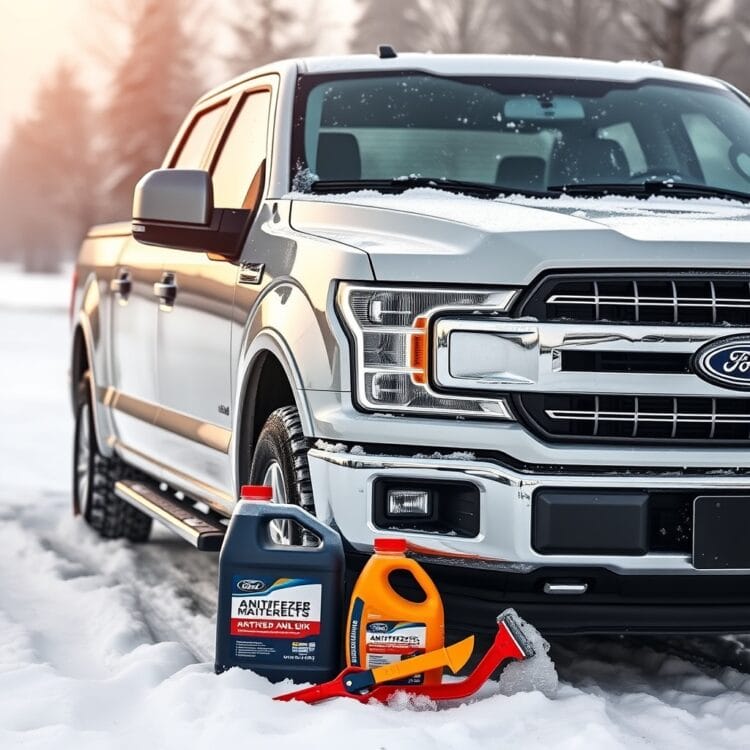
Winter can be harsh on your F-150, so preparation is key. Switch to winter-grade oil and check your antifreeze levels. Inspect your battery—cold weather can drain it faster. I also recommend winter tires for better traction. A little prep goes a long way in avoiding breakdowns during freezing temperatures. Don’t forget to keep an emergency kit in the cab.
Summer Maintenance Must-Dos
Summer heat can strain your cooling system, so check your radiator and hoses for leaks. Air conditioning performance is another priority—recharge it if needed. Tire pressure fluctuates with temperature, so monitor it regularly. I’ve found that a thorough summer check-up keeps my truck running smoothly during road trips. It’s all about staying ahead of potential issues.
Preparing for Off-Road Seasons
If you’re hitting the trails, inspect your suspension and undercarriage for damage. Off-roading can be tough on your F-150, so consider upgrading to heavy-duty shocks and skid plates. Regular cleaning after off-road adventures prevents mud and debris from causing long-term damage. A little extra care ensures your truck is ready for the next adventure.
Understanding Warranty and Service Plans
What’s Covered Under Factory Warranty
Your F-150’s factory warranty typically covers major components like the engine and transmission for a set period. It’s crucial to read the fine print to understand what’s included. I’ve seen owners assume everything is covered, only to face unexpected bills. Regular maintenance is often a requirement to keep the warranty valid, so keep records of all services performed.
Pros and Cons of Extended Service Plans
Extended service plans can offer peace of mind, but they’re not always worth the cost. Weigh the benefits against your driving habits and truck usage. If you plan to keep your F-150 long-term, an extended plan might save money on repairs. However, for short-term owners, it could be an unnecessary expense. Always compare plans and read reviews before committing.
How to Claim Warranty Services
When claiming warranty services, documentation is your best friend. Keep all receipts and service records handy. Dealerships usually handle claims, but knowing your rights ensures a smooth process. I’ve found that being proactive—scheduling inspections before issues arise—can prevent warranty disputes. A little effort upfront saves headaches later.
The Role of Technology in F-150 Maintenance
FordPass App and Maintenance Tracking
We’ve found that the FordPass app is a game-changer for F-150 owners. It keeps track of maintenance schedules, sends alerts for upcoming services, and even lets you book appointments with dealers. No more flipping through manuals or guessing when your next oil change is due. The app’s intuitive interface makes it easy to stay on top of your truck’s needs, ensuring nothing slips through the cracks. Plus, it syncs with your vehicle’s onboard diagnostics, so you’re always in the loop.
Another perk? The app provides real-time updates on your truck’s health, from tire pressure to battery life. It’s like having a mechanic in your pocket. We’ve noticed that owners who use FordPass tend to catch issues early, saving them from costly repairs down the line. If you’re not already using it, we highly recommend downloading it—it’s free and takes the hassle out of maintenance tracking.
Onboard Diagnostics and Alerts
Modern F-150s come packed with advanced onboard diagnostics that monitor everything from engine performance to emissions. These systems generate alerts if something’s amiss, giving you a heads-up before minor issues become major headaches. We’ve seen how these alerts can prevent breakdowns, especially when towing or hauling heavy loads. The dashboard displays clear warnings, so you know exactly what needs attention—no cryptic codes to decipher.
What’s impressive is how these diagnostics integrate with Ford’s service network. When you take your truck in, mechanics can pull up a detailed history of alerts, making diagnostics faster and more accurate. This not only saves time but also reduces labour costs. For us, it’s proof that technology isn’t just about convenience—it’s a smart way to keep maintenance costs in check.
Future Tech That Could Lower Costs
We’re excited about the potential of emerging tech to slash F-150 maintenance expenses. Predictive analytics, for example, could use data from your driving habits and vehicle sensors to forecast when parts might fail. Imagine getting a notification that your brakes will need replacing in 1,000 miles—no surprises, just planned, budget-friendly repairs. Ford’s investment in AI and machine learning suggests this isn’t far off.
Another promising development is over-the-air updates, which can tweak engine performance or fix software glitches without a trip to the dealer. Tesla’s already doing it, and Ford’s catching up. For us, this means fewer service visits and lower labour costs. While these innovations are still evolving, they hint at a future where maintaining an F-150 is cheaper and more convenient than ever.
Comparing Gas vs Diesel F-150 Maintenance Costs
Fuel System Maintenance Differences
We’ve noticed that diesel F-150s require more frequent fuel system maintenance than their gas counterparts. Diesel engines rely on precise fuel injectors and high-pressure pumps, which are costlier to service. Filters need replacing more often to prevent contamination, adding to the upkeep bill. Gas engines, on the other hand, have simpler fuel systems with fewer components to worry about. For us, this makes gas models a more straightforward choice if you’re looking to minimise maintenance hassle.
That said, diesel’s efficiency can offset some of these costs. Better fuel economy means fewer trips to the pump, which adds up over time. But if you’re not towing or hauling regularly, the savings might not justify the extra maintenance. We’ve found that gas engines strike a better balance for most drivers, offering lower upfront and ongoing costs without sacrificing performance.
Long-Term Cost Implications
Diesel engines are built to last, often outliving gas engines by 100,000 miles or more. We’ve seen diesel F-150s hit 300,000 miles with proper care, making them a solid long-term investment. However, their longevity comes with higher maintenance costs—think pricier oil changes, turbocharger servicing, and emissions system upkeep. Gas engines, while less durable, are cheaper to maintain over shorter ownership periods.
It’s a trade-off. If you plan to keep your truck for a decade or longer, diesel’s durability might pay off. But for those who upgrade every few years, gas is likely the more economical choice. We’ve crunched the numbers, and unless you’re racking up serious mileage, gas usually wins on cost.
Choosing the Right Engine for Your Needs
We always advise matching the engine to your lifestyle. Diesel shines for heavy-duty work—towing, hauling, or long-distance driving. Its torque and efficiency make it ideal for demanding tasks, even if maintenance costs are higher. But if your F-150 is a daily driver or weekend warrior, gas is the smarter pick. It’s cheaper to run and service, with plenty of power for most needs.
Consider your budget, too. Diesel trucks command a premium upfront, and their maintenance can add up. Gas models are more affordable all around, making them a practical choice for budget-conscious buyers. For us, it’s about weighing your priorities—performance and longevity versus cost and convenience.
The True Cost of Neglecting F-150 Maintenance
Common Consequences of Skipped Services
We’ve seen too many F-150s suffer from neglected maintenance, and the results aren’t pretty. Skipping oil changes leads to sludge buildup, which can seize an engine. Ignoring brake fluid flushes causes corrosion, leading to costly caliper or master cylinder replacements. Even small oversights, like delayed tire rotations, can wear out suspension components prematurely. It’s a domino effect—one missed service often triggers a chain reaction of failures.
What’s worse, these issues aren’t just expensive; they’re dangerous. Worn brakes or failing steering components can compromise safety. We’ve heard horror stories of avoidable breakdowns leaving owners stranded. Regular maintenance might seem like a hassle, but it’s nothing compared to the headaches of neglect.
High-Cost Repairs from Neglect
Neglecting your F-150’s transmission can lead to a $4,000 rebuild—ouch. We’ve also seen engines fail due to dirty oil, with rebuilds costing upwards of $6,000. Even something as simple as ignoring coolant changes can result in a blown head gasket, a repair that’ll set you back $2,000 or more. These aren’t hypotheticals; they’re real bills we’ve encountered from owners who cut corners.
The irony? Most of these repairs cost far more than the maintenance that could’ve prevented them. A $100 oil change is a bargain compared to a new engine. For us, it’s a no-brainer: spend a little now or a lot later. Skipping services might save time upfront, but it’s a false economy that’ll bite you in the long run.
How Regular Maintenance Saves Money
We’ve crunched the numbers, and the savings from regular maintenance are staggering. Stick to the schedule, and you’ll avoid 80% of major repairs. For example, changing your air filter on time improves fuel efficiency by up to 10%, saving hundreds at the pump. Routine brake inspections catch worn pads early, preventing rotor damage. Even small things, like topping up fluids, extend the life of expensive components.
It’s not just about avoiding repairs—well-maintained F-150s hold their value better. When it’s time to sell, a full service history can add thousands to your resale price. For us, maintenance isn’t an expense; it’s an investment in your truck’s future. A little care goes a long way in keeping your F-150 running smoothly and your wallet happy.

Expert Tips for Maintaining Your Ford F-150
Insider Maintenance Secrets
We’ve picked up a few tricks from seasoned F-150 owners and mechanics. First, always use OEM (Original Equipment Manufacturer) parts—they might cost more upfront, but they last longer and perform better than aftermarket alternatives. Second, keep an eye on your truck’s undercarriage, especially if you drive off-road or in salty conditions. A quick rinse after off-roading can prevent rust and corrosion, saving you from expensive repairs later.
Another pro tip? Rotate your tires every 5,000 miles, even if they look fine. Uneven wear can strain your suspension and alignment, leading to bigger issues down the road. We’ve also learned that using high-quality synthetic oil can extend engine life and improve performance. It’s a small upgrade with big payoffs.
Recommended Upgrades for Longevity
We’ve found that a few strategic upgrades can boost your F-150’s lifespan. Installing a high-quality air filter improves airflow and reduces engine strain. Adding a transmission cooler is a must if you tow frequently—it prevents overheating and extends transmission life. For those in harsh climates, rust-proofing the undercarriage can save you from costly corrosion repairs.
Another smart move? Upgrading to heavy-duty shocks if you often carry heavy loads. They reduce wear on your suspension and improve ride quality. We’ve seen these upgrades pay for themselves by preventing major repairs. It’s all about investing wisely to protect your truck’s long-term health.
How to Spot Potential Issues Early
We’ve learned that listening to your F-150 can save you money. Unusual noises—like squeaks, rattles, or grinding—are often early warning signs. A knocking sound from the engine could indicate low oil pressure, while a whining transmission might signal fluid issues. Addressing these early can prevent catastrophic failures. Another red flag? Dashboard warning lights. Don’t ignore them; they’re your truck’s way of crying for help.
Regular visual inspections help, too. Check for leaks under your truck, uneven tire wear, or frayed belts. We’ve caught many problems just by popping the hood and taking a quick look. For more insights, check out this authoritative guide on F-150 maintenance costs. Catching issues early is the key to keeping your F-150 running smoothly and affordably.