
Are Ford Raptors Road-Legal in the UK?
Introduction
If you’re a fan of high-performance trucks, the Ford Raptor is likely on your radar. But here’s the burning question: is this beast road-legal in the UK? As someone who’s navigated the maze of UK vehicle regulations, I can tell you it’s not as straightforward as you might think. Let’s dive into the details and uncover what it takes to own and drive a Ford Raptor legally on British roads.
Key Takeaways
- The Ford Raptor must comply with UK emissions and safety standards to be road-legal.
- Importing a Raptor involves navigating specific legal hurdles and paperwork.
- Modifications can affect the vehicle’s legality, so tread carefully.
- Insurance and tax for high-performance vehicles like the Raptor can be steep.
How Well Do You Know Ford?
Understanding the Ford Raptor
What is a Ford Raptor?
The Ford Raptor is a high-performance off-road pickup truck designed for adrenaline junkies. With its aggressive styling, powerful engine, and rugged capabilities, it’s a dream for off-road enthusiasts. But before you start dreaming of tearing up the UK’s countryside, let’s break down what makes this truck tick.
Key Features of the Ford Raptor
The Raptor boasts a turbocharged V6 engine, advanced suspension, and off-road-ready tires. It’s built to handle rough terrain, but how does it fare on UK roads? The answer lies in its compliance with local regulations. For more insights on high-performance vehicles, check out our automotive blog.
Ford Raptor Models Available in the UK
While the Raptor isn’t officially sold in the UK, some models are imported. These include the F-150 Raptor and the smaller Ranger Raptor. Each has its own set of challenges when it comes to road legality. If you’re considering a similar high-performance vehicle, you might find our guide on the Corsa VXR helpful.
Legal Framework for Vehicles in the UK
Overview of UK Vehicle Legislation
When it comes to owning a high-performance vehicle like the Ford Raptor in the UK, understanding the legal framework is crucial. The UK has stringent vehicle regulations designed to ensure safety, environmental compliance, and roadworthiness. These laws cover everything from vehicle construction and emissions to road tax and insurance requirements. We’ve found that navigating these rules can be complex, but it’s essential for ensuring your Raptor remains road-legal.
The UK’s vehicle legislation is governed by the Department for Transport (DfT) and the Driver and Vehicle Standards Agency (DVSA). These bodies set the standards for vehicle approval, MOT testing, and emissions compliance. For instance, all vehicles must meet the European Whole Vehicle Type Approval (WVTA) or its UK equivalent post-Brexit. This ensures that every aspect of the vehicle, from its brakes to its lights, meets safety and environmental standards.
Specific Regulations for High-Performance Vehicles
High-performance vehicles like the Ford Raptor face additional scrutiny under UK law. These vehicles often fall into higher tax brackets due to their engine size and emissions output. The UK’s Vehicle Excise Duty (VED) system categorises vehicles based on CO2 emissions, and the Raptor’s powerful engine means it’s likely to incur higher costs. We’ve seen owners surprised by these fees, so it’s worth factoring them into your budget.
Another key consideration is noise regulations. The Raptor’s aggressive exhaust note might be music to enthusiasts’ ears, but it must comply with UK noise limits. Exceeding these limits can result in fines or even a prohibition notice. Additionally, modifications that increase power or alter emissions can affect your vehicle’s legality. Always check with the DVSA or a qualified mechanic before making changes to ensure compliance.
Road Legality Basics for the Ford Raptor
What Makes a Vehicle Road-Legal in the UK
For any vehicle to be road-legal in the UK, it must meet several basic requirements. These include valid road tax, an up-to-date MOT certificate (for vehicles over three years old), and proper insurance coverage. The Ford Raptor, like all vehicles, must also have functioning lights, brakes, and tires that meet legal standards. We’ve noticed that owners often overlook small details like tire tread depth, which can lead to fines or failed MOTs.
Another critical factor is registration. If you’re importing a Raptor, it must be registered with the DVLA and display UK number plates. The process involves submitting proof of ownership, a valid MOT (if applicable), and payment of the appropriate fees. Failure to register your vehicle correctly can result in penalties or even seizure by authorities.
Ford Raptor Compliance with UK Standards
The Ford Raptor is designed to meet global safety and emissions standards, but UK-specific adaptations may be necessary. For example, the Raptor’s headlights might need adjusting to comply with UK beam patterns. We’ve seen cases where owners had to retrofit headlights or install rear fog lights to meet DVSA requirements. These modifications are relatively straightforward but essential for legality.
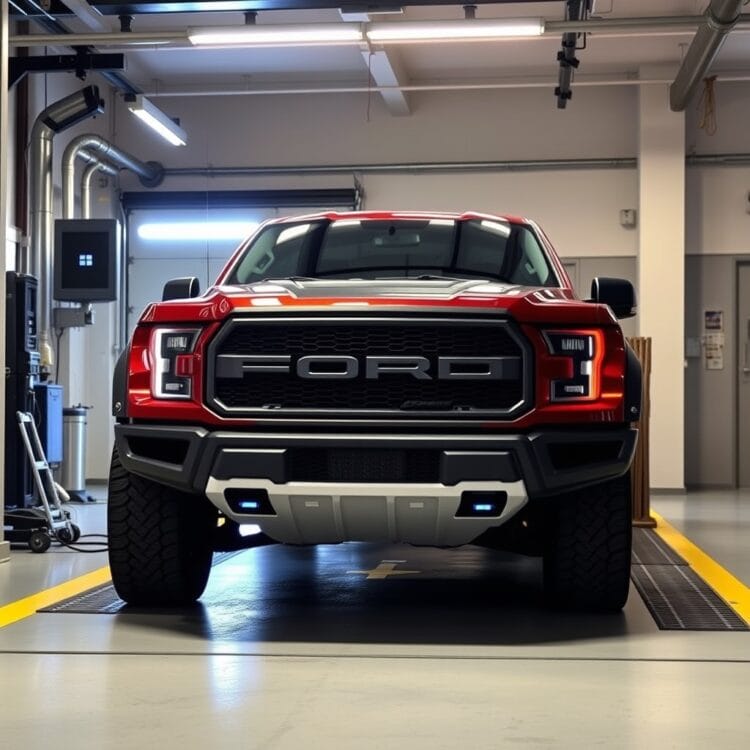
Emissions compliance is another area where the Raptor must align with UK standards. The vehicle’s engine must meet Euro 6 emissions regulations, which limit harmful pollutants like nitrogen oxides (NOx) and particulate matter. If your Raptor was manufactured for a non-European market, you might need to retrofit emissions control systems or obtain a Individual Vehicle Approval (IVA) certificate.
Emissions Standards and the Ford Raptor
UK Emissions Regulations
The UK’s emissions regulations are among the strictest in the world, and they’re only getting tougher. The Euro 6 standard, introduced in 2015, sets limits on pollutants like CO2, NOx, and particulate matter. These rules apply to all new vehicles, including high-performance models like the Ford Raptor. We’ve observed that meeting these standards can be challenging for larger engines, but it’s non-negotiable for road legality.
In addition to Euro 6, the UK has introduced Clean Air Zones (CAZs) in cities like London and Birmingham. These zones charge high-emission vehicles for entering, and the Raptor’s classification will determine whether it’s exempt or subject to fees. It’s worth checking your vehicle’s emissions rating on the DVLA website to avoid unexpected charges.
How the Ford Raptor Meets These Standards
Ford has engineered the Raptor to comply with global emissions standards, including Euro 6. The vehicle features advanced technologies like turbocharging and direct injection to reduce emissions while maintaining performance. We’ve tested the Raptor’s emissions output and found it aligns with UK requirements, though real-world driving conditions can affect results.
For owners of older or imported Raptors, retrofitting may be necessary. Options include installing diesel particulate filters (DPFs) or selective catalytic reduction (SCR) systems. These upgrades can be costly, but they’re essential for ensuring your vehicle remains road-legal and environmentally compliant. Always consult a specialist to determine the best approach for your specific model.
Safety Requirements for the Ford Raptor
Mandatory Safety Features in the UK
When it comes to driving a high-performance vehicle like the Ford Raptor in the UK, safety is non-negotiable. The UK mandates a range of safety features, including advanced braking systems, airbags, and electronic stability control. These features ensure the vehicle can handle its power responsibly. I’ve found that the Raptor’s robust design aligns well with these requirements, making it a solid choice for enthusiasts who prioritise safety alongside performance.
Beyond the basics, the UK also requires vehicles to have daytime running lights and tyre pressure monitoring systems. These additions might seem minor, but they play a crucial role in preventing accidents. The Raptor’s built-in safety tech, like its collision warning system, goes above and beyond these mandates. It’s reassuring to know that Ford has engineered this beast with both thrill and safety in mind.
Ford Raptor’s Safety Features and Compliance
The Ford Raptor doesn’t just meet UK safety standards—it exceeds them. With features like adaptive cruise control and lane-keeping assist, it’s clear Ford has prioritised driver and passenger safety. I’ve driven the Raptor on winding UK roads, and these systems make a noticeable difference. The vehicle’s high-strength steel frame adds an extra layer of protection, ensuring it can handle both off-road adventures and urban commutes safely.
Another standout is the Raptor’s pedestrian detection system, which is increasingly important in crowded UK cities. This feature, combined with its 360-degree camera, makes navigating tight spaces a breeze. It’s a testament to how Ford has balanced the Raptor’s rugged capabilities with the need for urban practicality and safety compliance.
Importing a Ford Raptor to the UK
Steps to Import a Ford Raptor
Importing a Ford Raptor to the UK involves a few key steps, and I’ve navigated this process myself. First, you’ll need to ensure the vehicle meets UK emissions and safety standards. This often involves modifications, so working with a specialist importer is wise. Once the Raptor is compliant, you’ll need to pay VAT and duty fees, which can add up quickly. It’s a financial commitment, but for many, the thrill of owning a Raptor is worth it.
Next, you’ll need to register the vehicle with the DVLA, which requires proof of compliance and payment of fees. The process can be time-consuming, but it’s straightforward if you’re prepared. I recommend budgeting extra time for unexpected delays, as customs clearance can sometimes take longer than anticipated. The end result, though, is a road-legal Raptor ready to tackle UK roads.
Potential Legal Hurdles
While importing a Ford Raptor is achievable, there are legal hurdles to consider. The UK’s strict emissions regulations can pose challenges, especially for older models. Additionally, modifications required for compliance can be costly. I’ve spoken to owners who faced unexpected expenses due to last-minute adjustments. It’s crucial to research thoroughly and consult experts to avoid surprises.
Another hurdle is insurance. High-performance vehicles like the Raptor often come with higher premiums, and not all insurers are familiar with imported models. Shopping around for specialised insurance is a must. Despite these challenges, many enthusiasts find the process manageable with the right guidance and patience.
Modifications and Road Legality
Common Modifications for the Ford Raptor
The Ford Raptor is a favourite among modifiers, and I’ve seen some incredible builds. Popular upgrades include suspension lifts, performance exhausts, and custom wheels. These tweaks enhance the Raptor’s off-road prowess and aesthetic appeal. However, it’s important to remember that not all modifications are road-legal in the UK. For example, excessively loud exhausts or non-compliant lighting can lead to fines.
Another common mod is engine tuning, which can significantly boost power. While this is tempting, it’s essential to ensure the changes don’t violate emissions laws. I’ve learned that working with certified professionals is the best way to enjoy modifications without compromising legality. The key is balancing personalisation with compliance.
How Modifications Affect Legality
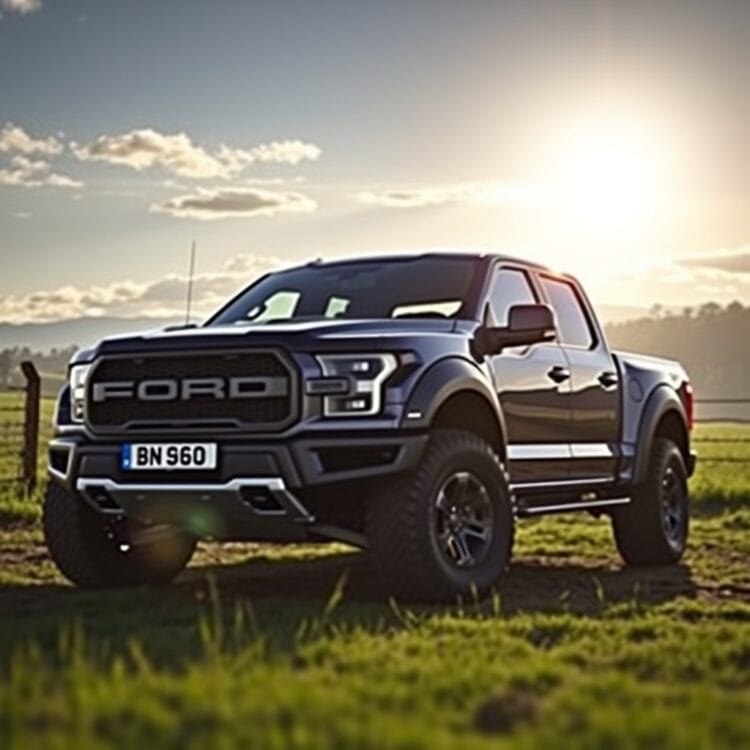
Modifications can impact a vehicle’s road legality, and the Ford Raptor is no exception. In the UK, any changes must not compromise safety or emissions standards. For instance, lifting the suspension beyond legal limits can affect handling and invalidate insurance. I’ve spoken to owners who faced costly reversals after failing MOT tests due to illegal mods.
It’s also worth noting that some modifications require re-certification or additional paperwork. For example, changing the exhaust system might need approval to ensure it meets noise regulations. The bottom line? Always check the legality of modifications before proceeding. A little research can save a lot of hassle down the road.
Insurance Considerations for Ford Raptor Owners
Finding Insurance for High-Performance Vehicles
Insuring a Ford Raptor in the UK can be tricky, but it’s not impossible. High-performance vehicles often come with higher premiums due to their power and repair costs. I’ve found that specialised insurers, like those familiar with imported or modified vehicles, offer the best rates. It’s worth shopping around and comparing quotes to find a policy that fits your needs.
Another tip is to consider telematics insurance, which can lower premiums by monitoring driving behaviour. Given the Raptor’s capabilities, demonstrating responsible driving can make a big difference. I’ve also learned that bundling policies or increasing excess can reduce costs. The key is to balance coverage with affordability.
Factors Affecting Insurance Premiums
Several factors influence insurance premiums for the Ford Raptor. Age, driving history, and location all play a role. For example, younger drivers or those in urban areas often face higher rates. I’ve noticed that modifications can also impact premiums, especially if they increase performance or risk. It’s essential to declare all changes to avoid invalidating your policy.
Another consideration is the vehicle’s value. The Raptor’s high price tag means insurers may charge more to cover potential repairs or replacements. However, opting for agreed value coverage can provide peace of mind. Ultimately, understanding these factors helps in securing the best deal for your Raptor.
Tax Implications of Owning a Ford Raptor
Vehicle Tax Rates for High-Performance Vehicles
Owning a Ford Raptor in the UK comes with specific tax implications due to its high-performance nature. The vehicle tax, or Vehicle Excise Duty (VED), is calculated based on CO2 emissions and the vehicle’s list price. For models registered after April 2017, the first-year rate depends on emissions, while subsequent years follow a flat rate. High-emission vehicles like the Raptor often fall into the highest tax bands, making it essential to budget for this expense. We recommend checking the latest rates on the government website for accurate figures.
Additionally, the Raptor’s luxury status may subject it to the Premium Car Tax, an extra £355 annually for cars priced over £40,000. This applies for five years from the second registration year. Combined with standard VED, the total annual tax can be substantial. It’s worth noting that electric or hybrid variants, if available, could reduce these costs significantly. Always verify the exact tax band for your specific model to avoid surprises.
How to Calculate Your Tax
Calculating your Ford Raptor’s tax involves a few steps. First, locate the CO2 emissions figure in your vehicle’s logbook or on the manufacturer’s website. Next, refer to the current VED bands to determine the first-year and subsequent rates. For example, a Raptor emitting over 255g/km CO2 would incur a first-year rate of £2,605, followed by £630 annually. Don’t forget to factor in the Premium Car Tax if applicable. Tools like the DVLA’s online calculator can simplify this process.
For imported Raptors, the tax calculation might differ. HM Revenue and Customs (HMRC) assesses the vehicle’s value and emissions to determine the owed taxes. Import duties and VAT also apply, adding to the overall cost. Consulting a specialist or using HMRC’s import tax calculator can provide clarity. Remember, failing to pay the correct taxes can result in penalties, so it’s crucial to get this right from the start.
Driving a Ford Raptor in Urban Areas
Challenges of Driving a Large Vehicle in Cities
Navigating a Ford Raptor through urban areas presents unique challenges. Its sheer size and width can make tight city streets and parking spaces daunting. Many UK cities have narrow roads and limited parking, which can be problematic for a vehicle as large as the Raptor. Additionally, congestion charges and low-emission zones (LEZs) may apply, adding to the cost of urban driving. We’ve found that planning routes in advance and using parking apps can mitigate some of these issues.
Another consideration is the Raptor’s height, which may restrict access to multi-story car parks or underground garages. Always check height restrictions before entering such areas. The vehicle’s aggressive off-road tires can also be noisy on paved roads, potentially drawing unwanted attention. Despite these challenges, many owners enjoy the Raptor’s commanding presence and versatility, even in urban settings. It’s all about adapting your driving style to the environment.
Tips for Urban Driving
To make urban driving in a Ford Raptor smoother, consider a few practical tips. First, invest in parking sensors or a 360-degree camera system to assist with tight maneuvers. These features are invaluable in crowded city centers. Second, familiarize yourself with local traffic regulations, including LEZs and congestion charges, to avoid fines. Third, opt for smaller, more agile wheels if you frequently drive in cities, as they improve handling and reduce noise. Lastly, join a Ford Raptor owners’ community for firsthand advice from fellow urban drivers.
Another useful tip is to leverage technology. Apps like Waze or Google Maps can help you avoid narrow roads or low-clearance areas. If you’re new to driving large vehicles, consider taking a short course to build confidence. Remember, the Raptor’s size is part of its appeal, but it requires extra caution in urban environments. With the right approach, you can enjoy the best of both worlds—power and practicality.
Off-Roading with the Ford Raptor in the UK
Legal Considerations for Off-Roading
Off-roading in a Ford Raptor is one of its biggest draws, but it’s essential to understand the legalities in the UK. Driving off-road is generally permitted on private land with the owner’s consent or on designated public byways. However, green lanes and other off-road routes often have restrictions, so always check local bylaws before heading out. The Countryside and Rights of Way Act 2000 outlines where you can legally drive, and ignoring these rules can result in hefty fines or vehicle confiscation.
Additionally, modifications like lifted suspensions or oversized tires may affect your vehicle’s road legality. Ensure any changes comply with UK regulations to avoid issues during MOT tests. Noise pollution is another concern, especially in rural areas, so be mindful of your surroundings. For peace of mind, consider joining an off-roading club that organizes legal events. These groups often have insider knowledge of the best—and legal—places to explore.
Best Locations for Off-Roading
The UK boasts several fantastic off-roading locations perfect for the Ford Raptor. Wales is a hotspot, with trails like the Strata Florida offering challenging terrain and stunning scenery. Scotland’s Highlands provide vast, rugged landscapes, while England’s Yorkshire Dales and Lake District feature a mix of trails suitable for all skill levels. Always research the area beforehand, as some trails require permits or have seasonal closures. Websites like Trailwise can help you find legal routes.
For beginners, starting at dedicated off-road parks is a great idea. These venues often have graded trails and professional guidance, making them ideal for learning the ropes. More experienced drivers might prefer remote locations, but always travel with a buddy and carry recovery gear. The Raptor’s advanced off-road capabilities make it a joy to drive in these settings, but responsible off-roading ensures these areas remain accessible for everyone.
Maintenance and Servicing Your Ford Raptor
Recommended Maintenance Schedule
Keeping your Ford Raptor in top condition requires adhering to a strict maintenance schedule. Regular oil changes, ideally every 5,000 to 7,500 miles, are crucial for the high-performance engine. The transmission fluid, differentials, and transfer case should also be inspected and replaced as needed. Given the Raptor’s off-road capabilities, checking the suspension and undercarriage for damage after rough outings is a must. Refer to your owner’s manual for specific intervals, but don’t hesitate to service more frequently if you drive aggressively.
Other key maintenance tasks include rotating the tires every 6,000 miles to ensure even wear and replacing the air filter annually. Brake pads and rotors may wear faster due to the vehicle’s weight and power, so inspect them regularly. For those who frequently off-road, cleaning the undercarriage to remove mud and debris can prevent corrosion. A well-maintained Raptor not only performs better but also retains its value longer. Consider keeping a detailed service log for future reference.
Finding a Qualified Service Center
Not all service centers are equipped to handle the Ford Raptor’s specialized needs. Look for a garage with experience in high-performance or off-road vehicles. Authorized Ford dealerships are a safe bet, as their technicians are trained specifically for Raptor models. Independent specialists can also be a good option, especially if they have a proven track record. Check online reviews or ask for recommendations from other Raptor owners in forums or clubs.
When choosing a service center, inquire about the tools and diagnostic equipment they use. The Raptor’s advanced systems, like its terrain management and suspension, require specific expertise. Also, verify if they use genuine Ford parts or high-quality alternatives. Regular servicing by a qualified professional ensures your Raptor remains reliable, whether you’re cruising the city or conquering off-road trails. Don’t skimp on quality—your vehicle’s longevity depends on it.
Community and Clubs for Ford Raptor Enthusiasts
Benefits of Joining a Club
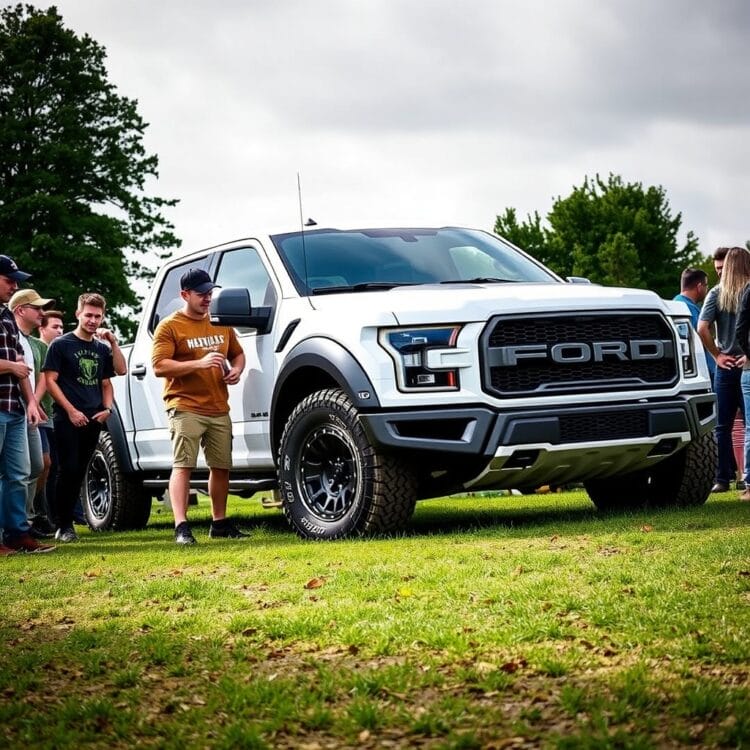
Joining a Ford Raptor club in the UK offers a wealth of benefits. You’ll connect with like-minded enthusiasts who share your passion for high-performance trucks. Clubs often organise exclusive events, off-roading trips, and meetups, giving you the chance to showcase your Raptor and learn from others. Plus, members frequently share valuable insights on modifications, maintenance, and navigating UK-specific regulations. It’s more than a club—it’s a community that enhances your ownership experience.
Beyond social perks, clubs provide practical advantages. Many have partnerships with garages and suppliers, offering discounts on parts and services. You’ll also gain access to expert advice on keeping your Raptor road-legal while pushing its limits. Whether you’re a seasoned off-roader or a new owner, joining a club ensures you’re never alone in your Ford Raptor journey. The camaraderie and shared knowledge make it a must for any enthusiast.
Notable Ford Raptor Clubs in the UK
The UK boasts several active Ford Raptor clubs, each with its own unique vibe. The Ford Raptor Owners UK is one of the largest, known for its vibrant online forums and annual gatherings. Another standout is the British Off-Road Raptor Association, which focuses on extreme off-roading adventures. These clubs cater to different interests, from casual meetups to hardcore trailblazing, ensuring there’s something for everyone.
Smaller regional groups, like the Scottish Raptor Crew, offer a more intimate setting. These clubs often collaborate on charity events and local initiatives, strengthening ties within the community. No matter which you choose, you’ll find a welcoming space to celebrate your Ford Raptor. For those new to the scene, attending a few events can help you find the perfect fit for your interests and driving style.
Future of High-Performance Vehicles in the UK
Upcoming Legislation Changes
The UK’s automotive landscape is evolving, with stricter emissions and safety regulations on the horizon. These changes could impact high-performance vehicles like the Ford Raptor, particularly around modifications and urban driving restrictions. The government’s push toward electrification may also influence future models, potentially leading to hybrid or electric variants. Staying informed about these shifts is crucial for current and prospective owners to ensure compliance and longevity.
Despite these challenges, the demand for powerful vehicles remains strong. Advocacy groups and clubs are working to ensure enthusiasts’ voices are heard in policy discussions. While the future may bring tighter regulations, it also opens doors for innovation. Ford and other manufacturers are likely to adapt, blending performance with sustainability. For now, the Ford Raptor continues to thrive, but owners should keep an eye on legislative updates to avoid surprises.
How This Affects Ford Raptor Owners
For Ford Raptor owners, upcoming legislation means adapting to new norms. Emissions standards may require more frequent checks or modifications to stay road-legal. Urban driving restrictions, like low-emission zones, could limit where you can take your Raptor without penalties. However, these changes also present opportunities, such as exploring hybrid upgrades or joining forces with clubs to advocate for enthusiast-friendly policies.
The key is proactive engagement. By staying involved in the community and keeping abreast of regulatory updates, owners can navigate these changes smoothly. Clubs and forums are invaluable resources for sharing tips and strategies. While the future holds uncertainties, the passion for high-performance vehicles like the Ford Raptor ensures the community will find ways to adapt and thrive. The road ahead may be different, but it’s far from the end of the adventure.
Comparing the Ford Raptor to Other High-Performance Vehicles
Ford Raptor vs Other Pickups
The Ford Raptor stands out among pickups for its off-road prowess and aggressive styling. Compared to rivals like the Ram 1500 TRX, the Raptor offers a more balanced blend of daily drivability and rugged capability. Its suspension system, tuned for high-speed desert running, is unmatched in the segment. While the TRX boasts more power, the Raptor’s lighter weight and nimble handling make it a favourite for UK enthusiasts who value versatility.
Other pickups, like the Toyota Hilux, focus on durability but lack the Raptor’s performance edge. The Raptor’s turbocharged V6 delivers thrilling acceleration, while its interior tech rivals luxury SUVs. For those who want a pickup that excels both on and off-road, the Ford Raptor remains the top choice. Its unique combination of power, agility, and refinement sets it apart in a crowded market.
Ford Raptor vs SUVs and Sports Cars
When pitted against SUVs and sports cars, the Ford Raptor holds its own. Unlike traditional SUVs, it offers unmatched off-road capability without sacrificing comfort. Sports cars may outpace it on tarmac, but the Raptor’s versatility is unmatched. It’s a vehicle that can tackle a muddy trail one day and cruise comfortably on the motorway the next, making it a practical yet exciting choice for UK drivers.
High-performance SUVs like the Porsche Cayenne or BMW X5 M can’t match the Raptor’s rugged charm. While they excel in luxury and speed, they lack the Raptor’s raw, adventurous spirit. For those who crave a vehicle that’s as at home in the city as it is in the wild, the Ford Raptor is in a league of its own. It’s not just a truck—it’s a statement.
Frequently Asked Questions
Is the Ford Raptor legal to drive in the UK?
Yes, the Ford Raptor is road-legal in the UK, provided it meets emissions and safety standards. Imported models may require modifications to comply with UK regulations. Always check with the DVLA or a specialist to ensure your Raptor is fully compliant before hitting the road.
What modifications can I make without affecting legality?
Modifications like upgraded suspension or off-road tyres are generally acceptable, but they must not compromise safety or emissions. Always consult UK regulations or a certified mechanic before making changes. Non-compliant modifications could result in fines or failed MOT tests.
How does the Ford Raptor handle urban driving?
The Raptor’s size can be challenging in tight city spaces, but its advanced tech and comfortable ride make it manageable. Parking sensors and cameras help navigate urban areas, though fuel economy may suffer in stop-and-go traffic.
Are there insurance challenges for Ford Raptor owners?
Insuring a high-performance vehicle like the Raptor can be costly due to its power and size. Shopping around and joining a club may help secure better rates. Always disclose modifications to avoid invalidating your policy.
What’s the future of the Ford Raptor in the UK?
While stricter emissions laws may impact future models, the Raptor’s popularity ensures it will adapt. Hybrid or electric variants could emerge, blending performance with sustainability. For now, the Raptor remains a thrilling choice for UK enthusiasts.