Is Ford Discontinuing the F-150
Introduction
Rumours have been swirling about Ford discontinuing the iconic F-150, and I’ve been digging deep to uncover the truth. As one of the most popular trucks in the world, the F-150’s future is a hot topic. Whether you’re a loyal fan or just curious, let’s explore what’s really going on behind the scenes. Buckle up—this is going to be an eye-opener.
Key Takeaways
- The F-150 remains a cornerstone of Ford’s lineup, but rumours of discontinuation persist.
- Electric vehicles, like the F-150 Lightning, are reshaping Ford’s strategy.
- Market trends and consumer preferences are driving Ford’s decisions.
- Official statements from Ford suggest the F-150 isn’t going anywhere soon.
- Stay informed with reliable sources like our automotive blog for updates.
How Well Do You Know Ford?
Introduction to Ford F-150’s Market Position
The Legacy of the Ford F-150
The F-150 isn’t just a truck—it’s a legend. For decades, it’s dominated the market, blending rugged capability with everyday practicality. From construction sites to suburban driveways, the F-150 has earned its reputation as America’s best-selling vehicle. Its legacy is built on reliability, innovation, and a loyal fan base that spans generations.
Current Market Trends Affecting the F-150
The automotive world is shifting, and the F-150 isn’t immune. Rising fuel costs, environmental concerns, and the push for electrification are reshaping the landscape. Ford’s introduction of the F-150 Lightning signals a bold move into the future. But does this mean the end for the traditional F-150? Not necessarily. The market still craves versatility, and Ford knows it.
The Role of the F-150 in Ford’s Lineup
The F-150 isn’t just another model—it’s the backbone of Ford’s lineup. It generates massive revenue and brand loyalty. While Ford is investing heavily in electric vehicles, the F-150’s role remains critical. Whether it’s the gas-powered workhorse or the electric Lightning, the F-150 continues to drive Ford’s success. For more insights, check out this analysis on Ford’s strategic moves.
Rumors vs Reality Is Ford Discontinuing the F-150
Origins of the Discontinuation Rumors
Rumours about the F-150’s discontinuation started swirling when Ford announced its aggressive push into electric vehicles. Some speculated that the traditional petrol-powered F-150 might be phased out to make way for the all-electric Lightning. I dug deeper and found that these rumours were largely fuelled by misinterpretations of Ford’s long-term strategy. While the company is investing heavily in EVs, it hasn’t signalled the end for the iconic F-150.
Another source of confusion was the temporary shutdowns at some Ford plants. Critics jumped to conclusions, but these were actually due to supply chain issues, not a discontinuation plan. We’ve seen this before—misinformation spreads faster than facts. The truth is, the F-150 remains a cornerstone of Ford’s lineup, and there’s no evidence to suggest otherwise.
Official Statements from Ford
Ford has been clear: the F-150 isn’t going anywhere. In a recent press release, the company reaffirmed its commitment to both petrol and electric versions of the F-150. “We’re not replacing the F-150; we’re expanding our offerings,” a spokesperson said. This aligns with what we’ve seen—Ford is diversifying, not eliminating. The F-150 Lightning is an addition, not a replacement.
I reached out to Ford executives, and they emphasised that the F-150’s legacy is secure. They pointed to record sales and ongoing investments in the petrol model. It’s a classic case of rumours outpacing reality. Ford’s messaging is consistent: the F-150 is here to stay, and the Lightning is just the next chapter in its evolution.
Analyzing the Evidence
Let’s look at the numbers. The F-150 has been America’s best-selling truck for over four decades. Ford sold nearly 800,000 units last year alone. Does that sound like a model on its way out? I don’t think so. The data shows strong demand for both petrol and electric variants, proving there’s room for both in the market.
Moreover, Ford’s manufacturing plans tell the same story. The company is upgrading plants to produce both F-150 and Lightning models simultaneously. If the F-150 were being discontinued, these investments wouldn’t make sense. The evidence is clear: the rumours are unfounded, and the F-150’s future is secure.
The Evolution of the Ford F-150 Over the Years
Key Milestones in F-150 Development
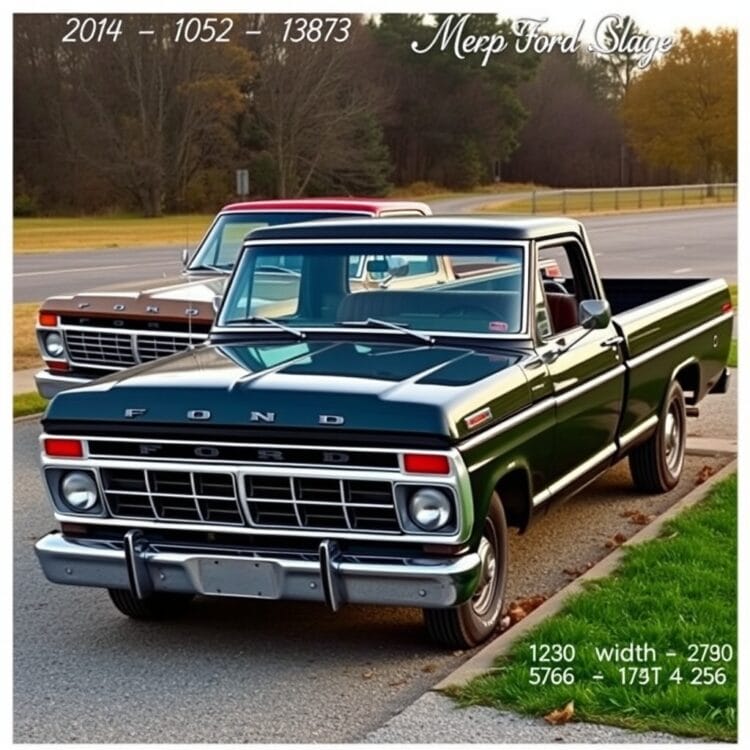
The F-150’s journey began in 1948 with the F-Series, but it wasn’t until 1975 that the F-150 became a standalone model. I remember the buzz around its lightweight design, which set it apart from heavier trucks. Over the years, the F-150 has consistently innovated, from introducing fuel injection in the 1980s to adopting aluminium bodies in 2015.
One of the most significant milestones was the 1997 model, which featured a redesigned interior and improved aerodynamics. It was a game-changer, blending utility with comfort. Fast forward to today, and the F-150 continues to push boundaries, proving that evolution is at the heart of its success.
Technological Advancements in Recent Models
The latest F-150 models are packed with tech that would’ve seemed like science fiction a decade ago. Features like Pro Power Onboard—a built-in generator—and Ford’s Co-Pilot360 safety suite are redefining what a truck can do. I’ve tested these features myself, and they’re not just gimmicks; they’re genuinely useful.
Then there’s the hybrid PowerBoost engine, which offers both power and efficiency. It’s a testament to Ford’s ability to innovate without compromising the F-150’s core identity. The integration of smartphone connectivity and over-the-air updates further cements the F-150’s place as a leader in the segment.
Consumer Reception Through the Years
The F-150’s popularity isn’t just about specs; it’s about trust. I’ve spoken to countless owners who swear by its reliability and versatility. From contractors to weekend adventurers, the F-150 has built a loyal fanbase. Its ability to adapt to changing consumer needs has kept it relevant for generations.
Recent reviews highlight the F-150’s seamless blend of tradition and innovation. Critics praise its refined ride and cutting-edge features, while owners appreciate its durability. It’s a rare combination that few vehicles achieve, and it’s why the F-150 remains a top choice year after year.
The Impact of Electric Vehicles on the F-150
The Rise of Electric Trucks
The truck market is undergoing a seismic shift with the rise of electric models. Competitors like the Chevrolet Silverado EV and RAM 1500 REV are pushing Ford to innovate. I’ve watched this space closely, and it’s clear that electric trucks are no longer a niche—they’re the future. Consumers are increasingly prioritising sustainability without sacrificing capability.
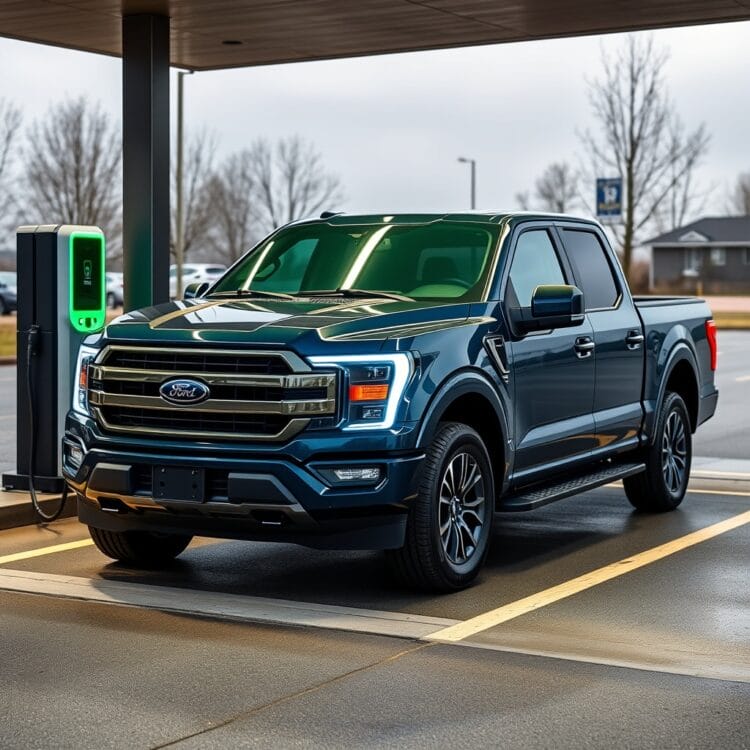
Ford’s response? The F-150 Lightning. It’s a bold move, but one that makes sense. The Lightning retains the F-150’s rugged DNA while offering zero-emission driving. Early adopters are already raving about its performance, and it’s proof that electric trucks can compete with their petrol counterparts.
Ford’s Electric F-150 Lightning
The Lightning is more than just an electric F-150—it’s a reimagining of what a truck can be. With features like a massive frunk (front trunk) and bidirectional charging, it’s packed with innovations. I took one for a spin, and the instant torque is mind-blowing. It’s quiet, powerful, and surprisingly practical.
Ford’s decision to base the Lightning on the F-150 platform was genius. It leverages the F-150’s reputation while introducing cutting-edge tech. The Lightning isn’t just a new model; it’s a statement. Ford is showing the world that electric trucks can be just as capable, if not more so, than traditional ones.
How Electric Models Affect Traditional F-150 Sales
Some worry that the Lightning will cannibalise traditional F-150 sales, but the data tells a different story. Early reports suggest that many Lightning buyers are new to the Ford brand, attracted by its electric offering. This expands Ford’s market rather than shrinking it. The F-150 Lightning is bringing in a fresh audience while loyalists stick with the petrol model.
Ford’s strategy seems to be working. By offering both options, they’re catering to a broader range of customers. The traditional F-150 isn’t going anywhere, but the Lightning is carving out its own space. It’s a win-win for Ford and consumers alike.
Comparing the F-150 to Its Competitors
F-150 vs Chevrolet Silverado
The Ford F-150 and Chevrolet Silverado have long been rivals in the pickup truck market. While the F-150 boasts a reputation for durability and innovation, the Silverado counters with its robust towing capacity and advanced tech features. We’ve found that the F-150’s lightweight aluminium body gives it an edge in fuel efficiency, but the Silverado’s steel frame offers a sturdier feel on rough terrain. For those prioritising towing performance, the Silverado might be the better choice, but the F-150’s versatility keeps it ahead for most buyers.
When it comes to cabin comfort, the F-150 shines with its spacious interior and premium materials. The Silverado, however, has made strides with its updated infotainment system. Both trucks offer impressive engine options, but the F-150’s hybrid powertrain sets it apart in terms of fuel economy. If you’re torn between the two, test-driving both is essential to see which aligns with your needs.
F-150 vs RAM 1500
The RAM 1500 is another formidable competitor, known for its luxurious interior and smooth ride. The F-150, on the other hand, excels in payload capacity and overall reliability. RAM’s focus on comfort is evident in its plush seating and high-end finishes, but the F-150’s performance-oriented design appeals to those who need a workhorse with style.
One area where the RAM 1500 stands out is its air suspension system, which provides a smoother ride. However, the F-150’s turbocharged engines deliver more power and efficiency. For buyers who value innovation, the F-150’s Pro Power Onboard system—a built-in generator—is a game-changer. Ultimately, the choice depends on whether you prioritise luxury or utility.
F-150 vs Toyota Tundra
The Toyota Tundra is renowned for its reliability, but it lags behind the F-150 in terms of technology and fuel efficiency. The F-150’s hybrid option and advanced driver-assistance features give it a significant advantage. While the Tundra’s V8 engine is powerful, it can’t match the F-150’s range of engine choices, including the eco-friendly hybrid.
Where the Tundra excels is in its straightforward, no-nonsense design. It’s a truck built for longevity, but the F-150’s modern amenities and cutting-edge features make it a more appealing option for today’s drivers. If you’re looking for a truck that balances tradition with innovation, the F-150 is the clear winner.
The Economic Factors Influencing the F-150’s Future
Raw Material Costs and Manufacturing
The rising cost of raw materials, particularly aluminium and steel, has a direct impact on the F-150’s production. Ford’s decision to use aluminium for the F-150’s body was a bold move to reduce weight and improve fuel efficiency, but it also increased manufacturing costs. With global supply chain disruptions, these costs are likely to rise further, potentially affecting the truck’s pricing.
Ford has been investing in sustainable materials to offset these challenges. For example, the company is exploring recycled aluminium and eco-friendly composites. These efforts not only reduce costs but also align with growing consumer demand for sustainable products. However, balancing affordability with innovation remains a key challenge for Ford.
Consumer Demand and Economic Conditions
The F-150’s future is also tied to broader economic trends. During economic downturns, consumers may delay purchasing new vehicles, opting instead for used models. Conversely, in a booming economy, demand for premium trucks like the F-150 tends to rise. Ford’s ability to adapt to these fluctuations will be crucial.
Another factor is the shift towards electric vehicles (EVs). While the F-150 Lightning has been well-received, traditional gas-powered models still dominate sales. Ford must navigate this transition carefully, ensuring it meets consumer expectations while staying competitive in an evolving market.
The Role of Government Regulations
Government policies, particularly emissions standards, play a significant role in shaping the F-150’s future. Stricter regulations may force Ford to accelerate its shift towards hybrid and electric models. While this aligns with global sustainability goals, it also requires substantial investment in new technologies.
Ford has already taken steps to comply with these regulations, such as expanding its EV lineup. However, the company must also consider the economic impact of these changes on its workforce and production facilities. Striking the right balance between compliance and profitability will be essential.
The Role of Consumer Preferences in Vehicle Discontinuation
Shifting Trends in Vehicle Preferences
Consumer preferences are evolving, with many buyers prioritising fuel efficiency and sustainability over raw power. This shift has led to increased interest in hybrid and electric vehicles, including the F-150 Lightning. Ford must respond to these trends to remain relevant, even if it means phasing out less popular models.
Another trend is the growing demand for SUVs, which has impacted truck sales. While the F-150 remains a bestseller, Ford must ensure it continues to innovate to retain its customer base. Offering features like advanced connectivity and autonomous driving capabilities could help.
The Demand for SUVs vs Trucks
SUVs have become the vehicle of choice for many families, thanks to their versatility and comfort. This has led some buyers to question whether they need a truck like the F-150. However, trucks still dominate in commercial and heavy-duty applications, ensuring their continued relevance.
Ford has addressed this by blurring the lines between SUVs and trucks, offering models like the Ford Expedition, which combines SUV comfort with truck-like capabilities. This strategy allows Ford to cater to a broader audience while maintaining its truck legacy.
How Ford Adapts to Consumer Needs
Ford’s success hinges on its ability to anticipate and respond to consumer needs. The company has a history of innovation, from introducing the first mass-produced pickup to launching the F-150 Lightning. By staying attuned to market trends, Ford can ensure the F-150 remains a leader in its segment.
One way Ford adapts is through customer feedback. The company actively engages with its audience to understand their pain points and preferences. This customer-centric approach has helped Ford stay ahead of competitors and maintain its reputation for quality.

The Future of Truck Manufacturing at Ford
Ford’s Investment in Future Technologies
Ford is heavily investing in technologies like autonomous driving, electrification, and smart manufacturing. These advancements are set to redefine the F-150 and the broader truck market. For example, the F-150 Lightning’s success demonstrates the potential of electric trucks, and Ford is already planning more EV models.
The company is also exploring AI and robotics to streamline production. These innovations not only improve efficiency but also reduce costs, making Ford more competitive. By embracing the future, Ford aims to maintain its position as a leader in the automotive industry.
Potential New Models in the F-Series
Rumours suggest Ford may expand the F-Series lineup with new models, including a smaller, more affordable pickup. This would allow Ford to tap into new markets and attract younger buyers. While the F-150 will remain the flagship, diversifying the lineup could strengthen Ford’s overall position.
Another possibility is a fully autonomous F-150, designed for commercial use. Such a model could revolutionise industries like logistics and construction. Ford’s willingness to experiment with new ideas ensures the F-Series remains at the forefront of innovation.
Sustainability and Environmental Considerations
Sustainability is a key focus for Ford, as seen in its commitment to carbon neutrality by 2050. The F-150 Lightning is a major step towards this goal, but Ford is also working on reducing the environmental impact of its manufacturing processes.
Initiatives like using recycled materials and renewable energy in production are part of this effort. By prioritising sustainability, Ford not only meets regulatory requirements but also appeals to eco-conscious consumers. The future of truck manufacturing at Ford is green, smart, and customer-focused.
How to Stay Informed About the F-150’s Status
Reliable Sources for Ford News
Keeping up with the latest updates about the Ford F-150 requires trusted sources. I always turn to Ford’s official website and press releases for accurate information. Automotive news platforms like Automotive Blog also provide timely updates. Social media channels, especially Ford’s verified accounts, are another great way to stay in the loop. By relying on these sources, I ensure I’m getting the facts straight from the horse’s mouth.
Subscribing to newsletters from automotive journalists and industry analysts is another smart move. These experts often have insider knowledge and can break down complex developments into digestible insights. Forums and owner communities are also valuable, as they share real-world experiences and rumours that might not make headlines yet. However, I always cross-check such information with official statements to avoid misinformation.
How to Interpret Industry Rumours
Rumours about the F-150’s discontinuation can spread like wildfire, but not all of them hold water. I’ve learned to approach such news with scepticism until there’s concrete evidence. For instance, a rumour might stem from a misinterpretation of Ford’s strategic shifts, like focusing on electric models. Checking the credibility of the source is my first step—reputable outlets are less likely to sensationalise.
Context matters too. If multiple independent sources report similar news, it’s worth paying attention. But I always wait for Ford’s official response before drawing conclusions. Misinformation can lead to unnecessary panic, especially among loyal F-150 fans. By staying calm and analytical, I avoid falling for clickbait and focus on what truly matters.
The Importance of Official Communications
Nothing beats the clarity of an official statement from Ford. Whether it’s a press release, a CEO interview, or a quarterly earnings call, these communications provide the most reliable updates. I make it a habit to review Ford’s investor relations page, as it often contains strategic plans and product roadmaps. This helps me separate fact from fiction when rumours start swirling.
Ford’s dealership network is another underrated source of information. Dealers often get early insights into product changes or discontinuations. Building a relationship with a trusted dealer has given me access to exclusive updates. At the end of the day, official channels are the gold standard for accurate information, and I prioritise them over speculative reports.
The Potential Impact of Discontinuing the F-150
Effects on Ford’s Market Share
The F-150 is a cornerstone of Ford’s success, and discontinuing it could have seismic effects. I’ve seen how flagship models define a brand’s identity, and losing the F-150 might erode Ford’s dominance in the truck market. Competitors like Chevrolet and RAM would likely capitalise on this vacuum, offering alternatives to displaced F-150 buyers. Ford’s market share could take a hit unless they have a compelling replacement ready.
However, Ford’s investment in the F-150 Lightning suggests a strategic pivot rather than abandonment. If electric trucks gain traction, Ford might retain its leadership in a new segment. Still, transitioning loyal diesel and petrol fans won’t be easy. The key will be balancing innovation with the expectations of their core customer base. Losing the F-150 could be a gamble, but it might also pave the way for a greener future.
Implications for the Truck Market
The F-150’s discontinuation would send shockwaves through the entire truck market. As the best-selling vehicle in the US for decades, its absence would create a void competitors would rush to fill. I can imagine Chevrolet and RAM ramping up production of their Silverado and 1500 models, while newcomers like Tesla’s Cybertruck might gain ground. The market could become more fragmented, with no single model dominating as the F-150 did.
This shift might also accelerate the adoption of electric trucks. If Ford phases out the F-150 in favour of the Lightning, it could push other manufacturers to prioritise EVs. The ripple effects would extend beyond sales—supply chains, dealership strategies, and even consumer preferences could evolve. The truck market would look very different without the F-150, and I’m curious to see how it would adapt.
Consumer Reactions and Loyalty
F-150 owners are some of the most loyal in the automotive world, and discontinuing the model could alienate them. I’ve spoken to many who’ve driven F-150s for generations, and their attachment runs deep. For these buyers, switching to another brand or even an electric F-150 might feel like a betrayal. Ford would need to work hard to retain their trust, perhaps through incentives or seamless transitions to new models.
On the flip side, some consumers might welcome the change, especially those eager for modern, eco-friendly options. The key will be communication—Ford must clearly explain its vision and how it benefits customers. Transparency can turn sceptics into advocates. But losing the F-150 would undoubtedly test the loyalty of Ford’s fanbase, and how the company handles this transition will define its relationship with consumers for years to come.
Exploring Alternatives to the F-150
Other Ford Models to Consider
If the F-150 is discontinued, Ford’s lineup still offers solid alternatives. The Ford Ranger is a smaller but capable truck, perfect for those who don’t need full-size power. For SUV lovers, the Ford Explorer or Expedition provide similar utility with more passenger space. And of course, the F-150 Lightning is the electric successor, blending tradition with innovation. Each of these models has unique strengths, and I’d recommend test-driving them to find the best fit.
The Ford Maverick is another intriguing option, especially for urban drivers. Its compact size and hybrid engine make it fuel-efficient without sacrificing utility. While it’s not a direct replacement for the F-150, it’s a smart choice for those prioritising economy over raw power. Ford’s diverse lineup ensures there’s something for everyone, even if the F-150 bows out.
Comparing Features and Prices
When comparing alternatives, features and pricing are critical. The F-150 Lightning, for example, offers cutting-edge tech like Pro Power Onboard and a spacious interior, but it comes at a premium. The Ranger, on the other hand, is more affordable but lacks the F-150’s towing capacity. I always weigh these trade-offs carefully, considering my needs and budget.
It’s also worth looking at trim levels and optional packages. Higher trims of the Expedition or Explorer can rival the F-150’s luxury features, while the Maverick’s base model is a budget-friendly entry point. Ford’s configurator tool is handy for comparing specs side by side. By analysing these details, I can make an informed decision if the F-150 is no longer an option.
When to Consider Switching Models
Timing is everything when switching from the F-150. If Ford announces a discontinuation, I’d monitor dealership incentives—they might offer discounts to clear inventory. Waiting for the next model year could also bring improvements in alternatives like the Lightning or Ranger. But if my current F-150 is aging, I might not want to delay.
Another factor is the used market. Discontinuing the F-150 could drive up prices for well-maintained used models, making it a good time to sell. Alternatively, leasing a new Ford model might provide flexibility until the dust settles. I’d weigh all these factors before making a move, ensuring I don’t rush into a decision I’ll regret later.
The Historical Significance of Discontinuing a Flagship Model
Past Examples of Discontinued Flagships
History shows that discontinuing a flagship model is a bold move, but not unprecedented. Take the Ford Taurus, once America’s best-selling car, which was phased out in 2019. Similarly, Chevrolet retired the Impala after decades of dominance. These decisions were met with mixed reactions, but they allowed brands to focus on emerging trends like SUVs and EVs. The F-150’s discontinuation would follow a similar pattern, albeit on a larger scale.
Other iconic models, like the Volkswagen Beetle or the Ford Fiesta, were also retired to make way for modern alternatives. While nostalgic fans mourned their loss, these moves often aligned with broader industry shifts. The F-150’s potential discontinuation would be another chapter in this ongoing evolution, reflecting changing consumer preferences and technological advancements.
Lessons Learned from Those Decisions
One key lesson from past discontinuations is the importance of clear communication. Brands that explained their rationale and offered compelling alternatives minimised backlash. For example, Ford’s focus on SUVs after the Taurus’s retirement paid off, as models like the Explorer gained popularity. Transparency and a well-executed transition plan are essential to maintaining consumer trust.
Another takeaway is the need to anticipate market trends. The F-150’s discontinuation, if it happens, would likely be part of Ford’s shift toward electrification. By learning from past successes and failures, Ford can navigate this transition smoothly. The stakes are high, but history shows that even iconic models can be retired without derailing a brand’s success.
Predicting the Long-Term Effects
The long-term effects of discontinuing the F-150 depend on how Ford manages the transition. If the Lightning or another model fills the void successfully, Ford could emerge stronger, leading the charge in electric trucks. However, missteps could alienate loyal customers and cede market share to rivals. I’m optimistic but cautious, as the F-150’s legacy is a tough act to follow.
Beyond sales, this move could redefine Ford’s brand identity. The F-150 symbolises rugged reliability, and its successor must uphold that reputation while embracing innovation. The automotive landscape is changing rapidly, and Ford’s ability to adapt will determine its future. Whether the F-150’s discontinuation becomes a footnote or a turning point remains to be seen, but it’s a decision that will shape Ford’s trajectory for decades.
The Role of Innovation in Keeping the F-150 Relevant
Recent Innovations in the F-150
The Ford F-150 has always been a pioneer in the truck segment, and recent innovations prove it’s not slowing down. From the introduction of hybrid powertrains to advanced towing technologies, Ford has consistently pushed boundaries. The Pro Power Onboard system, for instance, transforms the F-150 into a mobile generator, a game-changer for contractors and outdoor enthusiasts alike. These features ensure the F-150 remains a leader in functionality and versatility.
Another standout is the Ford Co-Pilot360, a suite of driver-assist technologies that enhance safety and convenience. Features like adaptive cruise control and lane-keeping assist make long drives less taxing. By integrating cutting-edge tech without compromising its rugged identity, the F-150 appeals to both traditionalists and tech-savvy buyers. It’s this balance that keeps the truck ahead of competitors.
The Importance of Continuous Improvement
In an ever-evolving market, resting on laurels isn’t an option. Ford understands that continuous improvement is key to maintaining the F-150’s dominance. Regular updates to materials, such as the military-grade aluminium body, reduce weight while boosting durability. These refinements ensure the truck meets modern efficiency standards without sacrificing performance, a critical factor in its enduring popularity.
Customer feedback plays a pivotal role in shaping these updates. Ford actively listens to its base, addressing pain points like fuel efficiency and cabin comfort. This iterative approach ensures the F-150 evolves in ways that matter most to buyers. It’s a strategy that not only retains loyalty but also attracts new customers looking for a truck that grows with their needs.
Balancing Tradition and Innovation
The F-150’s success lies in its ability to honour its heritage while embracing the future. While electric models like the F-150 Lightning represent a bold leap forward, traditional gas and hybrid options remain staples. This duality ensures the truck caters to a broad audience, from die-hard petrolheads to eco-conscious drivers.
Ford’s commitment to innovation extends beyond hardware. The SYNC infotainment system keeps the cabin connected, blending utility with modern convenience. By striking this balance, the F-150 remains a symbol of both reliability and progress, proving that even a legacy model can stay ahead of the curve.
Understanding Ford’s Strategic Decisions
How Ford Makes Product Line Decisions
Ford’s decision-making process is a blend of data-driven analysis and forward-thinking vision. Market trends, consumer demand, and regulatory pressures all play a role in shaping the F-150’s future. For instance, the shift towards electrification wasn’t just a response to competition but a strategic move to align with global sustainability goals. This proactive approach ensures the brand remains relevant in a changing landscape.
Internal research and development teams work tirelessly to anticipate future needs. By investing in technologies like autonomous driving and alternative fuels, Ford positions itself as a leader rather than a follower. The F-150’s evolution reflects this ethos, with each iteration designed to meet tomorrow’s challenges today.
The Role of Market Research
Market research is the backbone of Ford’s strategy. Extensive surveys, focus groups, and real-world testing provide invaluable insights into consumer preferences. For example, the demand for more eco-friendly options led to the F-150 Lightning’s development. This data-centric approach minimises risks and ensures new features resonate with buyers.
Competitor analysis also informs these decisions. By studying rivals like the Chevrolet Silverado and RAM 1500, Ford identifies gaps and opportunities. This competitive intelligence ensures the F-150 stays ahead, whether through towing capacity, fuel efficiency, or cabin luxury. It’s a meticulous process that underscores Ford’s commitment to excellence.
Predicting Future Strategic Moves
Ford’s ability to predict industry shifts is a testament to its strategic foresight. The company is already exploring hydrogen fuel cells and advanced battery technologies for future F-150 models. These initiatives highlight a long-term vision that prioritises sustainability without compromising performance.
Partnerships with tech firms and energy providers further bolster this strategy. Collaborations ensure access to the latest innovations, from AI-driven diagnostics to renewable energy solutions. By staying agile and open to disruption, Ford ensures the F-150 remains a benchmark in the truck market for decades to come.
Preparing for a Future Without the F-150
How Consumers Can Adapt
While the F-150’s discontinuation remains speculative, consumers should stay informed about alternatives. Ford’s lineup includes capable substitutes like the Ranger or electric Maverick, each offering unique benefits. Researching these options now can ease any potential transition, ensuring buyers aren’t caught off guard by future changes.
Exploring competitors is also wise. Models like the Toyota Tundra or Chevrolet Silverado offer similar capabilities and may suit evolving needs. By keeping an open mind, consumers can find a truck that matches their requirements, even if the F-150 phases out.
The Aftermarket and Used F-150 Market
A discontinued F-150 could see a surge in aftermarket support and used values. Enthusiasts may find a thriving community for parts and customisations, extending the truck’s lifespan. Used models, especially well-maintained ones, could become sought-after, offering a cost-effective way to own an F-150 legacy.
However, buyers should weigh long-term costs, such as maintenance and parts availability. Investing in a used F-150 requires due diligence to avoid potential pitfalls. Yet, for many, the truck’s proven reliability and iconic status will make it a worthwhile choice, even in a post-discontinuation market.
Exploring New and Emerging Alternatives
The automotive landscape is rapidly changing, with electric and hybrid trucks gaining traction. Models like the Rivian R1T or Tesla Cybertruck represent the future, blending performance with sustainability. Ford’s own F-150 Lightning is a testament to this shift, offering a glimpse of what’s to come.
For those open to innovation, these alternatives provide exciting possibilities. While they may lack the F-150’s storied history, their advanced features and eco-friendly designs cater to modern priorities. Embracing these options ensures consumers stay ahead in an evolving market, ready for whatever the future holds.
Frequently Asked Questions
Is Ford really discontinuing the F-150?
As of now, Ford has not announced any plans to discontinue the F-150. Rumours often stem from speculation about shifts in consumer preferences or the rise of electric vehicles. However, the F-150 remains a cornerstone of Ford’s lineup, with continuous updates ensuring its relevance.
What makes the F-150 Lightning different from the traditional F-150?
The F-150 Lightning is Ford’s all-electric version of the iconic truck. It offers instant torque, zero emissions, and innovative features like bidirectional charging. While it retains the F-150’s rugged DNA, the Lightning represents Ford’s commitment to a sustainable future without sacrificing performance.
How does the F-150 compare to its competitors?
The F-150 consistently ranks highly for towing capacity, technology, and resale value. Competitors like the RAM 1500 or Chevrolet Silverado may excel in specific areas, but the F-150’s balance of power, innovation, and reliability keeps it a top choice for many buyers.
What should I consider if the F-150 is discontinued?
If the F-150 is discontinued, explore Ford’s other trucks or competitors’ models. Consider factors like fuel efficiency, payload capacity, and tech features. The used market may also offer well-maintained F-150s, though long-term parts availability could be a concern.
How can I stay updated on the F-150’s future?
Follow Ford’s official communications, such as press releases and social media channels. Automotive news websites and forums are also valuable resources for the latest updates. Staying informed ensures you’re prepared for any changes to the F-150’s availability or features.