Introduction
When it comes to heavy-duty trucks, the Ford Super Duty series stands tall—literally and figuratively. But not all model years are created equal. Some years are plagued with issues that can turn your dream truck into a nightmare. In this article, we’ll dive deep into which Ford Super Duty years you should avoid and why. Trust me, you don’t want to skip this if you’re in the market for a used Super Duty.
Key Takeaways
- 2006 Ford Super Duty: Known for engine problems and frequent repairs.
- 2017 Model: Transmission failures and electrical issues are common.
- Diesel Engines: Some years outperform others—choose wisely.
- Maintenance Matters: Proper care can mitigate known issues in problematic years.
- Research is Key: Always check vehicle history reports and test drive before buying.
Introduction to Ford Super Duty Trucks
Overview of Ford Super Duty Series
The Ford Super Duty series is the backbone of heavy-duty trucking, offering unmatched towing and hauling capabilities. From the F-250 to the F-450, these trucks are built for work. But like any vehicle, not every year is a winner. Understanding the series’ evolution helps pinpoint which models to steer clear of.
How Well Do You Know Ford?
Importance of Choosing the Right Model Year
Picking the right model year can save you thousands in repairs and headaches. Some years are notorious for mechanical failures, while others are rock-solid. For example, the Ford Fiesta has its own set of problematic years, but the Super Duty’s issues are on a whole different scale.
Key Factors in Evaluating Truck Reliability
Reliability isn’t just about mileage—it’s about design, manufacturing quality, and owner feedback. Look for recurring issues in forums, recall history, and expert reviews. A well-maintained truck from a bad year can still be a gamble, so weigh the risks carefully.
Understanding Common Ford Super Duty Issues
Engine Problems in Specific Years
Certain years, like 2006, are infamous for engine failures. The 6.0L Power Stroke diesel, for instance, has a reputation for costly repairs. If you’re considering a diesel Super Duty, research the engine’s track record thoroughly.
Transmission Failures and Recalls
Transmission issues can cripple a truck’s performance. The 2017 model, for example, has numerous reports of transmission slippage and failure. Always check for recalls—some problems are addressed by Ford, but others linger.
Electrical System Concerns
From faulty wiring to dashboard gremlins, electrical problems can be a nightmare. The 2011 and 2012 models have their share of complaints. If you’re eyeing a used Super Duty, a thorough inspection is non-negotiable.
For more insights on avoiding problematic vehicles, check out our automotive blog.
Understanding Common Ford Super Duty Issues
Engine Problems in Specific Years
When it comes to the Ford Super Duty, engine issues can be a real headache. I’ve seen models from 2006 and 2011 particularly plagued by problems like excessive oil consumption and turbo failures. These aren’t just minor inconveniences—they can lead to costly repairs if not addressed early. For example, the 6.0L Power Stroke diesel engine in the 2006 model is notorious for its reliability issues. If you’re considering a used Super Duty, it’s worth checking the automotive blog for detailed insights on these engines.
Another common issue is the 6.4L Power Stroke found in 2008-2010 models. Owners often report problems with the EGR system and fuel injectors. We’ve found that regular maintenance can mitigate some of these risks, but it’s still a gamble. If you’re not mechanically inclined, I’d recommend avoiding these years altogether. Trust me, the last thing you want is a truck that spends more time in the shop than on the road.
Transmission Failures and Recalls
Transmission problems are another red flag for certain Super Duty years. The 2011 and 2012 models, for instance, have been known to suffer from premature transmission failure. I’ve heard from owners who’ve had to replace their transmissions within 100,000 miles—a costly and frustrating experience. Ford has issued recalls for some of these issues, but not all problems are covered.
If you’re set on a Super Duty from these years, make sure to check the vehicle’s recall history. A well-documented maintenance record can be a lifesaver. And if you’re buying used, always insist on a test drive to feel for any slipping or rough shifting. These are telltale signs of transmission trouble.
Electrical System Concerns
Electrical gremlins are another common complaint among Super Duty owners. The 2017 model, in particular, has been flagged for issues like faulty wiring harnesses and malfunctioning dash displays. I’ve seen cases where the entire instrument cluster goes dark while driving—definitely not something you want to experience on a busy highway.
These problems often stem from poor-quality components or design flaws. While some can be fixed with a simple fuse replacement, others require extensive rewiring. If you’re not comfortable tackling electrical work, it’s best to steer clear of these models. For more tips on diagnosing electrical issues, check out this guide.
The Impact of Model Year on Truck Performance
How Design Changes Affect Reliability
Ford has made significant design changes to the Super Duty over the years, and not all of them have been for the better. For example, the switch to aluminum bodies in 2017 improved fuel efficiency but introduced new challenges. Some owners report issues with panel gaps and corrosion, especially in harsh climates. It’s a trade-off that might not be worth it if durability is your top priority.
On the flip side, newer models like the 2020 Super Duty have benefited from improved engineering. Ford addressed many of the earlier problems, resulting in a more reliable truck. If you’re in the market for a used Super Duty, it’s worth paying extra for a newer model. The peace of mind is priceless.
The Role of Manufacturing Years in Vehicle Longevity
Manufacturing years play a huge role in a truck’s longevity. I’ve noticed that Super Duty models built during economic downturns—like the 2008-2010 period—often have more quality control issues. Cost-cutting measures during these times can lead to subpar components and assembly shortcuts.
Conversely, models from stable production years tend to be more reliable. For example, the 2015 Super Duty is widely regarded as one of the most dependable years. If you’re unsure about a specific model, consult a reliability guide to make an informed decision.
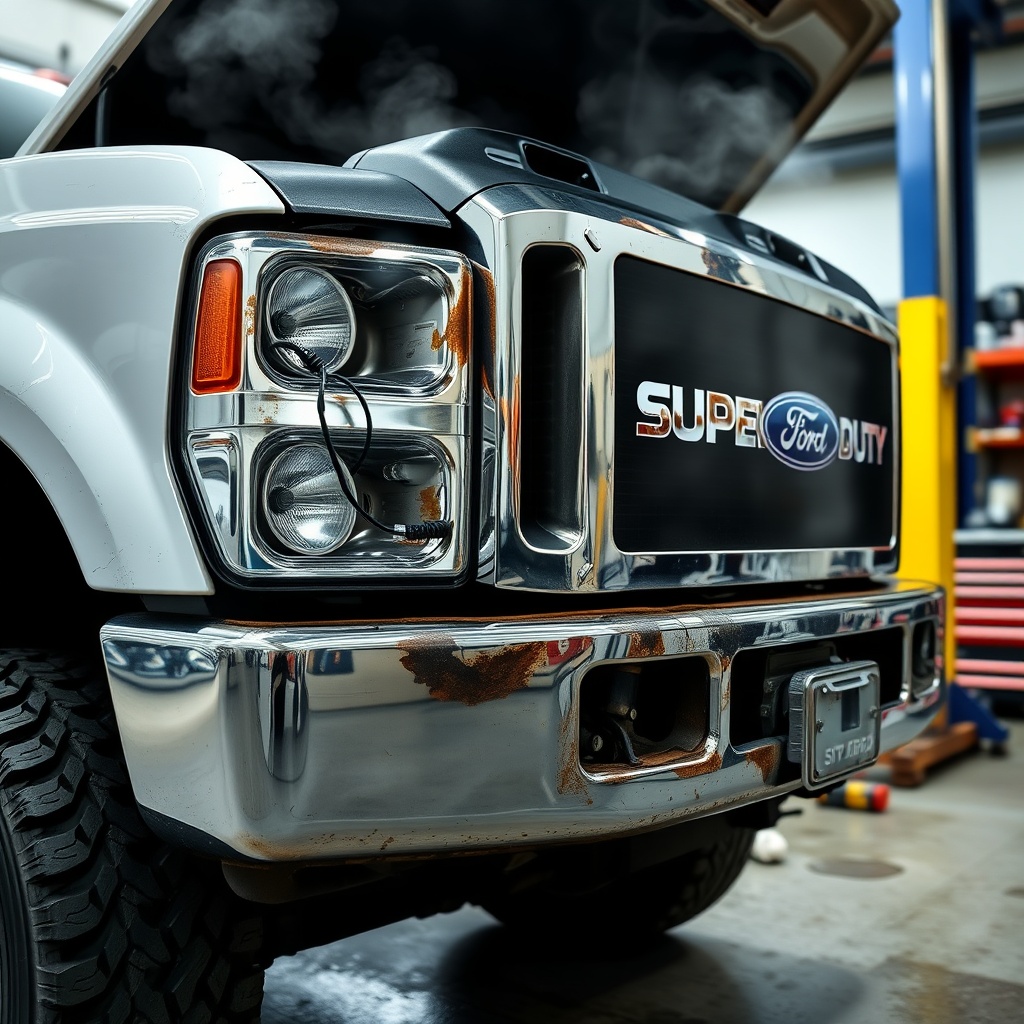
Identifying the Worst Ford Super Duty Years
2006 Ford Super Duty A Year to Avoid
The 2006 Ford Super Duty is a prime example of what can go wrong with a truck. The 6.0L Power Stroke engine in this model is infamous for its reliability issues, including blown head gaskets and failing turbochargers. I’ve spoken to owners who’ve spent thousands on repairs, only to have the same problems recur.
If you’re considering a 2006 Super Duty, proceed with extreme caution. Even with meticulous maintenance, these trucks are prone to major failures. For a deeper dive into why this year is so problematic, check out this authoritative guide.
2017 Model Known for Significant Issues
The 2017 Super Duty might look modern, but it’s far from perfect. Owners report a range of issues, from electrical glitches to transmission hiccups. The aluminum body, while lightweight, can also be prone to dents and scratches. It’s a shame because the truck has a lot of potential, but the execution falls short.
If you’re set on a 2017 model, make sure to get a thorough inspection. Pay special attention to the wiring and transmission, as these are the most common trouble spots. A little due diligence now can save you a lot of headaches later.
Other Years with Notable Problems
While 2006 and 2017 are the worst offenders, other years have their share of issues. The 2011 and 2012 models, for example, are known for transmission failures. The 2008-2010 models suffer from engine and EGR system problems. Even the newer 2020 models aren’t immune—some owners report issues with the infotainment system.
The key takeaway? Do your homework before buying. A little research can help you avoid a money pit. And if you’re unsure, consult a trusted mechanic or expert review to guide your decision.
Analyzing the 2012 Ford Super Duty
When it comes to the Ford Super Duty lineup, the 2012 model stands out—but not always for the right reasons. Owners have reported a mix of praises and complaints, making it a year worth scrutinising. The 2012 model introduced some notable updates, but these changes didn’t always translate to reliability. Common issues include engine hiccups and electrical gremlins, which can be frustrating for those relying on their trucks for heavy-duty tasks.
On the flip side, the 2012 Super Duty has its fans. Many appreciate its robust towing capacity and the introduction of the 6.7L Power Stroke diesel engine, which offers impressive performance. However, the automotive blog highlights that these positives are often overshadowed by recurring problems. If you’re considering a 2012 model, thorough inspection and maintenance records are non-negotiable.
The Significance of Diesel Engines in Super Duty Trucks
Diesel engines have long been the heart of Ford’s Super Duty trucks, offering unmatched torque and longevity compared to their gasoline counterparts. The debate between diesel and gasoline often boils down to performance versus cost. Diesel engines excel in heavy-duty applications, but they come with higher upfront costs and maintenance requirements. For those who prioritise reliability under load, diesel is the clear winner.
Certain model years stand out for their diesel reliability. The 2011 and 2016 models, for instance, are often praised for their durability. However, the are Corsa VXR reliable page reminds us that even the best years require diligent upkeep. If you’re in the market for a diesel Super Duty, focus on years with fewer reported issues and a strong maintenance history.
Transmission Problems Across Model Years
Transmission issues are a recurring headache for Super Duty owners, with some years faring worse than others. Signs of transmission failure include rough shifting, delayed engagement, and unusual noises. These symptoms shouldn’t be ignored, as they often indicate deeper problems. The 2008 and 2017 models are particularly notorious for transmission complaints, making them years to approach with caution.
For those dealing with transmission woes, early intervention is key. Regular fluid changes and prompt repairs can extend the life of your transmission. The common issues and solutions page offers valuable insights into managing such problems. If you’re buying used, a pre-purchase inspection focusing on the transmission is a must.
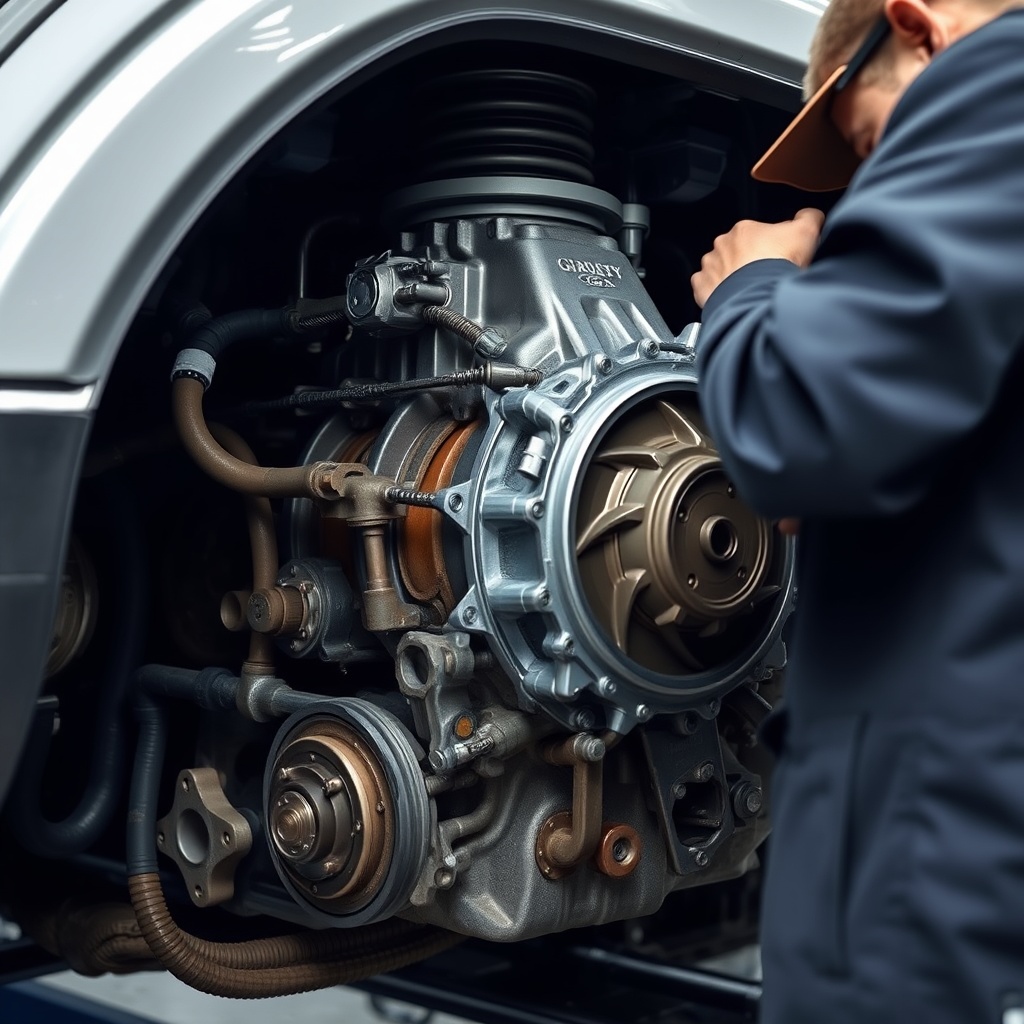
The Role of Maintenance in Avoiding Problem Years
Proper maintenance can turn even the most problematic Super Duty years into reliable workhorses. Essential tasks include regular oil changes, fluid checks, and timely belt replacements. Neglecting these basics can exacerbate known issues, especially in years like 2006 or 2012. A well-maintained truck is less likely to leave you stranded, regardless of its model year.
Beyond routine upkeep, addressing recalls and warranty coverage is crucial. Many Super Duty issues are covered under warranty, but only if acted upon promptly. For more tips on keeping your truck in top shape, check out this authoritative guide on transmission care. Remember, a little prevention goes a long way in avoiding costly repairs down the road.
Comparing Super Duty to Other Heavy-Duty Trucks
Ford Super Duty vs Competitors Reliability
When it comes to heavy-duty trucks, the Ford Super Duty stands tall, but how does it compare to rivals like the Ram 2500 or Chevrolet Silverado 2500? We’ve found that while the Super Duty excels in towing capacity and engine options, reliability can vary by model year. For instance, the 2017 Ford Super Duty has known issues, whereas competitors like the Ram 2500 offer smoother transmissions. It’s a trade-off between raw power and long-term dependability.
Owners often praise the Super Duty’s diesel performance, but electrical gremlins can plague certain years. In contrast, the Silverado 2500 boasts fewer reported problems but lacks the Ford’s rugged charm. If reliability is your top priority, cross-referencing model years is crucial. We recommend diving into vehicle history reports before making a decision.
Choosing Between Brands Based on Yearly Performance
Yearly performance trends reveal that Ford Super Duty trucks from 2015-2019 face more transmission complaints than their rivals. However, the 2020 and newer models show significant improvements. The Ram 2500, on the other hand, consistently scores high for ride comfort but falls short in payload capacity. It’s a matter of matching your needs to the right brand and year.
For those prioritising durability, the Chevrolet Silverado 2500’s durability in harsh conditions is unmatched. Yet, Ford’s innovative features like Pro Trailer Backup Assist give it an edge for tech-savvy buyers. We suggest test-driving multiple models to feel the differences firsthand.
How to Research Before Buying a Used Super Duty
Utilising Vehicle History Reports
Vehicle history reports are your best friend when buying a used Super Duty. They reveal hidden accidents, title issues, and service records. We’ve seen too many buyers skip this step and regret it later. Services like Carfax or AutoCheck provide invaluable insights into a truck’s past, helping you avoid problematic years.
Pay special attention to recurring problems in specific model years. For example, the 2011 Super Duty is notorious for turbocharger failures. A clean history report doesn’t guarantee perfection, but it’s a solid starting point. Always cross-reference with owner forums for real-world experiences.
The Importance of Test Drives and Inspections
A test drive is non-negotiable. Listen for unusual noises, check for smooth gear shifts, and test the brakes under load. We’ve found that many Super Duty issues, like faulty steering components, only surface during a thorough drive. Don’t rush this step—your wallet will thank you later.
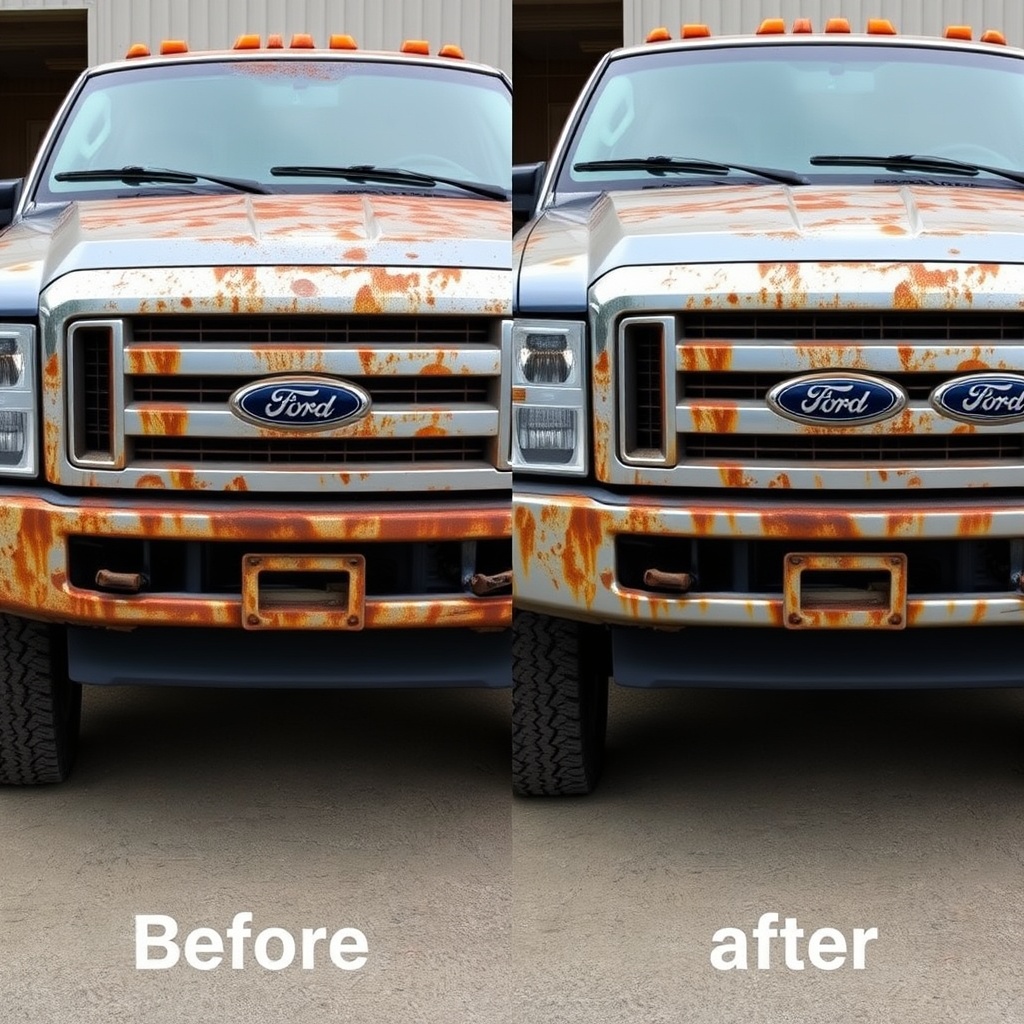
Hiring a mechanic for a pre-purchase inspection is a small price for peace of mind. They’ll spot red flags like frame rust or worn-out suspension parts. Remember, a well-maintained Super Duty can last decades, but a neglected one is a money pit. Trust us, we’ve seen both.
The Future of Ford Super Duty Trucks
Upcoming Models and Expected Improvements
Ford’s commitment to innovation means the future Super Duty lineup promises exciting upgrades. Rumours suggest hybrid and fully electric variants are in the works, addressing fuel efficiency concerns. We’re particularly excited about the potential for enhanced towing tech, making heavy loads easier to handle.
Current owners report that Ford is listening to feedback, so expect refinements in cabin comfort and infotainment. The 2025 models might finally solve the persistent electrical issues plaguing older trucks. If you’re patient, waiting for these updates could pay off.
How Future Designs May Address Past Issues
Ford’s engineers are likely focusing on durability enhancements, especially for the transmission and electrical systems. Past complaints about the Super Duty’s reliability often stem from these areas. We anticipate stronger materials and smarter diagnostics to prevent common failures.
The integration of advanced driver-assistance systems (ADAS) could also reduce wear and tear by optimising driving habits. While it’s too early to say for sure, the future looks bright for Super Duty fans. Just remember, even the best designs take time to perfect.
Real Owner Experiences with Problematic Years
Case Studies of Frequent Repairs
We’ve heard countless stories from owners of problematic Ford Super Duty years, and the 2006 model stands out. Many report recurring engine issues, particularly with the 6.0L Power Stroke diesel. One owner shared how they spent over £5,000 on repairs within the first two years of ownership. Another common complaint involves the electrical system, with faulty wiring leading to intermittent power losses. These experiences highlight the importance of thorough research before buying a used Super Duty. If you’re considering a 2006 model, budget for potential repairs or explore alternatives like the 2011 or 2015 years, which are more reliable.
The 2017 Super Duty also has its share of horror stories. Owners frequently mention transmission failures, with some experiencing complete breakdowns under 50,000 miles. One case involved a contractor whose truck left him stranded on a job site, costing him thousands in lost work. While Ford issued recalls for some of these issues, not all problems were resolved. If you’re eyeing a 2017 model, check its service history and ensure all recalls have been addressed. For peace of mind, consider models with a proven track record, such as the 2019 Super Duty, which has fewer reported issues.
Lessons Learned from Ownership
Owners of problematic Super Duty years often stress the importance of proactive maintenance. One lesson from the 2012 model is that regular fluid changes can mitigate transmission woes. A diesel engine specialist we spoke to emphasised the need for frequent oil changes to prevent turbocharger failures. Another owner of a 2008 Super Duty shared how investing in a comprehensive warranty saved them from costly repairs. These stories underscore that even with a reliable year, neglect can lead to expensive consequences. Always follow the manufacturer’s maintenance schedule and consider extended warranty options for older models.
Many owners also highlight the value of community forums and online resources. One 2015 Super Duty owner avoided a known fuel pump issue by joining a Ford enthusiast group. These platforms offer real-world insights and DIY fixes that dealerships might not provide. However, they also reveal patterns—like the 2017 model’s transmission complaints—that can steer you away from trouble. If you’re buying used, tap into these communities and ask questions. Their collective wisdom can save you from repeating the mistakes of others.
Navigating Recalls and Warranty Coverage
How to Check for Recalls on Your Truck
Staying on top of recalls is crucial for Super Duty owners, especially if you own a problematic year. Ford’s official website allows you to check recalls using your VIN, ensuring you don’t miss critical updates. We recommend doing this before purchase—many used trucks have unresolved recalls. For example, the 2011 Super Duty had a recall for steering shaft fractures, which could be dangerous if ignored. Third-party sites like the NHTSA database also provide recall information. Don’t assume the previous owner addressed everything; always verify. If a recall is open, schedule a repair with your local dealership immediately.
Some recalls are more urgent than others. The 2019 Super Duty, for instance, had a recall for faulty seat belts, which Ford addressed quickly. However, recalls for issues like engine fires or brake failures demand immediate action. Owners of older models should be particularly vigilant, as recalls can expire or parts may become scarce. If you’re unsure about your truck’s recall status, consult a qualified mechanic. They can identify unresolved issues and advise on next steps. Ignoring recalls not only risks your safety but can also void your warranty.
Understanding Warranty Terms for Older Models
Warranty coverage varies widely for older Super Duty trucks. Newer models typically come with a 3-year/36,000-mile bumper-to-bumper warranty and a 5-year/60,000-mile powertrain warranty. However, for used trucks, especially those beyond five years, coverage may be limited. Extended warranties are available, but read the fine print—some exclude known issues like the 6.0L Power Stroke’s head gasket problems. We’ve seen owners caught off guard when their claims were denied due to “pre-existing conditions.” Always review the warranty terms and ask about exclusions before committing.
For diesel models, warranty specifics are even more critical. The 2015 Super Duty’s 6.7L Power Stroke, for example, has a separate emissions warranty covering up to 100,000 miles. This can be a lifesaver for expensive repairs like DEF system failures. If you’re buying a used diesel, verify the remaining warranty and transferability. Some warranties require registration within a specific timeframe. Don’t rely on verbal assurances; get everything in writing. A well-documented warranty can save you thousands, especially if you own a model with a history of costly repairs.
Strategies for Selling or Trading in a Problematic Super Duty
Maximising Value Despite Known Issues
Selling a Super Duty with known problems requires transparency and strategy. Start by gathering all service records—proof of repairs can reassure buyers. For example, if your 2006 model has a rebuilt engine, highlight this as a selling point. We’ve seen sellers recoup significant value by documenting major fixes. Pricing is key; research similar models with and without issues to set a fair price. Be upfront about problems, but emphasise the truck’s strengths, like its towing capacity or recent upgrades. Honesty builds trust and can lead to quicker sales.
Consider selling privately rather than trading in. Dealerships often lowball trucks with known issues, but private buyers may see potential. Online platforms like specialist forums or classifieds attract enthusiasts willing to tackle repairs. If your Super Duty has a niche appeal—like a well-maintained diesel—target these audiences. Alternatively, part exchanges can work if the dealer offers incentives. We’ve seen owners negotiate better deals by bundling their trade-in with a new purchase. Whatever route you choose, arm yourself with knowledge to maximise your return.
When to Consider Selling vs Repairing
Deciding whether to sell or repair a problematic Super Duty depends on cost and long-term value. For older models like the 2006 or 2008, repairs often exceed the truck’s worth. One owner we spoke to faced a £7,000 engine rebuild on a truck valued at £10,000—selling as-is made more sense. However, if your truck is a newer model with minor issues, investing in repairs could pay off. The 2015 Super Duty, for instance, holds its value well, and fixing a known transmission issue might be worthwhile. Always get multiple repair quotes before deciding.
Another factor is your usage. If you rely on your Super Duty for work, downtime for repairs can be costly. In such cases, upgrading to a more reliable year might be the smarter move. We’ve seen contractors switch to the 2020 Super Duty after repeated breakdowns with older models. On the other hand, if your truck is a secondary vehicle, holding onto it and addressing issues gradually could be feasible. Evaluate your needs, budget, and the truck’s history to make an informed choice. Sometimes, cutting losses and moving on is the best financial decision.
Frequently Asked Questions
What Are the Most Common Issues with the 2006 Ford Super Duty?
The 2006 Super Duty is notorious for its 6.0L Power Stroke engine problems, including head gasket failures and turbocharger issues. Electrical gremlins and faulty injectors are also frequent complaints. Many owners report spending thousands on repairs, making this a year to avoid unless you’re prepared for ongoing maintenance.
Is the 2017 Ford Super Duty a Good Buy?
The 2017 model has significant transmission and fuel system issues, leading to costly repairs. While Ford issued recalls, not all problems were resolved. If you’re considering this year, ensure all recalls are addressed and budget for potential repairs. Alternatively, look at more reliable years like 2019 or 2020.
How Can I Check for Recalls on My Ford Super Duty?
Visit Ford’s official website or the NHTSA database and enter your VIN. This will show open recalls and recommended fixes. Always address recalls promptly, especially critical ones like brake or steering failures, to ensure safety and maintain warranty coverage.
Are Extended Warranties Worth It for Older Super Duty Trucks?
Extended warranties can be valuable for older models, but read the fine print. Some exclude known issues, like the 6.0L Power Stroke’s head gasket problems. Verify coverage terms and transferability before purchasing. For high-mileage trucks, a warranty might not justify the cost.
What’s the Best Year for a Used Ford Super Duty?
The 2011, 2015, and 2019 models are among the most reliable. They offer a balance of performance and fewer reported issues. Avoid 2006, 2008, and 2017 due to persistent problems. Always research and inspect any used truck thoroughly before buying.