Introduction
If you’re a Ford truck enthusiast, you’ve probably heard the term “Bumpside” thrown around. But what does it actually mean? In the world of classic Ford trucks Bumpside” refers to the 1967-1972 F-Series models, named for their distinctive body styling. These trucks are more than just vintage vehicles—they’re a piece of automotive history. Let’s dive into what makes them so special.
Key Takeaways
- Defining “Bumpside The term refers to the 1967-1972 Ford F-Series trucks, known for their unique body contours.
- Historical Significance: These trucks marked a turning point in Ford’s design and engineering.
- Collector’s Appeal: Bumpside trucks are highly sought after for their classic aesthetics and robust performance.
- Design Evolution: They bridged the gap between older, simpler designs and the modern trucks we see today.
- Community & Culture: A vibrant community of enthusiasts keeps the Bumpside legacy alive.
Introduction to Bumpside Ford Trucks
Defining ‘Bumpside’ in Ford Truck Terminology
The nickname “Bumpside” comes from the pronounced body lines running along the sides of the 1967-1972 Ford F-Series trucks. These ridges, or “bumps gave the trucks a muscular, rugged appearance. Unlike their predecessors, Bumpside trucks featured a more modern and aerodynamic design, setting them apart in Ford’s lineup. For more on classic truck terminology, check out our automotive blog.
How Well Do You Know Ford?
The Historical Context of Bumpside Trucks
Introduced in 1967, the Bumpside trucks arrived during a transformative era for Ford. The automotive industry was shifting towards more stylish and functional designs, and Ford responded with these iconic models. They were built to last, combining durability with a fresh aesthetic that appealed to both work and leisure drivers. This era also saw advancements in engine technology, making Bumpside trucks a favourite among performance enthusiasts.
Why Bumpside Trucks Hold a Special Place in Ford’s History
Bumpside trucks represent a golden age for Ford, blending practicality with timeless design. Their popularity endures today, with many enthusiasts restoring or customising them. Whether you’re a collector or a casual fan, there’s no denying the cultural impact of these trucks. For insights into other classic vehicles, explore our guide on classic car ownership.
The Design Evolution of Bumpside Ford Trucks
Key Design Features of Bumpside Trucks
The Bumpside Ford trucks, produced from 1967 to 1972, are instantly recognisable for their distinctive body lines. The name “Bumpside” comes from the pronounced bulges on the sides of the truck, a design choice that added both strength and style. These trucks featured a more streamlined look compared to their predecessors, with a lower, wider stance that gave them a muscular appeal. The front grille was bold and angular, while the cab design offered improved visibility and comfort. It’s no wonder enthusiasts often turn to automotive blogs to learn more about these iconic features.
Inside, the Bumpside trucks introduced a more driver-focused cabin, with better ergonomics and upgraded materials. The dashboard was redesigned for functionality, and the seating was more supportive, making long drives less taxing. The attention to detail in the design extended to the exterior, where chrome accents and bold badging highlighted Ford’s commitment to style. Whether you’re restoring one or just admiring it, the Bumpside’s design is a testament to Ford’s innovation during this era.
Comparing Bumpside to Previous Ford Truck Designs
When comparing the Bumpside to earlier Ford trucks, the differences are striking. The pre-1967 models, often called “Slicksides lacked the pronounced body lines that define the Bumpside. The transition to the Bumpside design marked a shift towards a more modern, aggressive aesthetic. The cab was larger, offering more interior space, and the overall silhouette was sleeker. This evolution reflected the broader trends in automotive design during the late 1960s, where form began to match function in exciting new ways.
The Bumpside also introduced improvements in aerodynamics and weight distribution, which contributed to better handling and fuel efficiency. While earlier trucks were utilitarian in nature, the Bumpside blended practicality with a touch of sophistication. For those interested in the technical aspects, performance comparisons often highlight how these design changes influenced the truck’s capabilities. It’s a fascinating study in how Ford balanced tradition with innovation.
The Aesthetic Appeal of Bumpside Trucks
There’s no denying the visual impact of a well-maintained Bumpside Ford truck. The bold lines and muscular stance make it a standout in any setting. The design was a nod to the muscle car era, with its emphasis on power and presence. The chrome accents, distinctive grille, and flared wheel arches all contribute to a look that’s both rugged and refined. It’s a design that has aged remarkably well, still turning heads decades later.
For many enthusiasts, the Bumpside’s appeal lies in its versatility. Whether restored to factory specs or customised for modern performance, these trucks exude character. The design lends itself to personalisation, from paint schemes to wheel choices. If you’re considering a project, design ideas from other classic vehicles can provide inspiration. The Bumpside’s timeless aesthetic ensures it remains a favourite among collectors and restorers alike.
The 1967-1972 Ford F-Series: A Closer Look
Overview of the 1967-1972 F-Series Models
The 1967-1972 F-Series marked a significant milestone in Ford’s truck lineage. This era introduced the Bumpside design, which replaced the more conservative styling of previous years. The lineup included a range of models, from the utilitarian F-100 to the heavy-duty F-350, catering to diverse needs. Ford also offered various cab configurations, including regular, extended, and crew cabs, ensuring there was a truck for every purpose.
Under the hood, the F-Series boasted a selection of engines, from the reliable inline-six to the powerful V8 options. The chassis was redesigned for improved durability, and the suspension was tuned for a smoother ride. These trucks were built to work, but their stylish design made them equally at home on the road. It’s a balance that few manufacturers achieved as successfully as Ford during this period.
The Significance of the 1967 Model Year
The 1967 model year was a turning point for Ford trucks. It was the debut of the Bumpside design, which set a new standard for aesthetics and functionality. The introduction of twin I-beam front suspension improved ride quality and handling, a feature that became synonymous with Ford trucks for decades. The 1967 models also offered more creature comforts, such as improved heating and ventilation, making them more appealing to everyday drivers.
This year also saw the introduction of safety features like side marker lights and a dual-circuit braking system. These innovations reflected Ford’s commitment to keeping pace with evolving regulations and consumer expectations. For those interested in the broader context, reliability discussions often highlight how these changes set the stage for future advancements. The 1967 F-Series wasn’t just a new truck—it was a glimpse into the future of automotive design.
How the F-Series Evolved During the Bumpside Era
Over the six-year production run, the Bumpside F-Series saw incremental updates that refined its design and performance. By 1970, Ford had introduced a more aggressive grille and updated badging, giving the trucks a fresher look. Engine options expanded, with the introduction of the 390 cubic-inch V8, offering even more power for towing and hauling. The interior also received upgrades, including better sound insulation and more luxurious upholstery options.
These changes kept the F-Series competitive in a rapidly evolving market. By the end of the Bumpside era, Ford had solidified its reputation for building trucks that were as capable as they were stylish. The legacy of these models is evident in the continued demand for restored examples. Whether you’re a collector or a casual fan, the Bumpside F-Series represents a golden age in Ford’s truck history.
Understanding Bumpside vs. Dentside Ford Trucks
The Origin of the ‘Bumpside’ and ‘Dentside’ Nicknames
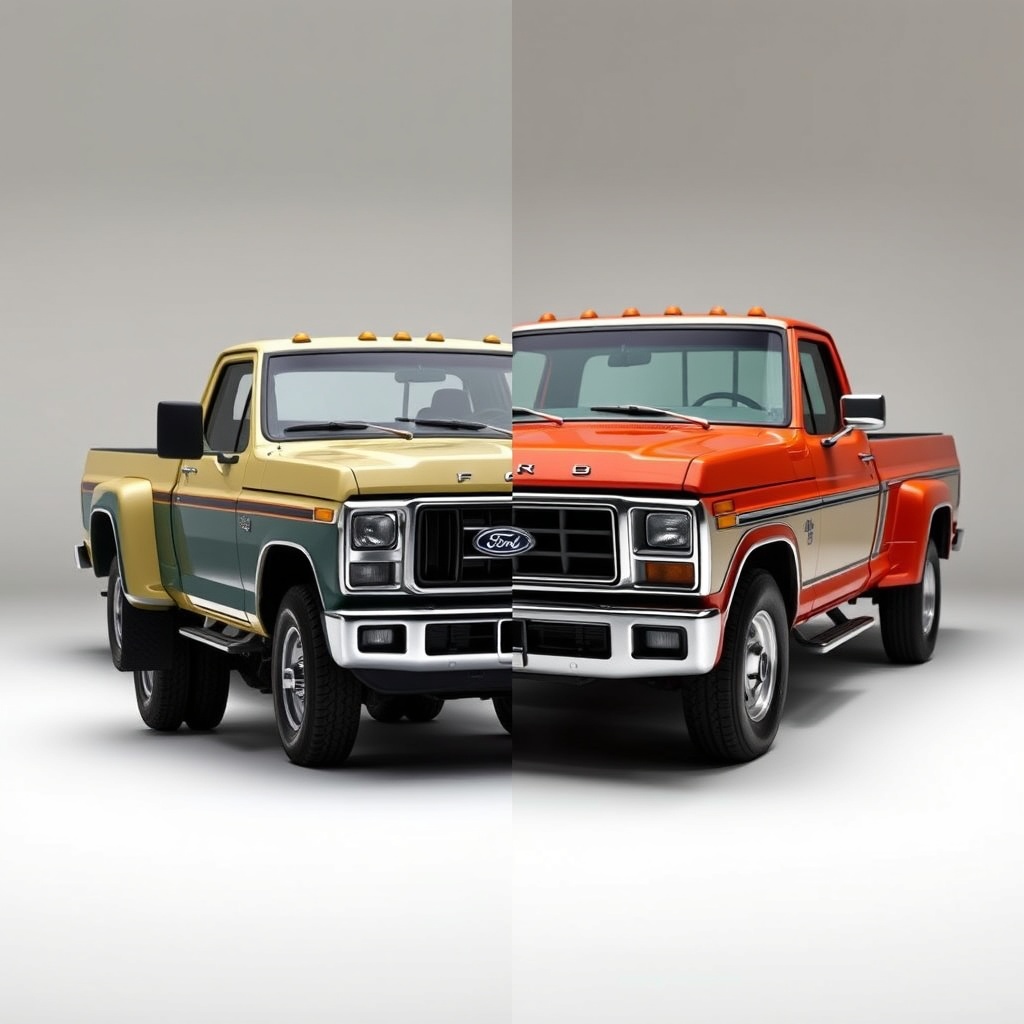
The nicknames “Bumpside” and “Dentside” are more than just playful monikers—they’re a nod to the distinct design elements of these Ford trucks. The Bumpside, produced from 1967 to 1972, earned its name from the pronounced bulges on the sides of the body. These bulges were a deliberate styling choice, giving the truck a muscular, aggressive look. In contrast, the Dentside, which followed from 1973 to 1979, featured recessed body lines, creating a “dented” appearance.
These nicknames have become shorthand for enthusiasts to quickly identify the era of a Ford truck. The transition from Bumpside to Dentside marked a shift in design philosophy, with Ford opting for a more subdued, utilitarian aesthetic. For a deeper dive into these differences, this external resource offers a comprehensive comparison. It’s a fascinating look at how small design changes can define an entire generation of vehicles.
Design Differences Between Bumpside and Dentside Trucks
While both the Bumpside and Dentside trucks share a similar overall silhouette, the devil is in the details. The Bumpside’s bulging body lines give it a more dynamic, muscular profile, while the Dentside’s recessed lines create a flatter, more understated look. The grille designs also differ significantly, with the Bumpside featuring a bold, angular front end, and the Dentside opting for a simpler, more rectangular grille.
Inside, the Dentside trucks offered more modern amenities, such as improved seating and better soundproofing. However, many enthusiasts argue that the Bumpside’s raw, unfiltered driving experience is part of its charm. Whether you prefer the boldness of the Bumpside or the practicality of the Dentside, both designs have their merits. It’s a debate that continues to fuel passionate discussions among Ford truck fans.
Why Enthusiasts Prefer One Over the Other
The choice between a Bumpside and a Dentside often comes down to personal preference. Bumpside fans appreciate its bold, muscular design and its connection to the muscle car era. These trucks are often seen as more customisable, with their pronounced lines providing a perfect canvas for creative builds. On the other hand, Dentside enthusiasts value the improved comfort and practicality of the later models, which cater to a more modern driving experience.
Ultimately, both trucks have their place in Ford’s storied history. Whether you’re drawn to the Bumpside’s aggressive styling or the Dentside’s refined approach, there’s no wrong answer. For those looking to explore further, comparisons between different vehicle generations can offer valuable insights. It’s a testament to Ford’s ability to evolve while staying true to its roots.
Engine and Performance Specifications of Bumpside Trucks
Available Engine Options During the Bumpside Era
The Bumpside era, spanning 1967 to 1972, offered a variety of engine options to suit different needs. From the economical 240 cubic-inch inline-six to the powerful 390 V8, Ford ensured there was something for everyone. The 360 and 390 V8s were particularly popular among enthusiasts for their robust performance and reliability. These engines were paired with either a three-speed manual or an optional automatic transmission, providing flexibility for drivers.
One standout was the 390 V8, which delivered impressive torque and horsepower, making it ideal for towing and hauling. The automotive blog highlights how these engines set the foundation for Ford’s reputation in the truck market. Whether you needed a workhorse or a weekend cruiser, the Bumpside’s engine lineup had you covered.
Performance Upgrades from Previous Generations
Compared to its predecessors, the Bumpside trucks featured significant performance upgrades. The introduction of improved carburetion and ignition systems enhanced fuel efficiency and power output. Ford also focused on refining the suspension and braking systems, ensuring a smoother and safer ride. These upgrades made the Bumpside a more capable and comfortable vehicle, whether on the highway or off-road.
Enthusiasts often highlight the fastest Corsa model as a benchmark for performance, but the Bumpside’s engineering was equally impressive. The combination of power and reliability made these trucks a favourite among those who valued both performance and practicality.
How Engine Choices Influenced the Truck’s Popularity
The diverse engine options played a crucial role in the Bumpside’s popularity. The availability of both economical and high-performance engines allowed Ford to cater to a broad audience. Fleet operators appreciated the durability of the inline-six, while performance enthusiasts gravitated towards the V8 options. This versatility ensured the Bumpside’s success in both commercial and personal markets.
Today, the Corsa VXR specs might dominate discussions, but the Bumpside’s legacy remains unmatched. Its engine choices not only defined its era but also laid the groundwork for future Ford trucks, cementing its place in automotive history.
The Cultural Impact of Bumpside Ford Trucks
Bumpside Trucks in American Culture
The Bumpside Ford trucks became iconic symbols of American ingenuity and resilience. Their rugged design and dependable performance made them a staple on farms, construction sites, and suburban driveways alike. These trucks were more than just vehicles; they were tools that helped build communities and fuel the American dream.
From movies to music, the Bumpside’s influence permeated popular culture. Its distinctive styling and robust build made it a favourite prop in films and TV shows, further embedding it in the national consciousness. The reliability of the Corsa VXR might be a modern talking point, but the Bumpside’s cultural impact is timeless.
The Role of Bumpside Trucks in Automotive Enthusiast Communities
Automotive enthusiasts have long celebrated the Bumpside for its simplicity and potential for customization. Its straightforward mechanical design makes it a favourite among restorers and modifiers. Whether it’s a stock restoration or a full-blown custom build, the Bumpside offers endless possibilities for creativity.
Clubs and online forums dedicated to these trucks thrive, with members sharing tips, stories, and resources. The sense of community around the Bumpside is a testament to its enduring appeal. While modern cars like the Corsa VXR dominate headlines, the Bumpside’s legacy continues to inspire new generations of enthusiasts.
Iconic Bumpside Truck Appearances in Media
The Bumpside’s rugged charm has made it a frequent star in movies, TV shows, and even music videos. Its timeless design and association with Americana ensure it remains a popular choice for filmmakers. From gritty action films to heartwarming family dramas, the Bumpside has played a supporting role in countless stories.
Its appearances in media have only added to its mystique, making it a sought-after collector’s item. Whether on the big screen or in a garage, the Bumpside’s presence is always felt. Its cultural significance is a reminder of how deeply embedded these trucks are in the fabric of American life.
Restoration and Customization of Bumpside Trucks
Starting Your Bumpside Truck Restoration Project
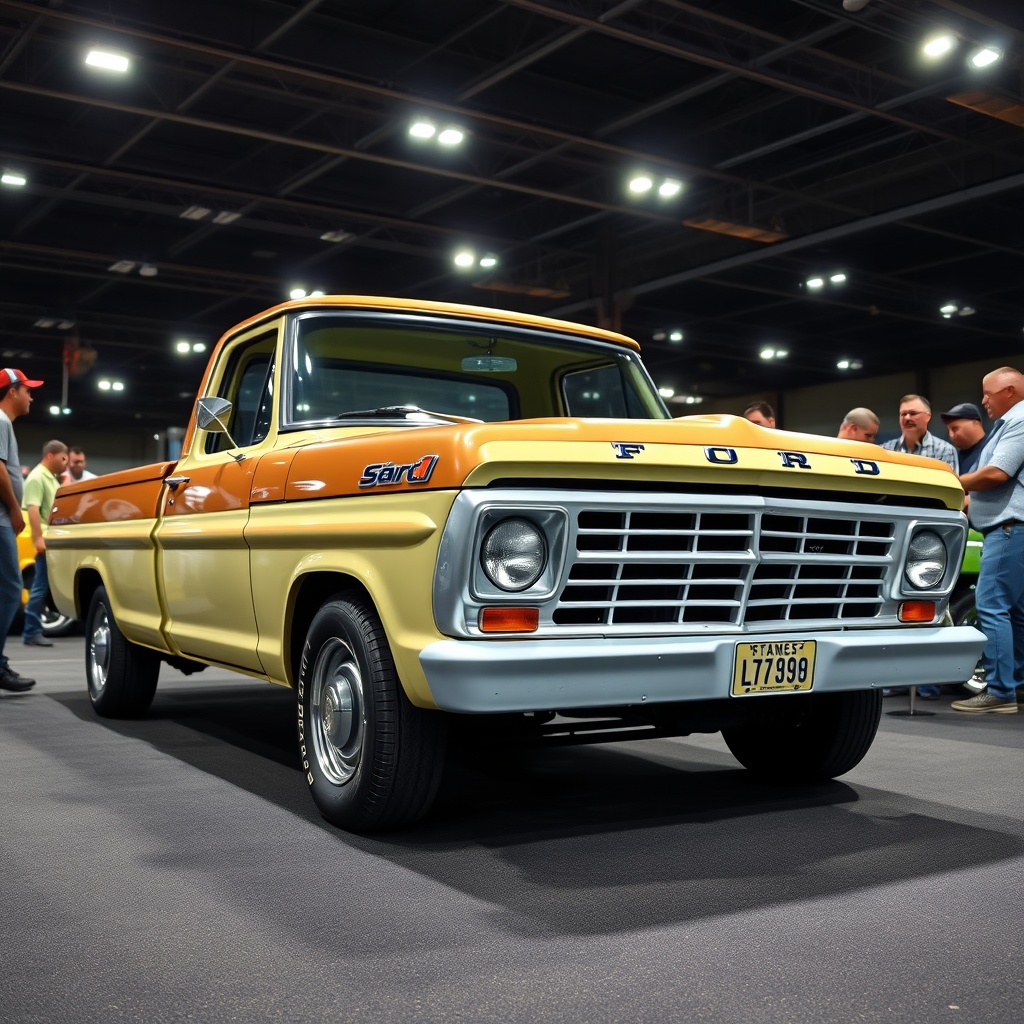
Restoring a Bumpside truck is a rewarding journey that begins with careful planning. The first step is assessing the truck’s condition and identifying the scope of work needed. Whether it’s a minor refresh or a full frame-off restoration, having a clear plan ensures success. Sourcing quality parts is crucial, and fortunately, the aftermarket support for Bumpside trucks is robust.
Many enthusiasts turn to online communities and forums for advice and resources. These platforms are invaluable for finding rare parts and connecting with experts. The process might seem daunting, but the satisfaction of bringing a classic back to life is unparalleled.
Popular Customization Options for Bumpside Trucks
Customizing a Bumpside allows owners to put their personal stamp on a piece of automotive history. Popular modifications include engine swaps, suspension upgrades, and modern interior amenities. The Coyote V8 swap, for instance, combines classic styling with modern performance, offering the best of both worlds.
Other common upgrades include disc brake conversions and lowered suspensions for a sleeker look. The goal is often to enhance drivability while preserving the truck’s vintage charm. Whether you’re aiming for a showstopper or a daily driver, the Bumpside’s versatility makes it an ideal canvas.
Preserving the Original Charm While Modernizing
Balancing originality with modernization is key to a successful Bumpside build. Many owners opt to retain the truck’s classic exterior while upgrading the drivetrain and interior for comfort and reliability. This approach ensures the truck remains true to its roots while meeting modern expectations.
Attention to detail is critical, from matching paint colours to period-correct upholstery. The result is a truck that honours its heritage while offering contemporary performance. For many, this blend of old and new is the ultimate expression of automotive passion.
The Market for Bumpside Ford Trucks
Current Market Trends for Bumpside Trucks
The demand for Bumpside trucks has surged in recent years, driven by their nostalgic appeal and investment potential. Well-restored examples command premium prices, while project trucks offer affordable entry points for enthusiasts. The market is particularly strong for rare configurations, such as factory 4×4 models or high-performance variants.
Online auctions and classifieds have made it easier than ever to buy and sell these classics. The growing interest in vintage trucks ensures that the Bumpside remains a hot commodity. Whether you’re buying or selling, understanding market trends is essential for making informed decisions.
Factors That Affect the Value of a Bumpside Truck
Several factors influence the value of a Bumpside truck, including originality, condition, and rarity. Trucks with matching numbers and documented histories typically fetch higher prices. Modifications can either enhance or detract from value, depending on their quality and relevance.
Geographic location also plays a role, with trucks from rust-free regions being more desirable. Ultimately, the value is determined by what buyers are willing to pay, making research and patience key to a successful transaction.
Tips for Buying a Bumpside Truck
Purchasing a Bumpside truck requires due diligence to avoid costly mistakes. Inspecting the truck in person is ideal, but if that’s not possible, detailed photos and videos can help. Checking for rust, mechanical issues, and signs of previous repairs is essential.
It’s also wise to verify the truck’s history and documentation. Joining enthusiast groups can provide valuable insights and recommendations. With the right approach, finding the perfect Bumpside can be a thrilling and rewarding experience.
Common Challenges in Owning a Bumpside Truck
Finding Replacement Parts for Bumpside Trucks
One of the biggest hurdles we face with our Bumpside trucks is sourcing replacement parts. Given their age, many components are no longer in production, making it a treasure hunt to find what we need. From body panels to interior trim, the scarcity of parts can test our patience. However, dedicated automotive forums and specialised suppliers often come to the rescue, offering rare finds and reproduction parts.
We’ve learned that networking with other enthusiasts is invaluable. Whether it’s through online communities or local meets, sharing leads on parts can save time and money. Some of us even resort to salvaging parts from donor trucks, though this requires a keen eye for condition and compatibility. It’s all part of the adventure of keeping these classics on the road.
Addressing Common Mechanical Issues
Mechanical gremlins are another challenge we often encounter with Bumpside trucks. Issues like carburettor tuning, worn suspension components, and electrical gremlins are par for the course. These trucks were built in an era before modern diagnostics, so troubleshooting can feel like detective work. Patience and a good workshop manual are our best allies here.
Many of us opt for upgrades to improve reliability, such as electronic ignition or modern braking systems. While purists might balk at these changes, they can make daily driving much more manageable. Balancing originality with practicality is a personal choice, but the goal is always the same: keeping our Bumpside trucks running smoothly.
Maintaining the Authenticity of Your Bumpside Truck
Preserving the authenticity of our Bumpside trucks is a labour of love. Every scratch, dent, and patina tells a story, and we strive to honour that history. However, maintaining originality isn’t always easy, especially when replacement parts deviate from factory specs. We often have to weigh the pros and cons of restoration versus preservation.
For those of us aiming for concours-level authenticity, meticulous research is key. Original paint codes, trim details, and even period-correct accessories matter. It’s a slow process, but the reward is a truck that’s as close to its factory condition as possible. Whether you’re a purist or a restomod enthusiast, the passion for these trucks unites us all.
The Future of Bumpside Ford Trucks
The Growing Collector’s Market for Bumpside Trucks
The collector’s market for Bumpside trucks is heating up, and we’re seeing prices climb as demand grows. These trucks are no longer just workhorses; they’re coveted pieces of automotive history. Rare models, like the F-250 Camper Special, are particularly sought after, often fetching premium prices at auctions and private sales.
What’s driving this trend? Nostalgia plays a big role, but so does the timeless design of the Bumpside era. Younger collectors are also entering the scene, drawn to the simplicity and rugged charm of these trucks. As the market evolves, we expect values to continue rising, making now a great time to invest in a well-preserved example.
The Role of Bumpside Trucks in Future Automotive Trends
Bumpside trucks are more than just relics; they’re influencing modern automotive trends. The clean lines and utilitarian design of these trucks have inspired contemporary models, blending classic aesthetics with modern technology. We’re even seeing electric conversions for Bumpside trucks, marrying vintage style with eco-friendly performance.
This fusion of old and new is a testament to the enduring appeal of the Bumpside design. Whether it’s through restomods or factory-inspired updates, these trucks are proving that good design never goes out of style. The future looks bright for Bumpside enthusiasts, with endless possibilities for innovation and preservation.
Preserving Bumpside Trucks for Future Generations
Preserving Bumpside trucks for future generations is a mission many of us take seriously. These trucks are a tangible link to Ford’s storied past, and we want to ensure they’re around for years to come. From documenting restoration processes to mentoring new enthusiasts, we’re committed to passing on the knowledge and passion for these classics.
Community efforts, like organised meets and online archives, play a crucial role in this preservation. By sharing stories, tips, and resources, we’re building a legacy that extends beyond our own garages. It’s not just about the trucks—it’s about the people who love them and the memories they create.
Bumpside Trucks in Competitive Motorsports
The Legacy of Bumpside Trucks in Racing
Bumpside trucks have a storied history in motorsports, particularly in drag racing and off-road events. Their robust chassis and powerful engine options made them favourites among racers in the late 60s and early 70s. Today, we still see these trucks tearing up tracks, often with modern powertrains swapped in for extra performance.
The racing community has embraced Bumpside trucks for their versatility and iconic look. From vintage classes to modern pro-touring events, these trucks hold their own against newer competitors. Their presence on the track is a nod to their enduring performance pedigree and the ingenuity of their builders.
Building a Competitive Bumpside Race Truck
Building a competitive Bumpside race truck is a thrilling challenge. The foundation is solid, but the key lies in balancing weight, power, and handling. Many of us start with a stripped-down chassis, adding roll cages, upgraded suspension, and high-performance engines to create a track-ready machine.
One of the joys of this process is the creativity it allows. Whether it’s a drag strip monster or a desert racer, the Bumpside platform is incredibly adaptable. The community is full of builders willing to share tips and tricks, making it easier for newcomers to dive in. The result is a unique blend of vintage style and cutting-edge performance.
Notable Bumpside Truck Racing Achievements
Over the years, Bumpside trucks have racked up impressive racing accolades. From NHRA victories to Baja 1000 finishes, these trucks have proven their mettle in diverse disciplines. Notable builds, like the “Bumpside Bandit,” have become legends in their own right, inspiring a new generation of racers.
These achievements highlight the potential of the Bumpside platform when pushed to its limits. Whether it’s a grassroots effort or a professionally backed campaign, the spirit of competition keeps these trucks relevant in motorsports. For us, seeing a Bumpside cross the finish line is a victory for the entire community.
The Community and Culture Surrounding Bumpside Trucks
Online and Offline Communities for Bumpside Enthusiasts
The Bumpside community thrives both online and offline, with forums, social media groups, and local clubs dedicated to these trucks. Platforms like Ford Truck Enthusiasts offer a wealth of knowledge, from troubleshooting guides to build threads. These spaces are invaluable for both seasoned owners and newcomers alike.
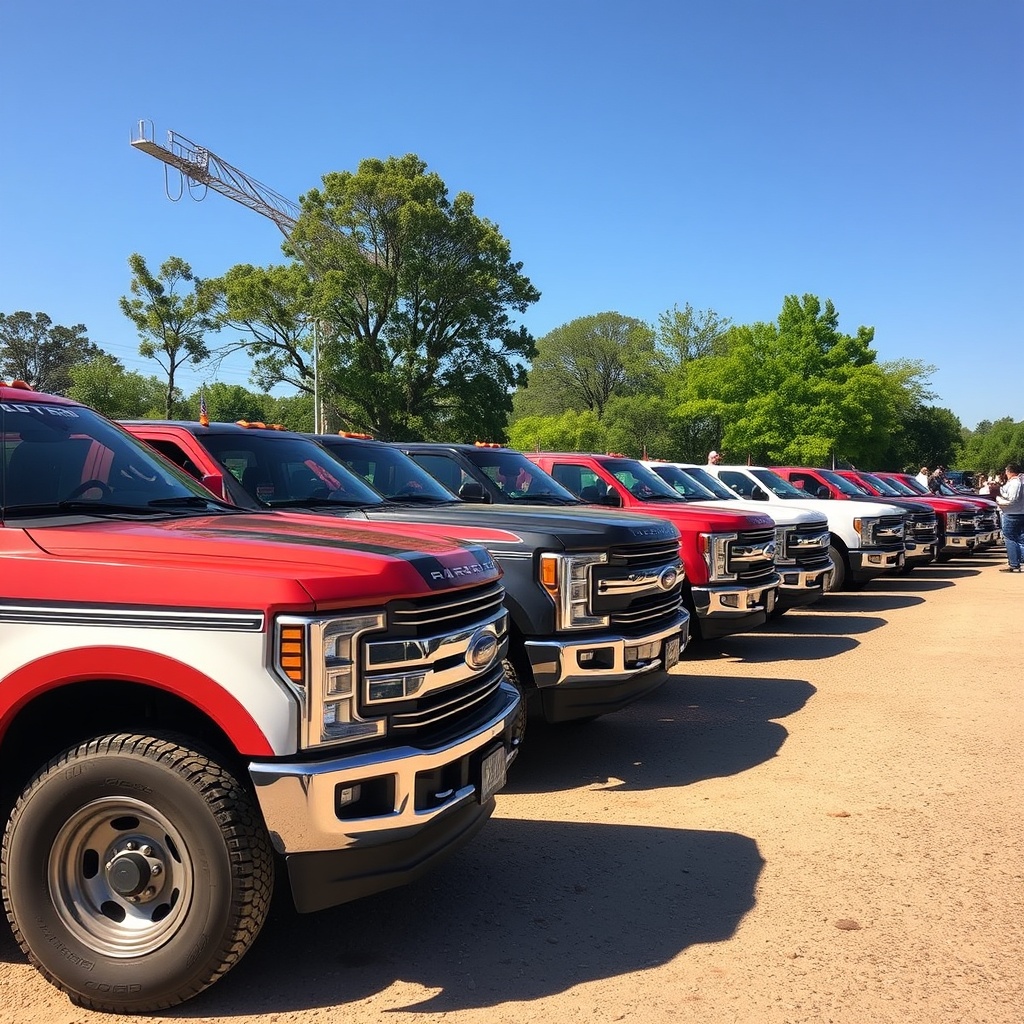
Offline, car shows and meetups provide opportunities to connect face-to-face. There’s something special about parking a row of Bumpside trucks together, comparing notes, and sharing stories. These gatherings reinforce the camaraderie that defines the Bumpside culture, making it more than just a hobby—it’s a way of life.
Events and Gatherings for Bumpside Truck Owners
From regional meetups to national conventions, there’s no shortage of events for Bumpside enthusiasts. Highlights include the annual Bumpside Nationals, where owners from across the country showcase their trucks. These events are a celebration of craftsmanship, creativity, and shared passion.
For many of us, these gatherings are the highlight of the year. They’re a chance to see rare builds, swap parts, and forge lasting friendships. Whether it’s a casual cruise or a judged show, the sense of community is palpable. These events keep the Bumpside spirit alive and thriving.
Sharing Knowledge and Resources Within the Community
The Bumpside community is built on a foundation of shared knowledge. From DIY repair tips to sourcing rare parts, we rely on each other to keep our trucks on the road. Veteran owners often mentor newcomers, ensuring that the skills and traditions of Bumpside ownership are passed down.
This collaborative spirit extends to resource-sharing, too. Whether it’s lending a rare tool or trading parts, the community is generous with its time and expertise. It’s this willingness to help that makes owning a Bumpside truck such a rewarding experience. Together, we’re preserving a piece of automotive history for future generations.
Technical Innovations in Bumpside Trucks
Breakthrough Technologies Introduced in Bumpside Trucks
The Bumpside era marked a significant leap in automotive technology for Ford trucks. Innovations like the Twin I-Beam front suspension improved ride quality and handling, a first for the F-Series. The introduction of disc brakes on select models enhanced stopping power, a critical upgrade for heavier loads. These advancements set the stage for modern truck engineering, blending durability with performance. We often overlook how these features revolutionised the industry, but they remain foundational today.
How Bumpside Trucks Paved the Way for Future Innovations
Bumpside trucks were pioneers in integrating performance-focused designs into workhorse vehicles. Their robust chassis and versatile engine options inspired later models, including the Dentside series. The emphasis on driver comfort, such as improved cabin ergonomics, influenced future truck interiors. By prioritising both utility and innovation, Bumpside trucks became a blueprint for Ford’s enduring legacy in the pickup market. Their impact is still felt in today’s advanced truck designs.
The Engineering Behind the Bumpside Design
The Bumpside’s distinctive bodywork wasn’t just aesthetic; it was a marvel of engineering precision. The raised body lines improved structural integrity, while the wider cab offered more space for drivers and passengers. Engineers also focused on weight distribution, optimising load capacity without sacrificing agility. This balance of form and function made Bumpside trucks a favourite among enthusiasts and workers alike. It’s a testament to Ford’s commitment to thoughtful, user-centric design.
Bumpside Trucks as Investment Vehicles
Understanding the Investment Potential of Bumpside Trucks
Bumpside trucks are increasingly sought after by collectors, thanks to their historical significance and timeless design. Limited production numbers and growing nostalgia have driven prices upward, making them a solid investment. Restored models, especially those with rare configurations, command premium prices. We’ve seen auctions where pristine Bumpsides fetch sums rivaling modern luxury vehicles. For savvy buyers, these trucks offer both financial and sentimental returns.
Case Studies of Bumpside Truck Sales
Recent sales highlight the Bumpside’s investment appeal. A fully restored 1971 F-100 with a 390 V8 sold for over £50,000 at a classic car auction. Another example, a rare 1968 F-250 Camper Special, fetched £45,000 due to its originality and low mileage. These figures underscore the market’s appetite for well-maintained Bumpsides. Whether you’re buying to flip or hold, understanding market trends is key. The right truck can yield impressive returns over time.
Strategies for Investing in Bumpside Trucks
Successful investment starts with research. Focus on trucks with documented histories and minimal rust, as restoration costs can erode profits. Originality matters—numbers-matching engines and factory options add value. Partnering with a trusted mechanic for pre-purchase inspections is wise. We recommend diversifying your portfolio with both restored and project trucks. Patience and a keen eye for detail will pay off in this niche market.
The Global Influence of Bumpside Ford Trucks
The Reception of Bumpside Trucks Outside the United States
Bumpside trucks found enthusiastic audiences abroad, particularly in markets like Australia and Brazil. Their rugged design and adaptability made them ideal for harsh terrains. In Brazil, locally assembled F-1000 models became cultural icons, blending American engineering with regional needs. We’ve seen how these trucks transcended borders, earning a loyal following worldwide. Their global appeal speaks to Ford’s ability to create universally admired vehicles.
Bumpside Trucks in Global Automotive Collections
From European car museums to private collections in Japan, Bumpside trucks are celebrated as automotive milestones. Their inclusion in exhibits highlights their historical and technical significance. Enthusiast clubs worldwide organise rallies and shows dedicated to these classics. The trucks’ enduring popularity underscores their role in shaping global truck culture. Owning a Bumpside isn’t just about nostalgia—it’s about preserving a piece of automotive heritage.
The Universal Appeal of Bumpside Truck Design
The Bumpside’s design resonates across cultures, thanks to its blend of functionality and style. Its bold lines and practical features appeal to both collectors and daily drivers. In regions like the Middle East, modified Bumpsides are prized for their off-road capabilities. We’ve noticed how these trucks adapt to local tastes while retaining their core identity. This universal charm ensures their legacy endures, no matter where they roam.
Frequently Asked Questions
What makes Bumpside trucks unique compared to other Ford models?
Bumpside trucks stand out for their distinctive raised body lines and pioneering features like Twin I-Beam suspension. They bridged the gap between utilitarian workhorses and modern comfort, setting a new standard for Ford’s F-Series. Their design and engineering innovations make them a favourite among collectors and enthusiasts alike.
Are Bumpside trucks a good investment for classic car collectors?
Yes, Bumpside trucks are increasingly valuable due to their rarity and historical significance. Well-maintained or restored models often appreciate in value, especially those with original parts or rare configurations. Market trends show strong demand, making them a promising addition to any classic car portfolio.
What are the common challenges when restoring a Bumpside truck?
Restoring a Bumpside truck can be challenging due to rust issues and the scarcity of original parts. Mechanical components, like brake systems, may require upgrades for modern use. However, with patience and access to specialised suppliers, these hurdles can be overcome, resulting in a rewarding project.
How did Bumpside trucks influence later Ford truck designs?
Bumpside trucks introduced advancements like improved suspension and cabin ergonomics, which became staples in later models like the Dentside series. Their focus on blending performance with comfort set a precedent for Ford’s future truck developments, ensuring their legacy lives on in modern designs.
Where can I find authentic parts for a Bumpside restoration?
Authentic parts can be sourced from specialised classic truck suppliers, online marketplaces, and enthusiast forums. Joining Bumpside owner communities can also provide valuable leads and advice. Always verify the authenticity and condition of parts before purchasing to ensure a quality restoration.