Introduction to AGS and Automatic Transmissions
When it comes to choosing the right transmission for your car, the debate between AGS (Auto Gear Shift) and traditional automatic transmissions is hotter than ever. I’ve spent years behind the wheel of both, and let me tell you, each has its own set of perks and quirks. Whether you’re a seasoned driver or a newbie, understanding these systems can make all the difference in your driving experience.
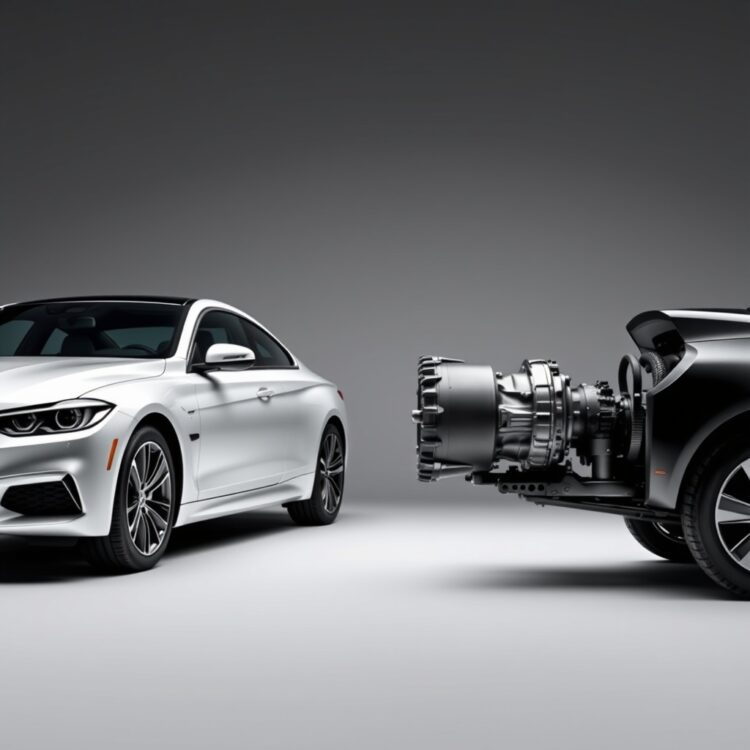
AGS, often dubbed as the “best of both worlds,” blends manual control with automatic convenience. On the other hand, automatic transmissions have been the go-to for effortless driving. But which one truly reigns supreme? We’re diving deep into this showdown to help you make an informed choice. Buckle up—this is going to be a thrilling ride.
Key Takeaways
- AGS offers a blend of manual control and automatic convenience, ideal for those who enjoy a more engaged driving experience.
- Traditional automatic transmissions provide seamless gear shifts, perfect for stress-free commuting.
- Fuel efficiency varies between the two, with AGS often edging ahead in certain driving conditions.
- Maintenance costs and reliability differ, so it’s crucial to weigh long-term ownership factors.
What is AGS (Auto Gear Shift)?
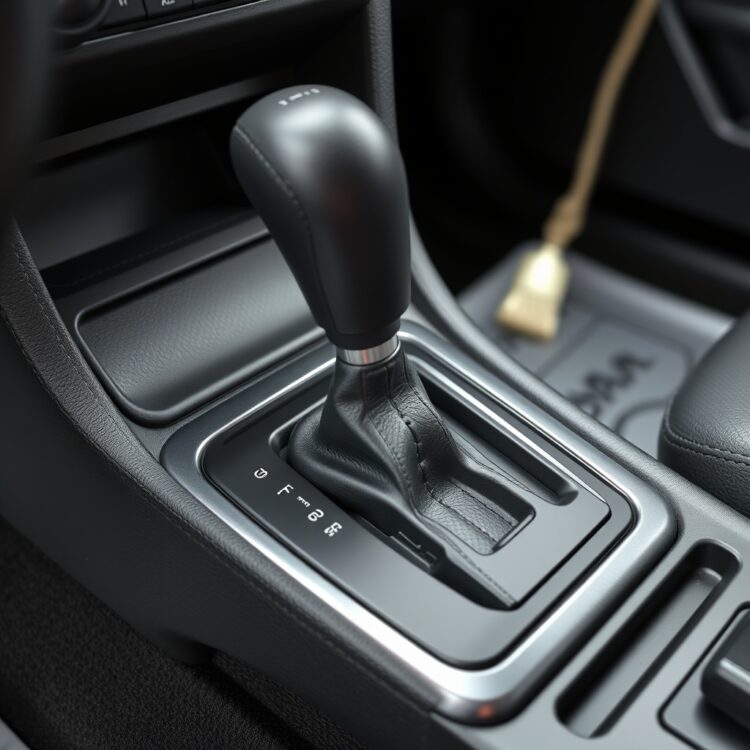
AGS, or Auto Gear Shift, is a clever hybrid that marries the simplicity of an automatic with the control of a manual. Imagine shifting gears without the hassle of a clutch—sounds like a dream, right? That’s exactly what AGS delivers. It’s a semi-automatic system that lets you switch gears manually or let the car handle it for you. Perfect for those who crave flexibility.
One of the standout features of AGS is its ability to optimise fuel efficiency. By allowing drivers to manually shift gears when needed, it can adapt to different driving styles and conditions. Whether you’re navigating city traffic or hitting the open road, AGS gives you the best of both worlds. It’s no wonder why many modern cars, like the Suzuki Alto VXR AGS, are embracing this technology.
What is Automatic Transmission?
Automatic transmissions have been the gold standard for effortless driving for decades. With no clutch pedal and no need to manually shift gears, it’s the ultimate choice for convenience. Whether you’re stuck in stop-and-go traffic or cruising on the motorway, an automatic transmission handles everything for you. It’s like having a co-pilot who never gets tired.
Modern automatics, like those found in the Vauxhall Astra VXR, are more advanced than ever. They come with features like paddle shifters for manual override and adaptive programming that learns your driving habits. While they might not offer the same level of engagement as AGS, their smooth operation and reliability make them a favourite among drivers worldwide.
Introduction to AGS and Automatic Transmissions
When it comes to choosing the right transmission for your car, the debate between AGS (Auto Gear Shift) and traditional automatic transmissions is a hot topic. I’ve spent years behind the wheel of both, and I can tell you, each has its unique strengths. Whether you’re a city driver or a performance enthusiast, understanding these systems is key to making the right choice for your needs.
AGS, often dubbed as the “best of both worlds,” combines the convenience of an automatic with the control of a manual. On the other hand, automatic transmissions have been the go-to for effortless driving. But which one truly stands out? Let’s dive deeper into what each offers and how they compare in real-world scenarios.
What is AGS (Auto Gear Shift)?
AGS, or Auto Gear Shift, is a semi-automatic transmission that eliminates the clutch pedal while retaining gear-shifting control. It’s a brilliant middle ground for those who want the ease of an automatic without sacrificing the engagement of a manual. I’ve found it particularly useful in stop-and-go traffic, where it reduces driver fatigue without feeling too detached.
One of the standout features of AGS is its fuel efficiency. By optimising gear shifts, it often outperforms traditional automatics in this regard. However, it’s not without its quirks. The gear shifts can feel slightly jerky compared to a smooth automatic, especially if you’re not used to the system. Still, for those who enjoy a bit of control, it’s a compelling option.
What is Automatic Transmission?
Automatic transmissions have been the gold standard for convenience and ease of use. They handle all the gear shifts for you, making them ideal for beginners or those who prioritise a relaxed driving experience. I’ve always appreciated how seamlessly they operate, especially on long highway drives where comfort is paramount.
Modern automatics, like the ones found in high-performance vehicles, have evolved to offer lightning-fast shifts and improved fuel economy. However, they can be more expensive to maintain and repair compared to AGS systems. If you’re someone who values simplicity and smoothness, an automatic might be the way to go.
Key Differences Between AGS and Automatic
The primary difference between AGS and automatic transmissions lies in their operation. AGS requires the driver to initiate gear changes, albeit without a clutch, while automatics handle everything independently. This distinction affects everything from driving feel to maintenance costs. I’ve noticed that AGS tends to be more engaging, but automatics win in terms of sheer convenience.
Another critical factor is the learning curve. AGS can take some getting used to, especially if you’re transitioning from a traditional manual or automatic. Automatics, on the other hand, are virtually foolproof. They’re designed to make driving as effortless as possible, which is why they dominate the market.
Performance Comparison
When it comes to performance, AGS often feels more responsive. The ability to manually select gears gives you greater control over acceleration and deceleration. I’ve found this particularly useful on winding roads where precise gear changes can make all the difference. Automatics, while smooth, can sometimes feel a bit sluggish in comparison.
That said, modern automatics with paddle shifters or sport modes can close the gap significantly. High-end models, like those featured in our automotive blog, offer near-instant shifts that rival even the best AGS systems. It really comes down to personal preference and how you plan to use your vehicle.
Fuel Efficiency
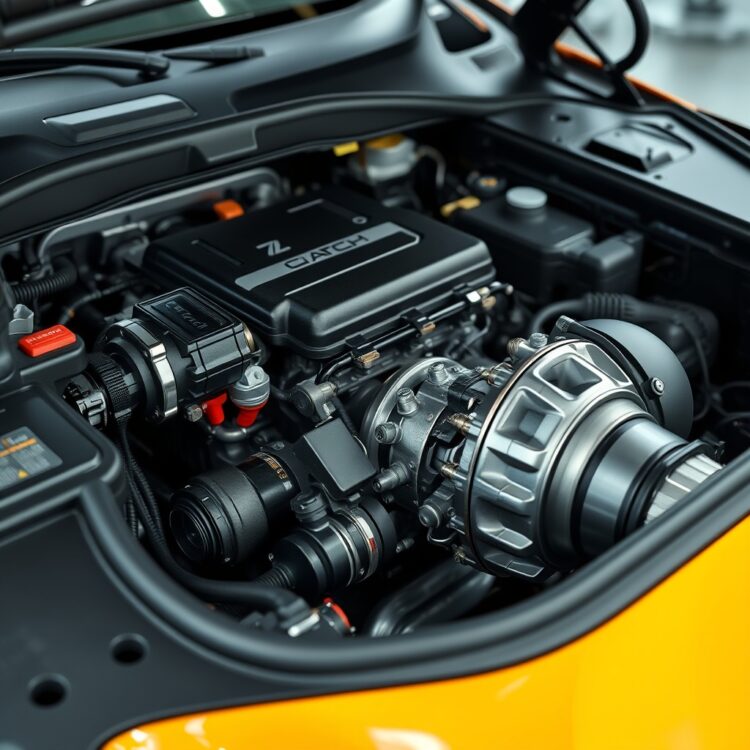
Fuel efficiency is where AGS often shines. By optimising gear shifts based on driver input, it can deliver better mileage than a traditional automatic. I’ve seen this firsthand in city driving, where AGS systems tend to be more economical. However, automatics have made significant strides in recent years, with many now offering comparable or even superior efficiency.
The difference isn’t always night and day, though. Factors like driving style and vehicle weight play a huge role. If fuel economy is a top priority, it’s worth test-driving both to see which performs better in your typical conditions.
Pros and Cons of AGS
AGS offers a unique blend of control and convenience, but it’s not without its drawbacks. On the plus side, it’s more fuel-efficient and engaging than a traditional automatic. I’ve also found it to be more affordable to maintain, as it lacks the complex torque converter found in automatics. For drivers who enjoy a bit of involvement, it’s a fantastic option.
However, the gear shifts can feel less smooth, especially at low speeds. It also requires a bit of a learning curve, which might deter some buyers. If you’re someone who prioritises ease of use above all else, an automatic might be a better fit.
Pros and Cons of Automatic Transmission
Automatic transmissions are the epitome of convenience. They’re incredibly easy to use, making them ideal for beginners or those who drive in heavy traffic. I’ve always appreciated how smooth and effortless they feel, especially on long journeys. Plus, modern automatics are more fuel-efficient than ever.
On the downside, they can be more expensive to repair and maintain. The complexity of the system means that when something goes wrong, it often costs more to fix. Additionally, some drivers find them less engaging, which might be a dealbreaker for enthusiasts.
Which One Should You Choose?
Choosing between AGS and automatic ultimately depends on your driving style and priorities. If you value control and fuel efficiency, AGS is a strong contender. But if convenience and smoothness are your top concerns, an automatic is hard to beat. I’d recommend test-driving both to see which feels right for you.
Maintenance and Reliability
Maintenance is another critical factor to consider. AGS systems are generally simpler and cheaper to maintain, as they lack the complex components of automatics. I’ve found them to be quite reliable, with fewer issues over time. Automatics, while durable, can be costly to repair if something goes wrong.
Reliability also depends on the manufacturer. Some brands, like those we’ve reviewed in our automotive blog, are known for their robust transmissions. Always check reviews and reliability ratings before making a decision.
Cost Comparison
Cost is often a deciding factor. AGS systems are typically more affordable upfront and cheaper to maintain. Automatics, while more expensive initially, offer unparalleled convenience. I’ve found that the long-term costs can balance out, especially if you factor in fuel savings with AGS.
It’s also worth considering resale value. Automatics tend to hold their value better, as they’re more popular among buyers. However, AGS is gaining traction, especially among eco-conscious drivers.
Final Verdict: AGS vs Automatic
So, which is better? It’s a tough call. AGS offers control and efficiency, while automatics provide unmatched ease of use. For me, it comes down to how you plan to use your car. If you’re a city driver who values simplicity, go for an automatic. If you enjoy a bit of engagement and want to save on fuel, AGS is the way to go.
At the end of the day, both systems have their merits. The best choice is the one that aligns with your driving habits and preferences. Happy driving!
Performance Comparison
When it comes to performance, AGS and automatic transmissions offer distinct experiences. AGS, or Auto Gear Shift, mimics manual shifting but without the clutch, providing a sportier feel. Automatic transmissions, on the other hand, prioritise smoothness, making them ideal for city driving. Both have their merits, but the choice depends on whether you value engagement or convenience behind the wheel.
AGS systems often deliver quicker shifts in spirited driving, appealing to enthusiasts. Automatics, however, excel in stop-and-go traffic, reducing driver fatigue. If you’re torn between the two, consider your driving habits. For a deeper dive into automotive performance, check out our detailed guides.
Fuel Efficiency
Fuel efficiency is a critical factor for many drivers. AGS transmissions typically offer better fuel economy than traditional automatics due to their manual-like operation. However, modern automatics with advanced torque converters or dual-clutch systems are closing the gap. The difference often boils down to driving style and conditions.
For those prioritising efficiency, AGS might edge ahead, especially on highways. Automatics, though, shine in urban settings where their seamless shifts minimise energy loss. If you’re curious about reliability and efficiency, our resources can help you make an informed decision.
Pros and Cons of AGS
AGS transmissions bring a unique blend of manual control and automatic ease. Pros include lower cost, better fuel efficiency, and a more engaging drive. However, they can feel jerky at low speeds and lack the refinement of full automatics. It’s a trade-off between fun and comfort, depending on your priorities.
Maintenance is another consideration. AGS systems are simpler than automatics, often resulting in lower repair costs. Yet, their clutch actuators can wear out faster in heavy traffic. For more on specs and performance, explore our comprehensive reviews.
Pros and Cons of Automatic Transmission
Automatic transmissions are the epitome of convenience, especially in congested cities. They offer smooth, effortless driving and are generally more refined than AGS. However, they tend to be pricier upfront and less fuel-efficient, though advancements are mitigating these drawbacks.
Reliability is a strong suit for modern automatics, with many lasting the lifetime of the vehicle. Yet, repairs can be costly if issues arise. If you’re weighing options, our reliability assessments provide valuable insights.
Which One Should You Choose?
Choosing between AGS and automatic transmissions depends on your lifestyle. If you enjoy driving and want a balance of control and ease, AGS is a compelling option. For those who prioritise comfort and simplicity, an automatic is the way to go. Test-driving both can help clarify your preference.
Consider factors like budget, driving environment, and long-term costs. Whether you lean towards AGS features or automatics, our guides can steer you in the right direction.
Maintenance and Reliability
When it comes to maintenance, AGS and automatic transmissions have their own quirks. AGS, being a semi-automatic, often requires less frequent servicing compared to traditional automatics. However, its clutch system can wear out faster if not driven properly. On the other hand, automatic transmissions are generally more robust but can be costly to repair if issues arise. For a deeper dive into reliability, check out our detailed analysis.
Reliability is another key factor. AGS systems, while innovative, may not match the long-term durability of well-maintained automatic transmissions. If you’re looking for a hassle-free driving experience, automatics often come out on top. But if you enjoy a bit of control without the manual hassle, AGS strikes a nice balance. It’s all about weighing your priorities.
Cost Comparison
Cost is a major consideration for most drivers. AGS transmissions are typically cheaper to buy upfront, making them an attractive option for budget-conscious buyers. However, their potential higher maintenance costs can add up over time. Automatics, while pricier initially, often offer better resale value and lower long-term costs if maintained well. For more on pricing, explore our comprehensive guide.
Fuel efficiency also plays into the cost equation. AGS systems can be more fuel-efficient than traditional automatics, especially in city driving. But modern automatic transmissions, particularly those with advanced torque converters or dual-clutch setups, are closing the gap. If saving at the pump is a priority, AGS might edge out, but automatics are catching up fast.

Final Verdict: AGS vs Automatic
So, which one should you choose? If you’re after affordability and a bit of driving engagement, AGS is a solid pick. It’s perfect for city commuters who want the ease of an automatic without the higher price tag. But if you prioritise smoothness, reliability, and long-term value, an automatic transmission is the way to go. For a detailed review, check out our expert take.
Ultimately, the decision boils down to your driving needs and budget. Both AGS and automatic transmissions have their merits, and neither is a clear winner across the board. Test drive both, consider your daily routes, and weigh the costs. Whichever you choose, you’re in for a comfortable ride. For more insights, explore our automotive blog.
Performance Comparison
When it comes to performance, AGS and automatic transmissions offer distinct driving experiences. AGS, or Auto Gear Shift, combines the efficiency of a manual with the convenience of an automatic. It’s perfect for those who want control without the clutch. On the other hand, traditional automatic transmissions provide seamless gear shifts, ideal for city driving. Both have their strengths, but your choice depends on your driving style.
For those who crave a sportier feel, AGS might edge ahead. It mimics manual shifts, giving you a more engaged drive. Automatics, however, excel in comfort, especially in stop-and-go traffic. If you’re torn between the two, test-driving both is the best way to decide. Remember, performance isn’t just about speed—it’s about how the car responds to you.
Fuel Efficiency
Fuel efficiency is a critical factor for many drivers, and here’s where AGS shines. By optimising gear shifts, AGS often delivers better mileage than traditional automatics. It’s designed to reduce fuel wastage, making it a cost-effective choice for long commutes. Automatics, while improving, still lag slightly behind in this department due to their heavier build and energy consumption.
That said, modern automatic transmissions are catching up. Innovations like dual-clutch systems have narrowed the gap. If fuel economy is your top priority, AGS is the way to go. But if you value convenience over a few extra miles per gallon, an automatic might still win you over. It’s all about balancing your needs.
Pros and Cons of AGS
AGS offers a unique blend of manual control and automatic ease. One of its biggest pros is fuel efficiency, as mentioned earlier. It’s also lighter than a full automatic, which can improve handling. For drivers who enjoy a more involved experience, AGS delivers without the hassle of a clutch. However, it’s not without drawbacks. The gear shifts can feel jerky compared to a smooth automatic.
Another downside is availability. Not all car models offer AGS, limiting your options. Maintenance can also be trickier, as it’s a newer technology. If you’re considering AGS, weigh these factors carefully. It’s a great choice for some, but not everyone. For a deeper dive into performance insights, check out our detailed guides.
Pros and Cons of Automatic Transmission
Automatic transmissions are the go-to for effortless driving. Their biggest advantage is convenience—no gear shifts, no clutch, just smooth acceleration. They’re perfect for city driving and long journeys alike. Modern automatics are also more fuel-efficient than ever, though they still trail AGS in this regard. For many, the comfort they provide is unbeatable.
On the flip side, automatics are typically heavier and more expensive to repair. They can also feel less engaging for drivers who enjoy manual control. If you prioritise ease over everything else, an automatic is a solid choice. But if you’re after a balance of efficiency and involvement, AGS might be worth exploring. For more on fuel efficiency, we’ve got you covered.
Which One Should You Choose?
Choosing between AGS and automatic depends on your priorities. If fuel efficiency and a sporty drive matter most, AGS is the winner. It’s ideal for those who want control without the manual hassle. But if comfort and simplicity are your top concerns, an automatic transmission is the better fit. Think about your daily driving conditions and what you value in a car.
Don’t forget to consider long-term costs, too. AGS might save you money on fuel, but repairs could be pricier. Automatics, while less efficient, are often more reliable over time. Test both options if possible—your personal experience will be the best guide. For a detailed cost comparison, explore our resources.
Maintenance and Reliability
Maintenance is a key factor in your decision. AGS systems, being newer, can be more complex to service. Finding a mechanic familiar with AGS might also be harder. Automatics, on the other hand, are widely understood and easier to maintain. Their reliability is well-proven, making them a safer bet for long-term ownership.
That said, AGS technology is improving rapidly. As it becomes more common, servicing will likely get easier. If you’re willing to take a slight risk for better efficiency, AGS could pay off. Otherwise, stick with the tried-and-true automatic. For insights into reliability, our guides offer valuable tips.
Cost Comparison
Cost is another crucial consideration. AGS cars are often cheaper to buy than automatics, thanks to their simpler design. They also save you money at the pump. However, repair costs can be higher due to their specialised parts. Automatics, while pricier upfront, might cost less to maintain over time. It’s a trade-off between initial savings and long-term expenses.
Think about your budget and how long you plan to keep the car. If you’re leasing or upgrading soon, AGS’s lower initial cost might appeal. For long-term owners, an automatic’s reliability could be worth the extra investment. Either way, our cost comparison tools can help you decide.
Final Verdict: AGS vs Automatic
So, which is better—AGS or automatic? There’s no one-size-fits-all answer. AGS excels in fuel efficiency and driving engagement, while automatics offer unmatched comfort and reliability. Your choice depends on what you value most in a car. Test both, consider your driving habits, and weigh the costs. Both have their place, and the right one for you is out there.
At the end of the day, it’s about finding the perfect match for your lifestyle. Whether you go for AGS or automatic, make an informed decision. For more expert advice, explore our final verdict section. Happy driving!
Frequently Asked Questions
Is AGS more fuel-efficient than automatic transmission?
Yes, AGS is generally more fuel-efficient due to its optimised gear shifts and lighter design. It reduces fuel wastage, making it ideal for long commutes. However, modern automatics are closing the gap with innovations like dual-clutch systems.
Which is easier to maintain, AGS or automatic?
Automatic transmissions are easier to maintain as they’re more widely understood and have proven reliability. AGS, being newer, can be trickier to service, though this is improving as the technology becomes more common.
Does AGS offer a sportier driving experience?
Absolutely. AGS mimics manual gear shifts, providing a more engaged and sporty drive. If you enjoy control without the clutch, AGS is a great choice. Automatics, while smooth, lack this level of driver involvement.
Are automatic transmissions more expensive to buy?
Yes, automatics are typically pricier upfront due to their complex design. AGS cars are often cheaper initially but may have higher repair costs. Consider your budget and long-term plans when choosing between the two.