Understanding Truck Model Numbers
The Basics of Truck Model Numbering
When you see numbers like 1500, 2500, or 3500 on a truck, they’re not just random digits—they’re part of a system that tells you about the truck’s capabilities. These numbers typically represent the truck’s series or class, indicating its size, power, and intended use. For example, a 1500 series truck is usually a light-duty pickup, while a 3500 is a heavy-duty beast. It’s like a secret code that unlocks the truck’s potential.
Manufacturers use these numbers to help buyers quickly identify the right truck for their needs. Whether you’re hauling groceries or towing a trailer, the model number gives you a clue about what the truck can handle. If you’re curious about how these numbers translate into real-world performance, check out our automotive blog for deeper insights.
How Model Numbers Reflect Truck Capabilities
The higher the number, the more robust the truck. A 1500 series is perfect for daily driving and light towing, while a 2500 steps up with stronger frames and engines for heavier loads. The 3500 series? That’s for serious work, like hauling construction equipment or large trailers. It’s all about matching the truck’s strength to your demands.
These numbers also hint at features like suspension upgrades, braking systems, and even fuel efficiency. For instance, a 1500 might prioritise comfort, while a 3500 focuses on raw power. If you’re torn between models, our guide on choosing the right vehicle can help you weigh the pros and cons.
Test Your General Automotive Knowledge!
The Significance of 1500, 2500, and 3500
The 1500, 2500, and 3500 labels aren’t just marketing—they’re a shorthand for capability. A 1500 is your go-to for everyday tasks, a 2500 bridges the gap between light and heavy-duty, and a 3500 is built for the toughest jobs. Understanding these numbers ensures you pick a truck that won’t let you down when the going gets tough.
The Evolution of Truck Model Numbers
Historical Context of Truck Naming Conventions
When we look back at the history of truck model numbers, it’s fascinating to see how they’ve evolved. Initially, manufacturers used simple numerical systems to differentiate between models. Over time, these numbers began to reflect more than just a sequence—they started to signify capabilities, payloads, and even engine power. For instance, the transition from basic numbering to the 1500, 2500, and 3500 series marked a shift towards standardisation. This allowed buyers to quickly identify a truck’s purpose without delving into complex specifications.
The naming conventions we see today are a result of decades of refinement. Early trucks were often named after their payload capacities or engine sizes, but as the market grew, so did the need for clarity. By the mid-20th century, the 1500, 2500, and 3500 designations became synonymous with light-duty, heavy-duty, and commercial-grade trucks, respectively. This evolution wasn’t just about marketing; it was about creating a universal language for truck enthusiasts and professionals alike.
Changes in Model Numbering Over the Years
Over the years, the way trucks are numbered has seen significant changes. In the past, a truck’s model number might have been tied directly to its engine displacement or weight class. Today, the numbers like 1500, 2500, and 3500 are more about categorising trucks based on their intended use. For example, a 1500 series truck is typically designed for everyday driving and light hauling, while a 3500 is built for heavy-duty tasks.
Another notable change is the introduction of sub-models within these series. Modern trucks often come with additional letters or suffixes (like “HD” for Heavy Duty) to further specify their capabilities. This granularity helps buyers make informed decisions. The evolution of these numbering systems reflects the industry’s response to consumer demand for more specialised vehicles. It’s a testament to how far truck engineering and marketing have come.
Decoding the 1500 Series Trucks
Key Features of 1500 Series Trucks
The 1500 series trucks are the backbone of the light-duty segment, offering a perfect balance of power and practicality. These trucks typically come with V6 or V8 engines, providing enough muscle for towing and hauling without compromising fuel efficiency. Features like advanced suspension systems and comfortable interiors make them ideal for daily commutes. Many models also include modern tech like touchscreen infotainment and driver-assist systems.
One of the standout features of the 1500 series is its versatility. Whether you’re using it for weekend adventures or as a workhorse for light-duty tasks, it delivers. The payload and towing capacities are sufficient for most recreational needs, and the ride quality is often compared to that of a luxury SUV. It’s no wonder these trucks are among the most popular choices for families and small business owners.
Ideal Uses for 1500 Series Trucks
The 1500 series trucks excel in a variety of roles, making them a favourite among diverse buyers. For families, they offer ample space and safety features, ensuring comfort on long trips. Small business owners appreciate their ability to handle light hauling, such as transporting tools or equipment. Additionally, outdoor enthusiasts find them perfect for towing boats, trailers, or campers.
Another great use for the 1500 series is urban driving. Their manageable size and improved fuel efficiency make them easier to navigate in city environments compared to their heavier counterparts. Whether you’re running errands or heading off-road for a weekend getaway, the 1500 series strikes a perfect balance between capability and convenience. For more insights, check out this comprehensive guide.
Exploring the 2500 Series Trucks
What Sets 2500 Series Trucks Apart
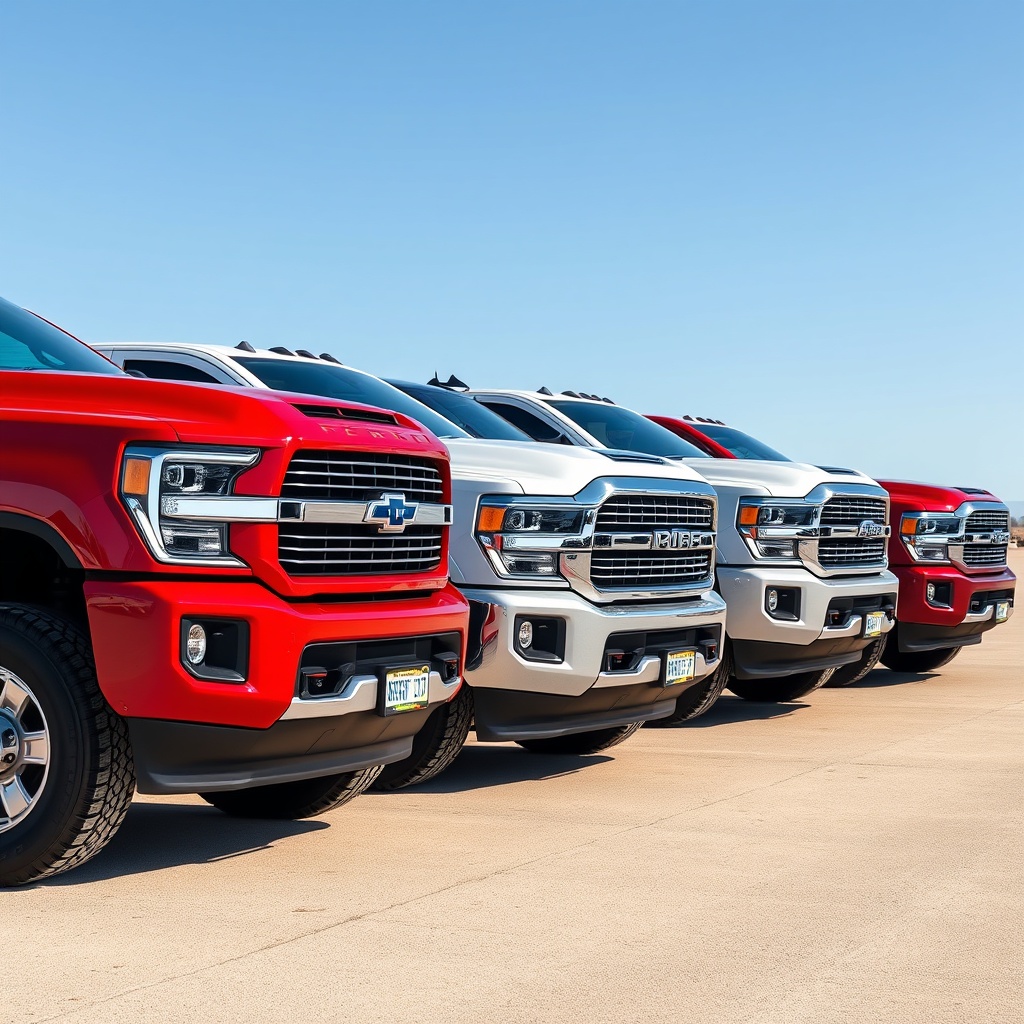
The 2500 series trucks are where the line between light-duty and heavy-duty begins to blur. These trucks are built with reinforced frames, more robust suspensions, and larger engines to handle heavier loads. Unlike the 1500 series, they often come with diesel engine options, providing superior torque for towing and hauling. Features like dual rear wheels (in some models) further enhance their stability under load.
Another key differentiator is the 2500 series’ ability to handle more demanding tasks without sacrificing too much comfort. While they’re heavier and less fuel-efficient than the 1500 series, they offer a smoother ride than the 3500 series. This makes them a popular choice for those who need extra capability but still want a truck that’s manageable for daily use. For those curious about performance upgrades, the 2500 series offers plenty of potential.
Comparing 2500 to 1500 Series Trucks
When comparing the 2500 and 1500 series, the differences are clear. The 2500 series boasts higher towing and payload capacities, making it suitable for more demanding jobs. However, this comes at the cost of fuel efficiency and a stiffer ride. The 1500 series, on the other hand, is more fuel-efficient and offers a smoother ride, but it can’t match the 2500’s heavy-duty capabilities.
Choosing between the two depends on your needs. If you’re towing a large trailer or hauling heavy loads regularly, the 2500 is the better option. But for everyday driving and lighter tasks, the 1500 series is more than adequate. Both have their place in the market, and understanding their differences ensures you make the right choice for your lifestyle. For more details, explore our reliability insights.
The Power of 3500 Series Trucks
Capabilities of 3500 Series Trucks
When it comes to raw power and capability, the 3500 series trucks are in a league of their own. These beasts are engineered to handle the heaviest loads and toughest towing tasks without breaking a sweat. Whether you’re hauling a massive trailer or carrying an oversized payload, the 3500 series delivers unmatched performance. With robust engines and reinforced frames, these trucks are built to endure the harshest conditions. If you’re serious about heavy-duty work, the 3500 series is the ultimate choice.
The 3500 series isn’t just about brute strength—it’s also packed with advanced features to make your job easier. From high-capacity cooling systems to upgraded suspension, every component is designed for maximum efficiency. Whether you’re on a construction site or navigating rugged terrain, the 3500 series ensures you stay in control. It’s no wonder these trucks are the go-to for professionals who demand reliability and power. If you need a truck that can do it all, the 3500 series won’t disappoint.
When to Choose a 3500 Over a 2500
Choosing between a 3500 and a 2500 series truck depends on your specific needs. If your work involves extreme towing or hauling, the 3500 is the clear winner. Its higher payload and towing capacities make it ideal for commercial use or heavy-duty recreational activities. The 3500 also offers enhanced stability and durability, which is crucial when handling oversized loads. For those who prioritise performance over everything else, the 3500 is the smarter investment.
However, if your needs are more moderate, a 2500 series might suffice. The 3500 comes with a higher price tag and lower fuel efficiency, so it’s important to weigh the pros and cons. But if you’re tackling jobs that push the limits, the 3500’s superior capabilities justify the extra cost. It’s all about matching the truck to your lifestyle and workload. When in doubt, the 3500 ensures you’re always prepared for the toughest challenges.
Comparing 1500, 2500, and 3500 Series Trucks
Performance Differences
The performance gap between the 1500, 2500, and 3500 series trucks is significant. The 1500 series is designed for everyday driving, offering a smooth ride and decent towing capacity. The 2500 steps it up with stronger engines and better hauling capabilities, making it a great middle ground. But the 3500 series is where true heavy-duty performance shines. With its unparalleled power and durability, the 3500 is built for those who need the best of the best.
Each series caters to a different audience, so it’s essential to assess your needs before making a decision. The 1500 is perfect for light-duty tasks, while the 2500 handles heavier loads with ease. The 3500, however, is reserved for the most demanding jobs. Whether you’re a weekend warrior or a full-time professional, there’s a truck that fits your lifestyle. Understanding these differences ensures you make the right choice for your needs.
Towing and Payload Capacities
Towing and payload capacities are where the 1500, 2500, and 3500 series trucks truly diverge. The 1500 series offers respectable numbers for casual users, but the 2500 and 3500 take things to the next level. The 2500 can handle larger trailers and heavier loads, while the 3500 dominates with its industry-leading capacities. If you’re regularly towing heavy equipment or hauling massive payloads, the 3500 is the only way to go.
It’s not just about the numbers—the 3500’s reinforced chassis and advanced towing features make it a standout. From integrated brake controllers to heavy-duty suspension, every detail is optimised for performance. The 2500 is a solid choice for those who need extra capability without going full heavy-duty. But when it comes to sheer power, the 3500 is in a class of its own. Your choice should reflect the demands of your work or hobbies.
Fuel Efficiency and Cost Considerations
Fuel efficiency and cost are critical factors when comparing the 1500, 2500, and 3500 series trucks. The 1500 is the most fuel-efficient and affordable, making it ideal for daily drivers. The 2500 strikes a balance between performance and economy, but the 3500’s heavy-duty nature means higher fuel consumption and upfront costs. If you don’t need the extra power, the 1500 or 2500 might be more practical.
However, the 3500’s resale value often justifies the initial investment. These trucks hold their value remarkably well, especially in the commercial sector. Maintenance costs can be higher, but the durability of the 3500 ensures long-term reliability. It’s a trade-off between upfront savings and long-term benefits. For those who need uncompromising performance, the 3500 is worth every penny.
The Impact of Model Numbers on Resale Value
How Model Numbers Affect Depreciation
Model numbers play a significant role in a truck’s resale value. Higher-numbered models like the 3500 tend to depreciate slower due to their specialised capabilities. These trucks are in high demand among professionals, which keeps their market value strong. On the other hand, the 1500 series, while popular, faces steeper depreciation because of its broader appeal and higher supply. Understanding this dynamic can help you make a smarter purchase decision.
Factors like mileage, condition, and maintenance also influence depreciation, but the model number sets the baseline. The 2500 series strikes a balance, offering decent resale value without the premium price of the 3500. If you’re planning to sell or trade in your truck down the line, the model number is a key consideration. It’s not just about what you need now—it’s about protecting your investment for the future.
Tips for Maximising Your Truck’s Resale Value
Maximising your truck’s resale value starts with choosing the right model number for your needs. A well-maintained 3500 will always command a higher price than a comparable 1500. Regular servicing and keeping detailed records can also boost your truck’s appeal to buyers. Additionally, opting for popular features and packages can make your truck more attractive on the used market. It’s all about presenting your truck as a reliable, high-value asset.
Another tip is to avoid excessive modifications, as these can deter potential buyers. Stick to factory options and keep the truck as close to its original condition as possible. Finally, timing your sale can make a big difference—selling when demand is high ensures you get the best price. Whether you drive a 1500, 2500, or 3500, these strategies will help you maximise your return. A little foresight goes a long way in protecting your investment.
Customization Options Across Series
Available Upgrades for 1500, 2500, and 3500 Series
When it comes to personalising your truck, the options are nearly endless. The 1500 series offers a range of aesthetic upgrades, from custom grilles to premium interior finishes. For the 2500 series, we see more performance-oriented enhancements like heavy-duty suspension kits and towing packages. The 3500 series, being the most robust, allows for industrial-grade modifications, including reinforced frames and advanced towing systems. Each series caters to different needs, ensuring you can tailor your truck to your lifestyle.
Performance upgrades are a popular choice across all series. The 1500 can be fitted with turbochargers for a bit more pep, while the 2500 and 3500 often see diesel engine enhancements for better torque. Aesthetic customisations, like custom paint jobs or LED light bars, are universal but take on a more rugged appeal in the heavier-duty models. It’s all about finding the right balance between looks and functionality.
Performance vs Aesthetic Customizations
Performance upgrades are where the 2500 and 3500 series truly shine. Think upgraded exhaust systems, high-performance brakes, and even off-road packages designed for extreme conditions. These modifications not only enhance capability but also ensure longevity under heavy use. On the flip side, aesthetic changes—like chrome accents or custom decals—are more about personal expression and can be found across all series.
For those who want the best of both worlds, hybrid customisations are gaining traction. Imagine a 1500 series with a sleek, futuristic design paired with a mild hybrid system for improved fuel efficiency. The key is to align your upgrades with how you use your truck. Daily drivers might prioritise comfort and style, while workhorses will benefit from durability-focused enhancements.
Maintenance Considerations by Series
Routine Maintenance Differences
Maintenance schedules vary significantly between the 1500, 2500, and 3500 series. The 1500, being lighter, typically requires less frequent oil changes and brake inspections compared to its heavier counterparts. The 2500 and 3500, designed for tougher tasks, demand more rigorous upkeep, including regular checks on suspension and transmission systems. Ignoring these can lead to costly repairs down the line.
Fluid changes are another area where differences emerge. The 3500 series, for instance, often uses specialised oils and coolants to handle extreme loads. Tyre rotations and alignments are also more frequent in the 2500 and 3500 due to their weight and usage patterns. Staying on top of these tasks ensures your truck remains reliable, whether you’re hauling cargo or navigating city streets.
Long-Term Durability and Care
Long-term care is crucial for maximising your truck’s lifespan. The 1500 series, with its lighter frame, tends to wear out components like shocks and bushings faster if used for heavy towing. The 2500 and 3500, built for endurance, can handle more abuse but require diligent monitoring of drivetrain components. Regular inspections of the chassis and engine mounts are essential to prevent premature wear.
Investing in quality parts and professional servicing pays off in the long run. For example, using OEM parts for the 3500 series ensures compatibility and performance. Additionally, keeping detailed maintenance records can boost resale value, as buyers appreciate well-documented care. Whether you’re driving a 1500 or a 3500, proactive maintenance is the key to longevity.
Future Trends in Truck Model Numbering
The Shift Towards Electric and Hybrid Models
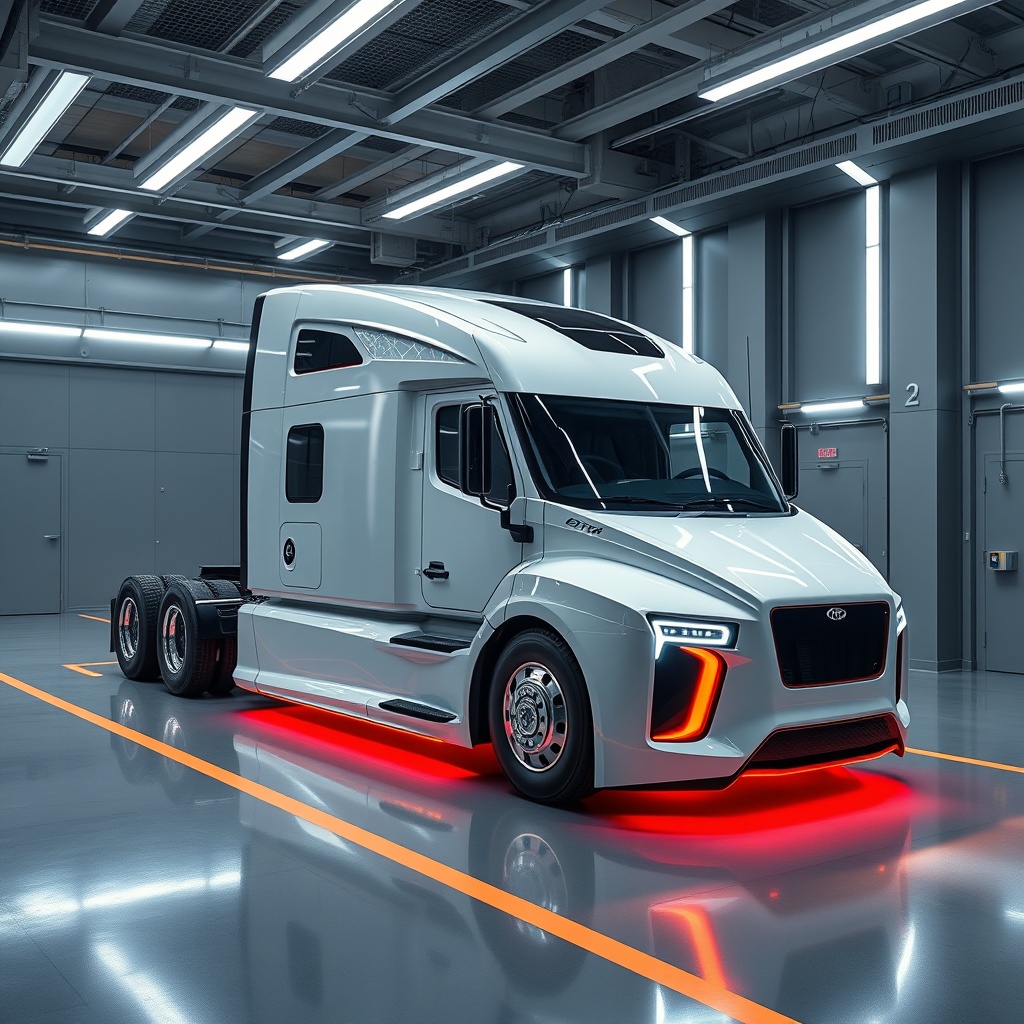
The automotive industry is rapidly evolving, and truck model numbering is no exception. We’re seeing a clear shift towards electric and hybrid models, with manufacturers like Ford and Chevrolet leading the charge. The traditional 1500, 2500, and 3500 designations may soon include suffixes like “E” or “H” to denote electric or hybrid variants. This change reflects the growing demand for sustainable yet powerful truck options.
Hybrid models, in particular, are bridging the gap between performance and efficiency. Imagine a 2500 series with a hybrid powertrain—delivering the same towing capacity but with significantly better fuel economy. These innovations are not just about meeting emissions standards; they’re about redefining what a truck can be. The future is electric, and the numbering systems will adapt to highlight these advancements.
Predicting Future Naming Conventions
As electric and hybrid trucks become mainstream, we can expect naming conventions to evolve. Manufacturers might adopt alphanumeric codes to indicate battery capacity or range, similar to how EVs are currently labelled. For instance, a “3500E-400” could signify a 3500-series electric truck with a 400-mile range. This clarity will help buyers make informed decisions based on their needs.
Another possibility is the integration of tech-focused terminology. Terms like “Smart” or “AI” could become part of model names, highlighting advanced features like autonomous driving or energy management systems. Whatever the future holds, one thing is certain: the 1500, 2500, and 3500 labels will continue to symbolise capability, even as the technology behind them transforms.
How Manufacturers Decide on Model Numbers
The Marketing Strategy Behind Model Numbers
When we look at truck model numbers like 1500, 2500, and 3500, it’s easy to assume they’re random. But there’s a method to the madness. Manufacturers use these numbers to create a hierarchy, making it simple for buyers to understand the truck’s capabilities. The higher the number, the more robust the truck. It’s a clever way to segment the market without overwhelming customers with technical jargon. For example, a 1500 series is perfect for light-duty tasks, while a 3500 is built for heavy hauling.
Beyond segmentation, these numbers also play a role in branding. They evoke a sense of progression, encouraging buyers to “upgrade” as their needs grow. It’s a psychological trick that’s been used for decades. We see it in everything from smartphones to trucks. The numbers aren’t just labels—they’re part of a larger narrative about power, reliability, and performance. And it works. Customers associate higher numbers with superior quality, even if the differences are minimal.
Engineering and Design Considerations
Behind the scenes, engineers use these model numbers to align with specific design standards. A 1500 series truck might have a lighter frame and smaller engine, while a 3500 boasts reinforced axles and a turbocharged diesel option. These distinctions aren’t arbitrary; they’re tied to rigorous testing and industry benchmarks. For instance, a 2500 series is engineered to handle mid-range towing, balancing power and fuel efficiency.
The numbers also reflect regulatory compliance. Trucks above a certain weight class, like the 3500, often face stricter emissions and safety standards. Manufacturers must account for these factors during design, ensuring the truck meets legal requirements without sacrificing performance. It’s a delicate balance, but one that’s crucial for both compliance and customer satisfaction. The model numbers, in this context, serve as a shorthand for the engineering effort behind each truck.
Navigating the Used Truck Market
What to Look for in a Used 1500, 2500, or 3500
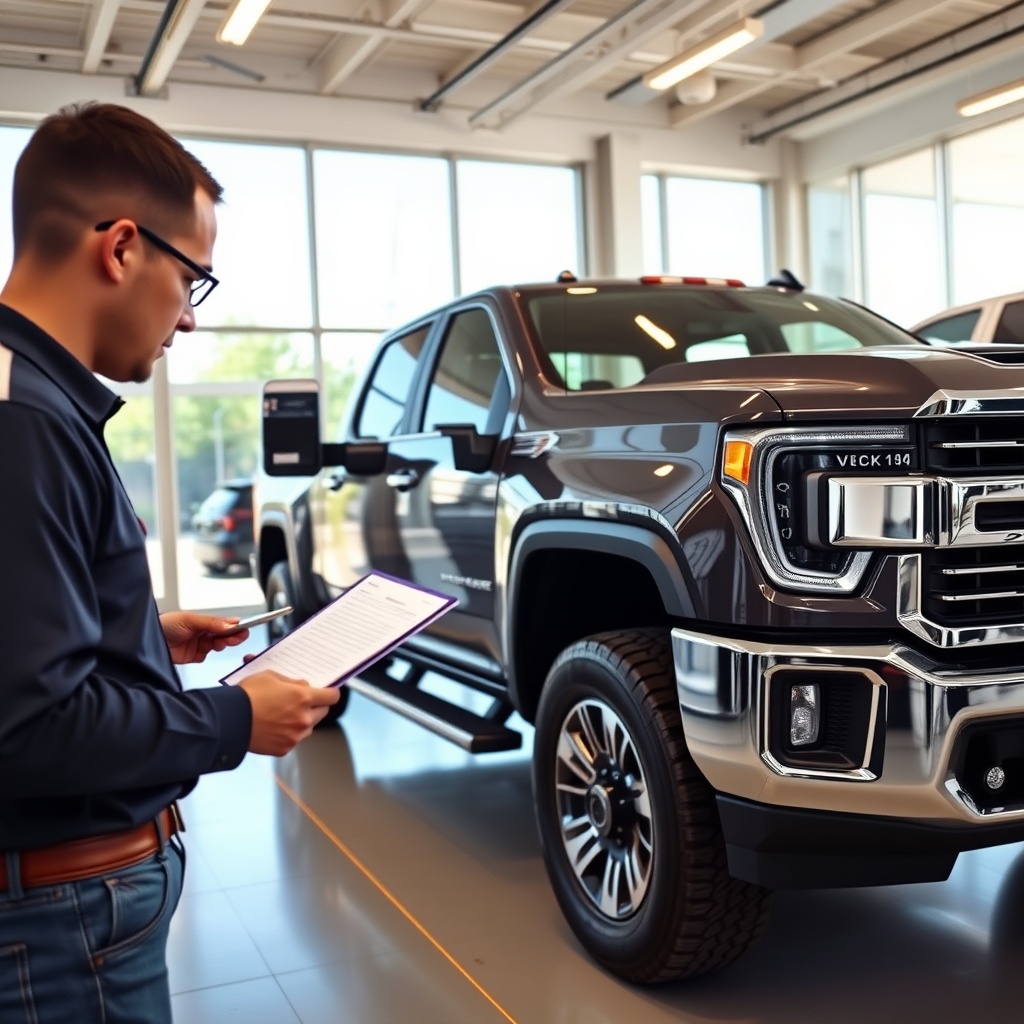
Buying a used truck can be a smart move, but it requires careful consideration. For a 1500 series, check for wear on the suspension and transmission—these trucks often handle daily driving, but neglect can lead to costly repairs. A 2500 series should be inspected for towing history, as excessive strain can shorten its lifespan. Look for signs of rust or frame damage, especially in older models. These issues can compromise the truck’s structural integrity.
For a 3500, focus on the engine and drivetrain. Diesel engines, common in this class, are durable but require meticulous maintenance. Ask for service records and pay attention to unusual noises or smoke. A well-maintained 3500 can last for years, but a neglected one can be a money pit. Don’t skip the test drive—it’s your best chance to spot potential problems. Listen for clunks, rattles, or hesitation, and pay attention to how the truck handles under load.
Common Pitfalls When Buying Used
One of the biggest mistakes we see is overlooking the truck’s history. A clean title doesn’t always mean a trouble-free vehicle. Always request a vehicle history report to check for accidents or flood damage. Another pitfall is ignoring the truck’s intended use. A 1500 might seem like a bargain, but if you need to tow heavy loads, it’s not the right fit. Similarly, a 3500 might be overkill for light-duty tasks, leading to higher fuel and maintenance costs.
Finally, don’t let aesthetics cloud your judgment. A shiny exterior or upgraded interior might hide mechanical issues. Focus on the truck’s condition, not its appearance. If something feels off, walk away. There are plenty of used trucks on the market, and patience pays off. For more insights, check out this external resource on truck model numbers.
The Global Perspective on Truck Model Numbers
How Other Countries Label Their Trucks
Truck model numbering isn’t universal. In Europe, for example, manufacturers often use metric tonnage or kilowatt ratings to denote capability. A Ford F-150 might be labeled differently overseas, reflecting local preferences and regulations. This can be confusing for buyers used to the 1500, 2500, and 3500 system. However, the underlying principle remains the same: higher numbers or ratings indicate greater capability.
In some markets, trucks are categorized by their intended use. Commercial vehicles might have entirely different naming conventions, focusing on payload or cargo space rather than towing capacity. This highlights the importance of understanding local norms when shopping for a truck abroad. What works in one country might not translate seamlessly to another. Manufacturers adapt their labeling to meet regional expectations, but the goal is always clarity for the buyer.
Importing and Exporting Considerations
If you’re considering importing a truck, research is key. Different countries have varying emissions and safety standards, which can affect a truck’s legality. A 3500 series truck might not meet European emissions rules without modifications. Similarly, importing a foreign truck to the U.S. could require costly adjustments. Always consult local regulations before making a purchase.
Exporting a truck also comes with challenges. Shipping costs, tariffs, and paperwork can add up quickly. Some countries impose restrictions on used vehicle imports, limiting your options. It’s a complex process, but for the right buyer, it can be worth the effort. Just be prepared for a steep learning curve and potential delays. The global truck market is vast, but navigating it requires patience and due diligence.
Frequently Asked Questions
What’s the difference between a 1500 and a 2500 truck?
A 1500 is designed for light-duty tasks, like daily driving or occasional towing. A 2500 offers more power and durability, making it ideal for heavier loads. The key differences lie in the frame, suspension, and engine options. If you need to tow a large trailer or haul heavy cargo, a 2500 is the better choice. For everyday use, a 1500 is more than enough.
Why do truck model numbers increase by 1000?
The increments of 1000 (e.g., 1500, 2500, 3500) create a clear hierarchy. It’s a marketing strategy that simplifies the buying process. Higher numbers indicate greater capability, making it easy for customers to compare models. This system has been used for decades and is now ingrained in truck culture. It’s a shorthand for performance and reliability.
Can a 1500 truck handle off-roading?
Yes, but with limitations. A 1500 can handle light off-roading, especially if it’s equipped with four-wheel drive. However, for extreme terrain or heavy loads, a 2500 or 3500 is more suitable. These trucks have stronger frames and better suspension, making them ideal for rugged conditions. Always consider your needs before choosing a model.
How do truck model numbers affect resale value?
Higher-numbered models (e.g., 3500) often retain their value better due to their durability and towing capacity. However, maintenance and mileage play a bigger role in resale value than the model number alone. A well-maintained 1500 can hold its value just as well as a neglected 3500. Always keep service records and address issues promptly to maximize resale potential.