The Corsa E VXR has become a popular choice amongst car enthusiasts, known for its fun driving experience. Yet, it’s essential for potential buyers and current owners to be aware of the specific issues this model might face. A recurring question among owners is whether the Corsa E VXR suffers from Piston 4 problems. This is a concern that’s often debated within the car community.
[vxr_quiz]
Piston 4 in the Corsa E VXR often garners attention due to its vulnerability. The problem is frequently linked to the design of the side-fed inlet manifold, which affects the fuel distribution, particularly at high throttle. This can lead to Piston 4 running lean and eventually losing compression, as some drivers have experienced.
Despite these challenges, many solutions and maintenance tips can help alleviate this issue. By staying informed and proactive in maintenance, owners can enjoy their Corsa E VXR with fewer worries. This article will provide valuable insights into preventing and addressing Piston 4 issues, helping you keep your car in top condition.
Key Takeaways
- Piston 4 issues are linked to the Corsa E VXR’s manifold design.
- Regular maintenance can prevent serious Piston 4 problems.
- Understanding these issues helps owners make informed decisions.
Overview of the Corsa E VXR
The Corsa E VXR is our entry into the sporty hatchback market, offering a punchy 1.6-litre turbocharged engine. This engine provides a lively driving experience with its robust performance capabilities.
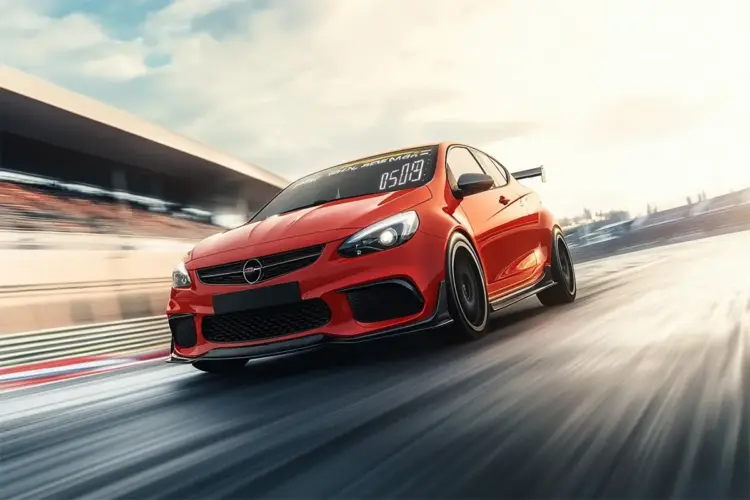
Styling-wise, the VXR stands out with its aggressive lines and sporty aesthetic. It comes with distinctive features such as a rear spoiler and alloy wheels, which enhance its visual appeal.
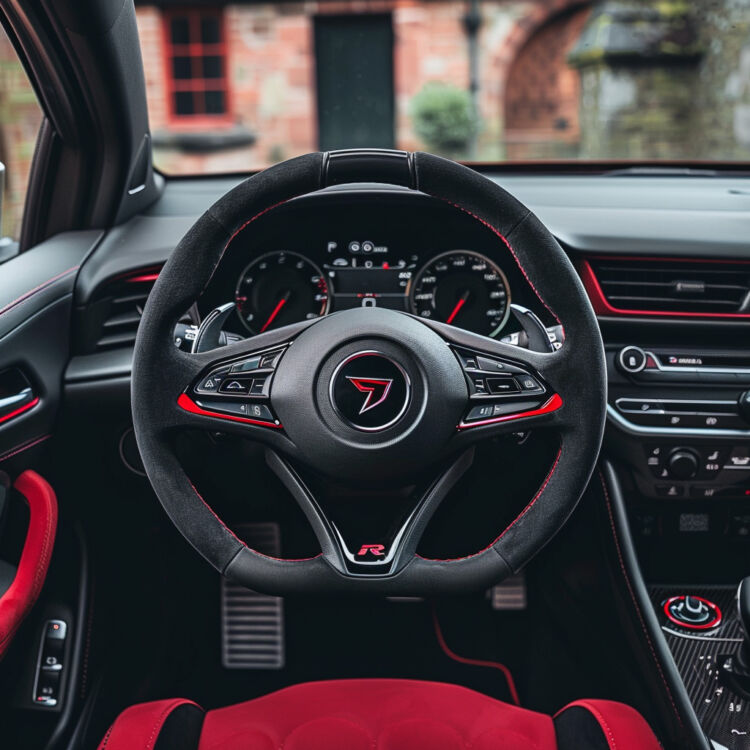
In terms of interior, we find the VXR equipped with sporty seats and a modern dashboard. It’s designed to give drivers a connected and engaging experience. The controls are intuitive, making it simple for us to enjoy every drive.
Let’s look at the performance attributes. The VXR is fitted with a dynamic suspension system that provides excellent handling. Driving enthusiasts will appreciate the precision steering and responsive brakes. The car feels stable and confident on the road, making it a joy to drive.
For those concerned with the technical aspects, the Corsa E VXR shares several components with its predecessor, the Corsa D VXR. The 1.6 petrol engine is a key feature retained from the earlier models, ensuring familiar performance characteristics with updated engineering.
Overall, the Corsa E VXR is built to deliver a spirited driving experience with a compact yet sporty package. Its blend of performance, design, and technology makes it a compelling option for those seeking a lively hatchback.
Common Issues with the Corsa E VXR
The Corsa E VXR is a popular model, but some owners have reported specific concerns. The most notable issue is the failure of Piston 4. Let’s explore the symptoms and reasons behind this problem.
Piston 4 Failure Symptoms
Piston 4 failure often manifests through noticeable engine trouble. Drivers usually experience reduced power, which can be quite alarming, especially during acceleration. Misfiring is another common sign and can lead to irregular engine performance.
If you’re seeing smoke at idle, it could point to issues with Piston 4. This is linked to problems with the piston rings. These symptoms warn us of potential damage and should be addressed promptly to prevent further engine harm.
Underlying Causes of Failure
Several factors can lead to Piston 4 failure in the Corsa E VXR. One major cause is poor piston casting, which weakens the structure and makes it prone to cracking. Another factor is cooling issues. The lack of adequate cooling causes the piston to overheat, leading to damage over time.
Improper driving habits also contribute. Driving the car hard while it’s still cold or failing to cool down the turbo after a drive can increase the risk of Piston 4 cracking. Lastly, inadequate fuel quality may contribute to improper combustion, further affecting the piston’s durability. Managing these factors can help mitigate the risk of failure.
Piston 4 Specific Problems
When discussing the issues specific to Piston 4 in the Corsa E VXR, two critical areas emerge. The design and material weaknesses of the piston contribute significantly to the problem. Additionally, the inlet manifold design impacts fuel distribution, which can lead to failure.
Design Flaws and Material Weakness
Piston 4 in the Corsa VXR is prone to issues due to design flaws. Reports suggest that poor casting quality can lead to its ringlands cracking. These cracks occur because the areas where the piston rings sit aren’t strong enough to handle the pressure and heat. During high-stress situations, such as wide-open throttle, these weaknesses become more pronounced.
Material choice is another factor in the problems with Piston 4. Some pistons are made with cast materials that may not withstand the performance demands of the VXR. This is especially problematic when the car undergoes engine modifications or high-performance use. Our experiences show that monitoring the piston’s condition, especially if modifications are planned, can help mitigate failures.
Impact of Inlet Manifold Design
The inlet manifold design of the Corsa VXR also plays a crucial role in Piston 4’s problems. Its side-fed design causes fuel distribution issues, particularly affecting the fourth cylinder. At wide-open throttle, the fuel is swept away from the fourth injector, causing the cylinder to run lean. This results in increased temperature, exacerbating the piston weakening and potential failure.
This design issue impacts the reliability of Piston 4 considerably, and drivers should be aware of its potential effects. Correcting this distribution imbalance can sometimes require modifications or tuning adjustments to ensure uniform fuel delivery. Understanding these elements is essential for those looking to avoid common pitfalls associated with Piston 4 failures.
Maintenance Best Practices
To maintain our Corsa E VXR and prevent issues with piston 4, regular monitoring and mindful fuel selection are crucial. Keeping an eye on cylinder 4 can help detect early warning signs, while high-quality fuel supports optimal piston health.
Regular Monitoring of Cylinder 4
Monitoring cylinder 4 is essential in ensuring the Corsa E VXR operates smoothly. We should perform regular engine diagnostics to check for any unusual sounds or decreased performance that could indicate piston problems. Using an OBD-II scanner can provide valuable insights into engine health, offering data about misfires or performance fluctuations. Regularly inspecting spark plugs and fuel injectors is also beneficial, as these components play a critical role in performance. Any worn or faulty parts should be promptly replaced to prevent further damage. Additionally, keeping an eye on engine temperature helps to avoid overheating, which can exacerbate piston wear.
Fuel Quality and Piston Health
Using high-quality fuel is a simple yet effective way to support piston health in our Corsa E VXR. Poor fuel quality can lead to incomplete combustion, increasing the risk of residue forming on pistons and potentially affecting performance. Choosing premium-grade petrol reduces the likelihood of build-up and helps in maintaining efficiency. We should also be aware of fuel additives that can clean the engine’s internal components. Regular maintenance includes checking the fuel system for leaks or clogs, ensuring a consistent and efficient fuel delivery to cylinder 4. By combining good fuel practices with regular maintenance, the chances of serious piston issues are minimised.
Repair and Replacement Options
When it comes to the repair and replacement of Piston 4 in the Corsa E VXR, we have a few key options. Knowing these can help us decide the best route for addressing this common issue.
DIY Repair
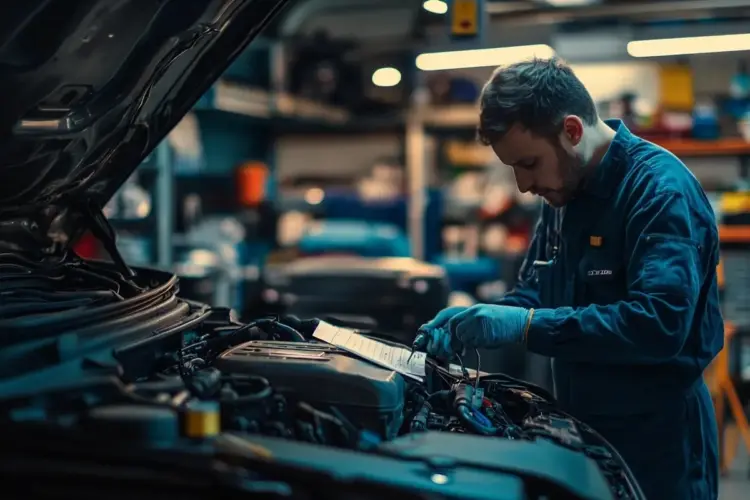
For those with mechanical skills, a DIY approach might be feasible. This involves removing the engine head, checking the piston, and replacing it if necessary. Proper tools and a service manual are essential. Remember, this is time-consuming and requires care.
Professional Repair Services
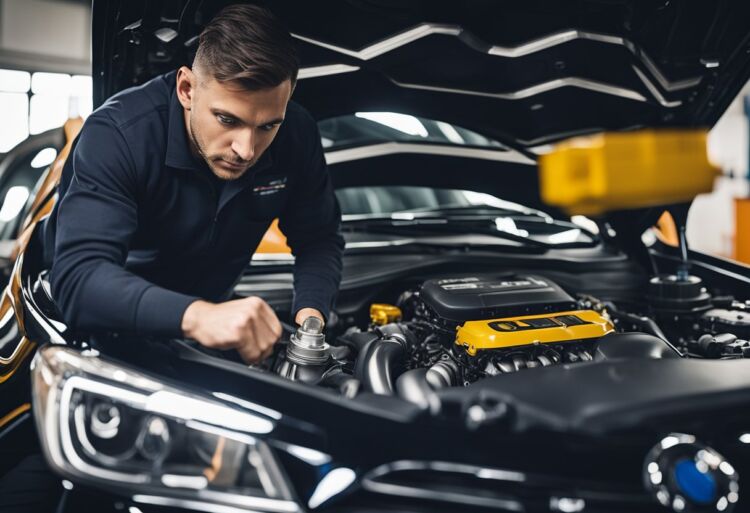
If we prefer to leave it to the experts, many garages specialise in Vauxhall repairs. They offer thorough checks and can replace Piston 4 if needed. Choosing a reputable service ensures better quality work and often includes warranties.
Replacement Parts
Using high-quality replacement parts is important. Some garages recommend forged pistons for added strength. We should ensure these parts are compatible and sourced from reliable suppliers to avoid future faults.
Cost Considerations
The cost varies depending on whether we go DIY or use professional services. DIY parts are less expensive, but professional repairs add on labour costs. Prices will also depend on whether we opt for standard pistons or improved, durable ones.
Warranty and Guarantees
When using professional services, check if warranties are provided for parts and labour. This can safeguard against repeat issues and help keep additional costs down. A warranty might cover a set period or mileage, giving us peace of mind.
Preventive Measures & Long-term Care
Taking care of Piston 4 in the Corsa E VXR involves a few key practices. Regular maintenance is vital. We should service the vehicle according to the manufacturer’s recommendations to ensure everything is in top condition.
Keeping an eye on the fuel system helps prevent issues with Cylinder 4. A clean fuel system ensures the correct fuel mixture reaches each cylinder. Using high-quality fuel can also make a difference.
Remapping the engine is popular, but it can cause stress on Cylinder 4. If we choose this path, it’s essential to work with professionals who understand the engine’s design.
During wide open throttle, Piston 4 can lean out due to inlet manifold design. Moderating driving habits when possible may reduce this risk.
We should also consider using quality lubricants. Good oil reduces friction and wear, extending the engine’s life. Regular oil changes are part of this strategy.
A well-maintained cooling system is crucial for the life of Piston 4. Overheating can lead to failure, so ensuring the cooling system is efficient and leak-free is a preventive measure we must not overlook.
Addressing any unusual sounds or performance changes at an early stage can prevent extensive damage. Frequent checks and being proactive in fixing small issues can lead to longer engine health.
Overall, treating the Corsa E VXR with care and attention is key to ensuring its longevity. By following these guidelines, we can enjoy a smoother, more reliable ride.
Frequently Asked Questions
In this section, we explore common concerns about piston 4 failures in the Corsa E VXR, including symptoms, prevention, costs, and performance upgrades. We also address the car’s reliability and potential performance boosts from tuning.
What are the common symptoms indicating failure of piston 4 in the Corsa E VXR?
Common symptoms include a drop in power, misfires, and smoke appearing at idle. Additionally, if you hear unusual engine noises or notice a significant loss in performance, these could also be signs of piston 4 failure.
How can one prevent piston 4 issues in a Corsa E VXR?
Prevention begins with regular maintenance and monitoring engine health. Upgrading the inlet manifold may help distribute air and fuel more evenly, reducing stress on piston 4. It’s important for us to avoid pushing the engine beyond recommended limits.
What are the estimated costs associated with repairing piston 4 in a Corsa E VXR?
Repairing piston 4 can be costly, often involving replacing the piston, rings, and any damaged components. Depending on the extent of the damage and labour costs, repairing piston 4 can run into hundreds or even thousands of pounds.
What improvements does an inlet manifold upgrade bring to a Corsa E VXR?
An upgraded inlet manifold can improve airflow and even distribution to each cylinder. This potentially reduces the chances of piston 4 leaning out at high throttle. It may also offer a slight boost in overall engine performance.
How reliable is the Corsa E VXR, particularly with regard to engine performance?
The Corsa E VXR can be reliable if well-maintained, but piston 4 issues have been noted. Regular checks and conservative tuning can help maintain engine performance. It’s essential for us to stay within the engine’s limits to avoid problems.
What is the typical brake horsepower (bhp) after a stage 2 tune on a Corsa E VXR?
A stage 2 tune on a Corsa E VXR can increase brake horsepower significantly. Generally, we can expect an increase of around 40 to 50 bhp, depending on additional modifications and tuning specifics. Always ensure that such modifications are done by experienced professionals.