Introduction
Ever wondered how much road tax you’ll pay for your Ford Fiesta? I’ve been there, scratching my head over Vehicle Excise Duty (VED) rates and CO2 emissions. It’s not just about the car’s price tag—road tax can add up over time. Let’s break it down together, so you know exactly what to expect when budgeting for your Fiesta.
Key Takeaways
- Road tax for a Ford Fiesta depends on CO2 emissions and the car’s age.
- First-year rates are often higher, especially for newer models.
- Annual costs vary, but monthly payment options can ease the burden.
- Modifications can increase your tax, so declare them to the DVLA.
- Comparing models can save you money—some Fiestas are more tax-efficient.
Understanding Road Tax Basics
What is Vehicle Excise Duty (VED)
VED, or road tax, is a mandatory fee for driving on UK roads. It’s calculated based on your car’s CO2 emissions and fuel type. The more your car pollutes, the higher the tax. For example, a diesel Fiesta might cost more than a petrol one. It’s a way to encourage greener driving choices.
How Road Tax is Calculated
Road tax isn’t a flat rate. It’s tiered by CO2 emissions, with bands ranging from 0g/km to over 255g/km. Your Fiesta’s exact rate depends on its emissions output. Check your V5C logbook for details. If you’re unsure, our guide can help you decode the numbers.
The Importance of CO2 Emissions in Road Tax
CO2 emissions are the backbone of road tax calculations. Lower emissions mean lower tax, which is why hybrids and electric cars often pay nothing. For a Fiesta, emissions vary by model and engine size. A 1.0L EcoBoost, for instance, will likely cost less than a 1.6L ST. It pays to go green—literally.
Ford Fiesta Road Tax Overview
General Road Tax Rates for Ford Fiesta
Fiesta road tax ranges from £0 for zero-emission models to over £200 for high-performance variants. Most standard petrol Fiestas fall into the £150–£180 bracket. Diesel models, however, often incur a surcharge. Always verify your specific model’s rate to avoid surprises.
Factors Affecting Ford Fiesta Road Tax
Beyond emissions, factors like the car’s age and fuel type play a role. Newer Fiestas (registered after April 2017) follow a different tax structure, with higher first-year rates. Older models might benefit from fixed annual fees. Our analysis dives deeper into these nuances.
Ford Fiesta Road Tax Overview
When it comes to the Ford Fiesta, road tax costs can vary significantly based on factors like the model and registration year. Generally, the Fiesta is known for its affordability, but understanding the specifics can save you money. We’ll break down the general rates and key factors influencing your tax bill, so you know exactly what to expect.
General Road Tax Rates for Ford Fiesta
The standard Ford Fiesta typically falls into the £195 annual road tax bracket if registered after April 2017. This rate applies to most petrol and diesel models, but hybrids or electric variants might qualify for lower rates. It’s worth noting that older models (pre-2017) follow different tax bands, so always check your vehicle’s exact specifications.
Factors Affecting Ford Fiesta Road Tax
Several elements influence your Fiesta’s road tax, including engine size, fuel type, and CO2 emissions. For instance, a 1.0-litre EcoBoost engine might attract lower taxes than a 1.6-litre diesel. Additionally, modifications like performance upgrades can increase emissions, leading to higher costs. Always verify your car’s details with the DVLA to avoid surprises.
Ford Fiesta Models and Their Road Tax
Not all Fiestas are created equal when it comes to road tax. From the zippy ST to the eco-friendly hybrid, each model has its own tax implications. Let’s explore how different variants stack up and what you can expect to pay annually.
Road Tax for Different Ford Fiesta Models
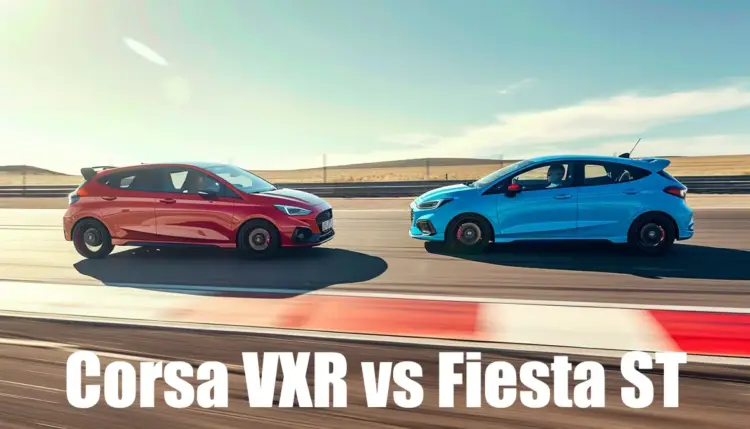
The Fiesta ST, a fan favourite, usually falls into the higher tax bracket due to its performance-oriented engine. On the other hand, the Fiesta EcoBoost Hybrid offers lower emissions and reduced tax rates. If you’re eyeing a used Fiesta, remember that pre-2017 models follow older tax structures, which might be more or less expensive depending on the variant.
Comparing Road Tax Across Fiesta Variants
Comparing the Fiesta Active to the standard model, you’ll find similar tax rates, but the Active’s slightly higher weight might nudge it into a different band. The Fiesta Electric, though rare, boasts zero road tax, making it a cost-effective choice for eco-conscious drivers. Always weigh the upfront cost against long-term savings.
First Year Road Tax Rates for Ford Fiesta
The first year of road tax for a new Fiesta can be a bit of a shock, as rates are often higher than subsequent years. This is due to the initial tax band being based on CO2 emissions at the time of registration. Let’s dive into how these rates work and what you can expect.
Understanding First Year Rates
First-year rates are calculated based on your Fiesta’s CO2 emissions, with higher emissions resulting in steeper costs. For example, a Fiesta ST might cost up to £1,000 in the first year, while a hybrid could be as low as £10. These rates are a one-off, so don’t panic—your annual bill will drop significantly after the first year.
How First Year Rates Differ from Subsequent Years
After the first year, your Fiesta’s road tax will revert to the standard rate, which is typically £195 for most petrol and diesel models. Electric and hybrid variants often enjoy lower or even zero tax. This makes them a smart choice if you’re looking to minimise ongoing costs. Always check the latest DVLA guidelines for the most accurate figures.
Annual Road Tax Costs for Ford Fiesta
Calculating Your Annual Road Tax
When it comes to calculating your annual road tax for a Ford Fiesta, the process is straightforward but depends on several factors. The primary determinant is your car’s CO2 emissions, which directly influence the Vehicle Excise Duty (VED) rate. For example, a Fiesta emitting between 1-50g/km might qualify for a lower rate, while higher emissions could mean a steeper cost. You can find your exact rate on the Ford Fiesta pricing guide, which breaks down the specifics.
Another factor is the age of your Fiesta. Cars registered after April 2017 fall under a different tax band system compared to older models. The first-year rate is typically higher, but subsequent years are more affordable. Always check the DVLA’s official website for the most up-to-date rates, as these can change annually. Planning ahead ensures you’re never caught off guard by unexpected costs.
Tips to Reduce Annual Road Tax Costs
If you’re looking to minimise your annual road tax, consider opting for a Ford Fiesta with lower CO2 emissions. Models like the EcoBoost variants are designed to be more fuel-efficient and environmentally friendly, often resulting in lower tax rates. Additionally, if you’re eligible for discounts or exemptions, such as those for disabled drivers or low-emission vehicles, you could save significantly.
Another smart move is to pay your road tax annually rather than monthly or six-monthly. While spreading payments might seem convenient, it often comes with a small surcharge. By paying upfront, you avoid these extra fees and simplify your budgeting. Remember, every little saving adds up over time, so it’s worth exploring all your options.
Monthly and Six-Monthly Road Tax Options
Pros and Cons of Monthly Payments
Paying your road tax monthly can be a lifesaver if you’re on a tight budget. It spreads the cost over the year, making it easier to manage alongside other expenses. However, there’s a catch: monthly payments usually include a small surcharge, which means you’ll end up paying more overall. For example, a £150 annual tax might cost £160 if paid monthly.
Another downside is the hassle of setting up a Direct Debit and ensuring your bank details are up to date. Missed payments can lead to penalties or even a void tax disc. If you’re disciplined with finances, monthly payments can work, but they’re not the most cost-effective option. Weigh the convenience against the extra cost before committing.
Six-Monthly Payment Plan Explained
The six-monthly payment plan strikes a balance between convenience and cost. It’s less expensive than monthly payments but still offers flexibility. For instance, a £150 annual tax might cost £80 if paid biannually. This option is ideal if you prefer fewer payments but don’t want to pay the full amount upfront.
One thing to note is that the six-monthly plan still incurs a slight surcharge compared to annual payments. If you can afford it, paying annually is the most economical choice. However, if cash flow is a concern, the six-monthly plan provides a reasonable compromise. Always check the DVLA’s latest rates to ensure you’re getting the best deal.
CO2 Emissions and Ford Fiesta Road Tax
How CO2 Emissions Affect Your Tax
CO2 emissions are the backbone of road tax calculations for your Ford Fiesta. The higher the emissions, the more you’ll pay. For example, a Fiesta emitting 100g/km might fall into Band C, while one emitting 150g/km could land in Band E, with significantly higher costs. The exact bands and rates are updated annually, so it’s crucial to stay informed.
Lower-emission models, like the Fiesta EcoBoost, often qualify for reduced rates or even exemptions. If you’re environmentally conscious and budget-savvy, these models are a win-win. Always verify your car’s emissions data, which can be found in the logbook or via the DVLA’s online portal. Knowing this figure helps you anticipate your tax obligations accurately.
Finding Your Fiesta’s CO2 Emissions
Locating your Ford Fiesta’s CO2 emissions is easier than you might think. The information is typically listed in your vehicle’s V5C logbook under the “Vehicle Details” section. Alternatively, you can use the DVLA’s online vehicle enquiry service by entering your registration number. This tool provides instant access to your car’s emissions data and tax band.
If you’re considering a used Fiesta, always check the emissions before purchasing. Older models might have higher emissions, leading to steeper tax costs. Websites like Lowes Auto offer detailed guides on what to look for. Being proactive about this can save you money and hassle in the long run.
Road Tax Exemptions and Discounts
Eligibility for Road Tax Exemptions
Certain Ford Fiesta owners may qualify for road tax exemptions or discounts. For instance, vehicles registered before 1983 are automatically exempt, as are electric cars with zero emissions. Disabled drivers or those receiving specific benefits, like the War Pensioner’s Mobility Supplement, might also be eligible for exemptions or reduced rates.
Low-emission models, such as the Fiesta EcoBoost, often benefit from lower tax rates or even complete exemptions. Always check the latest government guidelines, as eligibility criteria can change. Applying for these exemptions is straightforward via the DVLA’s website, but ensure you have all the necessary documentation ready to avoid delays.
How to Apply for Road Tax Discounts
Applying for road tax discounts is a simple process if you meet the criteria. Start by visiting the DVLA’s official website and navigating to the “Vehicle Tax” section. From there, you’ll need to provide proof of eligibility, such as disability documentation or evidence of low emissions. Once approved, your discount will be applied automatically.
For those driving a Ford Fiesta with low CO2 emissions, the savings can be substantial. Some models qualify for a 50% discount or even zero road tax. Always double-check your eligibility and apply as soon as possible to start benefiting from these savings. It’s a small effort for a potentially big reward.
How to Pay Your Ford Fiesta Road Tax
Online Payment Methods
Paying your Ford Fiesta road tax online is the quickest and most convenient option. The DVLA website offers a seamless process where you can log in, enter your vehicle details, and complete the payment using a debit or credit card. You’ll receive instant confirmation, and your tax disc (if applicable) will be mailed within days. For those who prefer automation, setting up a direct debit ensures your tax is renewed automatically, avoiding any lapses. It’s a hassle-free way to stay compliant without lifting a finger.
Another advantage of online payments is the ability to choose monthly or six-monthly instalments, spreading the cost over time. This flexibility is perfect for budgeting, especially if you’re managing multiple expenses. Just remember, opting for instalments incurs a small admin fee, but the convenience often outweighs the cost. If you’re unsure about the process, the Ford Fiesta pricing guide offers additional insights into managing vehicle costs effectively.
Traditional Payment Options
If you’re more comfortable with traditional methods, paying your road tax at a Post Office is still an option. Bring your V5C logbook, MOT certificate, and insurance details, and the staff will process your payment in person. Cash, card, or cheque are all accepted, making it accessible for everyone. While it’s less convenient than online, it’s a reliable fallback if you’re not tech-savvy or prefer face-to-face transactions.
For those who value simplicity, the Post Office also offers a reminder service for renewals. However, be mindful of queues during peak times, especially near the end of the month. If you’re considering a used Ford Fiesta, checking its tax status during purchase can save you headaches later. Traditional methods may feel outdated, but they’re a trusted way to ensure your vehicle stays legal on the road.
Renewing Your Ford Fiesta Road Tax
Steps to Renew Your Road Tax
Renewing your Ford Fiesta’s road tax is straightforward if you follow the right steps. First, ensure your MOT and insurance are up to date, as these are prerequisites. Then, visit the DVLA website or a Post Office with your V5C logbook. If renewing online, you’ll need the 16-digit reference number from your reminder letter or the logbook. Complete the payment, and you’re set for another year of hassle-free driving.
For those who forget deadlines, setting up a direct debit is a lifesaver. It automatically deducts the tax on the due date, eliminating the risk of late payments. If you’ve recently bought a Ford Fiesta, transferring the tax is equally simple—just update the DVLA with the new ownership details. Renewing on time keeps you legal and avoids unnecessary penalties.
Avoiding Late Renewal Penalties
Late road tax renewals can lead to hefty fines and even court action. The DVLA is strict about enforcement, so it’s crucial to stay on top of deadlines. If you miss the renewal date, you’ll receive a warning letter, followed by an £80 fine if unresolved. Persistent offenders risk having their vehicle clamped or impounded, adding stress and extra costs.
To avoid this, mark your calendar or set phone reminders a week before the due date. If you’ve sold your Fiesta, notify the DVLA immediately to stop tax liability. For more tips on managing vehicle expenses, check out our guide on Ford Fiesta ownership. Staying proactive ensures you never face the consequences of late renewals.
Transferring Road Tax When Selling Your Fiesta
How to Transfer Road Tax
When selling your Ford Fiesta, transferring the road tax is a critical step. The DVLA no longer allows tax to carry over to the new owner, so you must notify them of the sale online or by post. This action automatically refunds any unused full months of tax to your account. The new owner is responsible for taxing the vehicle before driving it, ensuring compliance from day one.
It’s a straightforward process, but delays can lead to complications. If you’re upgrading to a newer model, ensure the paperwork is sorted promptly to avoid overlapping liabilities. Keeping records of the transfer protects both parties and ensures a smooth transition. Transparency here builds trust and avoids disputes down the line.
Refunds on Unused Road Tax
If you’ve paid your road tax annually and sell your Fiesta mid-term, you’re entitled to a refund for the remaining full months. The DVLA processes this automatically once you notify them of the sale. The refund typically arrives within four to six weeks, credited to your bank account or sent as a cheque. It’s a small consolation but helps offset the costs of your next vehicle.
For those opting for monthly payments, cancelling the direct debit stops further deductions. However, no refund is issued for partial months, so timing the sale strategically can maximise your return. Whether you’re selling privately or trading in, understanding these nuances ensures you don’t leave money on the table. It’s all about making informed decisions to get the best value from your Fiesta.
Impact of Vehicle Modifications on Road Tax
How Modifications Can Increase Your Tax
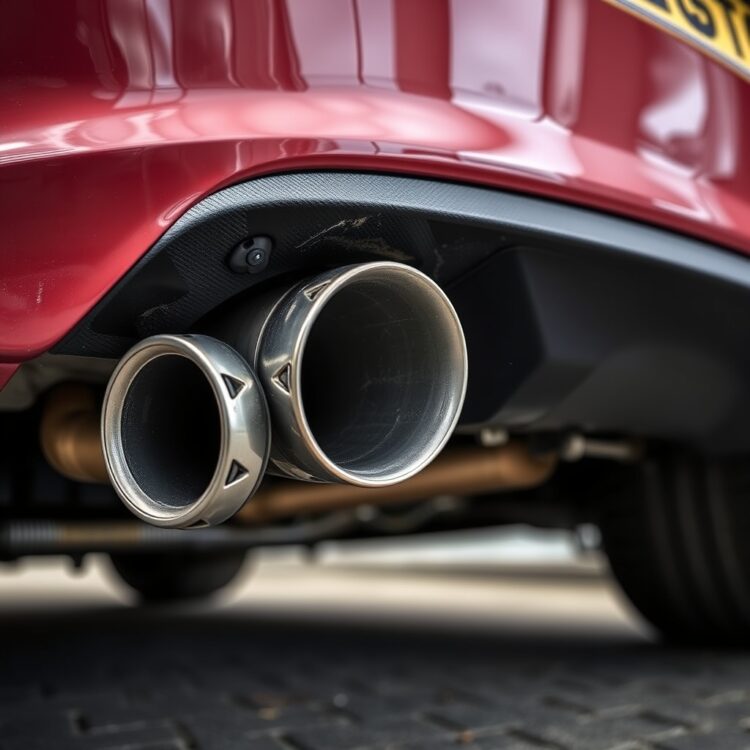
Modifying your Ford Fiesta can be exciting, but it’s essential to consider the tax implications. Changes that increase CO2 emissions, like engine tuning or larger exhausts, can push your vehicle into a higher tax band. The DVLA recalculates your tax based on the new emissions data, potentially raising your annual costs. Even aesthetic changes, if they alter the vehicle’s weight or aerodynamics, can have unintended financial consequences.
Before making modifications, research how they’ll affect your tax liability. For example, swapping to a turbocharged engine might boost performance but also hike your emissions. If you’re unsure, consult a specialist or check the Ford Fiesta models guide for factory-approved upgrades. Balancing passion for customisation with fiscal responsibility ensures you enjoy your Fiesta without breaking the bank.
Declaring Modifications to the DVLA
Failing to declare modifications to the DVLA can result in fines or invalidated insurance. Any changes that affect emissions, engine size, or vehicle identity must be reported promptly. The process involves updating your V5C logbook and, in some cases, submitting the vehicle for a new emissions test. It’s a small price to pay for peace of mind and legal compliance.
For minor tweaks like alloy wheels or interior upgrades, declaration isn’t always necessary. However, if you’re unsure, err on the side of caution. The DVLA’s guidelines are clear, and transparency avoids future headaches. Whether you’re enhancing performance or personalising style, staying informed keeps your Fiesta road-legal and your wallet happy.
Historical Changes in Road Tax Rates
Recent Changes Affecting Ford Fiesta Owners
Over the past decade, road tax rates for the Ford Fiesta have seen significant adjustments, primarily driven by environmental policies. The shift to a CO2-based system in 2017 meant higher taxes for petrol and diesel models, while hybrids and electric variants benefited. For example, the first-year rate for a 1.0 EcoBoost Fiesta rose by £40, reflecting stricter emissions standards. These changes highlight the government’s push for greener vehicles, making it crucial for owners to stay updated.
Additionally, the introduction of the “VED banding” system in 2020 further refined tax brackets, impacting older Fiesta models. If your Fiesta was registered after this date, you might pay less if it falls under lower CO2 bands. However, pre-2020 models face higher annual fees unless they qualify for exemptions. This evolving landscape means checking your vehicle’s specifics is more important than ever to avoid surprises.
Predicting Future Road Tax Adjustments
Looking ahead, road tax rates for the Ford Fiesta are likely to continue rising, especially for non-hybrid and non-electric models. With the UK’s 2030 ban on new petrol and diesel cars, expect stricter CO2 thresholds and higher penalties for high-emission vehicles. The government may also introduce incentives for zero-emission Fiestas, such as reduced or waived taxes, to accelerate adoption.
Another potential change is the introduction of dynamic pricing based on mileage or urban driving patterns. This could replace the flat-rate system, making road tax more personalised. For Fiesta owners, staying informed about these trends will help in planning long-term costs and considering upgrades to more tax-efficient models.
Comparing Ford Fiesta Road Tax to Other Vehicles
Fiesta vs Competitors Road Tax Comparison
When comparing the Ford Fiesta’s road tax to rivals like the Vauxhall Corsa or Volkswagen Polo, the Fiesta often comes out ahead due to its efficient engine options. For instance, a 1.0 EcoBoost Fiesta falls into a lower tax band than a comparable Corsa 1.4, saving you around £30 annually. This makes the Fiesta a cost-effective choice for budget-conscious drivers who want to minimise ongoing expenses.
However, hybrid competitors like the Toyota Yaris Hybrid can undercut the Fiesta’s tax costs further, thanks to their ultra-low emissions. While the Yaris might have a higher upfront price, its £0 annual road tax could offset this over time. It’s worth weighing these factors if you’re torn between the Fiesta and greener alternatives.
Why Fiesta Road Tax is Competitive
The Ford Fiesta’s competitive road tax rates stem from its range of efficient engines, particularly the 1.0 EcoBoost, which balances performance and low emissions. This engine’s CO2 output places it in a favourable tax band, keeping annual costs manageable. Additionally, Ford’s focus on lightweight design and aerodynamics helps reduce emissions further, ensuring the Fiesta remains a smart choice for tax-conscious buyers.
Another advantage is the Fiesta’s availability in hybrid and mild-hybrid variants, which offer even lower tax rates. For example, the Fiesta Hybrid starts at just £10 annually, making it a standout in its class. Whether you opt for petrol or hybrid, the Fiesta’s tax efficiency is a key selling point in today’s market.
Advanced Tips for Managing Your Road Tax
Utilising Tax-efficient Vehicle Choices
One of the best ways to manage your Ford Fiesta’s road tax is by choosing a model with a lower CO2 output. The 1.0 EcoBoost and hybrid variants are excellent options, offering lower annual rates and even potential exemptions. If you’re buying used, check the V5C logbook for the exact CO2 figure to estimate your tax liability accurately. This small step can save you hundreds over the years.
Another strategy is to time your purchase around tax changes. For example, buying a new Fiesta just after a tax band adjustment could lock in lower rates. Keep an eye on government announcements and plan accordingly. Remember, even small differences in CO2 can translate to significant savings, so always compare models side by side.
Long-term Strategies to Minimise Road Tax
To minimise road tax over the long term, consider transitioning to a hybrid or electric Fiesta as your next upgrade. These models not only benefit from lower or zero tax but also future-proof your investment against rising rates for petrol and diesel cars. Additionally, maintaining your Fiesta’s engine and exhaust system ensures optimal efficiency, preventing unnecessary emissions spikes that could push you into a higher tax band.
Finally, explore discounts and exemptions, especially if you drive a low-emission Fiesta or qualify for disability relief. The Ford Fiesta is often eligible for these savings, so check the DVLA’s guidelines. By combining smart vehicle choices with proactive maintenance, you can keep your road tax costs as low as possible for years to come.
Frequently Asked Questions
How much is road tax for a Ford Fiesta?
Road tax for a Ford Fiesta depends on its CO2 emissions and registration date. For example, a 1.0 EcoBoost model registered after 2017 typically costs £150 annually, while hybrids can be as low as £10. Always check your V5C logbook or use the gov.uk calculator for precise figures based on your specific vehicle.
Can I reduce my Ford Fiesta’s road tax?
Yes, you can reduce your Fiesta’s road tax by opting for a low-emission model or maintaining your vehicle to ensure optimal efficiency. Hybrid and electric variants often qualify for lower rates or exemptions. Additionally, some drivers may be eligible for disability-related discounts, so it’s worth exploring all available options.
How do I pay my Ford Fiesta’s road tax?
You can pay your Ford Fiesta’s road tax online via the DVLA website, by phone, or at a Post Office. Payments can be made annually, biannually, or monthly, though the latter options may incur small fees. Ensure your vehicle is insured and has a valid MOT before proceeding.
What happens if I don’t pay my road tax?
If you don’t pay your road tax, you risk fines, penalties, and even having your vehicle clamped or impounded. The DVLA uses automated systems to identify untaxed vehicles, so it’s crucial to stay up to date. Always renew on time or declare your vehicle as off the road if unused.