Understanding the Ford Fiesta’s Market Value
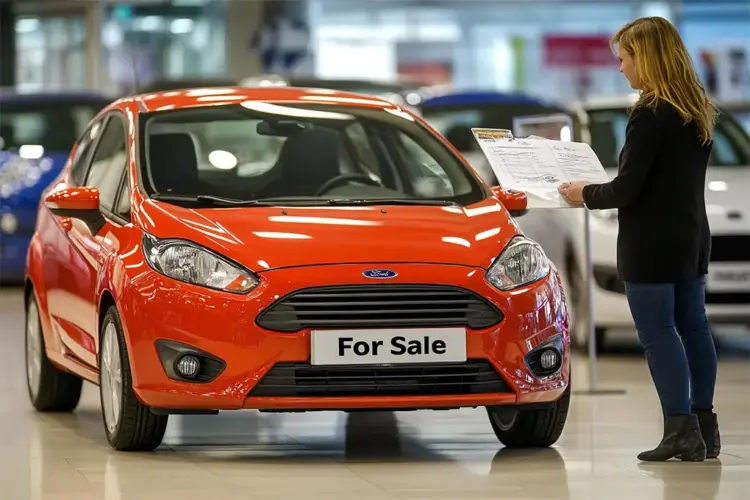
Ever wondered why used Ford Fiestas command such high prices? It’s not just about the badge—it’s a mix of demand, reputation, and market dynamics. Whether you’re eyeing a used Fiesta or just curious, let’s break down what makes these little cars so valuable. From their cult-like following to the factors that keep prices firm, we’ll uncover the secrets behind their enduring appeal.
The Ford Fiesta’s Popularity and Demand
The Ford Fiesta isn’t just a car; it’s a phenomenon. Its blend of affordability, fun driving dynamics, and practicality has made it a favourite among drivers of all ages. Whether it’s first-time buyers or seasoned motorists, the Fiesta’s charm is universal. This widespread appeal keeps demand high, and as we know, high demand often means higher prices. It’s a classic case of supply and demand—when everyone wants one, prices stay strong.
But it’s not just about numbers. The Fiesta has a reputation for reliability, which adds to its desirability. People trust it, and that trust translates into a willingness to pay a premium. If you’re considering a used Fiesta, you’re not just buying a car—you’re buying into a legacy. And that’s something worth paying for, as highlighted in our Ford Fiesta buying guide.
Factors Influencing Used Fiesta Prices
Several factors play into the pricing of used Fiestas. Mileage, condition, and service history are obvious ones, but there’s more. The model year matters—newer used Fiestas often retain more value, especially if they’re from sought-after generations. Trim levels also make a difference; higher-spec models like the ST or Titanium command higher prices due to their extra features and performance.
Location can influence prices too. Urban areas with higher demand might see steeper prices compared to rural spots. And let’s not forget the emotional factor—the Fiesta’s discontinuation has made it a bit of a collector’s item, adding a nostalgic premium. For a deeper dive into how these factors interact, check out our Fiesta pricing guide.
Comparing New vs. Used Fiesta Prices
New Fiestas are no longer rolling off production lines, which has a ripple effect on used prices. With no new supply, used models become the only option, pushing prices up. It’s a stark contrast to when the Fiesta was still in production—back then, used prices were more competitive. Now, buyers are willing to pay more for a well-maintained used Fiesta because it’s their only way to own one.
This shift has made the used Fiesta market a seller’s paradise. If you’re buying, it’s worth weighing the pros and cons. A used Fiesta might cost more than you’d expect, but its reliability and driving pleasure often justify the expense. Just remember: the right deal is out there if you’re patient and do your homework.
The Impact of Model Year on Price
When it comes to used Ford Fiestas, the model year plays a massive role in determining the price. I’ve noticed that certain years are more sought-after than others, often due to updates in design, technology, or performance. For example, the 2017 and 2018 models are particularly popular because they introduced the refreshed exterior and improved infotainment systems. Buyers are willing to pay a premium for these updates, making them pricier than older versions.
Interestingly, even older Fiestas hold their value surprisingly well. The 2013-2016 models, for instance, still command decent prices because of their reliability and timeless design. We’ve seen that discontinuation announcements, like the one in 2022, often cause a spike in demand for the last models produced. This scarcity effect drives prices up, especially for well-maintained examples.
Identifying the Most Sought-After Model Years
The most sought-after Fiesta years are typically those with the best balance of features and affordability. The 2017-2019 models are a sweet spot, offering modern tech like Apple CarPlay and Android Auto without the steep depreciation of brand-new cars. I’ve found that buyers are drawn to these years because they feel like a significant upgrade over earlier versions without breaking the bank.
Another factor is the availability of higher trim levels in these years. The ST-Line and Titanium trims from this period are especially popular, as they combine sporty aesthetics with premium features. If you’re looking for the best value, these model years are a solid bet, though they do come at a higher price point.
How Older Models Hold Their Value
Older Fiestas, particularly those from 2010-2012, have a reputation for durability, which helps them retain value. We’ve seen that cars with full service histories and low mileage from these years still fetch respectable prices. The key is their proven reliability—many owners report minimal issues even after 100,000 miles, making them a low-risk purchase.
Another reason older models hold their value is the simplicity of their mechanics. Without complex tech or turbocharged engines, they’re cheaper to maintain and repair. This appeals to budget-conscious buyers who prioritise longevity over modern features, keeping demand steady for these older gems.
The Effect of Discontinuation on Prices
The discontinuation of the Fiesta in 2022 has had a noticeable impact on used prices. We’ve observed a surge in demand for the final models, especially the ST and Active variants, as enthusiasts and collectors snap them up. This has created a seller’s market, with prices for low-mileage examples climbing steadily.
Discontinuation also means fewer new alternatives, pushing more buyers toward the used market. This increased competition drives prices up, particularly for well-specced or rare models. If you’re considering a used Fiesta, acting quickly might save you from paying a premium later.
The Role of Mileage and Condition
Mileage and condition are two of the biggest factors influencing the price of a used Fiesta. I’ve seen cars with similar model years vary wildly in price based on these factors. A low-mileage Fiesta in pristine condition can command a premium, while a high-mileage one with visible wear might be a bargain—but with hidden costs.
Condition isn’t just about aesthetics; it’s a reflection of how well the car has been maintained. We always recommend checking service records and inspecting for signs of neglect, like worn tyres or mismatched panels. A well-cared-for Fiesta, even with higher mileage, can be a better investment than a neglected low-mileage example.
How Mileage Affects Resale Value
Mileage is a straightforward metric, but its impact on value isn’t always linear. For example, a Fiesta with 30,000 miles might be priced significantly higher than one with 60,000 miles, but the gap narrows as mileage climbs. We’ve found that the sweet spot for value is around 40,000-50,000 miles, where depreciation slows but the car still has plenty of life left.
High-mileage Fiestas (over 100,000 miles) can still be great buys if they’ve been well-maintained. However, buyers should budget for potential repairs, as components like clutches and suspension parts may need attention. The key is to weigh the lower purchase price against potential maintenance costs.
The Importance of Vehicle Condition
Condition is everything when it comes to resale value. A Fiesta with a flawless interior and exterior, no accidents, and a full service history will always fetch more than a comparable car with issues. We’ve noticed that buyers are particularly sensitive to cosmetic flaws, like scratches or worn seats, which can knock hundreds off the price.
Mechanical condition is equally critical. A car with a spotless maintenance record and no warning lights is far more appealing than one with a patchy history. I always advise buyers to prioritise condition over minor mileage differences—it’s a better indicator of long-term reliability.
Assessing Wear and Tear
Wear and tear is inevitable, but its extent can reveal a lot about a car’s history. For example, heavily worn pedals or a sagging driver’s seat suggest high use, while mismatched tyres or uneven panel gaps might indicate past accidents. We recommend a thorough inspection, ideally by a professional, to uncover any hidden issues.
Minor wear, like light scratches or faded trim, is normal and shouldn’t deter you. However, significant issues, like rust or engine noises, are red flags. A well-maintained Fiesta should feel tight and responsive, with no unusual sounds or vibrations. Don’t hesitate to walk away if something feels off.
Trim Levels and Their Price Differences
Trim levels are a major factor in the price variation of used Fiestas. From the basic Style to the sporty ST, each trim offers different features and appeals to different buyers. I’ve found that higher trims, like the Titanium or ST-Line, hold their value better due to their premium features and aesthetic upgrades.
The ST, in particular, is a standout. Its performance-oriented specs and limited availability make it a sought-after model, often commanding prices close to its original MSRP. Even older STs retain significant value, especially if they’re in good condition. If you’re after a Fiesta with resale potential, the ST is hard to beat.
Overview of Fiesta Trim Levels
The Fiesta’s trim range is diverse, catering to everything from budget buyers to performance enthusiasts. The entry-level Style offers the basics, while the Zetec adds alloy wheels and a better stereo. The Titanium brings luxury touches like climate control, and the ST-Line adds sporty styling without the ST’s performance price tag.
At the top, the ST and Active trims cater to niche markets. The ST is all about performance, with a turbocharged engine and sport-tuned suspension, while the Active offers crossover-inspired styling and raised ride height. Each trim has its own audience, influencing how they depreciate over time.
Why Higher Trims Command Higher Prices
Higher trims justify their prices with added features and better materials. For example, the Titanium’s leather seats and advanced safety tech make it more desirable than the basic Style. We’ve seen that buyers are willing to pay extra for these upgrades, especially if they plan to keep the car long-term.
Limited availability also plays a role. The ST, for instance, was produced in smaller numbers, creating scarcity that drives up prices. Even used, these trims retain a premium, making them a smarter investment if you can afford the upfront cost. It’s a classic case of getting what you pay for.
Finding the Best Value Trim
The best value trim depends on your priorities. If you want features without breaking the bank, the mid-range Zetec or Titanium are excellent choices. They offer a good balance of comfort and tech at a reasonable price. For those who crave performance, the ST is worth the premium, but the ST-Line provides a sporty look without the high running costs.
We always recommend test-driving multiple trims to see which suits your needs best. Sometimes, the extra cost of a higher trim isn’t justified for your use case. A well-specced mid-range model might offer everything you need at a more affordable price.
The Influence of Location on Pricing
When it comes to used Ford Fiestas, where you buy can significantly affect the price. Regional demand variations mean that a Fiesta in London might cost more than one in a rural area. Urban markets often have higher prices due to greater demand and limited supply. If you’re flexible, exploring nearby towns or cities could help you snag a better deal. We’ve found that local dealerships often offer competitive pricing to attract buyers.
Urban vs. rural price differences aren’t just about demand—they’re also influenced by local economic factors. In cities, higher living costs can drive up car prices, while rural areas might have fewer buyers, leading to lower prices. To find the best deals locally, check out Ford Fiesta pricing guides and compare listings across different regions. It’s a simple way to ensure you’re not overpaying.
Seasonal Trends in Fiesta Pricing
Timing your purchase can save you a bundle on a used Fiesta. The best times of year to buy are typically during autumn and winter when demand dips. Fewer buyers mean dealers are more willing to negotiate. Conversely, spring and summer see a surge in demand, driving prices up. We’ve noticed that seasonal price fluctuations can make a difference of hundreds of pounds, so patience pays off.
How seasons affect demand is tied to practical factors. Winter weather makes people hesitant to shop for cars, while summer inspires road trips and upgrades. If you’re looking for a bargain, target the off-peak months. Seasonal price fluctuations are predictable, and planning ahead can help you capitalise on them. For more insights, check out our guide to used Fiesta prices.
The Effect of Fuel Efficiency on Value
Fuel efficiency is a major selling point for the Ford Fiesta, and it directly impacts its used value. The Fiesta’s impressive MPG makes it a favourite among budget-conscious drivers. Rising fuel prices only heighten its appeal, as buyers prioritise economical cars. We’ve seen that models with better fuel efficiency retain their value longer, making them a smarter investment in the long run.
Comparing fuel efficiency across model years reveals steady improvements. Newer Fiestas often boast better MPG, but even older models hold their own. If you’re torn between years, weigh the fuel savings against the upfront cost. For a deeper dive into this topic, explore our resale value analysis. It’s a must-read for anyone considering a used Fiesta.
Insurance Costs and Their Impact
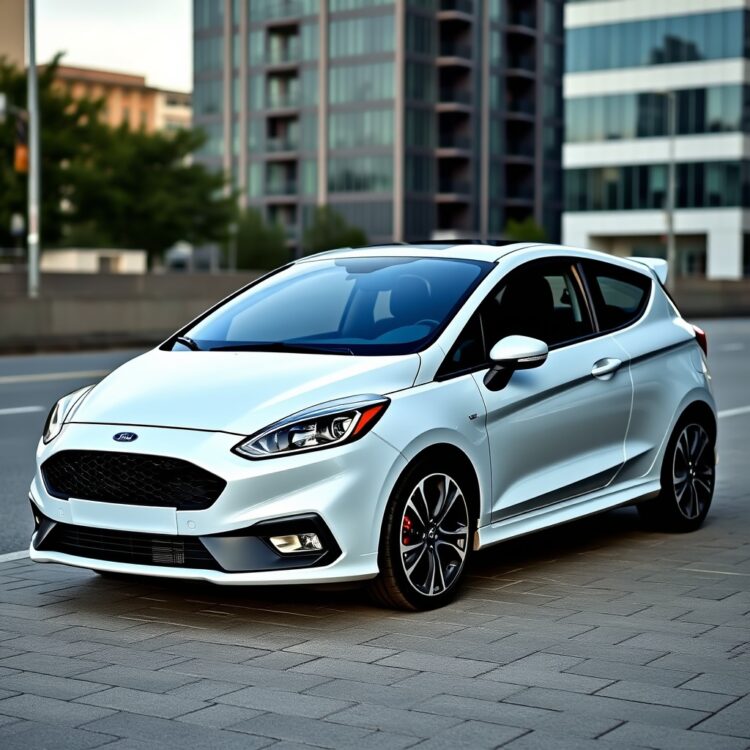
Understanding insurance groups is crucial when buying a used Fiesta. Higher-performance models like the ST fall into pricier groups, while standard trims are cheaper to insure. Insurance affects the total ownership cost, so it’s worth factoring into your budget. We recommend getting quotes early to avoid surprises. For a detailed breakdown, check out this external guide on Fiesta insurance costs.
How insurance affects total ownership cost can’t be overstated. A higher premium might offset a lower purchase price, so always compare both. Tips for lowering insurance premiums include opting for a higher excess or installing security features. If you’re unsure where to start, our guide to Fiesta insurance has you covered. It’s packed with practical advice to keep costs down.
Maintenance and Repair Costs
Common Fiesta Maintenance Needs
Owning a Ford Fiesta means staying on top of regular maintenance to keep it running smoothly. Common tasks include oil changes, brake pad replacements, and tyre rotations. We’ve found that neglecting these can lead to costly repairs down the line. For example, skipping an oil change might save you £50 now, but a seized engine could set you back thousands. It’s a small price to pay for peace of mind and longevity.
Another frequent issue is the clutch, especially in manual models. High mileage Fiestas often need clutch replacements, which can cost around £400-£600. We recommend checking the clutch’s condition before buying a used model. A thorough inspection can save you from unexpected expenses. Regular servicing is key to avoiding these pitfalls and keeping your Fiesta in top shape.
The Cost of Spare Parts
One advantage of the Fiesta is its affordability when it comes to spare parts. Being a popular model, parts are widely available and reasonably priced. For instance, a set of brake pads might cost £30-£50, while a new battery could be around £60-£100. We’ve noticed that OEM parts are slightly pricier but offer better reliability compared to aftermarket options.
However, some parts, like the turbocharger in EcoBoost models, can be expensive, costing upwards of £500. We advise budgeting for these potential costs if you’re considering a high-performance variant. Shopping around for parts and labour can also help reduce expenses. A well-maintained Fiesta retains its value better, making the investment worthwhile.
DIY vs. Professional Repairs
For those handy with tools, DIY repairs can save a significant amount of money. Simple tasks like changing the air filter or replacing wiper blades are straightforward and cost-effective. We’ve done these ourselves and found it rewarding. However, complex jobs like timing belt replacements are best left to professionals. Mistakes here can lead to engine damage, costing far more than the initial repair.
Professional repairs offer expertise and warranties, which can be invaluable. For example, a garage might charge £200 for a full service, but it includes checks you might overlook. Weighing the pros and cons is essential. If you’re unsure, consulting a trusted mechanic is always a smart move. Balancing DIY and professional work keeps costs manageable without compromising quality.
The Role of Aftermarket Modifications
How Modifications Affect Resale
Aftermarket modifications can be a double-edged sword when it comes to resale value. While some upgrades, like alloy wheels or a premium sound system, might attract buyers, others can deter them. We’ve seen heavily modified Fiestas struggle to sell, as buyers often worry about reliability. It’s a gamble—personalising your car can make it unique but might limit your market when it’s time to sell.
Performance modifications, such as engine tuning or exhaust systems, can also impact insurance costs. Insurers may view these as increased risks, leading to higher premiums. We recommend keeping receipts and documentation for any modifications. This transparency can reassure potential buyers and justify your asking price. A balanced approach to modifications ensures you enjoy your car without hurting its resale potential.
Popular Fiesta Upgrades
The Fiesta’s popularity means there’s a vast aftermarket scene. Common upgrades include suspension kits for better handling and styling tweaks like LED lights or body kits. We’ve found that subtle changes, like upgrading the interior trim, can enhance the driving experience without breaking the bank. Performance enthusiasts often opt for remaps, boosting power output significantly.
Another favourite is the ST-line body kit, which gives standard models a sportier look. These upgrades can make your Fiesta stand out, but we advise sticking to reputable brands. Cheap, low-quality parts might save money upfront but can lead to issues later. Researching and investing in quality upgrades ensures longevity and satisfaction. A well-modified Fiesta can be a joy to drive and own.
The Pros and Cons of Buying Modified
Buying a pre-modified Fiesta can be tempting, especially if the work is already done. However, we’ve learned to approach these with caution. While some modifications are professionally installed, others might be DIY jobs with questionable quality. It’s essential to inspect the car thoroughly or bring a mechanic along. Poorly executed modifications can lead to ongoing problems and costly fixes.
On the flip side, a well-modified Fiesta can offer better performance or aesthetics at a lower cost than doing it yourself. We recommend checking the car’s history and ensuring all modifications are declared to insurers. Transparency is key to avoiding surprises. If done right, buying modified can be a great way to get a unique car without the hassle of upgrades.
Financing Options for Used Fiestas
Loan vs. Cash Purchase Considerations
Deciding between a loan and a cash purchase depends on your financial situation. Paying cash avoids interest charges and gives you full ownership immediately. We’ve found this option ideal for those with savings, as it eliminates monthly payments. However, it’s not always feasible, especially for younger buyers or those with limited funds. A loan spreads the cost, making a Fiesta more accessible.
Loans come with interest, so the total cost will be higher than the purchase price. We recommend comparing rates from multiple lenders to secure the best deal. Personal loans often offer lower interest rates than dealer financing. It’s also worth considering the car’s depreciation—taking a long-term loan on a rapidly depreciating asset might not be the best financial move. Weighing the pros and cons helps you make an informed decision.
Finding the Best Interest Rates
Interest rates can vary significantly between lenders, so shopping around is crucial. We’ve found that credit unions and online lenders often offer competitive rates compared to traditional banks. Your credit score plays a big role here—higher scores typically secure lower rates. We recommend checking your credit report beforehand and addressing any issues to improve your chances of approval.
Dealer financing can be convenient but isn’t always the cheapest option. Some dealers offer promotional rates, but these might come with strings attached. Reading the fine print is essential to avoid hidden fees. We’ve also seen success with peer-to-peer lending platforms, which can offer flexible terms. Taking the time to research ensures you get the best deal possible.
The Impact of Credit Score on Financing
Your credit score is a key factor in securing favourable financing terms. A high score can unlock lower interest rates and better loan terms, saving you money over time. We’ve noticed that even a small difference in rates can add up significantly over the life of a loan. If your score is low, consider improving it before applying—paying down debt and correcting errors on your report can help.
Some lenders specialise in bad credit car loans, but these often come with higher rates. We advise caution here, as these loans can become expensive. Alternatively, saving for a larger down payment can offset a lower credit score. A strong financial position gives you more negotiating power and better options. Planning ahead ensures you get the best financing deal for your Fiesta.
The Importance of a Pre-Purchase Inspection
What to Look for During an Inspection
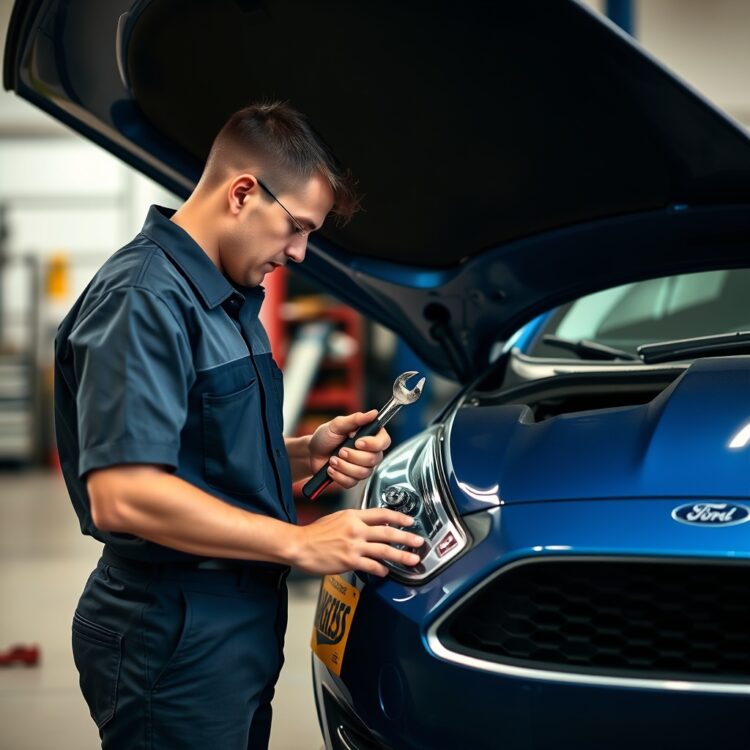
A pre-purchase inspection is a must when buying a used Fiesta. We always check for signs of wear and tear, such as uneven tyre wear or rust on the undercarriage. The engine should start smoothly, and there should be no unusual noises. A test drive is essential—listen for clunks or rattles and ensure the gearbox shifts smoothly. These checks can reveal hidden issues that might not be obvious at first glance.
Inspecting the service history is equally important. A well-documented history indicates regular maintenance, while gaps might suggest neglect. We also look for signs of accident damage, such as mismatched paint or misaligned panels. Bringing a mechanic along can provide expert insights. A thorough inspection might cost £100-£200, but it’s a small price to pay for peace of mind and avoiding costly surprises.
The Cost of Skipping an Inspection
Skipping an inspection might save you money upfront, but it’s a risky move. We’ve seen buyers regret this decision when hidden issues surface later. For example, a faulty transmission or engine problem can cost thousands to fix. These expenses can quickly outweigh the initial savings. An inspection might also reveal minor issues you can use to negotiate a lower price, offsetting the cost.
Another risk is buying a car with outstanding finance or a questionable history. An inspection can uncover these red flags, protecting you from legal and financial headaches. We’ve learned that investing in an inspection is a small price for long-term confidence. It’s better to walk away from a bad deal than to inherit someone else’s problems. A little caution goes a long way in securing a reliable Fiesta.
How to Choose an Inspector
Choosing the right inspector is crucial for a reliable assessment. We recommend opting for a certified mechanic or a specialist familiar with Fiestas. Look for reviews or ask for recommendations from trusted sources. A good inspector will provide a detailed report, highlighting any issues and their severity. This transparency helps you make an informed decision.
Some inspectors offer mobile services, coming to the car’s location for convenience. We’ve found this especially useful when buying privately. Ensure the inspector is independent and not affiliated with the seller to avoid conflicts of interest. A thorough inspection might take an hour or two, but it’s time well spent. Trusting a professional ensures you get an unbiased evaluation of the car’s condition.
Negotiating the Best Price
Researching Fair Market Value
Before stepping into negotiations, I always research the fair market value of the used Ford Fiesta I’m eyeing. Websites like Lowes Auto provide invaluable insights into pricing trends. Knowing the average price for the model year, trim, and mileage helps me set realistic expectations. I also check local listings to compare prices, ensuring I don’t overpay. This groundwork gives me confidence when discussing numbers with sellers.
Effective Negotiation Strategies
Negotiating isn’t about haggling—it’s about presenting facts. I highlight any flaws or wear and tear I’ve spotted during the inspection to justify a lower offer. Being polite but firm works wonders. If the seller stands firm, I’m prepared to walk away. Sometimes, showing willingness to leave can prompt a better deal. I also consider timing; sellers are often more flexible at the end of the month or during slower sales periods.
When to Walk Away
Walking away is a powerful tool. If the price is inflated beyond fair market value or the seller isn’t transparent about the car’s history, I don’t hesitate to move on. There are plenty of used Fiestas out there, and patience pays off. I’ve learned that emotional attachment can cloud judgment, so I stay objective. A better deal is always around the corner, especially if I’ve done my homework.
The Future of Used Fiesta Prices
Predicting Market Trends
The used Fiesta market is dynamic, influenced by factors like fuel prices and electric vehicle adoption. I keep an eye on industry reports to anticipate shifts. For now, the Fiesta’s reputation for reliability keeps demand steady. However, as more buyers opt for EVs, traditional petrol models might see a dip. Staying informed helps me decide whether to buy now or wait for potential price drops.
The Impact of Electric Vehicles
Electric vehicles are reshaping the automotive landscape, and the Fiesta isn’t immune. While Ford hasn’t released an electric Fiesta yet, the growing popularity of EVs could affect resale values. I consider this when evaluating long-term ownership costs. For now, petrol Fiestas remain practical, but I’m mindful of future trends. It’s a balancing act between current affordability and future-proofing.
Long-Term Value Retention
Some Fiesta models hold their value better than others. The ST variants, for example, tend to depreciate slower due to their performance appeal. I factor this into my buying decision, especially if I plan to sell later. Regular maintenance and keeping mileage low also help preserve value. While no car is an investment, choosing wisely can minimise financial loss over time.
Alternative Vehicles to Consider
Comparing the Fiesta to Competitors
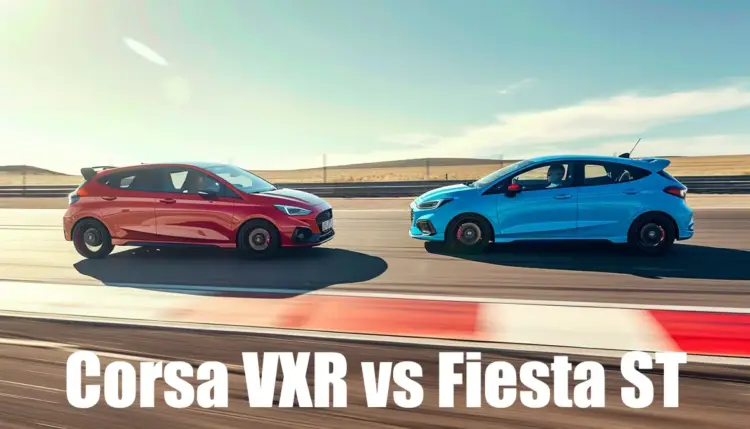
The Fiesta isn’t the only small car worth considering. Models like the Vauxhall Corsa or Volkswagen Polo offer similar benefits. I compare features, running costs, and reliability ratings to find the best fit. The Corsa VXR, for instance, is a spirited alternative. Each car has its strengths, so I weigh them against my priorities—whether it’s fuel efficiency, performance, or interior space.
When to Choose a Different Model
If a used Fiesta’s price feels too steep, I explore alternatives. Sometimes, a slightly older model from a different brand offers better value. I also consider cars with higher mileage but solid service histories. Flexibility is key. For budget-conscious buyers, the Suzuki Alto is a frugal option. It’s about finding the right balance between cost and quality.
The Best Alternatives for Budget Buyers
For those prioritising affordability, the Ford Fiesta isn’t the only choice. Cars like the Hyundai i10 or Kia Picanto are cheaper to buy and run. I recommend checking ownership costs, including insurance and maintenance, before deciding. Sometimes, a less popular model can save thousands without sacrificing reliability. It’s all about aligning the car with your budget and needs.
Frequently Asked Questions
Why are used Ford Fiestas so expensive?
Used Fiestas retain value due to their popularity, reliability, and strong demand. Their reputation for being fun to drive and economical keeps prices high. Discontinuation has also made well-maintained models more sought-after, driving up costs. For more insights, check out this external resource.
Which Fiesta model holds its value best?
The ST variants and higher trims like the Titanium depreciate slower. Their performance and premium features appeal to buyers, ensuring better resale value. Lower trims with high mileage or poor condition lose value faster, so choose wisely.
Is it worth buying a used Fiesta now?
Yes, if you find a well-maintained model at a fair price. The Fiesta’s practicality and driving dynamics make it a solid choice. However, consider alternatives if prices are inflated beyond your budget. Always inspect the car thoroughly before committing.
How can I negotiate a better price?
Research fair market value, highlight any flaws, and be ready to walk away. Sellers are more likely to lower prices if they sense genuine interest but no desperation. Timing your purchase during slower sales periods can also help secure a deal.