What Is the Best Second-Hand Pickup Truck to Buy?
Introduction
When it comes to buying a second-hand pickup truck, the options can feel overwhelming. I’ve spent years researching and test-driving used trucks, and I can tell you—it’s all about finding the right balance of reliability, performance, and value. Whether you need a workhorse for the job site or a weekend warrior for adventures, this guide will help you navigate the market like a pro.
Key Takeaways
- Reliability is key: Focus on models with a proven track record for longevity and minimal repairs.
- Mileage matters: Lower mileage often means fewer wear-and-tear issues, but don’t overlook well-maintained high-mileage trucks.
- Regional pricing: Prices can vary significantly based on location, so shop around.
- Inspect thoroughly: Always check for signs of rust, mechanical issues, and service history.
- Negotiate smartly: Research fair market values and be prepared to walk away if the deal isn’t right.
Test Your General Automotive Knowledge!
Understanding the Second-Hand Pickup Truck Market
Key Factors Influencing Second-Hand Truck Prices
The price of a used pickup truck isn’t just about age or mileage. Brand reputation, demand, and even seasonal trends play a role. For example, trucks from brands like Toyota or Ford often hold their value better due to their reliability. I’ve found that trucks with a strong service history tend to fetch higher prices, but they’re worth the investment.
Another factor is trim level. A top-tier trim with luxury features might seem like a steal, but if it’s been neglected, it could cost you more in repairs. Always weigh the upfront cost against potential long-term expenses.
The Impact of Mileage and Age on Value
Mileage is a double-edged sword. A truck with 100,000 miles might still have plenty of life left if it’s been well-maintained, while a neglected truck with 50,000 miles could be a money pit. Age also matters—older trucks might lack modern safety features but could be simpler to repair. It’s about finding the sweet spot.
Regional Variations in Availability and Pricing
Where you buy can drastically affect what you pay. In rural areas, trucks might be cheaper but harder to find in good condition. Urban markets often have more options but higher prices. I’ve seen trucks listed for thousands less just a few counties over, so expanding your search can pay off. Don’t forget to check online marketplaces for deals outside your immediate area.
Benefits of Buying a Second-Hand Pickup Truck
Cost Savings Compared to New Models
One of the most compelling reasons to buy a second-hand pickup truck is the significant cost savings. New trucks depreciate rapidly, losing up to 20% of their value in the first year alone. By opting for a used model, you avoid this steep initial hit. Plus, you’ll often find well-maintained trucks with plenty of life left at a fraction of the price. It’s a smart way to get more bang for your buck without compromising on quality.
Another advantage is the lower insurance premiums. Insurers typically charge less for older vehicles, as their replacement value is lower. This means you’ll save money not just on the purchase price but also on ongoing costs. Whether you’re a budget-conscious buyer or just looking for a great deal, the financial benefits of going second-hand are hard to ignore.
Depreciation Rates of Pickup Trucks
Pickup trucks are notorious for their high depreciation rates, especially in the first few years. A brand-new truck can lose thousands in value the moment you drive it off the lot. However, this depreciation slows down after the first three to five years, making used trucks a far more stable investment. You’re essentially letting someone else take the biggest financial hit while you enjoy a reliable vehicle at a lower cost.
This slower depreciation also means that if you decide to sell the truck later, you’re less likely to lose a significant amount of money. It’s a win-win situation: you get a dependable vehicle now and a better resale value down the line. For savvy buyers, this makes second-hand pickups an attractive option.
Access to Higher Trim Levels Within Budget
Buying used opens the door to higher trim levels that might have been out of reach if you were buying new. Luxury features like leather seats, advanced infotainment systems, and premium sound systems become much more affordable when you’re shopping for a truck that’s a few years old. You can enjoy all the bells and whistles without the hefty price tag.
This is particularly appealing if you’re after a workhorse with added comfort. Many used trucks come loaded with extras that were expensive when new but are now available at a fraction of the cost. It’s a great way to upgrade your driving experience without stretching your budget.
How to Determine Your Needs Before Buying
Assessing Towing and Hauling Requirements
Before you start shopping, it’s crucial to assess your towing and hauling needs. Different trucks offer varying capacities, and choosing one that matches your requirements will save you headaches later. Consider the weight of the loads you’ll typically carry or tow, and look for a truck with a suitable payload and towing capacity. Overloading a truck can lead to mechanical issues and safety risks.
Also, think about the type of towing you’ll do. If you’re hauling heavy trailers, you’ll need a truck with a robust engine and a sturdy frame. On the other hand, lighter loads might not require as much power. Matching your needs to the truck’s capabilities ensures you get the right vehicle for the job.
Understanding Cab and Bed Size Options
Cab and bed size are two critical factors when choosing a pickup truck. If you frequently transport passengers, a crew cab with ample rear-seat space is ideal. For solo drivers or occasional passengers, an extended or regular cab might suffice. The bed size is equally important—longer beds are better for hauling large items, while shorter beds offer easier maneuverability in urban areas.
Think about how you’ll use the truck daily. A larger cab might be more comfortable for family trips, but it could reduce bed space. Conversely, a longer bed might limit passenger space. Balancing these needs will help you find the perfect fit for your lifestyle.
Fuel Efficiency vs Power Needs
Fuel efficiency and power often sit at opposite ends of the spectrum when it comes to pickup trucks. Larger engines deliver more power but consume more fuel, while smaller engines are more economical but may lack the muscle for heavy-duty tasks. Consider your typical driving conditions and load requirements to strike the right balance.
If you’re mostly driving in the city with occasional light hauling, a smaller, more fuel-efficient engine might be the way to go. But if you’re tackling rugged terrain or towing heavy loads, a powerful engine is worth the extra fuel costs. It’s all about finding the sweet spot between performance and economy.
Researching the Best Models and Years
Top Reliable Second-Hand Pickup Truck Models
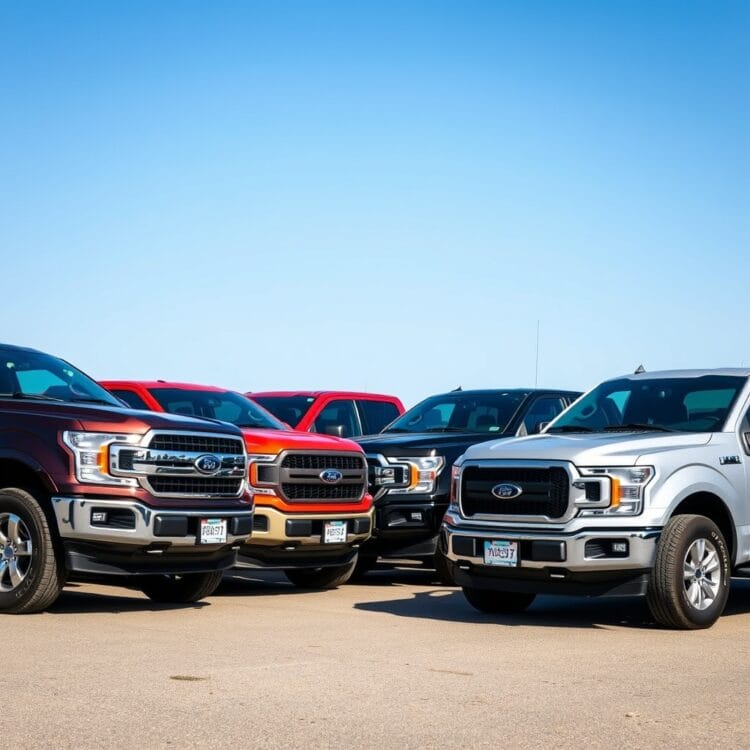
When it comes to reliability, some models stand out from the crowd. The Ford F-150 and Toyota Hilux are renowned for their durability and longevity. These trucks are built to last, with robust engines and sturdy frames that can handle years of heavy use. They’re also widely available, making it easier to find a well-maintained used model.
Other reliable options include the Chevrolet Silverado and the Nissan Navara. These trucks offer a great mix of performance, comfort, and reliability. By focusing on proven models, you’ll reduce the risk of unexpected repairs and enjoy a smoother ownership experience.
Model Years to Target for Reliability
Not all model years are created equal. Some years are known for their reliability, while others have recurring issues. For example, the 2015-2018 Ford F-150 models are praised for their solid build and minimal problems. Similarly, the 2016-2019 Toyota Hilux is a standout for its dependability and low maintenance costs.
Researching common issues and recalls for specific years can save you from buying a lemon. Online forums, owner reviews, and reliability guides are invaluable resources. Targeting the right model years ensures you get a truck that’s both dependable and a joy to drive.
Years to Avoid Due to Common Issues
Just as some years are stellar, others are best avoided. For instance, certain early 2010s models of the Chevrolet Colorado had transmission problems, while some 2014-2016 Ram 1500s faced electrical gremlins. Knowing which years to steer clear of can save you from costly repairs and frustration.
Always check for recalls and common complaints before making a purchase. A little research upfront can prevent headaches down the road. For more insights, check out this reliability guide to make an informed decision.
Where to Find Quality Second-Hand Pickup Trucks
Dealerships vs Private Sellers Pros and Cons
When hunting for a second-hand pickup truck, you’ll face the classic dilemma: dealerships or private sellers. Dealerships often offer certified pre-owned options with warranties, but they come at a premium. Private sellers might give you a better deal, but the risk is higher. We’ve found that dealerships are ideal if you value peace of mind, while private sellers suit those willing to trade risk for savings. Always check the automotive blog for tips on spotting red flags.
Private sellers can be a goldmine if you know what to look for. Inspect the truck thoroughly and ask for maintenance records. Dealerships, on the other hand, often provide vehicle history reports and financing options. We recommend weighing the pros and cons based on your budget and comfort level. Remember, a great deal isn’t just about price—it’s about value and reliability.
Online Marketplaces and Auction Sites
The digital age has revolutionised how we buy second-hand trucks. Online marketplaces like AutoTrader and eBay Motors offer vast selections, but they require diligence. Auction sites can yield bargains, but you’ll need to act fast and know your limits. We’ve had success using these platforms, but always verify the seller’s credibility and inspect the truck in person before committing.
Auction sites are particularly useful for finding rare or older models. However, they often sell vehicles “as-is,” so a pre-purchase inspection is non-negotiable. Online listings should include detailed photos and descriptions—avoid anything vague. Trust your gut; if something feels off, it probably is. For more insights, check out our guide on reliable second-hand cars.
The Role of Vehicle History Reports
A vehicle history report is your best friend when buying second-hand. It reveals accidents, title issues, and service records—critical details that sellers might omit. Services like HPI or CarVertical provide comprehensive reports for a small fee. We never skip this step; it’s saved us from countless potential disasters.
Even if the truck looks pristine, a history report can uncover hidden problems. Look for consistent mileage records and avoid vehicles with salvage titles. A clean report doesn’t guarantee perfection, but it significantly reduces risk. Combine this with a professional inspection, and you’re on your way to a smart purchase.
Evaluating a Second-Hand Pickup Truck Before Purchase
Essential Mechanical Checks to Perform
Before handing over your hard-earned cash, put the truck through its paces. Start with the engine: listen for unusual noises, check for leaks, and ensure it starts smoothly. Test the transmission by shifting through all gears. Don’t forget the brakes—they should feel firm, not spongy. We’ve learned that skipping these checks can lead to costly repairs down the line.
Inspect the suspension by pushing down on each corner of the truck; it should rebound once and settle. Check the exhaust for excessive smoke or odd smells. If you’re not mechanically inclined, bring a friend who is or hire a professional. A small investment in an inspection can save you thousands.
Identifying Signs of Wear and Tear
Cosmetic flaws are one thing, but excessive wear can signal deeper issues. Look for uneven tire wear, which might indicate alignment problems. Check the interior for stains, tears, or malfunctioning controls. Rust is a red flag—especially on the frame or undercarriage. We’ve walked away from trucks with “minor” rust, only to discover it was structural.
Pay attention to the truck’s history and how it was used. A workhorse with high mileage might be more worn than a lightly used personal vehicle. Trust your instincts and don’t ignore small details; they often reveal the bigger picture.
The Importance of a Professional Inspection
Even if you’re confident in your DIY skills, a professional inspection is worth every penny. Mechanics can spot issues you might miss, like hidden corrosion or engine problems. We always recommend this step, especially for high-mileage trucks or those sold “as-is.” It’s a small price for peace of mind.
Choose a mechanic familiar with pickup trucks, as they’ll know common issues to look for. Provide them with the vehicle history report for context. If the seller refuses an inspection, consider it a major red flag. For more tips, visit our reliability guide.

Negotiating the Best Price for a Second-Hand Truck
How to Research Fair Market Value
Knowledge is power when negotiating. Use tools like Parkers or AutoTrader to compare prices for similar trucks in your area. Factor in mileage, condition, and extras like tow packages. We’ve found that sellers are more willing to negotiate if you can back up your offer with data.
Don’t forget to check auction results for wholesale prices—this gives you an edge. If the truck has been listed for a while, the seller might be more flexible. Arm yourself with information, and you’ll negotiate like a pro.
Effective Negotiation Strategies
Start with a lower offer than you’re willing to pay, but keep it realistic. Highlight any flaws you’ve found to justify your price. Be polite but firm; aggression rarely works. We’ve closed deals by offering to pay in cash or agreeing to a quick sale—sellers often appreciate simplicity.
Timing matters too. End-of-month sales targets can make dealers more open to discounts. Private sellers might drop their price if they’re moving or need quick cash. Stay patient and ready to walk away if the numbers don’t add up.
Understanding When to Walk Away
Not every truck is worth the hassle. If the seller is evasive, the price is too high, or the inspection reveals major issues, it’s okay to walk. We’ve passed on “great deals” that smelled fishy, and it’s always paid off. Trust your gut and don’t let emotions cloud your judgment.
Remember, there’s always another truck. The right one will come along, and you’ll be glad you waited. For more advice, explore our buying guide.
Financing Options for Second-Hand Pickup Trucks
Comparing Bank Loans vs Dealership Financing
Bank loans often offer lower interest rates than dealership financing, but they require good credit. Dealerships might provide convenience and promotions, but read the fine print. We’ve found that shopping around for loans saves money in the long run. Compare terms and don’t settle for the first offer.
Credit unions are another great option—they often have competitive rates and flexible terms. Pre-approval gives you bargaining power and helps you stay within budget. Whatever you choose, ensure the payments fit comfortably into your finances.
The Pros and Cons of Leasing Used Trucks
Leasing a used truck can lower monthly payments, but mileage restrictions and wear-and-tear fees apply. It’s a good option if you like driving newer models without long-term commitment. However, you won’t own the truck at the end, and early termination can be costly.
We recommend leasing only if you drive modestly and keep vehicles in top condition. For those who prefer ownership, traditional financing is the way to go. Always calculate the total cost, not just the monthly payment.
Tips for Securing the Best Interest Rates
Your credit score is key to snagging low rates. Check your report for errors and improve your score if needed. A larger down payment can also reduce your rate. We’ve secured better deals by negotiating the interest rate separately from the truck’s price.
Consider shorter loan terms if you can afford higher payments—they usually come with lower rates. And don’t forget to ask about discounts for automatic payments or loyalty programs. Every little bit helps when financing your dream truck.
Insurance Considerations for Used Pickup Trucks
How Usage Affects Insurance Premiums
When insuring a second-hand pickup truck, how you plan to use it plays a significant role in determining your premiums. If you’re using the truck for commercial purposes, such as hauling goods or towing, insurers will likely charge higher rates due to increased risk. Personal use, like daily commuting or occasional weekend adventures, generally attracts lower premiums. We recommend being transparent about your usage to avoid complications during claims. For more insights on vehicle reliability, check out our guide on reliable models.
Additionally, mileage matters. Higher annual mileage can lead to higher premiums because it increases the likelihood of accidents or wear and tear. If you’re using your truck for long-distance travel or frequent off-roading, expect insurers to factor this into their calculations. Always compare quotes from multiple providers to find the best deal tailored to your usage patterns.
Choosing the Right Coverage Level
Selecting the right insurance coverage for your used pickup truck is crucial. Comprehensive coverage, while more expensive, offers the broadest protection, including damage from accidents, theft, and natural disasters. Third-party, fire, and theft coverage is a middle-ground option, while third-party-only is the most basic but least protective. Weigh the age and value of your truck against the cost of premiums to make an informed decision.
For older models, comprehensive coverage might not be cost-effective if the truck’s value is low. However, if your truck is a high-value or rare model, comprehensive coverage is often worth the investment. Don’t forget to consider add-ons like breakdown cover or legal protection, which can provide extra peace of mind. Our specs guide can help you evaluate your truck’s worth.
Discounts and Savings Opportunities
Insurance providers often offer discounts that can significantly reduce your premiums. No-claims bonuses, for instance, reward accident-free driving with lower rates. Installing security features like alarms or tracking devices can also lead to discounts, as they reduce the risk of theft. Some insurers offer reduced rates for drivers who complete advanced driving courses, so it’s worth exploring these options.
Bundling your pickup truck insurance with other policies, such as home or life insurance, can unlock additional savings. Paying your premium annually instead of monthly may also reduce costs. Always ask about available discounts and negotiate with insurers to get the best deal. For more tips on cost-effective ownership, read our article on affordable insurance.
Common Pitfalls When Buying a Second-Hand Pickup Truck
Overlooking Hidden Costs
Buying a used pickup truck isn’t just about the purchase price. Hidden costs like insurance, maintenance, and fuel can add up quickly. Older trucks may require frequent repairs, and parts for certain models can be expensive or hard to find. Always budget for these additional expenses to avoid financial strain down the line. A thorough inspection and common fault checks can help identify potential issues early.
Tax and registration fees are another consideration. Larger or more powerful trucks often incur higher road tax, and emissions standards can affect costs in some regions. Factor these into your budget before committing to a purchase. Don’t forget about fuel efficiency—pickup trucks are notorious for high fuel consumption, so calculate your expected running costs carefully.
Falling for Cosmetic Upgrades Over Mechanical Soundness
A shiny exterior or a flashy interior can be tempting, but don’t let aesthetics distract you from mechanical integrity. Some sellers invest in cosmetic upgrades to mask underlying issues like engine problems or worn-out suspensions. Always prioritise a thorough mechanical inspection over visual appeal. A professional inspection can reveal hidden faults that aren’t immediately obvious.
Test driving the truck is essential. Pay attention to how it handles, listens for unusual noises, and checks for warning lights on the dashboard. If the seller is reluctant to allow a test drive or inspection, consider it a red flag. For more on evaluating performance, explore our performance insights.
Ignoring the Importance of a Test Drive
Skipping a test drive is a mistake you can’t afford to make. A test drive reveals how the truck performs in real-world conditions, from acceleration and braking to steering responsiveness. It’s also an opportunity to check comfort features like seating and cabin noise. If possible, test drive the truck on different road types, including highways and rough terrain.
During the test drive, assess the clutch (if manual) and gear shifts for smoothness. Check the brakes for responsiveness and listen for any unusual sounds. Don’t rush the process—take your time to ensure the truck meets your expectations. A test drive can save you from costly regrets later.
Customizing Your Second-Hand Pickup Truck
Popular Aftermarket Modifications
Customising your used pickup truck can enhance both its functionality and aesthetics. Popular modifications include lift kits for off-roading, tonneau covers for bed protection, and performance upgrades like exhaust systems or turbochargers. LED light bars and bull bars are also common for improved visibility and protection. Always research the legality of modifications in your region to avoid fines or insurance issues.
Interior upgrades like premium sound systems or custom upholstery can make your truck more comfortable. However, avoid over-modifying if you plan to resell the truck later, as excessive changes can deter potential buyers. Balance personal preferences with practicality to get the most out of your investment.
Balancing Aesthetics with Functionality
While customising your truck, it’s easy to prioritise looks over practicality. However, modifications should serve a purpose. For example, oversized wheels might look impressive but can reduce fuel efficiency and ride comfort. Similarly, lowering a truck might improve handling but limit its off-road capabilities. Always weigh the pros and cons before making changes.
Consider how modifications will affect your truck’s resale value. Some buyers prefer stock vehicles, while others appreciate tasteful upgrades. Stick to reversible modifications if you’re unsure about long-term preferences. Functionality should always come first, especially if you rely on your truck for work or heavy-duty tasks.
Legal Considerations for Modifications
Not all modifications are legal, and regulations vary by region. For instance, tinted windows beyond a certain darkness or exhaust systems that exceed noise limits can result in fines. Always check local laws before making changes to your truck. Some modifications may also require approval from your insurance provider to avoid invalidating your policy.
Safety should be a priority. Avoid modifications that compromise the truck’s structural integrity or safety features. If you’re unsure about the legality of a modification, consult a professional or local authorities. Staying compliant ensures you enjoy your customised truck without legal hassles.
Resale Value and Future-Proofing Your Purchase
Factors That Affect Resale Value
When buying a second-hand pickup truck, resale value is a critical consideration. Factors like brand reputation, model popularity, and overall condition play a significant role. Trucks from reliable brands tend to hold their value better. Additionally, low mileage, a clean service history, and minimal wear and tear can boost resale potential. Avoid models with known mechanical issues, as these can drastically reduce future value. Researching market trends helps identify which trucks are in demand, ensuring your purchase remains a solid investment.
How to Maintain Your Truck for Maximum Resale
Regular maintenance is key to preserving your truck’s resale value. Stick to the manufacturer’s service schedule and keep detailed records of all repairs. Addressing minor issues promptly prevents them from escalating into costly problems. Cosmetic care, such as rust prevention and interior upkeep, also matters. Consider protective modifications like bed liners or seat covers to minimise wear. A well-maintained truck not only fetches a higher price but also attracts more potential buyers when it’s time to sell.
Timing the Market for Selling Your Truck
Selling your truck at the right time can maximise your return. Seasonal demand often influences prices; for example, pickup trucks may sell for more in spring or summer. Monitor market trends and economic conditions to identify optimal selling windows. Avoid selling during periods of high inventory, as competition can drive prices down. If your truck is in high demand or rare, holding onto it longer might yield better returns. Timing your sale strategically ensures you get the best possible price for your vehicle.
Comparing Diesel vs Gasoline Second-Hand Pickup Trucks
Performance and Efficiency Differences
Diesel engines are renowned for their torque and towing capabilities, making them ideal for heavy-duty tasks. They also offer better fuel efficiency over long distances, which can save money in the long run. Gasoline engines, on the other hand, provide smoother acceleration and are generally quieter. They’re also cheaper to maintain, as diesel engines often require more expensive parts and servicing. Your choice depends on your primary use—diesel for work-heavy needs and gasoline for everyday driving.
Long-Term Cost Implications
While diesel trucks may have higher upfront costs, their fuel efficiency can offset expenses over time. However, diesel maintenance and repairs tend to be pricier, especially for older models. Gasoline trucks are more affordable to buy and maintain but may cost more in fuel if you drive frequently. Resale value is another factor; diesel trucks often retain value better due to their durability. Weighing these costs against your budget and usage helps determine the most economical option for your needs.
Availability and Pricing Trends
Diesel trucks are less common in the second-hand market, which can drive up prices for well-maintained models. Gasoline trucks are more widely available, offering a broader range of options at varying price points. Regional preferences also influence availability; diesel trucks are more popular in rural areas, while gasoline dominates urban markets. Researching local trends ensures you find the best deal. Whether you prioritise availability, price, or performance, understanding these trends helps you make an informed decision.
Legal and Environmental Considerations
Understanding Emissions Standards for Used Trucks
Emissions regulations vary by region, and older trucks may not meet current standards. Diesel trucks, in particular, face stricter rules due to higher emissions. Before purchasing, check local laws to ensure compliance. Some areas offer incentives for upgrading to cleaner vehicles, which can offset costs. Failing to meet emissions standards can result in fines or restrictions on use. Staying informed about regulations helps avoid legal hassles and ensures your truck remains roadworthy for years to come.
The Impact of Vehicle Weight on Licensing Requirements
Heavier pickup trucks may require special licences or endorsements, depending on your location. In the UK, for example, trucks exceeding 3.5 tonnes may need a Category C licence. These requirements add to the cost and complexity of ownership. Always verify the weight of your potential purchase and check local licensing rules. Ignoring these regulations can lead to penalties or even confiscation of the vehicle. Understanding these requirements upfront prevents surprises and ensures smooth, legal operation.
Recycling and Disposal of Old Pickup Trucks
When your truck reaches the end of its life, proper disposal is essential. Many components, like batteries and fluids, are hazardous and require specialised handling. Scrap yards and recycling centres often offer buy-back programs for old vehicles. Some manufacturers also have take-back schemes for environmentally friendly disposal. Proper recycling not only complies with laws but also reduces environmental impact. Planning for the eventual disposal of your truck ensures you meet legal obligations and contribute to sustainability efforts.
Frequently Asked Questions
What is the best second-hand pickup truck for resale value?
Trucks from reputable brands like Ford, Toyota, and Chevrolet typically hold their value well. Models with low mileage, a clean history, and high demand in the market are your best bets. Researching current trends helps identify top performers. Avoid trucks with known reliability issues, as these can significantly reduce resale potential. A well-maintained truck from a trusted brand is a solid investment for the future.
How does diesel compare to gasoline in second-hand trucks?
Diesel trucks excel in towing and fuel efficiency but come with higher maintenance costs. Gasoline trucks are cheaper to buy and maintain but may cost more in fuel over time. Your choice depends on usage—diesel for heavy-duty tasks and gasoline for lighter, everyday driving. Both have pros and cons, so weigh them against your needs and budget. Understanding these differences ensures you pick the right option for your lifestyle.
What are the hidden costs of owning a second-hand pickup truck?
Beyond the purchase price, consider insurance, maintenance, and potential repairs. Older trucks may need more frequent servicing, and parts can be costly. Fuel costs vary between diesel and gasoline models, impacting long-term expenses. Licensing fees for heavier trucks can also add up. Budgeting for these hidden costs prevents financial surprises down the road. A thorough inspection and service history review help anticipate future expenses.
How can I ensure my truck meets emissions standards?
Check local regulations before buying, especially for diesel models. Older trucks may require upgrades or modifications to comply. Regular maintenance, like tuning the engine and replacing filters, helps keep emissions in check. Some areas offer emissions testing services to verify compliance. Staying proactive about emissions ensures your truck remains legal and environmentally friendly. Ignoring these standards can lead to fines or restrictions.
When is the best time to sell my second-hand pickup truck?
Seasonal demand often peaks in spring and summer, making these ideal times to sell. Avoid periods of high inventory, as competition can lower prices. If your truck is rare or in high demand, holding onto it longer might yield better returns. Monitoring market trends helps identify the optimal selling window. Timing your sale strategically maximises your return on investment.