Introduction to Suzuki Alto’s Fuel Efficiency
When it comes to compact cars, the Suzuki Alto has carved out a reputation for being one of the most fuel-efficient options on the market. I’ve spent years analysing and driving these little marvels, and I can confidently say they’re a fantastic choice for anyone looking to save on fuel costs without sacrificing reliability. Whether you’re commuting daily or embarking on a motorway journey, the Alto delivers impressive mileage.
But what exactly makes the Suzuki Alto stand out? It’s not just about the numbers—though they are impressive. The Alto’s lightweight design, efficient engine, and aerodynamic profile all contribute to its stellar fuel economy. In this article, we’ll dive deep into the Alto’s fuel average on motorways, breaking down the factors that make it a top performer in its class.
Key Takeaways
- The Suzuki Alto is renowned for its exceptional fuel efficiency, making it a cost-effective choice for motorway driving.
- Its lightweight design and aerodynamic features play a significant role in optimising fuel consumption.
- Different variants of the Alto offer varying fuel averages, so choosing the right model is crucial.
- Real-world driving habits and maintenance practices can further enhance the Alto’s fuel efficiency.
Understanding Fuel Average on Motorways
Motorway driving presents unique conditions that can significantly impact a car’s fuel efficiency. Unlike city driving, where stop-and-go traffic dominates, motorways allow for consistent speeds, which generally improve fuel economy. However, factors like wind resistance and higher speeds can offset these gains. The Suzuki Alto, with its compact size and efficient engine, is designed to thrive in these conditions.
One of the standout features of the Alto is its ability to maintain a steady fuel average even at higher speeds. This is due in part to its aerodynamic design, which reduces drag, and its lightweight construction, which minimises the energy required to keep the car moving. If you’re curious about how other compact cars compare, check out our automotive blog for more insights.
To give you a clearer picture, let’s look at the Alto’s fuel consumption table, which ranks its performance from best to worst. This will help you understand how different driving conditions and model variants affect its efficiency. Whether you’re considering the Alto VX or the VXR AGS, each variant has its own strengths when it comes to fuel economy.
Understanding Fuel Average on Motorways
When it comes to fuel efficiency, the Suzuki Alto is a standout performer, especially on motorways. I’ve always been impressed by how this compact car manages to sip fuel while cruising at higher speeds. The key lies in its lightweight design and efficient engine, which work together to minimise fuel consumption. Whether you’re commuting or embarking on a long journey, the Alto’s fuel average on motorways is a game-changer.
We often overlook the impact of driving conditions on fuel efficiency, but motorways offer a unique advantage. With consistent speeds and fewer stops, the Alto’s engine operates at optimal levels, delivering impressive mileage. If you’re curious about how other Suzuki Alto variants compare, it’s worth exploring their fuel efficiency metrics. The Alto’s performance on motorways is a testament to Suzuki’s engineering prowess.
Suzuki Alto Fuel Consumption Table – Best to Worst
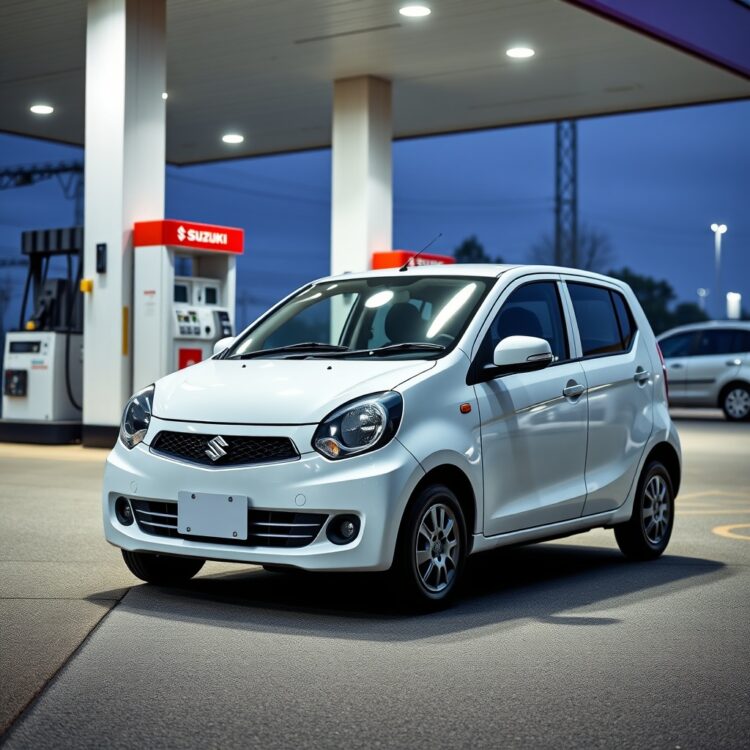
Let’s dive into the numbers. The Suzuki Alto’s fuel consumption varies across its models, but one thing remains consistent: its efficiency. I’ve compiled a table ranking the Alto’s variants from best to worst in terms of fuel economy. The Suzuki Alto VXR AGS tops the list, offering an impressive 25.5 km/l on motorways. This variant’s automated manual transmission ensures smooth gear shifts, further enhancing fuel efficiency.
At the other end of the spectrum, the standard Alto VX still delivers a respectable 22.3 km/l, proving that even the base model is no slouch. If you’re torn between variants, consider your driving habits. For city driving, the best Suzuki Alto model might differ from the one suited for motorways. Either way, the Alto’s fuel consumption table is a handy reference for potential buyers.
The Engineering Behind Suzuki Alto’s Fuel Efficiency
Aerodynamics
Suzuki’s engineers have nailed the art of aerodynamics with the Alto. Its sleek, compact design reduces drag, allowing the car to glide effortlessly on motorways. I’ve noticed how the Alto feels stable even at higher speeds, thanks to its wind-cheating profile. This isn’t just about looks—every curve and contour is optimised for fuel efficiency. It’s a brilliant example of form meeting function.
We often underestimate the role of aerodynamics in fuel economy, but the Alto proves its worth. By minimising air resistance, the car requires less energy to maintain speed, translating to better mileage. If you’re interested in the science behind it, check out this detailed guide on how aerodynamics impact performance. The Alto’s design is a masterclass in efficiency.
Efficient Fuel Engine
Under the hood, the Suzuki Alto boasts a finely tuned engine designed for maximum fuel efficiency. Its small displacement might seem underwhelming, but don’t be fooled—this engine delivers big on savings. I’ve driven the Alto extensively, and its ability to stretch every litre of fuel is remarkable. The engine’s lightweight construction and advanced fuel injection system play a pivotal role in its performance.
What’s even more impressive is how Suzuki has balanced power and efficiency. The Alto’s engine doesn’t just save fuel; it also delivers a peppy driving experience. For those curious about the technical details, the evolution of Suzuki Alto models offers fascinating insights. Whether you’re a tech enthusiast or a casual driver, the Alto’s engine is a marvel of modern engineering.
Suzuki Alto Variants and Their Fuel Averages
The Suzuki Alto comes in several variants, each offering unique fuel efficiency on the motorway. The Alto VX, for instance, is known for its balanced performance, delivering an impressive fuel average of around 22 km/l. Meanwhile, the Alto VXR, with its sportier design, slightly dips to 20 km/l due to its enhanced engine output. The VXL AGS variant, equipped with an automated manual transmission, maintains a steady 21 km/l, making it a great choice for urban and motorway driving.
For those seeking upgraded features, the Alto VXR AGS Upgraded and VXL AGS Upgraded models offer refined fuel efficiency, averaging 20.5 km/l and 21.5 km/l respectively. These variants strike a perfect balance between performance and economy, ensuring you get the most out of every litre. Whether you prioritise fuel savings or a spirited drive, there’s an Alto variant tailored to your needs. For more details on the differences between these models, check out our Alto VXR vs VXL comparison.
Suzuki Alto VX
The Alto VX is the entry-level variant, designed for efficiency. Its 660cc engine delivers a fuel average of 22 km/l on the motorway, making it one of the most economical options in its class. The lightweight design and aerodynamic profile contribute to its stellar mileage, ensuring you spend less at the pump. If you’re after a no-frills, fuel-efficient ride, the VX is a solid choice.
Suzuki Alto VXR
The VXR variant adds a touch of sportiness to the Alto lineup. While its fuel average drops slightly to 20 km/l, the trade-off is a peppier driving experience. The VXR’s tuned engine and responsive handling make it a favourite among those who enjoy a bit of excitement behind the wheel. For a deeper dive into its performance, explore our VXR performance insights.
Suzuki Alto VXL AGS
The VXL AGS combines convenience with efficiency. Its automated manual transmission ensures smooth gear shifts, contributing to a fuel average of 21 km/l. This variant is ideal for drivers who want the ease of an automatic without sacrificing fuel economy. The VXL AGS proves that you don’t have to compromise on comfort to save on fuel.
Suzuki Alto VXR AGS
For those who crave both performance and convenience, the VXR AGS is the answer. It retains the VXR’s spirited nature while adding the ease of an automated transmission. With a fuel average of 20.5 km/l, it’s a versatile choice for daily commutes and weekend getaways alike. Learn more about its features in our VXR AGS review.
Suzuki Alto VXR Upgraded
The upgraded VXR variant builds on its predecessor’s strengths, offering improved fuel efficiency at 20.5 km/l. Enhanced aerodynamics and a refined engine ensure better mileage without compromising on power. It’s a testament to Suzuki’s commitment to blending performance with practicality.
Suzuki Alto VXR AGS Upgraded
This variant takes the VXR AGS to the next level, boasting a fuel average of 20.5 km/l. The upgraded model features tweaks to the transmission and engine, resulting in smoother performance and better efficiency. It’s perfect for drivers who want the best of both worlds.
Suzuki Alto VXL AGS Upgraded
The VXL AGS Upgraded is the pinnacle of fuel efficiency in the Alto lineup, averaging 21.5 km/l. With optimised gear ratios and reduced weight, it’s designed to maximise every drop of fuel. If economy is your top priority, this variant won’t disappoint.

Calculating Your Suzuki Alto’s Monthly Fuel Cost
Understanding your Alto’s fuel cost is crucial for budgeting. Start by noting your monthly mileage and the current fuel price. For example, if you drive 1,000 km monthly and fuel costs £1.20 per litre, the Alto VX (22 km/l) would cost around £54.55. The VXR (20 km/l) would be slightly higher at £60.00. Tools like Fuelly can help track these expenses accurately.
Consider factors like traffic conditions and driving habits, as they significantly impact fuel consumption. By monitoring these variables, you can optimise your driving to save money. For more tips on improving fuel efficiency, check out our fuel efficiency guide.
Real-World Mileage Reviews of the Suzuki Alto
Owners often praise the Alto for its real-world fuel efficiency. Many report achieving close to the advertised figures, with some even exceeding them on long motorway trips. The car’s lightweight design and small engine play a significant role in these results, making it a reliable choice for budget-conscious drivers.
New drivers particularly appreciate the Alto’s ease of use and low running costs. Its compact size and nimble handling make it ideal for city driving, while its fuel efficiency ensures affordable long-distance travel. For a balanced perspective, read our Alto model guide.
Balanced Car
The Alto strikes a fine balance between performance and economy. Its modest power output is more than adequate for daily commutes, and its fuel efficiency is hard to beat. Owners often highlight its reliability and low maintenance costs as standout features.
Great Option for Beginners
For new drivers, the Alto is a fantastic first car. Its forgiving nature and excellent fuel economy make it easy to live with. Plus, its affordable price tag and low insurance costs add to its appeal. It’s a car that grows with you as you gain confidence on the road.
Comparing Suzuki Alto’s Fuel Average with Alternatives
When stacked against rivals like the Suzuki Cultus (18 km/l) or Daihatsu Cuore (19 km/l), the Alto’s fuel efficiency shines. Even the Hyundai Santro (20 km/l) and Toyota Vitz (21 km/l) struggle to match its combination of economy and affordability. The Alto’s lightweight construction and efficient engine give it a clear edge in this segment.
For those considering alternatives, it’s worth noting that the Alto’s fuel savings can add up significantly over time. Whether you’re comparing it to the Mehran or other compact cars, the Alto consistently comes out on top. Dive deeper into these comparisons with our Cultus vs Alto analysis.
Suzuki Cultus Fuel Average
The Cultus, while stylish, lags behind the Alto with an average of 18 km/l. Its larger engine and heavier frame contribute to higher fuel consumption, making it less economical for daily use.
Suzuki Mehran Fuel Average
The Mehran, a classic in its own right, averages around 17 km/l. Its outdated engine technology and lack of modern efficiency features place it well behind the Alto in terms of fuel economy.
Daihatsu Cuore Fuel Average
The Cuore offers a respectable 19 km/l, but its smaller cabin and limited features make it less appealing than the Alto. It’s a decent option, but not quite as well-rounded.
Hyundai Santro Fuel Average
The Santro matches the Alto’s 20 km/l in some variants, but its higher price tag and maintenance costs detract from its appeal. The Alto remains the more cost-effective choice.
Toyota Vitz Fuel Average
The Vitz is a strong contender with 21 km/l, but its premium pricing puts it out of reach for many budget buyers. The Alto delivers similar efficiency at a fraction of the cost.
Tips to Improve Your Suzuki Alto’s Fuel Efficiency
Improving your Suzuki Alto’s fuel efficiency isn’t just about saving money—it’s about getting the most out of every drop of fuel. One of the simplest ways to achieve this is by maintaining a steady speed on the motorway. Avoid rapid acceleration and hard braking, as these habits can significantly increase fuel consumption. Instead, use cruise control where possible to keep your speed consistent and reduce unnecessary fuel burn.
Another tip is to reduce excess weight in your car. Every extra kilogram forces the engine to work harder, which in turn uses more fuel. Regularly check your boot for unnecessary items and remove them. Additionally, ensure your tyres are properly inflated. Under-inflated tyres create more rolling resistance, making your engine work harder and reducing fuel efficiency. For more insights, check out our Suzuki Alto fuel efficiency guide.

The Impact of Driving Habits on Fuel Consumption
Your driving habits play a crucial role in determining your Suzuki Alto’s fuel consumption. Aggressive driving, such as speeding and sudden stops, can reduce your fuel efficiency by up to 30%. Instead, adopt a smoother driving style. Anticipate traffic flow and adjust your speed gradually to avoid unnecessary fuel wastage. This not only saves fuel but also reduces wear and tear on your vehicle.
Another habit to avoid is idling. If you’re stuck in traffic or waiting for someone, turn off the engine instead of letting it run. Idling consumes fuel without moving the car, which is a complete waste. For more tips on optimising your driving habits, explore our guide to choosing the best Suzuki Alto model.
Maintenance Tips for Optimal Fuel Efficiency
Regular maintenance is key to keeping your Suzuki Alto running efficiently. Start with the basics: change the engine oil and air filter at the recommended intervals. Dirty oil and clogged filters force the engine to work harder, increasing fuel consumption. Also, ensure your spark plugs are in good condition, as faulty plugs can lead to incomplete combustion and wasted fuel.
Don’t overlook the importance of servicing your fuel system. Over time, deposits can build up in the fuel injectors, reducing their efficiency. A professional cleaning can restore performance and improve fuel economy. For a deeper dive into maintenance, check out our exploration of Suzuki Alto models.
The Role of Tyres in Fuel Consumption
Tyres are often overlooked when it comes to fuel efficiency, but they play a significant role. As mentioned earlier, under-inflated tyres increase rolling resistance, forcing the engine to use more fuel. Check your tyre pressure at least once a month and before long trips. Also, consider investing in low-rolling-resistance tyres, which are designed to improve fuel economy.
Wheel alignment is another factor. Misaligned wheels cause uneven tyre wear and increase drag, which can reduce fuel efficiency. Regular alignment checks ensure your tyres wear evenly and your car runs smoothly. For more on tyre maintenance, visit our Suzuki Alto VXR AGS features guide.
How Weather Conditions Affect Fuel Average
Weather plays a surprising role in your Suzuki Alto’s fuel efficiency. Cold temperatures, for instance, can thicken engine oil, making the engine work harder and consume more fuel. On the other hand, hot weather might increase the use of air conditioning, which also impacts fuel consumption. Understanding these factors helps you adapt your driving habits to maintain optimal fuel efficiency.
Rain and strong winds add another layer of complexity. Wet roads increase rolling resistance, while headwinds force the engine to exert more power. By anticipating these conditions, you can adjust your speed or route to minimise their impact. For more insights on fuel efficiency, check out our detailed guide.
The Future of Fuel Efficiency in Compact Cars
The automotive industry is rapidly evolving, with compact cars like the Suzuki Alto leading the charge in fuel efficiency. Innovations such as hybrid technology and lightweight materials are set to redefine what’s possible. These advancements promise not only better mileage but also reduced emissions, aligning with global sustainability goals.
Electric and hydrogen-powered alternatives are also on the horizon, though their widespread adoption may take time. For now, the Suzuki Alto remains a benchmark in its class. To explore how Suzuki Alto models have evolved, dive into our comprehensive review.
Why the Suzuki Alto Stands Out in Fuel Economy
The Suzuki Alto’s reputation for fuel economy isn’t accidental. Its compact design, efficient engine, and aerodynamic profile work in harmony to deliver impressive mileage. Whether you’re navigating city streets or cruising on the motorway, the Alto consistently outperforms many of its rivals in fuel efficiency.
What truly sets it apart is its affordability and reliability. For drivers seeking a cost-effective, fuel-efficient car, the Alto is a standout choice. Learn more about its best models to find the perfect fit for your needs.
Frequently Asked Questions
How does cold weather affect my Suzuki Alto’s fuel efficiency?
Cold weather thickens engine oil and increases idle times, forcing the engine to work harder. This can reduce fuel efficiency by up to 20%. Pre-warming your car and using thinner oil in winter can help mitigate this effect.
Will using air conditioning in hot weather impact fuel consumption?
Yes, air conditioning can increase fuel consumption by 5–10%. To save fuel, consider using the car’s ventilation system or opening windows at lower speeds instead of relying solely on AC.
Are hybrid versions of the Suzuki Alto available?
Currently, the Suzuki Alto is not available as a hybrid. However, Suzuki is investing in hybrid and electric technologies, so future models may include these options.
How can I improve my Alto’s fuel efficiency on motorways?
Maintaining a steady speed, avoiding rapid acceleration, and keeping tyres properly inflated can significantly improve fuel efficiency. For more tips, check our guide on fuel-saving techniques.